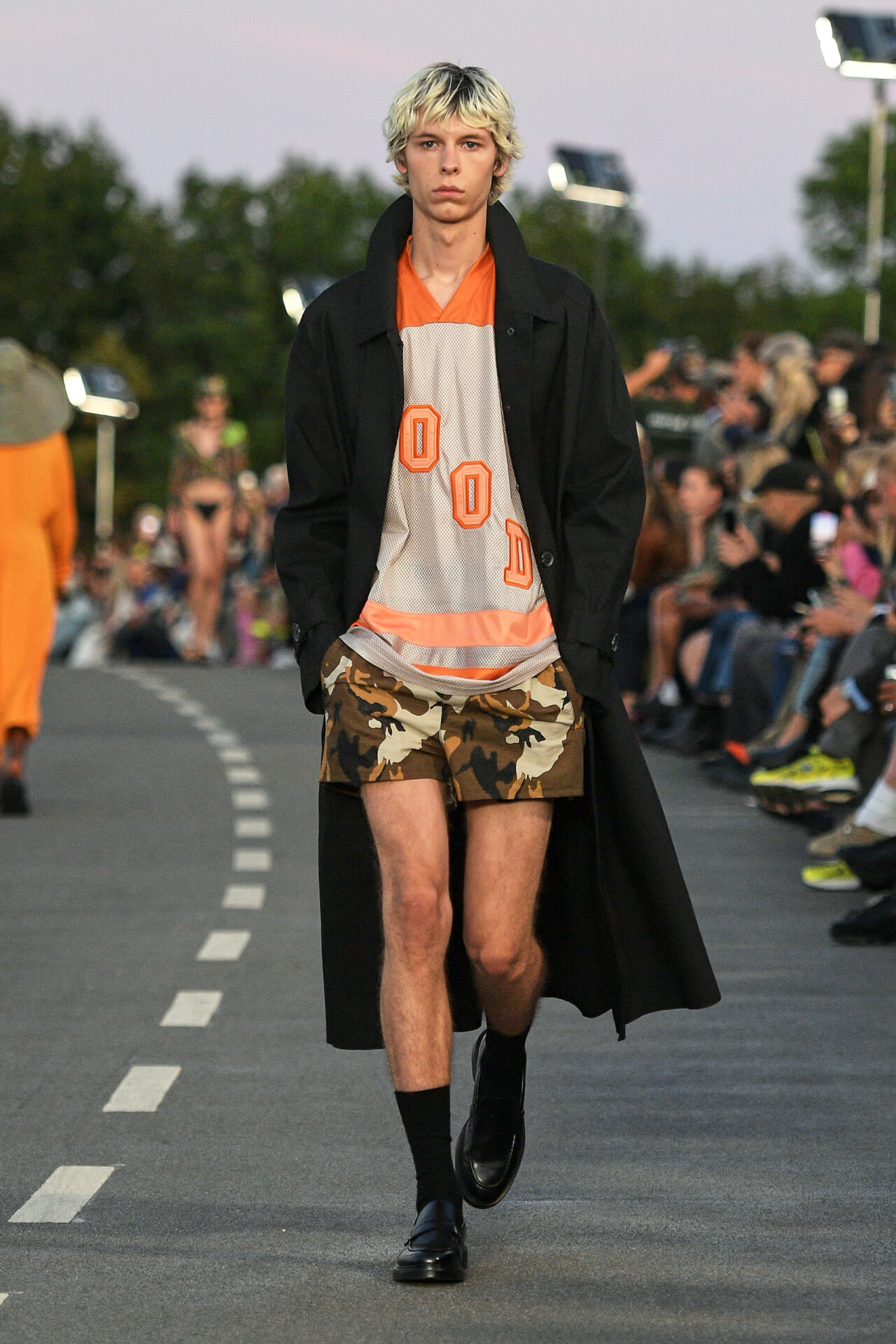
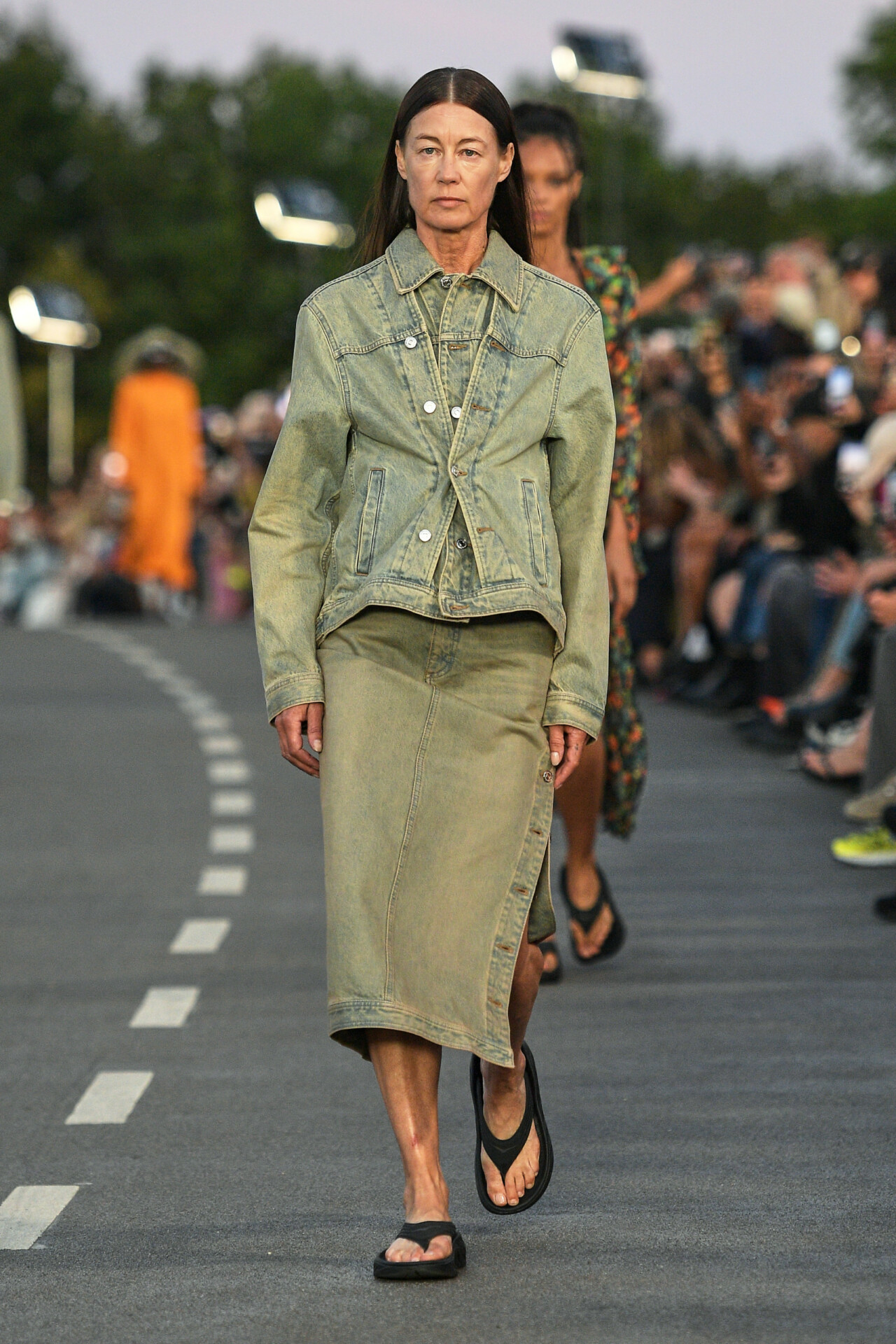
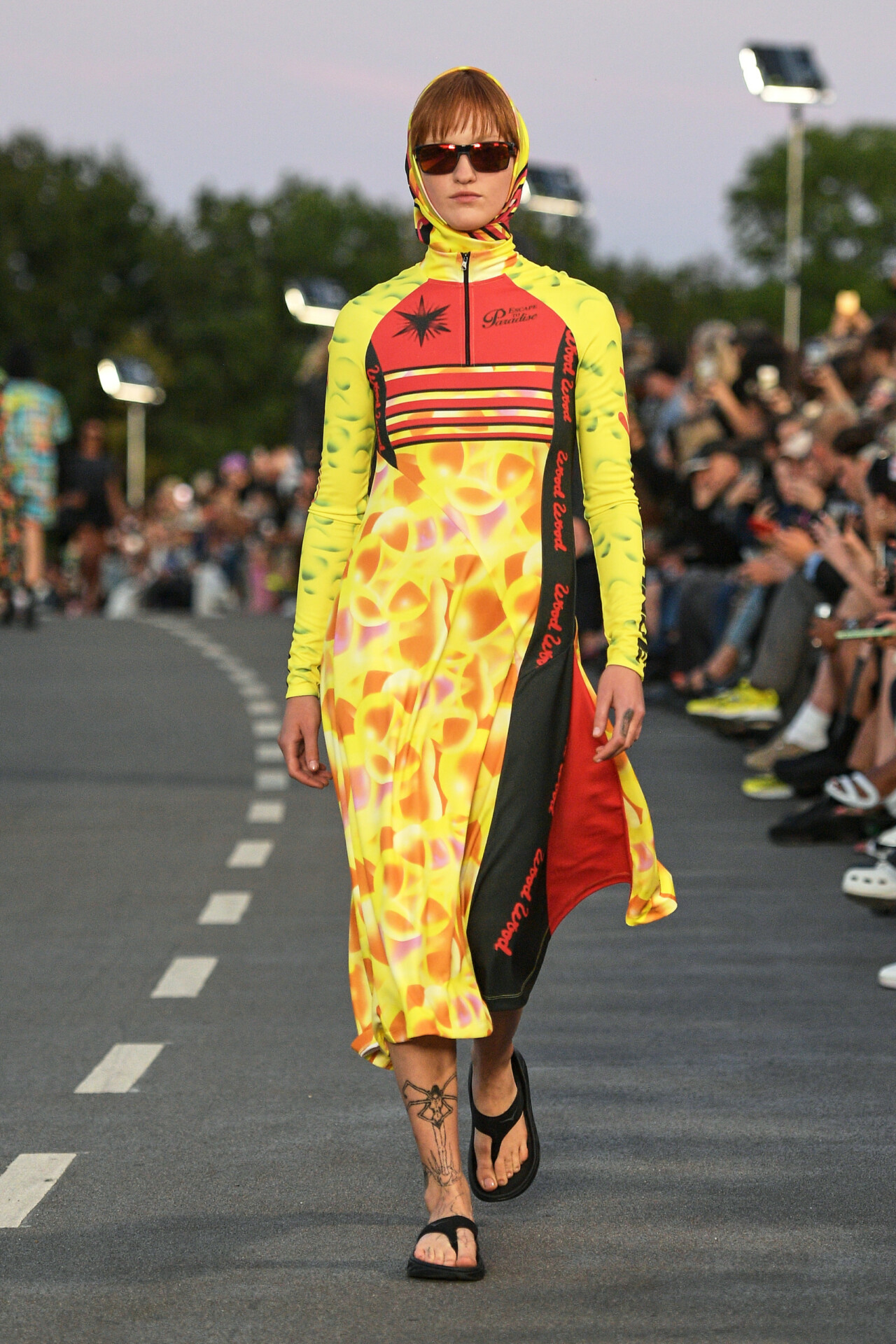
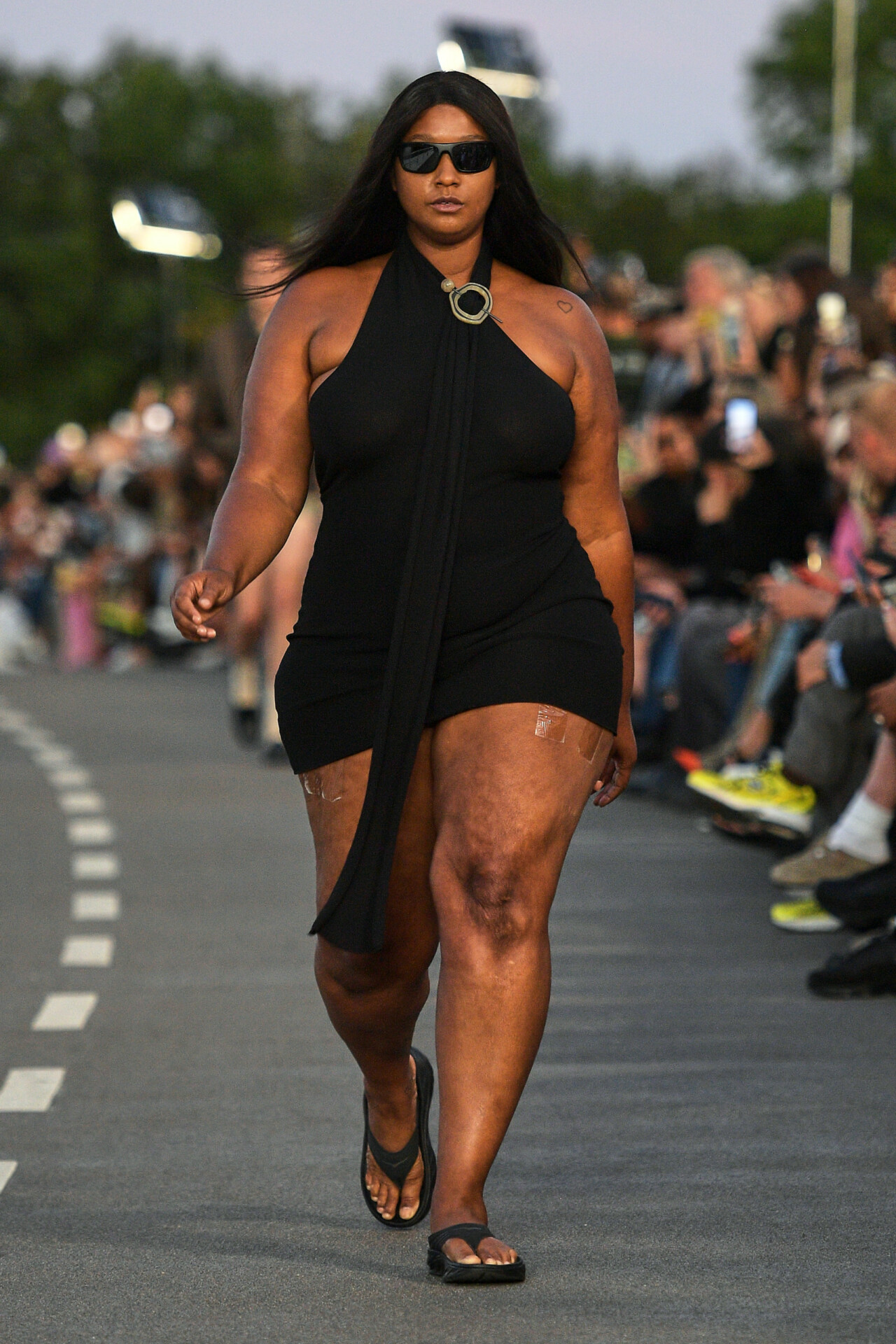
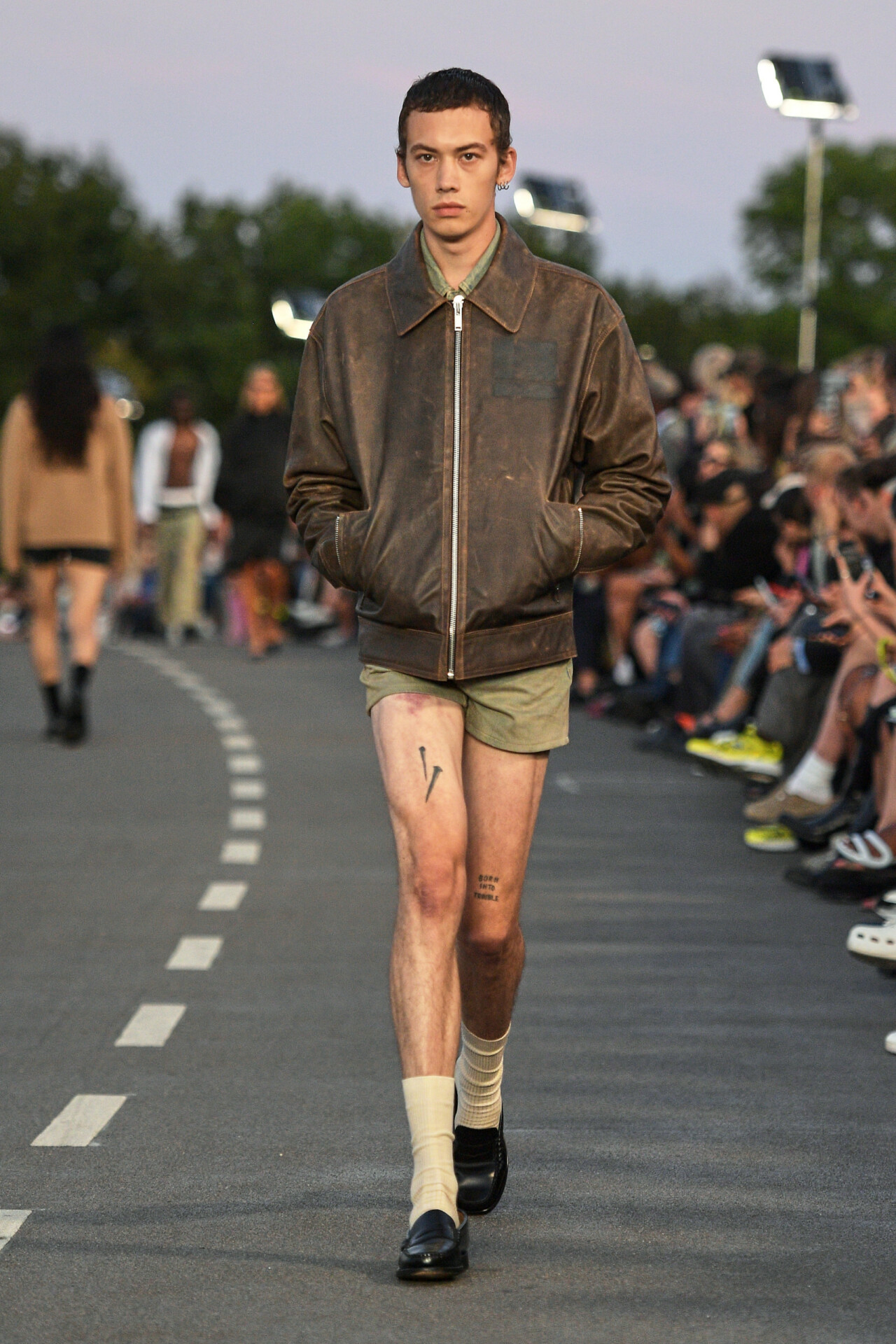
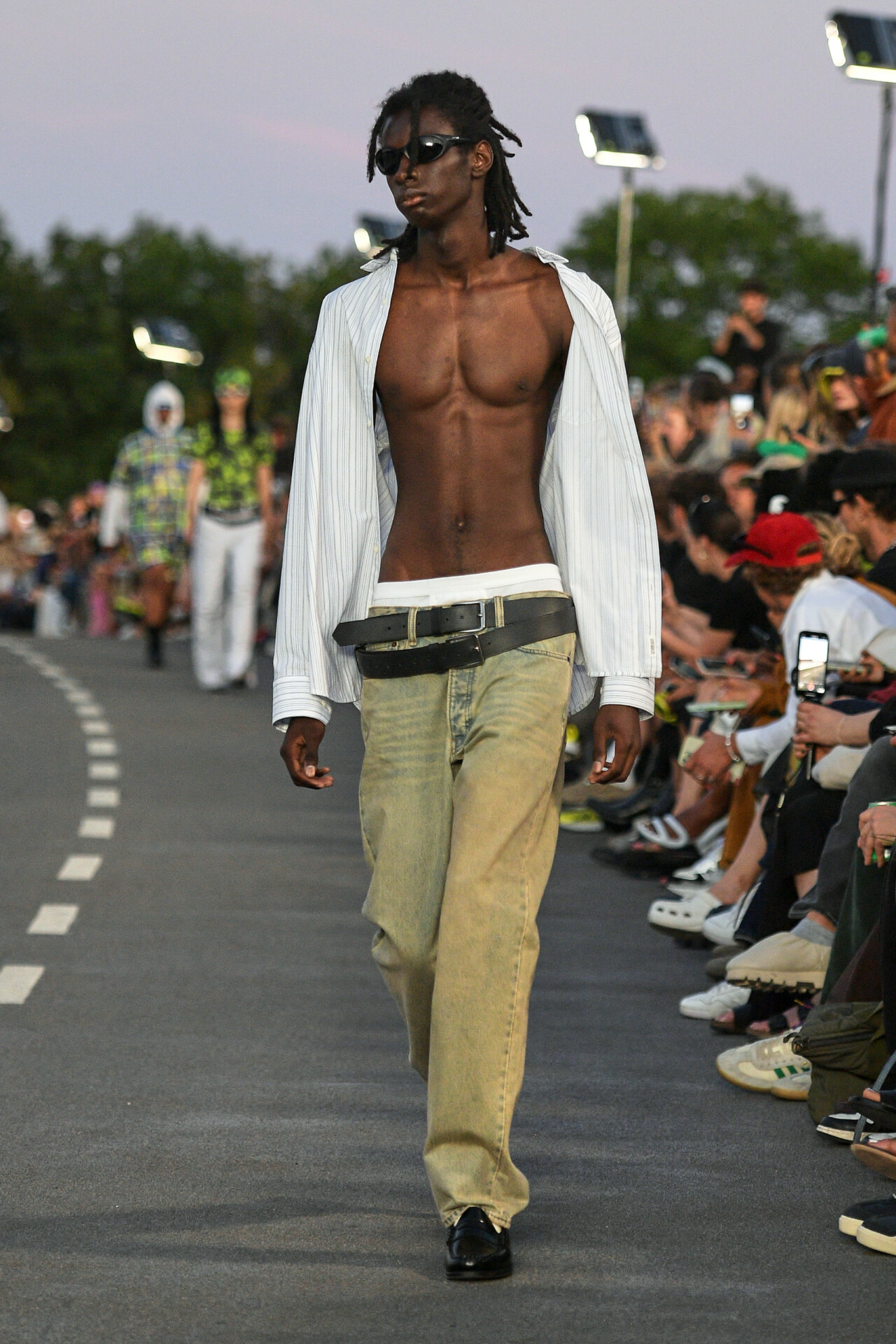
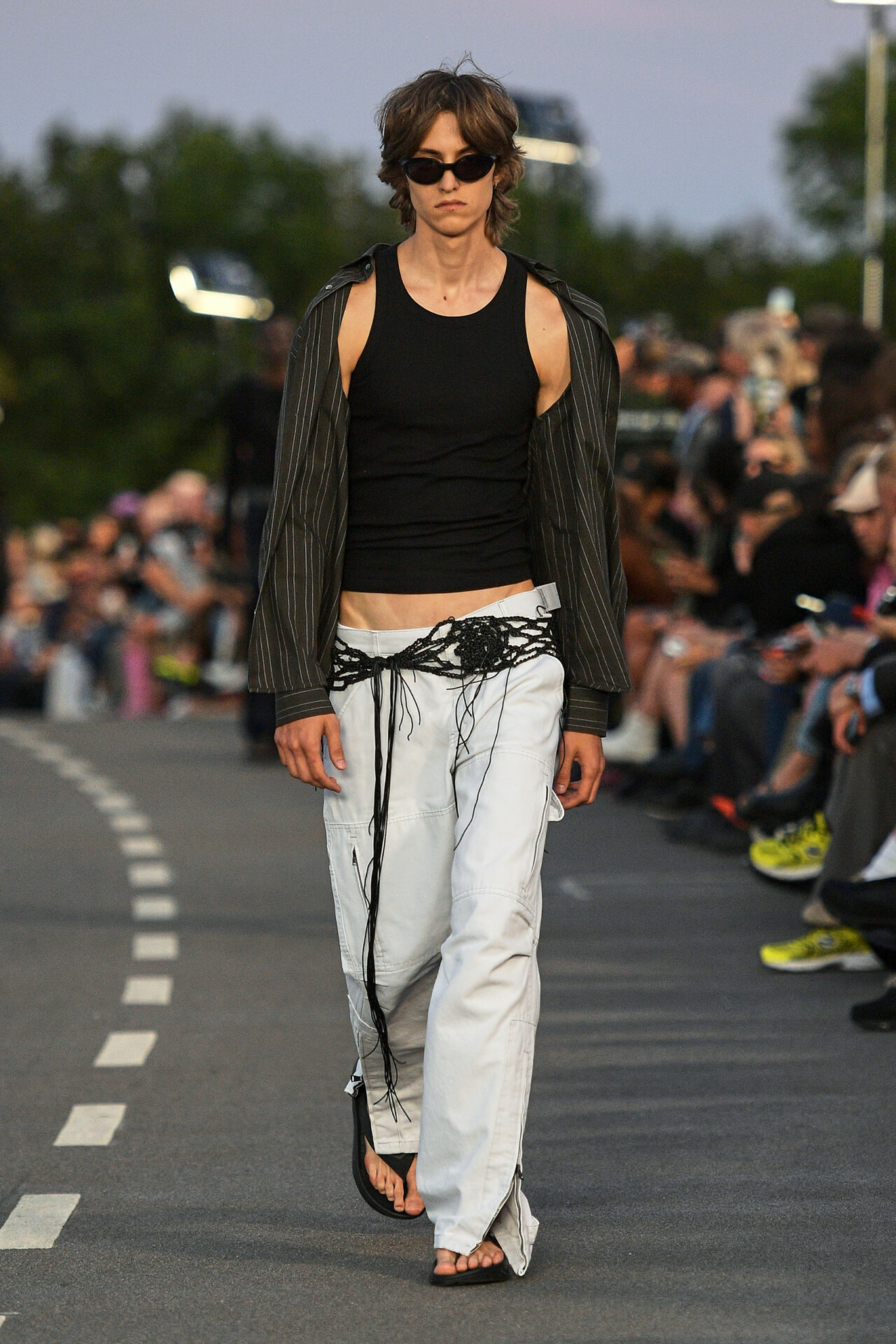
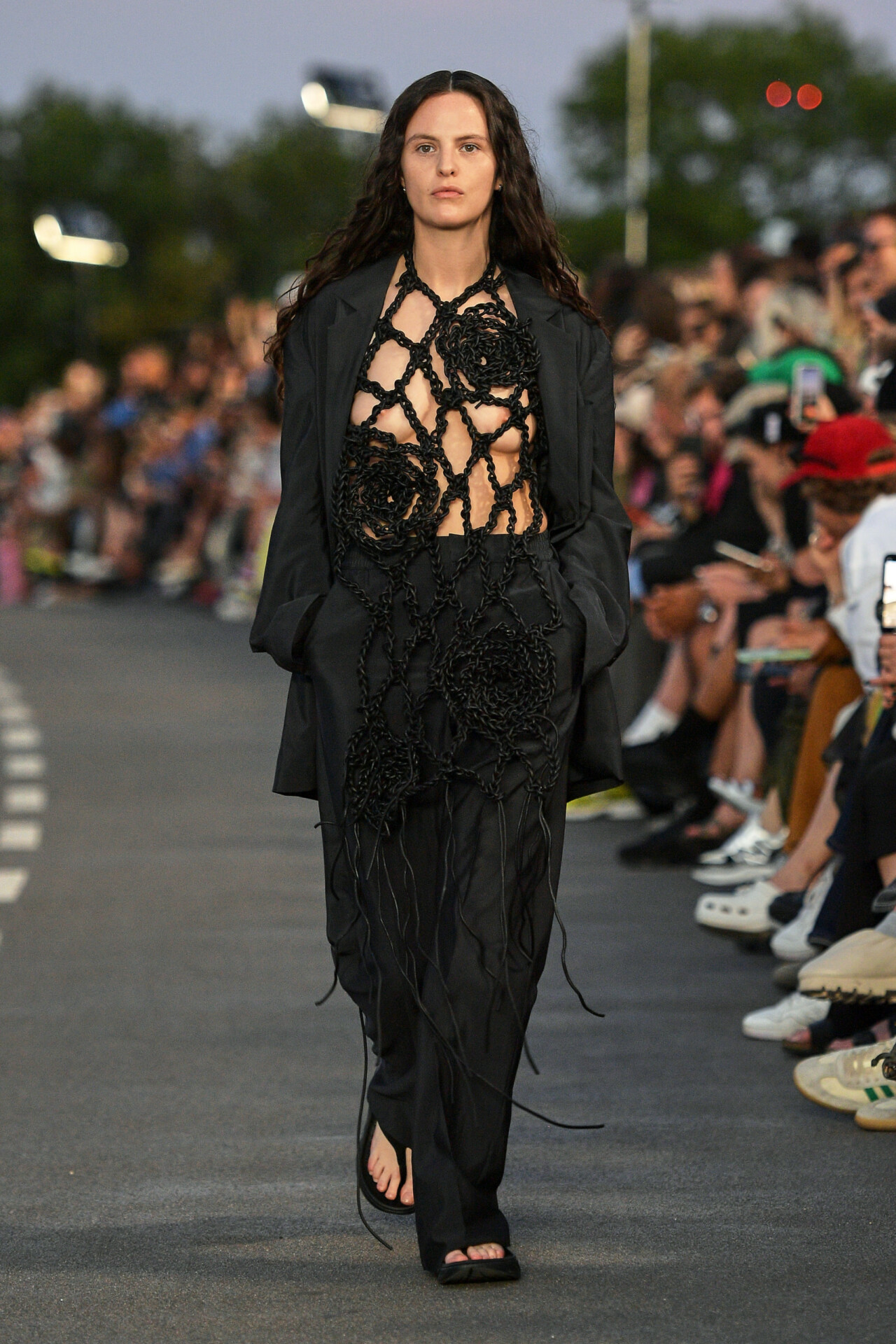
Wood Wood SS23 at Copenhagen Fashion Week. Photography by James Cochrane.
In times as overladen and contradictory as today, it needs a firm grip and razor vision to cut through established structures and make some noise. As the shimmering keyboards and subversive guitars of “Riders on the Storm” were soaking the evening atmosphere with rain and thunder at the (di)vision show, it became clear that the young designers had both the power and confidence to set the tone this season. Much like the cult song refers to people who just won’t fit into the society that surrounds them – so they keep on riding the storm – a new generation of Scandinavian talents is turning ideas, materials, and principles upside down. These changemakers seek not only evolution but revolution; a soft rebellion against the firm framework that usually dictates fashion.
Over the past few seasons, Copenhagen Fashion Week has evolved from a small side note on the fashion calendar to an industry institution, pathing the way to a more sustainable approach to dressing on an international scale. While the biannual fashion event is home to an array of commercially successful brands such as Ganni, Wood Wood, and By Malene Birger, there used to be not much space for more subversive designers besides the neatly pathed ways. As the momentum for Scandinavian fashion is at its peak internationally, drawing more press, buyers, and industry leaders to the Danish capital, Copenhagen Fashion Week is making room for smaller, unestablished labels from Scandinavia. Moreover, with the launch of a new talent support scheme for designers with less than three years in business, it was not only the emphasis on emerging talent but also a new creative spirit that led the way throughout the week.

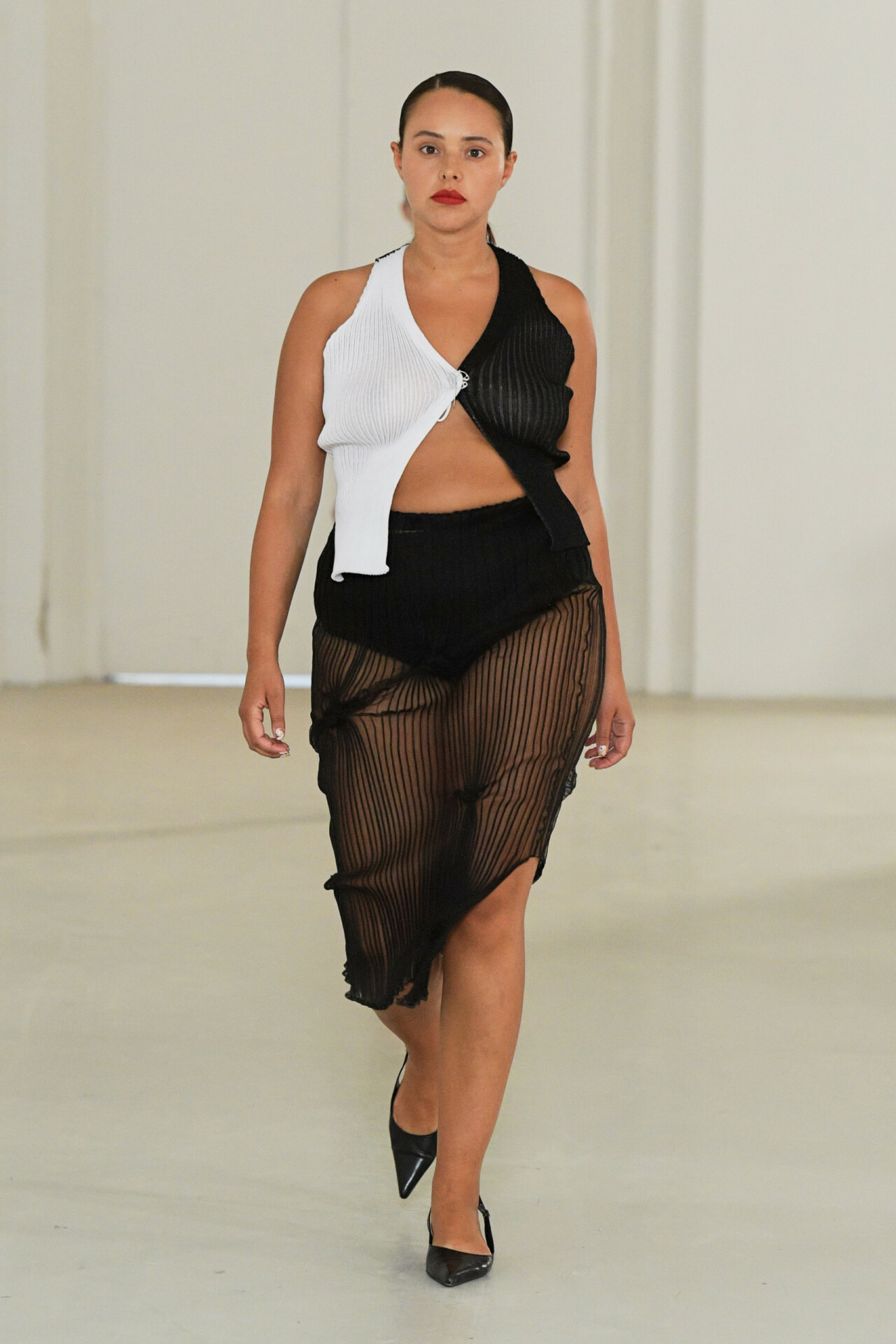
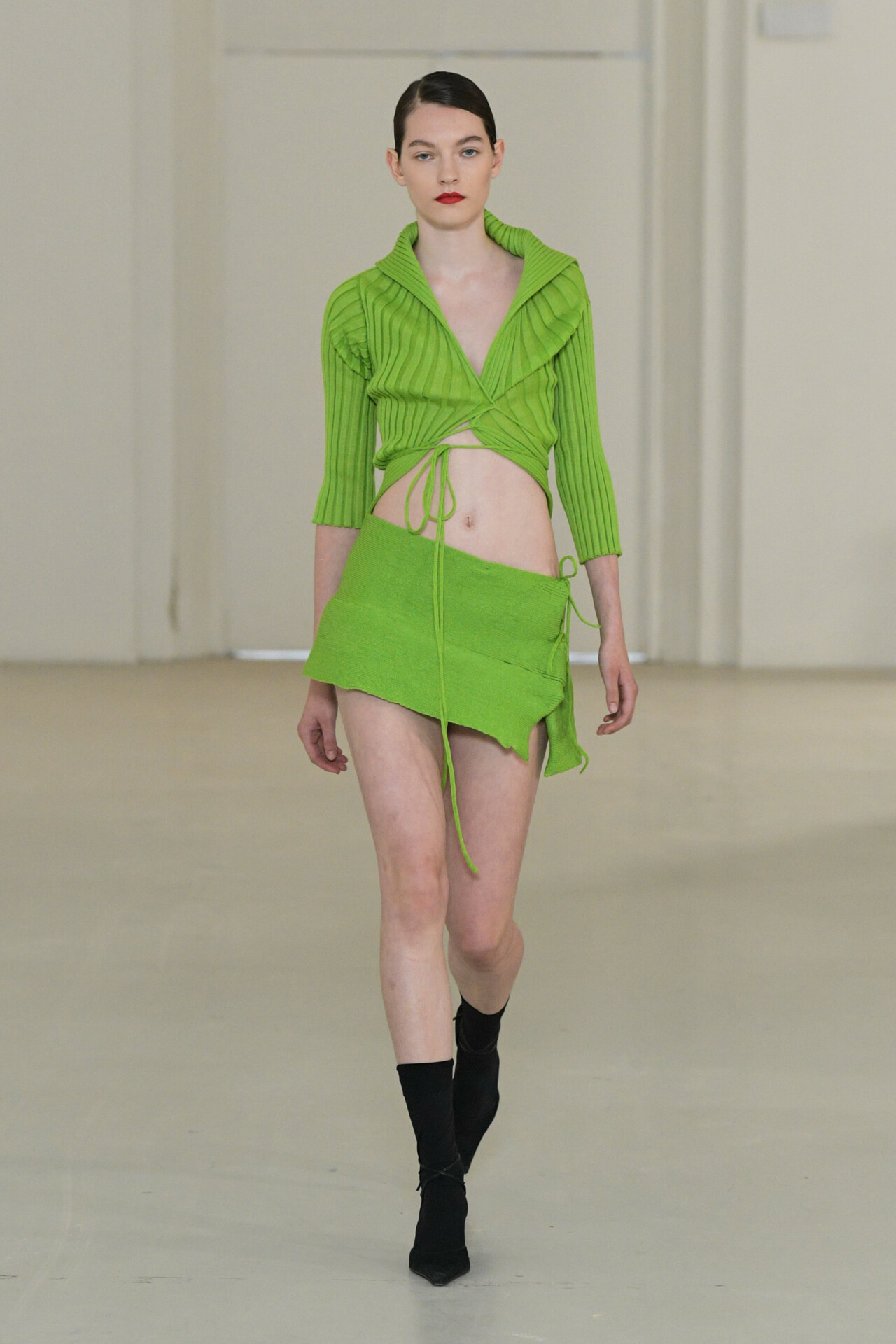
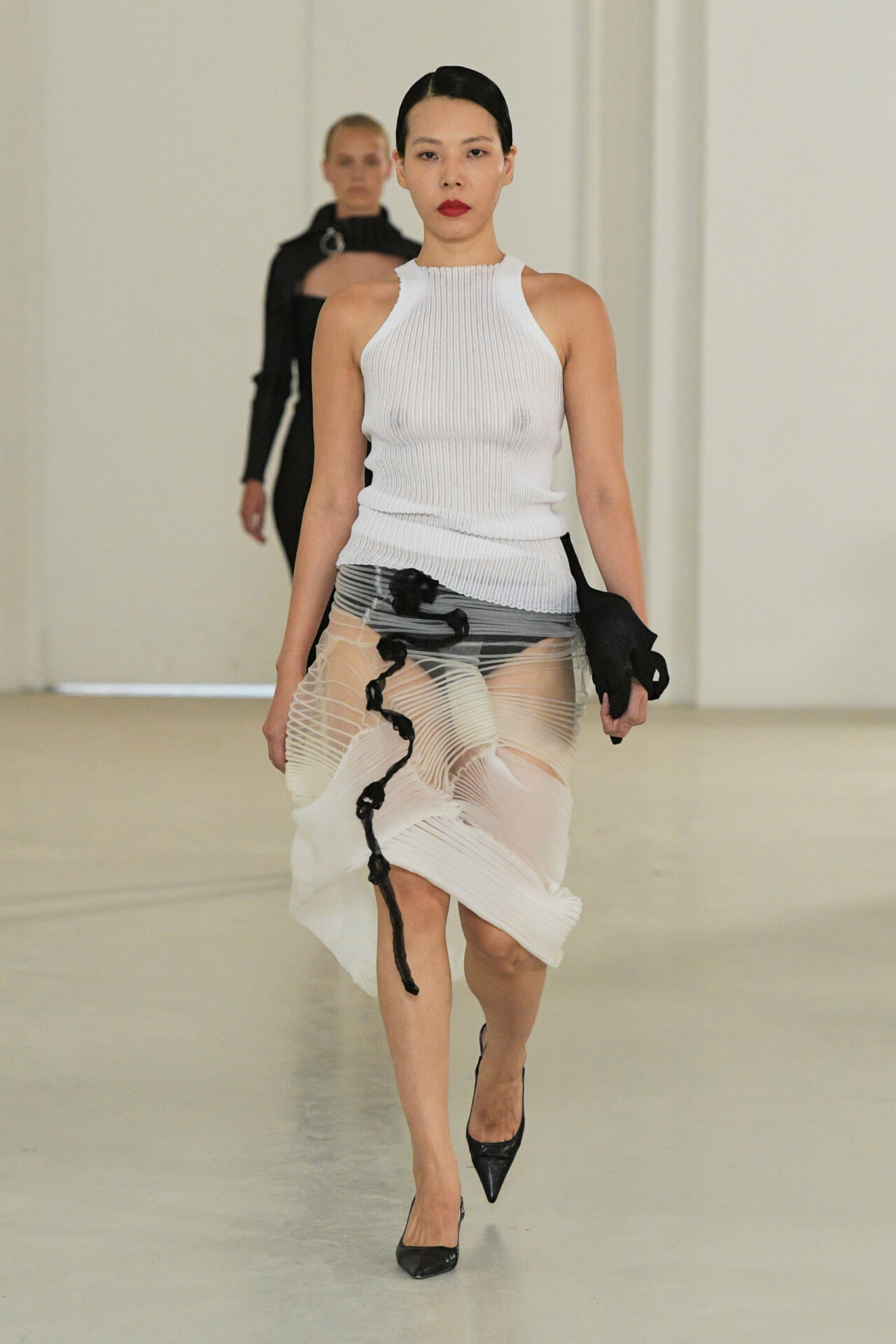
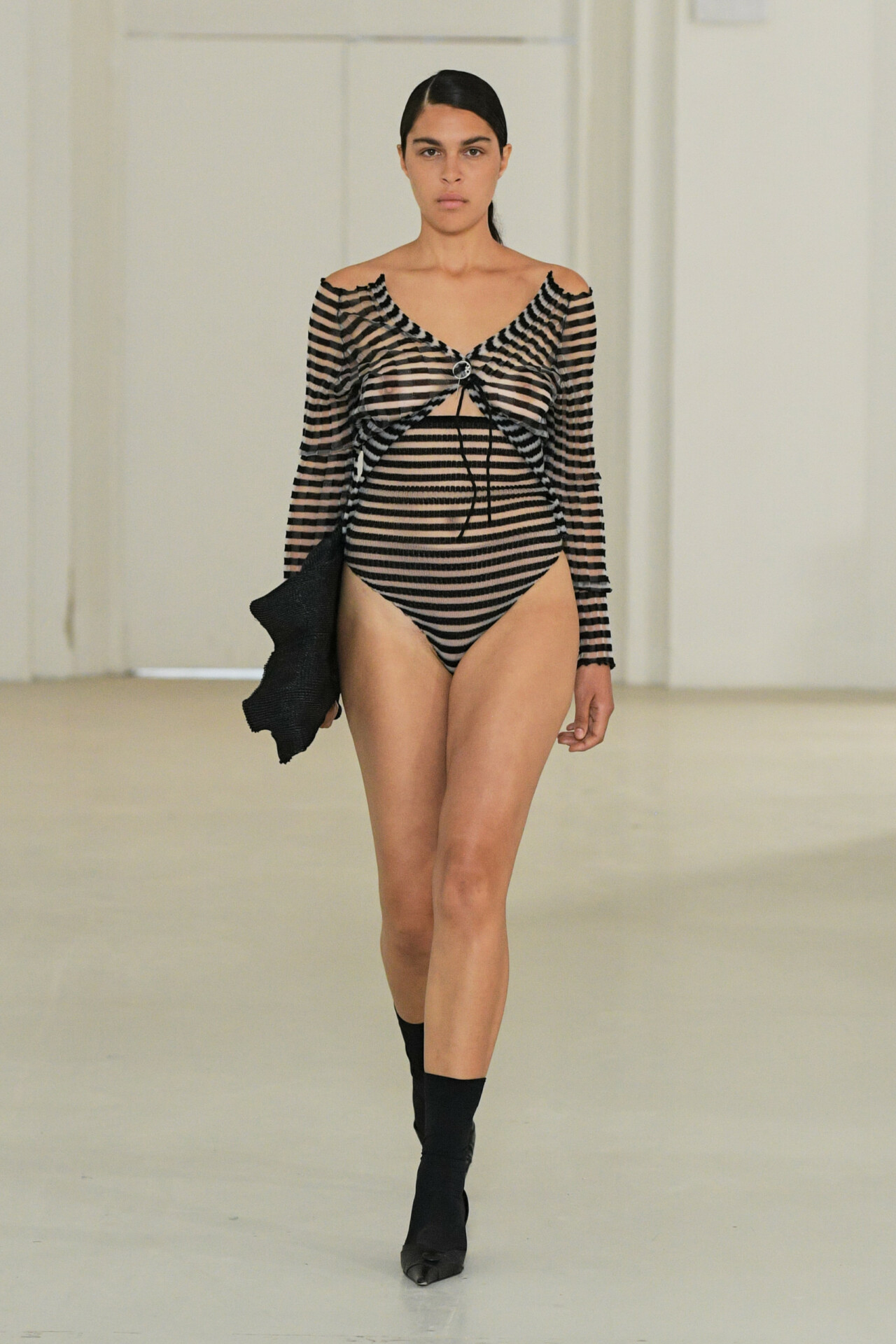
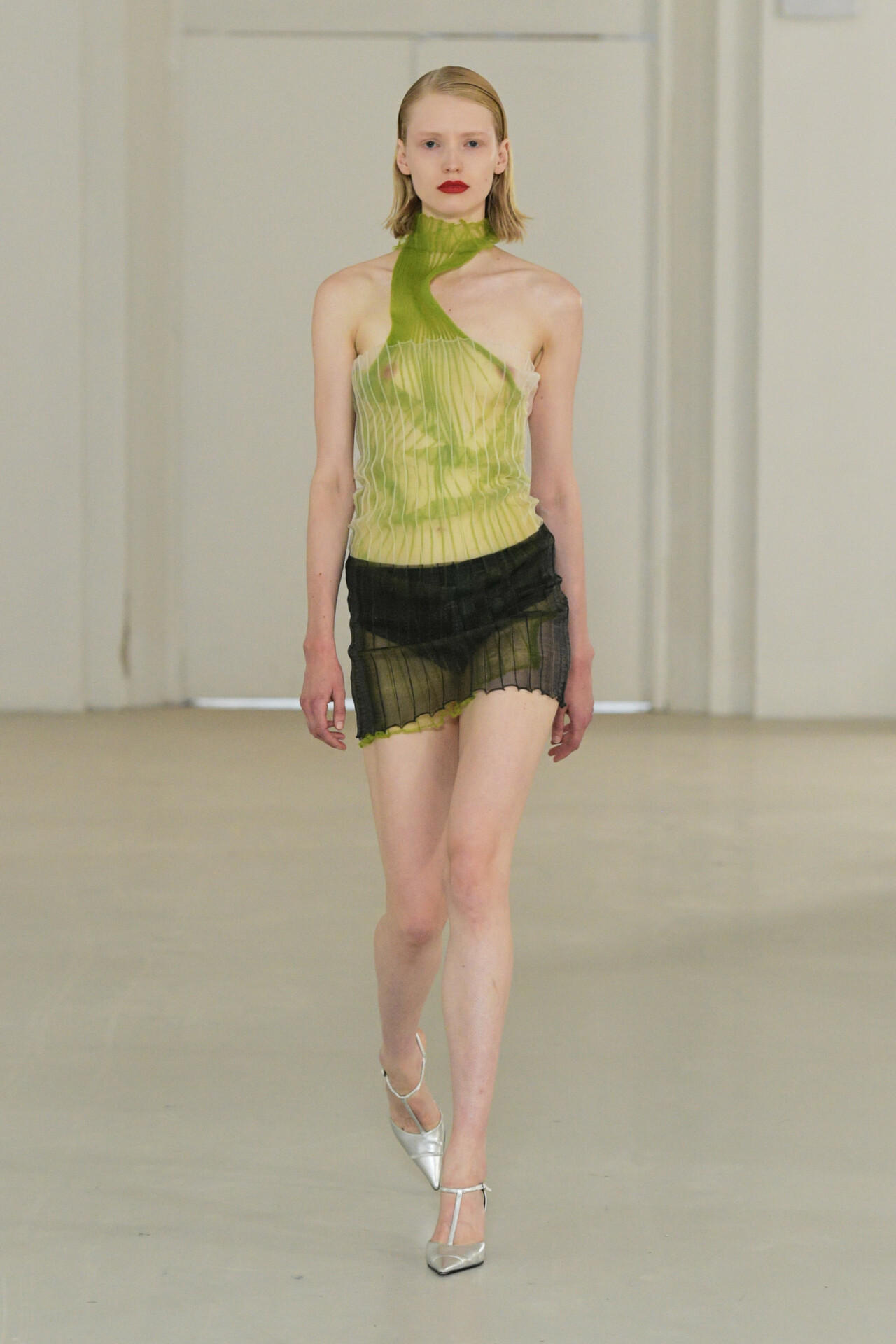
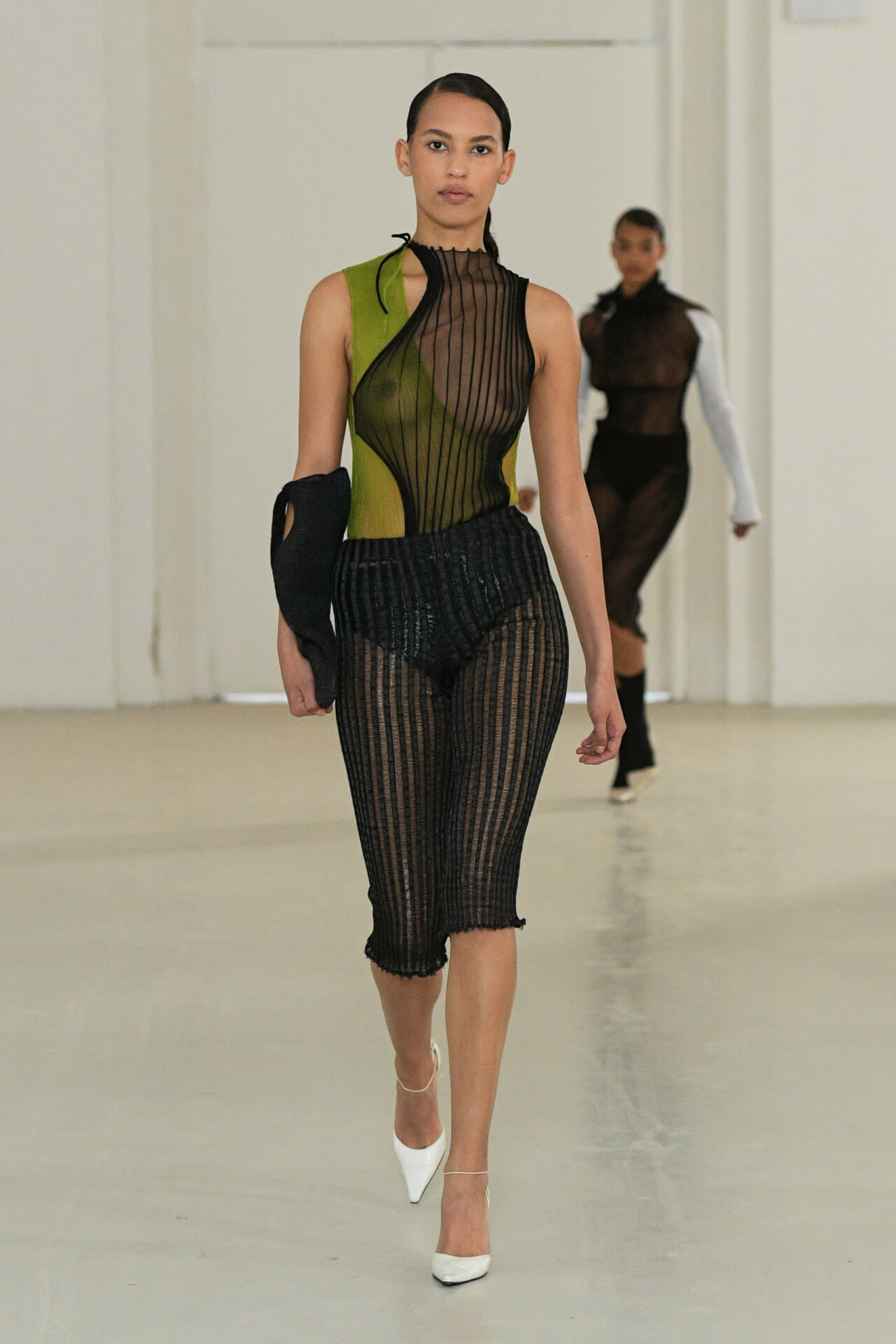
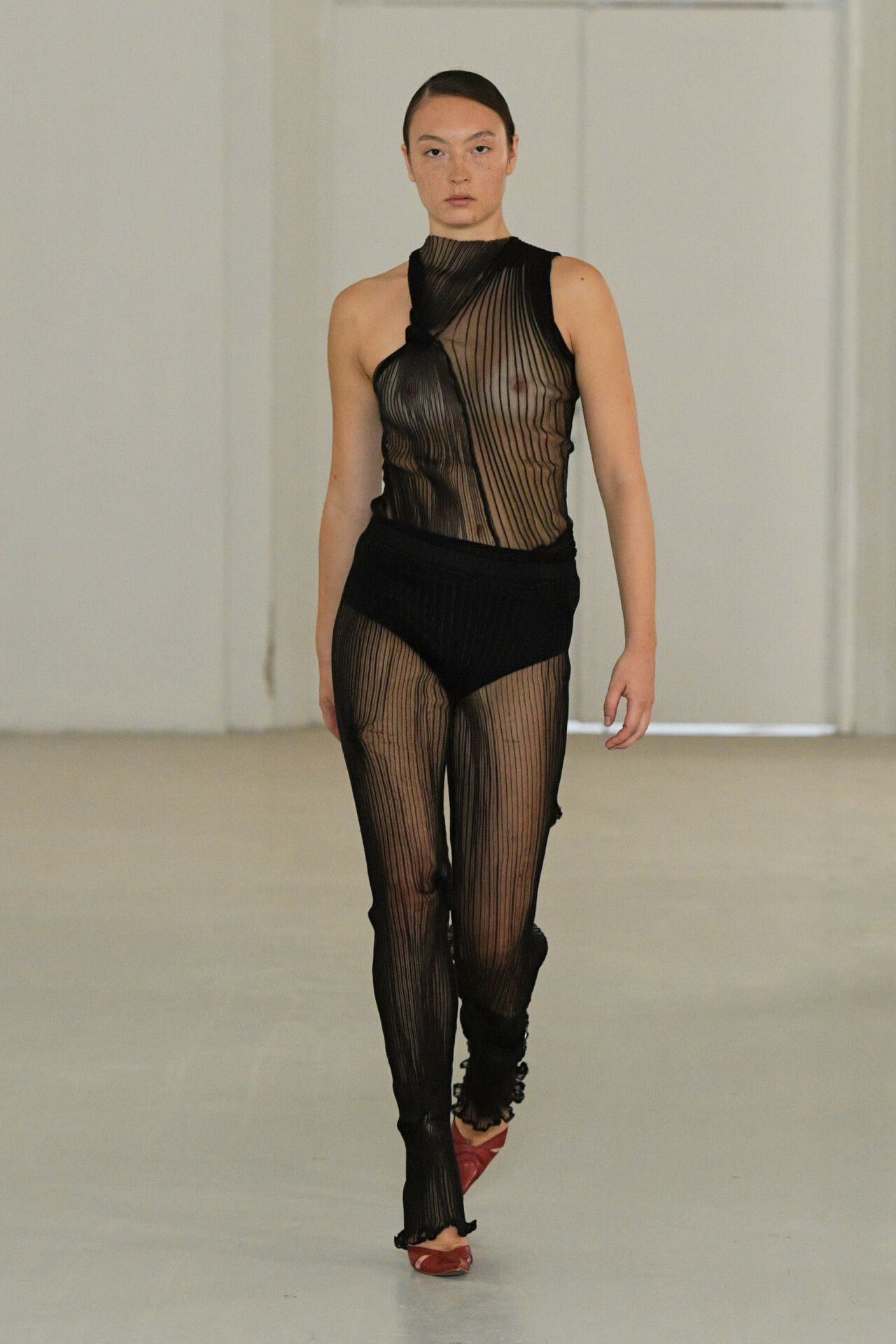
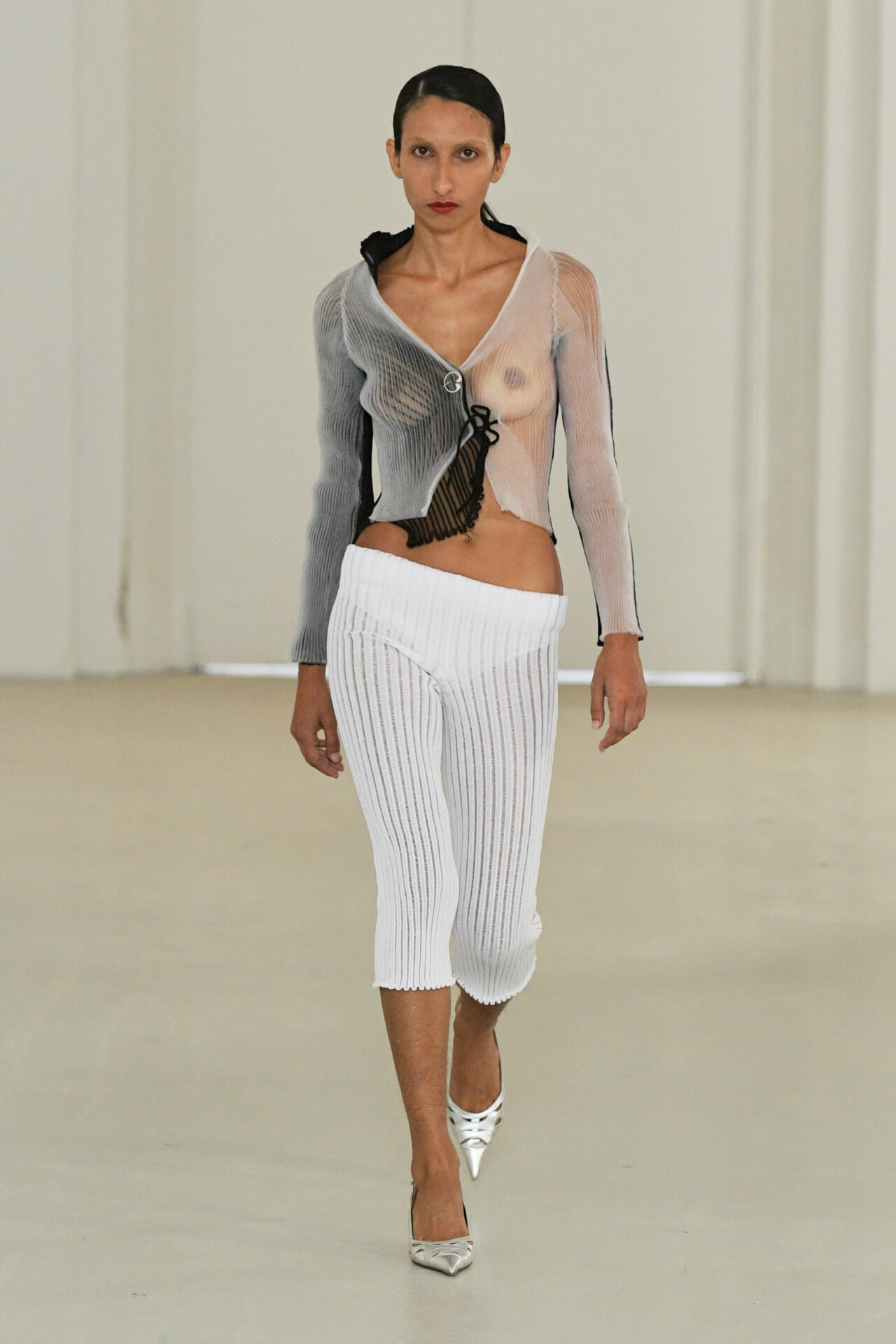
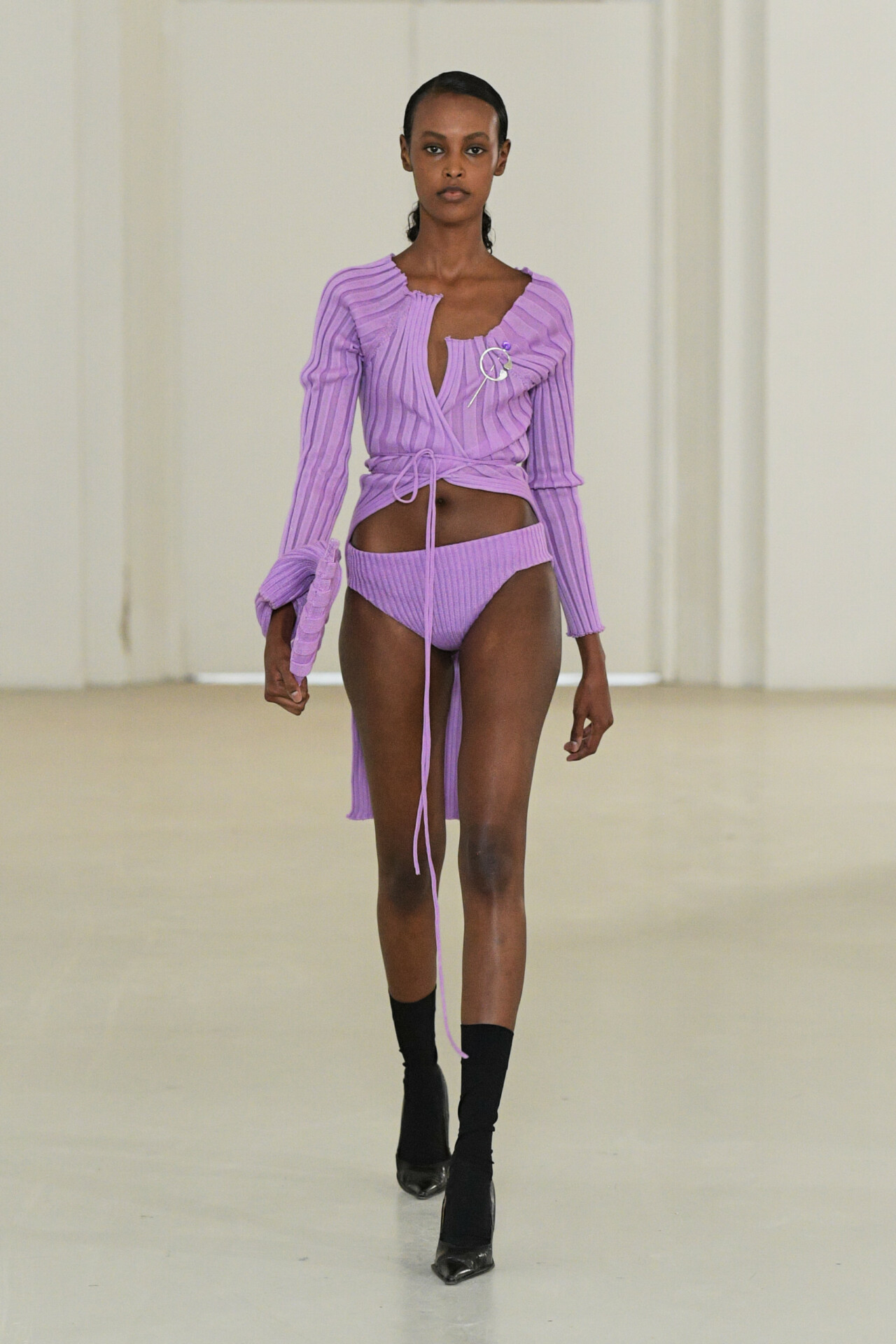
A. Roege Hove SS23 at Copenhagen Fashion Week. Photography by James Cochrane.
“As a knitwear designer, I get inspired by diving into techniques, yarns, and colors. I always aim to push the boundaries of what knitwear can do and how people experience it. My ambition is to insist on its relevance, prove its versatility and demonstrate its power of being both an ancient craftsmanship and a contemporary, innovative material,” says Amalie Roege Hove. During her studies at the Royal Danish Academy, the Dane had been introduced to monofilament, an ultra-stretchable fiber usually used by surgeons, which eventually became the foundation of her conceptual shaping. Her delicate knitwear, first introduced at Copenhagen Fashion Week only one year ago but honed to even more profound excellence in silhouette, draping, and texture over those few seasons, is impeccable in its fit. By emphasizing the tactility of the fabric through gathering, movement, and volume with a seductive gesture, the designer served a striking revitalization of knitwear with a distinct language. An A. Roege Hove is instantly recognizable. Unlike the altering codes, materials, and inspirations of other designers, her designs invoke the consistency of an eternal uniform.
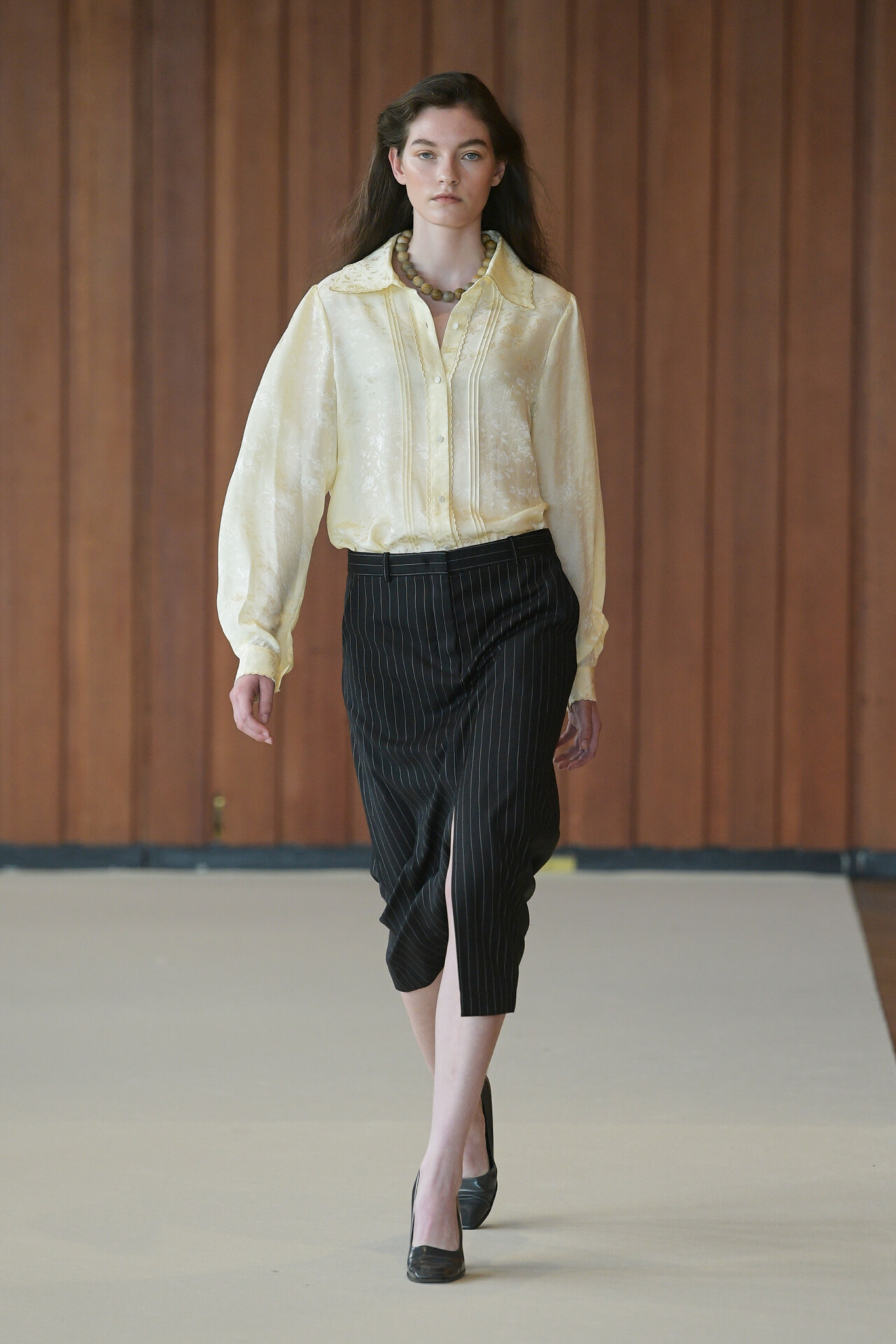
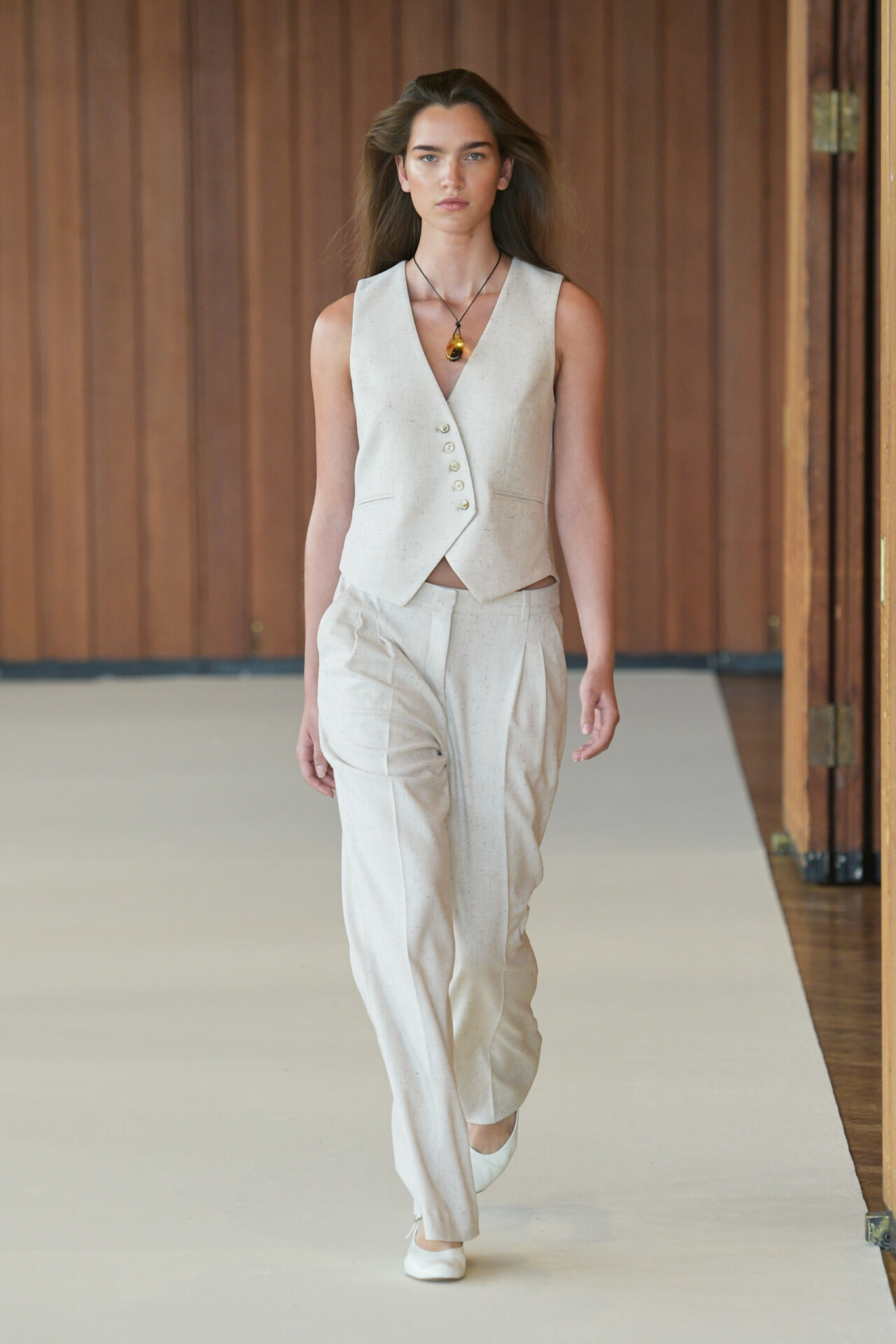
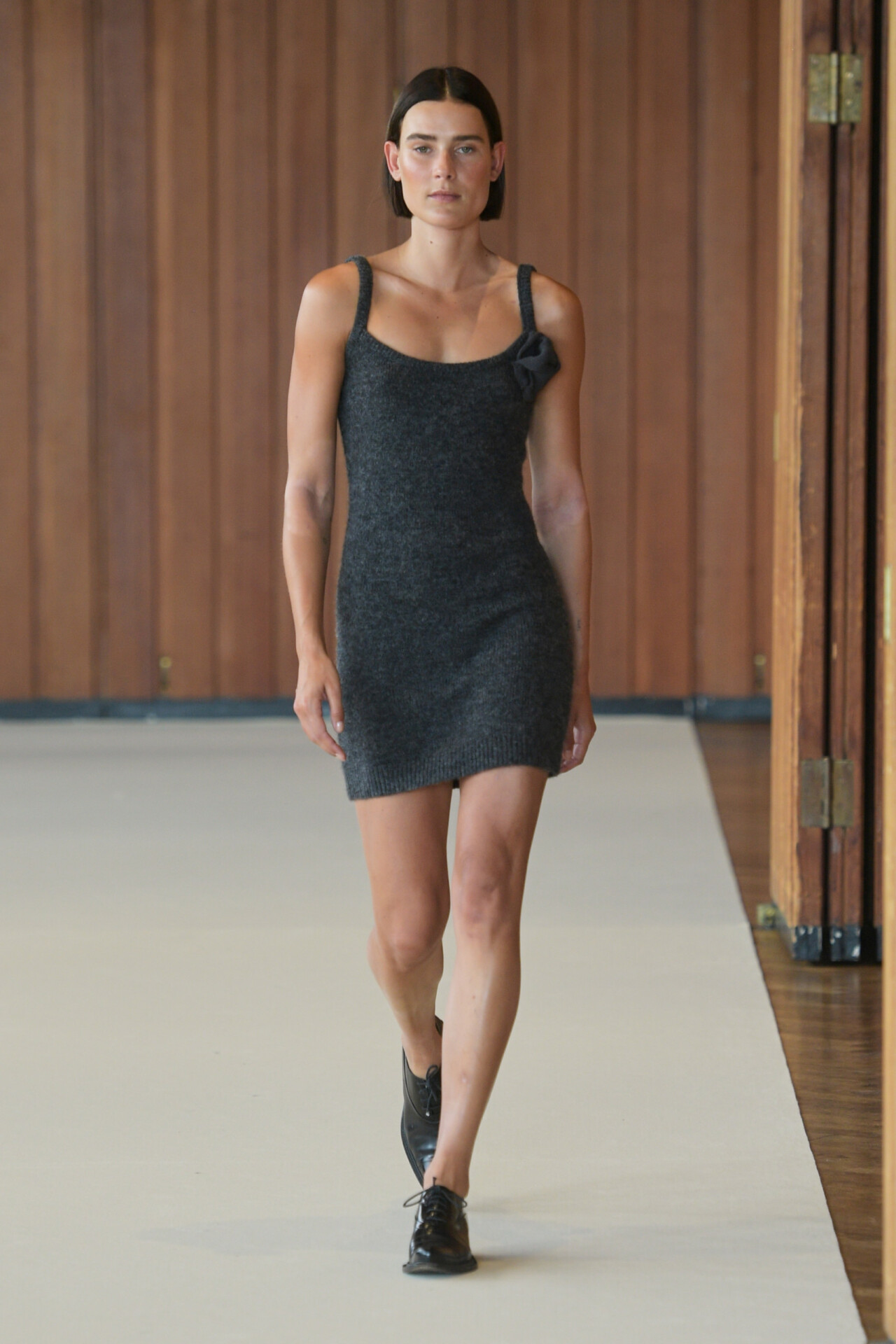
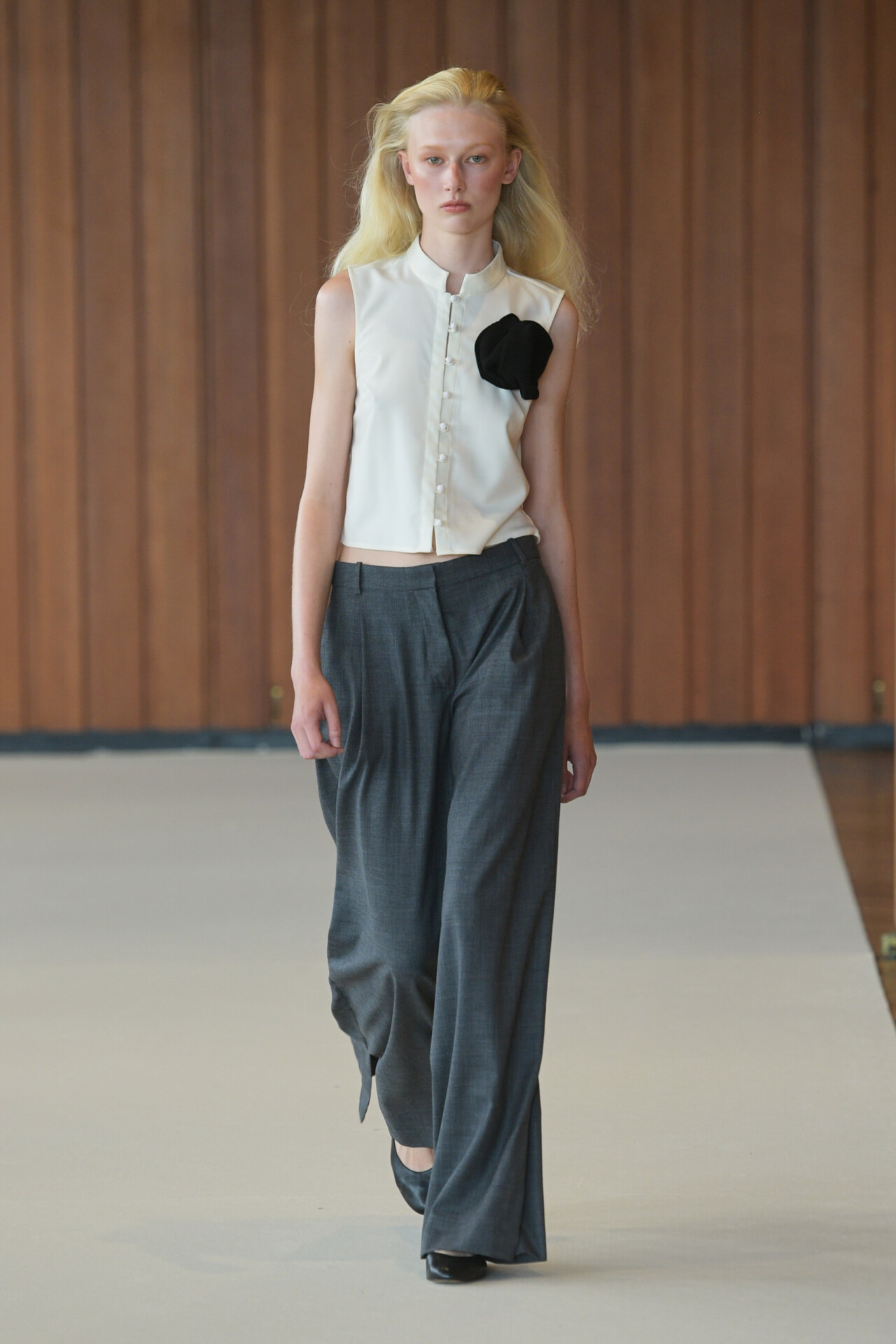
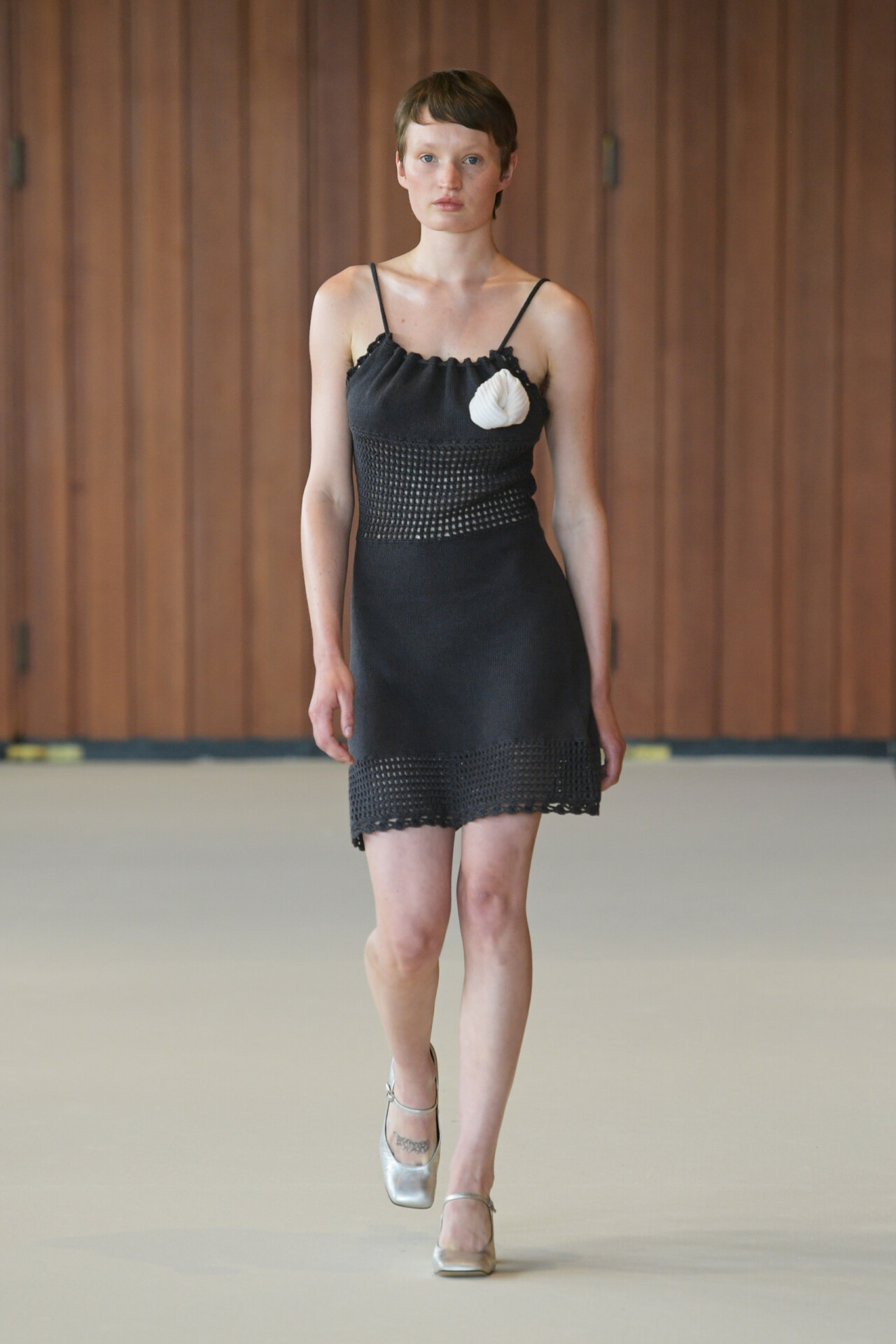
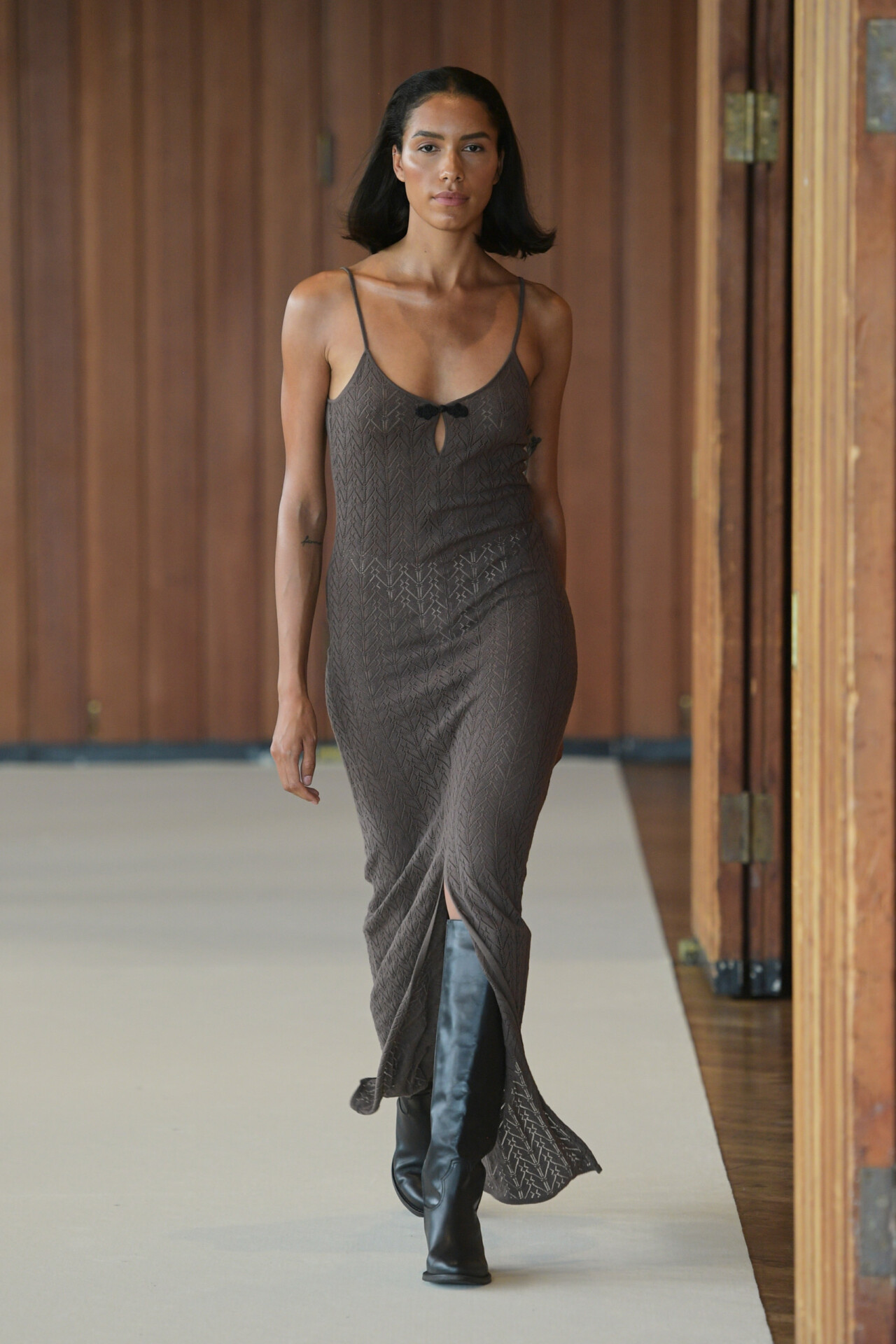
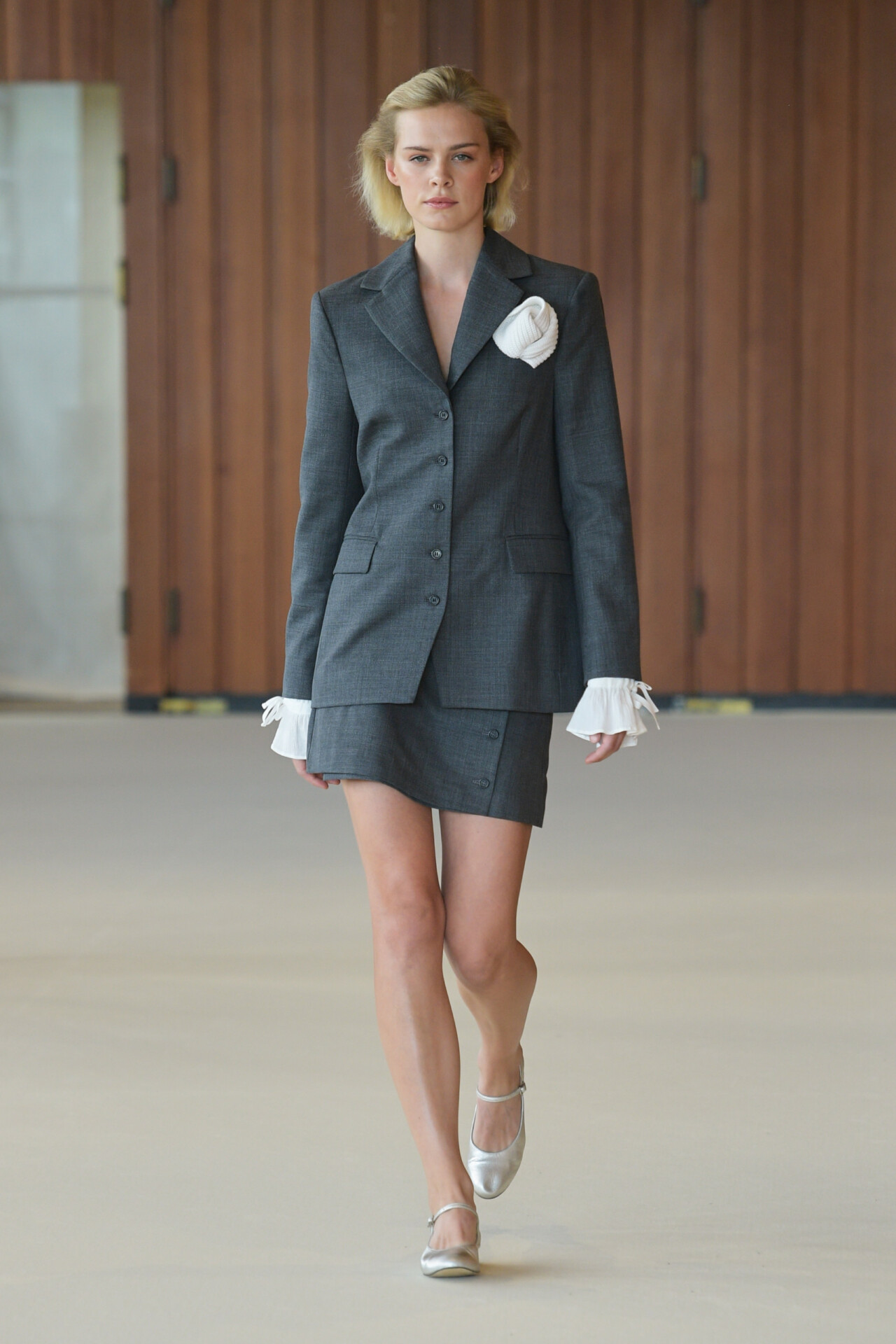
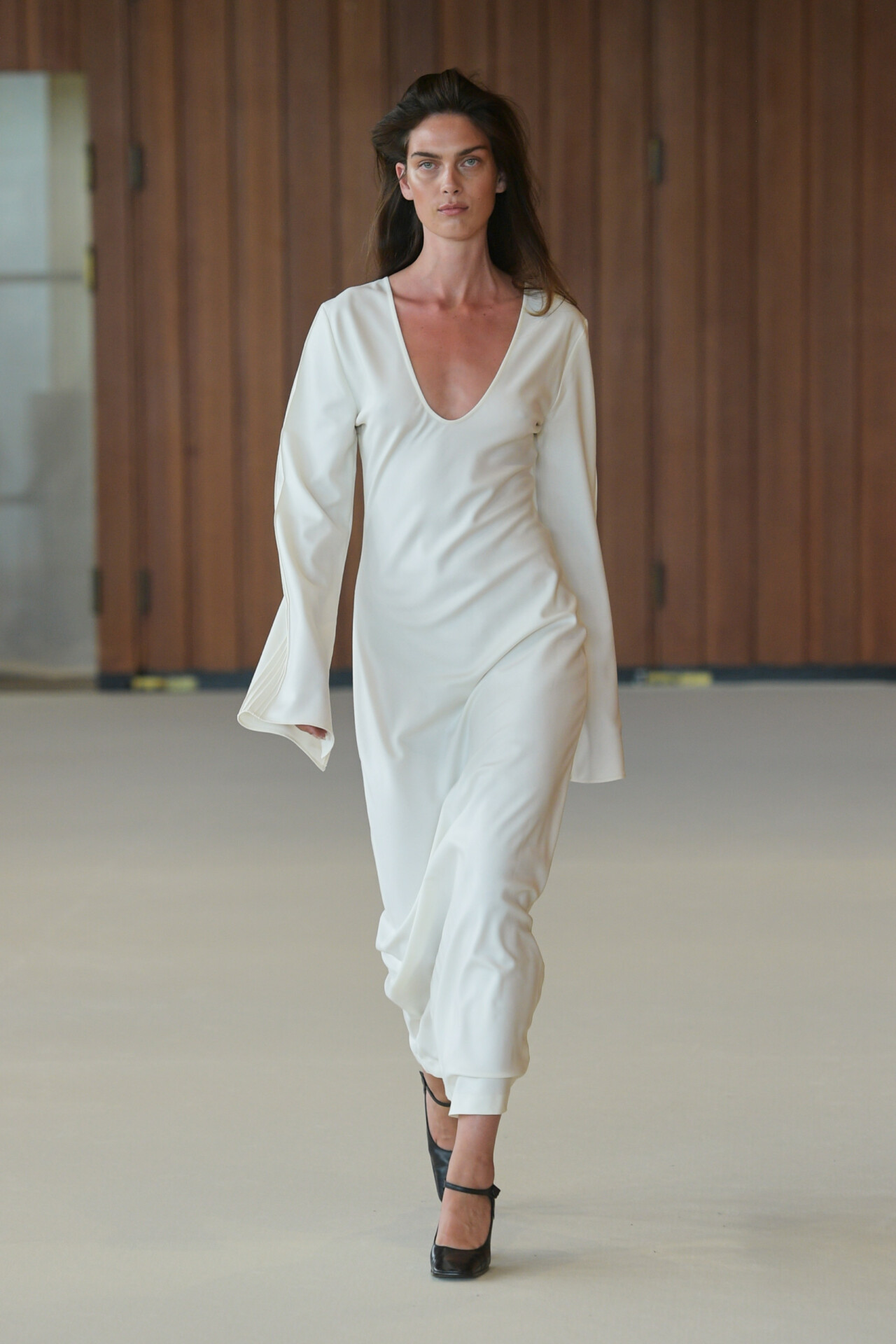
The Garment SS23 at Copenhagen Fashion Week. Photography by James Cochrane.
Much in the same vein as A. Roege Hove, Charlotte Eskildsen and Sophia Roe of The Garment design with the ambition to create a radically timeless closet. Informed by the nuanced interaction of masculinity and femininity, The Garment’s Spring/Summer 2023 collection was a pointedly minimal affair, adorned with subtle details such as a flouncy sleeve or soft boutonnière. It sounds simple, but the designs were anything but. Determined by clean lines, sober colors, and delightful fabrics, the young brand is a softly brimming example of how reducing clothes to the bare essentials can expand a thoughtful attire and re-invent the perfect wardrobe beyond the seasons.
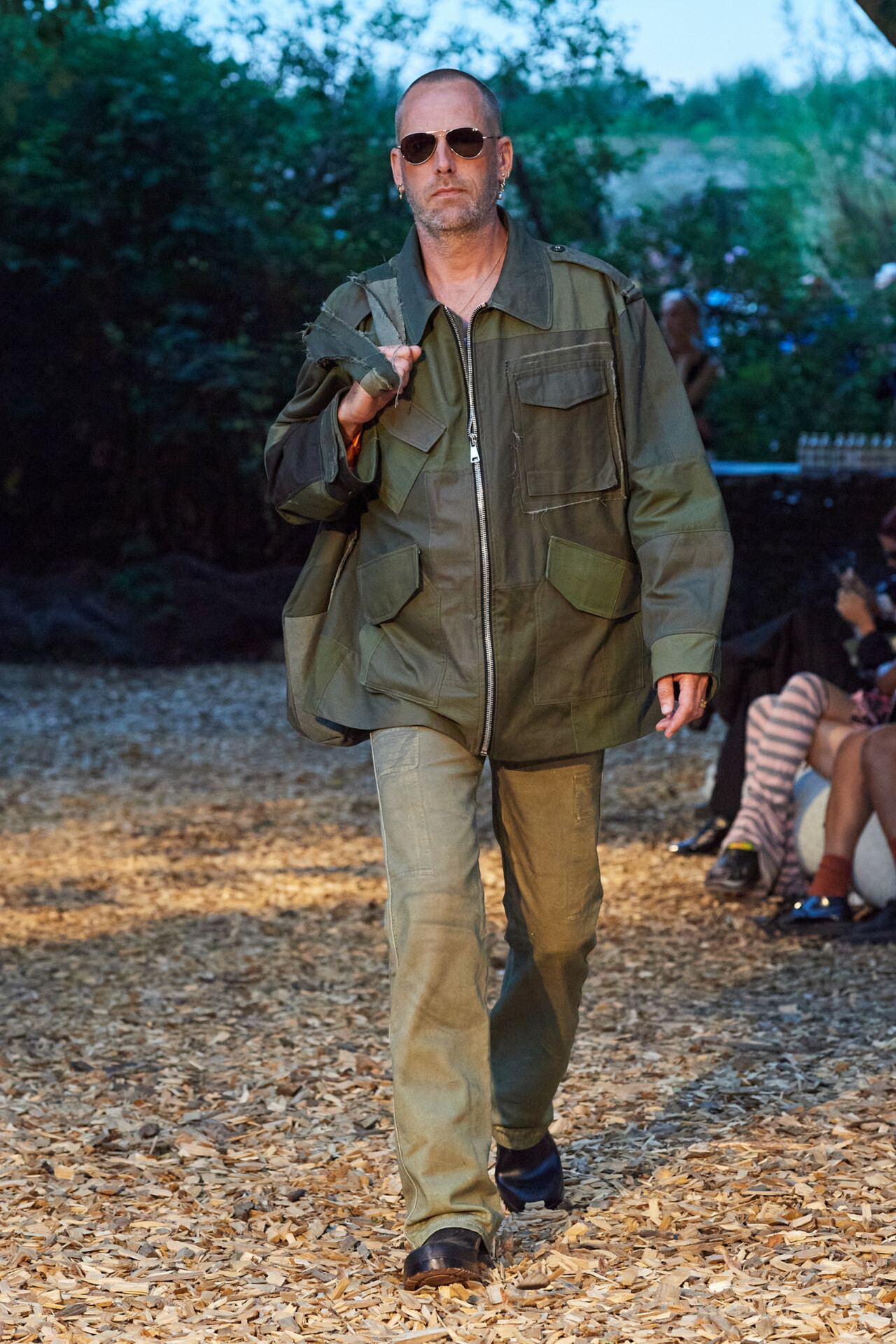
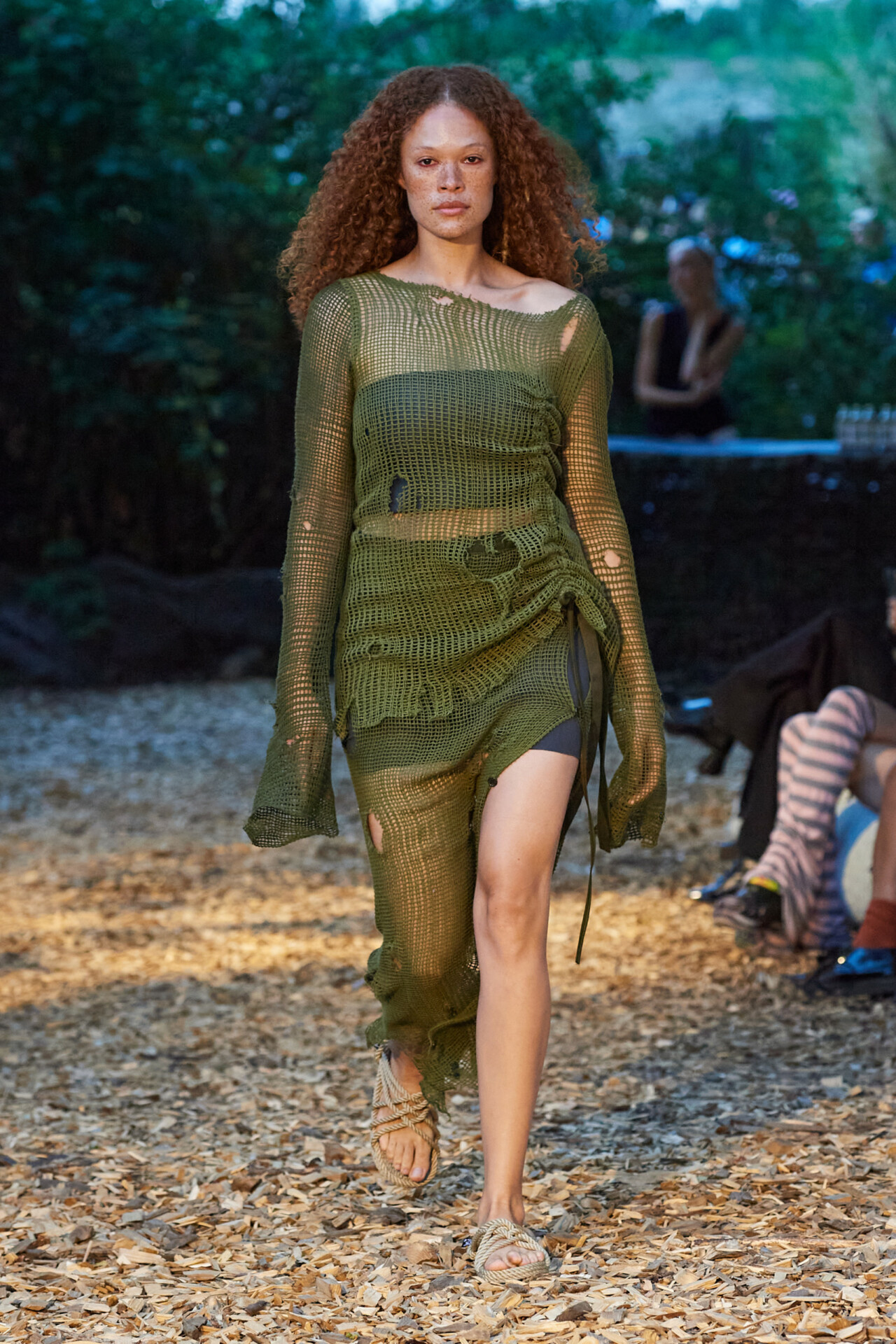
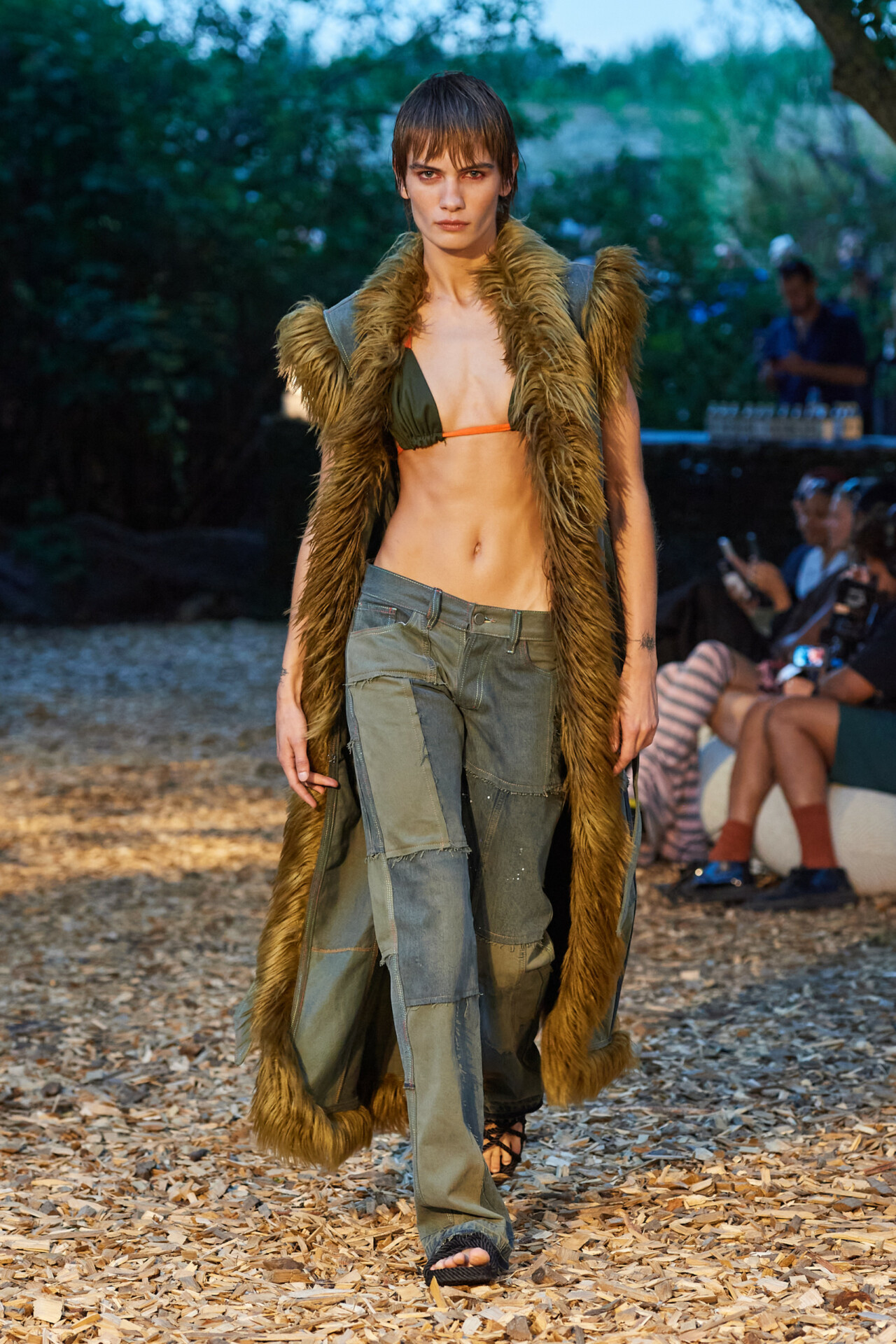
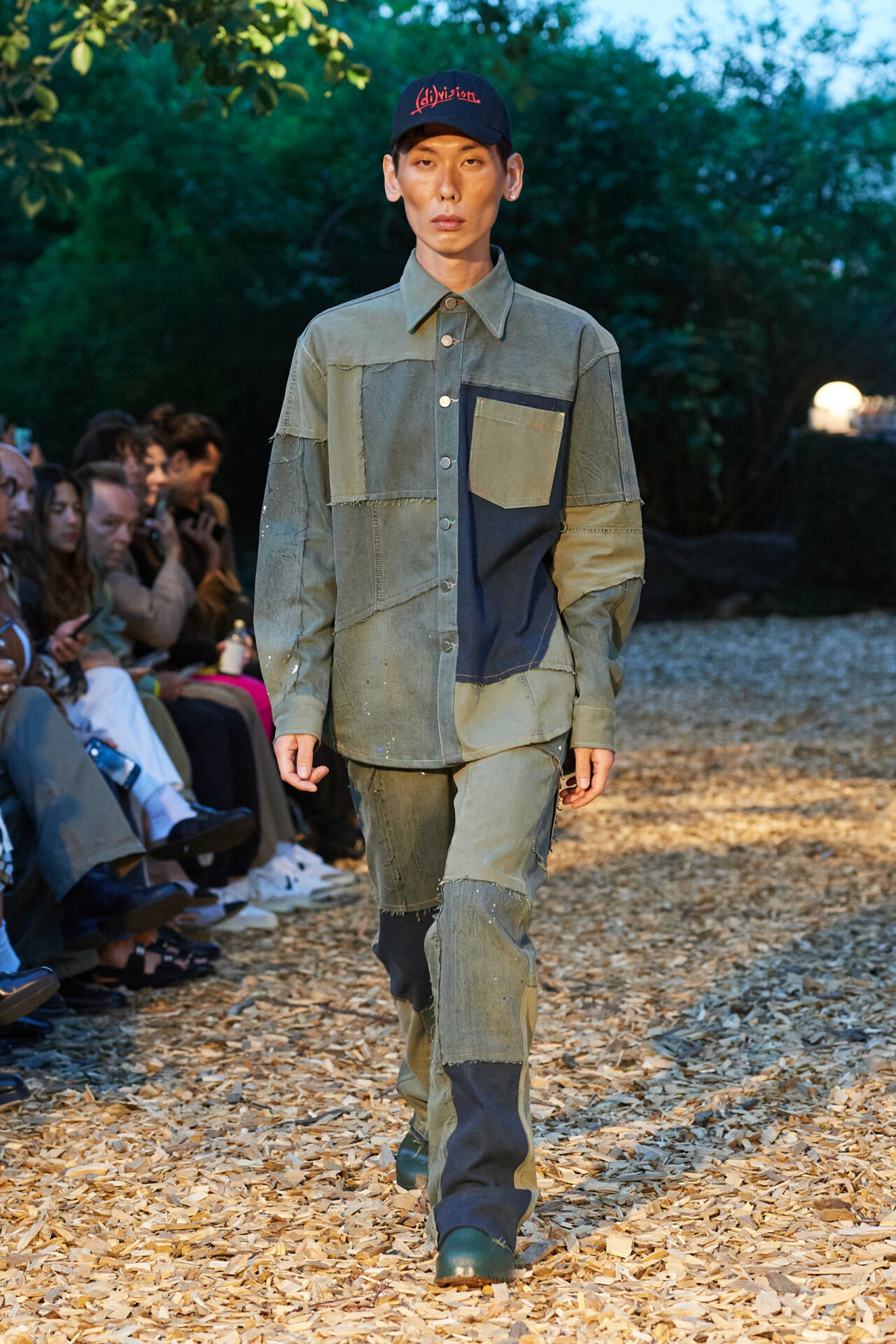
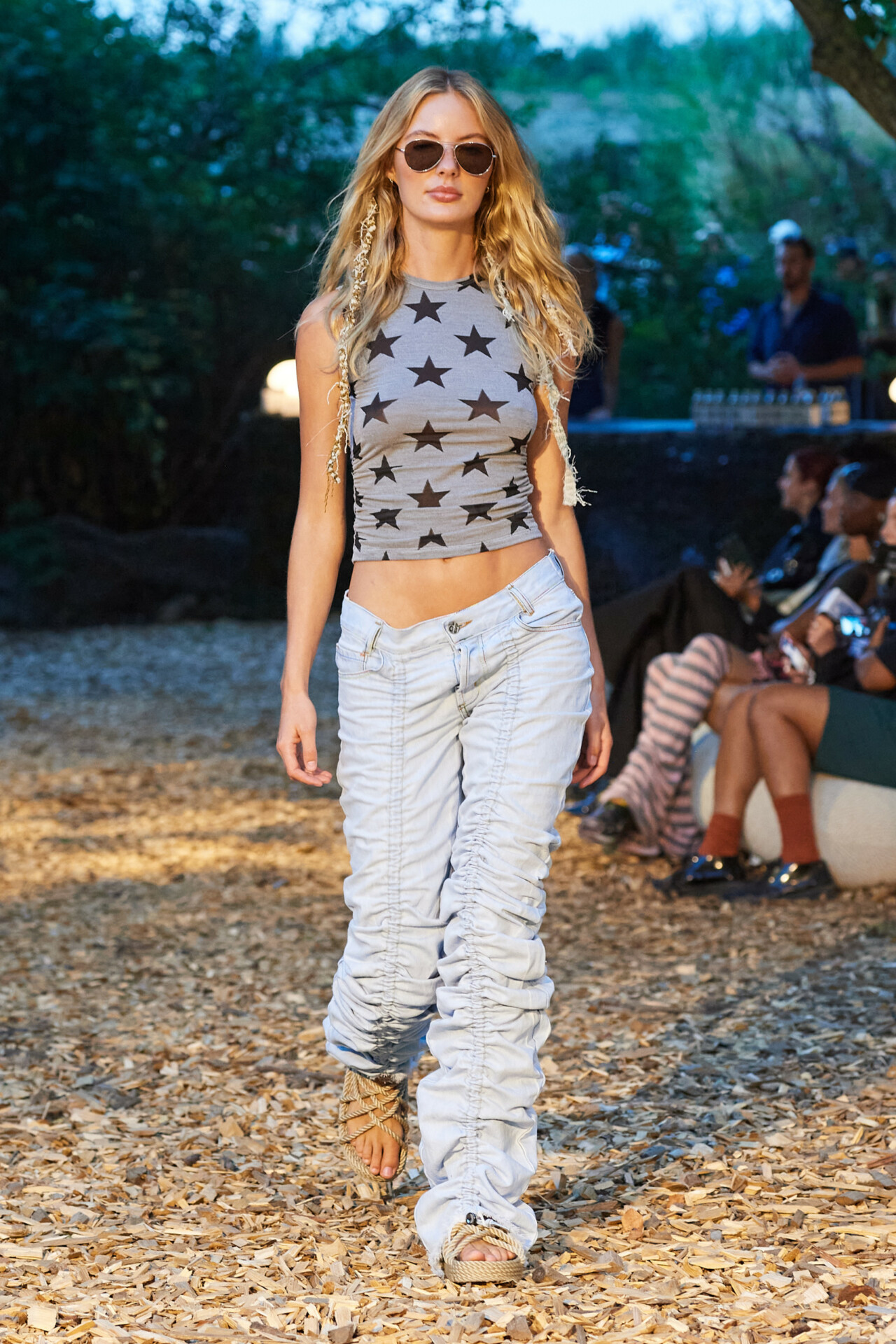
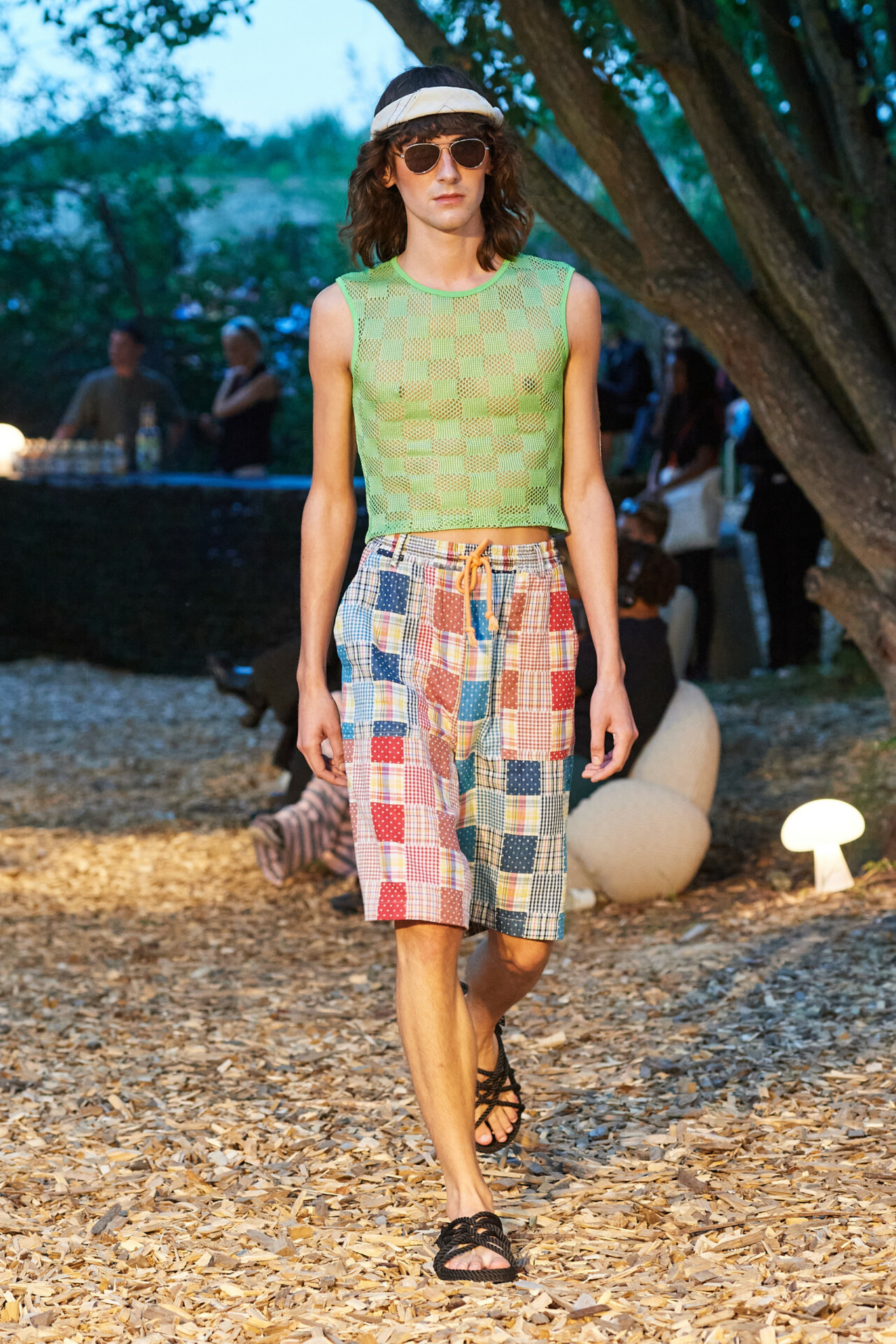
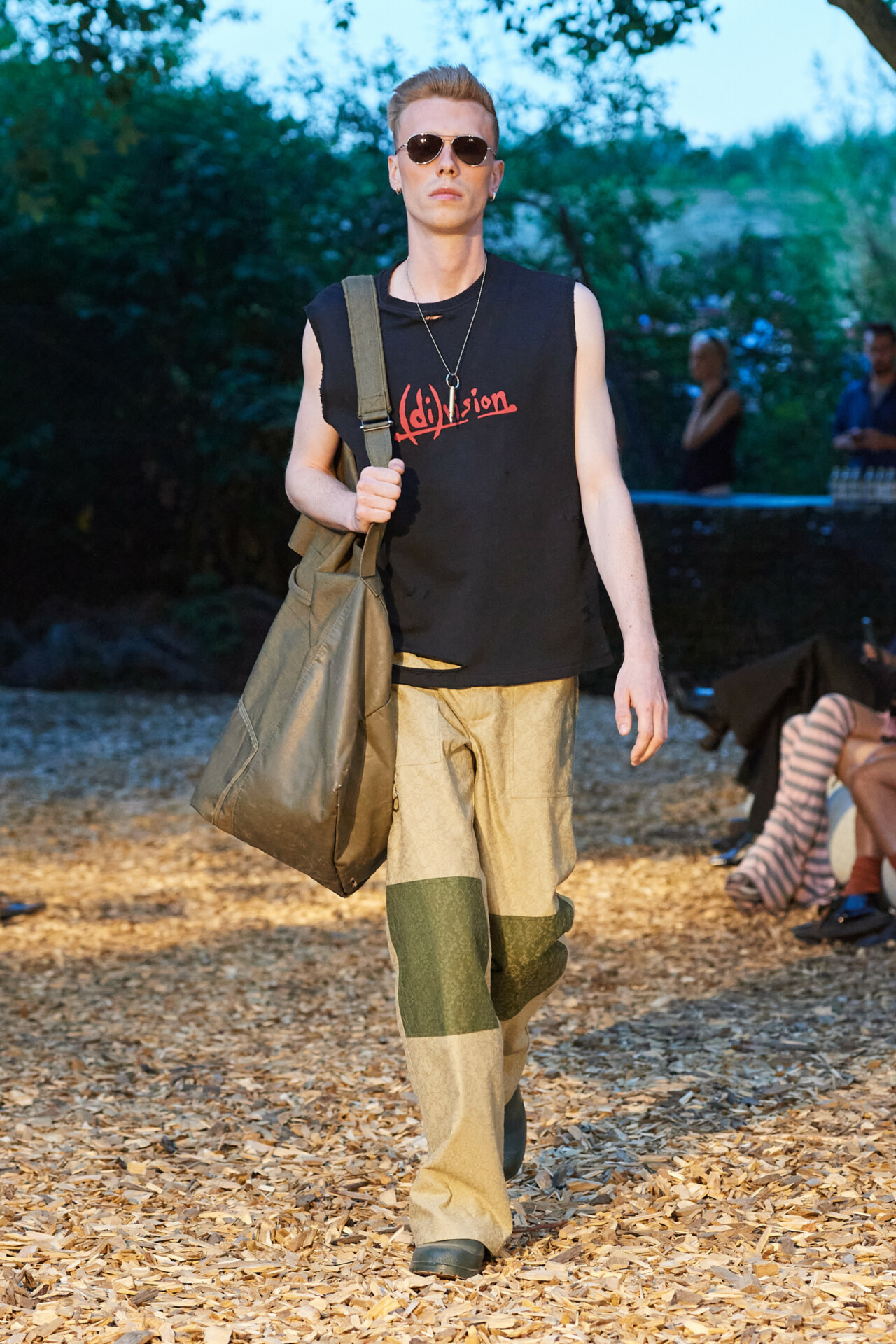
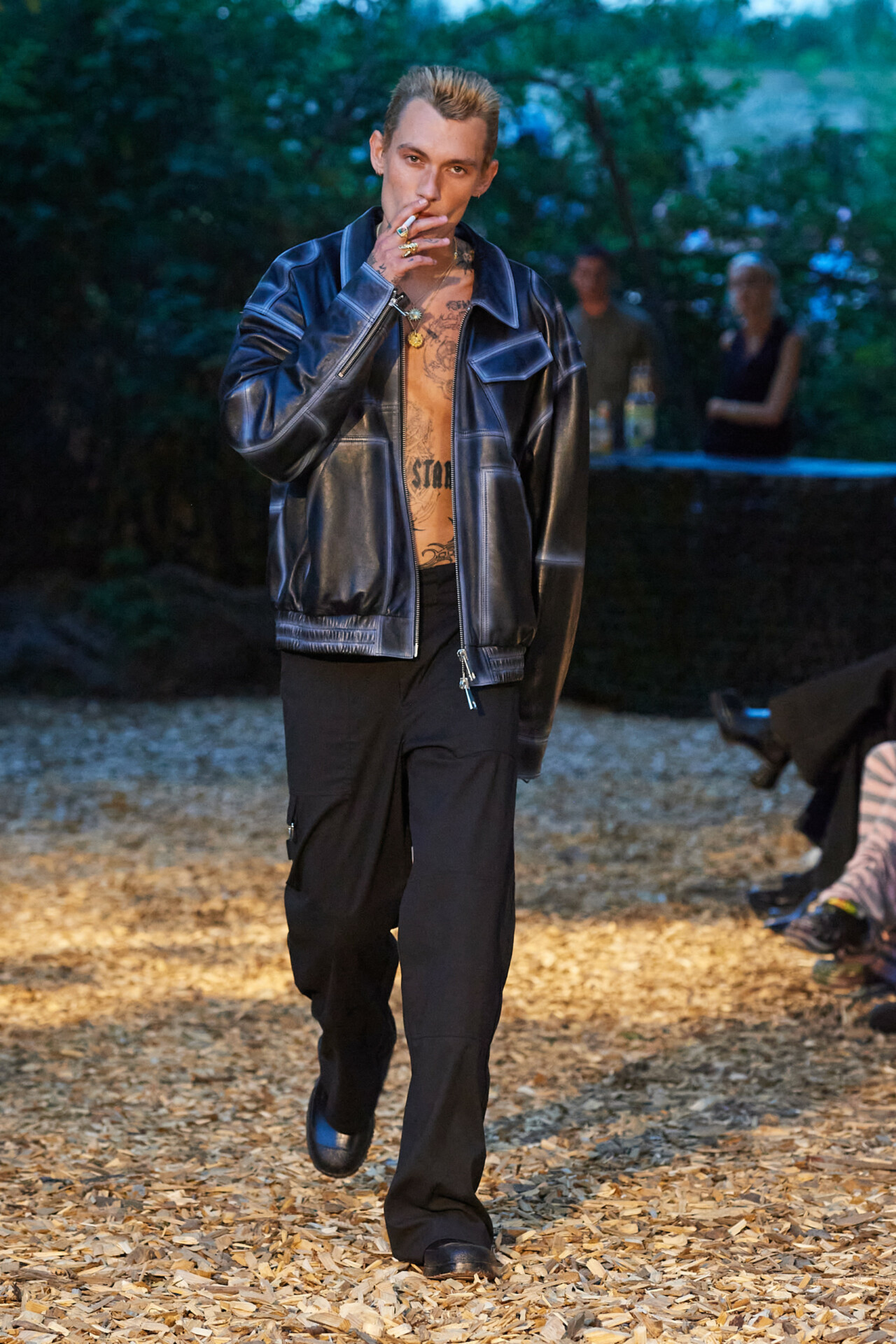
(di)vision SS23 at Copenhagen Fashion Week. Photography by James Cochrane.
“The best clothes are the ones you feel the most comfortable wearing. There’s a reason why a hand-me-down shirt from your grandad always ends up becoming one of your favorite items – it’s worn in and comes with its own story,” said Simon and Nanna Wick of (di)vision. What started with the reconstruction of old military jackets, thus resulting in their now iconic split bomber jacket, has evolved into a wholesome upcycling concept. For the third show at Copenhagen Fashion Week, (di)vision leaned back into its core beginnings. Deriving inspiration from the cult war movie “Apocalypse Now,” the models moved through jungle-esque gardens in a parade of military-informed ensembles, patchwork, paisley, and hippie workwear. While Francis Ford Coppola’s film tackles the total psychological degradation of a man on a mission to murder another military member during the Vietnam war, the collection was a pressing homage to love in the light of the war in Ukraine. Working with deadstock fabrics, unsold jeans of a specialist supplier, and processing own waste along the way to patched denim pieces is the backbone of a sweeping design ethic dedicated to “creating from what already is.”
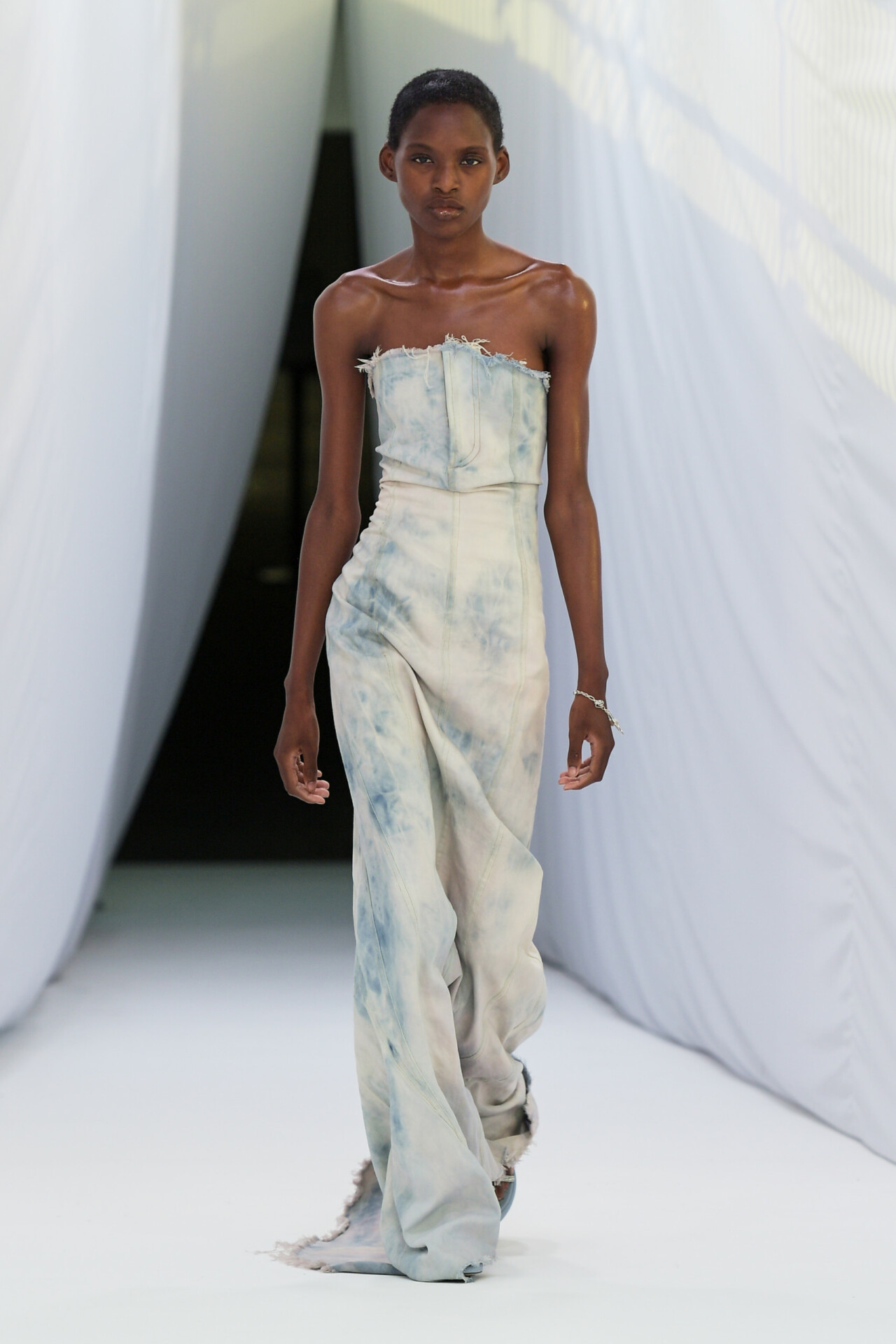
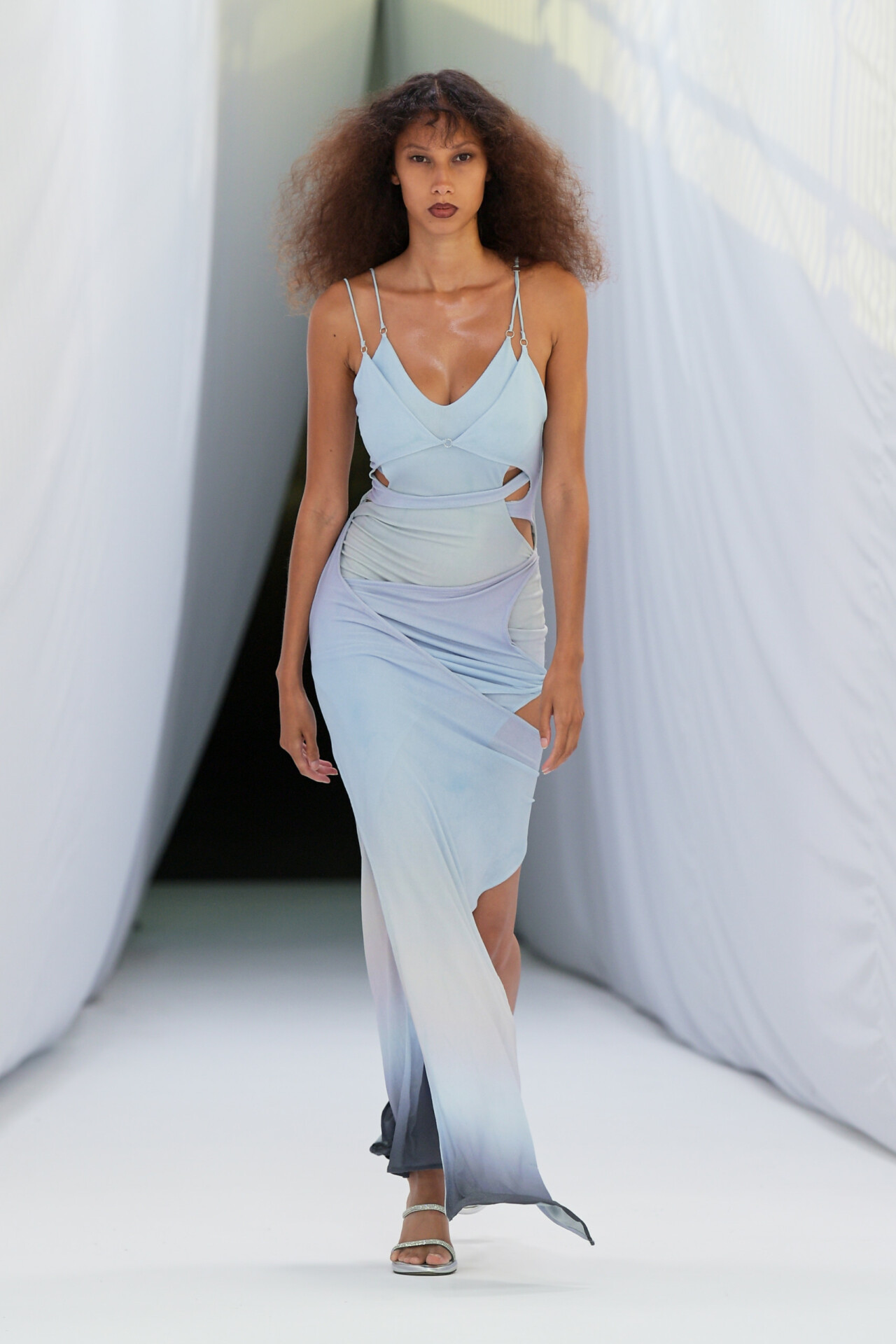
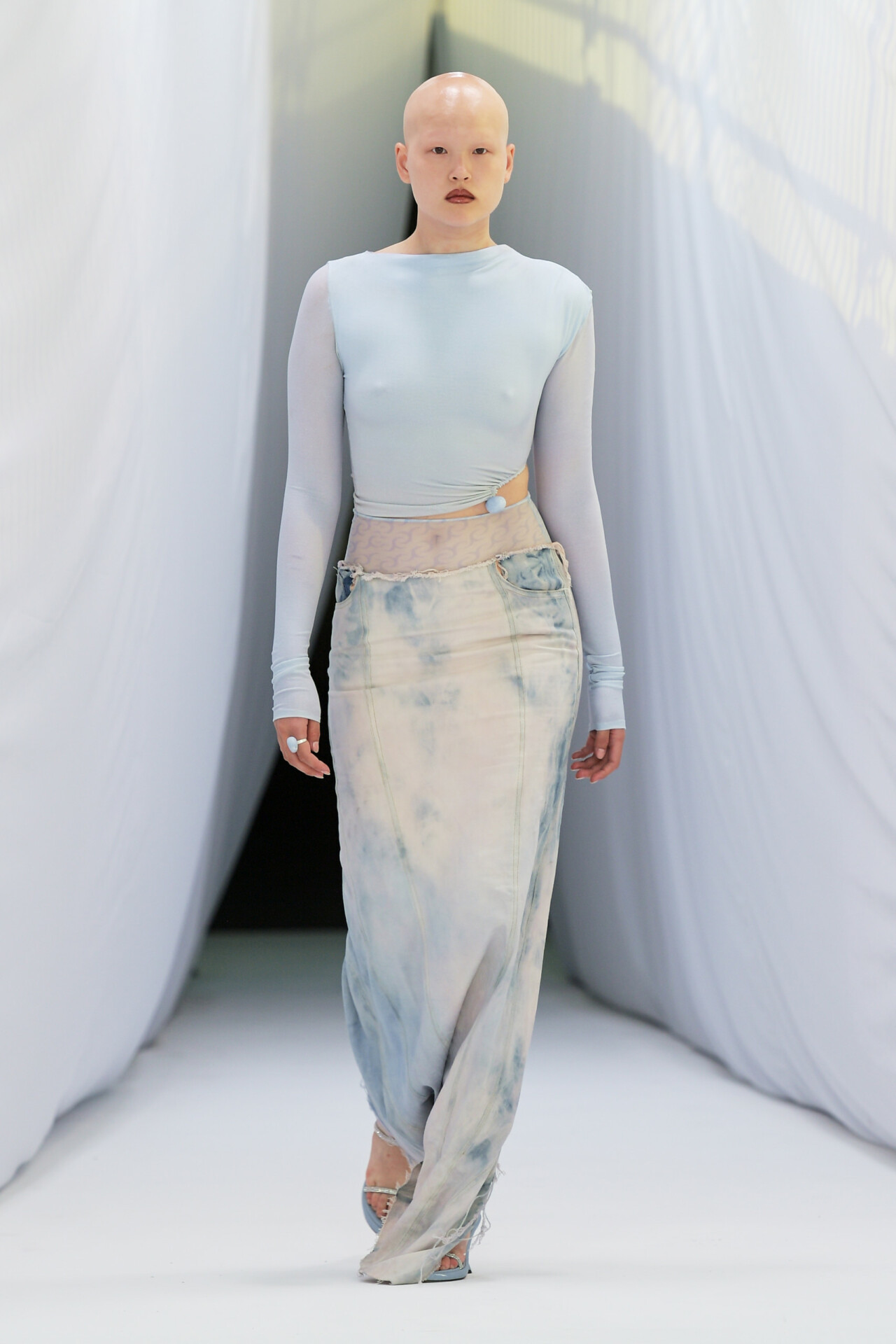
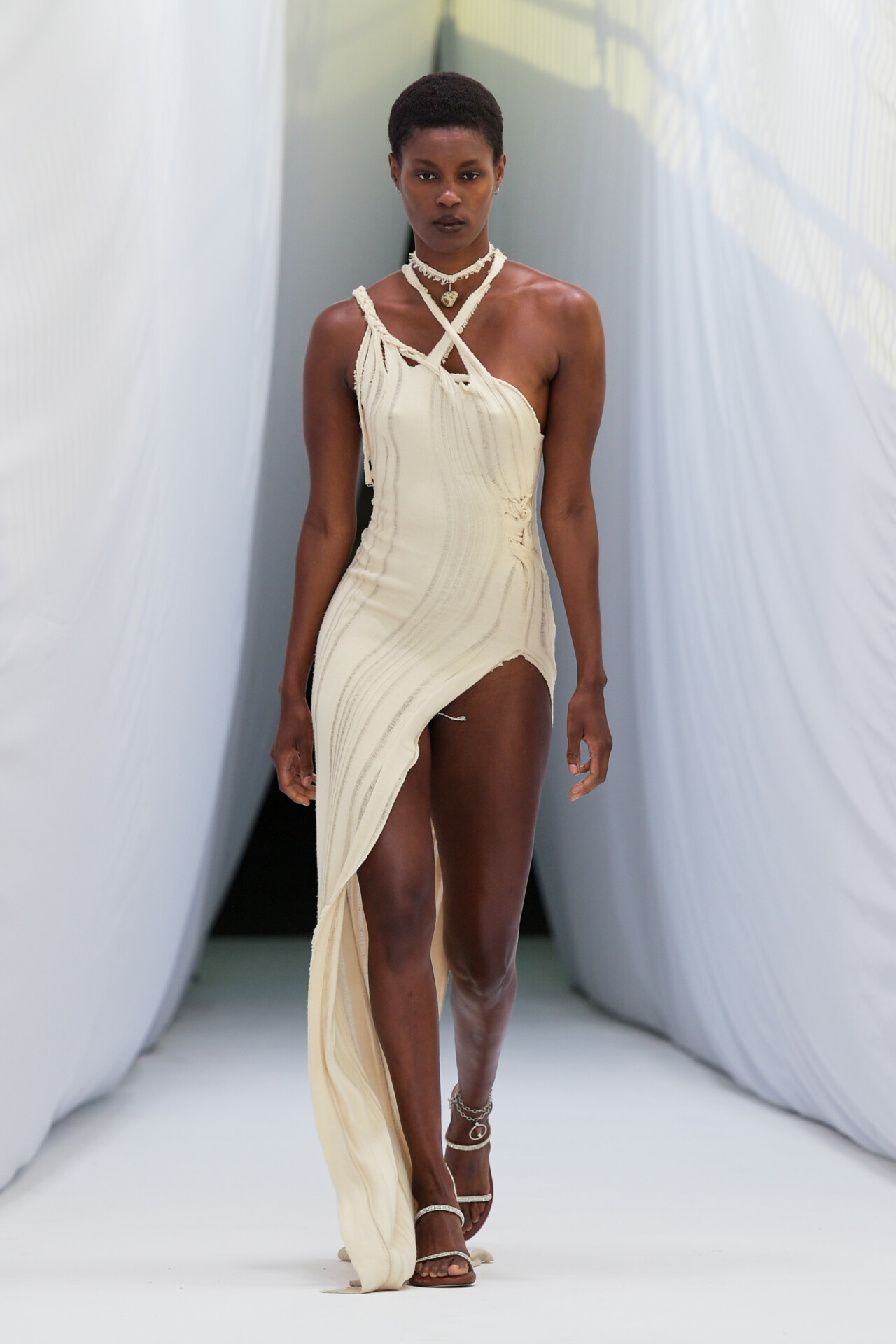
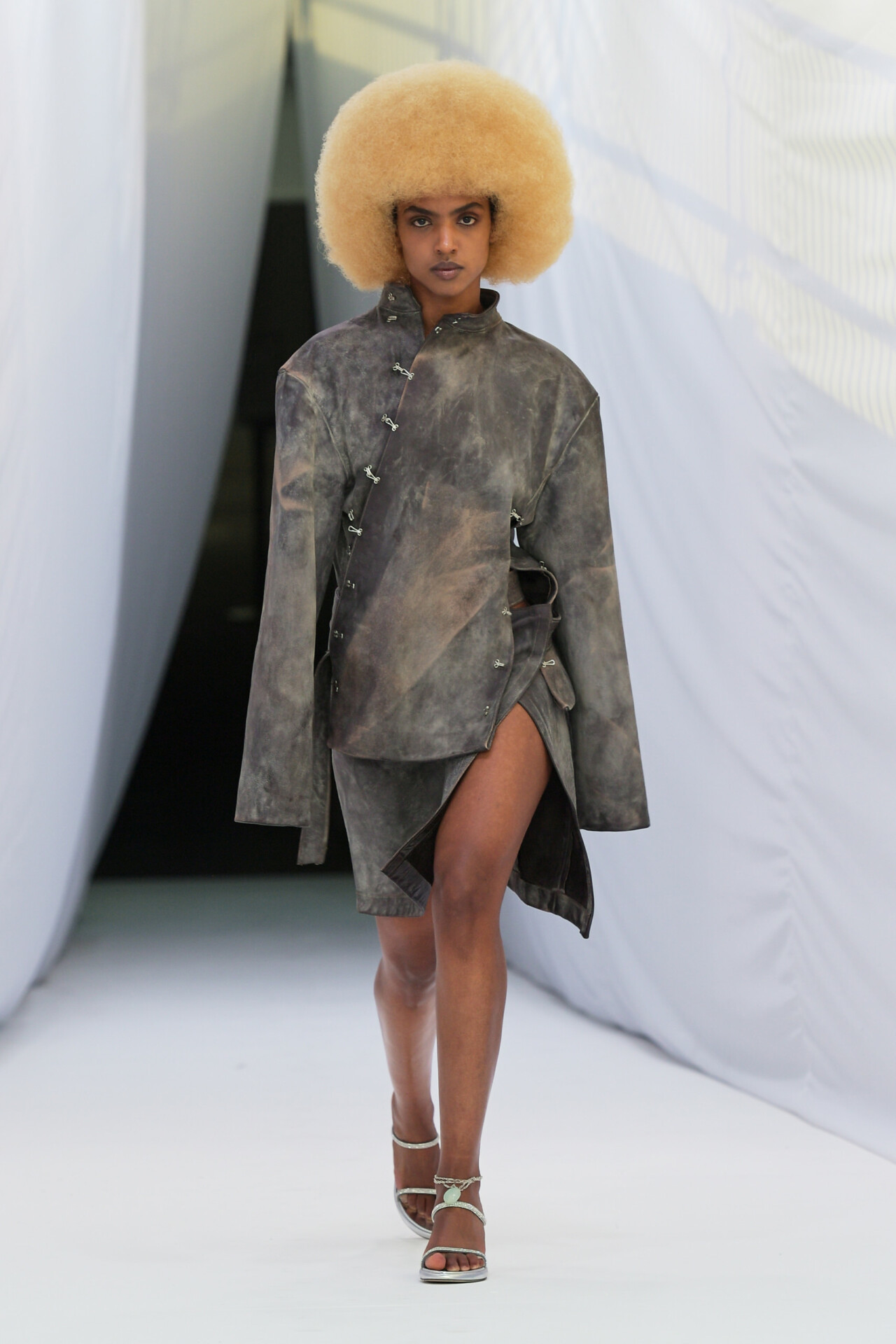
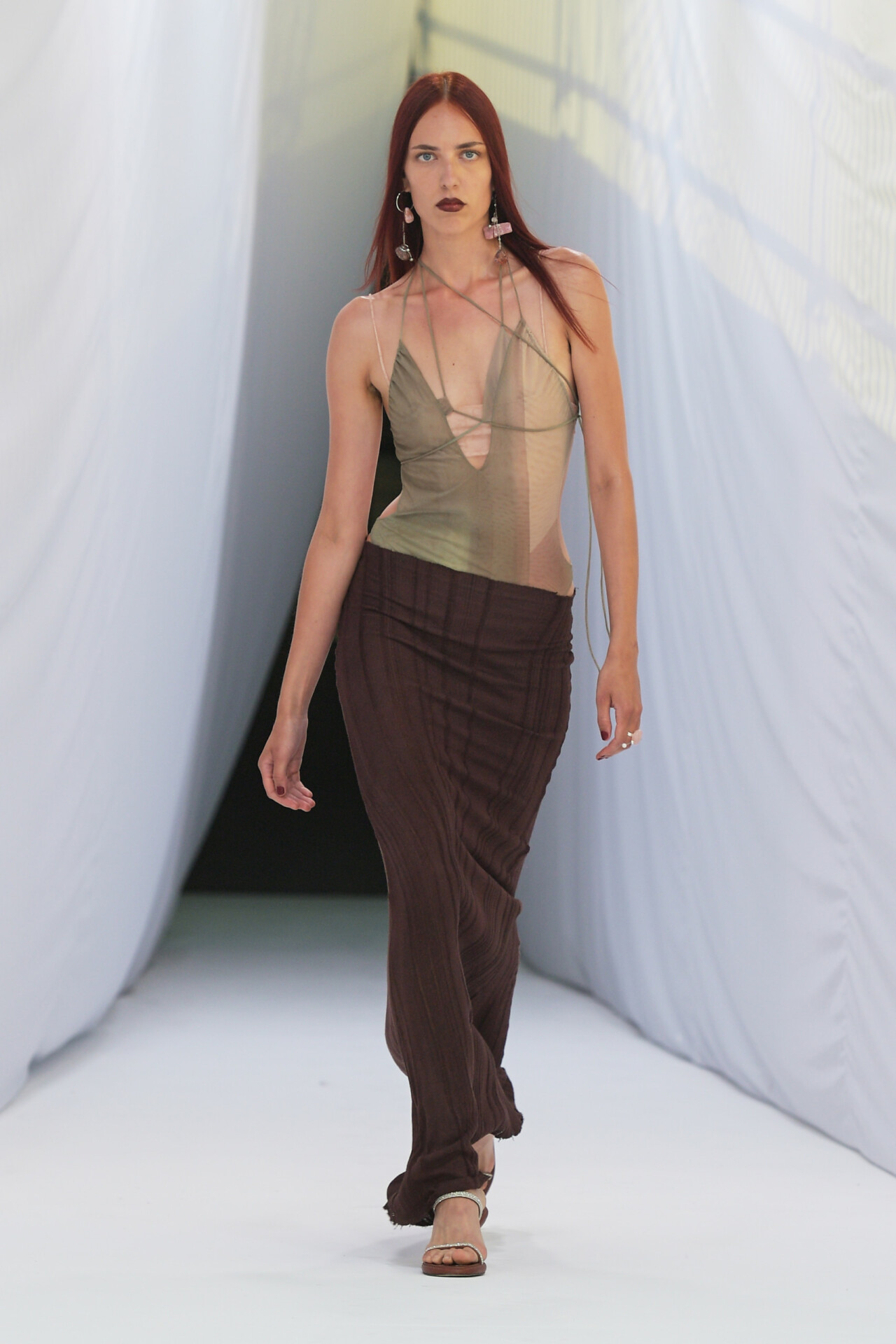
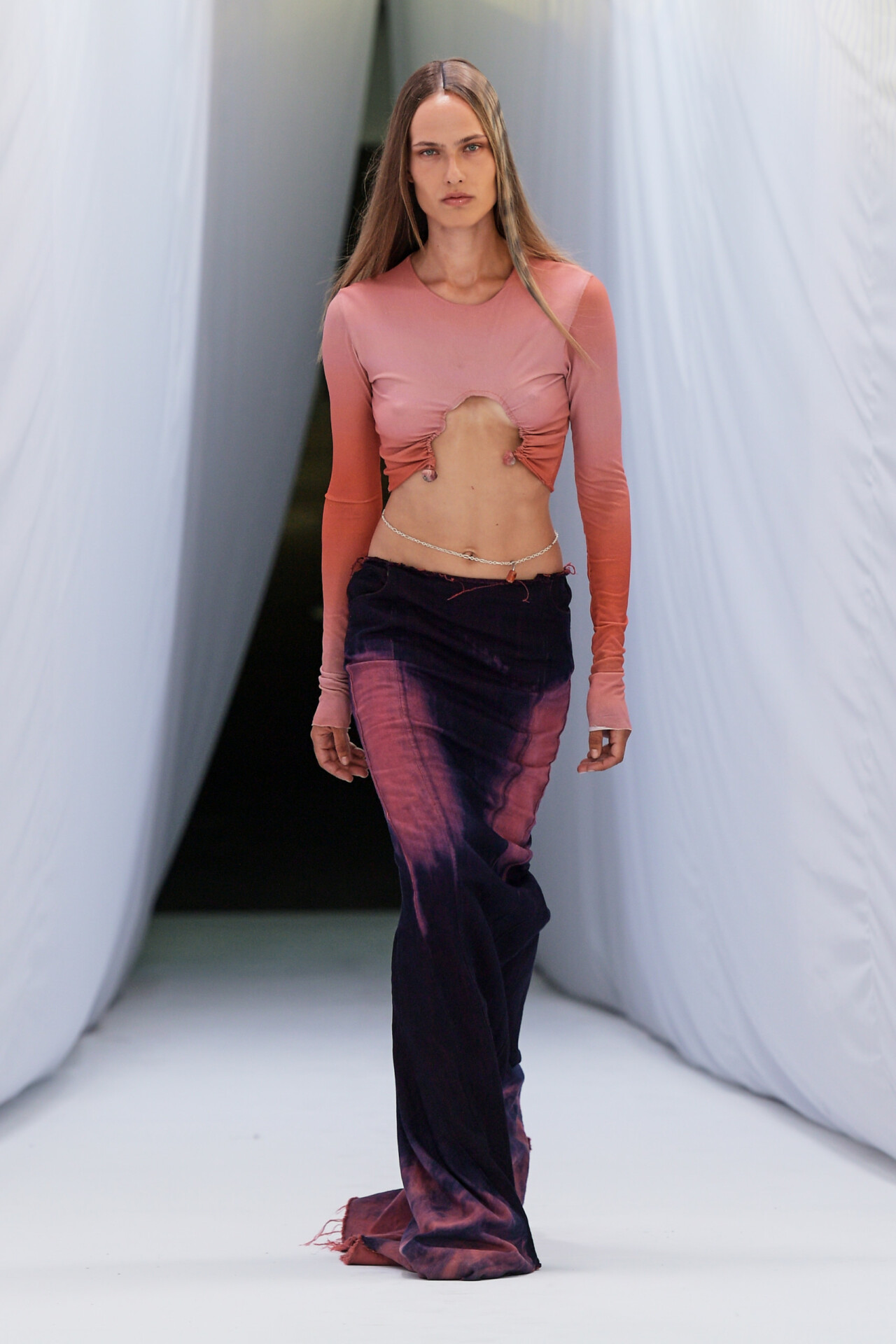
Jade Cropper SS23 at Copenhagen Fashion Week. Photography by James Cochrane.
The history, value, and grace of something old becoming new was equally the starting point for Jade Cropper’s collection. Leaning into the beauty of decaying leaves and flowers, the imperfect and flawed built the trope to elaborate, superbly clasping garments made from discarded, recycled and hand-dyed fabrics. Lace-up details were a key motif, as twisted straps clung to necks and waists, hemlines were graced by bands, and widths of material were pinned around bodies with metal clips. Since its launch in 2020, Jade Cropper has become synonymous with a sharp-edged sensuality that draws inspiration from couture and the energy of the street – a sturdy marriage that feels resolutely of the moment. “Exploring and challenging the conventions of femininity” remains the calling of the Stockholm designer. “I want to enhance and explore what fashion can make you feel in terms of identity.”
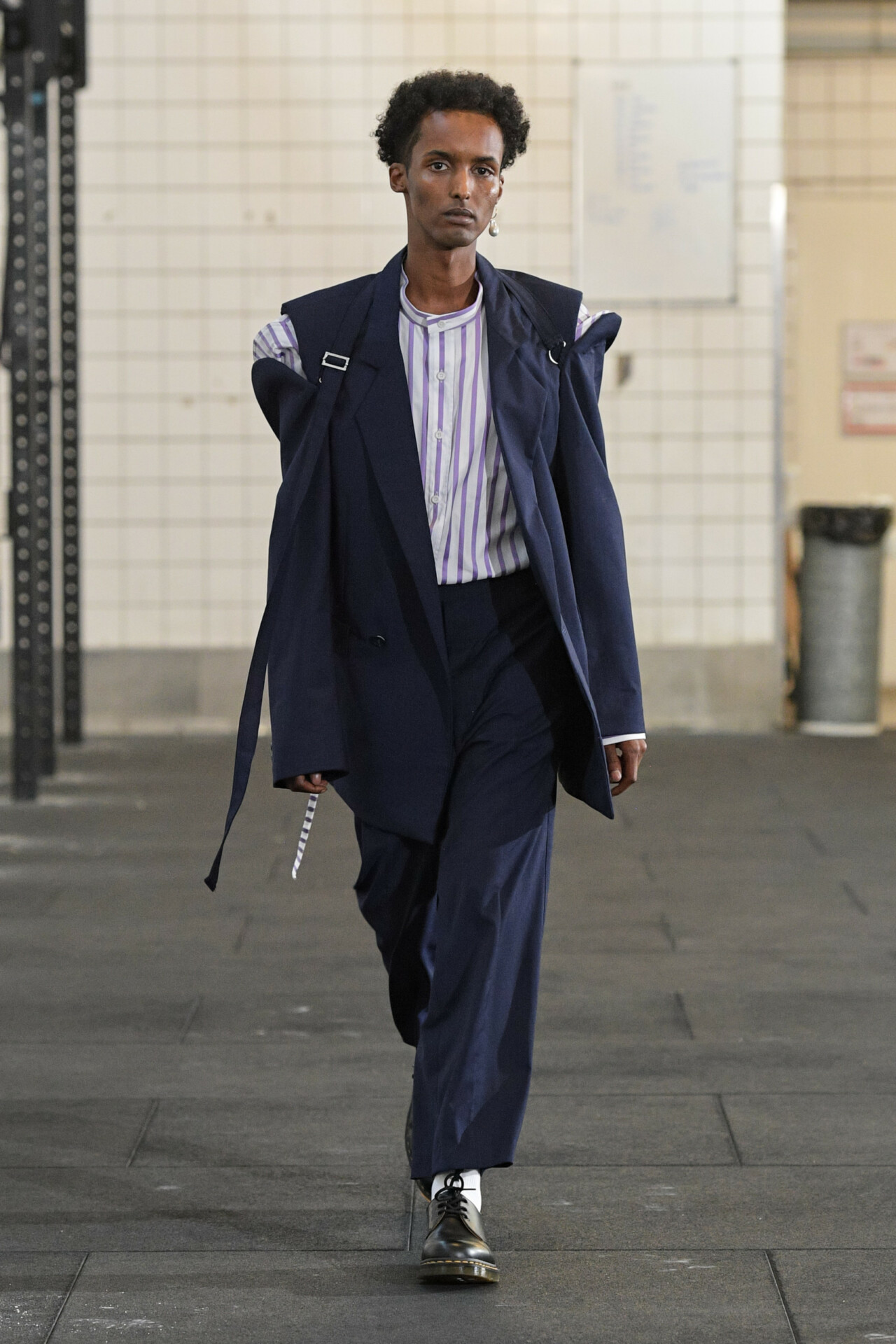
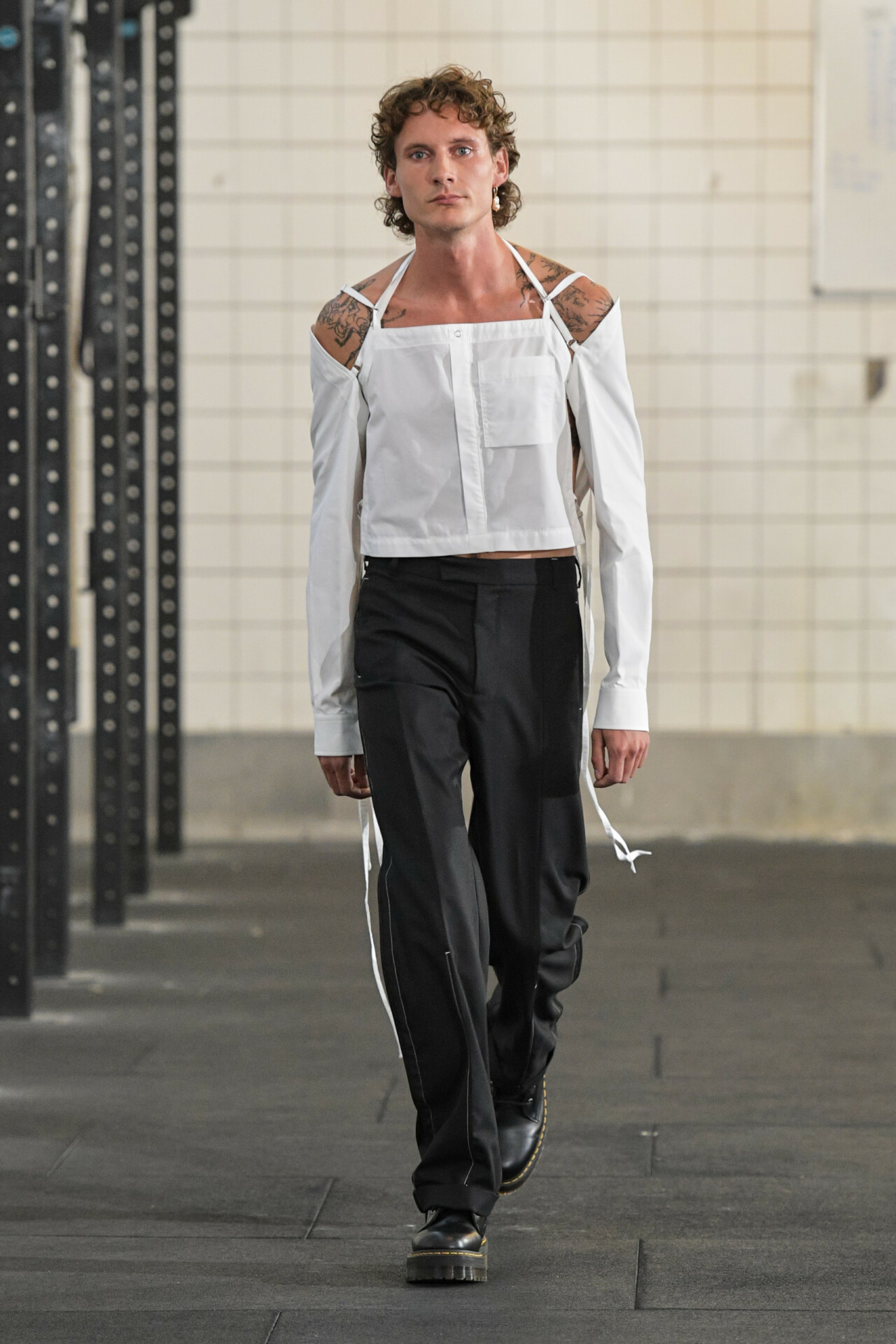
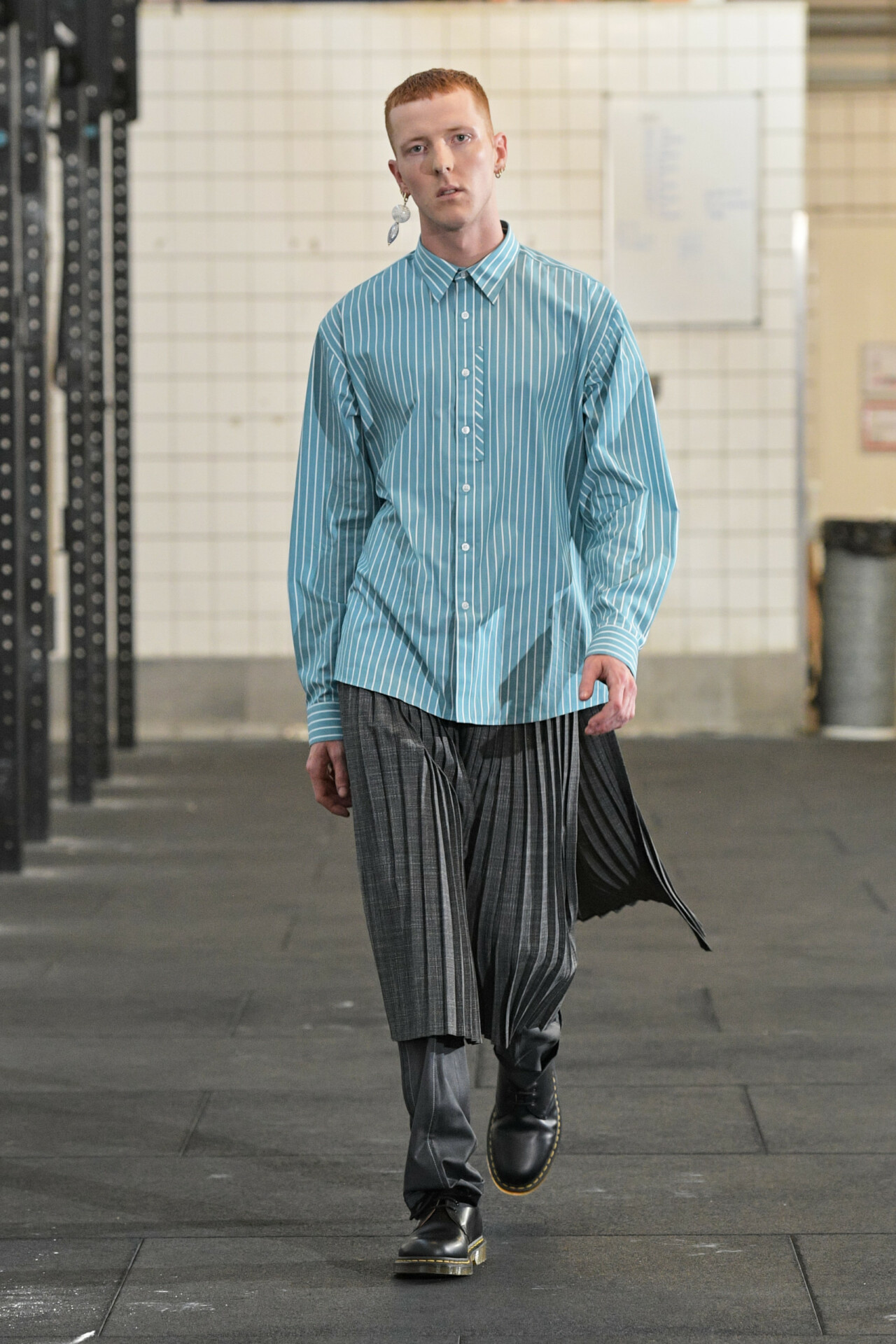
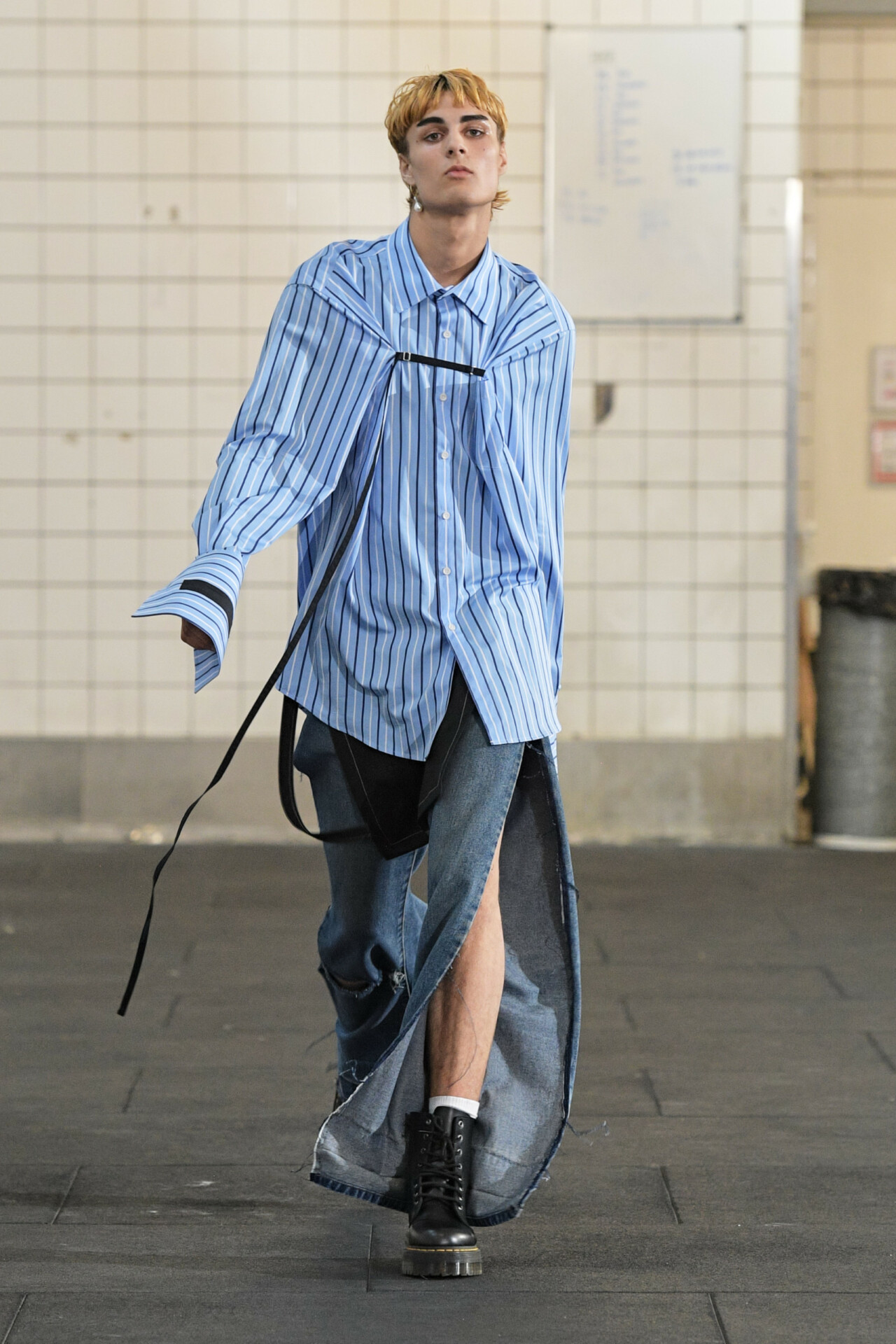
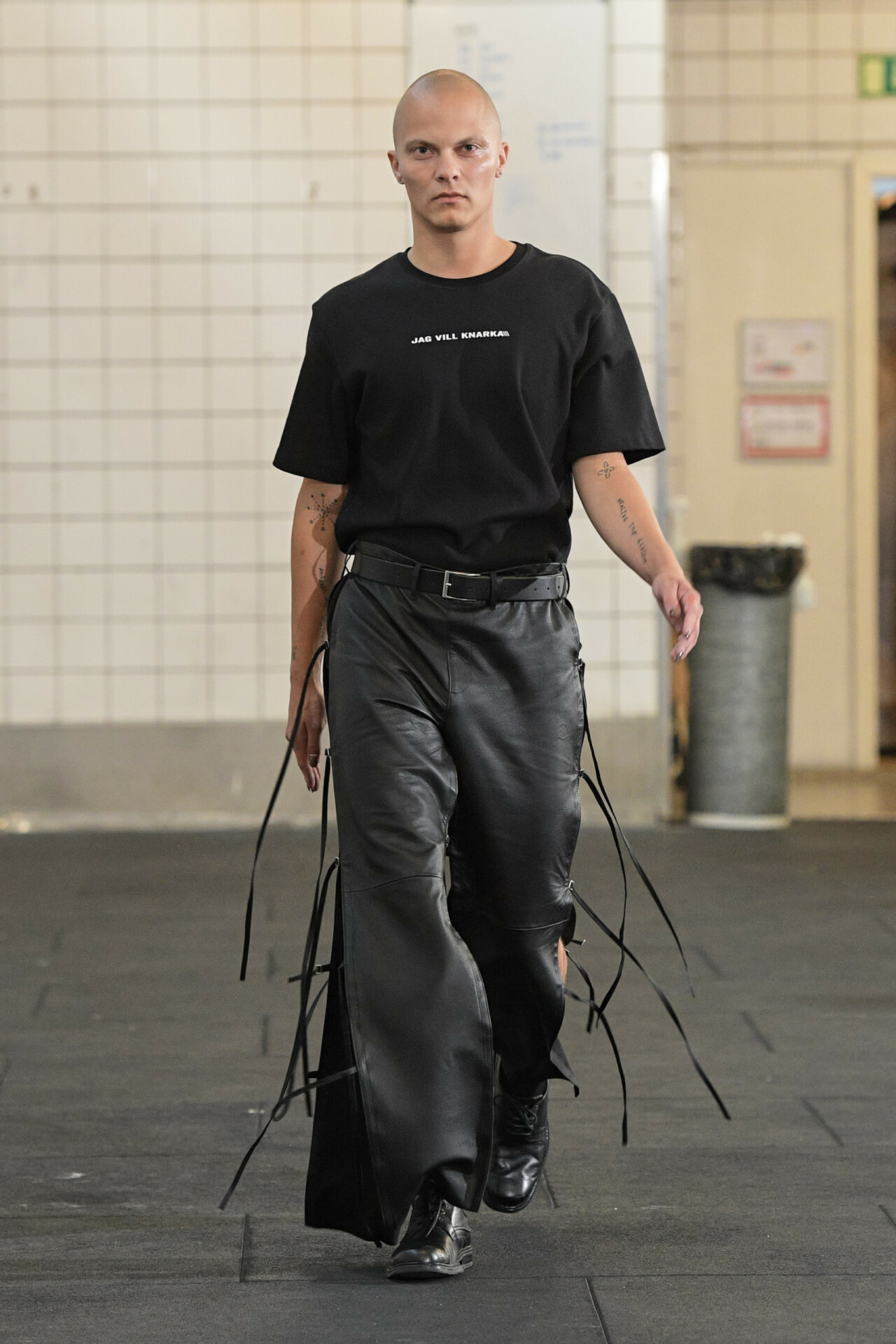
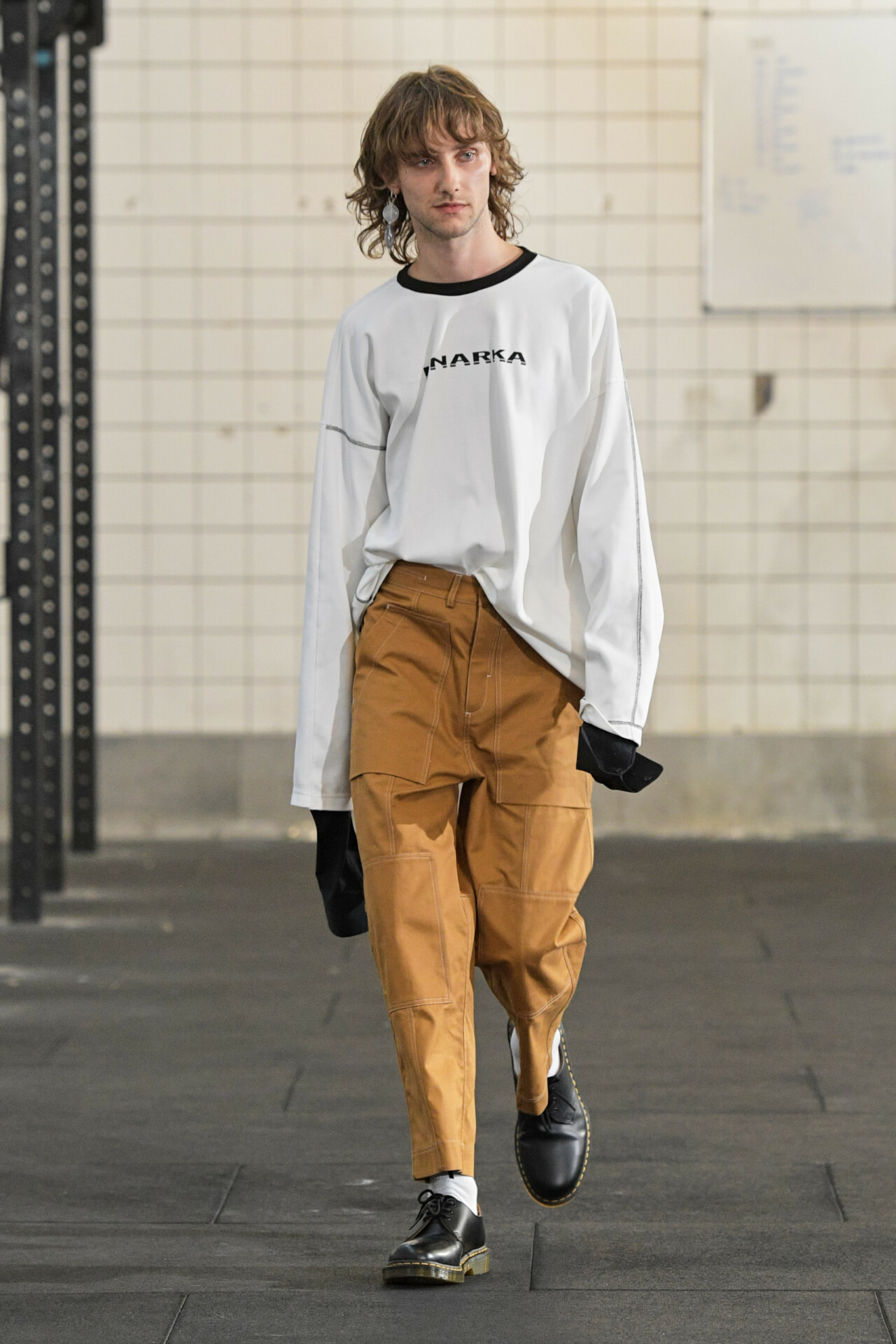
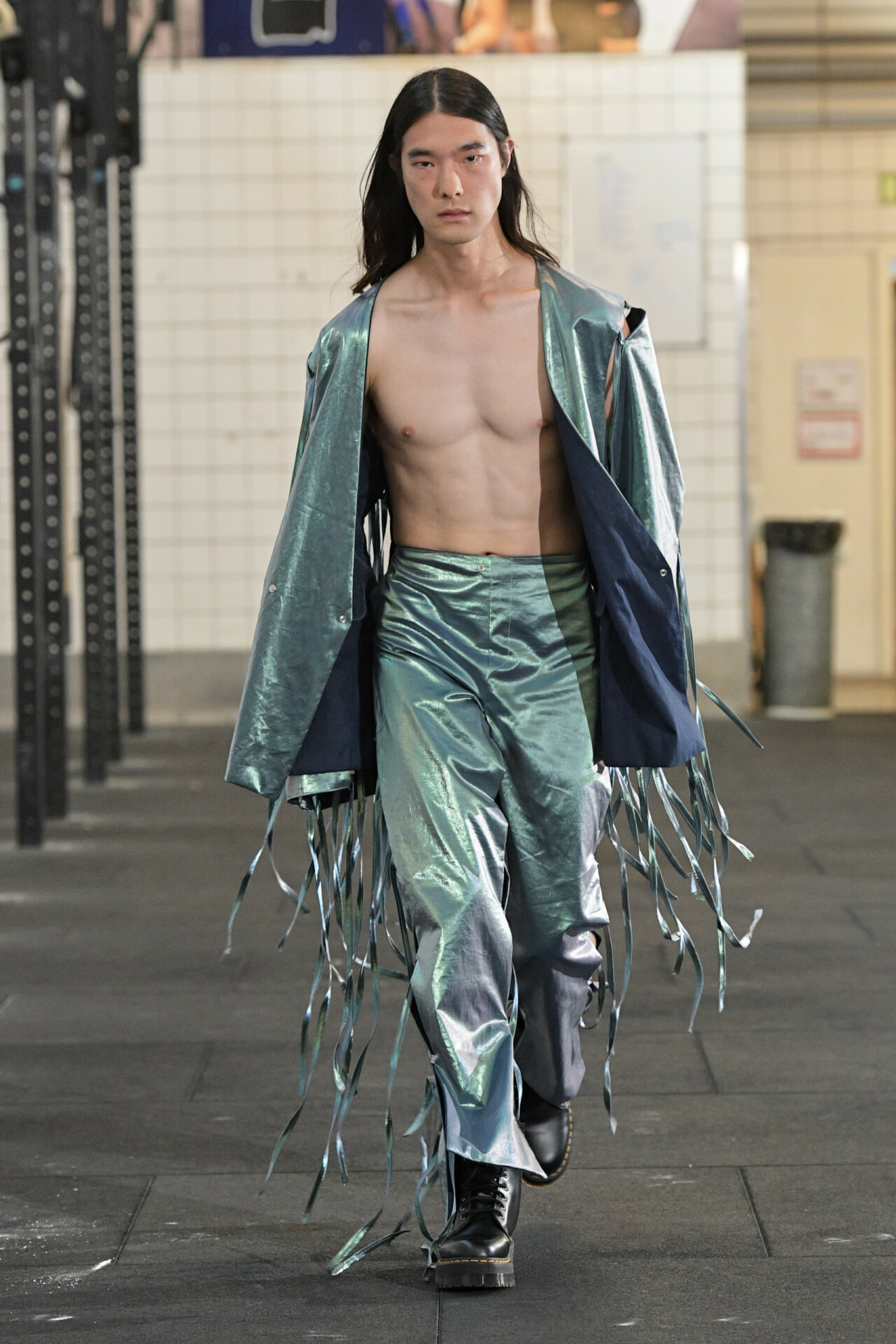
Latimmier SS23 at Copenhagen Fashion Week. Photography by James Cochrane.
While the feminine wardrobe navigates through different identities with ease, menswear is still pretty much caught in the corset of stereotypical concepts of gender. As Ervin Latimer puts it: “Masculinity is a performance.” With his brand Latimmier, the Finnish designer inquires into how clothes can express different forms of maleness. Held in a CrossFit gym with brawny weightlifters doing thrusters, squats, and pull-ups, the show was heavy in disassembled suiting and shirting that met with tied leather, frills, and understated frocks. As sweats and t-shirts read words like “knarka” – Finnish for junkie – the witty nod brought a trenchant comment on cliches evoked through a mere appearance. In lieu of an outdated brainchild of maleness, Latimmier puts a thoroughly genderless idea of silhouettes, fabrics, and details. In such tenderness and fascination with clothes lies the cutting-edge creative force that all newcomers at Copenhagen Fashion Week had in common. A promising omen of where they will take Scandinavian fashion.