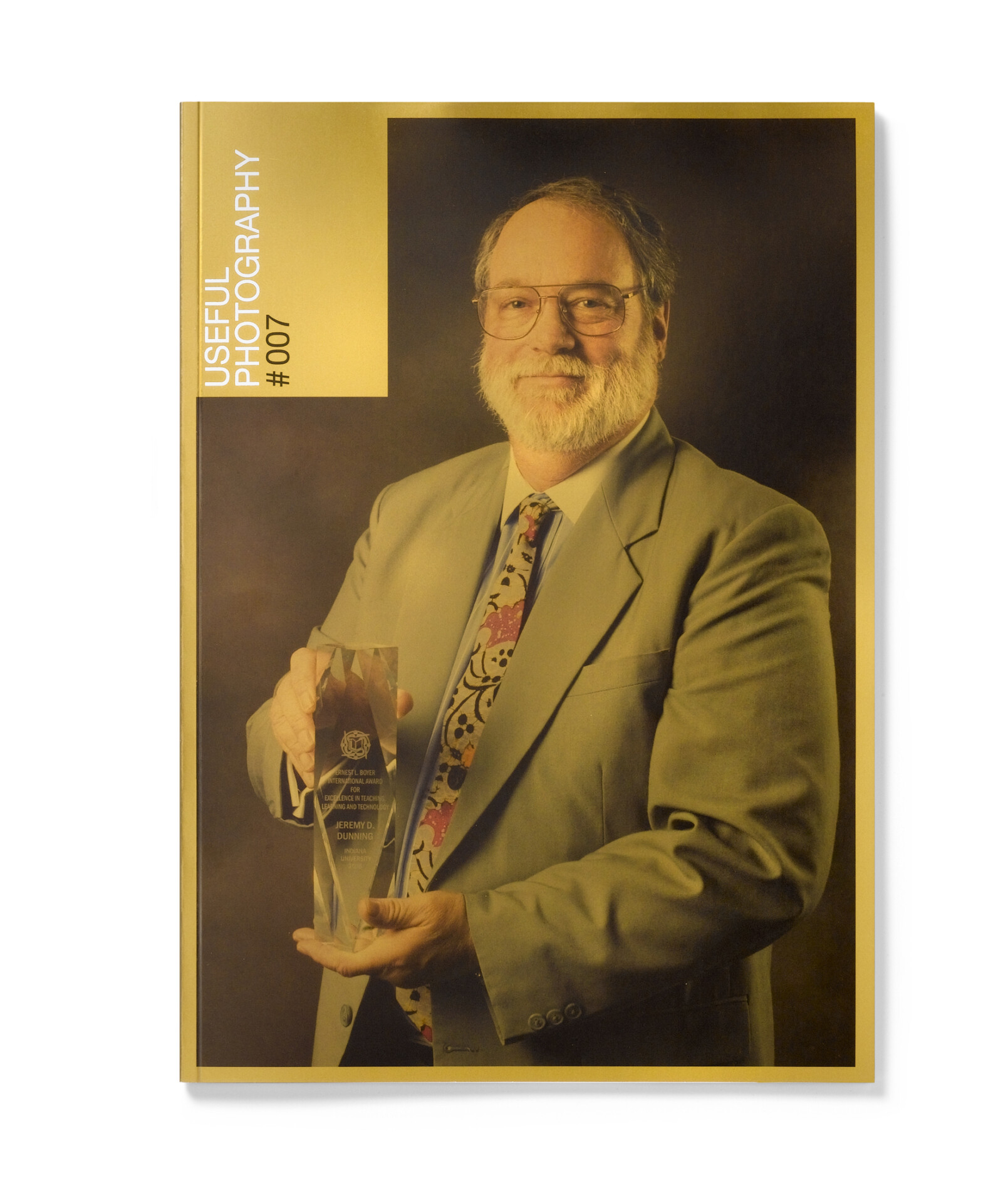
Image Courtesy of Erik Kessels.
So often it’s all about the perfect picture. For artist and advertiser Erik Kessels, perfect pictures are boring. He is interested in flawed, accidental and dissonant photographs, those that are overexposed and blurred, the ones where a finger is obscuring the lens and where there are unfortunate poses and moments of weakness. For him, these images are human. And so he collects all types of photographs that he finds in his own and other people’s albums, at flea markets as well as on the Internet. He does not alter or manipulate the images but, instead, sorts and recontextualises the found items and tells humorous stories of families and strangers, of coincidences and destinies, of art and commerce, of remembering and forgetting, of succeeding and failing. His works leave room for the unfinished, for coincidences, failures and, at times, even some very personal insights into his own life.

Image Courtesy of Erik Kessels.
SLEEK: Why imperfectionism?
Erik Kessels: I’ve always felt a strong opposition to perfect imagery. I have a background in communication design and everything always has to be perfect in that field. If you’re working on an idea and already thinking about perfection, then you’re limiting yourself creatively. I try to bypass perfectionism by finding alternative ways of perceiving and discovering inspiration in unlikely places.
S: And how do you find these kinds of offbeat images?
EK: When I was 11, I lost my sister to a traffic accident. At that time, my parents were looking for the last image of her in our family albums, which turned out to be a picture of her on holiday in a German holiday park. It wasn’t the best image, it was a little blurry, but in that moment it became the most special thing. They cropped the image, so it was only her in the frame, and had it reprinted in black and white. I was fascinated by how at one moment an image can be nothing and the next it can become something very valuable, the most valuable thing you have.
In the mid-Nineties, I went to a lot of flea markets and I’d find these family albums that were filled with images deemed as imperfect: images with fingers over the lens, blurred images, overexposed images. But for me as a designer and art director, it was so inspiring to see ways I could also produce imagery. Then, I felt motivated to look for these kinds of offbeat images and I started to make stories, works and publications out of them.
S: When I saw your work, I was fascinated by the way you bring different people, who have no connection to each other, together in a new story that becomes a life moment. In a way, you’re collecting and preserving human lives and stories. What does collecting mean to you?
EK: I don’t consider myself a collector, in the traditional sense at least. A collector is someone who only has an eye for that specific group of things, whereas I don’t care if the images come from the Internet, the flea market or if I take them. For me, it’s what’s hidden in the images that inspires me.
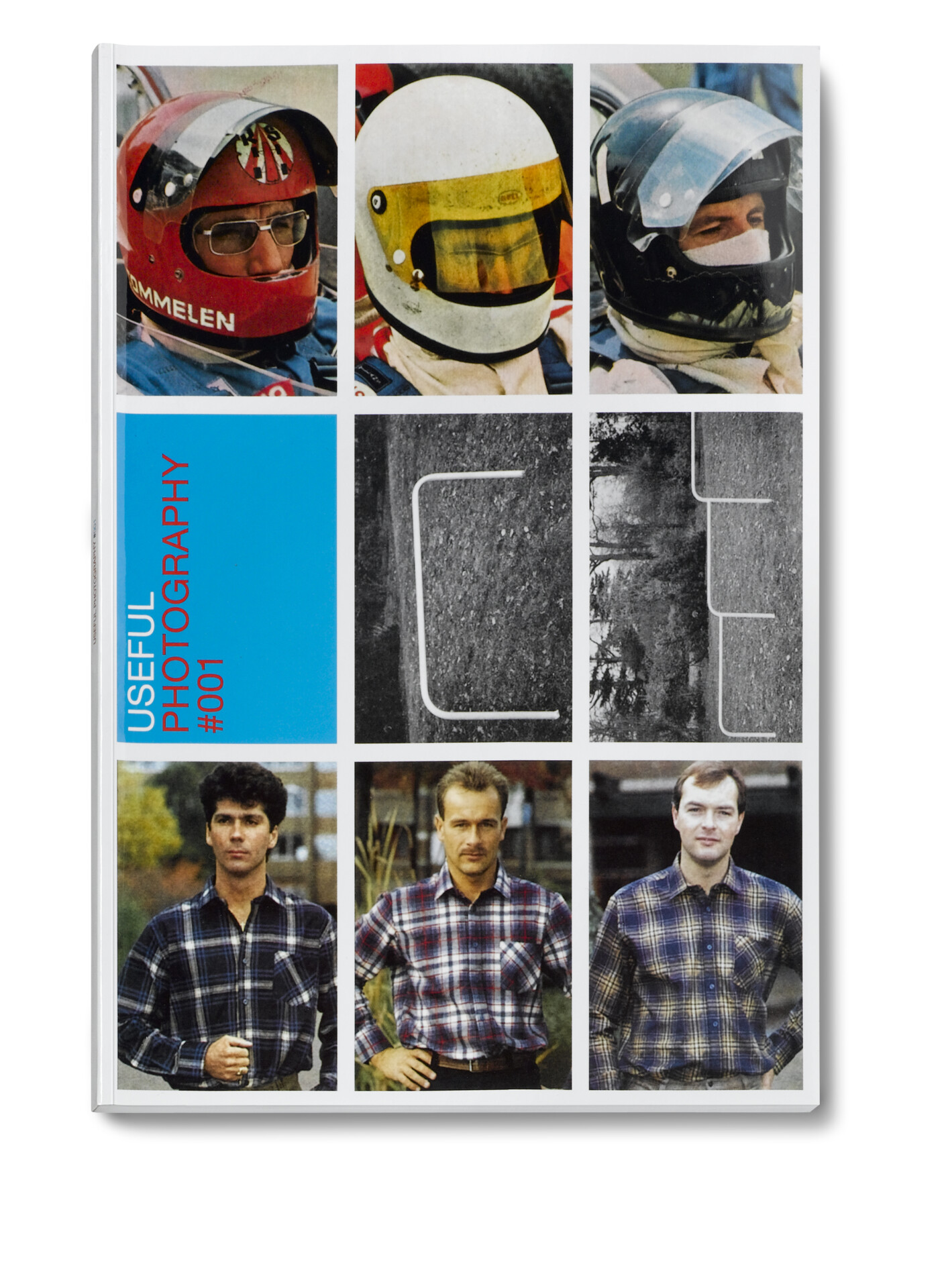
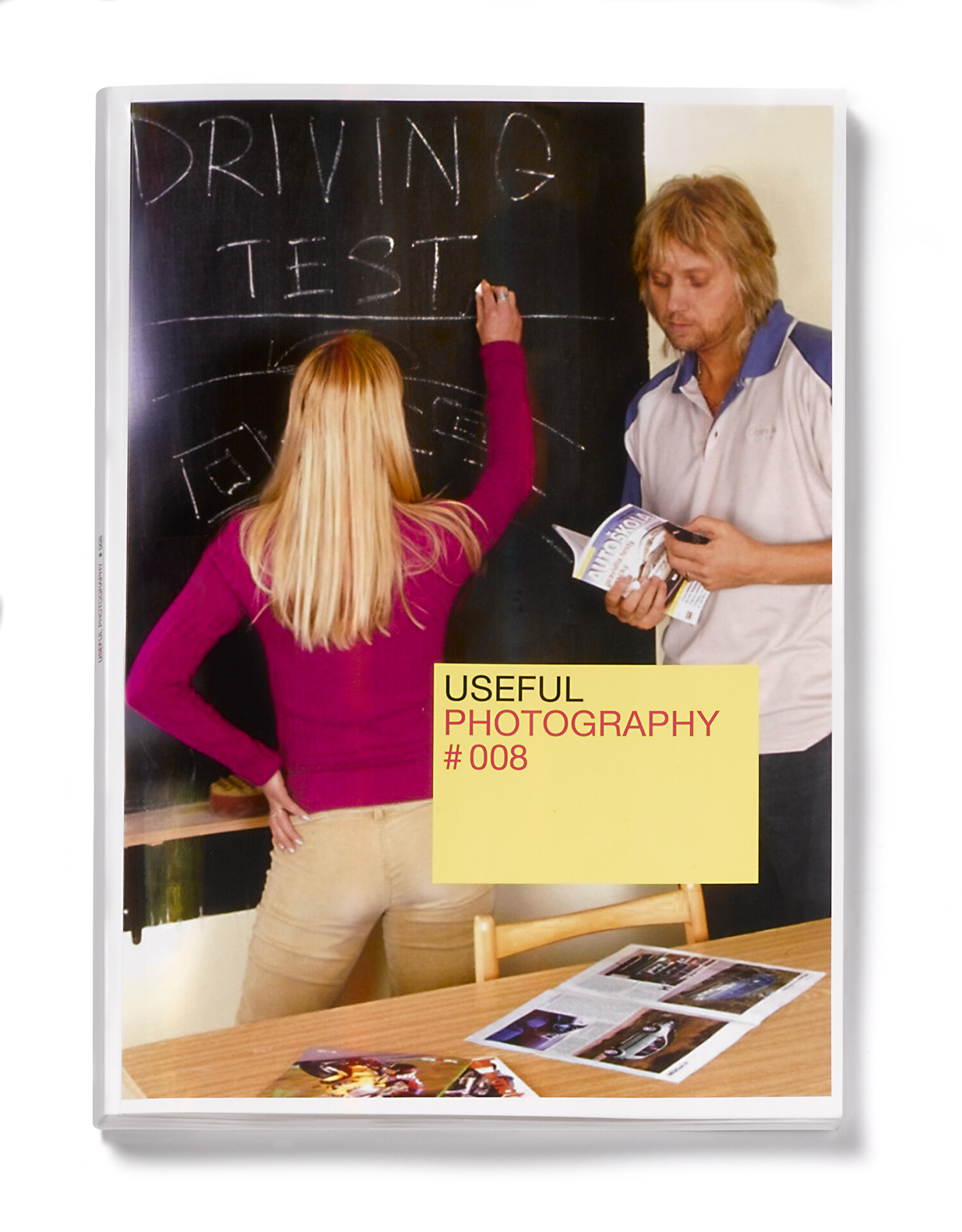
Image Courtesy of Erik Kessels.
S: But advertising agencies and publishing houses normally want a perfect image?
EK: I worked with Diesel for about seven years for their jeans line. They were great to work with because they really wanted my ideas in the world. In the end, I still had to photograph models in their clothing but in the edit, I chose images where maybe the model had her eyes closed. Instantly, the image became a little more interesting, more human – like the images I would find in the discarded family albums. I took elements from these found images and applied them to my commercial work. It’s easy to lose sight of your goal as an artist when working in these commercial settings, where the main focus is on money. You have to be strict about your identity as an artist to stay happy.
S: When you look at creative work produced during and post-pandemic, what are your thoughts?
EK: When you look back in history, the best music, the best art was made in times of struggle. In these moments, when you’re fighting for change, anything is possible creatively. I think as we emerge out of the pandemic, it’s important to remember this mindset and way of working. Sometimes the most successful work comes from taking a chance, doing something different, something that makes no sense. We live in a world that is so curated and carefully constructed, where everything has to be researched and executed perfectly; of course, the advancement of technology has a hand in this. But I think when you work without a plan, there’s a kind of freedom. You never know where it’ll take you.
S: The same can be said about life. You never know where you’ll end up. I was speaking to a young artist recently who talked about the pressure of being part of the new generation of creatives. What do you think?
EK: There’s a huge pressure, for sure. A twenty-year-old today has the same knowledge as a thirty-year-old did 20 years ago because it’s all fed to them so much quicker. Knowledge and creativity is much more accessible now, which is great but it’s creating a wave of young people in their mid-twenties having a quarter-life crisis because they have an overload of things in their mind. In the age of the Internet, I think a lot of people forget about their own personality, their own roots and passions, instead working in a way that they think they’re expected to. There’s this pressure to be perfect, to always present your best work online and to be constantly creating. We spend more time deleting things than we do making them. There never seems to be time to focus on one idea. Only in times of isolation, like in the shower or in an elevator, do we have a chance to stop and think.
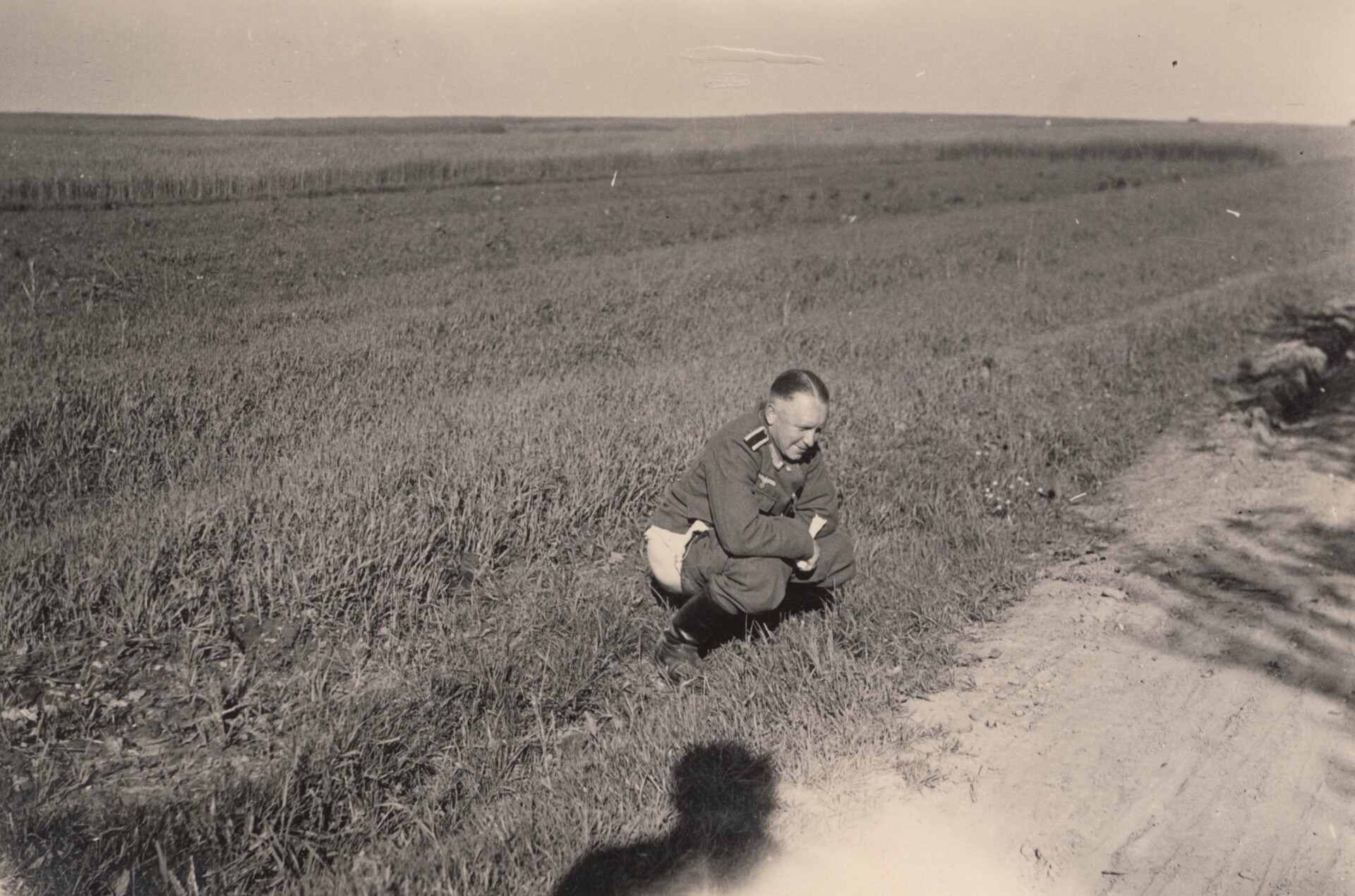
Image Courtesy of Erik Kessels.
S: And in these moments of isolation, are you happy?
EK: Focusing on one task, like showering or commuting to work, are often the best moments for ideas. There’s a sense of freedom.
S: I think it’s also interesting to think about freedom in photography. When I was young, all we had was analogue cameras and we couldn’t see the image until it was developed. Now, this can be interpreted as a kind of freedom from control.
EK: Exactly. When we were young, these cameras were all that there was, but now you see people in their teens starting to shoot analogue again. It’s the same with vinyl. People long to be more authentic, more real. With analogue photography, there’s a delay to seeing the image which makes you just accept it and be in the moment, rather than recreating the same moment over and over again until it’s perfect. You can work in a way that isn’t controlled which is the ultimate form of creativity. It’s so much more interesting and it’s something that I reach for. You can never plan it, you just need to be open and let go.
As featured in SLEEK 75 – HAPPINESS. Available in print and digital here.
Erik Kessels
Erik Kessels is one of the most important creative professionals in the world. He co-founded the international agency KesselsKramer in Amsterdam and is not only a rock star among advertisers but also an artist, curator, publicist and a passionate collector of photographs.