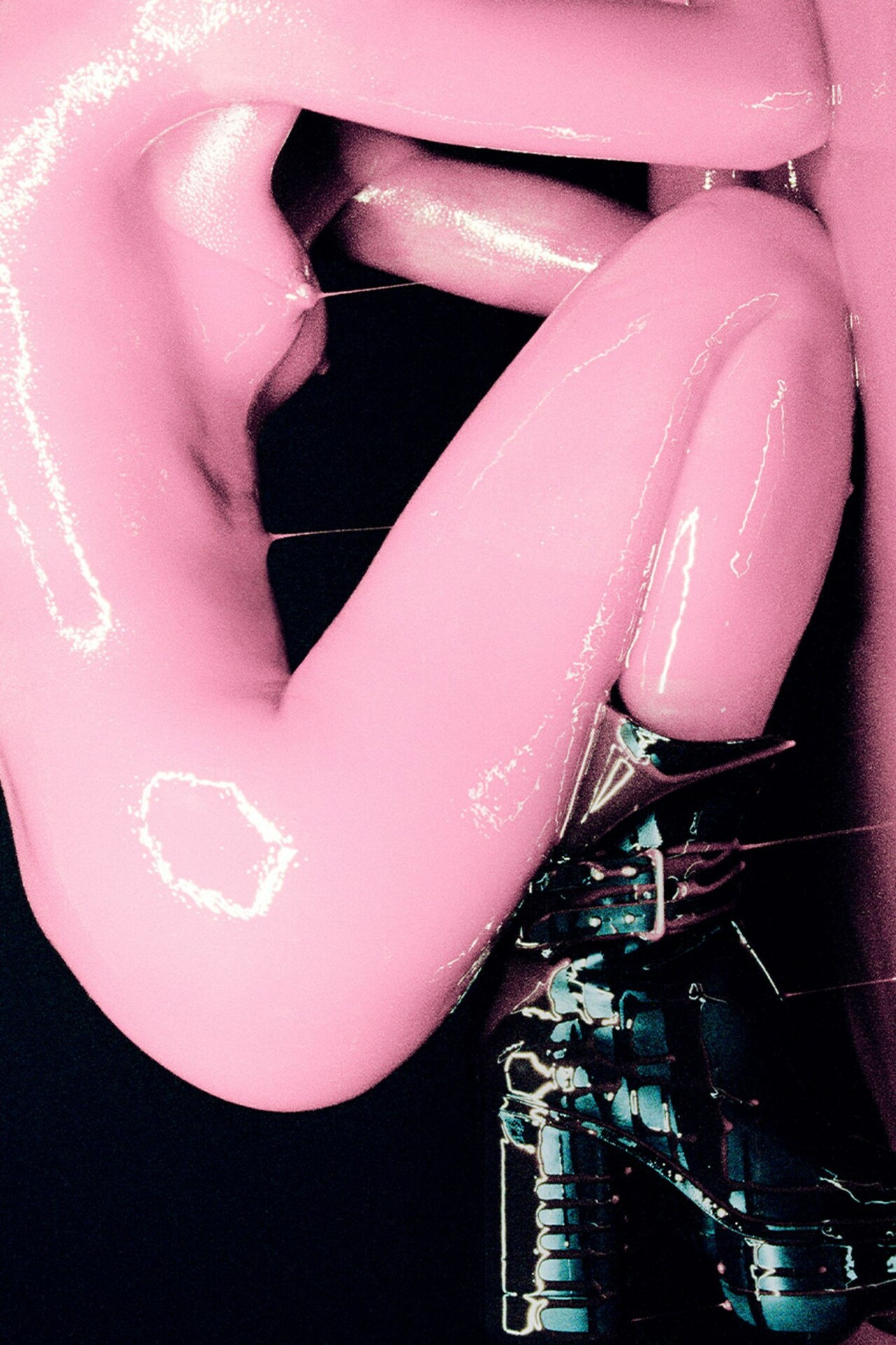
Photography by Drew Vickers. Image Courtesy of AT.KOLLEKTIVE.
Spring/Summer, Fall/Winter, Resort, Pre Fall and then all over again. Months pass by filled with the rush of creating collections, leaving no room to briefly pause nor recharge. The fashion cycle constantly calls for more, forgetting that true inspiration has its roots in real life and not allowing designers the time to dive into other spheres to give meaning to the act of creating.
Counteracting the pattern of producing and consuming, AT.KOLLEKTIVE unites a group of contemporary fashion representatives who are connected by the values of experimenting and researching to create pieces focused on craftsmanship and longevity. With a mission to restore the relationship between designer, object and consumer, each creative presents nine key pieces per collection, turning each object into a collectible standing for the season it is produced in.
Influencing each other in the process, the collective consists of Natacha Ramsay-Levi, Isaac Reina, Kostas Murkudis and Bianca Saunders who bring true innovation to the industry by each exploring a theme in the surrounding of a group of creative minds, letting exchange and an interplay of thoughts happen. Freed from the pressure of producing a big collection, ECCO Leather guides this project that questions the fashion industry as of now, by showing that leaving time and space to the creatives is needed for doing something new in a world that seems to have seen everything already.
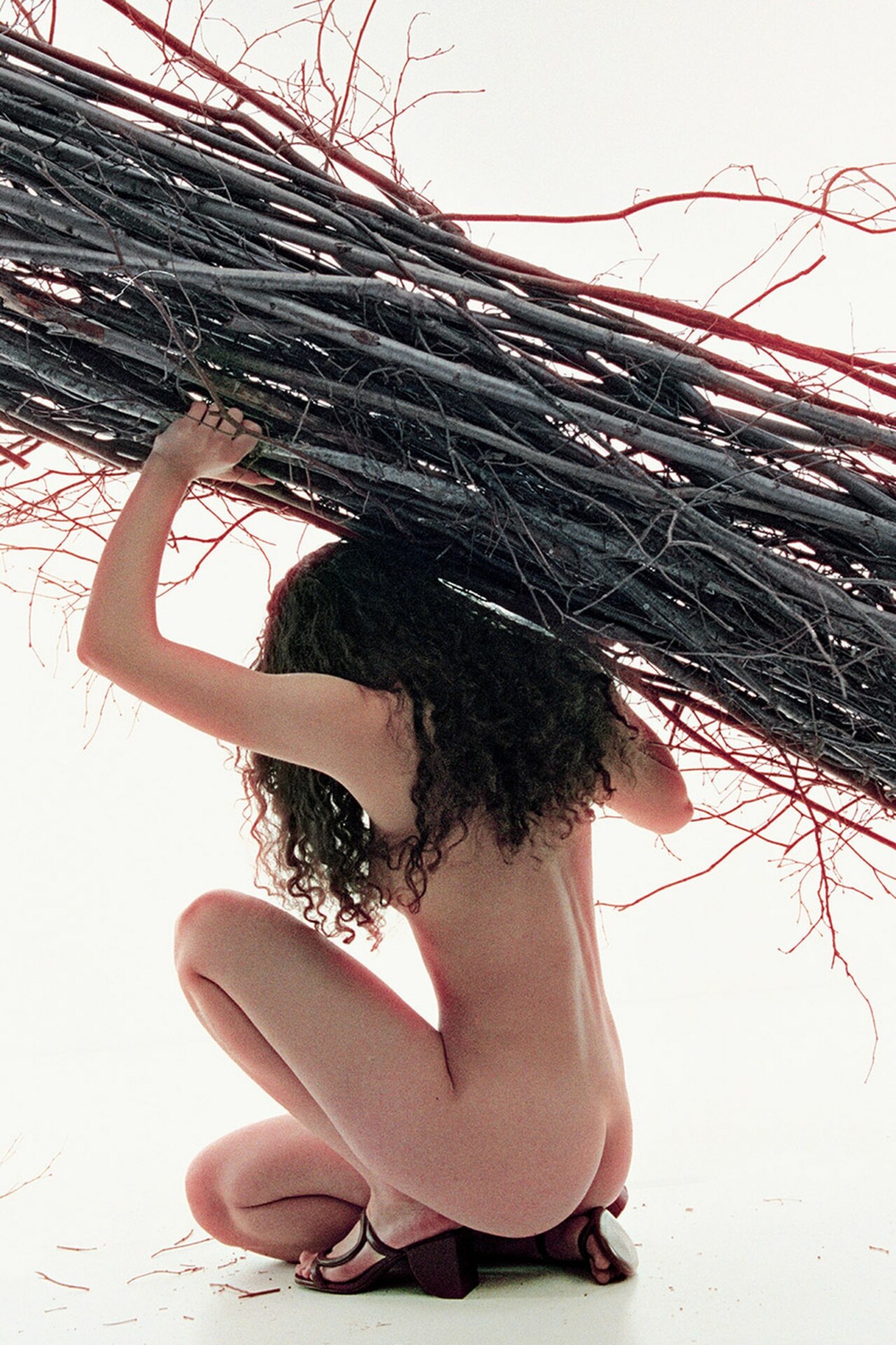
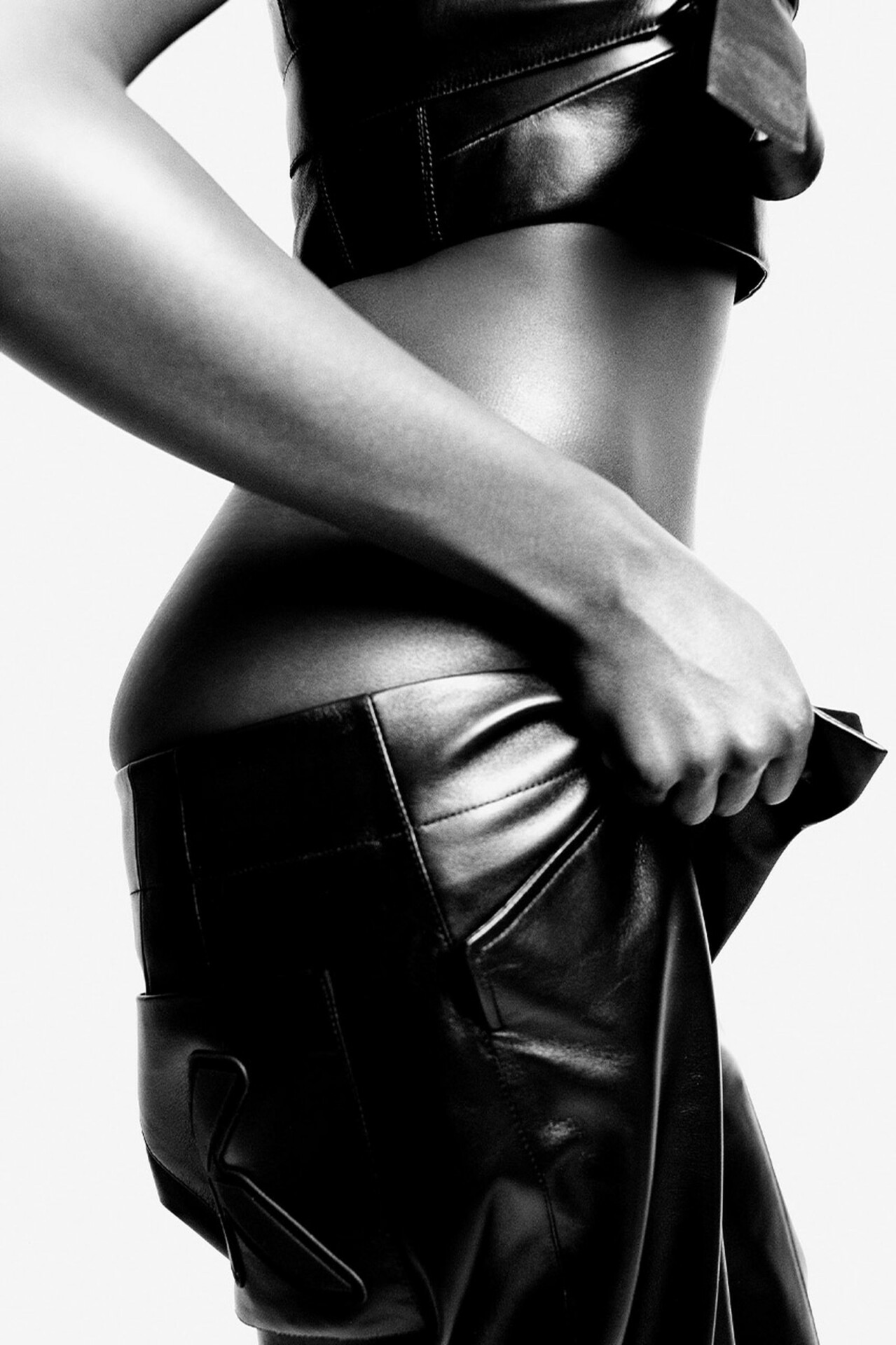
Photography by Drew Vickers. Image Courtesy of AT.KOLLEKTIVE.
To present a collection is to create a space that underlines artistic freedom, something big enough to hold new ideas. As for the first collection put out by AT.KOLLEKTIVE and the second collection recently just been shown in Paris, the multi-brand store ANDREAS MURKUDIS serves as the welcoming ground for the group’s multidisciplinary installation consisting of leather pieces. With each season, an architect gets coupled with the group, proposing a set design that underlines the theme of the collection. At ANDREAS MURKUDIS, architect Bernard Dubois hugged the space in leather while integrating the pieces of each designer.
In pursuit of disrupting existing systems, the creatives are coming together despite or more so because of their different approaches to design and leather. Natacha Ramsay-Levi explores cultural associations of leather marking her first work after leaving CHLOÉ, while Isaac Reina with a background at Hermès offers meticulously constructed bags and shoes. Focusing on the flexibility of leather, ANDAM award winner Bianca Sanders’ bags can be shaped and adapted by a wiring technique.
Making the quartet complete with his own visions, Kostas Murkudis who is known for his beginnings at Helmut Lang references the humble paper bag and envelope in his bags by advanced bonding methods to mimic the angular folds. All of the pieces are meant to be used and treasured, as AT.KOLLEKTIVE aims to push the leather industry towards more considered and sustainable practices to truly cause change. Amidst the launch of their second season, SLEEK talks to Kostas Murkudis about the significance of collectives today, his connection to the material leather and the ambivalences in his design language.
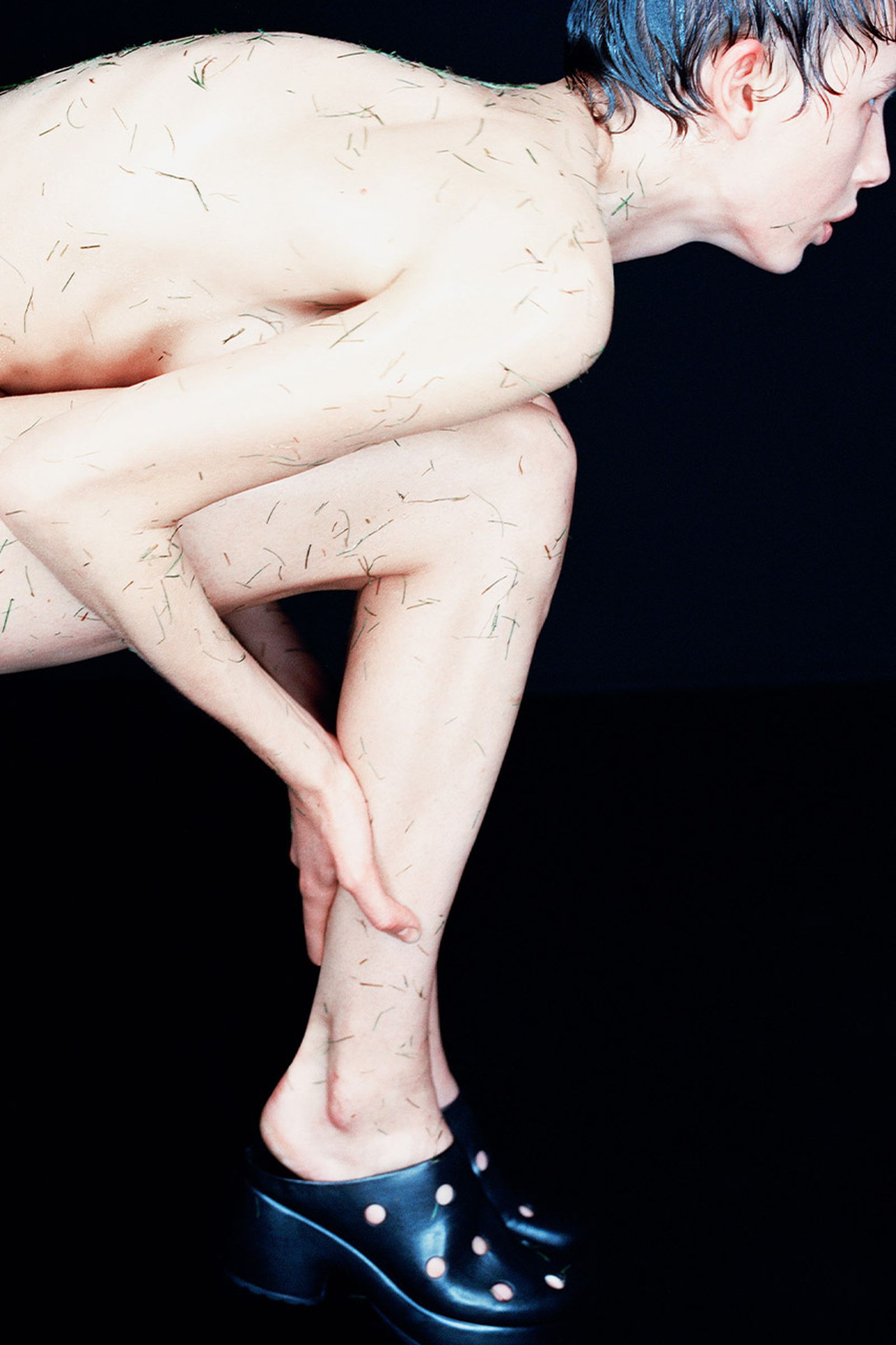
Photography by Drew Vickers. Image Courtesy of AT.KOLLEKTIVE.
SLEEK: AT.KOLLEKTIVE unites designers who all add their own perspectives in creating meaningful pieces. Why is the idea of a collective seemingly more needed than ever now?
Kostas Murkudis: The concept of a collective is so exciting because the focus is not on the person designing it or the brand but truly about creating a product. More so, it leaves space for diving deep to explore materials in all their possibilities and to further push the boundaries of a textile.
S: We see more and more brands breaking out of the traditional structures of the fashion system. Why is there such a big urge for change?
KM: So many collections just seem to repeat themselves, inspiration is drawn from the same places all over again as producing clothes has become a process based on analysing the market. There is the pressure of time to produce a whole collection every season, forcing some designers to even recycle their own ideas as they are left with no time to develop new ones.
S: With each presentation for the collection, AT.KOLLEKTIVE combines architecture with fashion. Why are both spheres so closely intertwined?
KM: I think that both of those worlds have always belonged together, even having an interplay with each other. Both architecture and fashion follow the process of building shapes based on what is essential and when in use they are not the same yet so similar. I have always seen fashion as architecture that moves around the body, making it very natural to combine both in each of our collections.
S: With ECCO Leather guiding this project, what is your personal connection to the material leather?
KM: I love leather. It is a natural waste product that stands for longevity, the material ages in such a unique and at the same time beguiling way. The feel carries the same significance for me, no other material incorporates both delicacy and roughness while leaving room for endless possibilities to shape it.
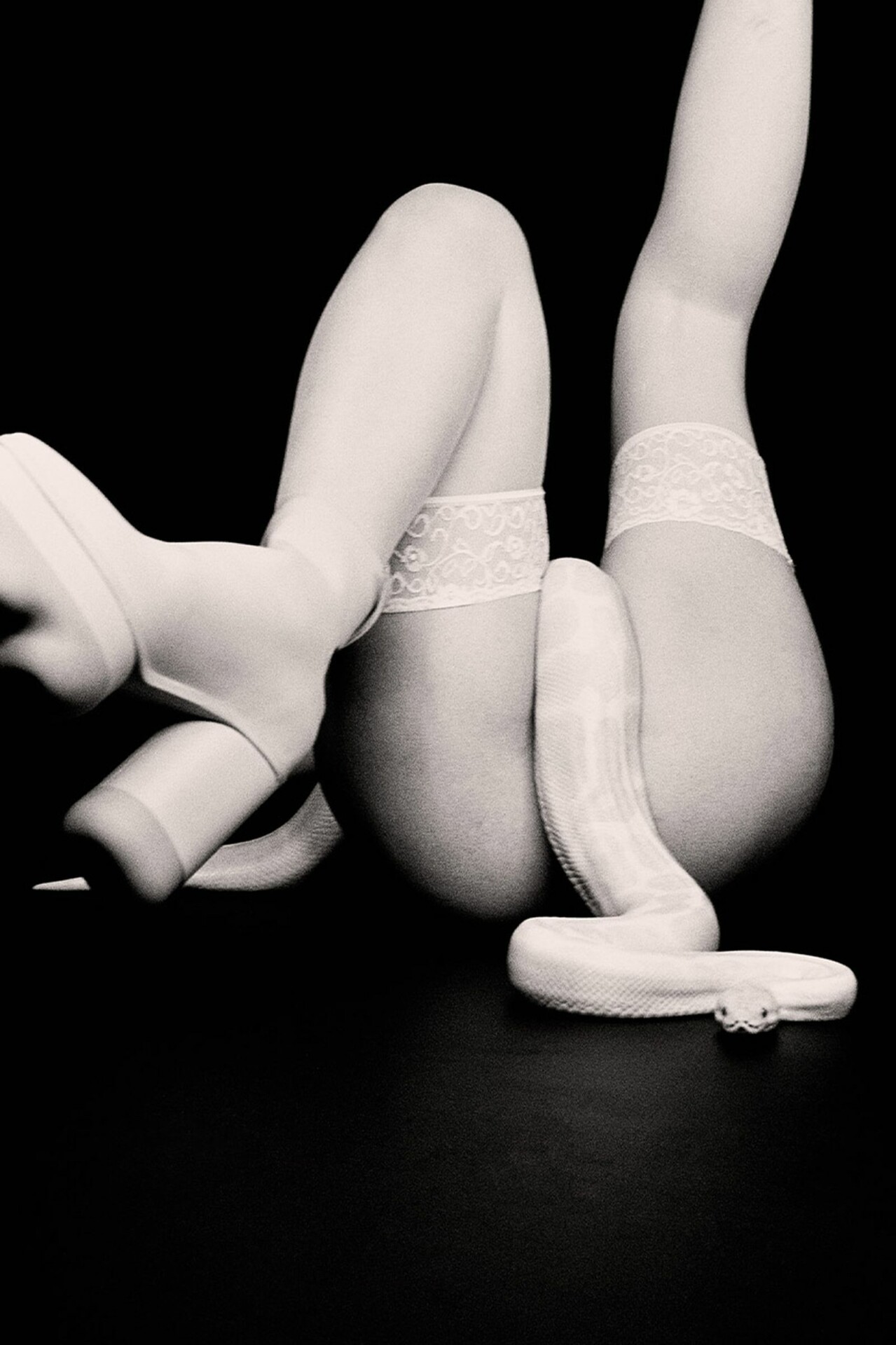
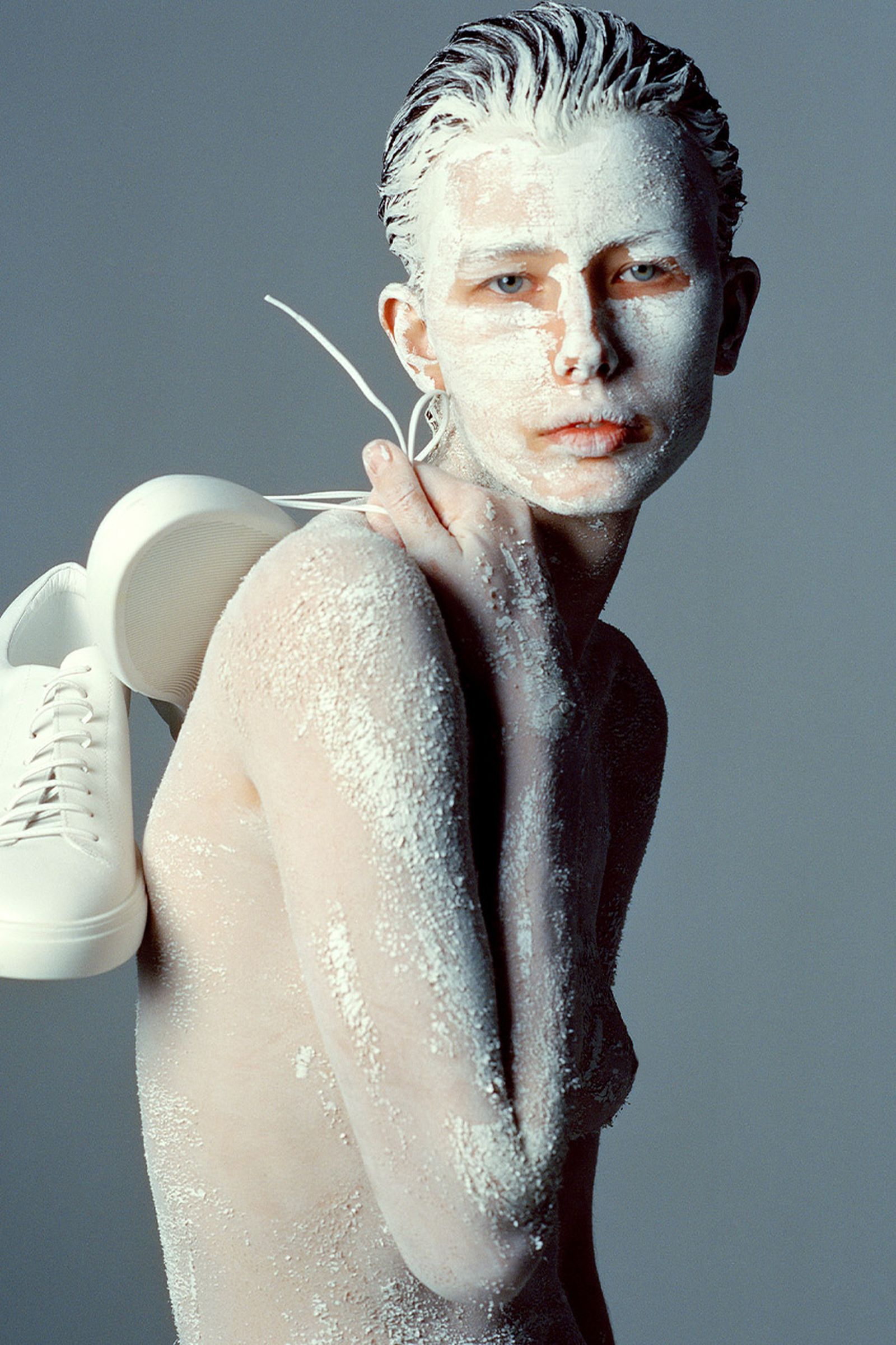
Photography by Drew Vickers. Image Courtesy of AT.KOLLEKTIVE.
S: Your bag for this season resembles a paper bag but instead of paper using leather to create it. Where does the idea for this bag derive from?
KM: The idea was to create an almost two-dimensional object. Focusing on the craftsmanship behind it, I wanted to strip it off of every common feature of an it-bag like stitching and the use of hardware for decorative elements. By canceling out redundant components, I let hidden traces of craftsmanship like folds dominate the visual of the bag. Still, the construction and process behind the making are managing to peek through, giving the bag its own charm. As architect Mies van der Rohe said, there is a fine difference between plain and simple.
S: Playing with ambivalences, your shoe in this collection is both a sneaker and a sandal, as your bag is a paper bag but not really. Does this motif have roots in your history as a designer and how would you describe your design language?
KM: I find beauty in giving objects a broader context and thereby creating ambivalences or unexpected contradictions. Everything happens throughout the process, developing ideas, thinking about their usage and then trying it out or even deciding to eliminate elements. Sometimes, you can catch glimpses of fragments that suggest something, I like to animate the viewer to think about it, letting them feel something they can not explain. Showing the obvious is less interesting to me.
S: Going back to your beginnings at Helmut Lang, in which way did that time shape your following career as a designer or maybe even still does?
KM: Having started my own work there and influencing the work there too, it is hard to completely disassociate myself as a designer from this era. What stuck with me to this day is what materials to source and especially where to find them. I think that is the most important experience from where I then could then build my own brand but on everything else I have worked on by myself as an own self-thinking designer.