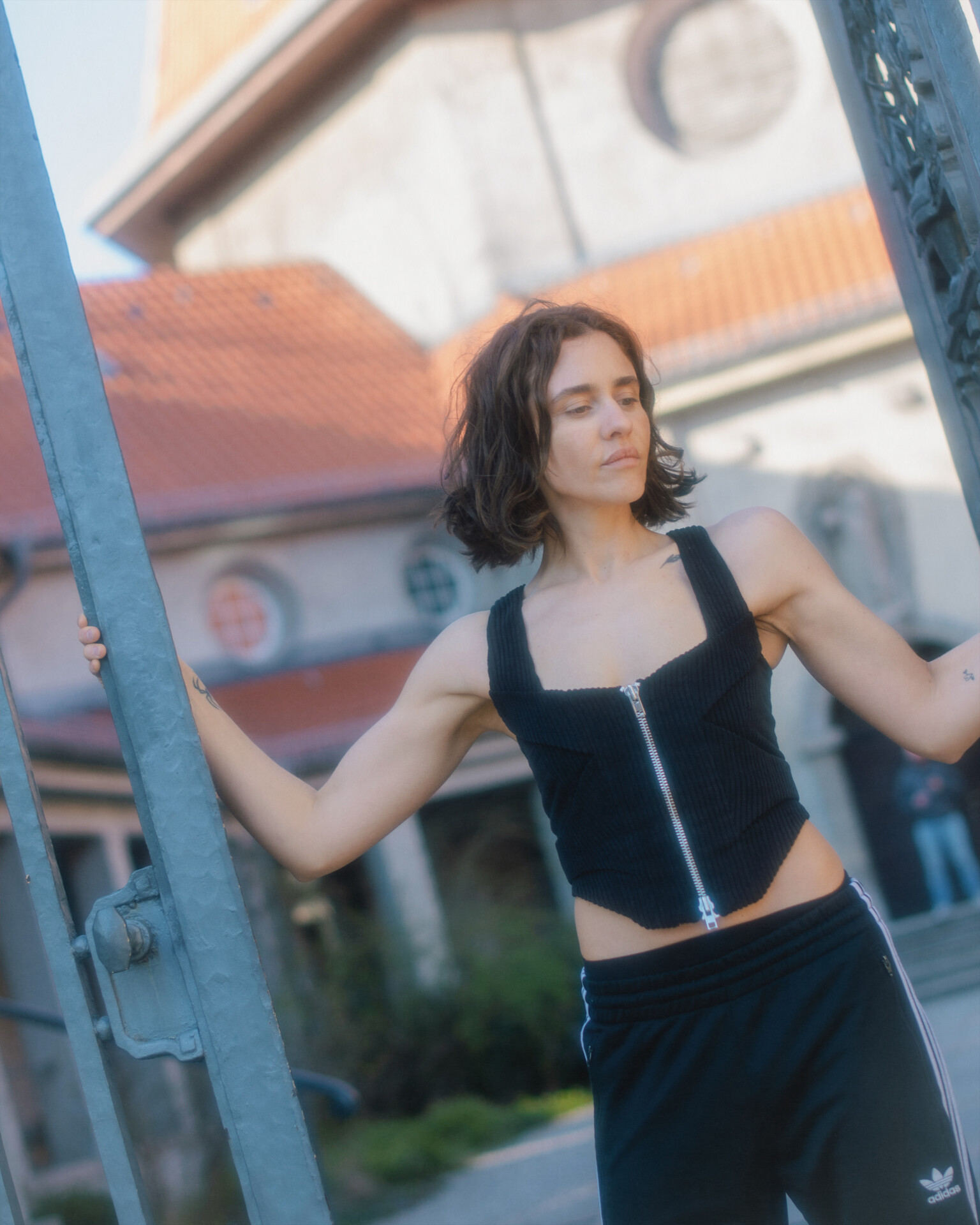
Photography by Patrick Tjorven Stein.
For the first time, Dillon will perform her new LP “Trauerhymnen” and an entire set in German — the language she has spoken for decades, but never sung in.
It’s been 14 years since her breakout hit ‘Thirteen Thirtyfive’, a song that quietly became a generational anthem. Now, with new songs, a different language, and the same radical honesty, she invites us into a space that feels more intimate than ever. We sat down on this frighteningly warm day in March and talked about creativity, control, and why beauty still matters in a world that often forgets it.
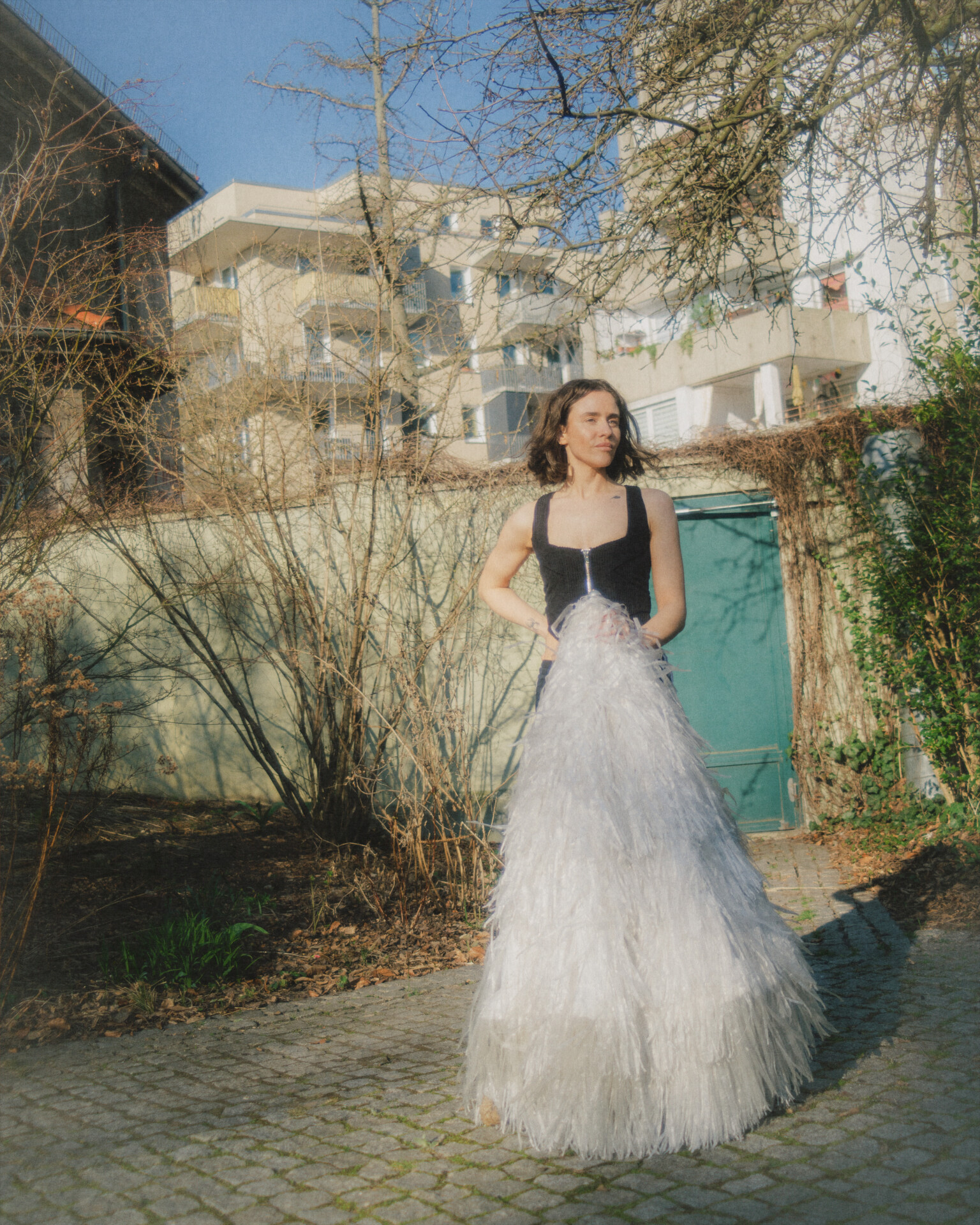
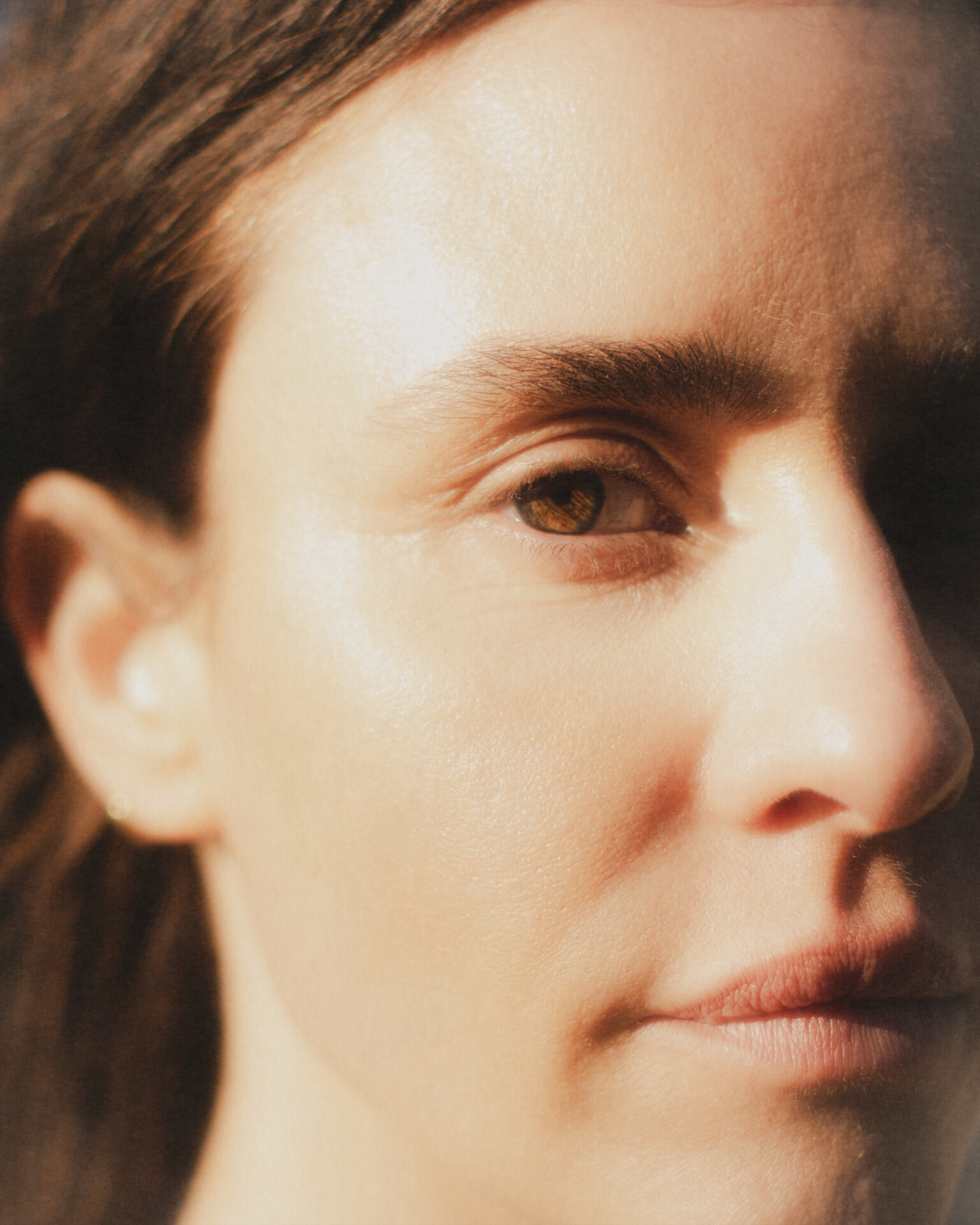
Photography by Patrick Tjorven Stein.
Valerie Schlotthauer: How are you feeling? Are you nervous?
Dillon: No. I’m fine. I’m not nervous, yet – that will probably come later. But right now I’m actually deeply relaxed.
VS: You’ve just had a little creative break since your last release in 2022.
D: I always have breaks because I work so selectively, I do about one album every 3 to 4 years. But I don’t see it as a break at all, I also have a life that is captured by my music. I first have to experience things in order to have something to say again. And that’s what the last three years have been like.
VS: Have you experienced a lot during those years?
D: The world has experienced a lot. I’ve felt a lot and I’ve also needed time to understand what I’m doing here – do I even want to make music? What is the purpose of my work? In those moments everything didn’t make sense. That slowed me down and it took time to pick myself up and realize: No, this is what it’s worth living for — for this beauty.

Photography by Patrick Tjorven Stein.
VS: And now you’re doing something in German for the first time. How did that come about?
D: It definitely has to do with the fact that I’ve never consumed German news as often and in such large amounts as I have in the last two years. I’ve read so much shit in that language, so much hate, so much division; just bad things that I created a counterbalance by writing these songs in the same language as the crap I read. Because I think if sometimes you can’t change the situation, you can at least add more love.
VS: You received high praise from the cultural press, the German Feuilleton. Where do we draw the line between pop culture and advanced culture?
D: I don’t. It’s like an exclusive league that makes you feel like you might belong—or not. I never cared about that. I didn’t even know about what the Feuilleton was and all that critics stuff because I never saw myself in that space.
VS: What is art and what is entertainment? Is entertainment art or does it even have to be titled like that?
D: Well, in my case, the German Feuilleton has practically agreed that it is art and “not just pop music”, it’s electronic music. Suddenly I was compared to Björk although we have nothing in common except the same gender. I think every other female artist who doesn’t make sexy bubblegum pop is compared to her, but why? Just because she’s a little weird?
For my mom, it was the worst case scenario that I accidentally became an (indie) pop musician with my first album. She said that I was going to be criticized or even reduced to my looks and body. But that never happened.
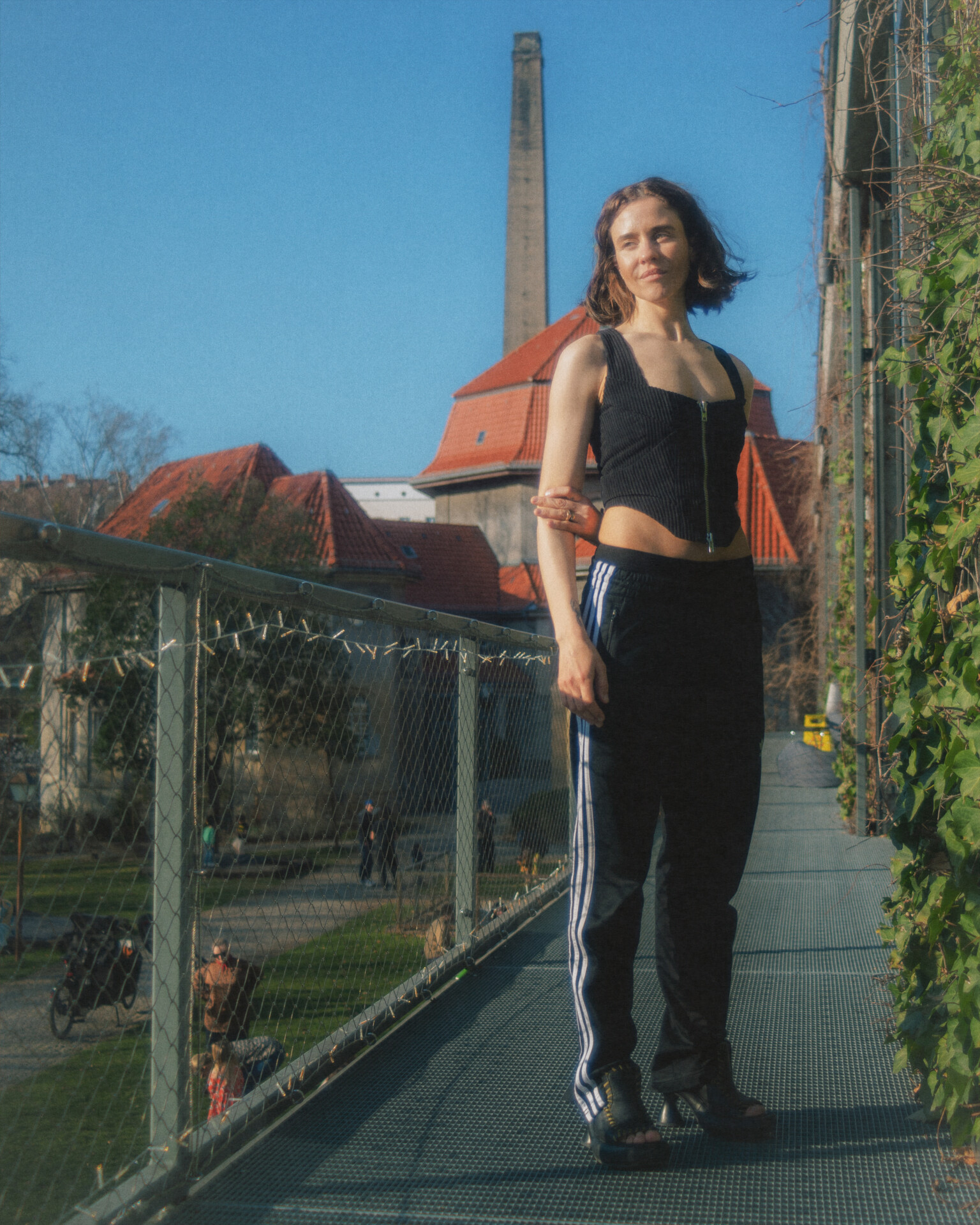
Photography by Patrick Tjorven Stein.
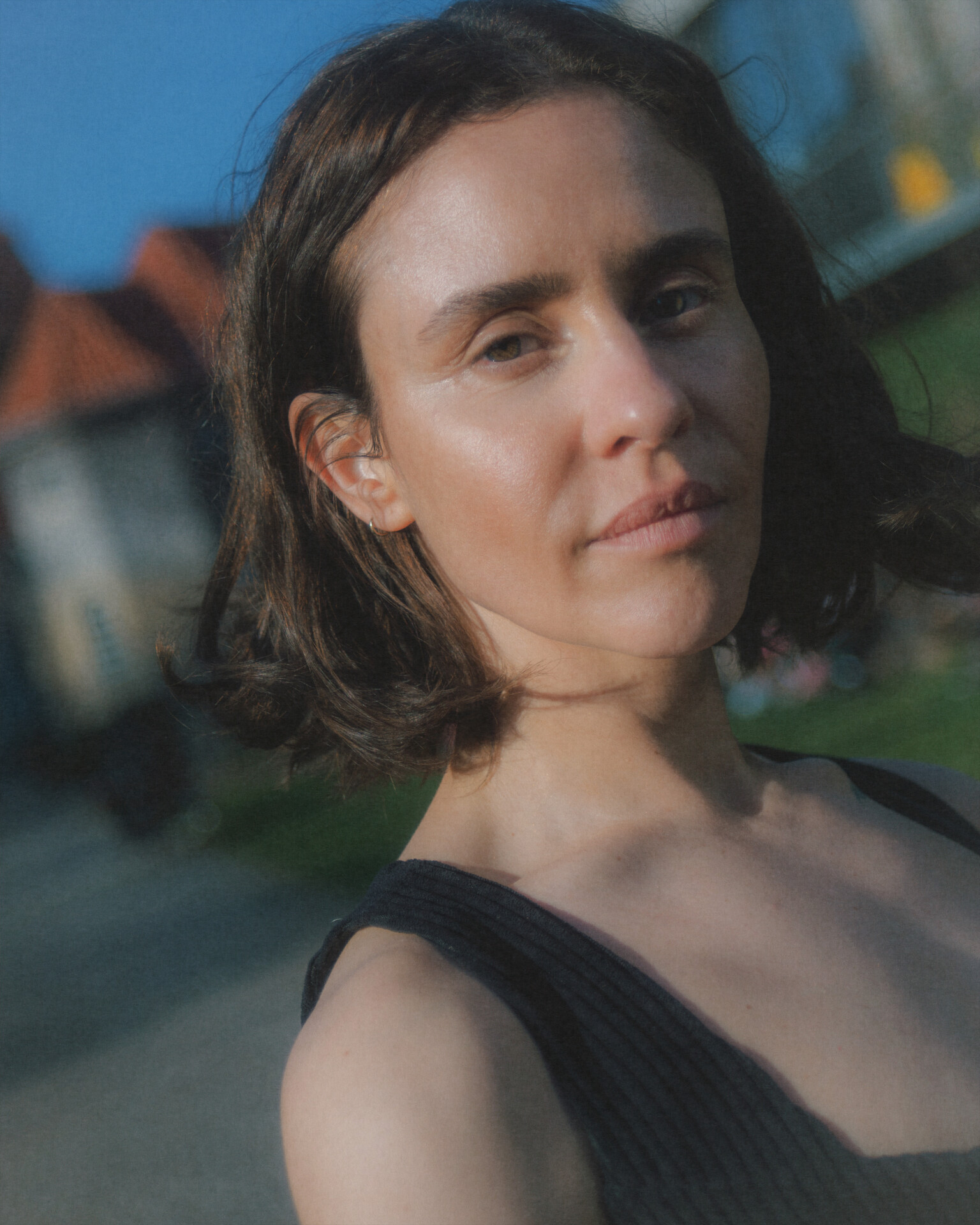
VS: Funnily enough, I also had the feeling that people often didn’t know what you looked like for a very long time.
D: Yes, the cover picture of my first album was a black and white portrait of myself- they couldn’t really see what I looked like. They didn’t know how tall I was or how my body looked. And maybe it just wasn’t interesting either since I was basically in the underground bubble of the underground; my stage outfits looked like funnels and there was only light from behind. You couldn’t even attack me because I never gave you anything to use against me.
VS: Could you describe your new album in three words?
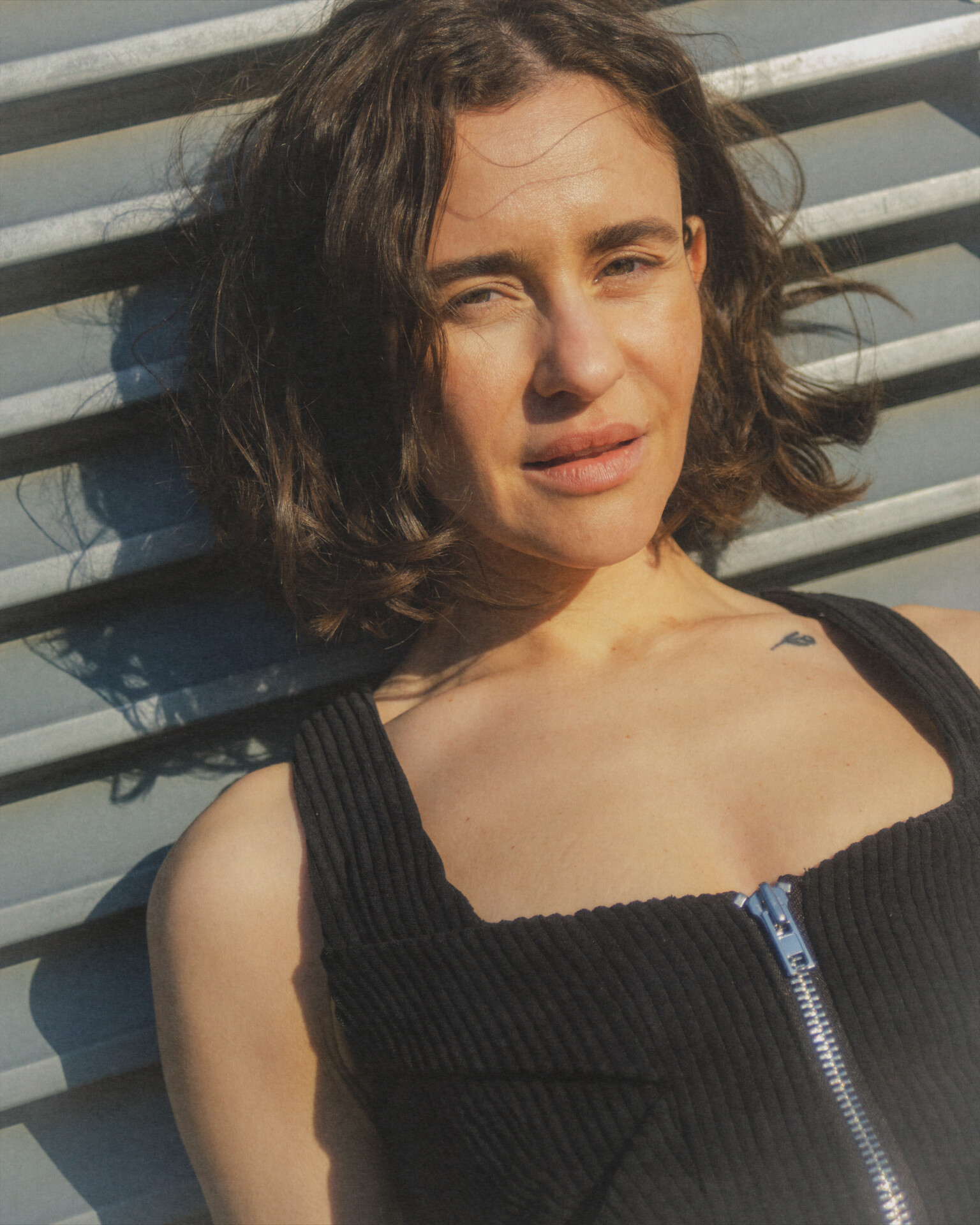
D: It’s confident, every sentence is confident in itself. It’s self-confident. And it’s very intimate.
Photography by Patrick Tjorven Stein.
VS: Something else we need to talk about is how you do everything on your own.
D: Yes, now I do. I just found the long processes with a management quite annoying. My child is five years old and he talks so much all day that I don’t have the energy to talk even more to a manager. I don’t want to discuss which flight I’m going to book. Just tell me when and where and I’ll be there. The less communication, the better.
VS: That probably also gives you independence.
D: Totally. I’ve been without management for six years, I parted ways with them when I was asked by the Thalia Theater to take over the musical direction for Hamlet which was major for me. My management at the time said it wasn’t such a good idea and that the circumstances weren’t good. So I said „Okay. But then you need to go an I will go on and be in my bad circumstances then.
Listen to Dillon’s new single here.