
Photo Courtesy Warner Bros. Pictures - © Warner Bros. Pictures
The 98th Academy Awards introduce the inaugural Oscar for Best Casting. Long overdue, the category creates a distinct opportunity to honor the people who lay the foundation for bringing characters to life: those responsible for finding the actor with the most authentic performance, who makes the story the most believable. By adding this link to the chain of nominations, the Academy also expands the network of connections between categories, offering fresh insight into film as a collaborative art form in which every role strengthens the whole.
This year's nominees for Best Casting are: Nina Gold for Hamnet, Cassandra Kulukundis for One Battle After Another, Jennifer Venditti for Marty Supreme, Francine Maisler for Sinners, and Gabriel Domingues for The Secret Agent.
Photography by Agata Grzybowska - © 2025 FOCUS FEATURES LLC. ALL RIGHTS RESERVED.
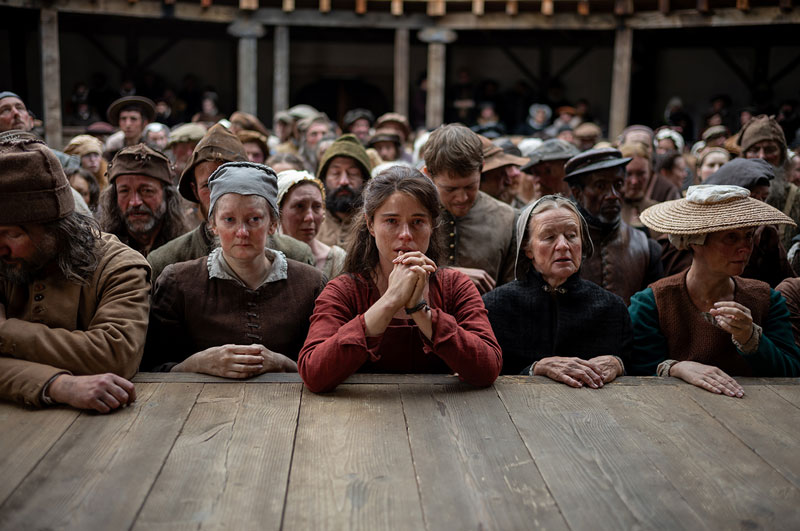
In “Hamnet”, the casting connects viewers to the family’s emotional journey and historical context. Jessie Buckley’s performance allows the audience to witness Shakespeare’s shifting family dynamics through the female perspective, shaped by the limitations and expectations of the time, as she forms a four-dimensional character right in front of the audience’s eyes. Her portrayal of Agnes is full of awareness, and both quiet moments and explosive emotional scenes are charged with personality. Paul Mescal, as William Shakespeare, grounds the film with a consistent and subtly vulnerable performance, making the moments when strong emotion breaks through all the more striking. Their relationship forms the emotional core of the film: a meditation on grief and miscommunication, exploring how personal loss affects both intimate bonds and a broader historical context. The rest of the ensemble fills the spaces surrounding this relationship, strengthening the credibility of the family dynamics and deepening the viewer’s immersion in the film’s historical setting. Most notably the young actors Jacobi Jupe, Olivia Lynes, and Rae Breathnach help bring this to life.
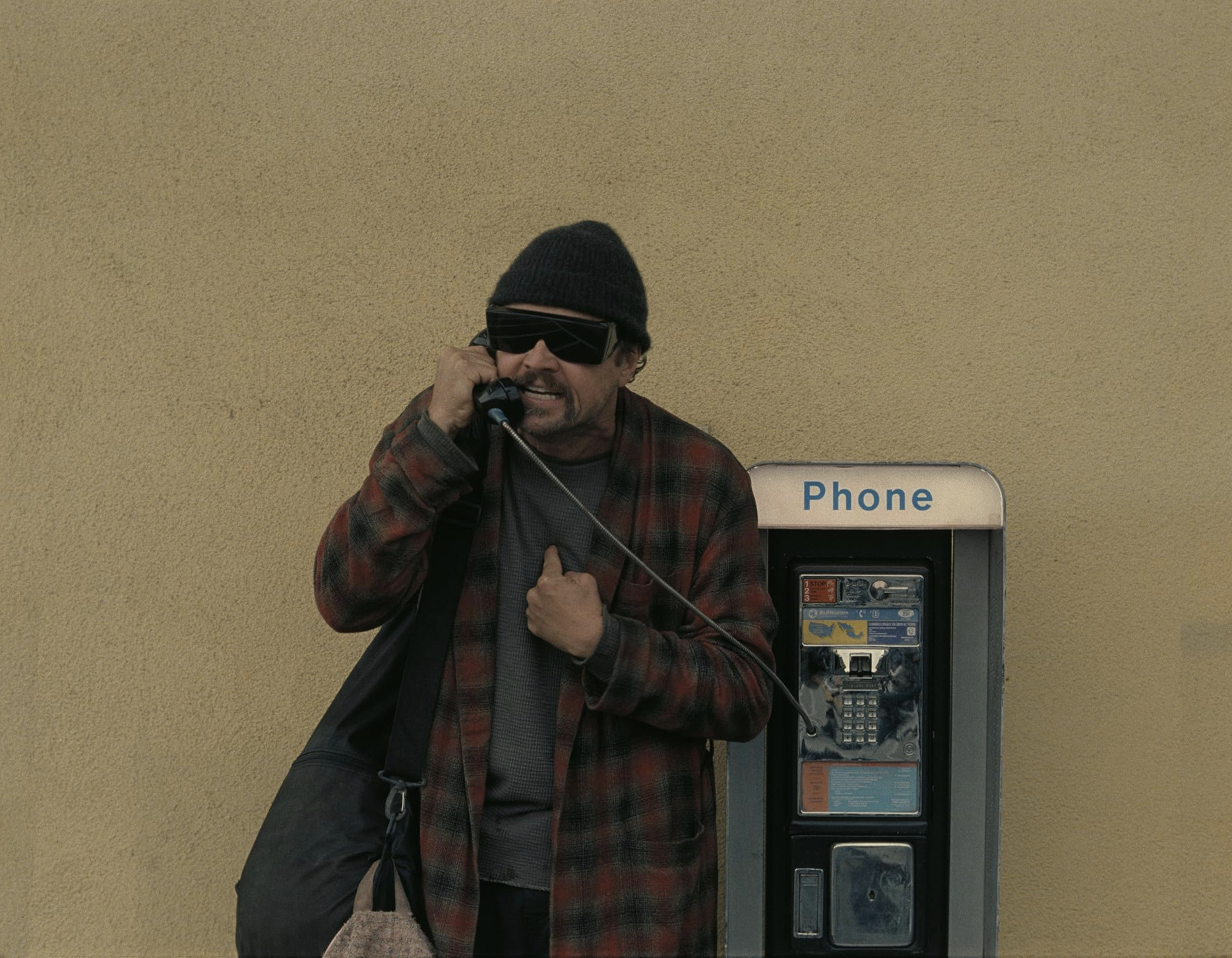
Photo Courtesy Warner Bros. Pictures - © Warner Bros. Pictures
In “One Battle After Another”, the chosen cast carries the plot with effortlessness, which allows for all aspects of the script to shine and makes each character memorable. Teyana Taylor offers a performance of strong independence without compromise, which sets the tone for the whole movie. Leonardo DiCaprio’s leading role performance is layered with introspection, embodying a man at war with both the state, his own history, and his mental state. At the same time, his performance is delivered in such a natural way, switching constantly between thoughts and emotions, that the joy of watching the performance entertains as much as any plot could. The base DiCaprio’s performance lays is enhanced by Sean Penn and Benicio del Toro whose contrast deepens the ideological conflict. Sean Penn excels at making the audience hate the tough and violent, yet hilariously ridiculous at times, Steven J. Lockjaw, who embodies the hypocrisy and aggression of a corrupt system of authority. Meanwhile, Benicio Del Toro entices us with the “Sensei” Sergio St. Carlos, whose ideas and charm are delivered with a refreshing coolness that does not rely on ego or violence. Ultimately, the cast is one of the main factors that differentiates the film intensely from most other action films, adding layer upon layer through humor, emotion, and depth.

Courtesy of A24 - © A24
In “Marty Supreme”, actors and non-actors blend into one ensemble, which sets the foundation for the film’s world-building. Timothée Chalamet leads with a well-paced performance of a character that is unreliable, unpredictable, and, some say, unlikable, which makes you unable to look away. Amidst fast-paced athletic sequences and wild side quests, there are moments of deep desperation and vulnerability in the face of young ambition, diverting the character from the typical morally questionable ambitious character type. Marty’s female counterpart, Rachel, portrayed by Odessa A’zion, mirrors his character; in a way, the two are two sides of the same coin, while Gwyneth Paltrow’s role as Kay brings a contrast to this relationship dynamic, as her characters experience contrasts with Marty and Rachel’s youth. However, what shines the most about this film is Venditti’s expansion and full use of what casting can be. Unexpected cameos, which include the voice of Robert Pattinson and performances by real-world figures such as Kevin O’Leary and Ted Williams, root the film in real life, while non-actors blend into the film’s reality seamlessly.
Courtesy of Warner Bros. Picture - © 2025 Warner Bros. Entertainment Inc. All Rights Reserved.
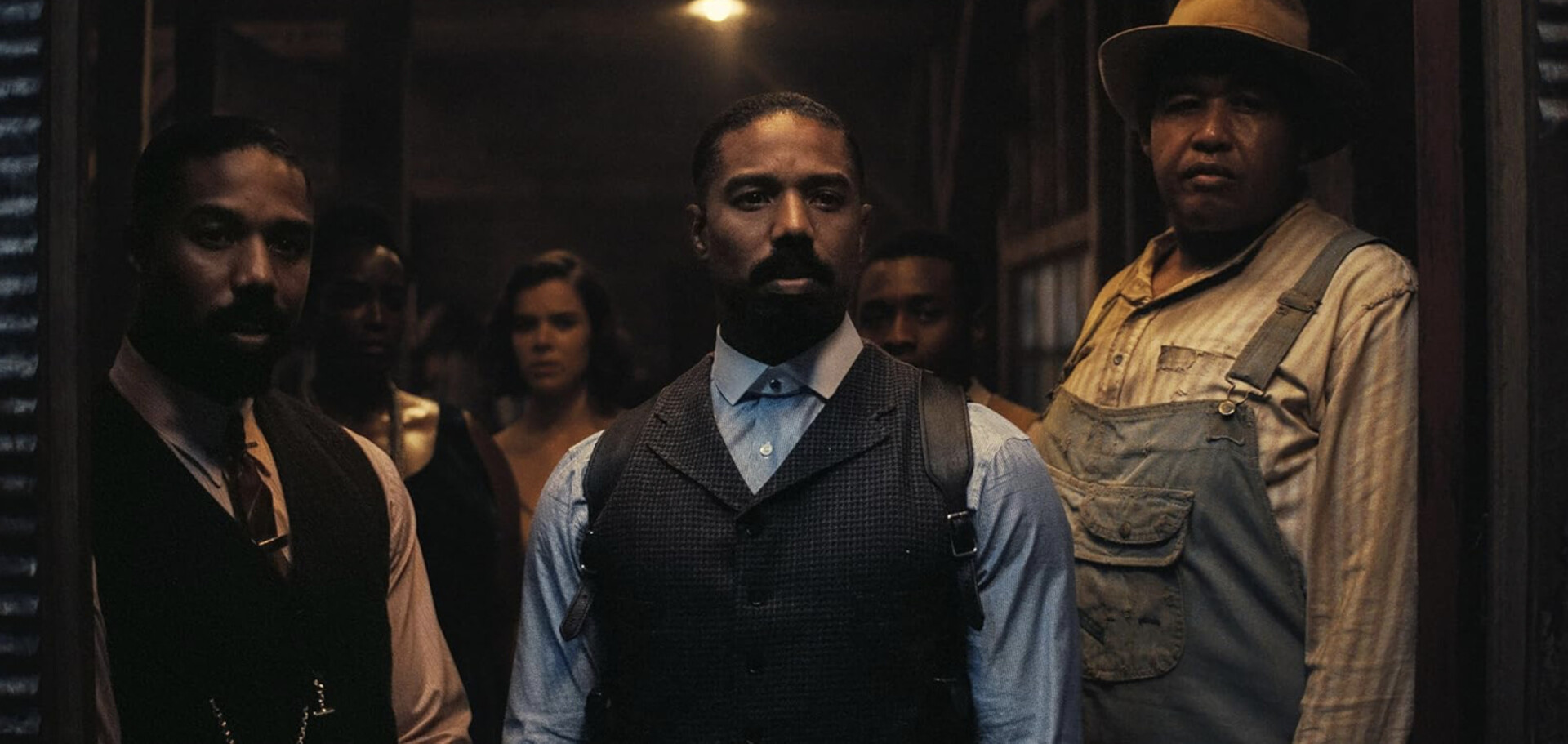
In “Sinners”, the casting is anchored by a dual performance from Michael B. Jordan. Playing twin brothers attempting to establish a juke joint amid racial oppression, Jordan differentiates the roles of “Smoke” and “Stack” through subtle physicality and vocal modulation, crafting two distinct interior lives that collide while facing external threats. Wunmi Mosaku delivers a performance of emotional steadiness, knowledge and strength. Independent of any context, she exudes a presence of understanding that is undeniable. Delroy Lindo brings elements of trauma and experience to the deeply charged cultural context of the film, expressing emotion subtly held in check, especially during his monologue. The rest of the ensemble uses measured pacing and authentic line delivery to ground the film in its 1932 Mississippi Delta setting. Even as supernatural elements enter the story, the performances maintain the credibility of the community. Miles Caton especially stands out as Sammie, with a performance that lets us experience the story through his eyes.

Photography by Victor Juca
In “The Secret Agent”, the selection and chemistry of the ensemble directly expose the broader societal effects of violence, with Wagner Moura and supporting actors making audience empathy possible by embodying real, relatable individuals impacted by oppression. Wagner Moura delivers an ambivalent performance, combining vigilance and warmth. Careful and precise, every thought is visible in his face (though not usually revealed), utilizing subtle shifts in expression and presence rather than making grand dramatic choices. His restraint is the driving force of the film, as viewers claw for any context about the character they can get, trying to build context around the well-defined Marcelo. He is counterbalanced by the lively ensemble around him, each person adding a piece of realism to the Brazilian community portrayed. Carlos Francisco, Tânia Maria, and the rest of the ensemble form a network of strong and well-rounded characters around Marcelo. They are normal people: people we immediately accept as real. And they show and tell how violence can affect anyone.
These nominees for Best Casting seem like a natural extension of other major categories, most notably the “big five”: Best Picture, Best Director, Best Actor, Best Actress, and Best Screenplay (Original or Adapted). All five films, in addition to best casting, are nominated for Best Picture; four are nominated for Best Screenplay; four have Best Director nominations; and all feature a Best Actor or Actress nominee. In addition, “One Battle After Another” and “Sinners” receive nods for Best Supporting Actor and Actress, with “One Battle After Another” achieving two Supporting Actor nominations. This consistency of the same five movies repeatedly being present within these categories makes two things clear: the importance of casting and the way it affects all other aspects of filmmaking. While observing this tightly knit constellation could start a push and pull discussion of which category sets the tone for all others, which is the most important, it ultimately becomes a variation of the chicken-and-egg dilemma. Film is an art shaped by countless interdependent factors into dilemmas: No film can exist without a good screenplay, however the screenplay needs to be brought to life by actors, which in turn need to be carefully selected through a casting process, this process, then again, is only fully possible if the selected actors are directed adequately and on top of that someone needs to bring all these people together and produce the whole picture.
Ultimately, this interdependence is the heartbeat of cinema. While invisible hierarchies often shape public perception, reinforced by awards ceremonies and industry discourse, films are created through collective belief and collaboration. No matter how many things change within the industry, a collective effort is inevitable.
The introduction of the Best Casting category offers long-overdue recognition to one more essential group within that collaborative process. It is a category with significant potential, and it will be fascinating to observe. Whether it will keep reflecting the big five or whether its own identity will take shape will remain to be seen.