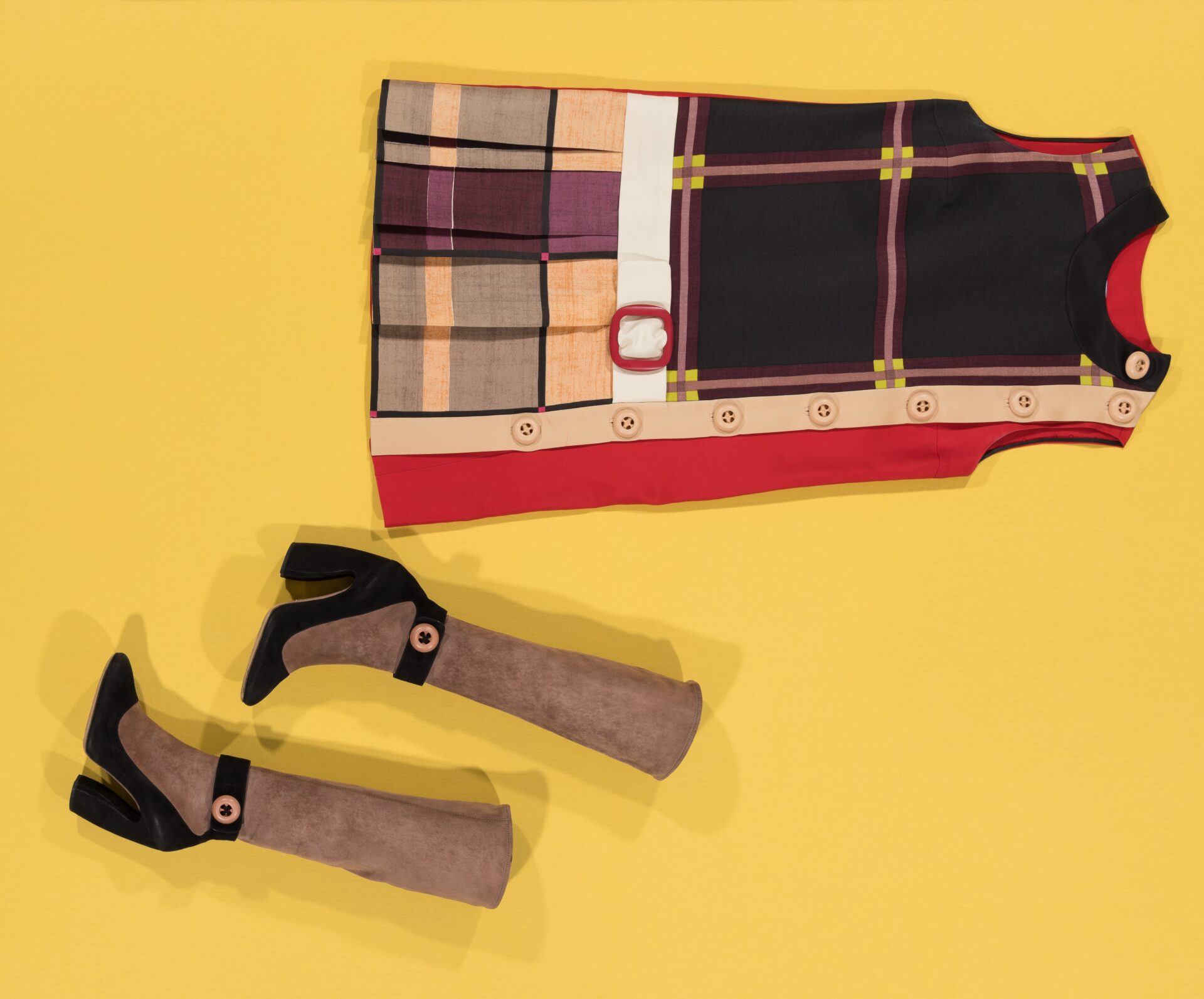
At some point between Barbie and Chucky, my relationship with dolls got complicated. As a child, I was obsessed with them. I mothered them like my “children”, changed their clothes and took care of them. As I got older, dressing them became much more interesting than playing mum. Then came my first horror movie, and the obsession turned into something closer to a love-hate relationship. What I had always associated with everything delicate and innocent suddenly became terrifying, the haunted Annabelle was my literal worst nightmare. It went so far that I regularly took the longer way home just to avoid an old shop filled with vintage porcelain dolls — anything to escape their haunting eyes.
Still, I don’t think we ever really stop loving them because there is something deeply nostalgic about their tiny clothes, their perfect little worlds and the endless possibility of deciding who a doll could be that day. What sounds like a very contradictory relationship is exactly what makes them generally so intriguing. How can dolls be comforting and creepy, innocent and unsettling, completely artificial yet strangely human, all at the same time? Because we project an awful lot onto such a small object. And fashion, it turns out, has found its own purpose for them.
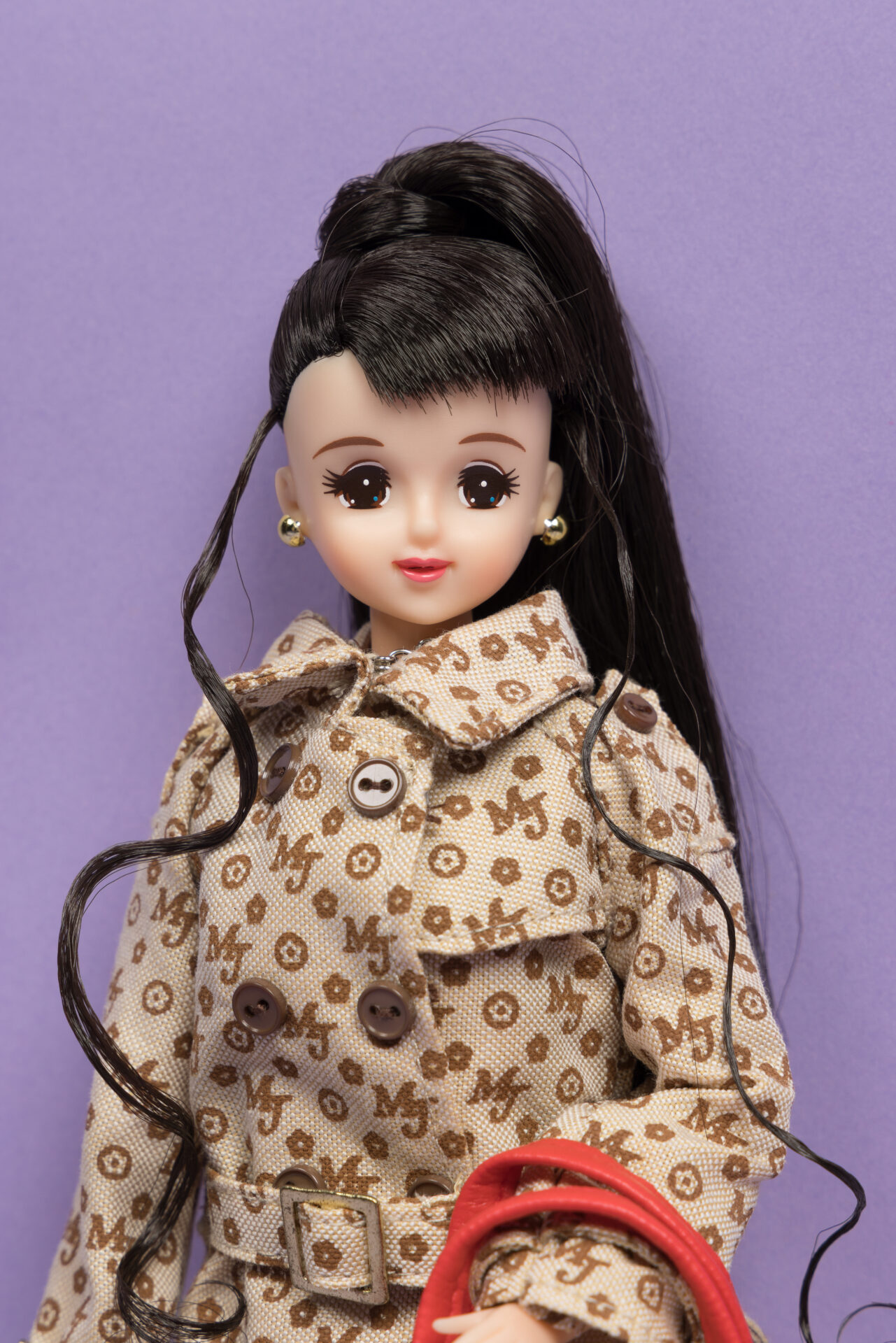
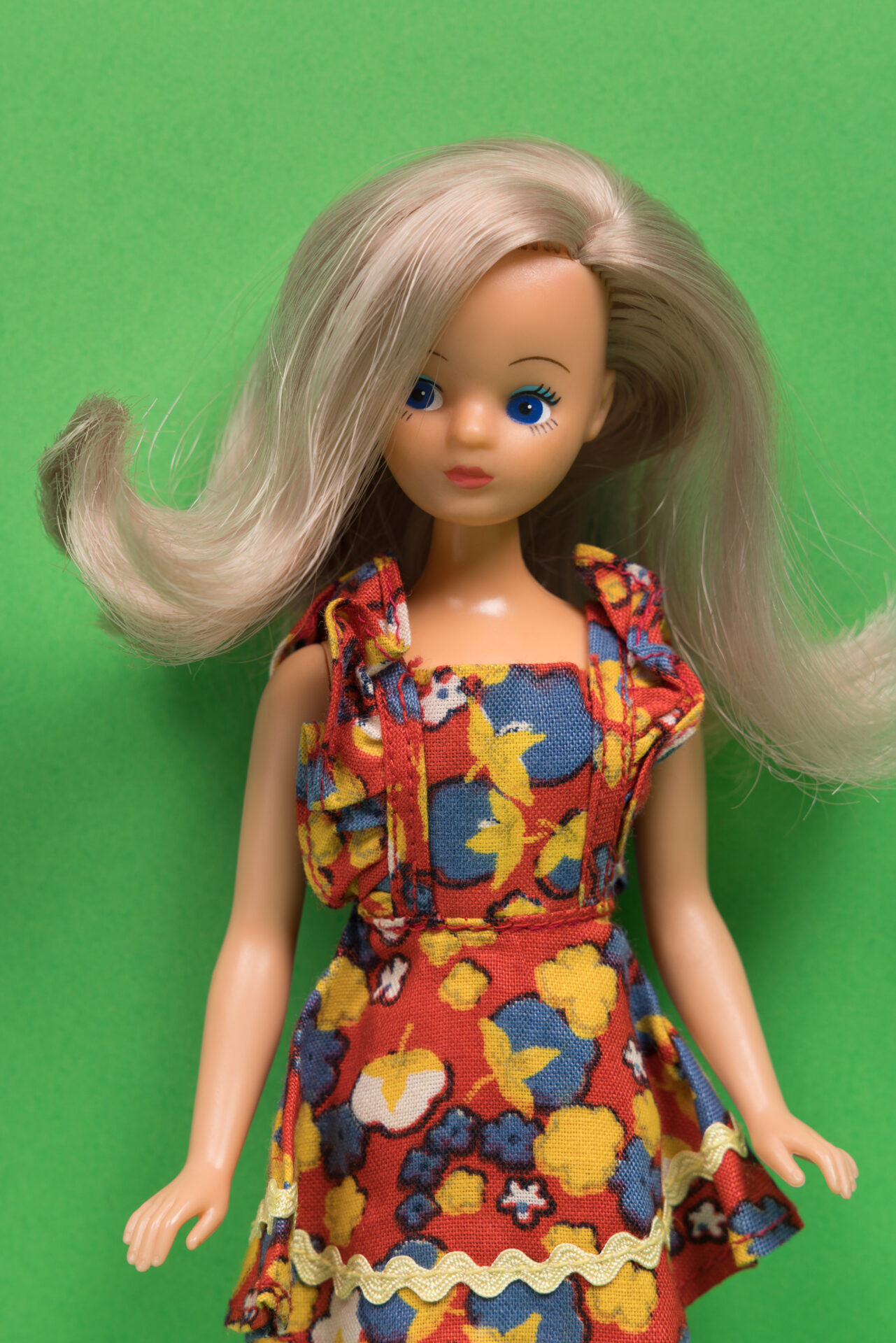
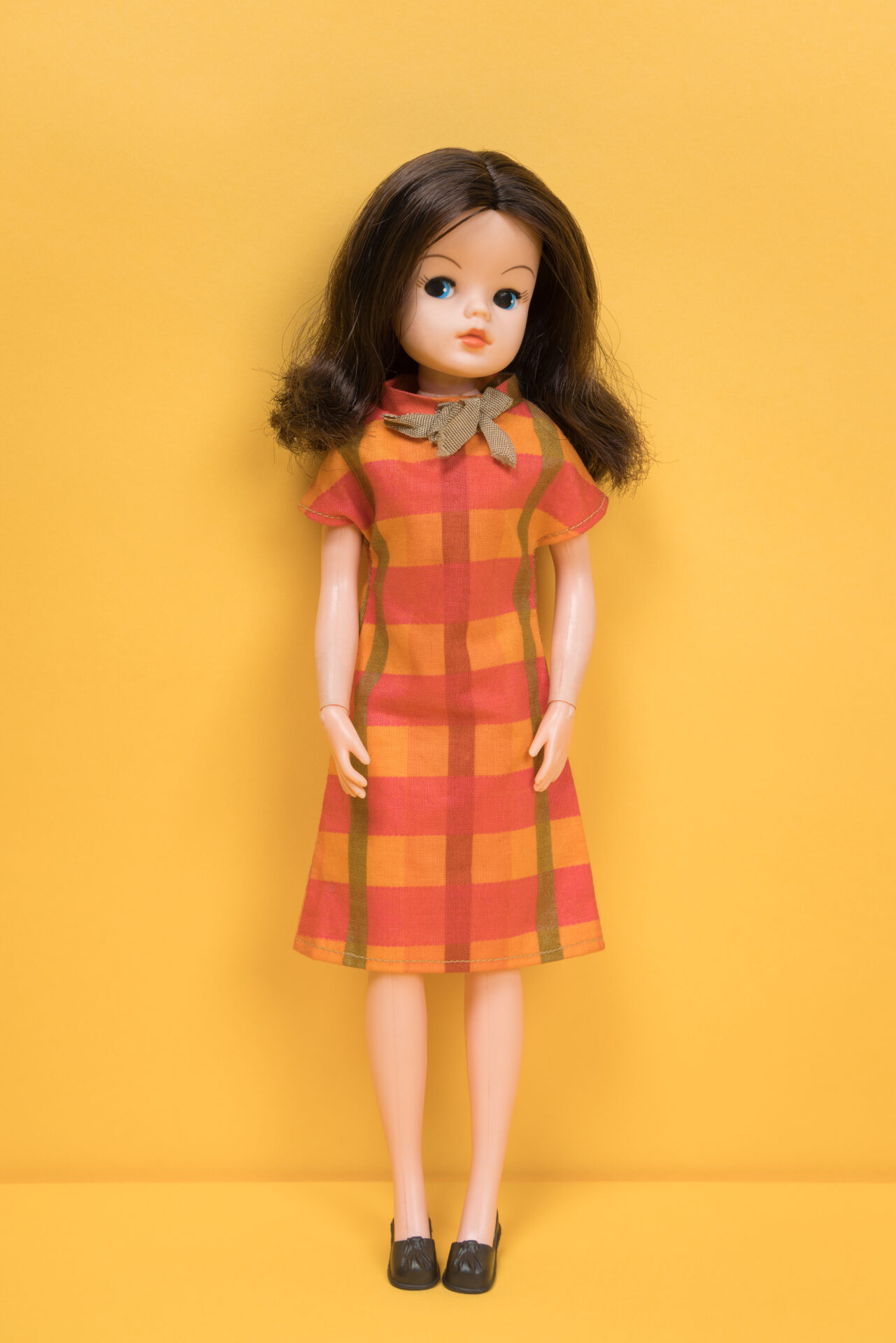
Takara, Miss Jenny doll, 2000, private collection. Model Toys/Flair Toys, “Daisy” doll, 1970s, wearing "Meadowsweet" dress by Mary Quant, private collection. Pedigree, Sindy doll, 1979, wearing “Summery Days” dress by Foale and Tuffin, 1963, private collection. Courtesy of Museum at MIT
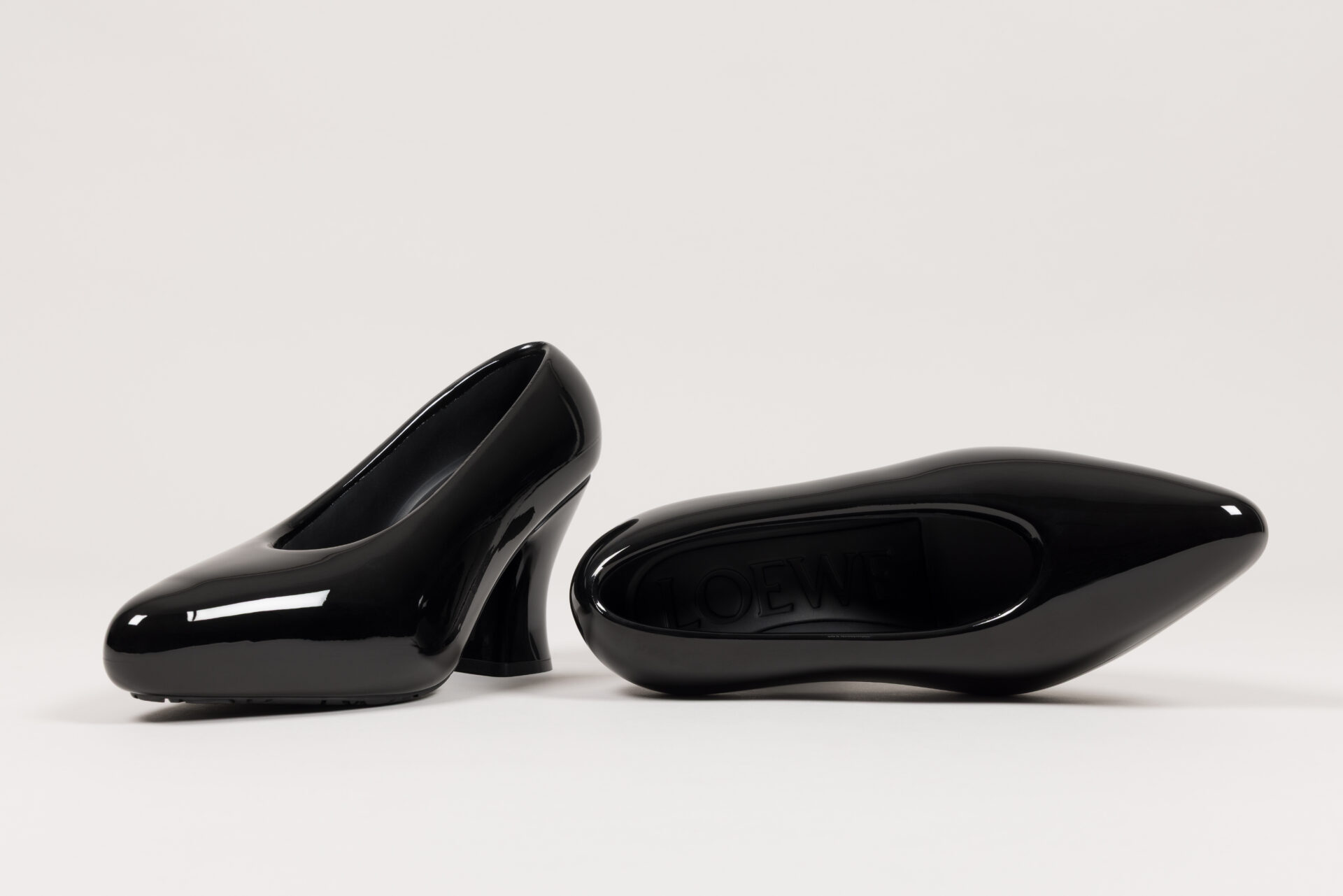
Opening this September at The Museum at FIT in New York, Doll Dressing examines the relationship between dolls, dress and the people wearing it. Curated by Dr. Colleen Hill, the exhibition brings together more than 170 objects, from fashion dolls and full-size garments to accessories, artworks and videos, with designers including Balenciaga, Comme des Garçons, Maison Martin Margiela, Loewe, Moschino and Anna Sui.
What was a toy to us actually had a job long before we were around to play with it. As early as the 14th century, dressed figures circulated through Europe, communicating new styles in three-dimensional form. Before fashion magazines, runway livestreams or Instagram, these miniature bodies helped carry new silhouettes, details and ideas from one place to another. In a way, dolls were an early means of communicating trends.
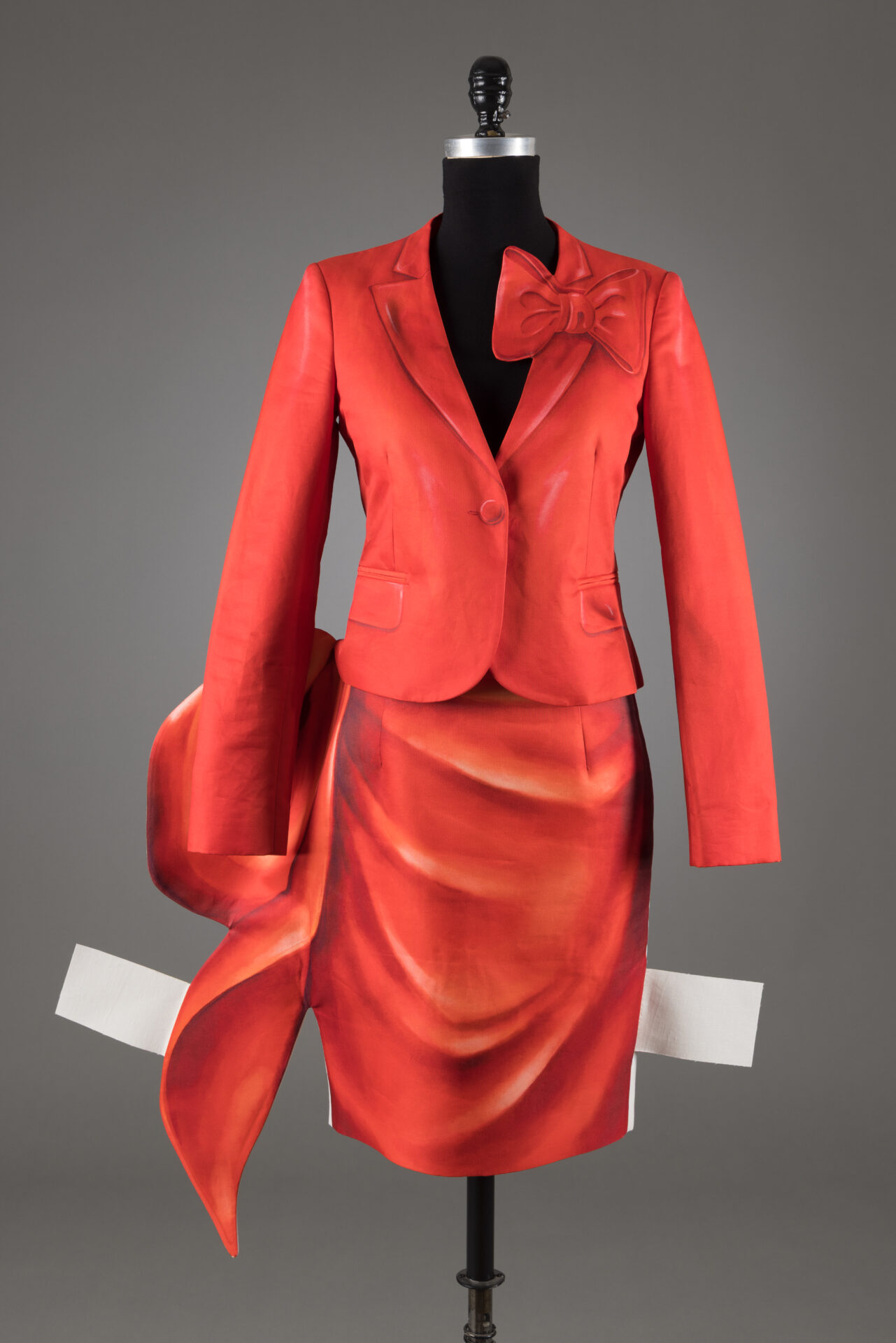
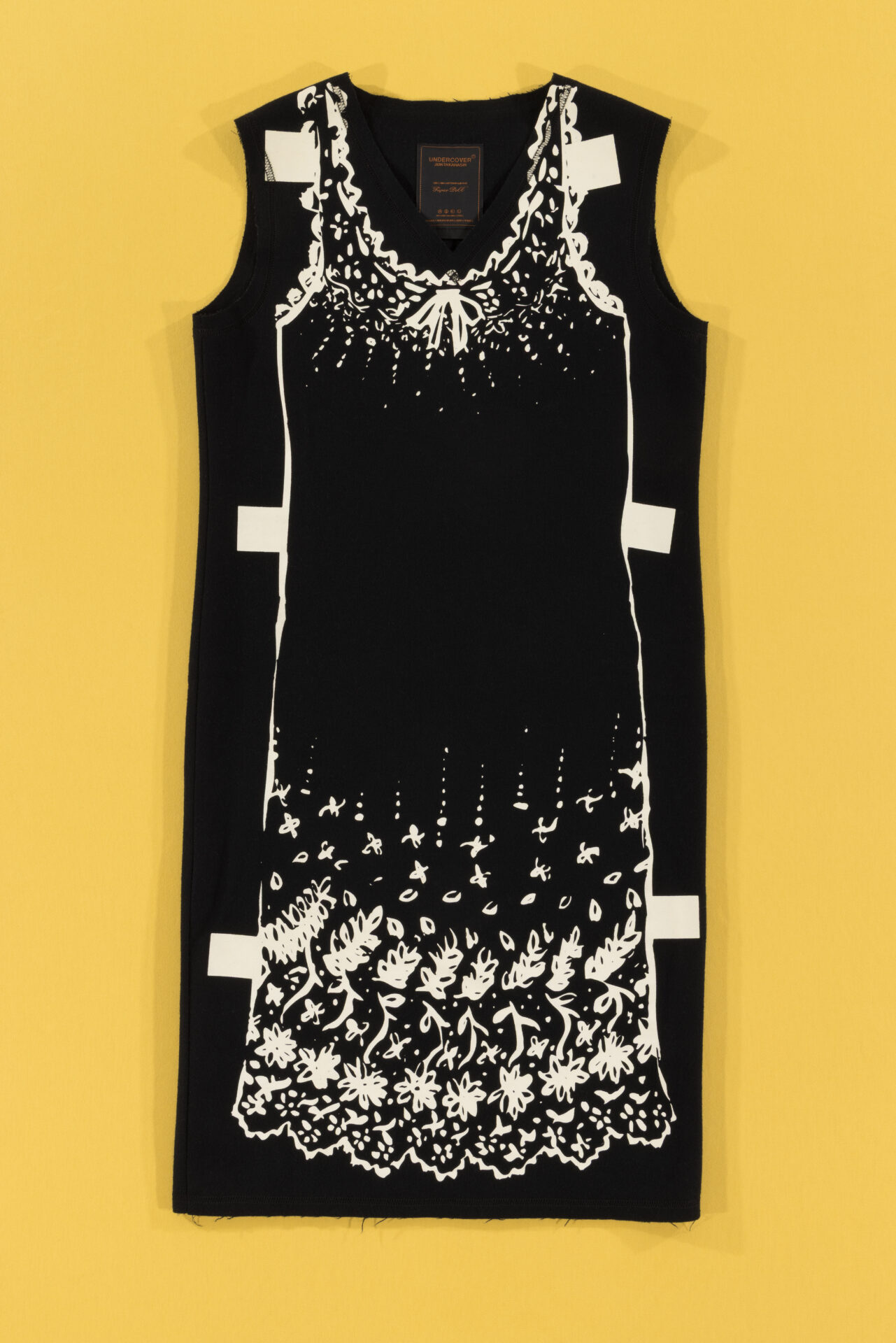
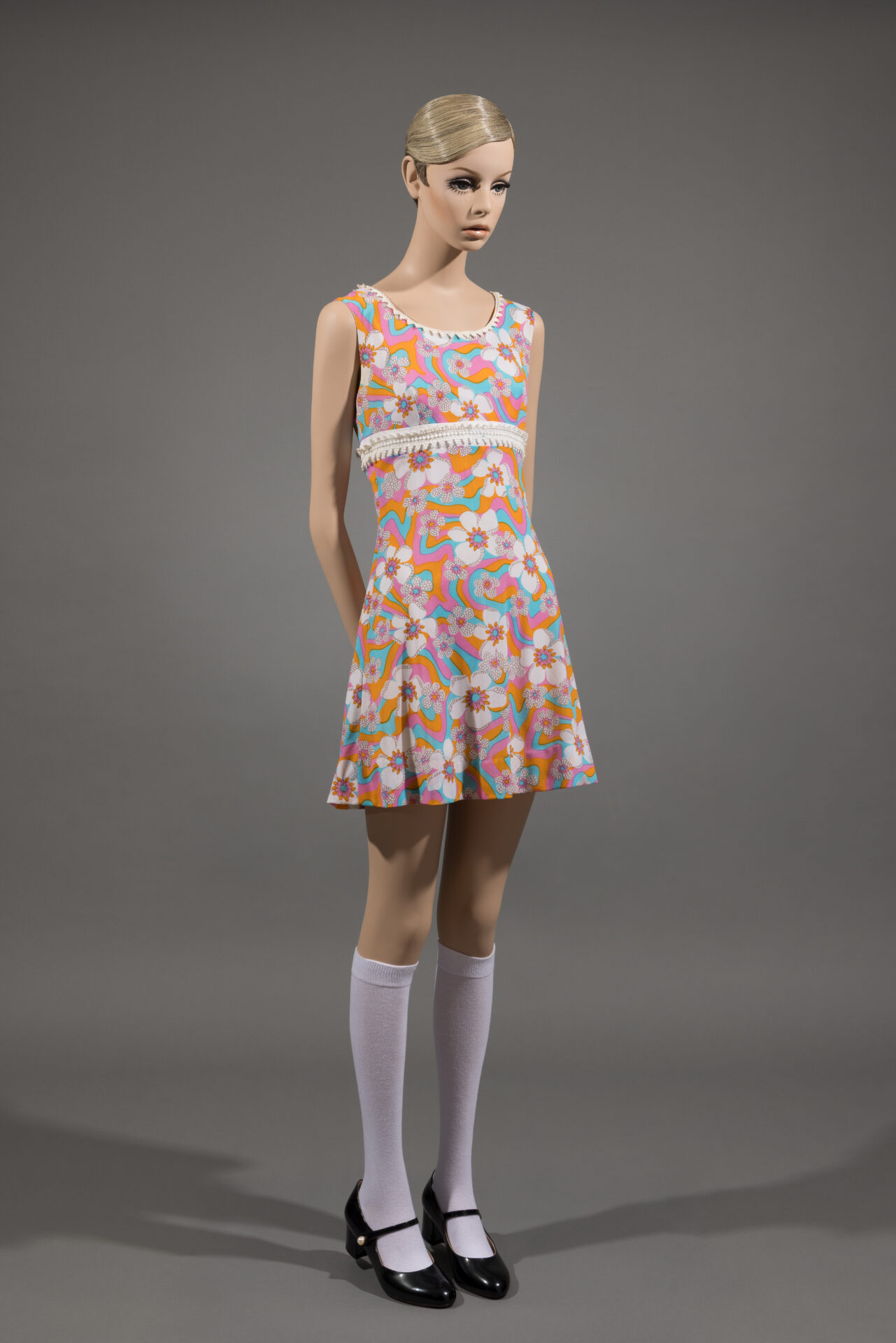
Moschino by Jeremy Scott, jacket and skirt with trompe l’oeil print and “paper doll” tabs, spring 2017, museum purchase. Undercover (Jun Takahashi), printed wool dress, fall 2003, gift of Patricia Pastor. Twiggy London Girl, printed synthetic jersey dress, 1966, museum purchase.Rootstein, Twiggy mannequin, 2025 remake of 1966 design, museum purchase, Courtesy of Museum at FIT.
What is fascinating is how, at some point, this relationship began to reverse. Dolls no longer simply wore our clothes; fashion started borrowing from theirs. While designers from Moschino and Anna Sui to Loewe and Comme des Garçons began playing with exaggerated proportions, miniature garments and the visual language of dolls, that influence eventually moved beyond clothes altogether. With the idea of the “living doll”, people themselves became part of the picture. So what we once created in our own image was now something we wanted to resemble.
This is exactly where Doll Dressing comes in. Across six sections, the exhibition follows this back-and-forth between dolls and humans, from being a fashion messenger and childhood companion to starring as a miniature muse and, eventually, becoming something much darker. Martin Margiela played with this shift by enlarging doll clothing until his strange proportions become almost absurd on a human body. As the exhibition moves on, so does our idea of what a doll can look like. By the time we reach the rebellious Kinderwhore aesthetic of the 1990s and Monster High, the dolls seem to have grown up with us, – innocence replaced by something messier, stranger and perhaps a little closer to real life?
Dolls might have been there from the start, but this development still feels strangely relevant today, because once again, we are creating things to hand them tasks that used to belong to us. The funny thing is that dolls have already shown us how fluid those roles can be. Obviously they didn’t simply replace the human, but they are able to become another surface for our ideas, fantasies and identities. Doll Dressing traces that exchange through fashion, marking how history is stirring us towards a bigger picture: We shape the things we create, but sooner or later, they start shaping us too – not necessarily leaving us with less, but giving us something new to play with.
Doll Dressing is on view at The Museum at FIT, New York, from September 16, 2026, through January 3, 2027.