How Italian Football Clubs Are Reinventing Fashion
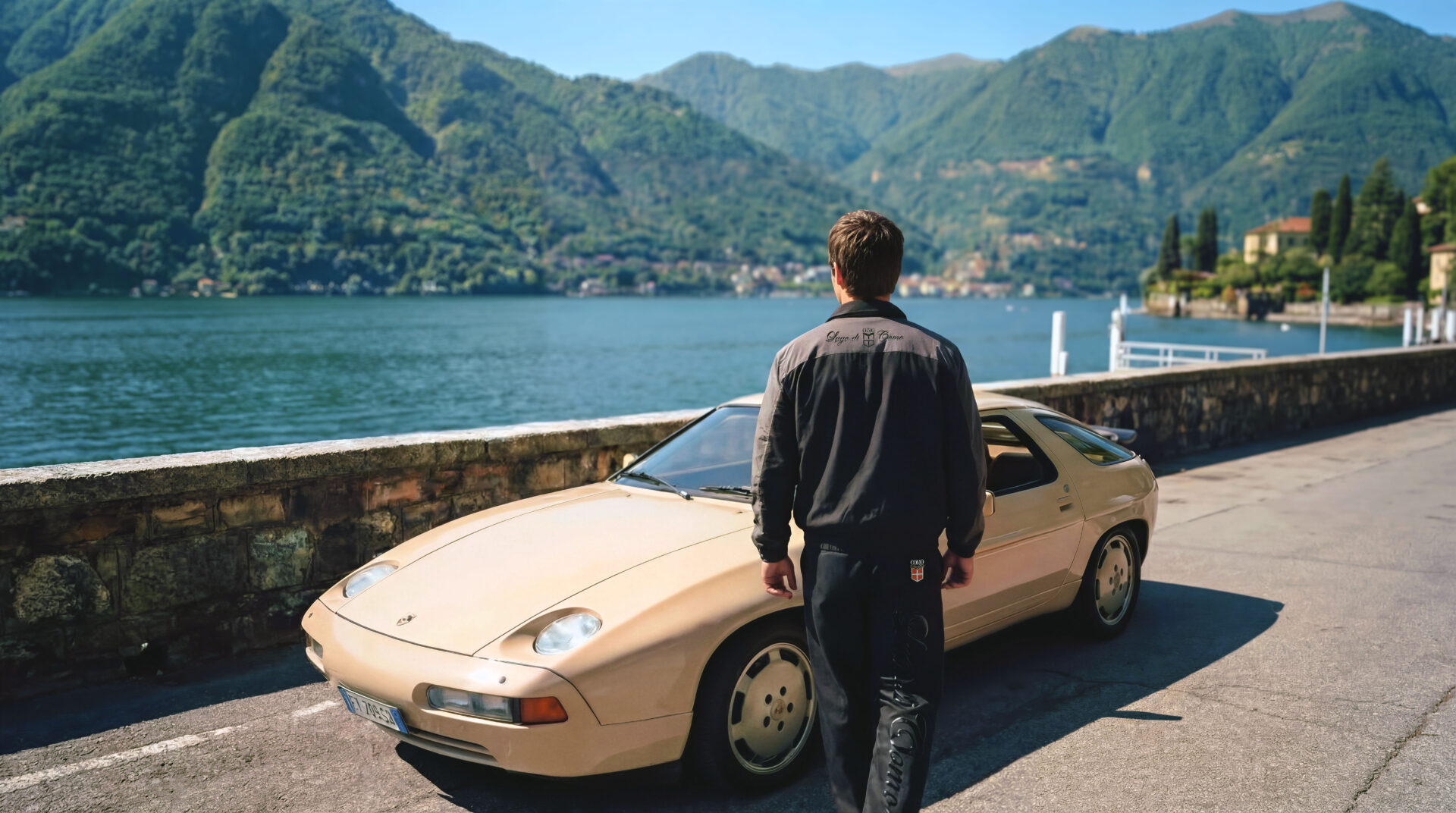
From Lake Como to the Venetian lagoon, from Serie A to Serie C, a new generation of Italian football clubs has understood that sporting success and stylistic ambition do not have to compete. In fact, they might work best together.
There is one phrase that has surfaced again and again in conversations around Italian football over the past two years: “Luxury and football can coexist.” What only a few years ago sounded like a bold marketing proposition has since developed into a viable business strategy, with tangible results. At the forefront is a club that, just two years ago, was not even playing in Serie A: Como 1907.
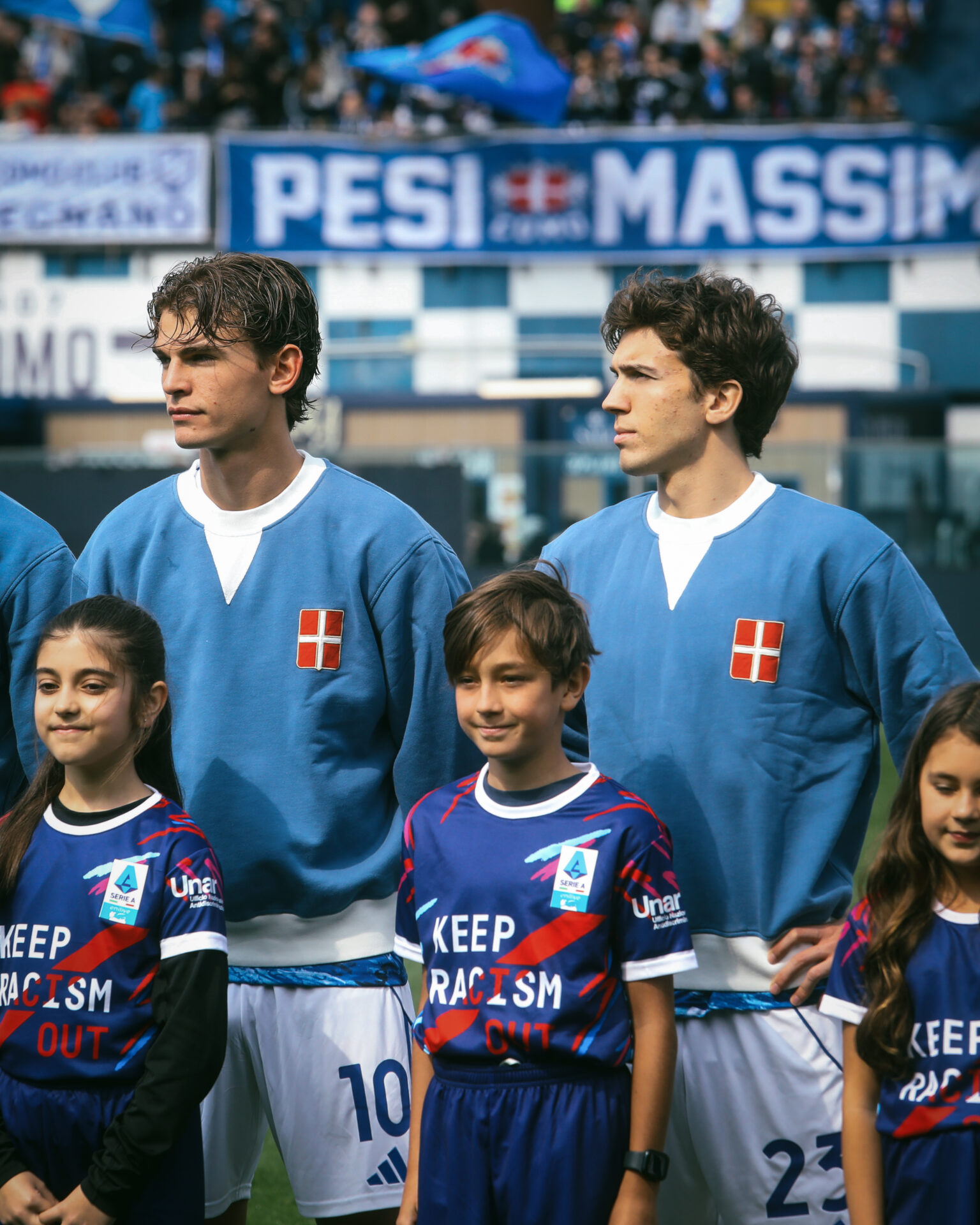
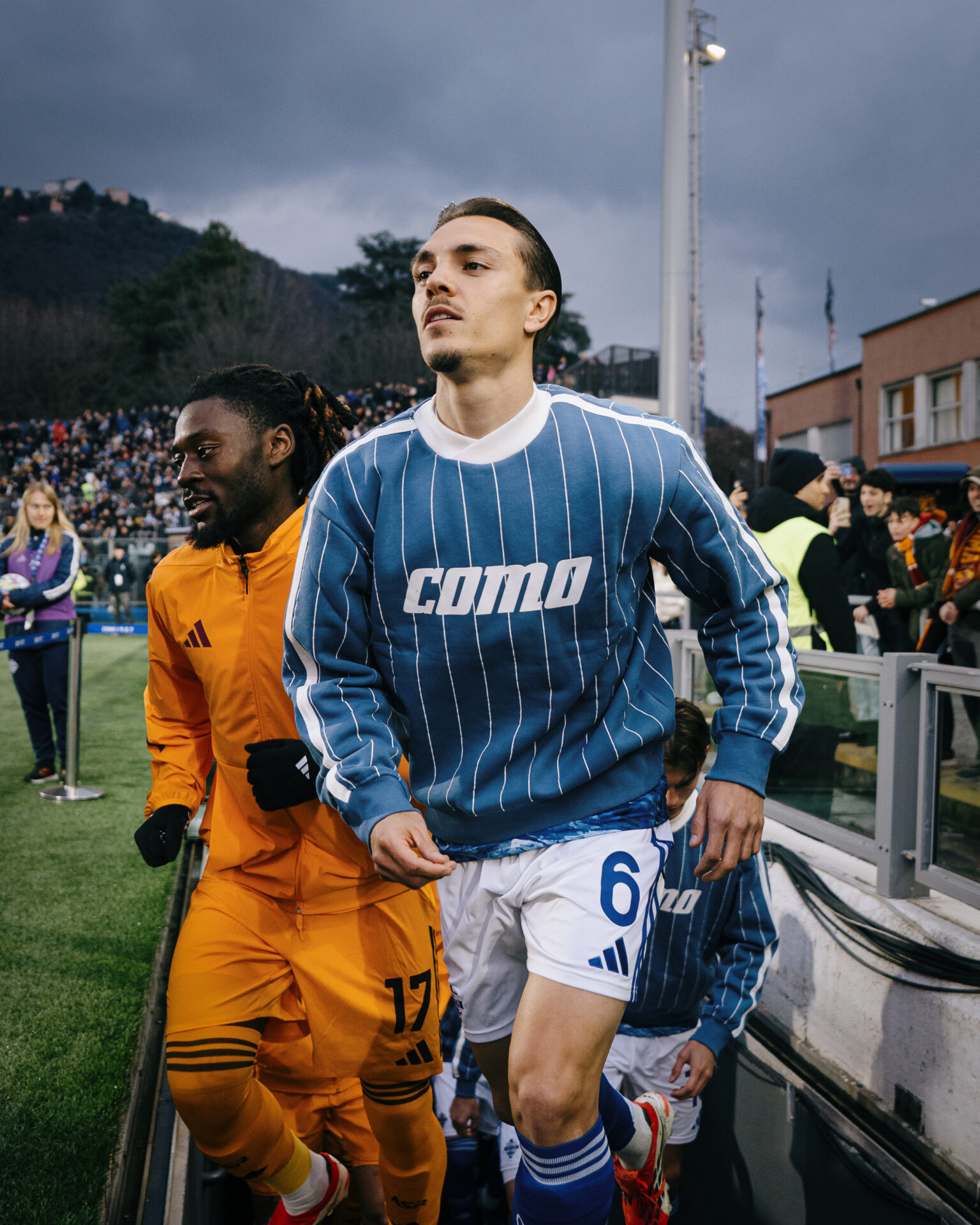
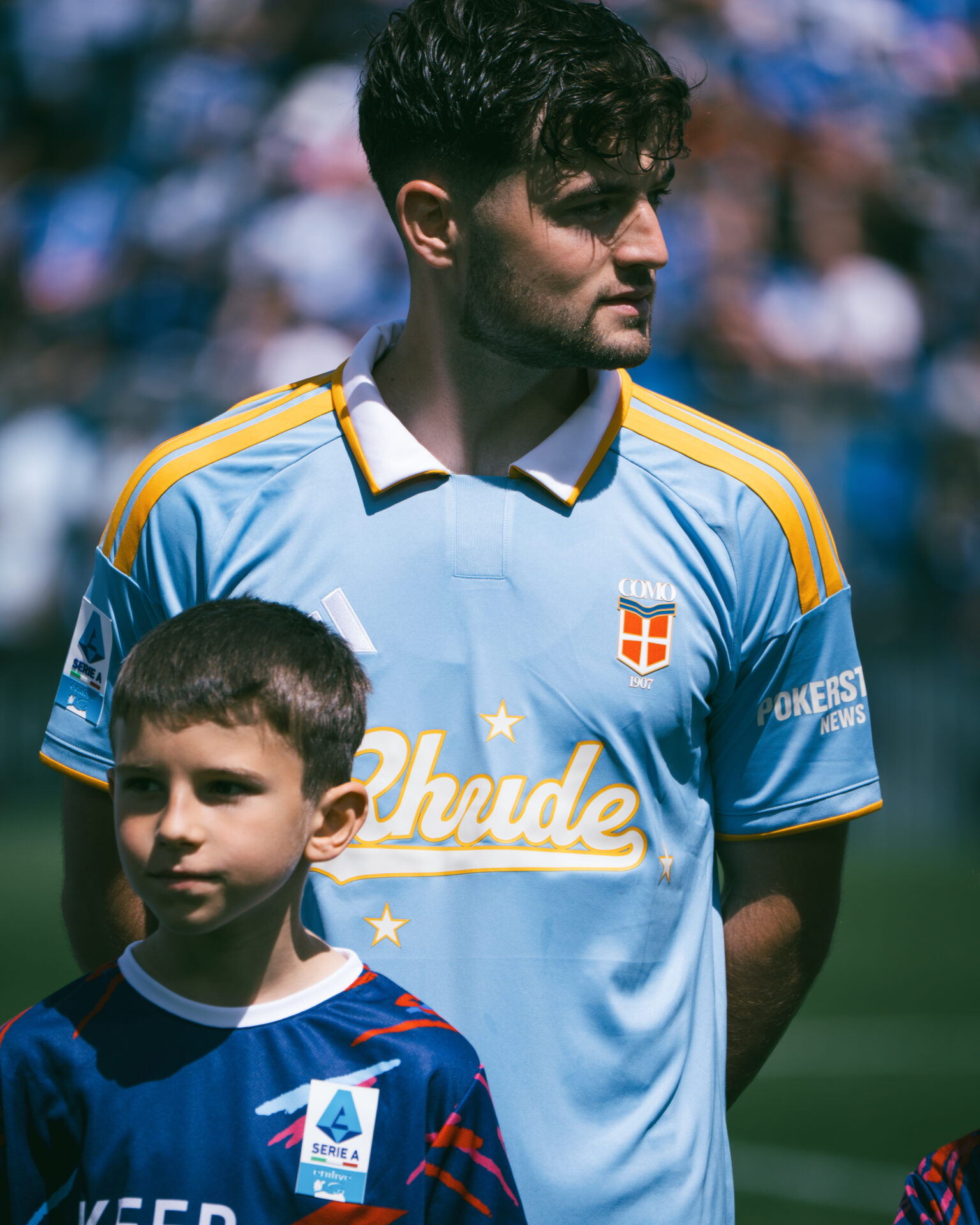
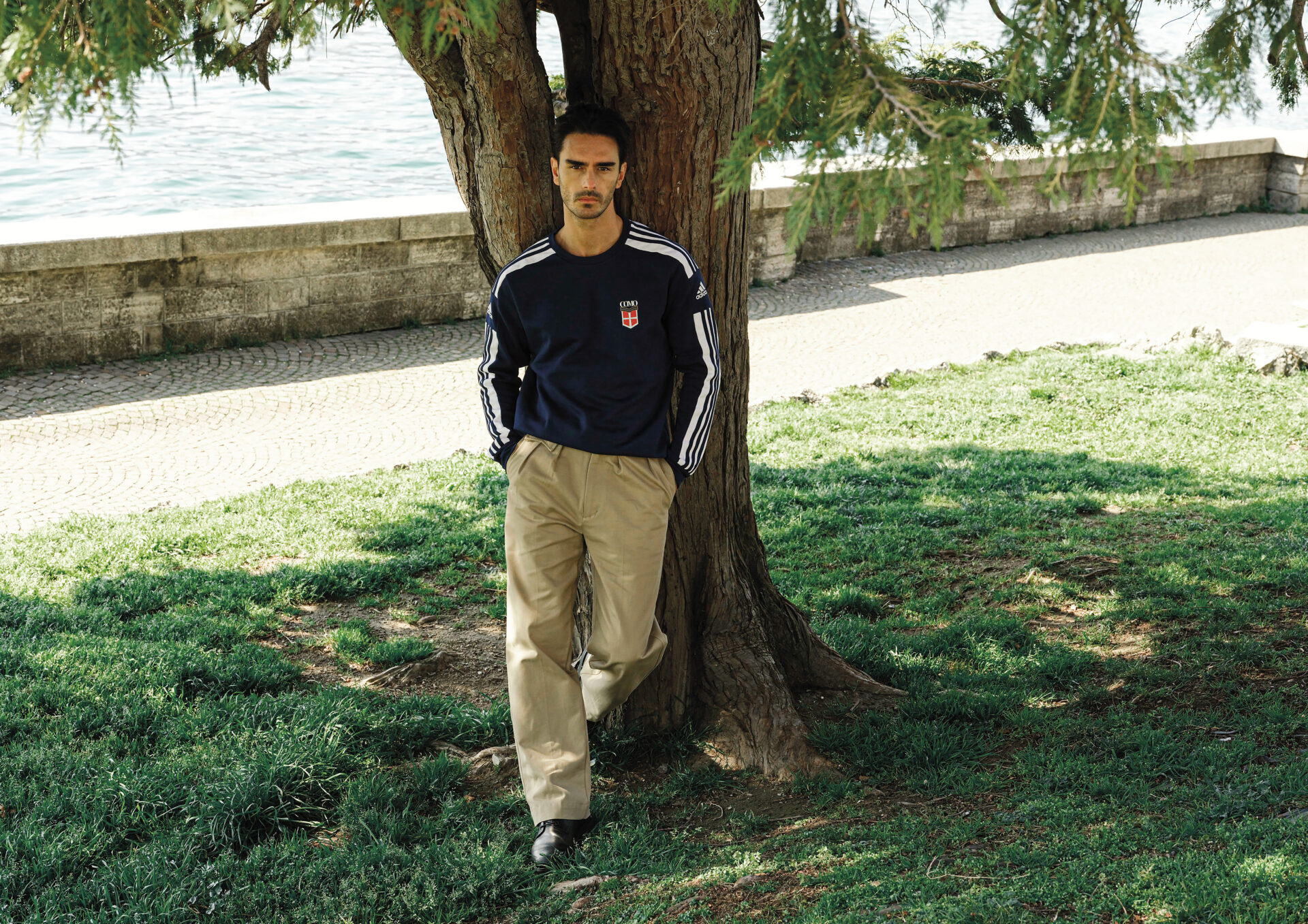
Como 1907: The Prototype
The story begins on Lake Como, where an experiment has since become a reference point for an entire industry. When Como 1907 returned to Serie A in 2024 after a 21-year absence, the club not only appointed Cesc Fàbregas as manager, but also brought in a fashion designer as Chief Brand Officer: Rhuigi Villaseñor, founder of the Los Angeles label Rhude. Villaseñor is also a minority shareholder in the club, an arrangement that shows just how seriously Como is taking the project.
Its first major fashion moment came with Rhude’s Spring 2025 collection, presented at the historic Villa d’Este on Lake Como to guests including Loris Karius, Romeo Beckham and Evan Mock. A limited fourth kit created with Rhude and Adidas followed. Black with gold detailing and inspired by the connection between Lake Como and Los Angeles, it carried the words “Stars On The Lake”. Only 1,000 were produced, with all proceeds donated to the fight against childhood leukaemia.
Como did not stop at a single drop. Kering owned Brioni took over the team’s off pitch tailoring for the 2025/26 season, beginning with a double-breasted navy Solaro suit. It marked the first football partnership in the history of the tailoring house. In April 2026, meanwhile, Como launched “Rhude 4 Fans” (R4F) through its retail subsidiary Sent Retail, a scalable model designed to reposition fan merchandise as a premium category and eventually offer the concept to other clubs and sports brands worldwide. Como’s initial experiment is now developing into a business model that could be replicated elsewhere.
Ravenna FC: Serie C’s Surprise Coup
That same logic is not confined to Serie A. Ravenna FC 1913, currently playing in Serie C, was until recently barely known outside Emilia Romagna. The club belongs to the Cipriani family, whose Harry’s Bar legacy and hotels have long been associated with a particular kind of elevated Italian hospitality. In 2026, that connection was translated directly into fashion with “Ravenna by Cipriani”, developed with Nike under the artistic direction of Italian streetwear specialist Giorgio Mallone. Shirts, polos, tracksuits, caps and a specially designed Nike Air Force make up the collection, rendered in marl grey, navy and burgundy and finished with Cipriani’s signature emblem of a bartender shaking a cocktail.
The attention intensified with an unexpected sporting move. Ronaldinho, the 46-year-old Ballon d’Or winner, signed for Ravenna and immediately became part of another capsule, this time created with Nigerian artist Slawn. Ten individually designed charity shirts were auctioned through MatchWornShirt, with proceeds going to Street Soccer USA. Ravenna makes one thing particularly clear: the meeting of fashion and football is not a privilege reserved for Serie A. It is a question of ownership and vision, regardless of league status.
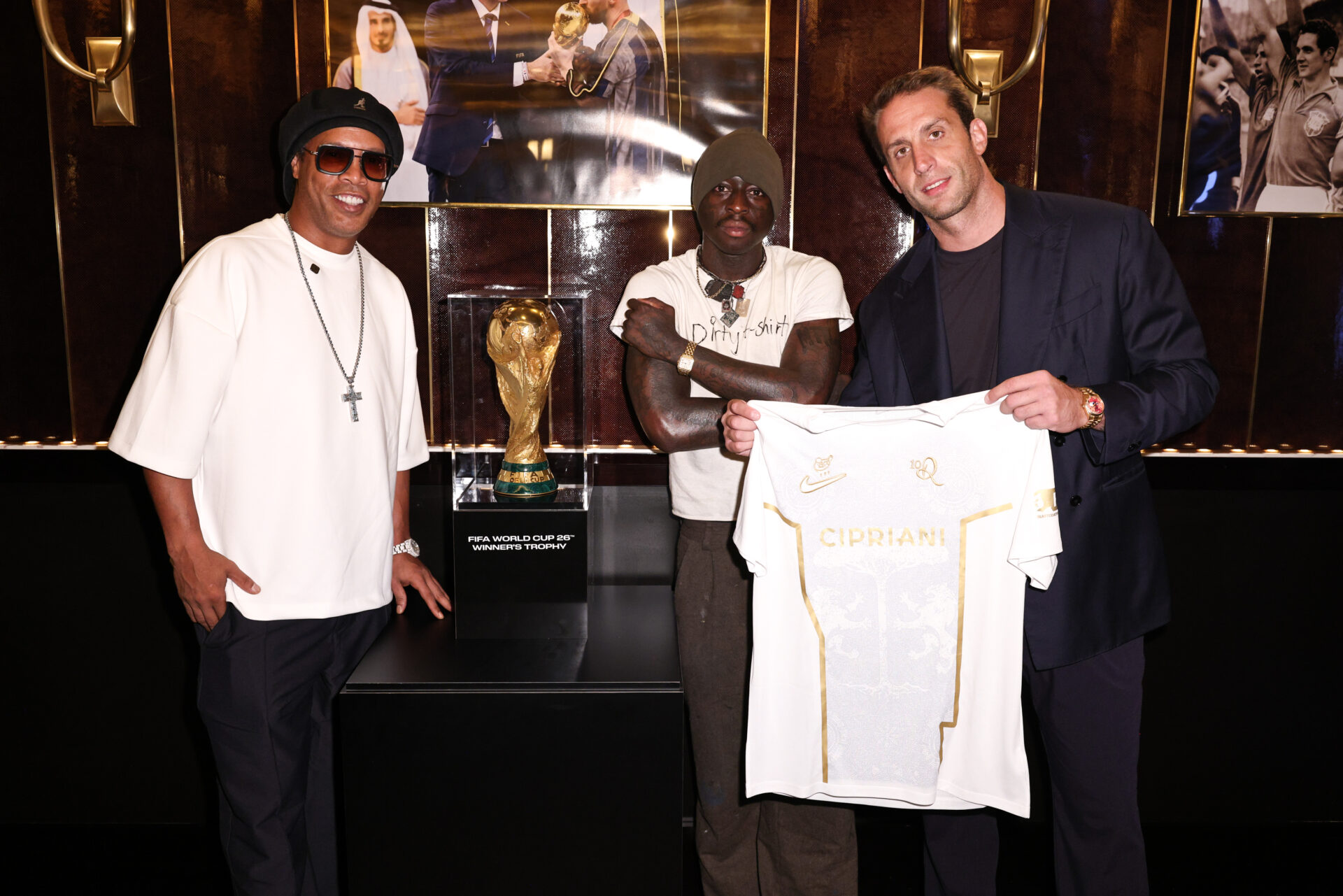
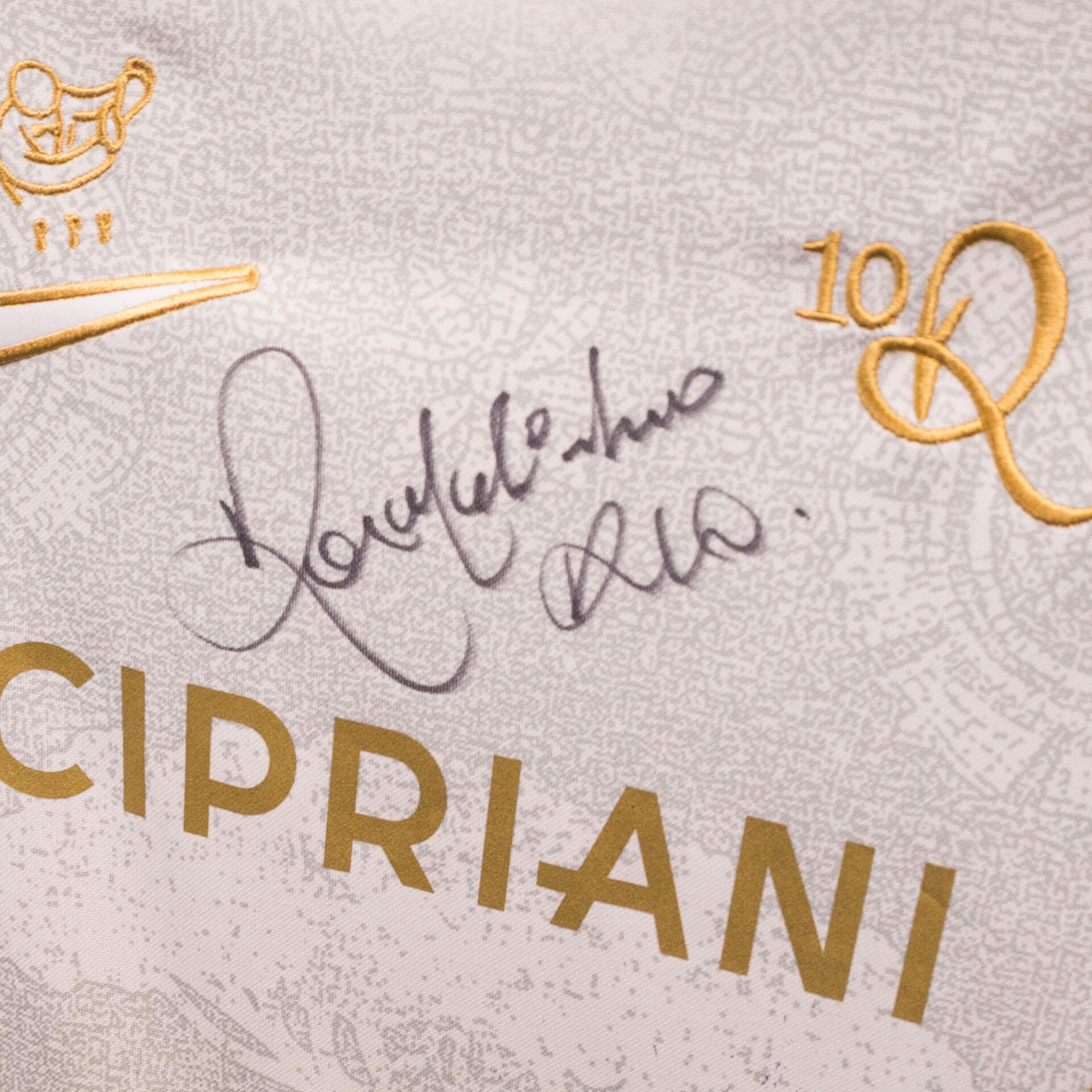
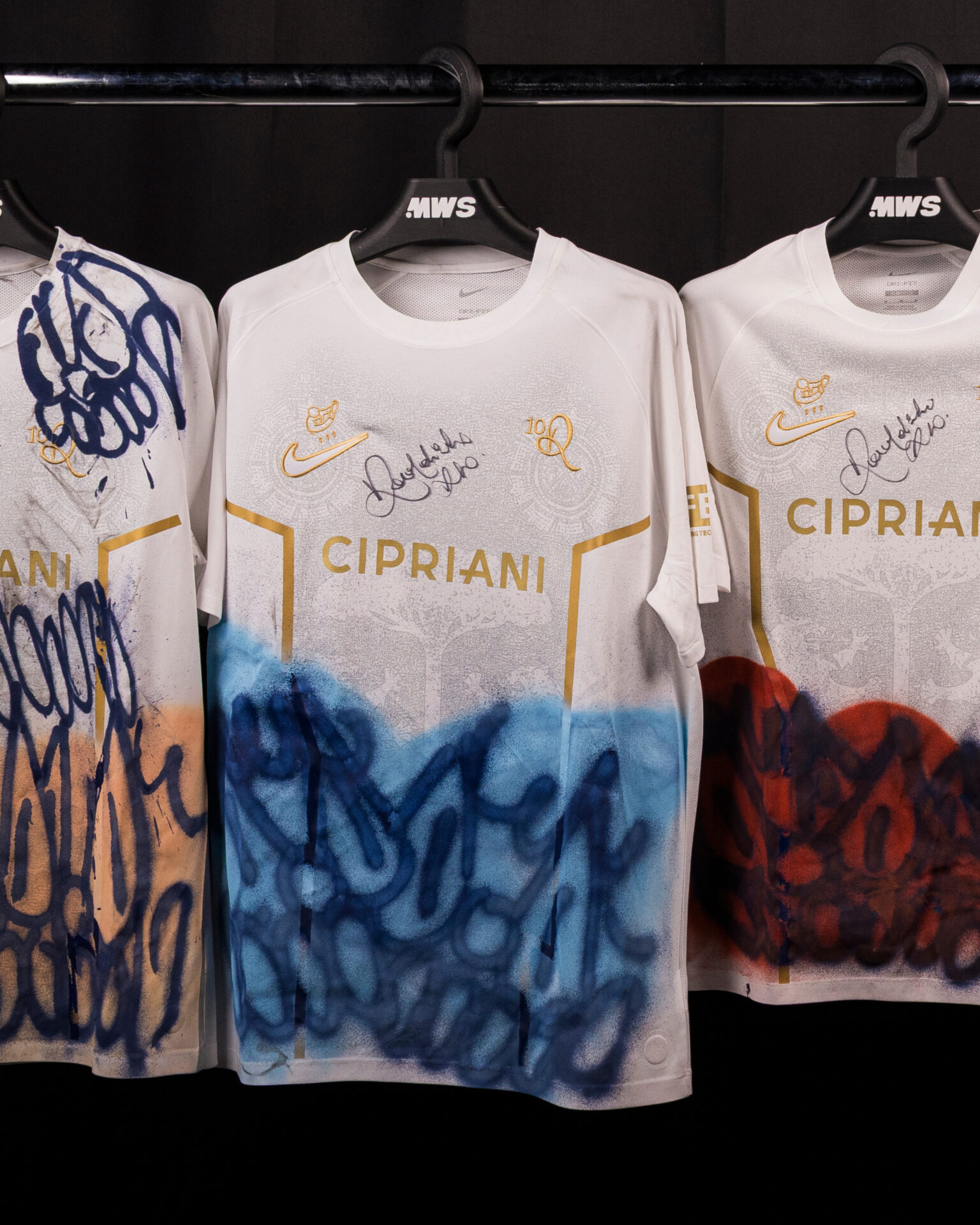
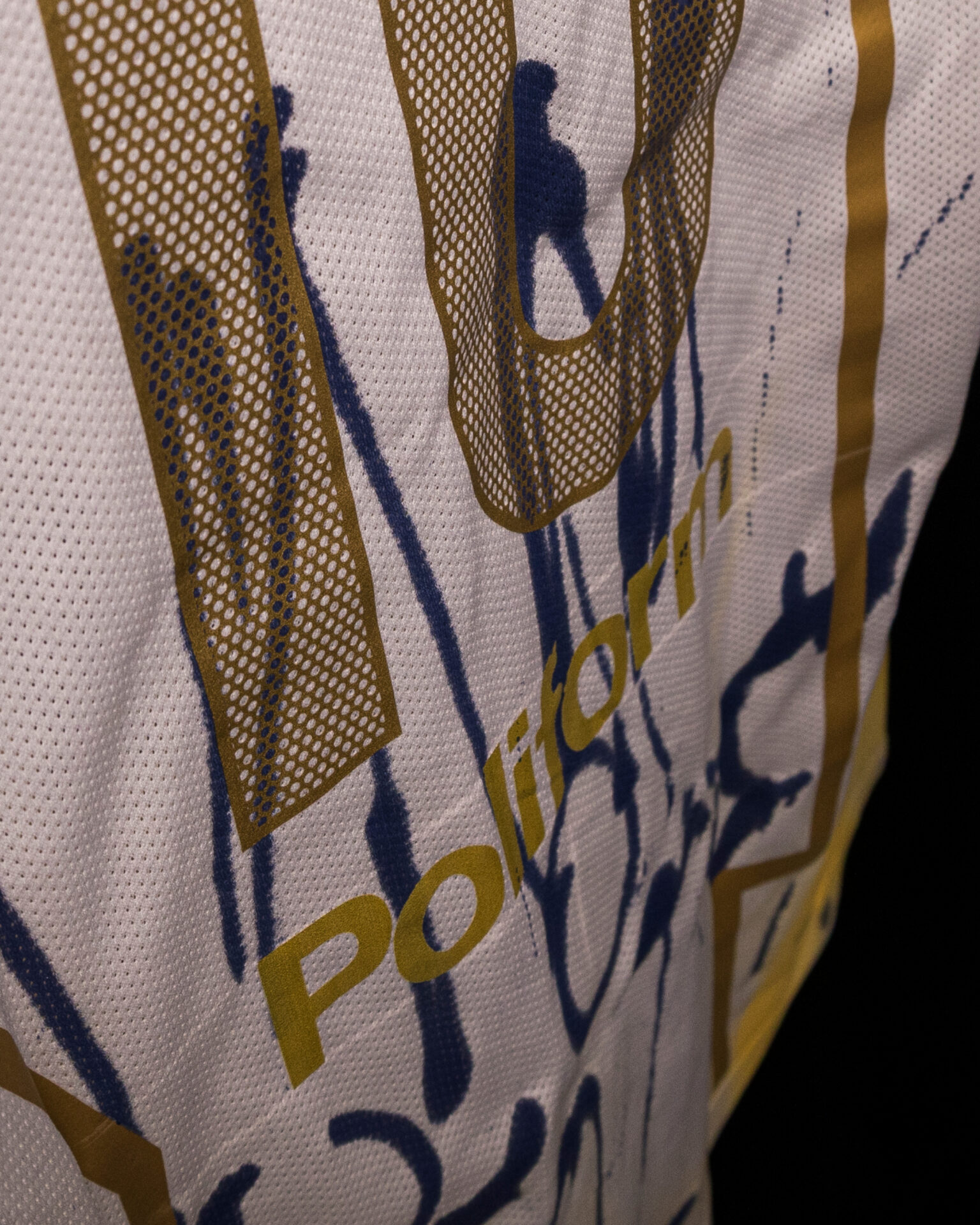
Image Courtesy of MatchWornShirt.
Modena FC: The President Deliberately Keeping Two Worlds Apart
Perhaps the most contradictory, and for that reason one of the most interesting, cases is Modena FC, currently in Serie B. Since 2021, the club’s president has been Carlo Rivetti, the longtime driving force behind Stone Island and now its Chairman. Over several decades, he built the label into one of the world’s most influential streetwear brands before selling it to Moncler in 2020 for around €1.15 billion. Rivetti acquired Modena through his family holding company Rivetex for what, by comparison, was an almost symbolic sum. The club sits less than 20 kilometres from Stone Island’s headquarters in Ravarino and, in Rivetti’s own words, “is not my team, it belongs to the city”.
What is remarkable is what Rivetti chooses not to do. There are no Stone Island designed shirts or merchandise, and according to him, there never will be. Brand and club remain two separate worlds that he has no intention of merging. Modena works with New Balance instead. The only exception comes on special occasions, when Rivetti himself wears bespoke pieces, such as a canary yellow Stone Island jacket embroidered with the club crest. It is a personal gesture rather than a commercial product.
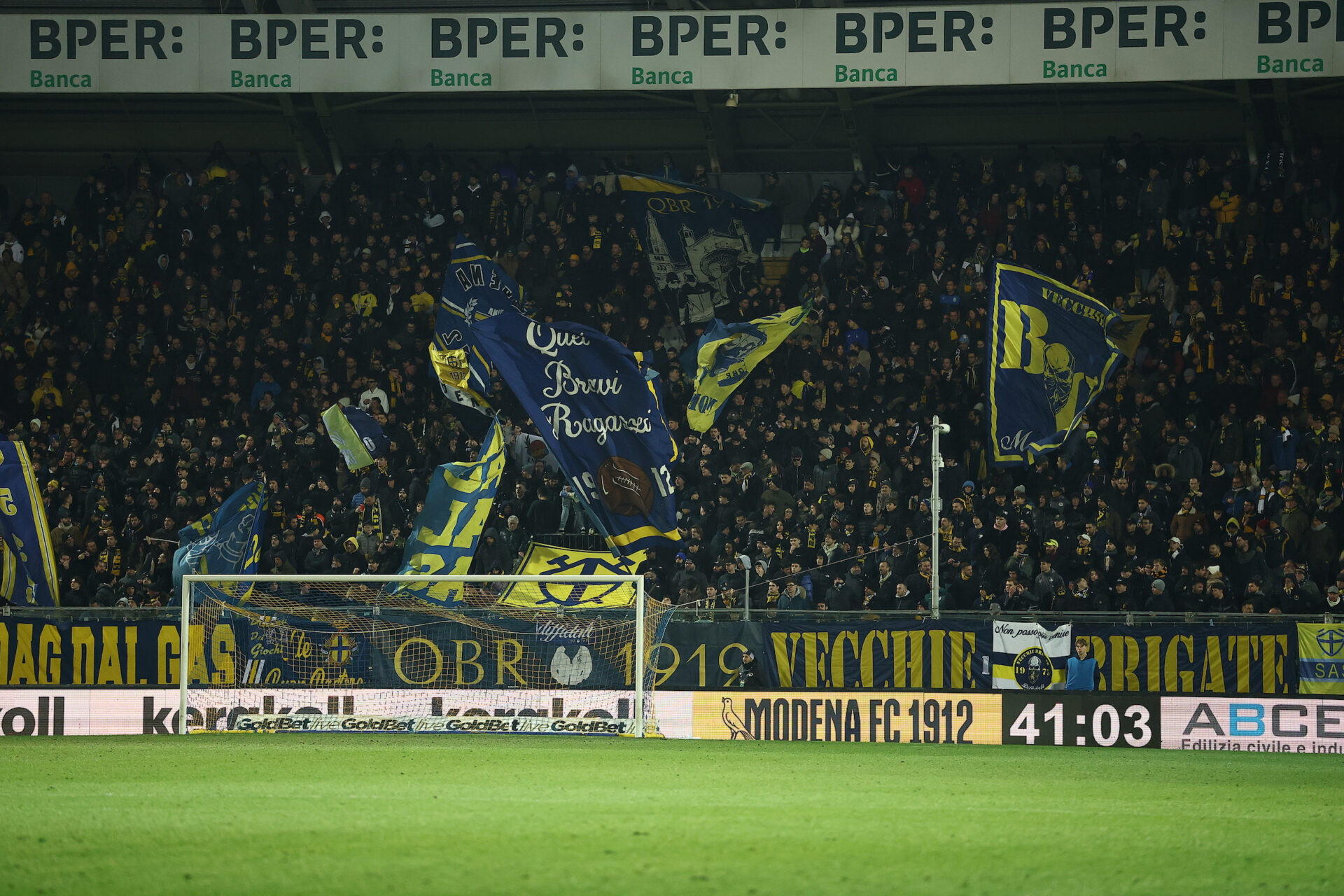
Modena therefore represents a third version of the relationship between fashion and football. There is no co-branding here, but rather the aesthetic sensibility of a fashion entrepreneur translated into the running of a club. It can be seen in the redesigned crest, the bespoke typeface “Modena Sans” and a brand identity built around understatement rather than logo placement.
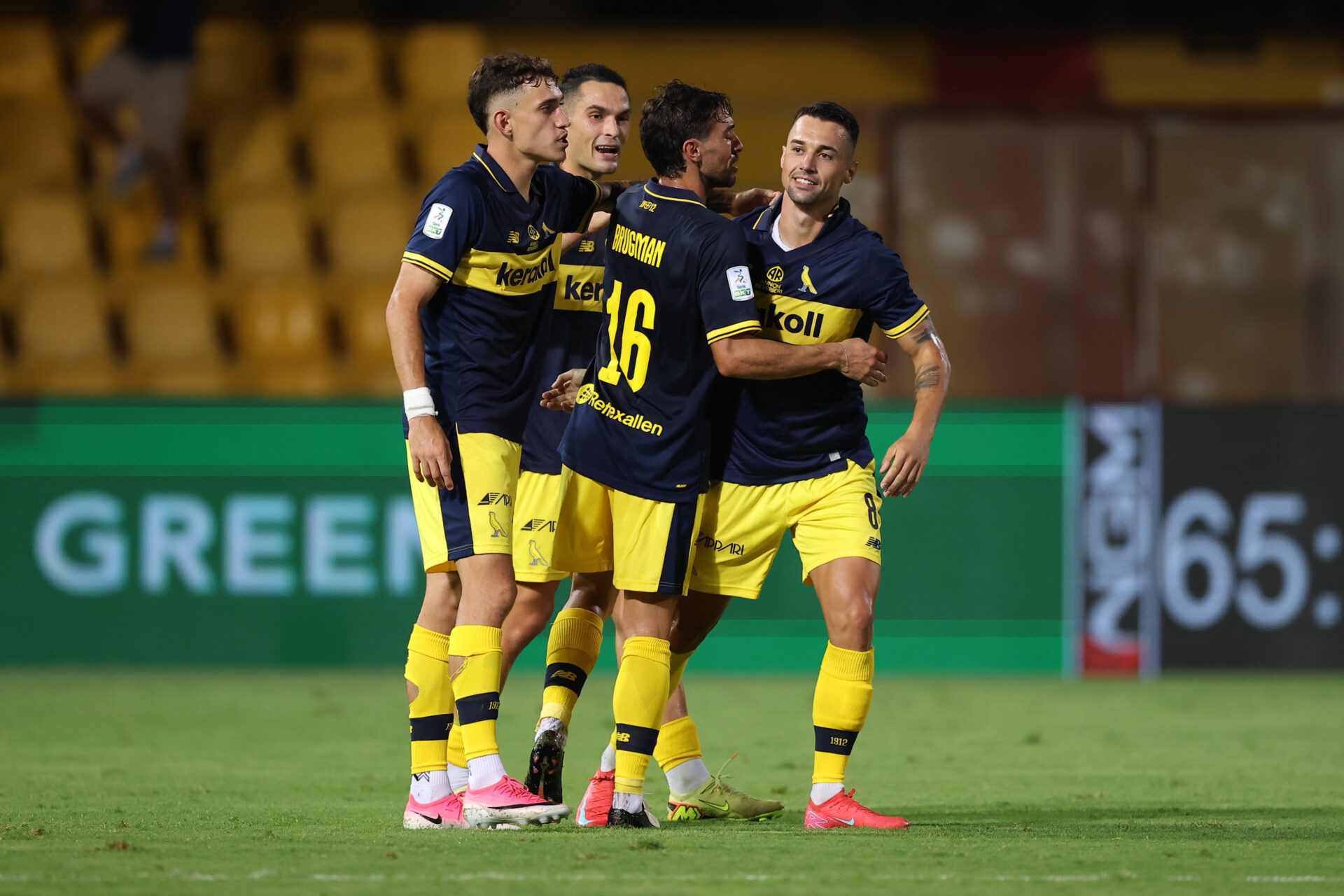
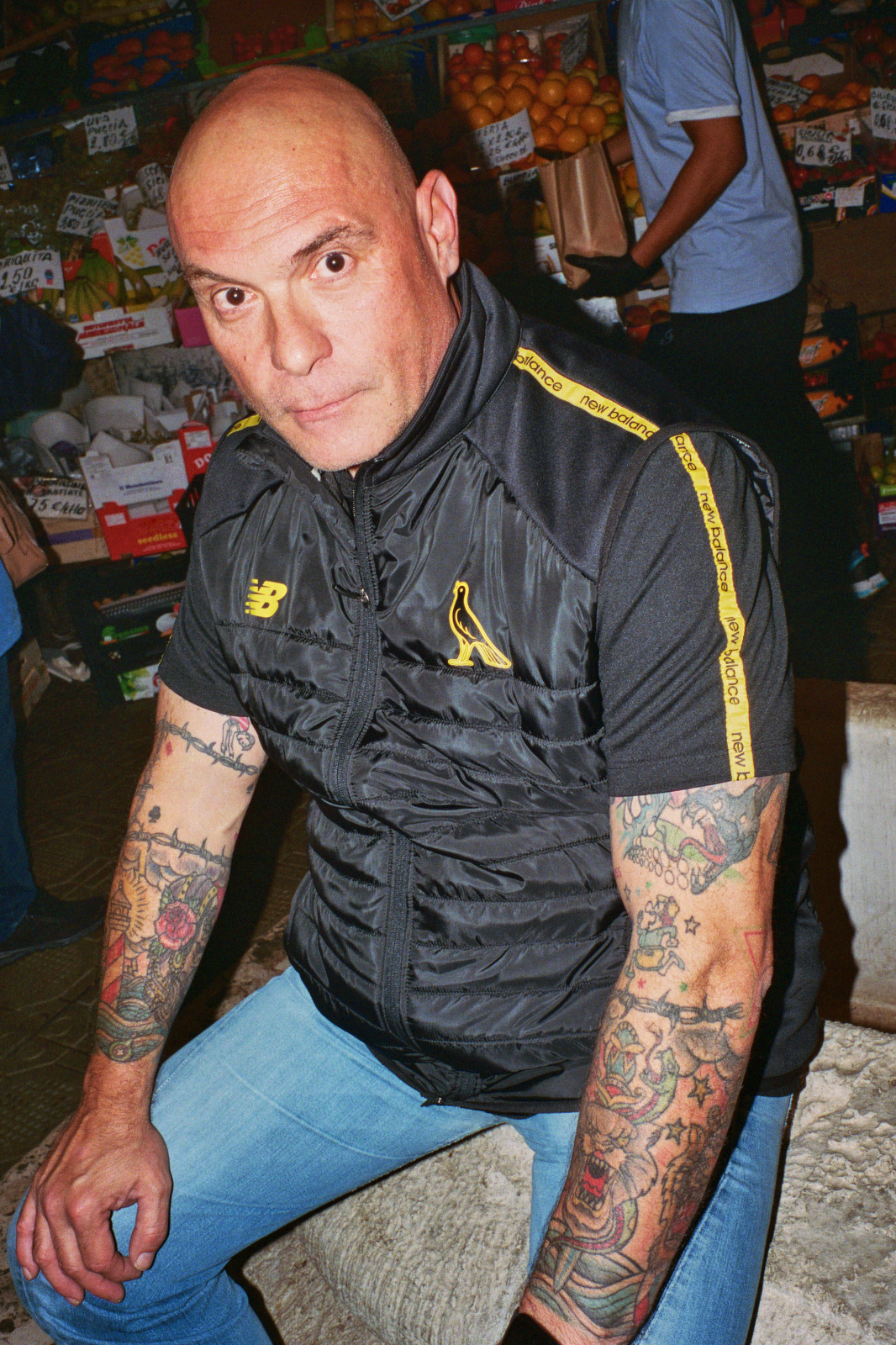
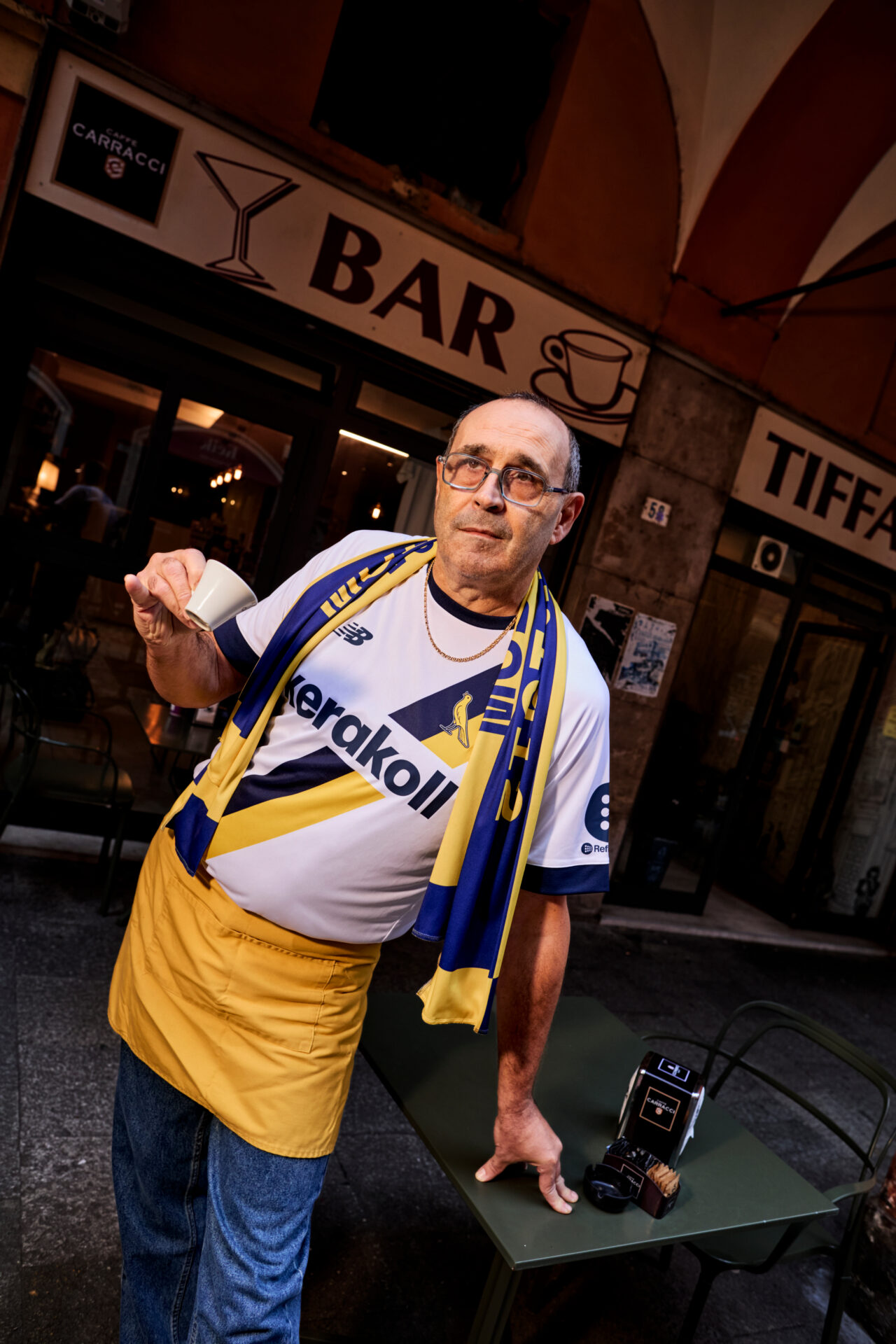
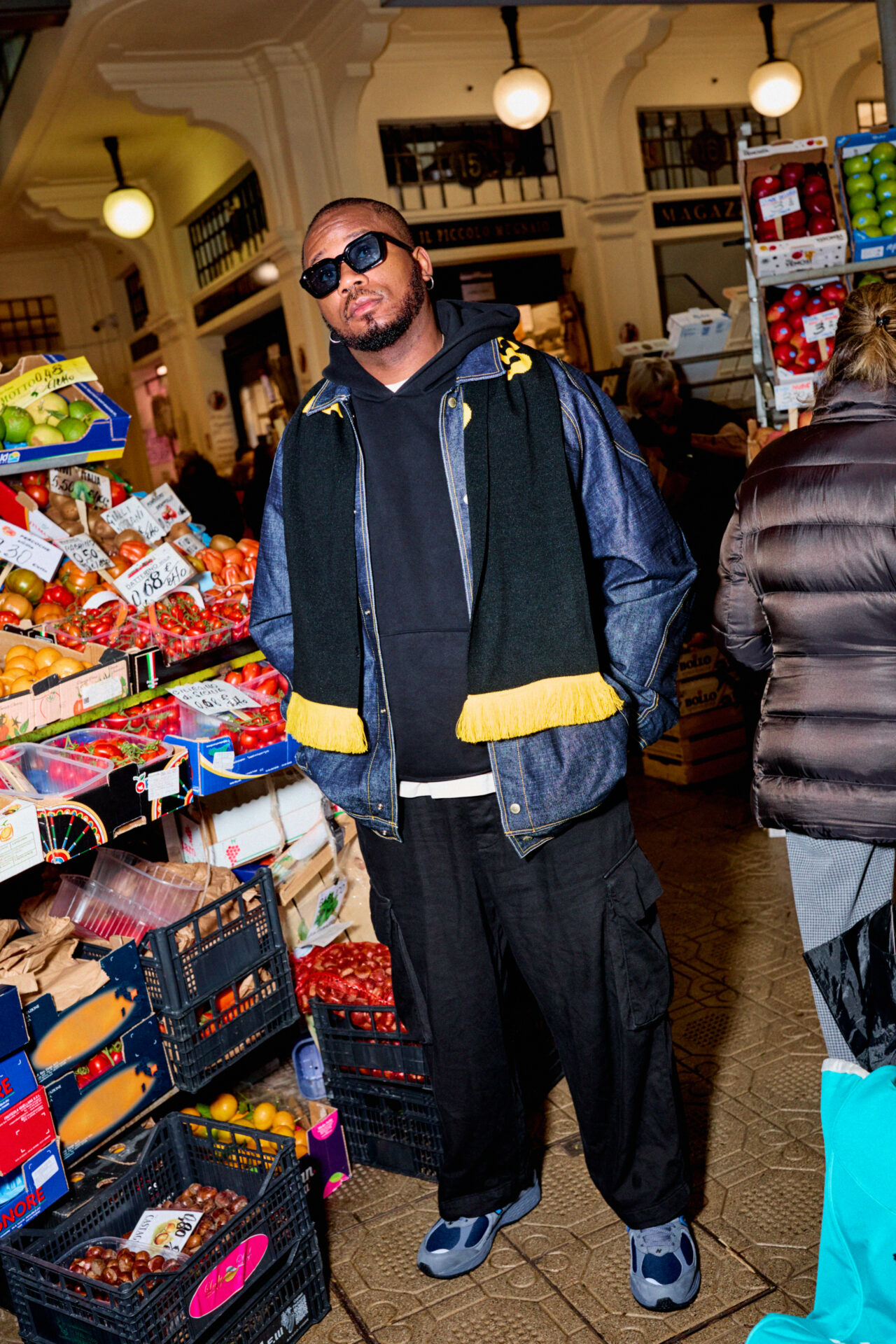
Image Courtesy of New Balance.
Venezia FC: The Design Original
If Como is the commercial blueprint, Venezia FC is the aesthetic one. The club from the lagoon city understood early on that its geographical and cultural identity was its most valuable asset. As early as 2022, Venezia collaborated with IUAV, one of Europe’s leading universities for architecture, design and fashion, on student capsule collections in the club’s orange, black and green colours. An international expansion followed in 2023 with Nivelcrack, a Seoul based creative studio specialising in the intersection of football and fashion. The collaboration was presented in South Korea, with a club delegation travelling there for the occasion.
Venezia’s approach differs from Como and Ravenna. There is less emphasis on luxury label partnerships and more on a curated design language that translates Venetian identity, its lagoon, craftsmanship and urban texture, into wearable objects. A share of shirt revenues has also gone towards preserving the city itself, including through a partnership with Save Venice.
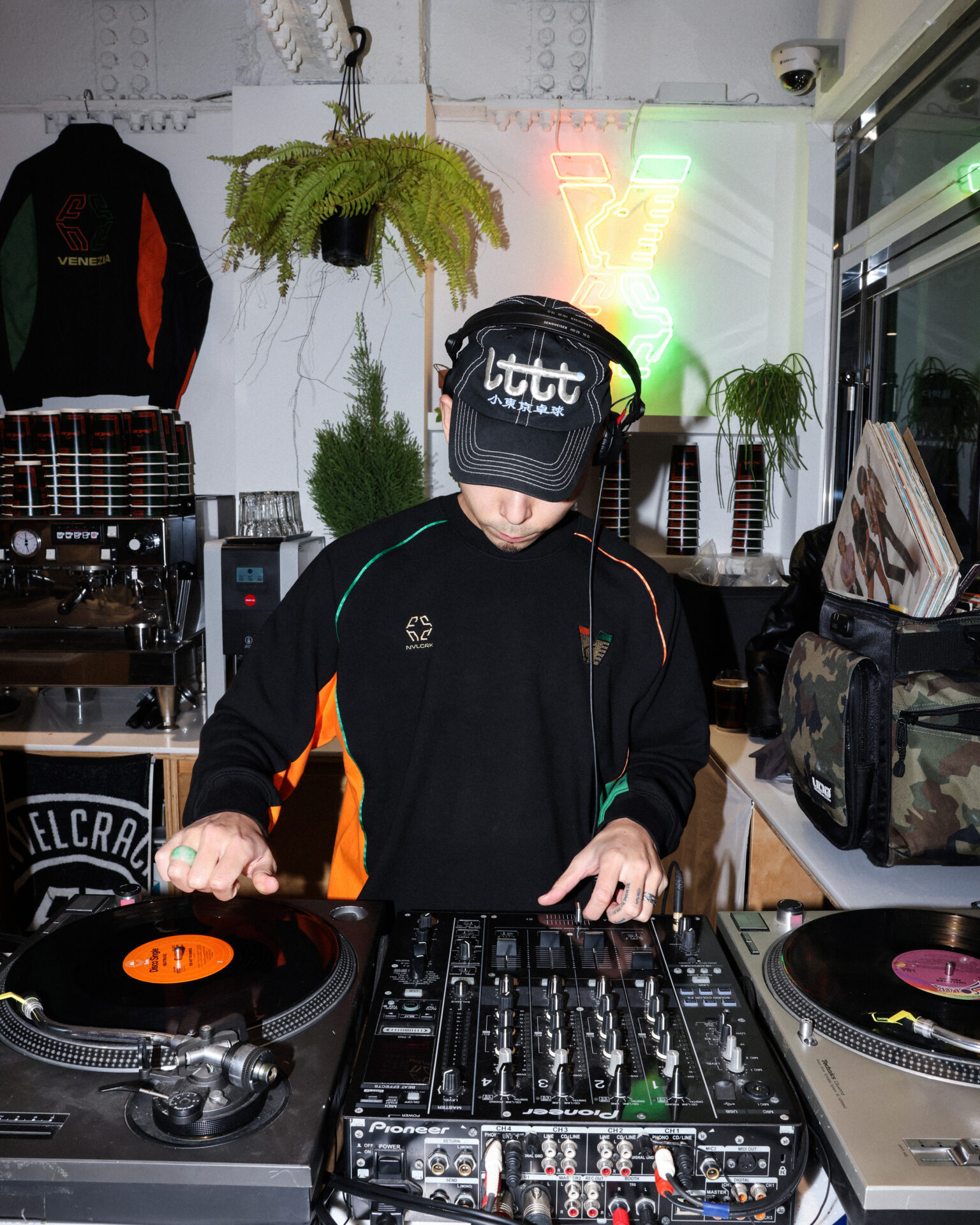
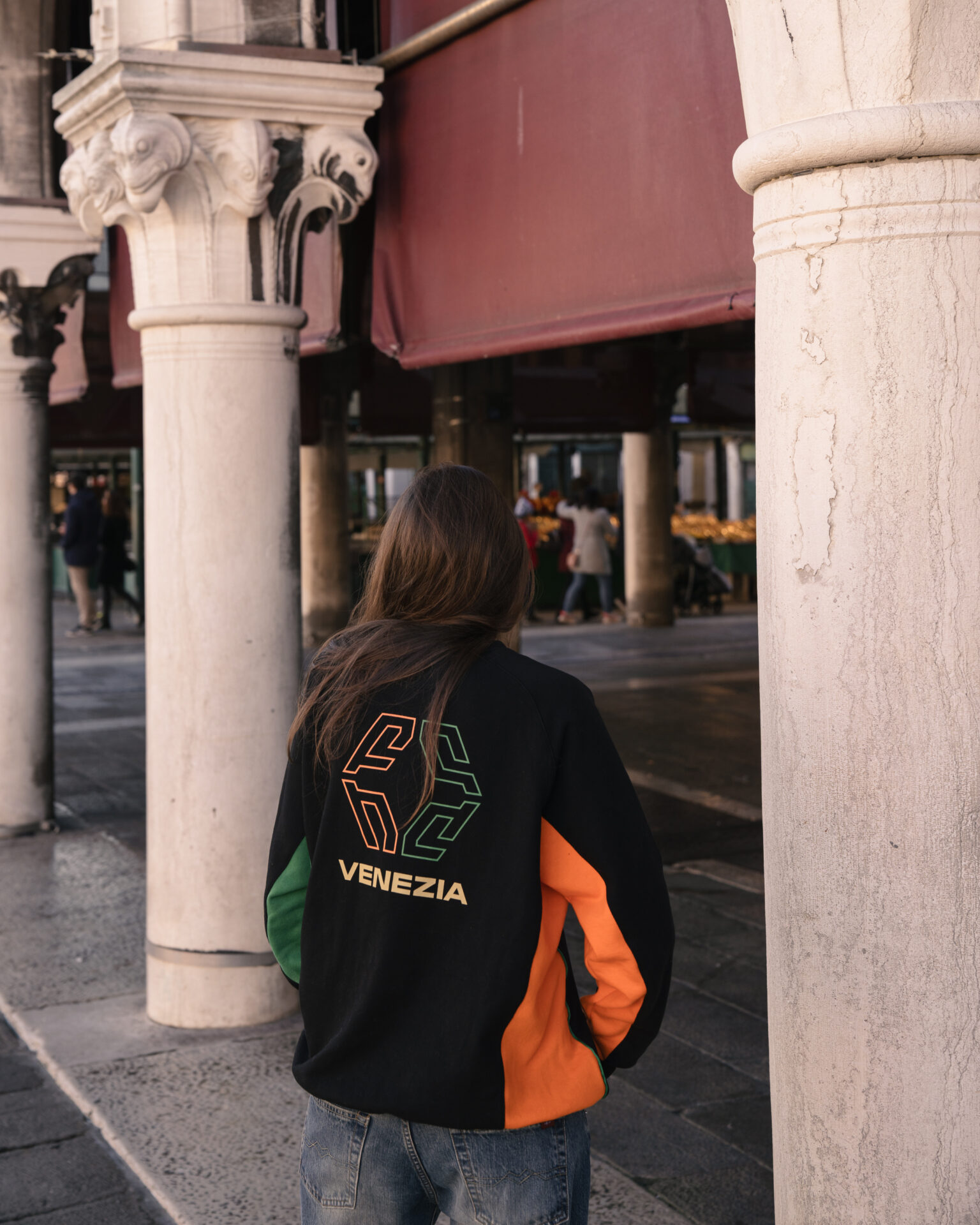
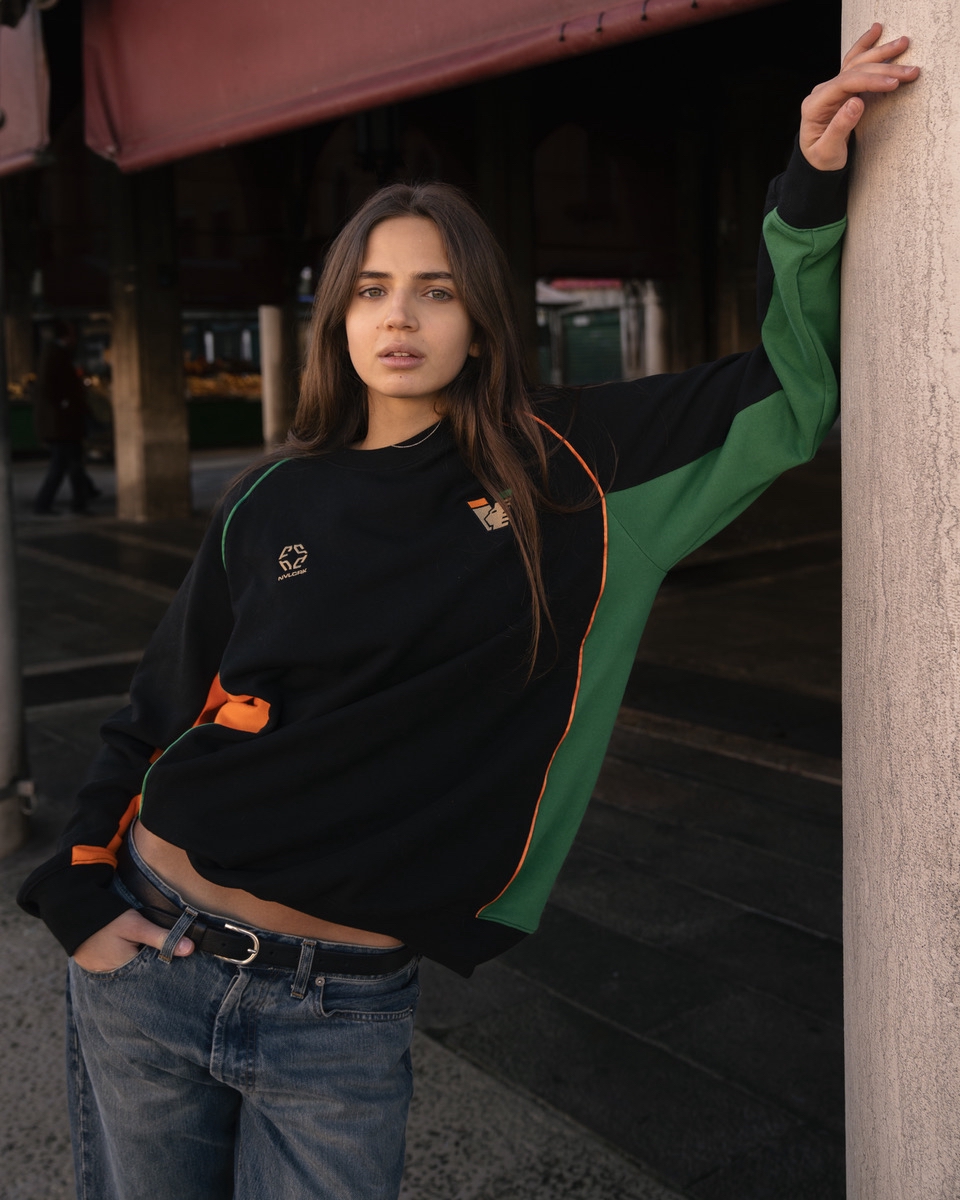
Image Courtesy of Nivelcrack.
Hellas Verona: A British Take on Fan Culture
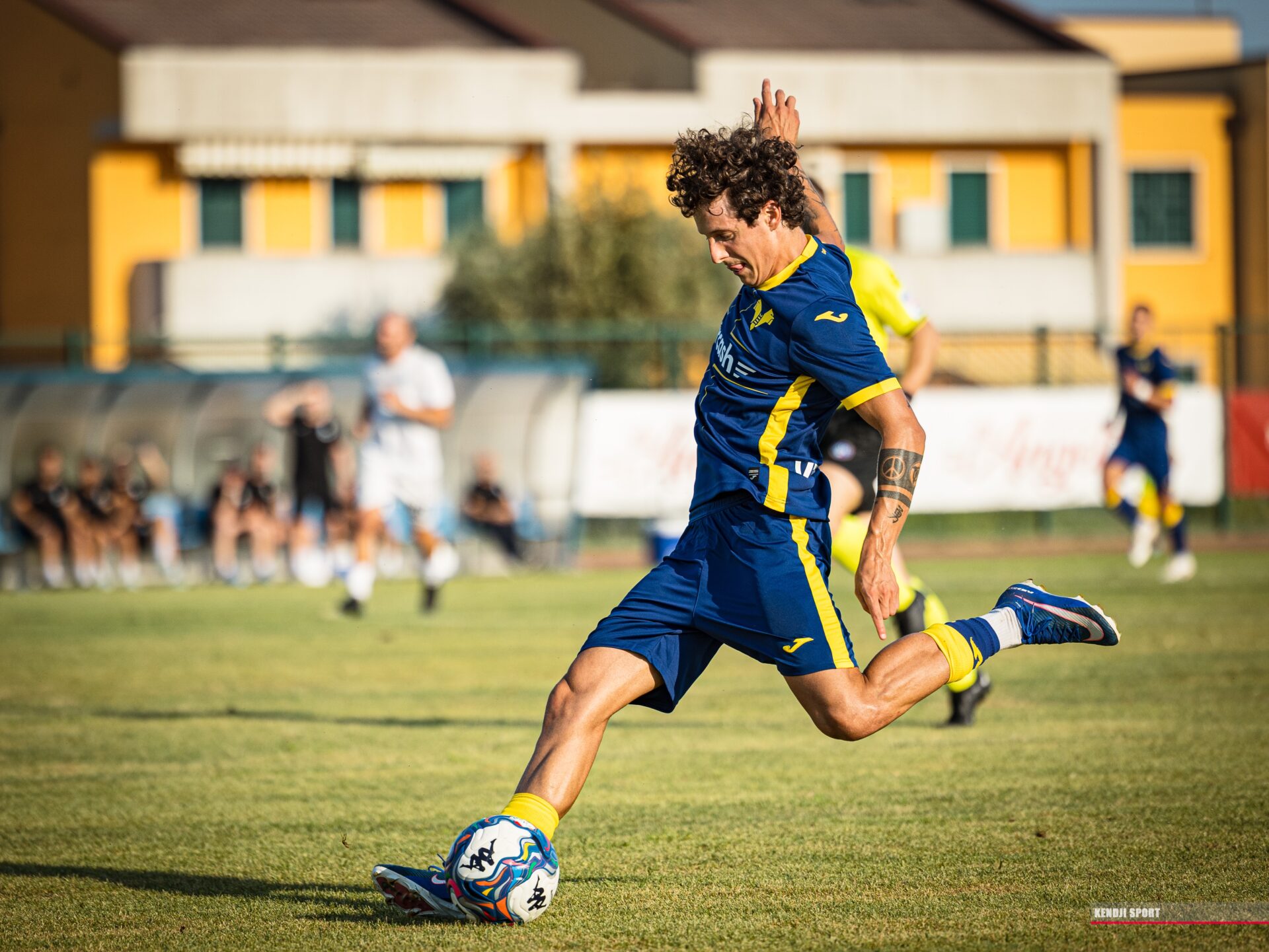
Hellas Verona has also joined the movement, albeit with a different sensibility. At the end of 2025, the club announced a capsule collection with heritage British label Lyle & Scott. Four pieces, including a T shirt, sweater, hoodie and jacket, were created in the club’s yellow and blue colours. For Lyle & Scott, a brand deeply rooted in British fan culture, it marked its first collaboration with an Italian club. Unlike Como or Ravenna, the focus here is not luxury crossover, but belonging and identity, an approach more closely aligned with supporter and stadium culture than the runway.
Since US private equity firm Presidio Investors took over in early 2025, Donata Hopfen, former CEO of the German Football League and a longtime executive at the Bild media group, has brought German media and sports experience to the club’s board. Speaking about the state in which she found Hellas Verona, she uses an image: “The football club is like a cut diamond already sitting in the right box. It is simply the diamond itself that still needs polishing.” The previous owner, she says, had run the club solidly, but had built neither a long-term brand nor a genuine strategy. Until now, Hellas Verona had largely financed itself through player transfers.
A central part of the new direction is the “Hellas Verona Garden”, a hospitality area directly beside the stadium, where both teams’ buses park before a match. The players then walk through Hellas Garden to the inside. Its stated aim is to bring supporters and players closer together than has traditionally been the case. “We say: the players are at the heart of it. Why shouldn’t the club benefit from that too?” Hopfen says. She is equally clear that this should not result in commercialisation for its own sake. “It is not overcommercialisation, but a reinterpretation of the club’s values for the present and the future.” The club’s historic fan section, the Hellas Army, is intended to be part of that development rather than left behind.
Asked where the club should be in five or ten years, Hopfen does not hesitate: “Verona firmly back in the first division, with a genuinely digitalised brand that thinks ahead and stays ahead of the curve.” By then, the stadium project should be close to completion. The ultimate ambition is an Italian football brand with a positive reputation extending far beyond Verona and Italy itself.
The Bigger Picture: Why Is This Happening Now?
The trend extends well beyond these clubs. In 2025, AS Roma worked with London label Aries and New Balance on a collection spanning shirts, warm up pieces and tracksuits, designed by Rome born designer Sofia Prantera. The historical reference point remains the longstanding partnership between Off White and AC Milan, widely regarded as one of the first fashion collaborations to be deeply embedded within the strategy of a European football club.
What connects these cases is a shift in where the initiative comes from. In the past, the stylistic impulse arrived from outside, through streetwear brands appropriating football aesthetics, as with Umbro’s Palace collaboration in 2012. Today, it increasingly comes directly from the boardroom. Clubs are beginning to think of themselves as lifestyle brands with a sporting operation attached, rather than the other way around.
For smaller and mid-sized clubs such as Como, Ravenna, Modena and Verona, this also offers a strategic route towards global relevance and new audiences with spending power, without the budgets of Champions League clubs or blockbuster transfers. These are supporters who may discover a club not because of its place in the table, but because of its aesthetic.
Look more closely and four common strategic threads emerge:
Brand rather than club: All of these teams are attempting to build identities that extend beyond sport itself. Football becomes the vehicle for something broader, rather than the sole purpose of the business.
City as capital: Como, Modena and, at an earlier stage, Hellas Verona have deliberately strengthened their connection to their respective cities in order to open up additional tourism channels. The club becomes an ambassador for a destination, not simply for a fanbase.
Community rather than audience: In each case, the aim is to build a community whose relationship with the club extends beyond watching a match. Hospitality concepts, collaborations and formats away from the pitch are all designed to create a deeper form of attachment.
Internationalisation as the next stage: In the medium term, all of these clubs are likely to push their brands further internationally, seeking a broader and more global following beyond their home regions, much as Como is already attempting with R4F.
More than any other club, Como has committed itself comprehensively to the luxury route. There is the Rhude collaboration, a broader club identity shaped by the label’s aesthetic, and a strategy that no longer speaks only to football supporters, but increasingly to Lake Como’s international tourist audience. For now, that puts the club clearly ahead of the field. Whether a strategy driven so heavily by luxury can ultimately sustain itself financially remains to be seen.
Equally striking is the way Como is rethinking VIP and hospitality culture, turning the limitations of its old, small stadium on the lake into part of the experience itself, even extending to a dedicated villa beside the ground.