Paris is home to many decisive, influential events. There’s Paris Fashion Week. Obvious one. There’s Art Basel Paris in October this year. There’s the annual Paris Photo fair at the Grand Palais. A location which, by the way, hosted many of Chanel by Karl Lagerfeld’s set-ups, including that supermarket from the Chanel Fall 2014 Ready-to-Wear collection. Then there’s other stuff, like a huge edition of HYROX. Different activity, same location. The world’s first World Exhibition was held here in 1855. All of this is either because Paris has been a pioneering city throughout Europe’s history, or maybe it’s the other way around.
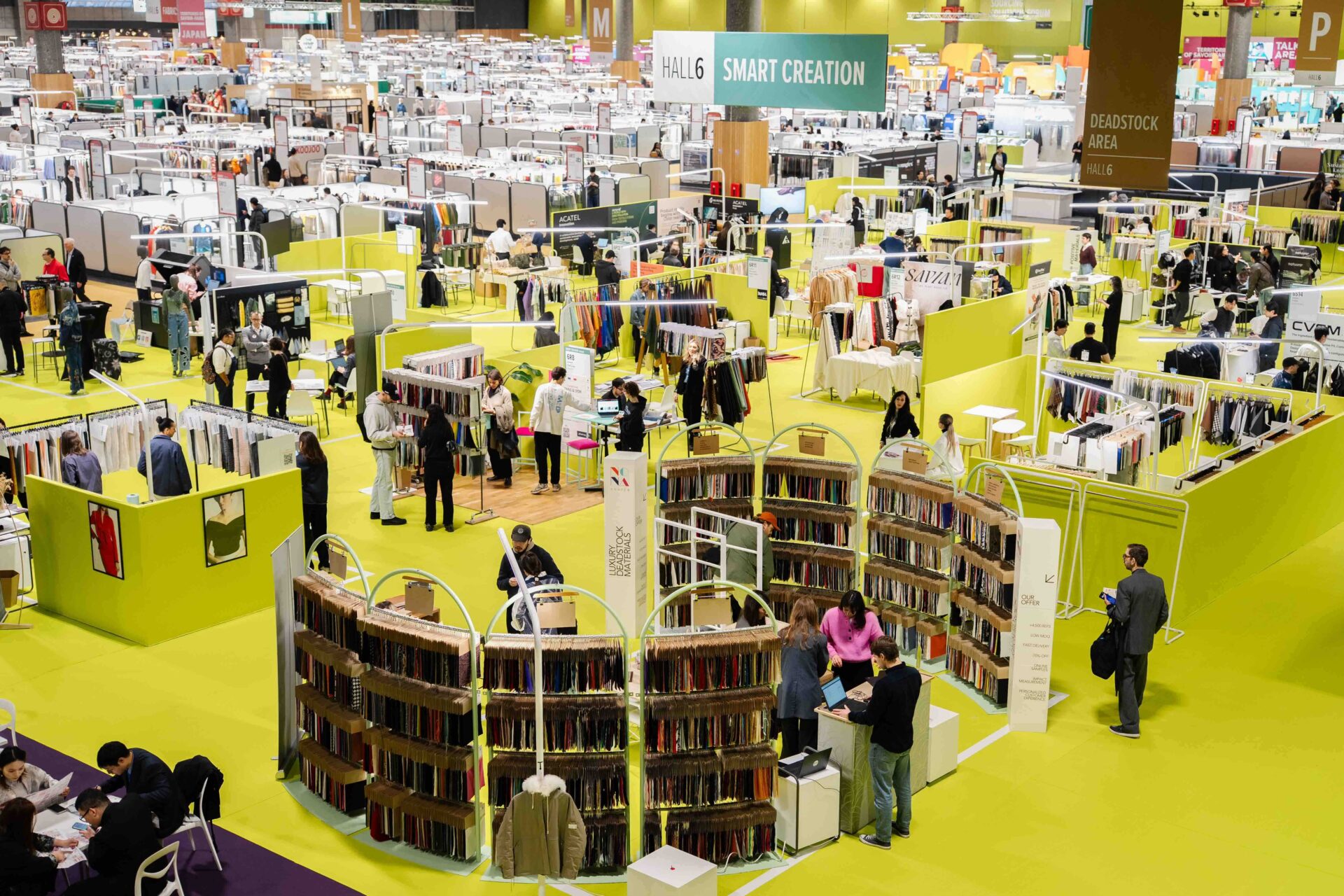
Either way, when it comes to textiles, it’s just as worth having a closer look here. Next week, starting on 1 September, Première Vision Paris 2026 will take place. The fair, one of the biggest in the fashion industry, brings together companies, technologies and expertise that consistently reshape the work of creative industries, introducing solutions spanning the entire fashion value chain.
The heart of this year’s edition: innovation and tech, highlighting technological advances redefining product creation, development and manufacturing through different approaches to working with AI, innovative materials, digital programmes to support sustainability and, of course, bio-based and technical textiles, from leather alternatives made from food waste, mycelium-based biomaterials and closed-loop recycled polyesters to PFAS-free membranes.
But since Première Vision Paris 2026 is going to showcase nearly 900 international exhibitors, we’ve made a selection of five projects that prove that, even in such a huge, wasteful industry, there’s an effort to improve, to be responsible, scalable and sustainable, and that somewhere, a new generation of textiles is boiling.
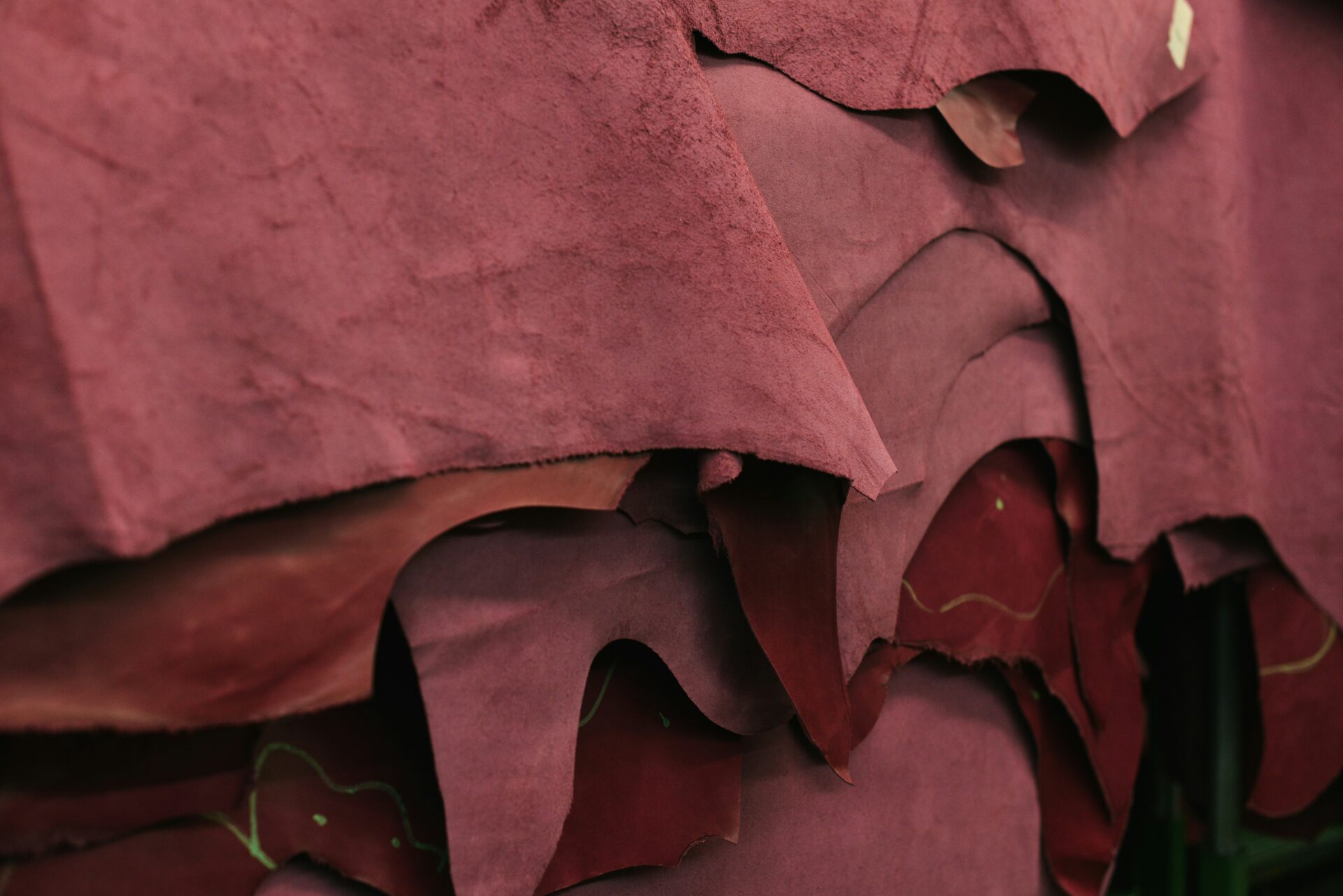
Mangoes, But Make It Leather
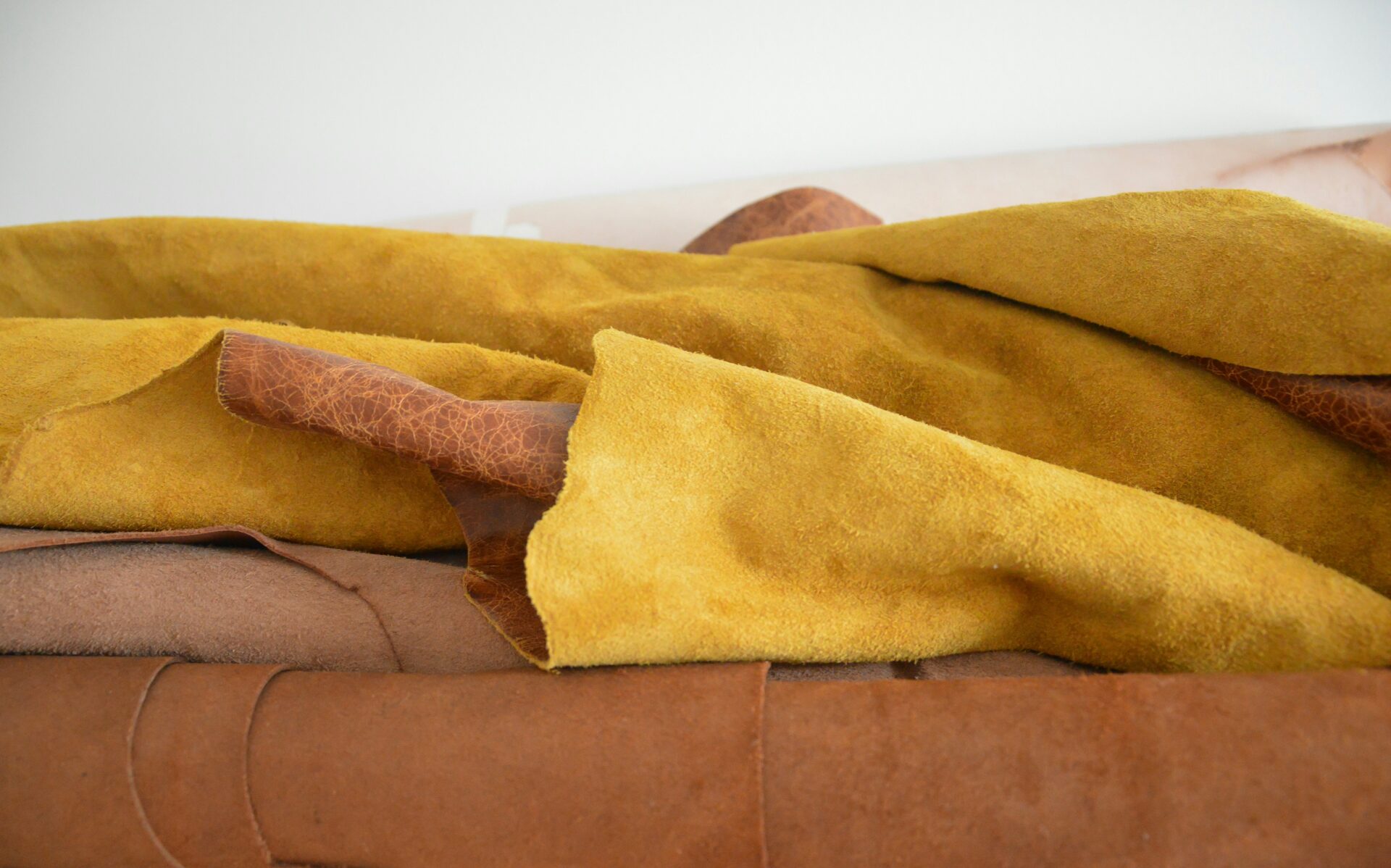
You don’t necessarily have to work in fashion yourself to know that there are three types of leather out there. First, traditional animal leather from cattle, goats, sheep and crocodiles: a complex supply chain with a significant environmental impact. Then, there’s synthetic polymer leather based on PVC, TPU, microfibre polymers or other synthetic materials, guaranteeing lower costs for manufacturers, clients and consumers.
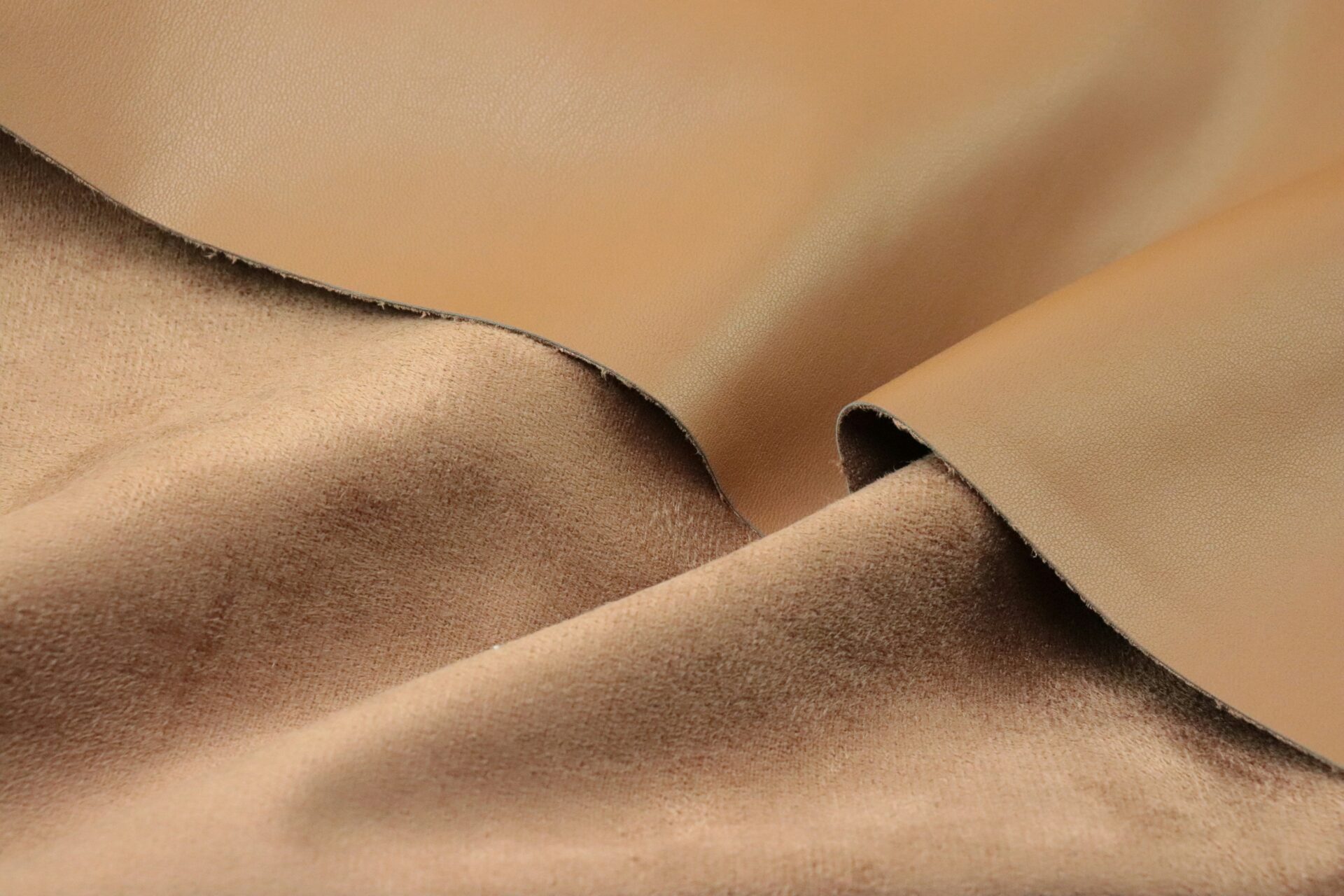
The last, and perhaps most interesting, are plant-based leather materials derived from agricultural residues, fruit by-products, cellulose, fungi or other natural resources. Now, the Indian company Aamati Green has introduced a type of leather that takes this idea even further: Mango Leather.
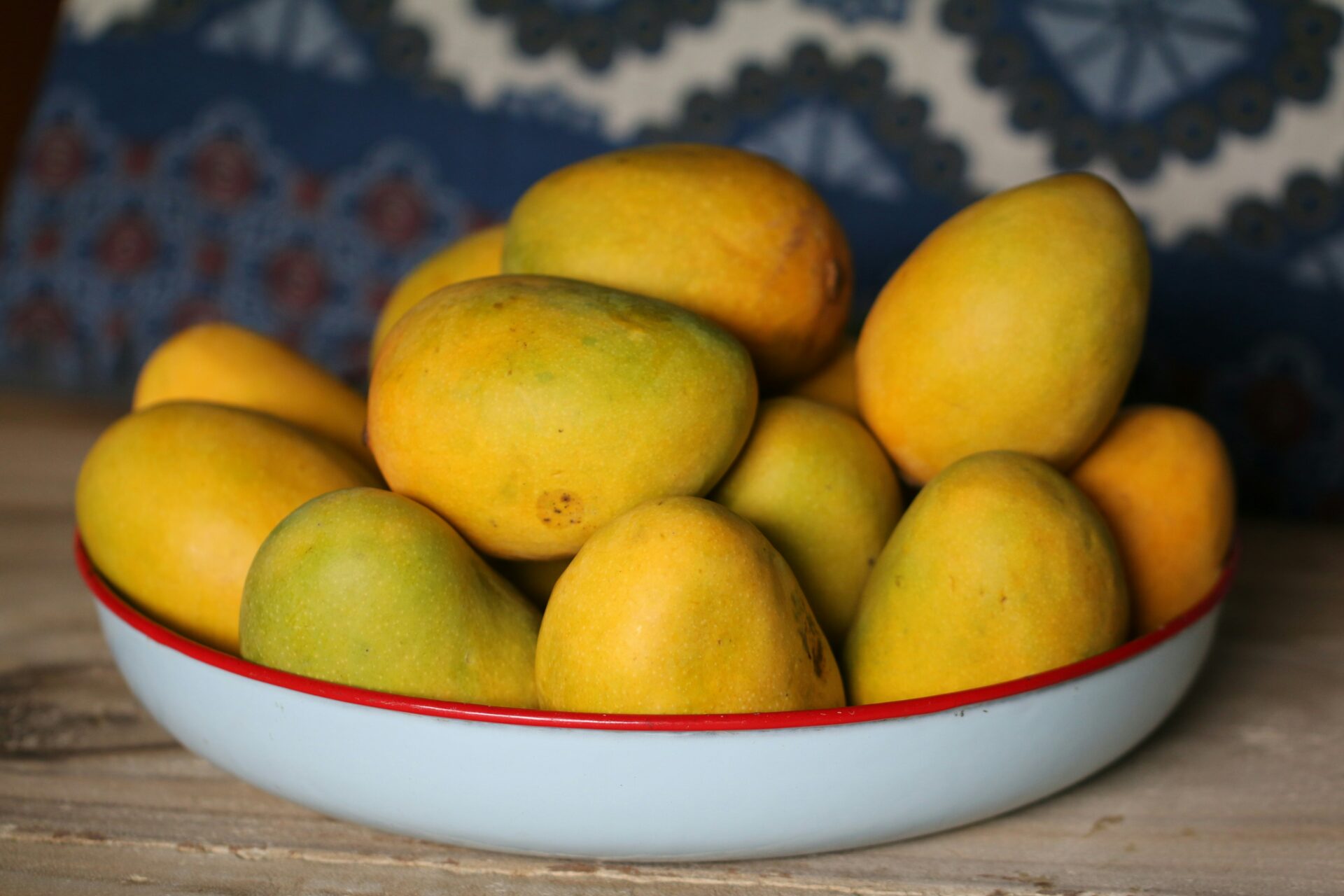
Made from discarded mango pulp and a patented biopolymer system, the leather consists of 100% bio-based content and doesn’t require new crops, new land or new drilling. No, instead it comes from the twelve million tonnes of mangoes India discards every year because of harvest oversupply, small bruises or blemishes.
The final material is already used for small leather goods, footwear uppers, straps, outerwear, automotive applications and interiors. And if we all knew more about it, we might even notice.
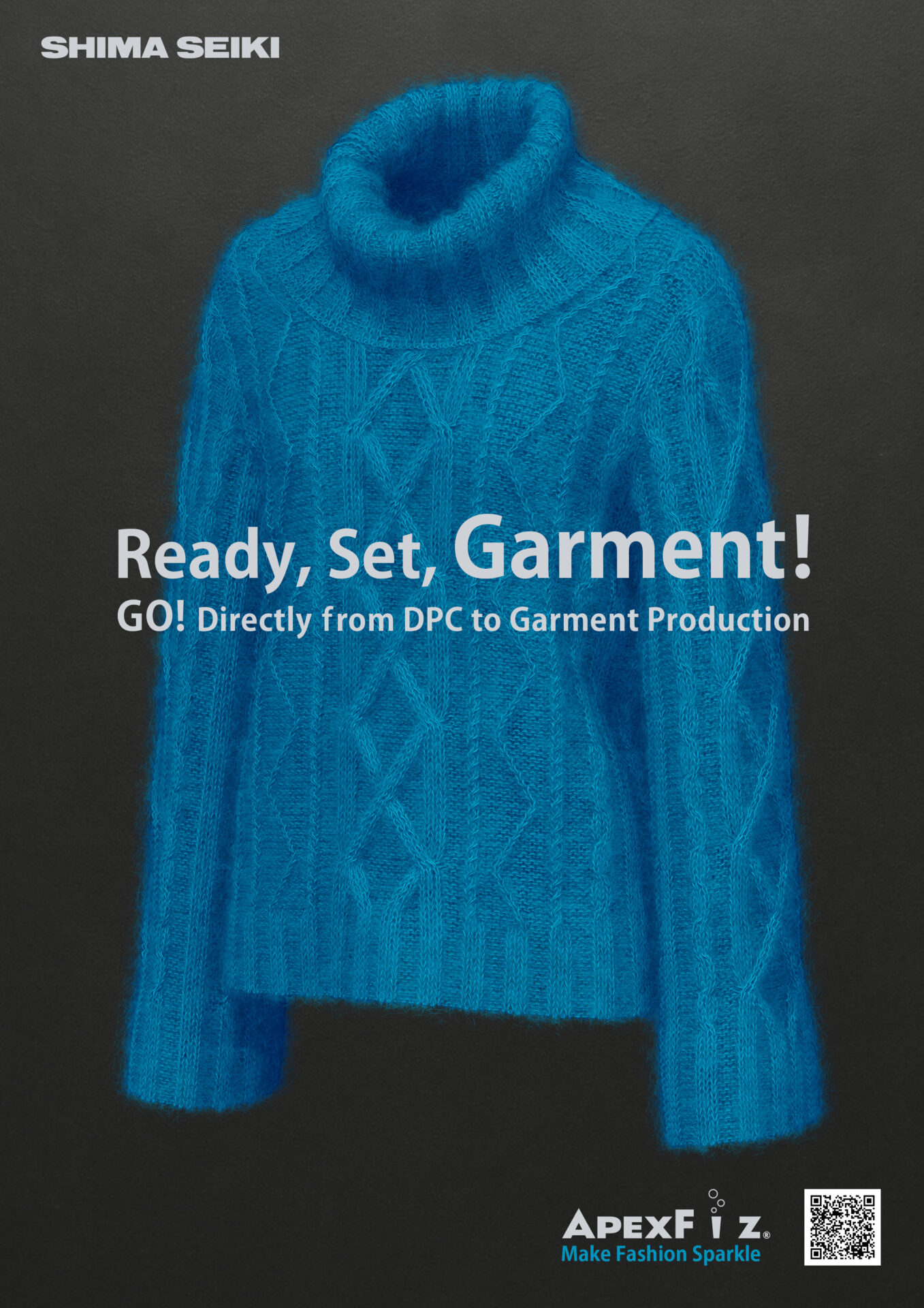
Image Courtesy of Shima Seiki.
Maybe We Don’t Need Another Sample
For once, let’s look at the digitalisation of fashion without immediately thinking about AI-generated campaigns, disappearing jobs or clothes designed by an algorithm. Because there is another side to it, and one that could actually tackle some of the industry’s very physical problems: waste, overproduction and the endless cycle of producing things just to see if they work.
Japan-based Shima Seiki has been developing digital textile solutions alongside knitting machinery for decades. Of course, that’s not a textile per se, but listen, because in a way it is a new generation of material, just not a physical one. One of the textile solutions Shima Seiki is working on is APEXFiz®, a subscription-based design software that allows designers to plan and develop textiles almost entirely virtually. Using scanned data from actual yarns, the programme can simulate knitted fabrics, woven textiles, prints and embroidery with enough detail to create realistic 3D prototypes before a physical sample exists.
Which sounds technical, because it is. But the idea behind it is actually quite simple. Instead of knitting, cutting and shipping several versions of a sample around the world until everyone agrees on one, much of that process can happen on screen. A digital textile, basically. Once a design is approved, the knitting data generated during the digital process can be converted into machine data and used for real-world production.
Obviously, a virtual jumper won’t solve all of fashion’s sustainability problems. There are just too many of them, unfortunately. But reducing the number of physical samples means reducing material, transport, time, costs and, ultimately, waste. And considering how much of fashion’s production chain still depends on making, remaking and moving things around before they ever reach a consumer, this could be one of those rare moments where more technology could actually mean producing less. And thinking about AI, too, this could be one of the fields where it might actually contribute to a more responsible future.


The Future Is Fluffy
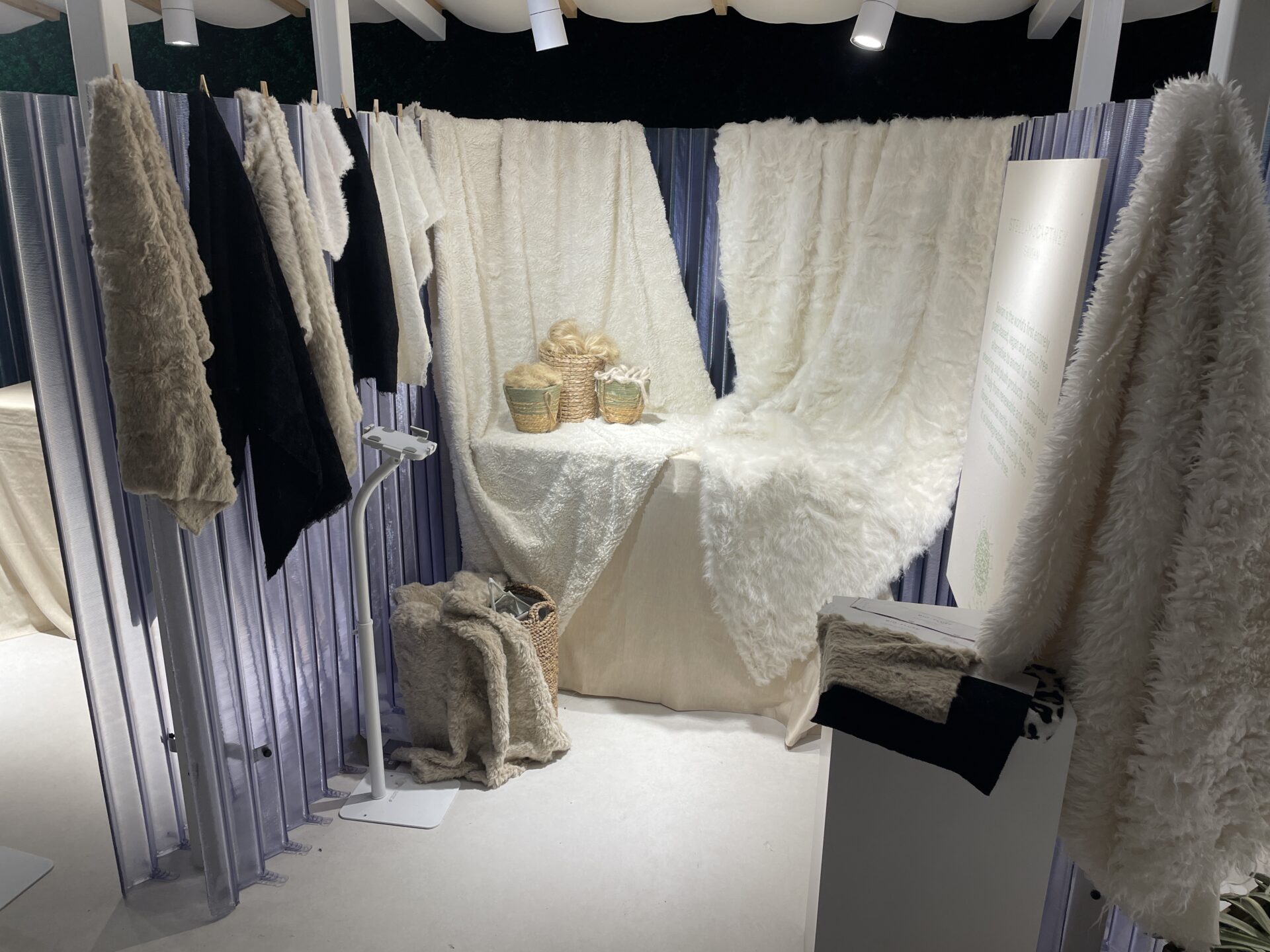
Fluffy things are difficult not to like. Fur, shearling, that ridiculously soft jacket you touch every time you walk past it in a shop, even if you have absolutely no intention of buying it. Unfortunately, what makes all of these things feel good doesn’t necessarily make their production look good. Which is where BioFluff comes in.
Based between Paris and New York and producing in Europe, the biomaterials start-up is essentially trying to reimagine fluff itself. Its materials offer completely plant-based alternatives to fur, shearling and plush, made only from natural fibres and without toxic chemicals. According to the company, the process can reduce CO2 emissions by between 40 and 90 per cent compared to conventional alternatives.
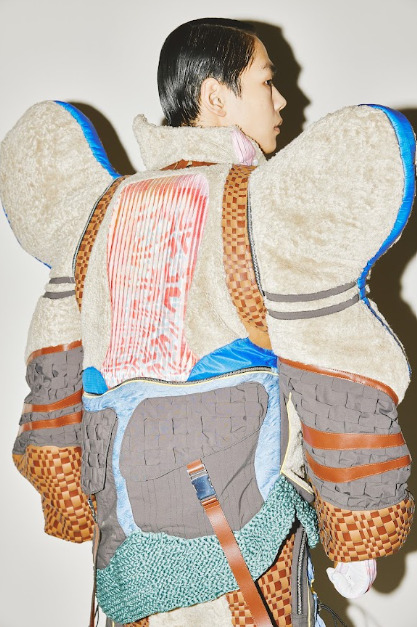
One of these alternatives, Savian, first appeared in Stella McCartney’s Pre-Fall 2024 collection as a 100 per cent plant-based fur alternative. Since then, it has made its way onto runways in London, New York and Paris, with BioFluff working with names including Louis Vuitton, Martine Rose, Collina Strada and Ganni. So, consciously or subconsciously, there’s a good chance you’ve already seen a photo of this material.
In that way, BioFluff is normalising vegan fur alternatives, a solution that might one day even make it easier for you to choose a vegan children’s toy. There is, however, one surprisingly difficult detail to find online: which plants exactly all this fluff is made from. Probably a good reason to stop by their stand at Première Vision and simply ask.
A 200-Million-Year-Old Fashion Material
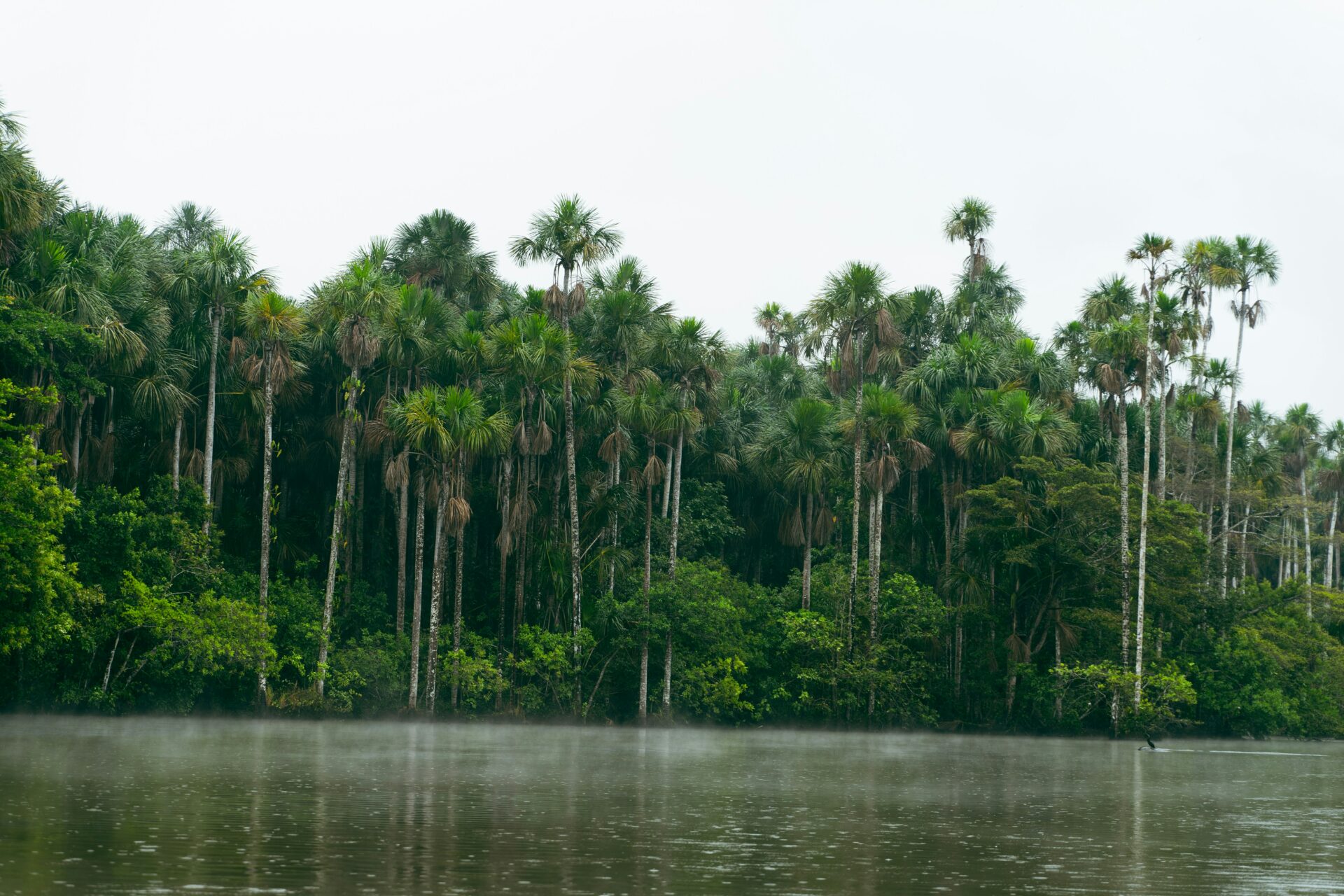
Leather made from a fish that has been around since the Jurassic era sounds like the opposite of an article about the future. But here we are. The pirarucu has existed for more than 200 million years, can grow to several metres in length and has been an important source of food for communities in the Amazon for thousands of years. Its skin, however, traditionally had little use and was simply discarded.
Brazilian company Nova Kaeru saw something else in it. Working alongside indigenous and riverside communities in the Amazon, the company turns skins left over from the food industry into leather, while participating in the managed fishing of pirarucu. And apparently, even the skin wasn’t the end of it. Aravê, another material developed by Nova Kaeru, combines pirarucu scales with plant-based components to create a hybrid biomaterial. Salmon skin, another neglected by-product of the food industry, gets a similar treatment, transformed into leather for fashion and design.
It is essential to keep in mind that anything involving animal products and working with indigenous traditions and communities deserves a closer look at where and how materials are sourced. But there is definitely something interesting here, something we have often heard before, just like with the mangoes, and that still feels somewhat groundbreaking: reversing the usual logic of fashion production. Because instead of finding a new material and building an industry around extracting it, Nova Kaeru starts with what is already there and what would otherwise be thrown away.
Your Orange Peel Has a Second Career
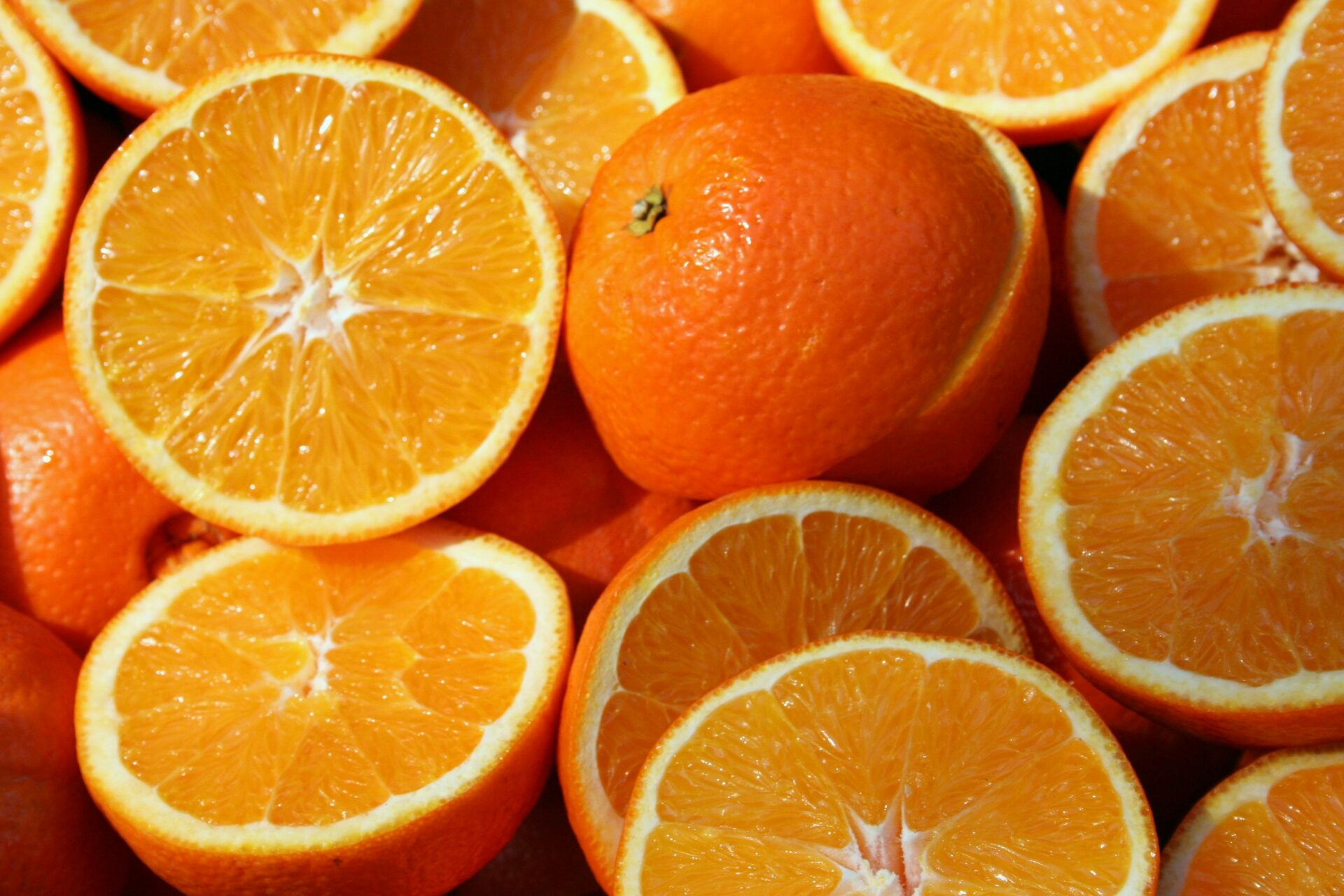
Talking about throwing things away, here is another project to look out for at Première Vision: PEELSPHERE. Naturally, there are more exciting things to look at after eating an orange than what’s left of its peel. For PEELSPHERE, however, that’s exactly where things get interesting. The material innovation company takes locally sourced fruit waste, including banana and orange peels, and turns it into a flexible biomaterial designed to replace some of the conventional materials used across fashion and design.
The process starts pretty much where your breakfast ends: fruit waste is collected, ground into fine pieces and blended with a bio-based binder before the mixture is formed into sheets. Plant-extracted pigments provide the colour, while the resulting material can be cut and shaped into anything from accessories to interior products. One of its versions, PEELSPHERE ORISM, contains between 60 and 70 per cent biopolymer and, according to the company, is fully recyclable.
But perhaps the more interesting part comes after the material has already served its original purpose. PEELSPHERE is designed around a closed-loop system in which materials can be recycled, redesigned and remanufactured rather than simply ending up in landfill. The company is also planning a full life-cycle assessment to understand its actual environmental footprint, an important detail in an industry where the word “sustainable” tends to appear much faster than the data to prove it. And as anyone who has studied fashion or a related subject knows, a closed-loop system is pretty much what the industry should be striving for when it comes to sustainability.
Basically, we’ve spent a long time treating food waste and textile waste as two completely separate problems, even though one could potentially become part of the solution for the other. And perhaps that’s also what connects most of the projects here. The next generation of textiles doesn’t necessarily have to start with something entirely new. Sometimes, it might simply start by looking differently at what is already there.
Special thanks to Mayouri Sengchanh, Première Vision Office for D/A/CH.