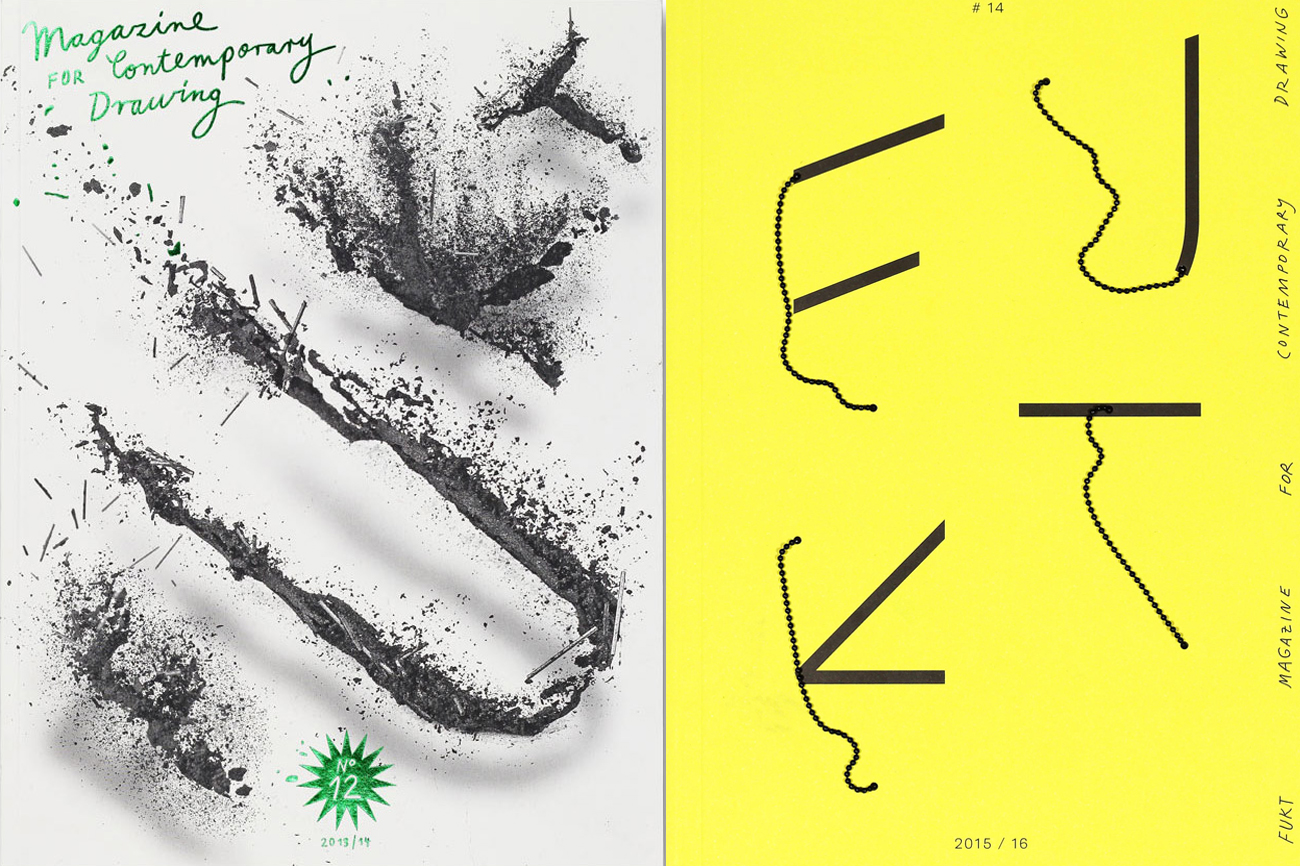
 FUKT Issue #12 and Issue #14 Covers. Images from arianspanier.com and vice-versa-select.com
Borrowing from eras passed is nothing new. Whether it’s the recent surge in vinyl sales or the rising influx of girls sporting mom jeans, it is evident that trends are recycled and no longer created. Furthering the appropriation of our parents’ generation is a revitalised interest in the underground publishing scene – a trend popularised by punks, comic-book lovers and riot grrrls in the 1970s. With small presses and self-publications holding their ground in the digital age, it is obvious that despite what others may say, print is not dead. Pivotal in the promotion of new artists and ideas, here are five of our favourite German pioneers knocking the glossies off the shelves.
 Spread from FUKT #12. Image from fontsinuse.com
FUKT
Beginning as a modest fanzine, FUKT was established in Norway in 1999. Soon after its creation however, the founders moved their HQ to Berlin and set up base here as Germany’s leading platform for contemporary drawing. The annual publication features occasional interviews and essays with top visual artists, but the main focus is illustration. With an emphasis on all things visual, the magazine’s design and format changes every issue. Consistent, however, is the strong use of graphical elements for its covers, which design director Ariane Spanier describes as disconnected from the content and “kind of their own life”. Contrasting with the line drawings of Fritz Panzer in Issue #14 is the title font made with spiralling chains, which is backed on a stark yellow for extra effect. Similar juxtaposition between issue #12’s cover and Steve Johnson’s spread for the copy is evident – the hair shavings spelling out the magazine’s name differ entirely from the artist’s architectural drawings. Unrestricted in layout, style and content – FUKT is definitely something to look forward to every September.
 Spread from Pogobooks’ Someone Cuts My Hair While I Sleep by Todd Fisher. Image from pogobooks.com
Pogobooks
Berlin based, PogoBooks, has been pioneering zines and small print runs since 2010. Founded by photographer Claudio Pfeifer, the independent publishing house firmly believes in a future printed on paper and the importance of making artwork accessible to all. Inexpensive and uncomplicated, the zines all share a similar design aesthetic. Generally printed as a5, the zine material is laid out with minimal arrangement containing little to no text, and is finished with a simple saddle stitch bind. Each hard-backed book follows the same simplistic pattern, and is designed and printed in-house – with the exception of the recent collaboration with Studio Yukiko on Matt Lambert’s Keim. With a focus on photography, much of the work released under PogoBooks concentrates on youth culture and is mainly produced by young up-and-coming photographers – Sandy Kim, Todd Fisher and Chad Moore, to name a few. Fixing their lenses on the banality of everyday life, the photographers represented by PogoBooks break down the distance between photographer and subject. The relatable work allows the audience to play protagonist in the narratives, making the witty, genuine and intimate work easily interpretable to the masses.
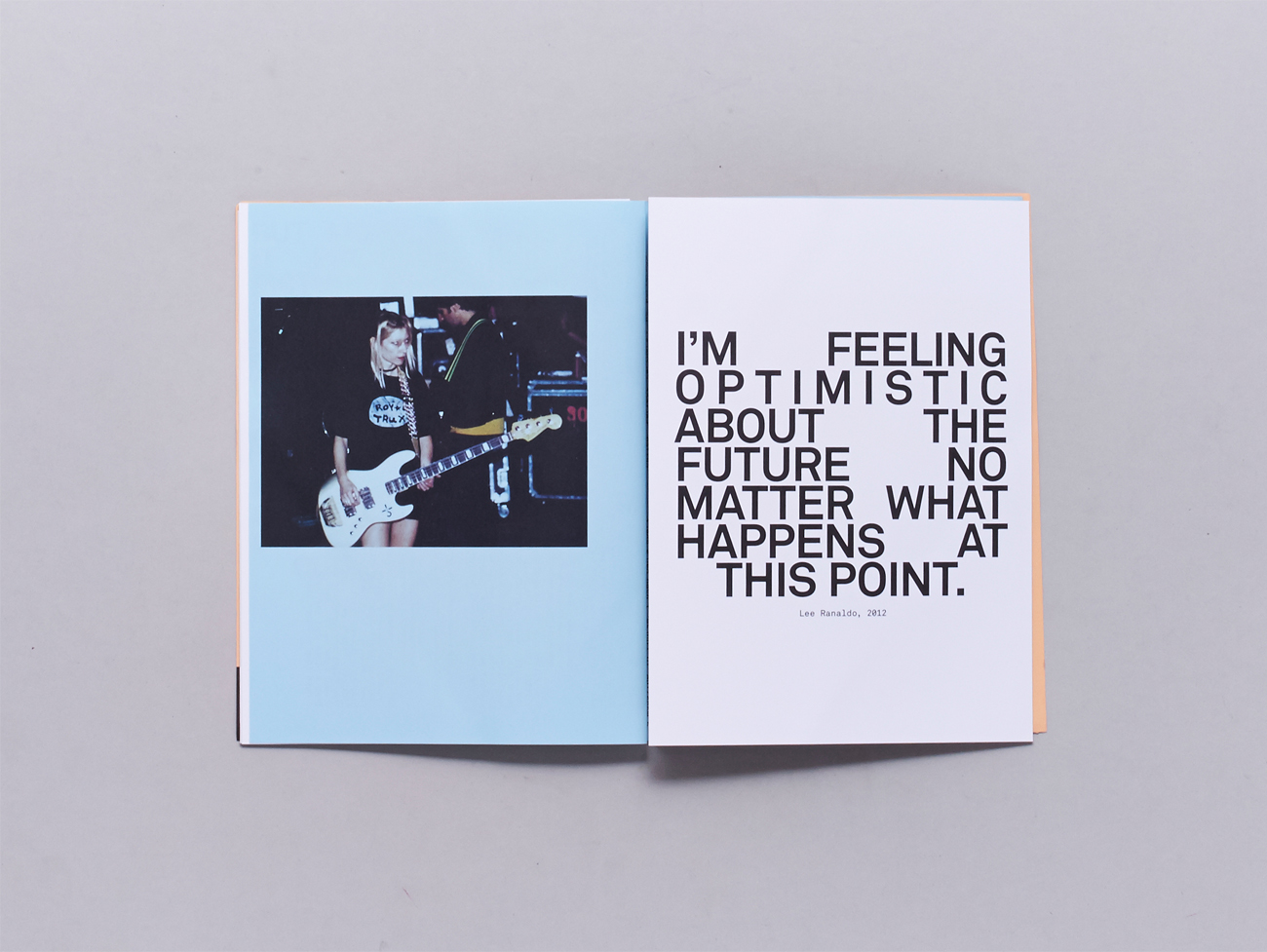 Spread from mono.kultur #33 – Kim Gordon. Image from antennebooks.com
mono.kultur
Every three months, mono.kultur devotes its entire issue to one prominent figure in the world of art and culture. Each publication features a single in-depth interview, and as the interviewees have the potential to be plucked from a range of creative backgrounds, the design and content varies within each magazine. A variety of paintings, photographs, drawings, poetry and lyrics lie alongside the text, the visual aspects chosen in accordance with the featured artist. Consistent in adapting to the theme of the interview, the only other constant is the size and shape of each issue – the small format and minimal amount of pages adding to the intimacy of the personal memoirs. Injecting more personality into each issue are the collectables, which are often included within the features. The postcards from Kim Gordon’s issue reflect her artwork discussed during her interview, and the double-sided collage-style poster integrated into Miranda July’s cover illustrates the range of multi-disciplinary work that she talks about in her issue. Encouraging artists to openly discuss their work, the collaborative effort of mono.kultur and its featured creative aims to promote frank conversation and give the reader a sincere insight into the many sides of the contributor, often glossed over in mainstream media.
 Spread from dienacht #13 – Daisuke Yokota. Image from magazinesandbooks.blogspot.com
dienacht
Published twice a year, dienacht is a portfolio magazine hailing from Leipzig. The publication is a one-man show founded by Calin Kruse, who, amongst other disciplines, edits and designs each issue completely on his own. Focusing mainly on photography, Kruse’s background in design also sees that graphic and illustrative elements feature, and his interest in subcultures has led to articles concerning underground movies and music becoming prominent. A keen photographer himself, Kruse also takes it upon himself to incorporate reviews of photobooks and fanzines in every issue of dienacht. Including the work of already established and emerging photographers, there is a great deal of diversity from issue to issue. Concentrating on all genres of photography except for fashion, the publication has showcased the work of the up-and-comers in the postgraduate class of the Ostkreuzschule for Photography, featured veteran documentary photographer Roger Ballen, and has also promoted the work of Daisuke Yokota, one of the most promising young Japanese photographers of our time.
As if taking on a magazine of such stature alone wasn’t enough work, Kruse has since integrated curating into his long line of talents. Over the past 5 years, he has exhibited the work of dienacht photographers in a number of single and group exhibitions throughout Germany and Luxembourg. He has also started up a small publishing press under the same name as the magazine, producing high quality, limited-run photobooks for artists including the notorious Ren Hang.
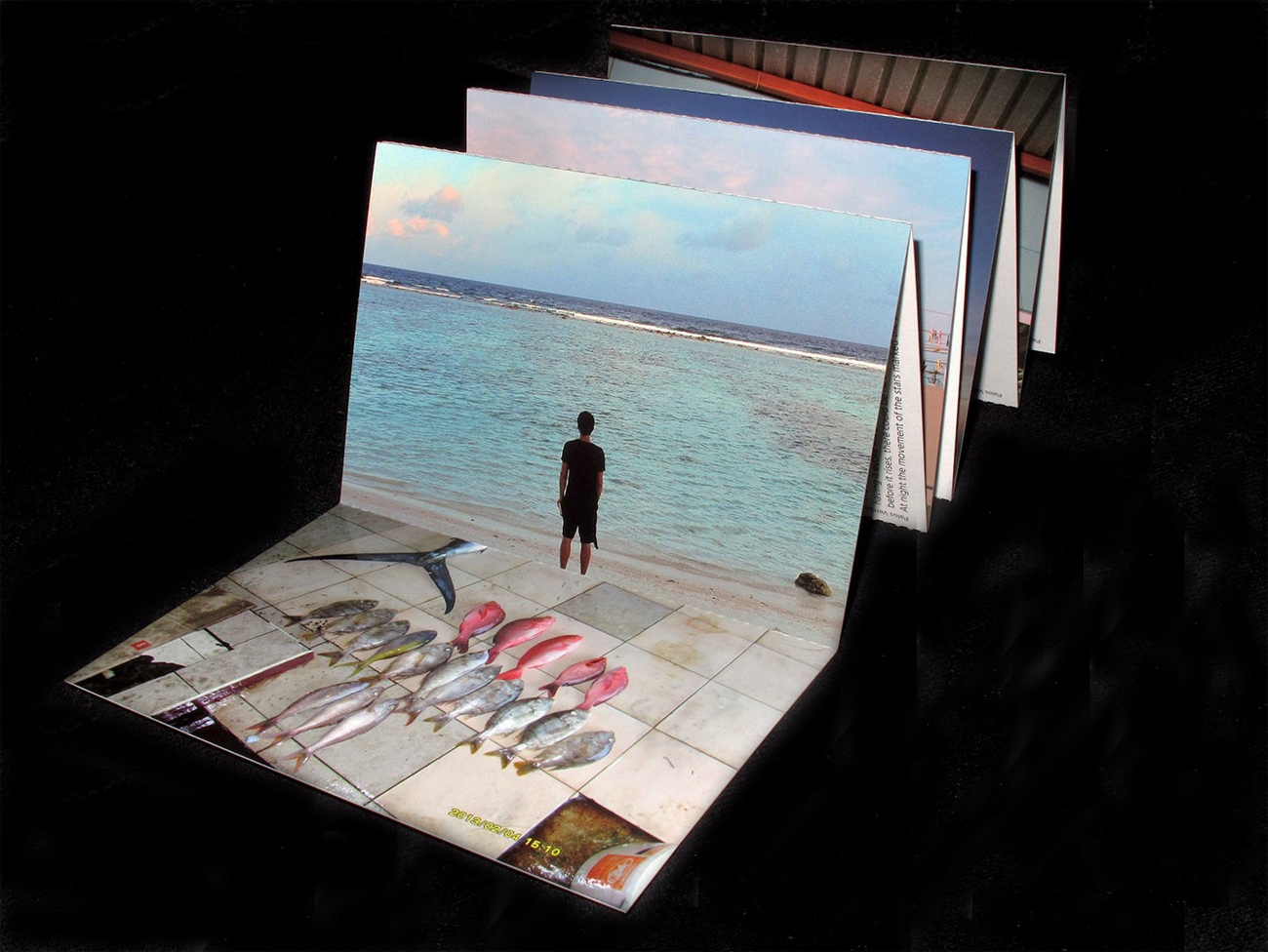 Motto Books’ The Distance of a Day by David Horvitz. Image from mottodistribution.com
Motto
Although not technically a publishing house, no list like this one would be complete without mentioning Motto Distribution. Offering substantial contribution to the publishing community, the company works beyond that of just a retailer, acting as a platform for small presses and self-publishers alike. Humbly beginning as a small distribution company for fanzines in Switzerland, Motto has since gone global, distributing over 150 publishers to more than 100 stores worldwide. Its two permanent bookshops – one in Berlin and another in Bergen – boast titles from local and international artists, and vary between homemade fanzines, to hand-bound photobooks on to professionally printed magazines. As well as serving as a leading distributor, Motto has also dabbled in co-publishing some of the titles presented in store. Sticking with a zine aesthetic, Motto’s collaborative publications are mainly soft-covered, stapled and simple and, in true zine fashion, can vary in content and medium. The partnership with Koyo Kouoh for “Body Talk” brings together photography and installation concentrating on femininity and sexuality while Motto and Zora Mann’s colouring book focuses exclusively on drawing. Motto’s work with Kasia Fudakowski uses architecture and painting whereas the publisher’s efforts with David Horvitz connect typography and photography. Rugged, individual and characteristic, each publication Motto associates with is filled with passion, and encourages the various presentations, launches and exhibitions that Motto also pioneers monthly.