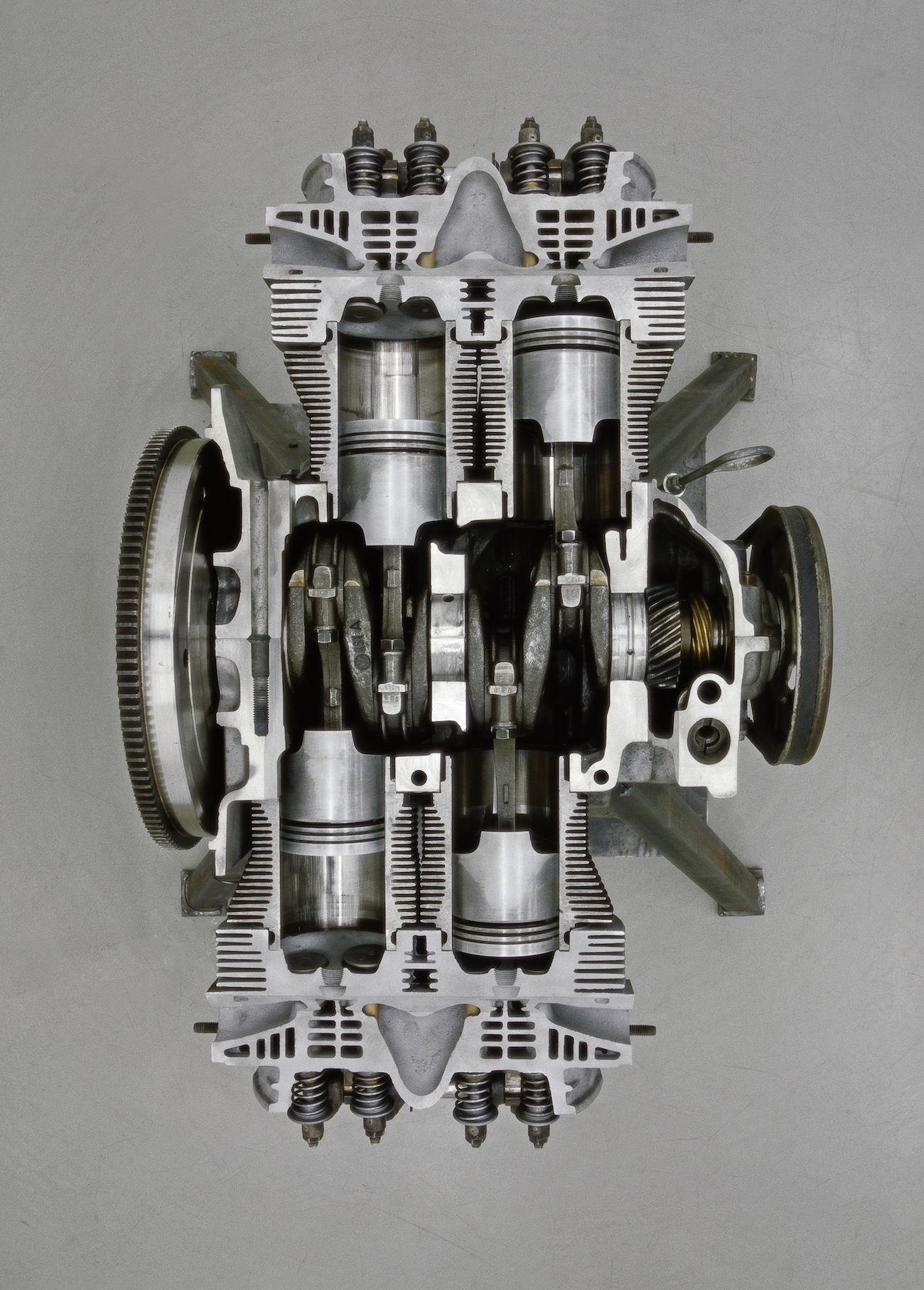
 Thomas Bayrle – Rosenkranz, 2009
Kunstbau München is currently showing an exhibition by Thomas Bayrle – one of the first German artists who worked with computers and technically generated imagery. He was also one of the German pioneers of pop art who influenced further generations of artists and whose works are shown in many established and famous collections all over the world. Sleek had a talk with the artist about the uniqueness of artworks and the embarrassment behind religion.
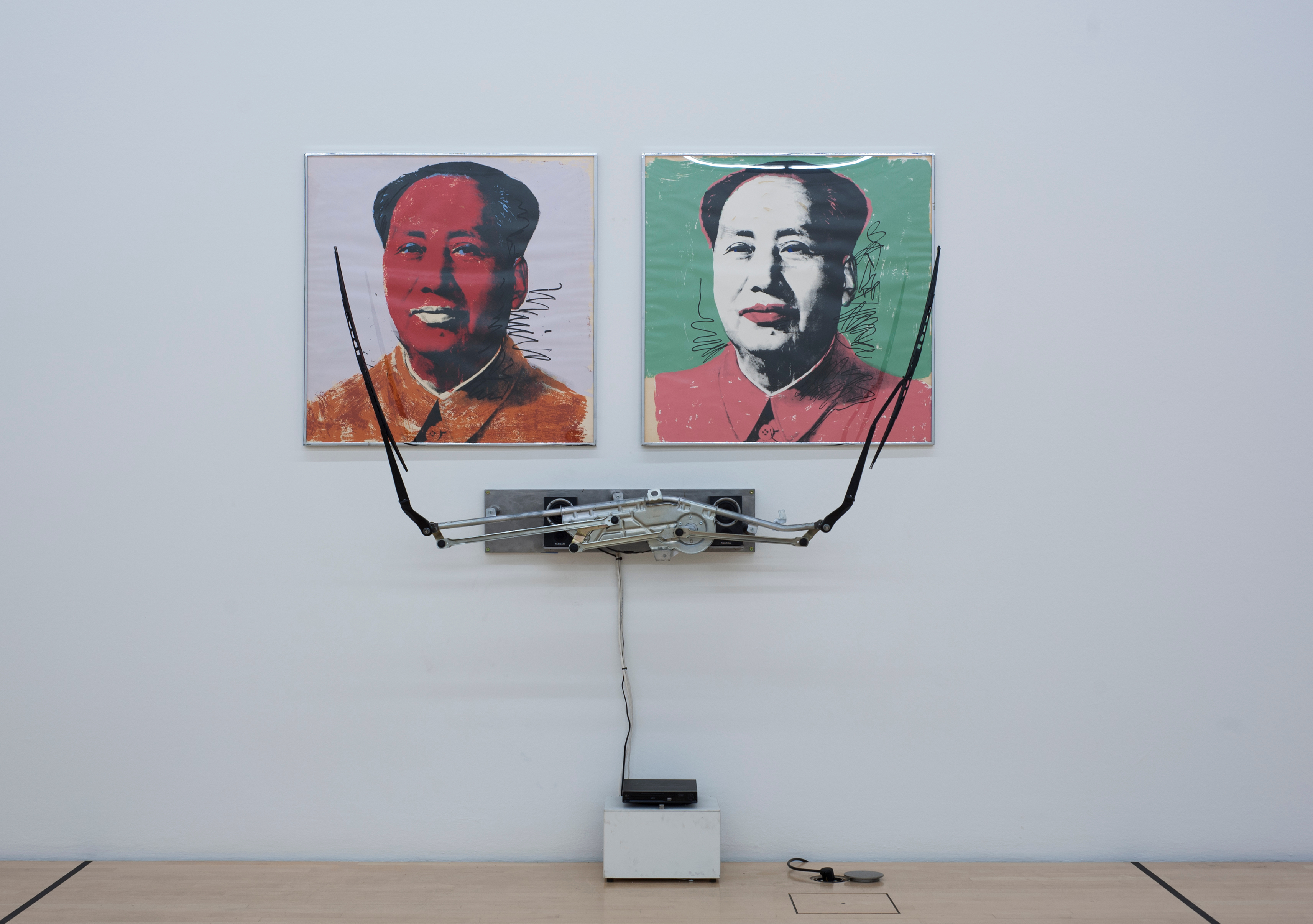 Thomas Bayrle – Conductor (Ford Galaxy Wiper), 2011
At that time computers were something completely new, something very interesting to explore and to work with. What would you advise young artists nowadays: to look for new media or to search for new ways of using the old ones?
Of course young artists should look at both sides! At both the individual aspect and the mass aspect of being. But what is that now philosophically? I do not believe in any radical sameness! I – and this is naive, like artists and children – only believe in similarity. Artists of our times should step into the great beautiful boredom of repetition and at the same time know that everything is singular! Everything stays original – there is no radical sameness even in billions of repetitions.
What do you think are the strongest social changes that took place in the art scene over the last 20 years?
It is embarrassing that god exists and we all know it and we all can’t express it without sounding reactionary. The great thing was total uncertainty – like quantum theory. Is there anything that is fixed? Hopefully not – us artists are not an insurance company. We hold a certain amount of fantasy and this will help us to survive.
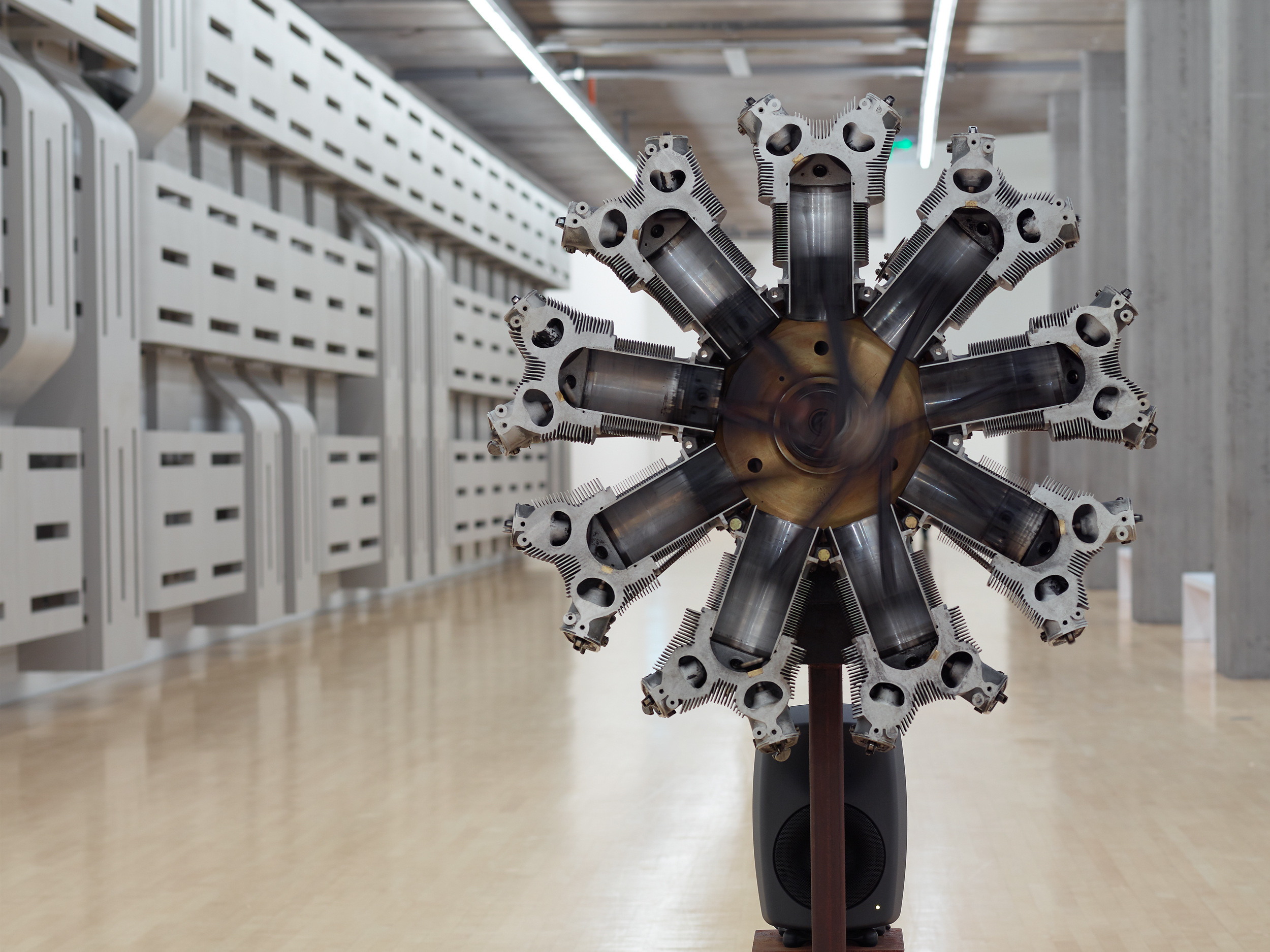 Thomas Bayrle – Monstranz, 2010
What media you have never used before would you like to try now? Again, even more embarrassing: I’ve never worked with the Bible. Johann Sebastian Bach and Dürer used it, and James Joyce had his.
Do you think it’s still important to look at art in person when everybody can check it online nowadays? Does personal experience yield something that the screens can’t? Oh yeah, both fields will continue, neither one will be better than the other. They’ll both be part of the same! Some things seem not allowed: to stay depressive, to stay in permanent vacation. Sorry: You have to work!
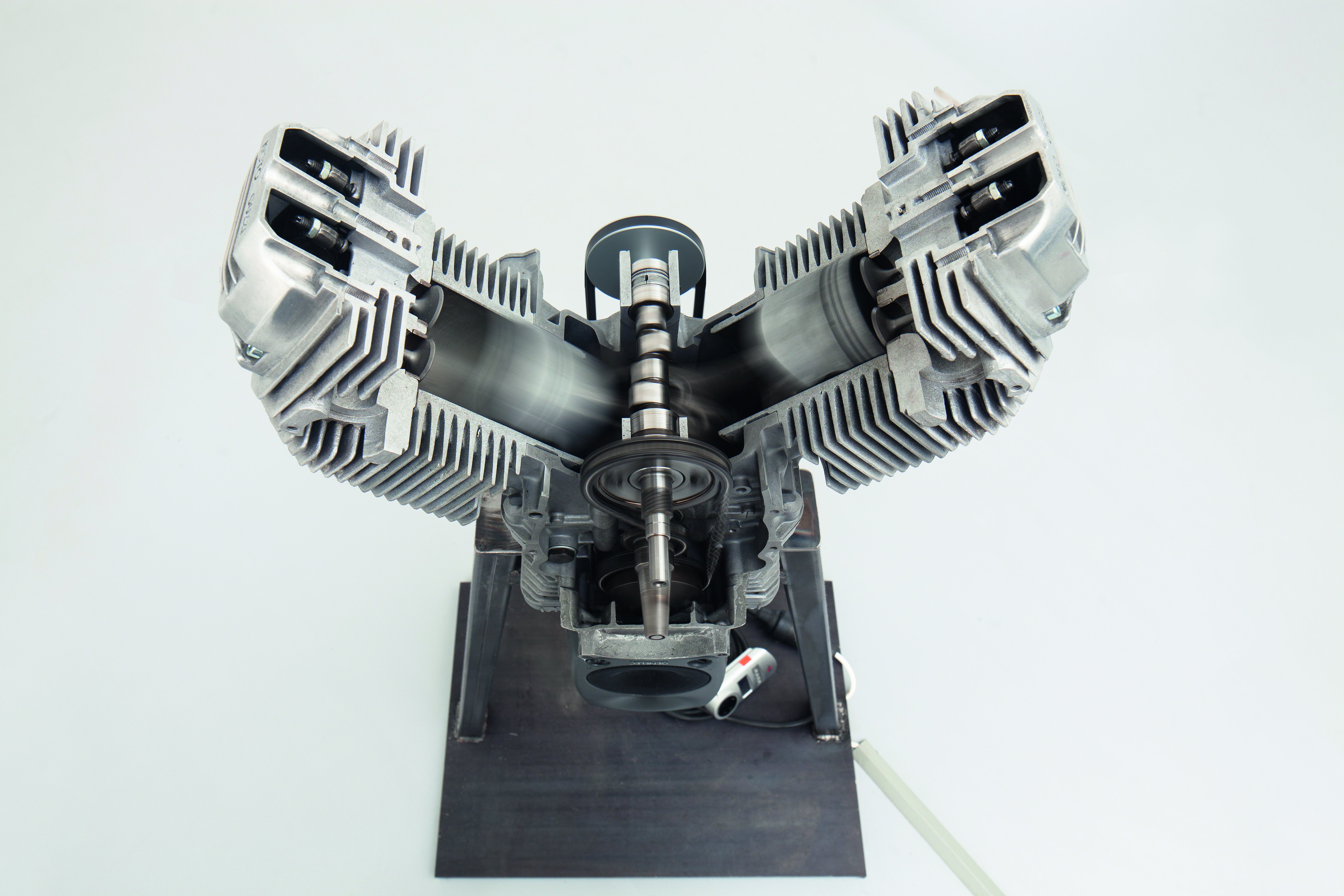 Thomas Bayrle – Rosario, 2012