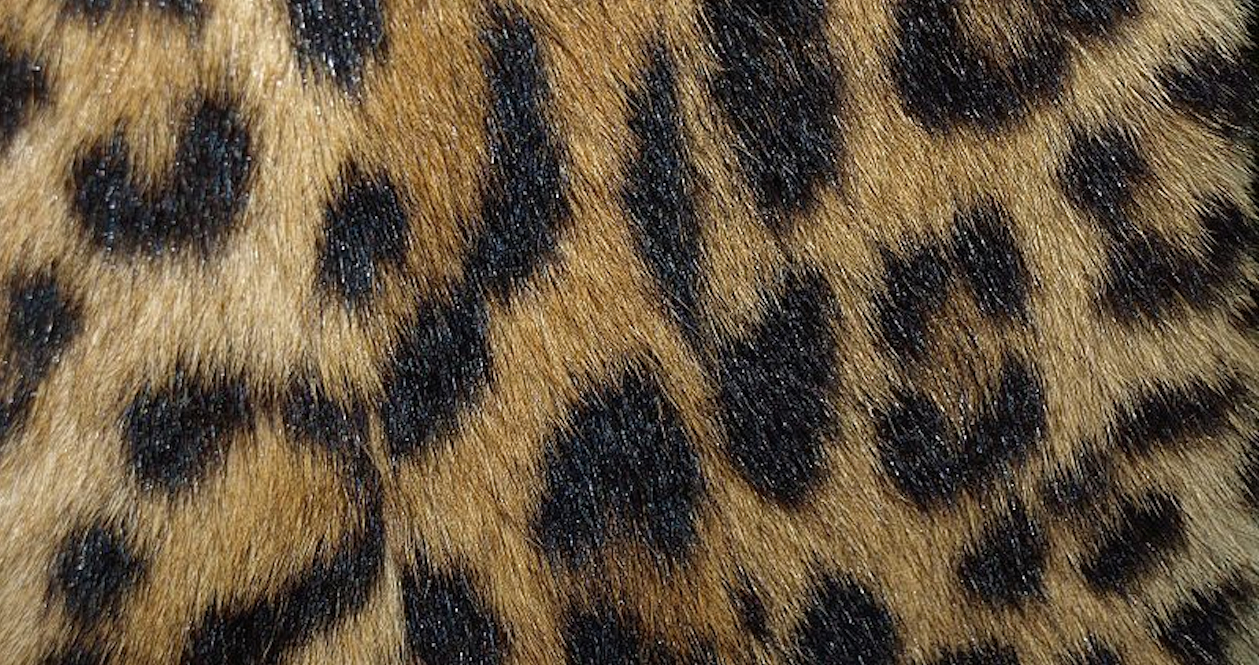
Nature is to fashion what polka-dots are to Yayoi Kusama. It’s sketched out the mythical femme fatale, characterised by her leopard print and leather, royalty in their Ermin lined robes and soldiers in their camouflage uniforms. The influence of nature over fashion is monumental (where would we be without florals for spring?) and many of the clothes it inspires are part of our vernacular for developing the world around us.
In a landmark exhibition held at the V&A Museum, curator Edwina Ehrman seeks to shed light on this fashion’s lasting romance with nature by exploring the historical ties between fashion and nature since the 16th century. Showcasing over 300 pieces, the one-of-a-kind exhibition presents clothing by Christian Dior, Dries van Noten and Stella McCartney alongside natural history specimens. The result is a thought provoking visual essay, which not only aims to impress, but also acts as a call to action, inviting visitors to evaluate their own impact on the world through the clothes they buy.
To celebrate this perfect pairing, we look at 5 of our favourite moments that fashion has fallen in love with nature.
Feathered Cape, Auguste Champot, ca. 1895
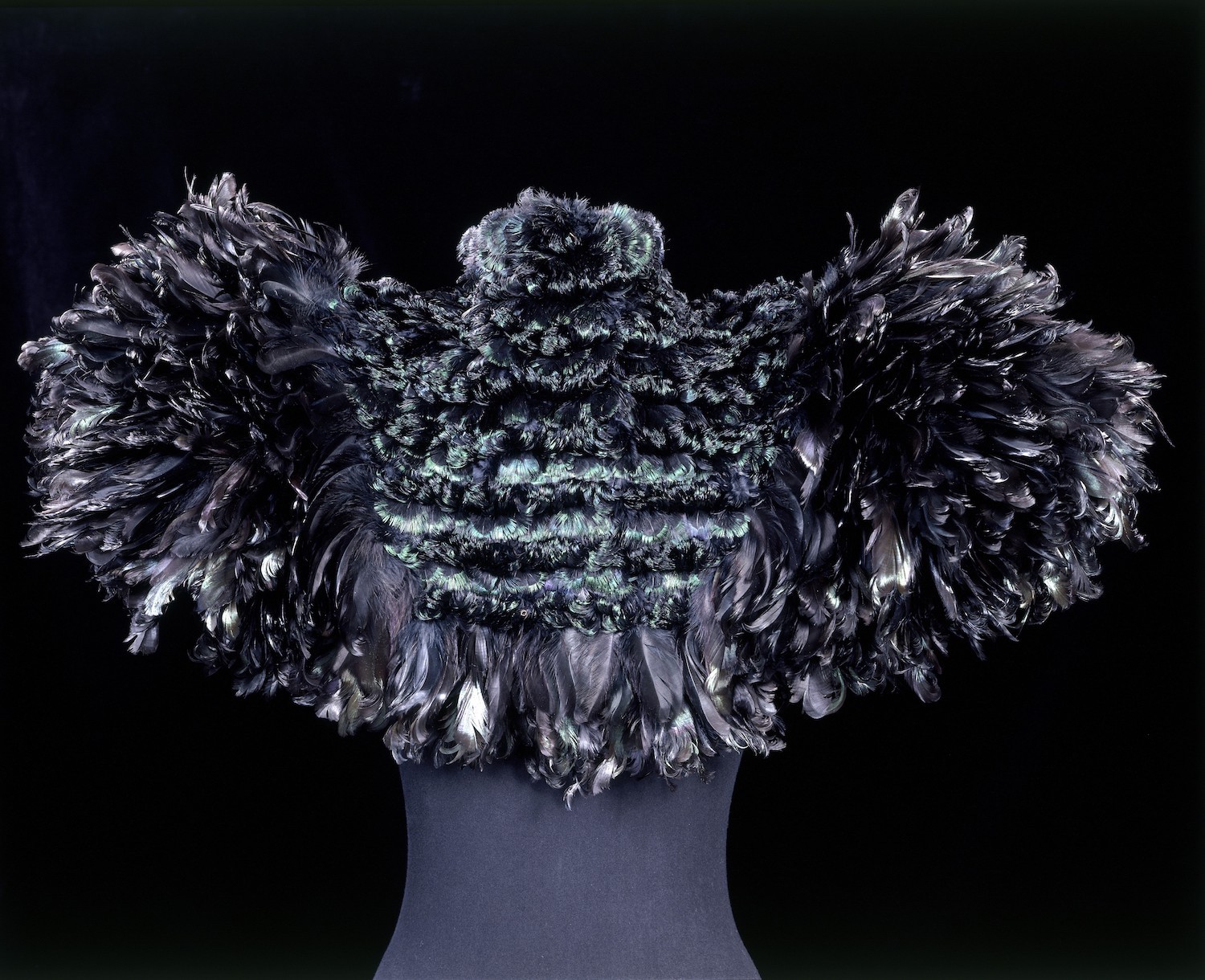 Cape of curled cockerel feathers, Auguste Champot, France, ca. 1895 © Victoria and Albert Museum, London
Plumage might generally be considered a glamorous adornment to clothing, reminiscent of ’20s showgirls and ’40s Hollywood bombshells, but this cape is different. Hailing from the 1890s, a time when, in line with a Victorian obsession with mortality, people turned the hair of their dead love ones into jewellery, the black feathers take on a more macabre, sartorial meaning. It’s a theme which has seeped into contemporary fashion — McQueen made a dress entirely of black feathers for his Fall 2010 collection as a romantic symbol of death, a theme he’s played on throughout his career. It may not seem like a casual garment, but this dramatic cockerel feather cape would not have been out of place on the promenade of the Bois de Boulogne in Paris, worn over huge leg of mutton sleeves to add to the gargantuan proportions of a woman’s outfit.
Embroidered Linen Jacket, 1620s
 Embroidered linen jacket, 1620s © Victoria and Albert Museum, London
Embroidery was one of the few ways to add detail to clothing in the 17th century, and nature was frequently called upon to inspire intricate needlework on gowns, stomachers and waistcoats. In the Elizabethan era embroidery also had symbolic power. Queen Elizabeth was often painted in gowns covered in secret meaning, The Rainbow Portrait (ca.1600) depicts a dress covered in pattern of ears and eyes to let the viewer know of her omnipresent status as Monarch of England. Traditionally, floral embroidery was indicative of youth and purity as seen on this linen jacket which would have been worn with a similarly decorated skirt.
Greenpeace Printed T-shirt, 1990s
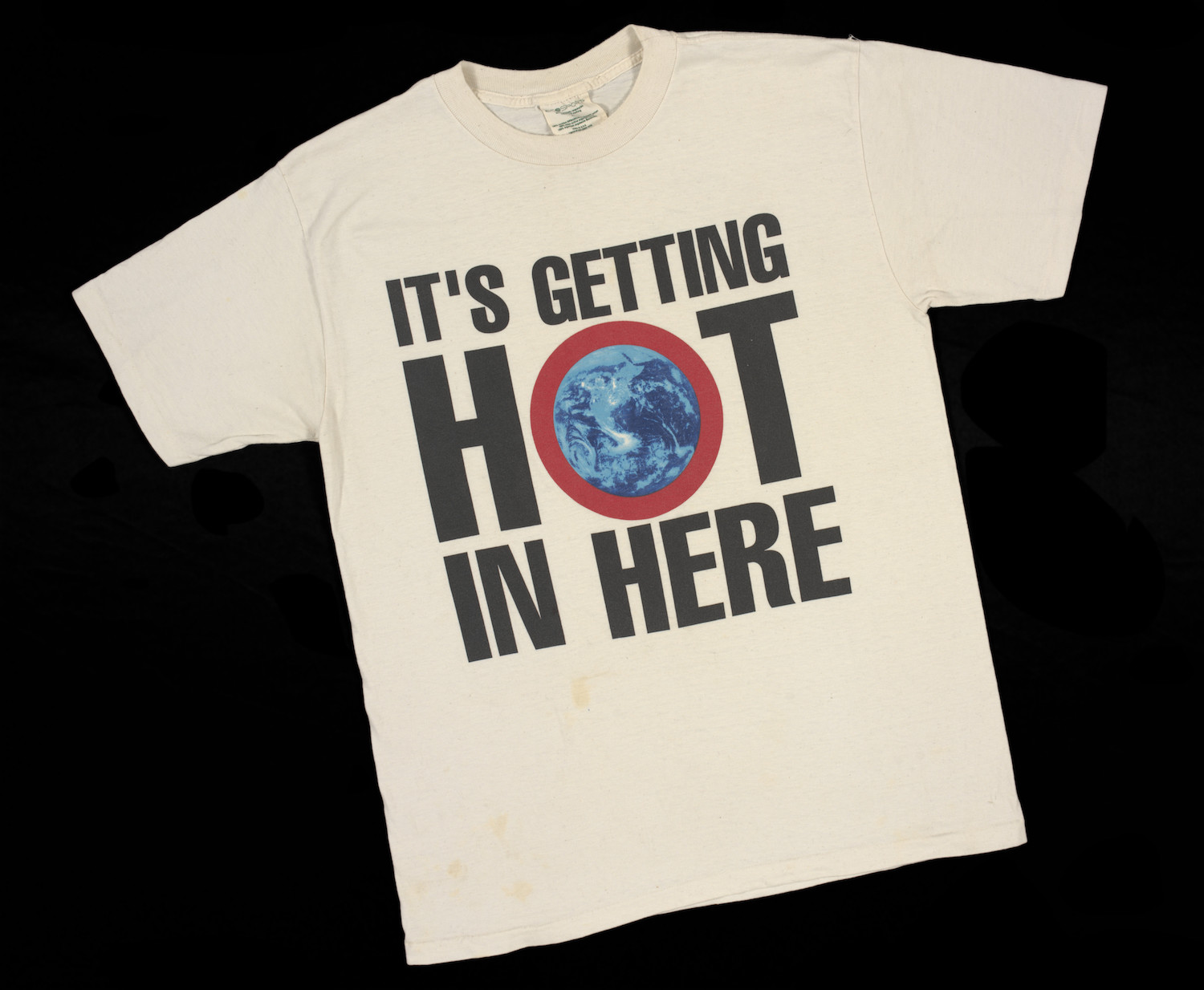 Greenpeace printed cotton t-shirt, Britain, 1990s © Victoria and Albert Museum, London
Greenpeace was the organisational body founded as a result of the new-world attitude that came out of the hippie movement in the ’60s, focussed on the protection of the natural world. This T-shirt, released in the ’90s, was part of a movement instigated by designer Katharine Hamnett, whose politically-motivated tees, stamped with slogans like ‘Choose Life,’ made waves in the ’80s. Greenpeace used it as a method to spread their message and motivate people to think about their treatment of the environment.
Camouflage Suit, Richard James, 1998
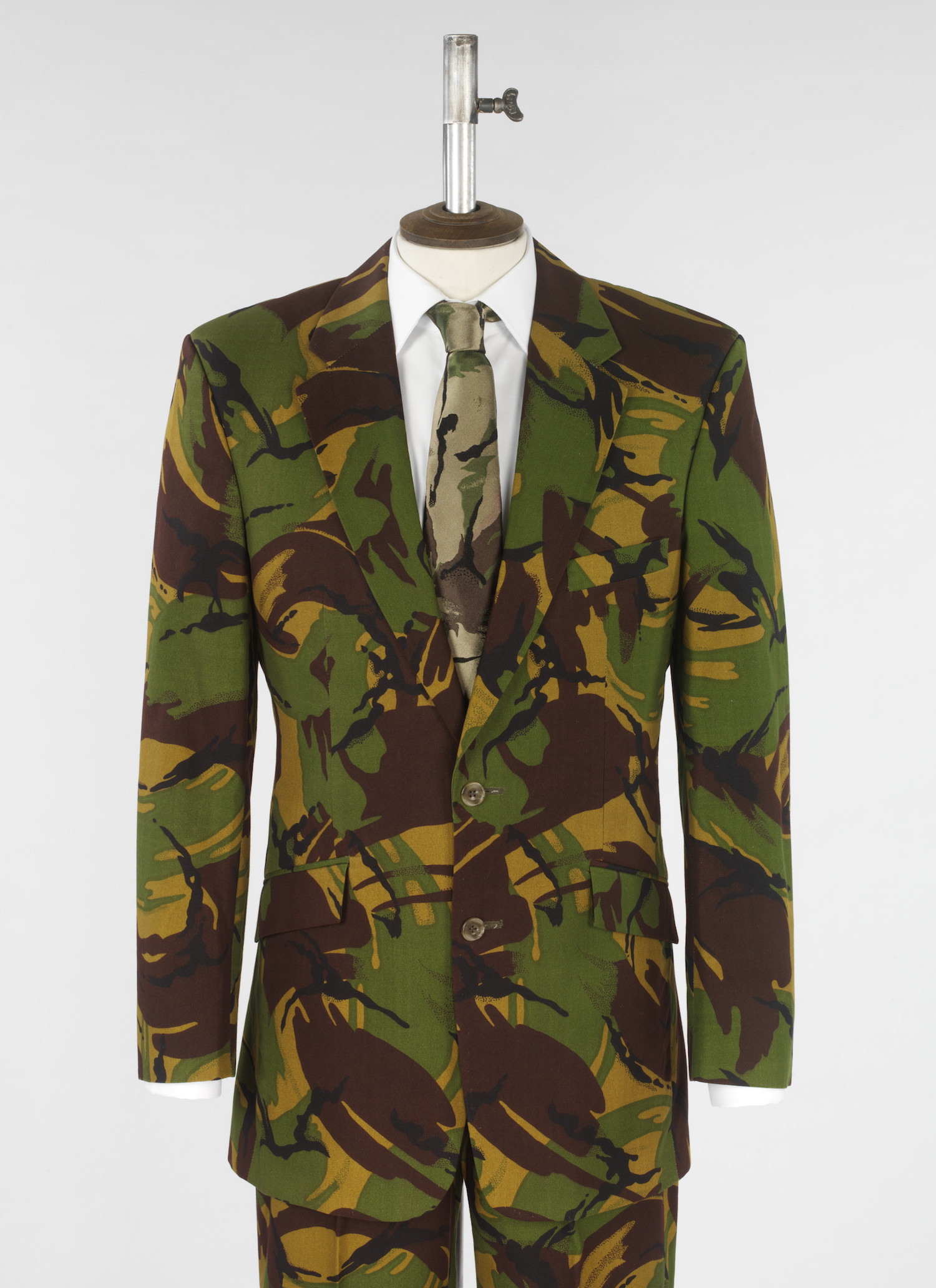 Suit, camouflage printed cotton, designed by Richard James, 1998 © Victoria and Albert Museum, London
Camouflage is a method taken straight from the animal kingdom. As weaponry developed and guns began to overtake other methods of warfare, the heroic sword duel became a rifle-ready bloodbath, and men in bright uniforms were easy targets for the opposition. Like the lizard in the sand or polar bear in the snow, military uniforms soon came to be dyed in accordance with their intended location. By the Second World War, the camouflage used on this Richard James suit had come into use on the battlefield. The playful paradox of James’ camouflage suit comes when its worn in the urban jungle.
Denim Jacket, G-Star RAW 2018
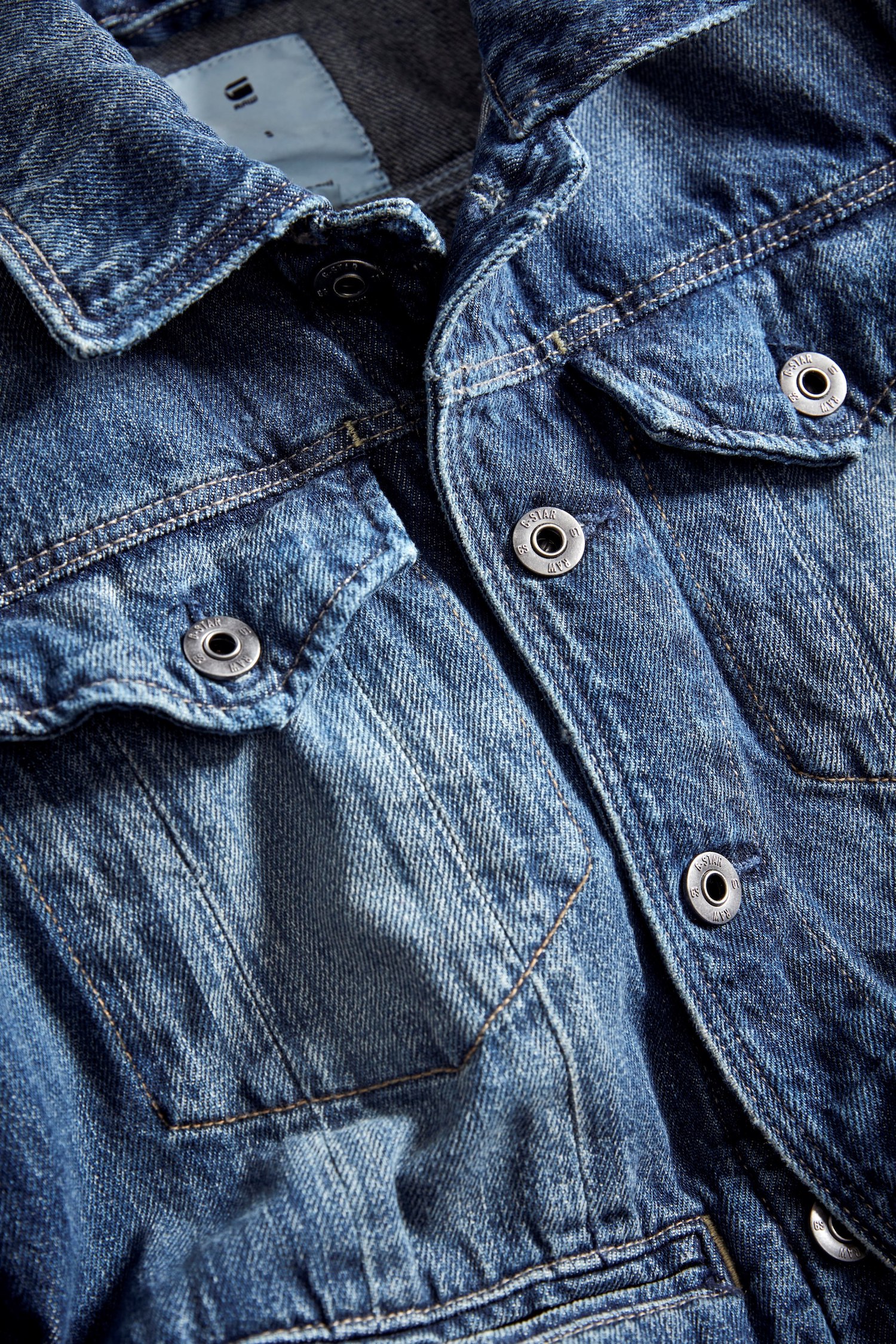 Denim Jacket, G-Star RAW 2018 courtesy of G-Star RAW
One item in the exhibition that may come as a surprise is a denim jacket by dutch brand, G-Star RAW, but the label is one of the biggest supporters of sustainable fashion working in the industry today. Denim has long been a fashion staple — starting out as durable American workwear, the material had gone on to shape the way we dress for decades. It’s as synonymous with subcultural movements as it is with high fashion. The brand’s SS18 denim range even found them praise from the Cradle to Cradle Products Innovation Institute, cementing their commitment to sustainability. G-Star RAW are part of a worldwide movement to reduce waste and educate people about the impact their shoppings have on the environment.