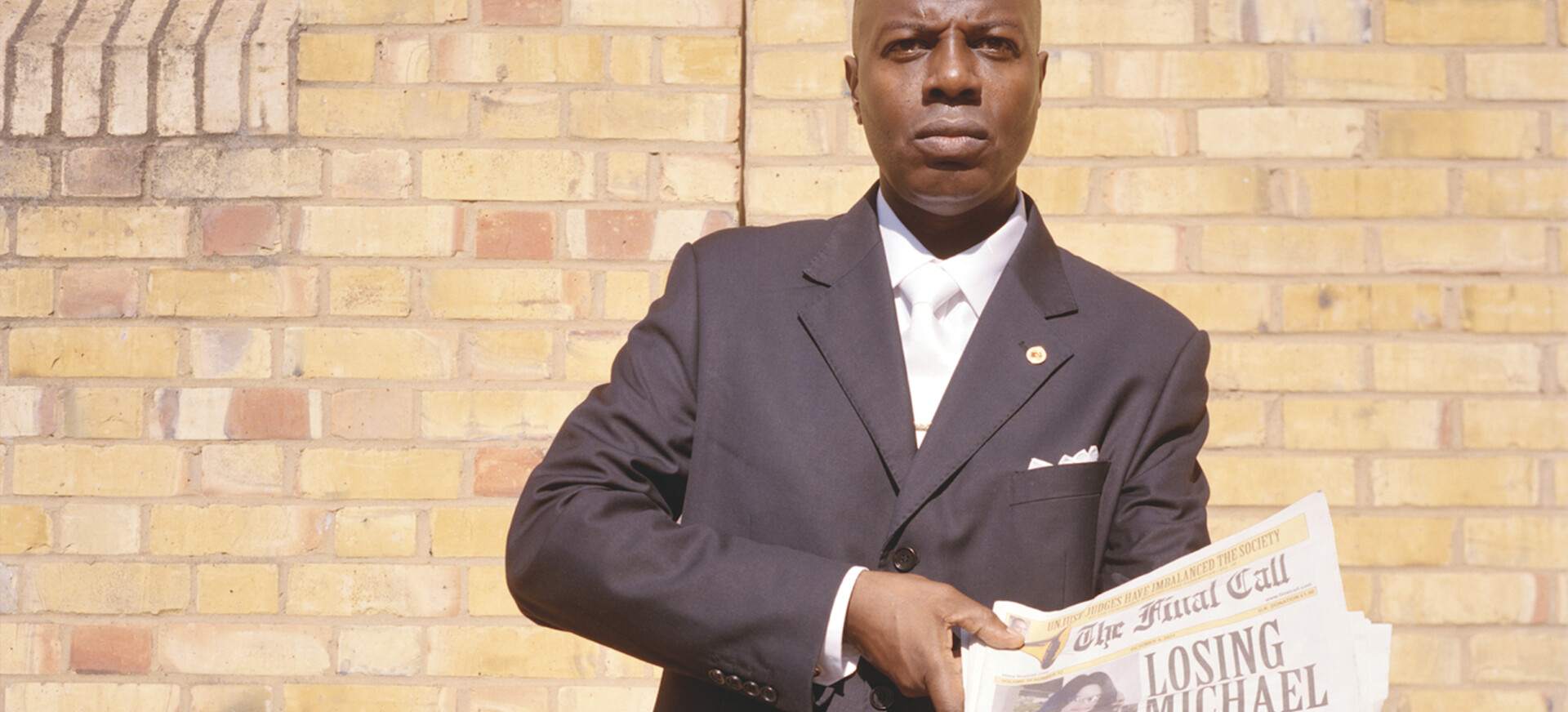

On 22 June 1948, the SS Empire Windrush arrived at Tilbury Docks in Essex carrying 492 Caribbean migrants who had been invited to assist with the UK’s post-war reconstruction. This 8000-mile voyage marked the beginning of a modern mass migration to the UK, and its passengers, along with those who followed them, have become known as the Windrush Generation.
70 years later, the extent of this group’s ill-treatment by recent governments is finally coming to light. In 2012, the then-home secretary, now prime minister, Theresa May, revealed in an interview with The Daily Telegraph her intention of creating “a really hostile environment for illegal migration” in Britian. In 2014, this objective became manifest in new immigration laws which were used — often unlawfully — to deport and detain members of the UK’s British-Caribbean population, who had been wrongly classified as illegal immigrants. Known as the Windrush Scandal, it made the injustices of British immigration policy plain for everyone to see.
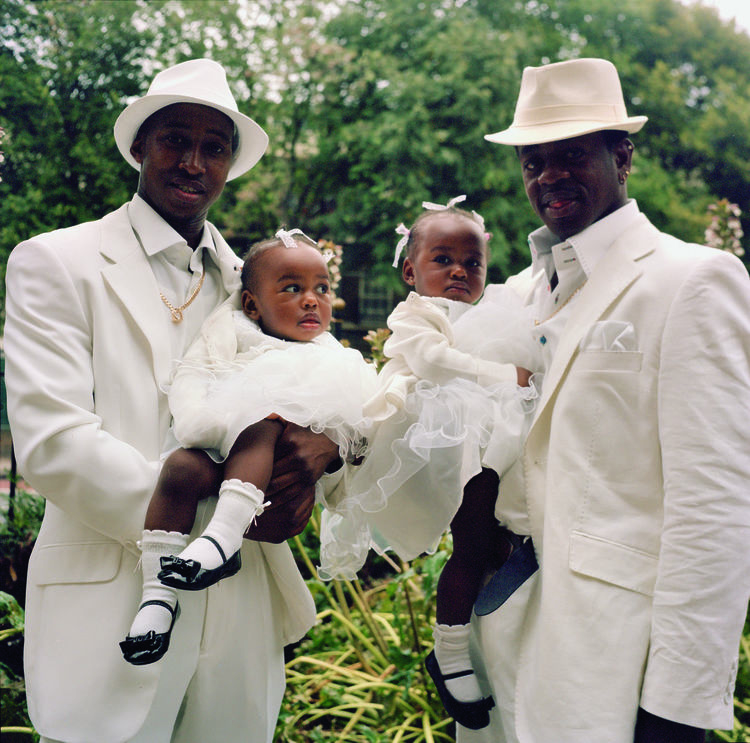
Nevertheless, one unintended consequence of this national outrage is that, in light of the anniversary of SS Empire Windrush, it’s given cause to celebrate and recognise this community. Such is the role of Russian-Ghanaian artist Liz Johnson Artur’s social documentary photography, which centres on London’s black diasporic communities. “It’s a slap in the face,” says Artur of the scandal, “I can’t say it any other way. These are people who’ve fought wars for this country; they consider themselves British; they call England their motherland – and then they’re treated like this.”
As a result of May’s “hostile environment”, migrants to the UK are being forced to prove their immigration status every time they want to access National Health Service doctors and hospital care, open a bank account or rent a home. “I know people who’ve maybe only been to Jamaica once or twice but are suddenly being told that’s where they belong,” Artur stresses. It’s instances like these that are breeding a culture of fear in London, and across the UK. “This ‘hostile environ- ment’ is truly hostile,” she asserts, “it’s dehumanising — and more than that, it’s arrogant. After Brexit you had this thing of ‘we don’t need the EU, we have the Com- monwealth’, but then you’re doing this to people you’re calling part of your family.”
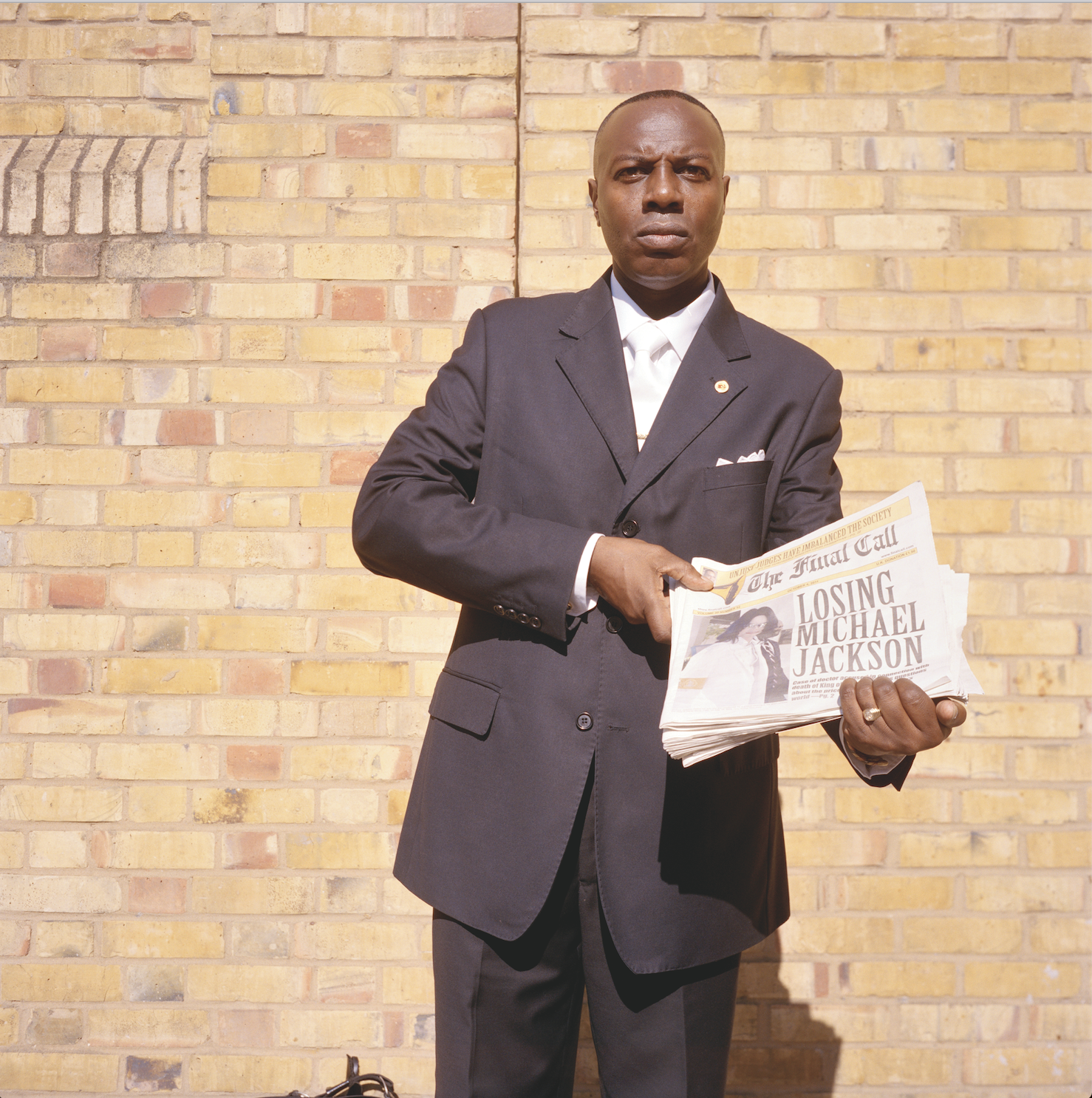
Sparked in the press by a November 2017 interview in The Guardian with 61-year-old Paulette Wilson, who, having lived in the UK for 50 years, was nearly forcibly removed from the country on a chartered flight before last-minute legal intervention, the Windrush Scandal has not left headlines since. Indeed, stories such as Wilson’s are far from isolated, as Artur is quick to point out. “For all the people The Guardian
has printed, I can give you five others exactly the same way, or worse off,” she maintains, continually asserting the gravity of the situation on the ground. “The after- shocks of these grand decisions immediately affect people’s lives. If you have a hostile environment, it hits people straight away — you can’t get your pension, you’re losing your house, you’re losing your job, you might get deported. It’s not something where you can say ‘we’ll see what happens,’ it happens straight away.”
Due to its large British-Caribbean population, London has been particularly affected by the Windrush Scandal. “In London, if you know your neigh- bours, you will know someone affected by this,” she says. Artur’s images convey this reality with urgency. One of the most captivating parts of her output is the 2018 video “Real…Times”, which was recently on show at the Gabi Ngcobo-curated Berlin Bienniale. Playing out over various sequences of footage filmed in London this year, the work is a candid exploration of the nuances of black British identity. As it interweaves different diasporic narratives — from the millennial qualms voiced by South London’s Born N Bread collective, to large-scale Black Lives Matter rallies — the work is a jarring reminder of the UK’s current climate and the trials and uncertainties faced by the Windrush Generation and its descendants. It’s reminiscent of Artur’s photographs, too: startlingly relevant, speaking directly of the now and immortalising a crucial moment in the UK’s collective cultural consciousness.
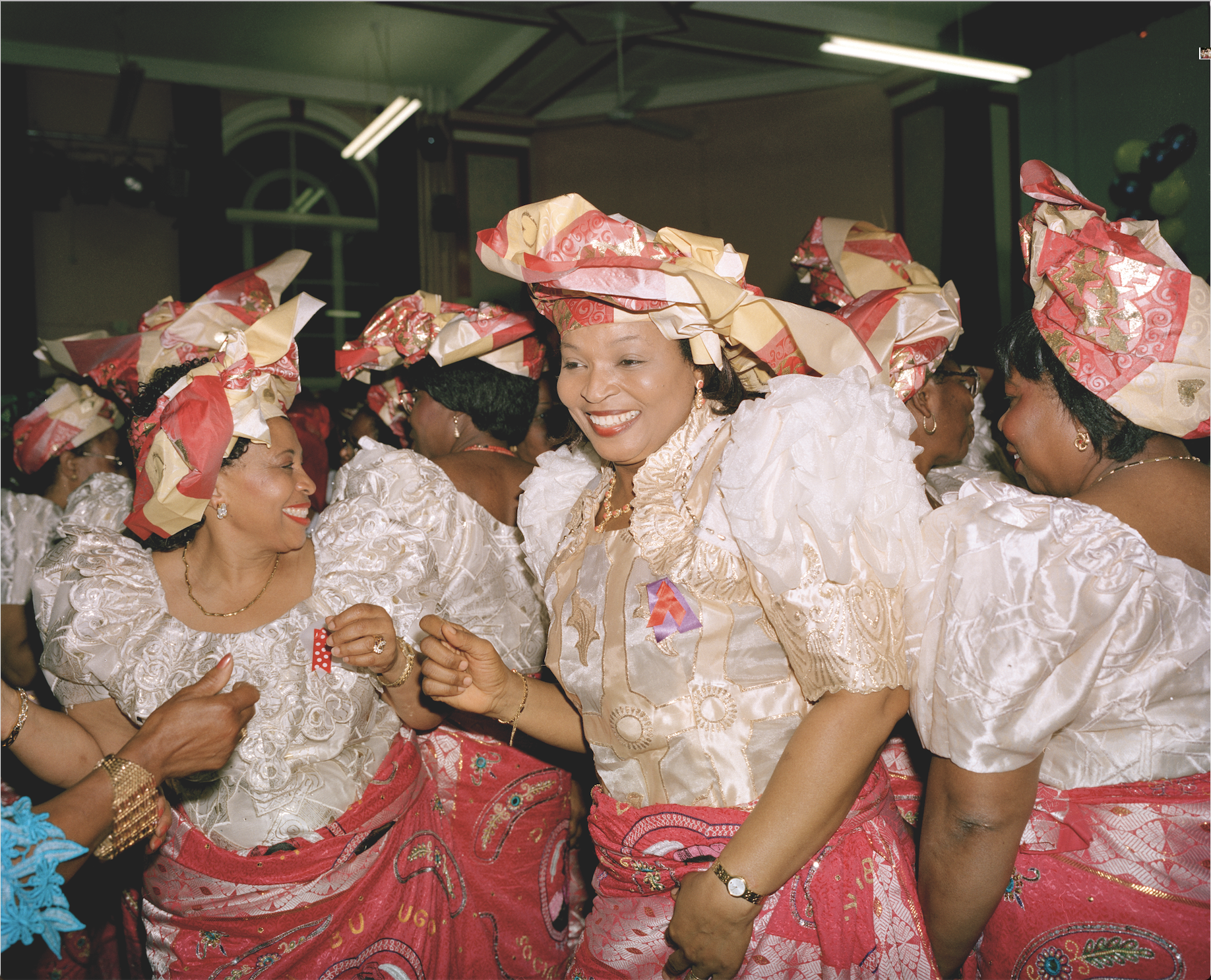
But this London, characterised by feelings of outrage, disquiet and systemic injustice, is worlds apart from the city Artur encountered when she first moved to Peckham 27 years ago. Growing up in rural Germany, and having been brought up single-handedly by her white Russian mother, Artur had no real access to the black identity she inherited from her Ghanaian father, but that all changed when she came to England. “I thought I’d stay for a year,” she remembers, “but London was a revelation. I felt so liberated.” The UK capital taught Artur about the side of her cultural heritage that had been previously closed off to her. “I spent most of my childhood travelling to East Germany, and to Russia, on to the Soviet Union and different Eastern Bloc countries, so I’d never really been around black communities – London gave me access to that.” It was the vibrancy and openness of Londoners that sparked Artur’s infatuation with the city and its people, and her motive to photograph them.
Although London has changed tremendously in the last three decades — “I could never even get a taxi to Peckham, but now it’s the hippest place in London,” Artur remembers — there’s one thing that’s remained constant: the diversity of the city. “The way people live, black or white, they live together,” Artur explains matter-of-factly“If you’re my neighbour, you’re my neighbour.”
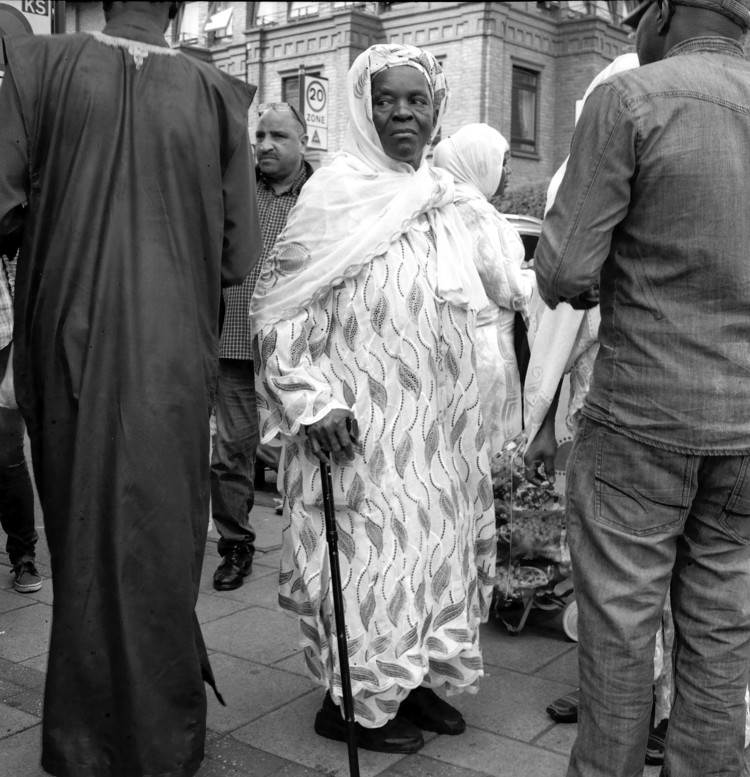
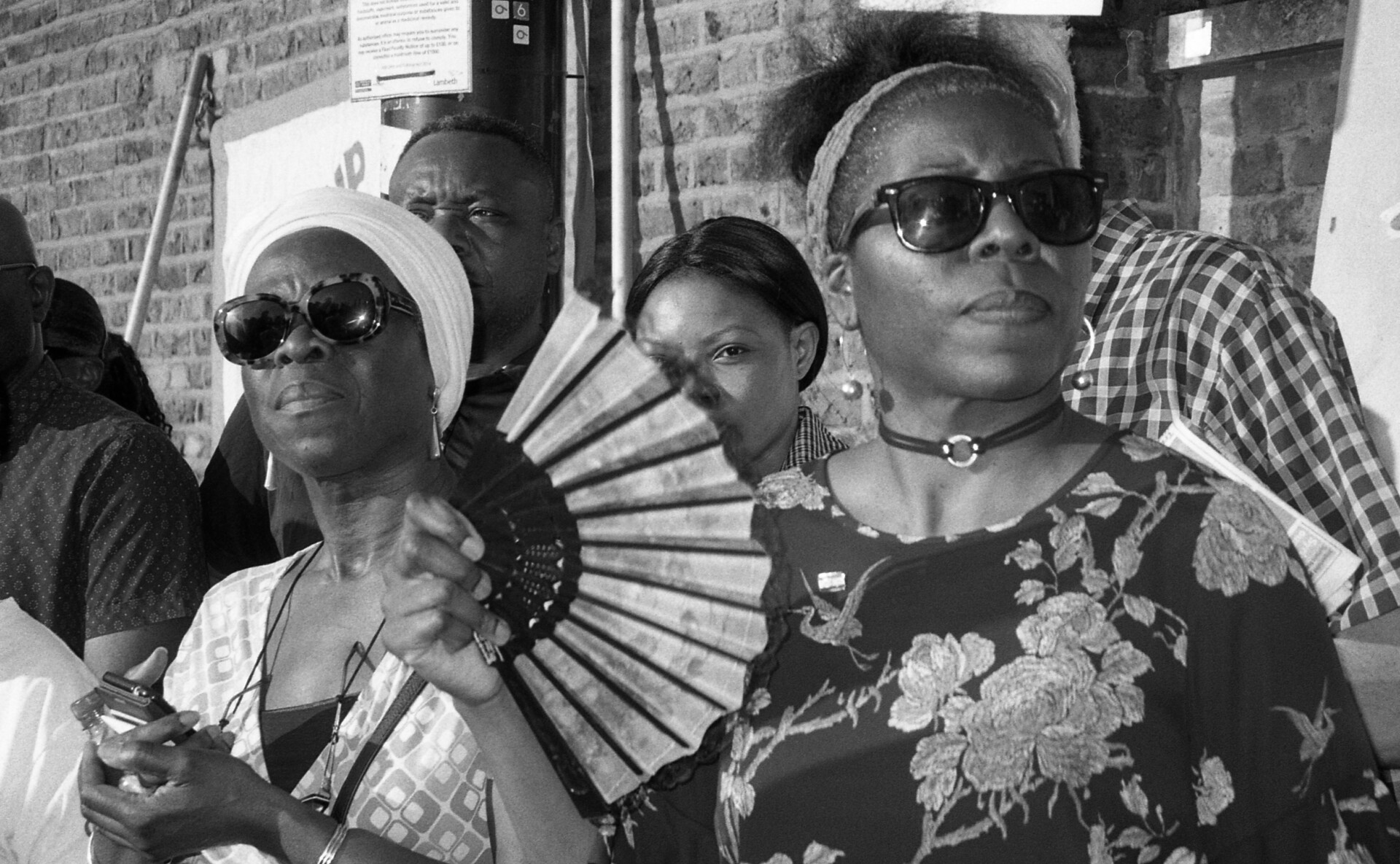
It’s undoubtedly a consequence of colonialism, but London’s multiculturalism gives the city its essence, and it’s a feeling that’s unparalleled in any other European capital. “I grew up in Germany, and f you’re a foreigner, you definitely know about it. In London, these people have truly rooted in London in a way you don’t see anywhere else.” As Artur rightly points out, it’s largely down to the structure of the city, where, in an effort to create affordable social housing, post-Second World War governments built large-scale council properties across now-central areas of London. “You have very rich neighbourhoods next to council estates,” Artur affirms, “and that’s so important. People need to be able to see one another, so they can relate to one another.” And in London, they do.
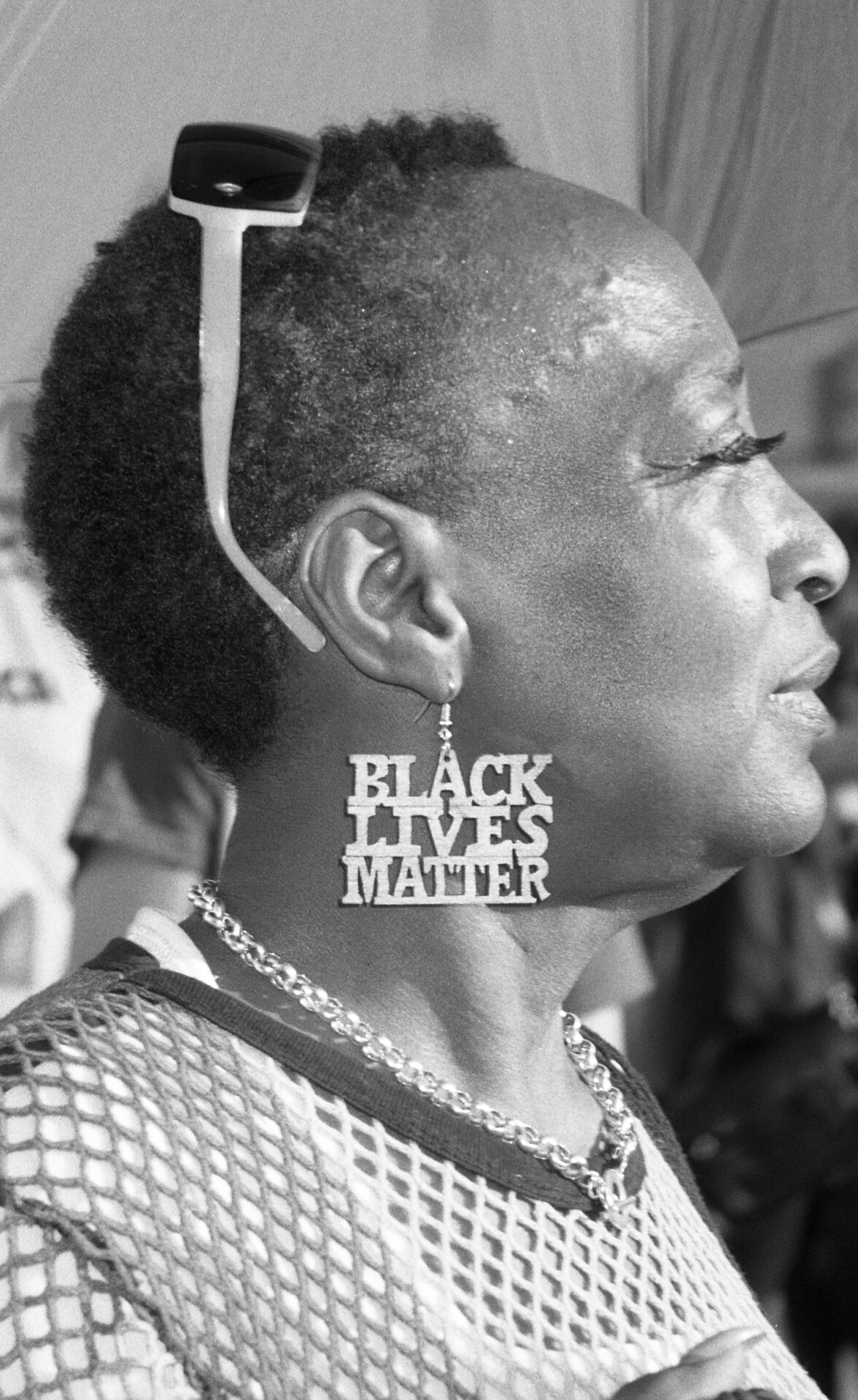
That’s why even though Artur’s London photographs focus exclusively on its black communities, they resonate with anyone who knows the city at all. In one beautifully composed still from her Real…Times video, a woman is shown in profile, ornamented with huge dangling earrings which plainly profess that BLACK LIVES MATTER. She’s wearing a symbol of her diasporic identity: a net t-shirt dress in the colour of the Jamaican flag that’s become so prolific in London that it’s recognisable even in black and white. These truly are photographs that speak of the everyday, of what life is really like in the UK capital. Artur’s images are, of course, political; but above everything else, they’re about representation. “I’m not interested in trying to make a political agenda,” she assures, “because it’s an everyday agenda for these people. The problem with the media is that it’s not representing what London represents: I want to show the reality of the people who are never really talked about when people talk about London.”
All images courtesy of the artist.
Taken from SLEEK 59.