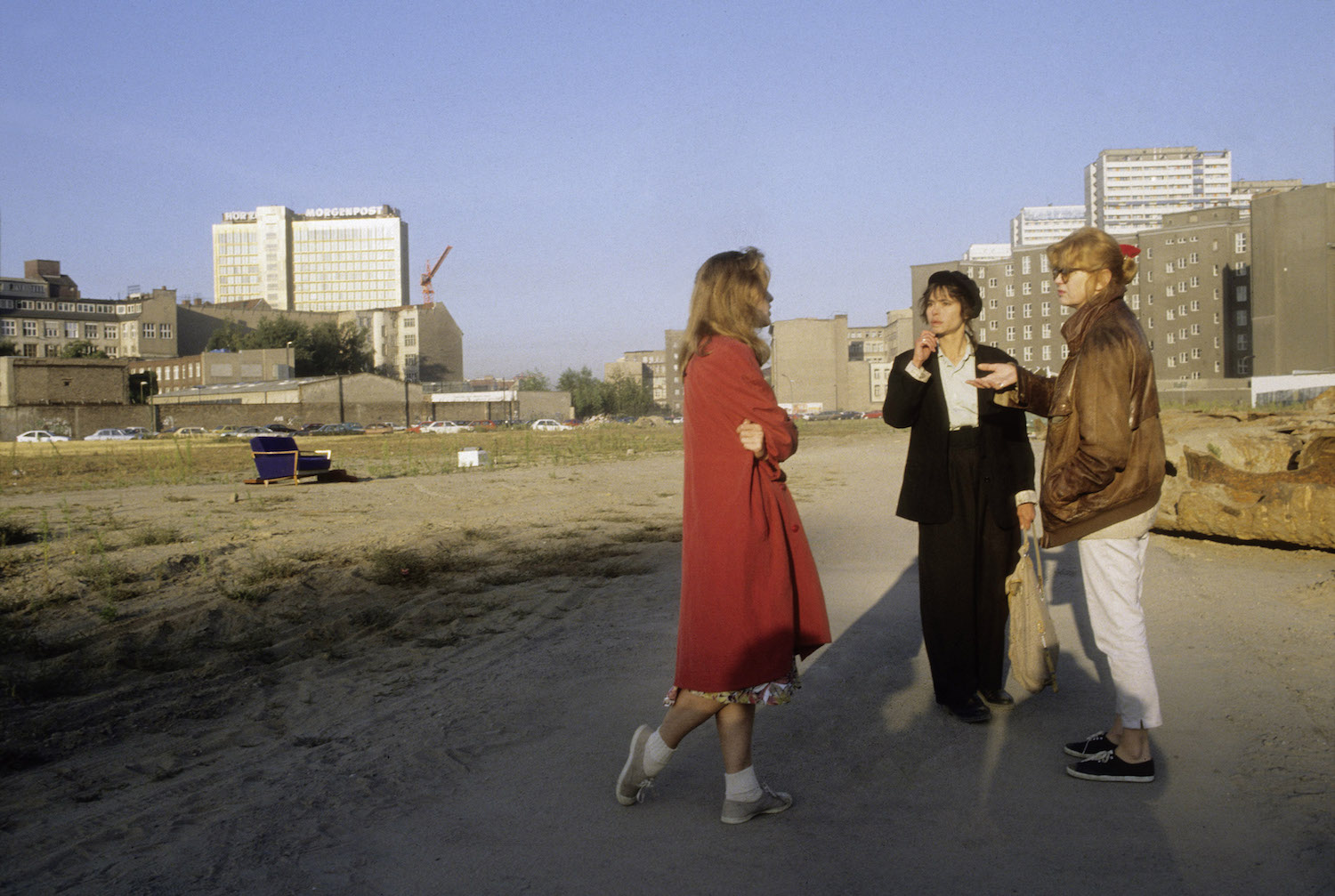
Never Sleep Again (1992), 1428 Films.
Showcasing narrative features and documentaries from former East and West Germany as well as films from after the reunification, this year’s Berlinale retrospective gives a vital insight into the all-to-often-overlooked contributions to cinema by German female filmmakers. Each of the represented filmmakers are committed to presenting their unique vision on screen, one that is rooted in the exploration of their environments and is frequently hinged on their personal experiences. Encompassing 26 feature-length films as well as 20 shorts, Retrospective 2019: Self-determined. Perspectives of Women Filmmakers is a necessary celebration of these female visionaries’ achievements — we urge you to get out and see these smart, thought-provoking and boundary-pushing films while you can. Here are our picks:
Malou (1981) — Jeanine Meerapfel
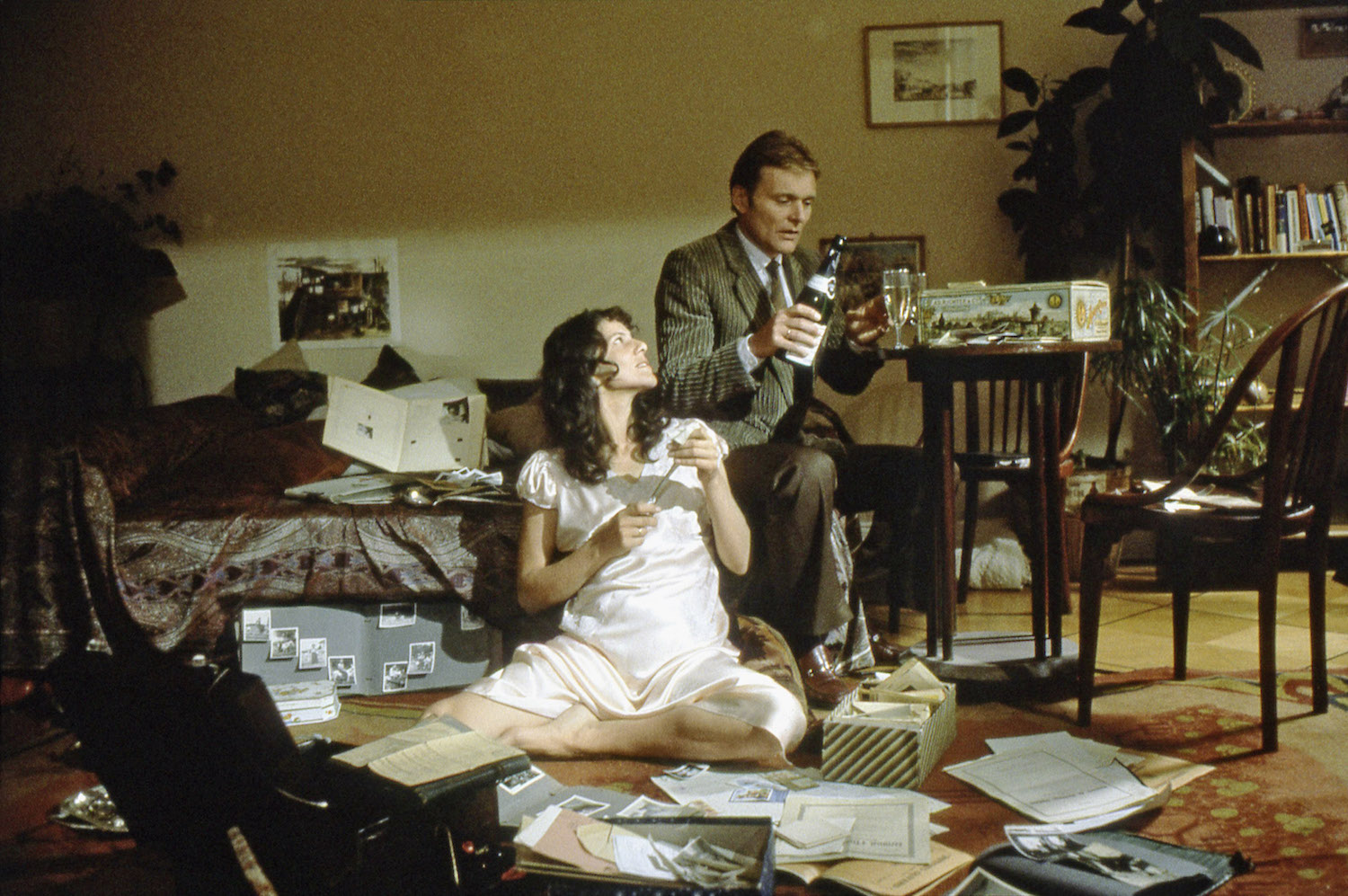
Malou (1981).
Malou is the debut semi-autobiographical feature film from German-Argentinian director Jeanine Meerapfel. Malou follows Hannah, born to a French mother, who converted to Judaism when she married Hannah’s German father. The couple were forced to flee Germany in 1933 and moved to Argentina, where Hannah was born. The film traces the lives of these two women — Hannah, who now lives in West Berlin with her architect husband, Martin and her mother Malou, a one-time nightclub singer who descends into a life of alcoholism and melodrama.
The Cat Has Nine Lives (1968) — Ula Stöckl

The Cat Has Nine Lives (1968).
On graduating from the Ulm School of Design, Ula Stöckl presented The Cat Has Nine Lives — an extraordinarily forward-thinking feature, dubbed West Germany’s “first feminist film”. In the style of a cinematic essay, Stöckl weaves together the perspectives of five different women: an unmarried professional, a divorcee confused about her future, a career woman, a deceived wife, and a “dream woman”. A pioneering visionary in feminist filmmaking, Stöckl is an expert in bringing the everyday experiences of women into the spotlight.
Never Sleep Again (1992) — Pia Frankenberg
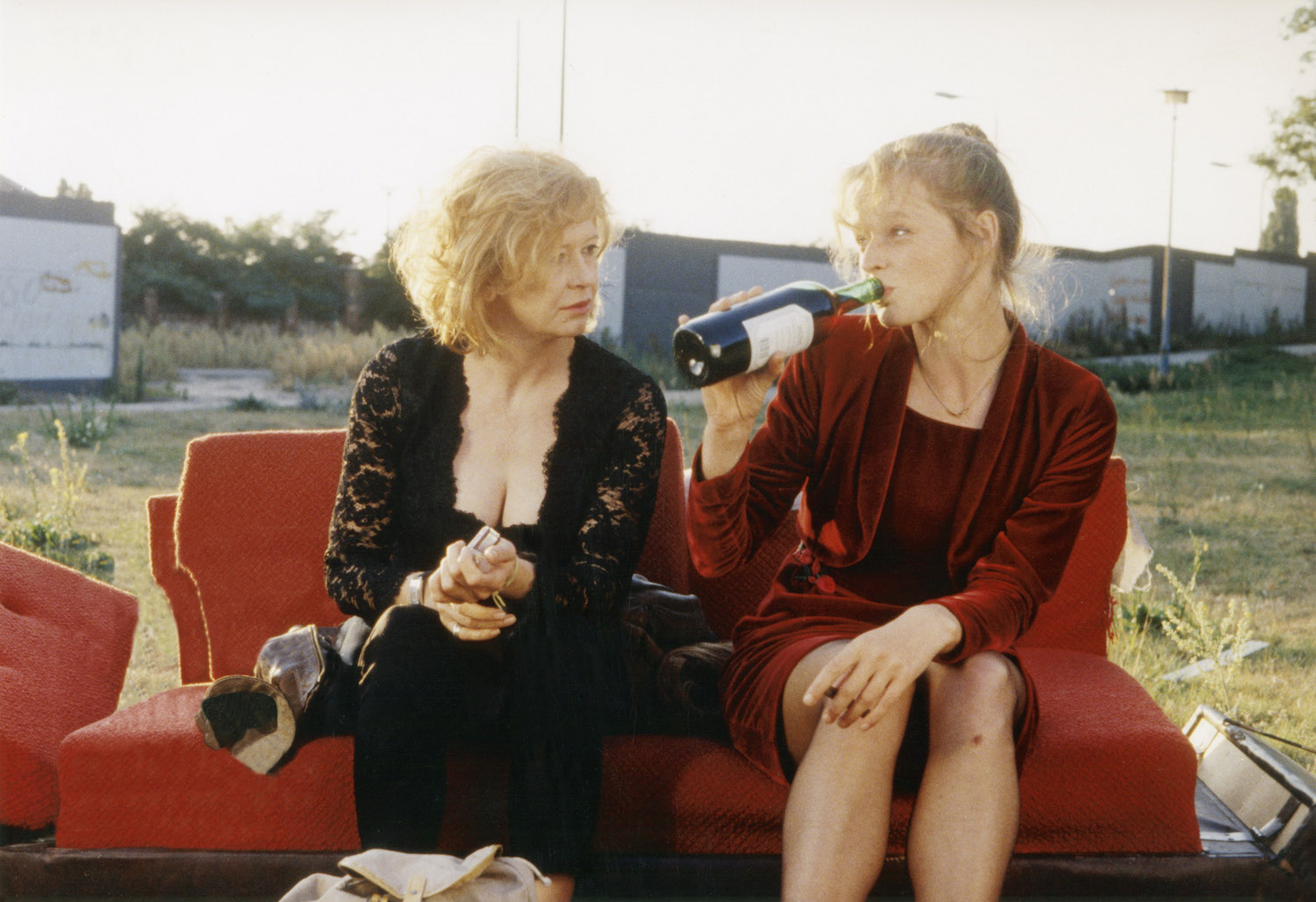
Never Sleep Again (1992).
Scripted, directed and produced by the Cologne-born filmmaker, Never Sleep Again is Frankenberg’s most experimental feature and also her last directorial outing (before moving into production). The film follows three female friends, who are making their way to a wedding when their car breaks down. They wander through the streets of East Berlin, roaming in and out of bars meeting men. A spirited and rebellious tale of female adventure.
Daughters of Two Worlds (1991) — Serap Berrakkarasu
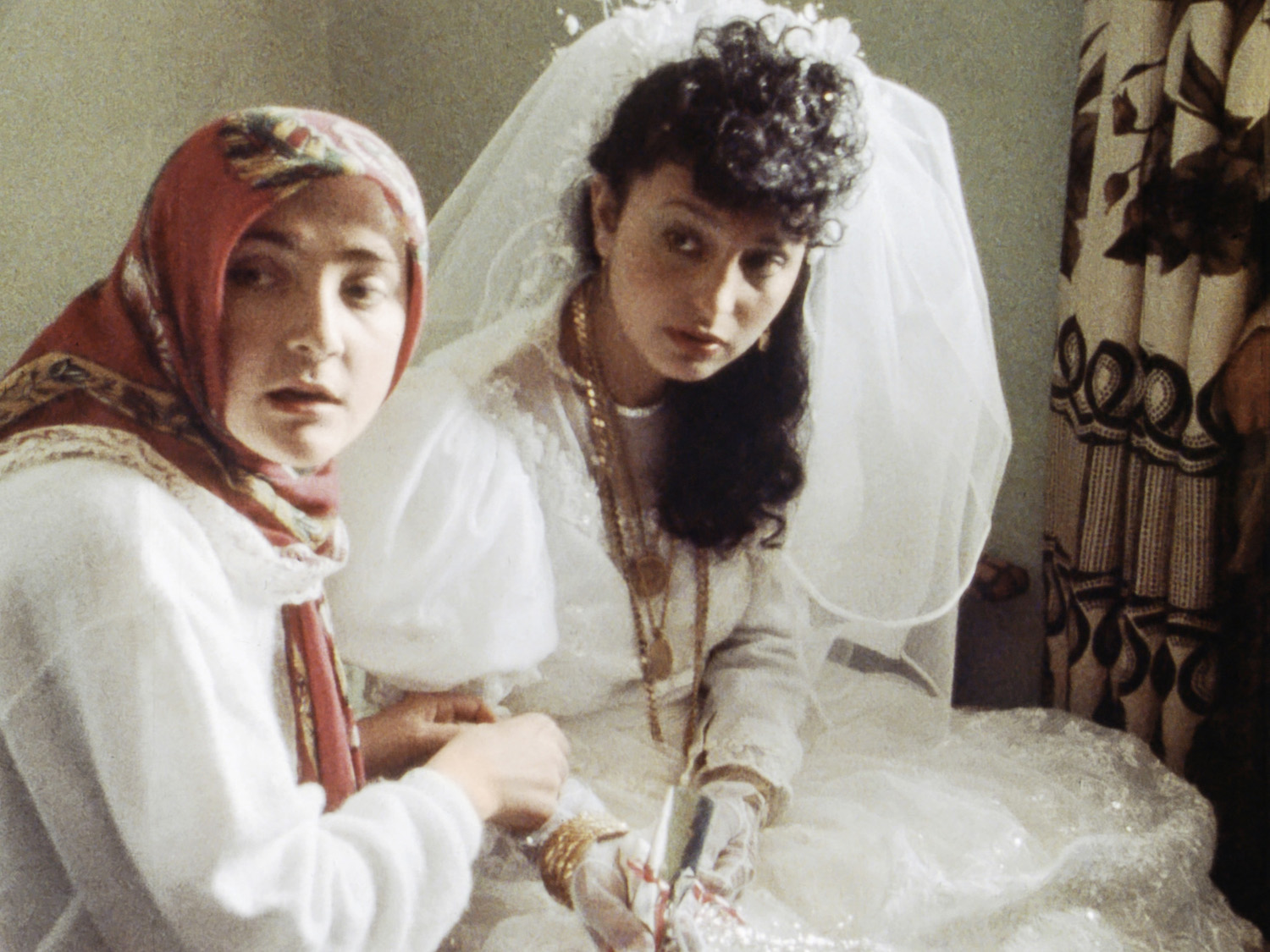
Daughters of Two Worlds (1991).
German-Turkish filmmaker Serap Berrakkarasu’s documentary, Daughters of Two Worlds, explores the shared but different experiences of a Turkish mother and daughter duo living in Germany, who the director met at a women’s shelter in Lübeck. The 24-year-old daughter Meral works as a hairdresser and doesn’t follow the Turkish traditions of her family, and narrowly avoiding arranged marriage. The film narrates their disparate viewpoints through an imagined shared conversation that provides insight into the lives of women who must forge their own way in spite of difficult circumstances.
Inside the Whale (1985) — Doris Dörrie
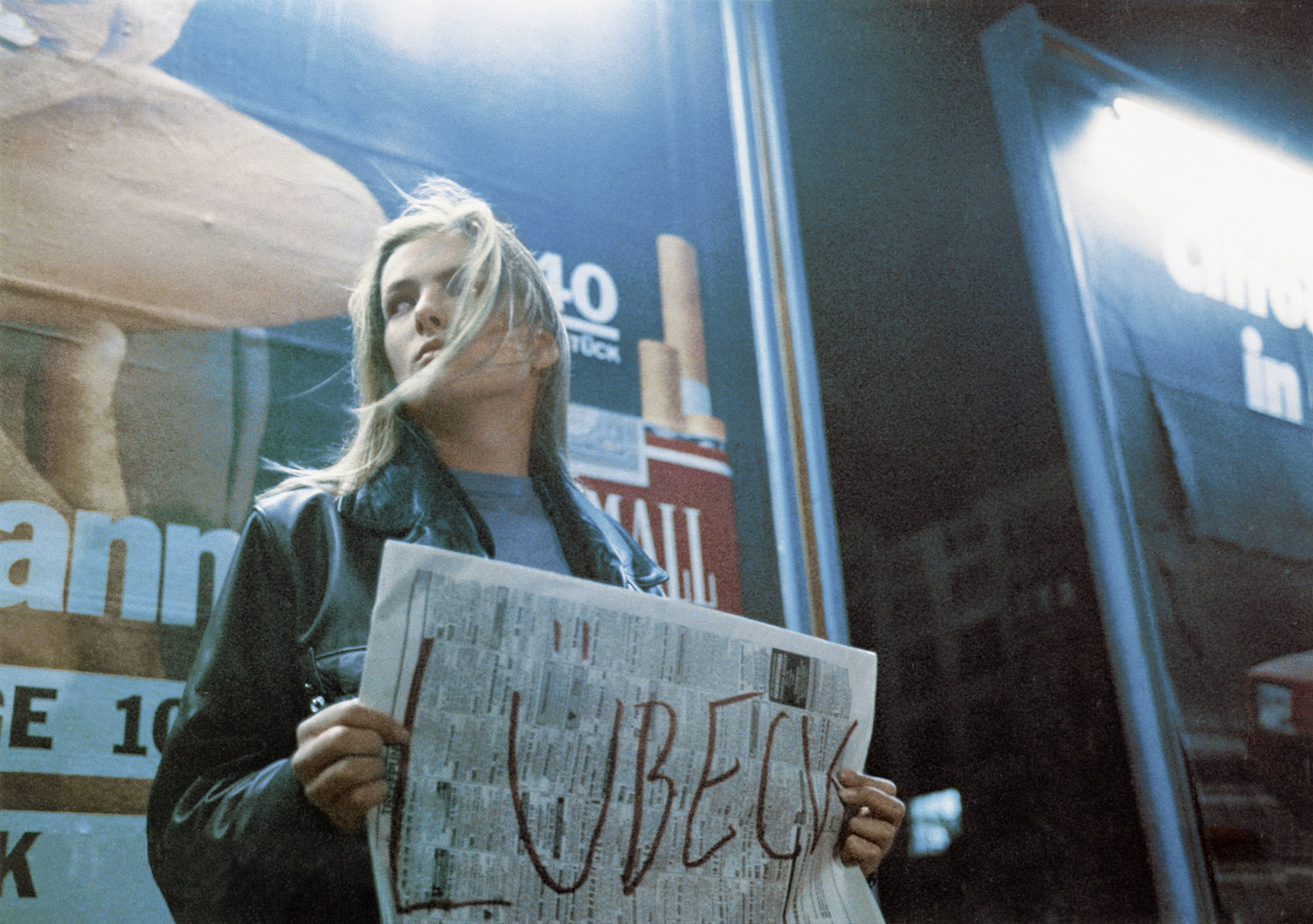
Inside the Whale (1985).
Doris Dörrie’s Inside the Whale is a sad and thoughtful coming-of-age film that follows down-on-her-luck Carla as she tries to escape her abusive father. After a beating, she takes to the road to try and find her mother, where Rick — a homeless guitarist — picks her up. Along the way, she grows up, learning more about herself and leaving behind the hardships of her past.
Bandits (1997) – Katja von Garnier
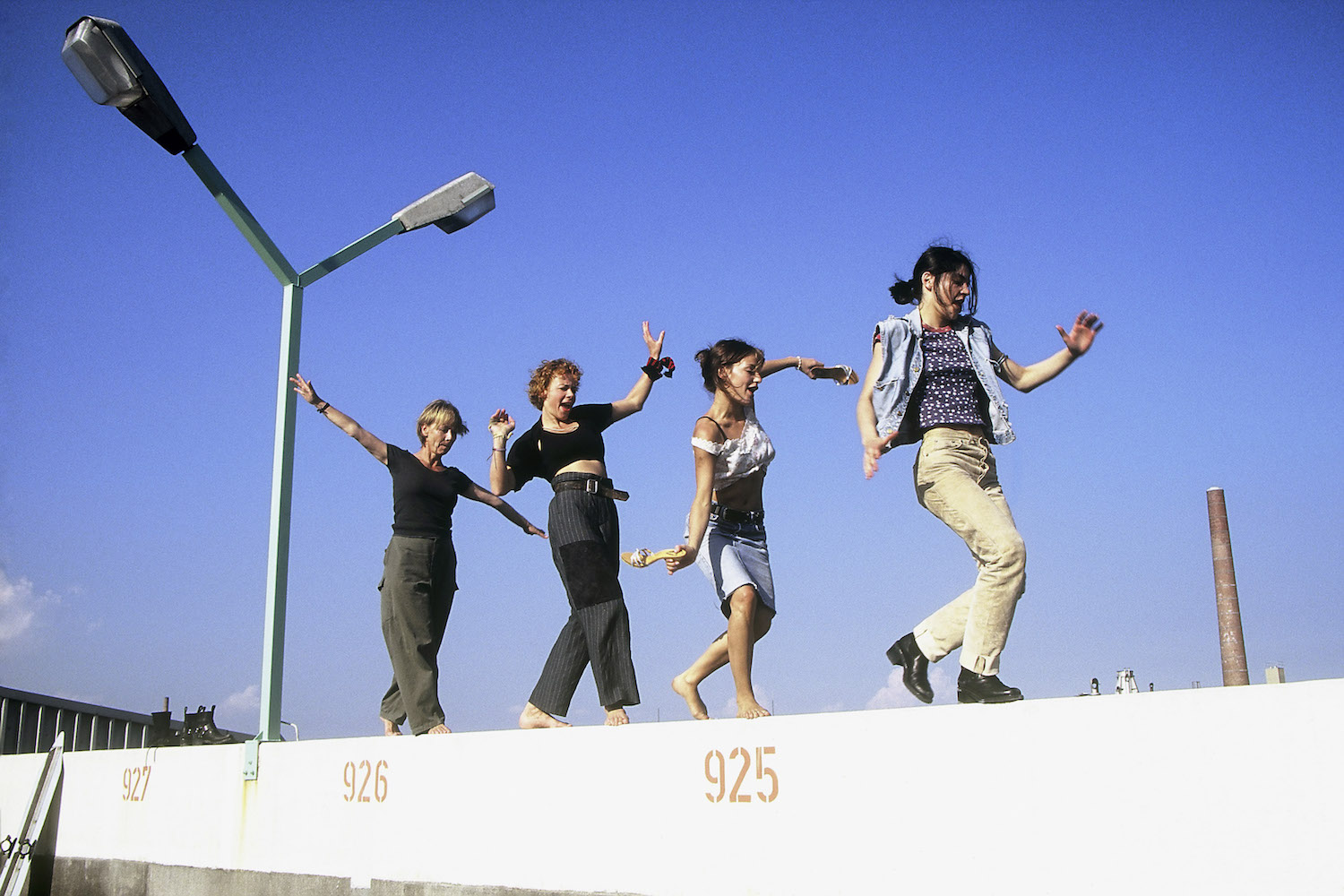
Bandits (1997).
Bandits offers a master class in Riot Grrl German style of the ’90s as it follows four bandmates who escape from prison. While the convicts use a police ball performance as a chance to escape, their music finds its way into the hands of a record producer, who capitalises on their notoriety to make them stars. The girls then go on the run with a hunky hostage to try to sail to the United States to escape the law. Katja von Garnier uses music video techniques of the era that instantly transport you into the pre-2000s era.
Berlin–Prenzlauer Berg (1990) – Petra Tschörtner
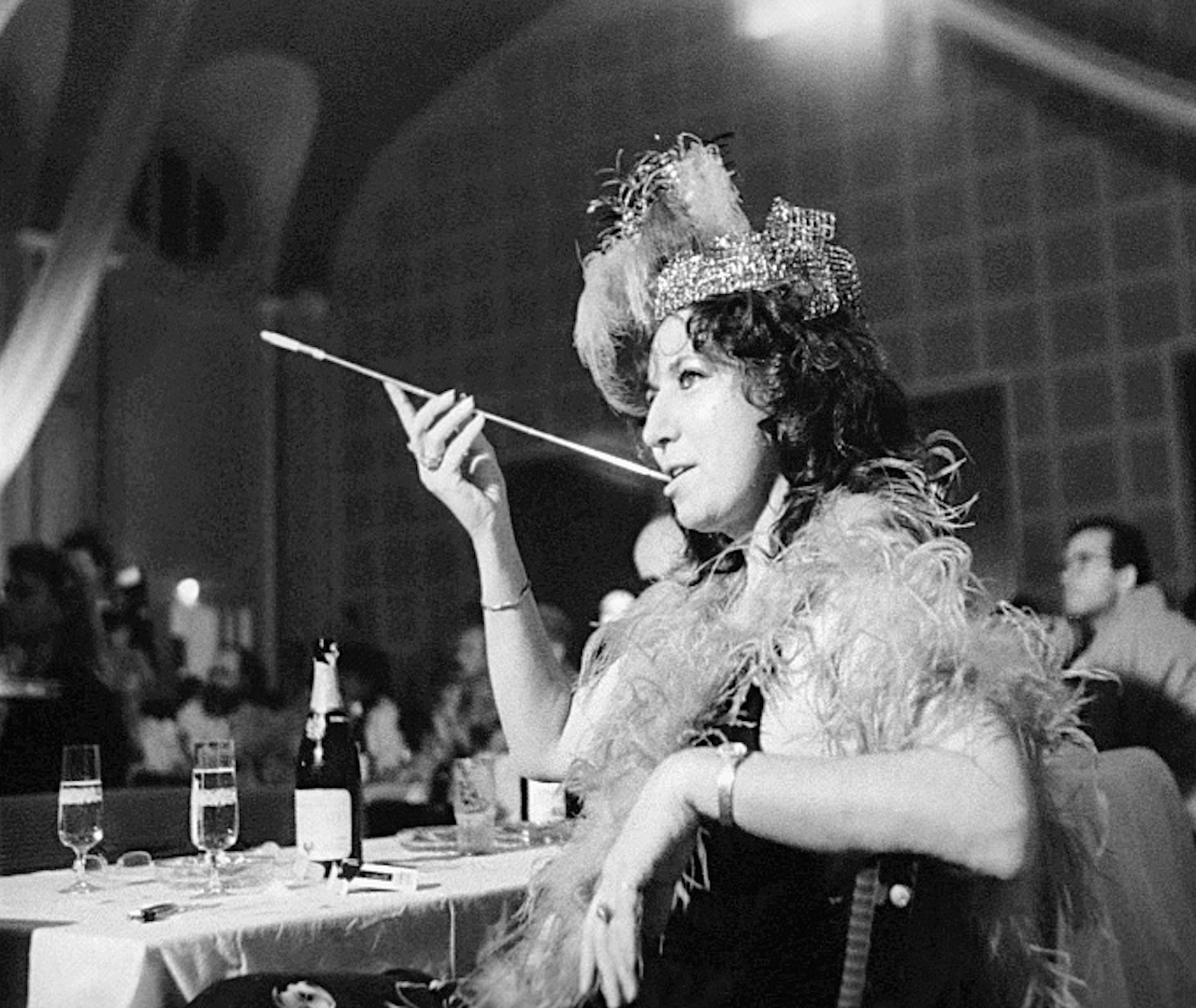
This documentary captures a pivotal time in the former East German neighbourhood of Prenzlauer Berg, focusing on the time between Mayday and the reunifaction of East and West Berlin in 1990. Back then, Prenzlauer Berg was one of the most active neighbourhoods in the protests that helped bring about the fall of the Berlin Wall and had one of the most vibrant celebrations of reunification. Director Petra Tschörtner says, “I wanted to document the special attitude towards life in this neighbourhood. The people of Prenzlauer Berg have always tolerated greater freedom of action than others”.
Something Hurts (1980) – Recha Jungmann
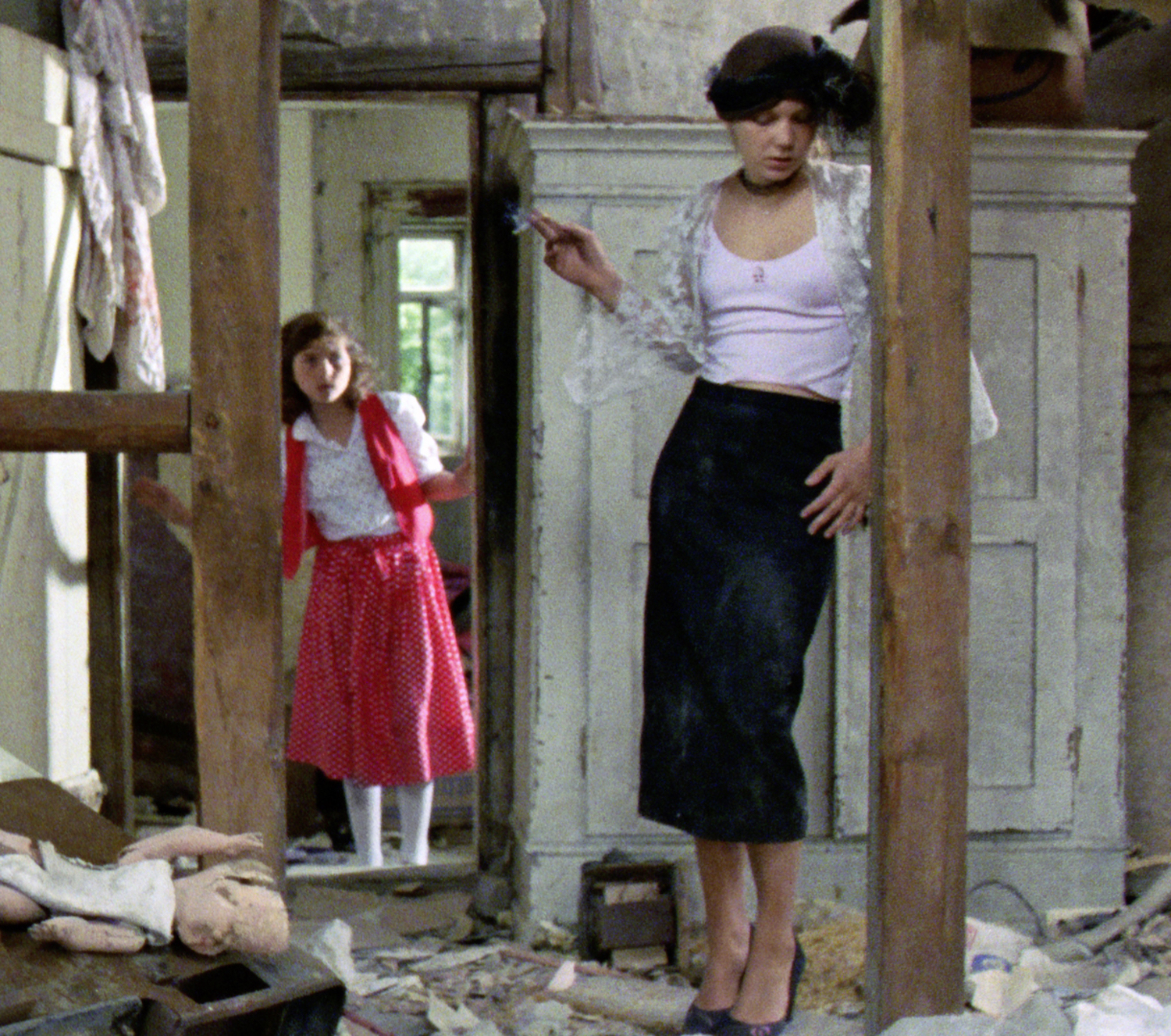
Something Hurts (1980).
Something Hurts tells the story of a Cold War Germany that is still recovering from the destruction of World War Two. Director Recha Jungmann uses her autobiography and family history to real personal tragedies caused by this time in history. She lost both her parents on the frontlines of the War, while her grandparents dealt with other side effects from the conflict.
Female Misbehavior (1992) – Monika Treut

Female Misbehavior (1992).
Female Misbehavior is a quartet of short films exploring the sexuality of three women and a transgender man, through the lesbian leather community, erotic performance art, and the process of changing genders. Director Monika Treut is a pioneer of queer cinema in Germany.
Often Think of Hawaii (1978) – Elfi Mikesch

Often Think. of Hawaii (1978)
Elfi Mikesch tells the story of 16-year-old Berlin girl Carmen in I Often Think of Hawaii. Through campy memorabilia, Caribbean music, makeup, dance and fantastical dressing, she escapes from the hardships of being raised by a single mother, after the family was abandoned by her father. Mikesch creates a tropical fantasy in contrast to the severe backdrop of Berlin.
Find out more about the Retrospective 2019: Self-determined. Perspectives of Women Filmmakers here.