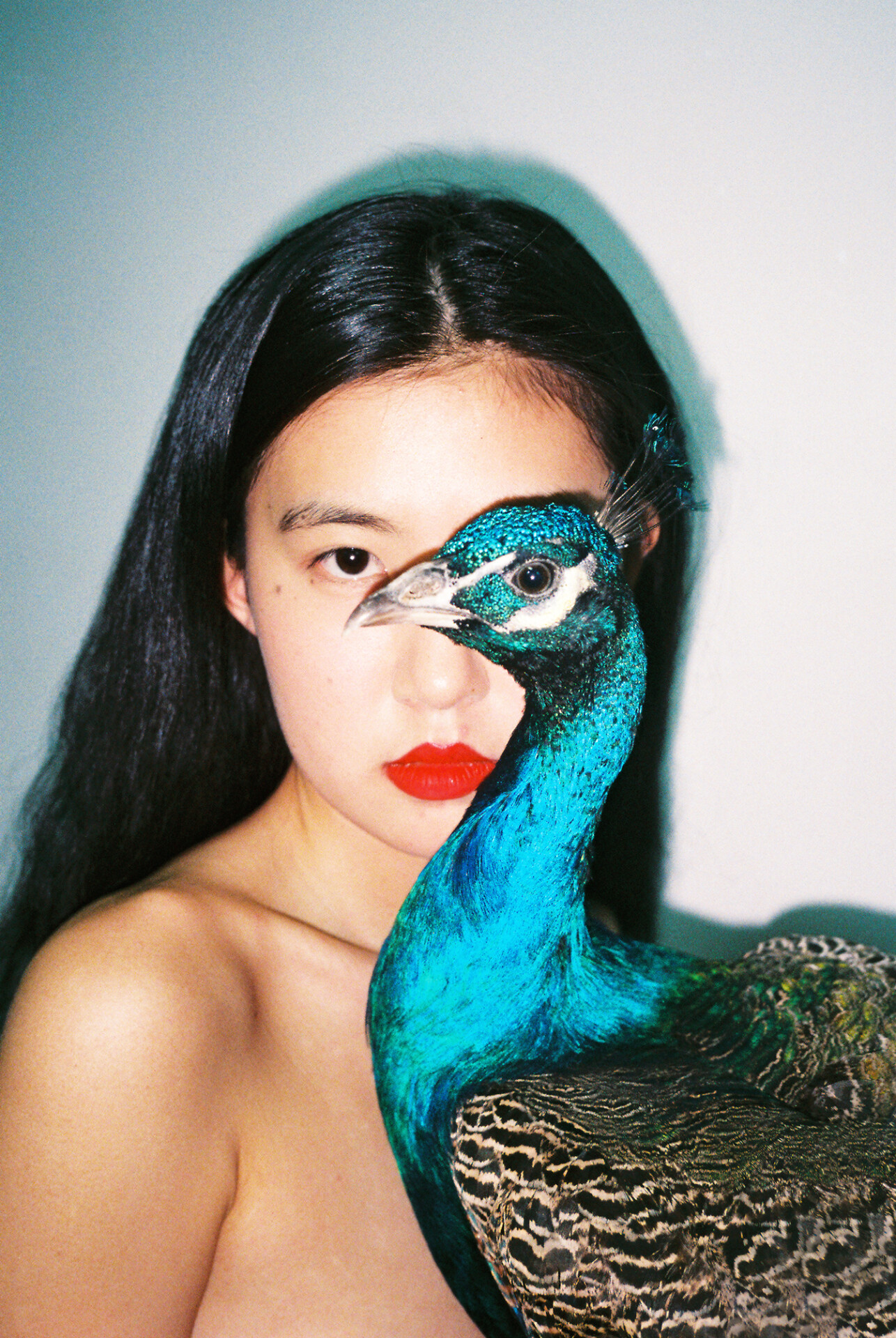
Untitled, 2016 © Courtesy of Estate of Ren Hang.
On entering Love, Ren Hang, the photographer’s posthumous retrospective currently on view at Paris’ Maison Européenne de la Photographie, visitors are met with a wall panel, offering an institutional statement for the show. It points to the artist’s ability to capture the essence of Chinese youth culture, his battle with censorship in his homeland and his alleged Western influences (including Terry Richardson, now best remembered for sexual misconduct allegations).
In their promotional material for the exhibition — which features some 150 photographs spanning the late artist’s career — MEP describe Hang’s work as “represented vis-à-vis a repressive political context, the expression of a desire for freedom of creation”. This statement isn’t incorrect, but it is limited in its description of desire. Hang’s work was influenced by the political context in which it was made, but the real power of his work cannot be reduced to politics alone. Hang wasn’t just a provocateur pushing the boundaries of social acceptability, or an ‘it’ kid throwing wild parties. Instead, his images have a romantic quality, complete with a sense of intimacy that goes far beyond any political narrative. Shouldn’t we view his work as an exploration of self, first and foremost?
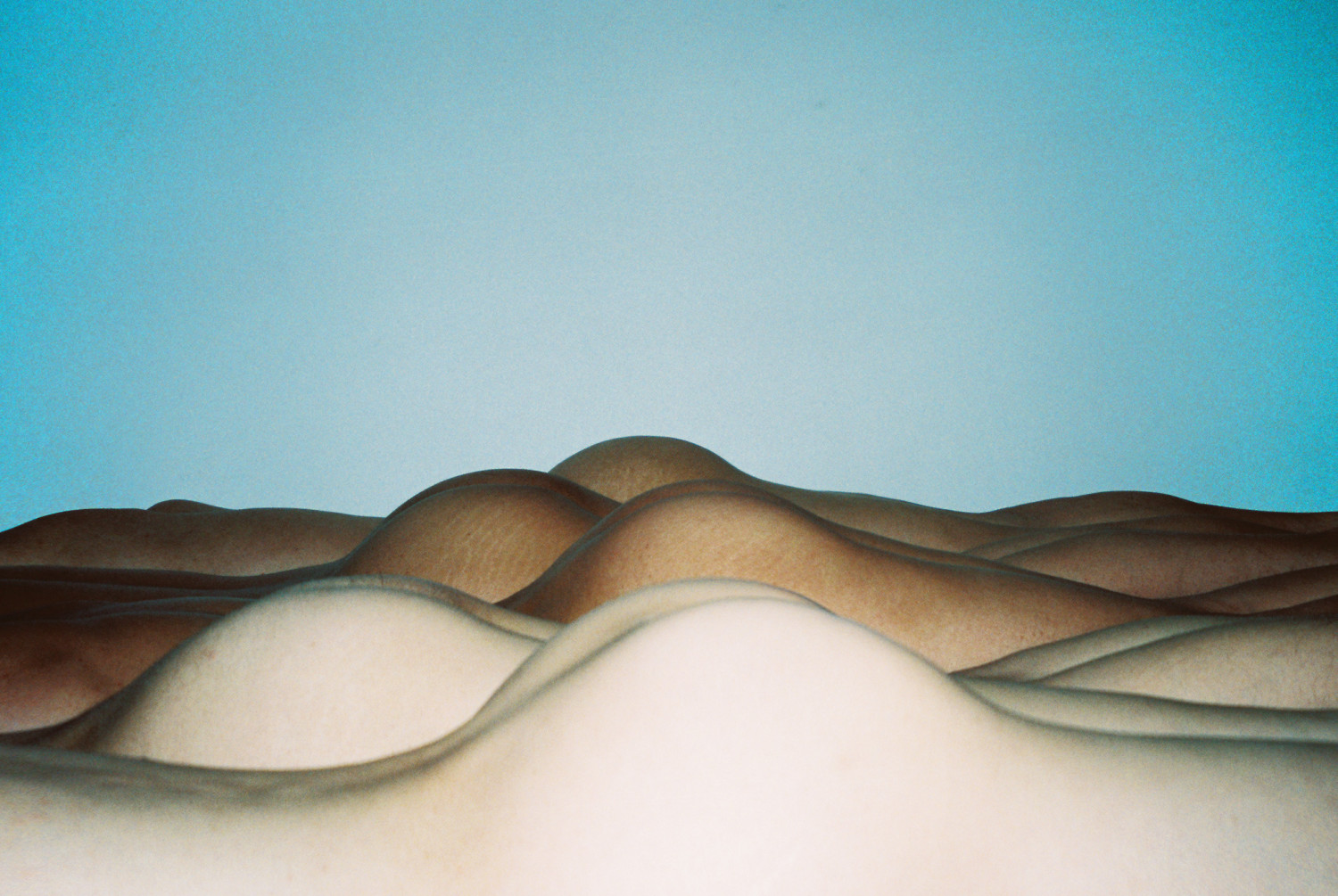
Untitled © Courtesy of Estate of Ren Hang and OstLicht Gallery
Since Hang’s death, the Western media have emphasised the controversial nature of his work: shoots getting shut down, exhibitions cancelled and arrests in his native China. By drawing attention to the furore that his work has caused, Hang’s highly sensual and poetic style of image-making is reduced to a narrative of dissent, often at the expense of his personal struggle. His direction of models, positioning of colour and the decision to shoot in relative lo-fi all point to a discourse of control of his external and internal environments. They certainly reference the political structure in which they were made, they may even reflect it, but to limit them to this is to do his work a great disservice.
Part of the problem with MEP’s assertions is the reluctance to recognise him as a photographer before being a Chinese photographer. I struggle to shake the impression that the curator wants to position Hang as the “Chinese Ryan McGinley,” showcasing a hidden world of the nation’s youth and rebellion in the face of an oppressive government.
This inherently Western perspective is problematic because it de-contextualises Hang’s work. It makes it about a Chinese artist looking to the West for freedom and representative of a type of experience formed from a Western point-of-view. In doing so, it does not allow room for the personal narrative that simmers in the formal decisions of his photographs. Through the ways in which he directs his models — bodies are contorted, piled atop one another, limbs reach from outside of the frame — and the consideration given to colour and composition, his work alludes to an internal dialogue around control, desire and romantic impulse. As Hang said so himself: “I don’t quite care about comparing me or my work to anyone.”
But did we listen?
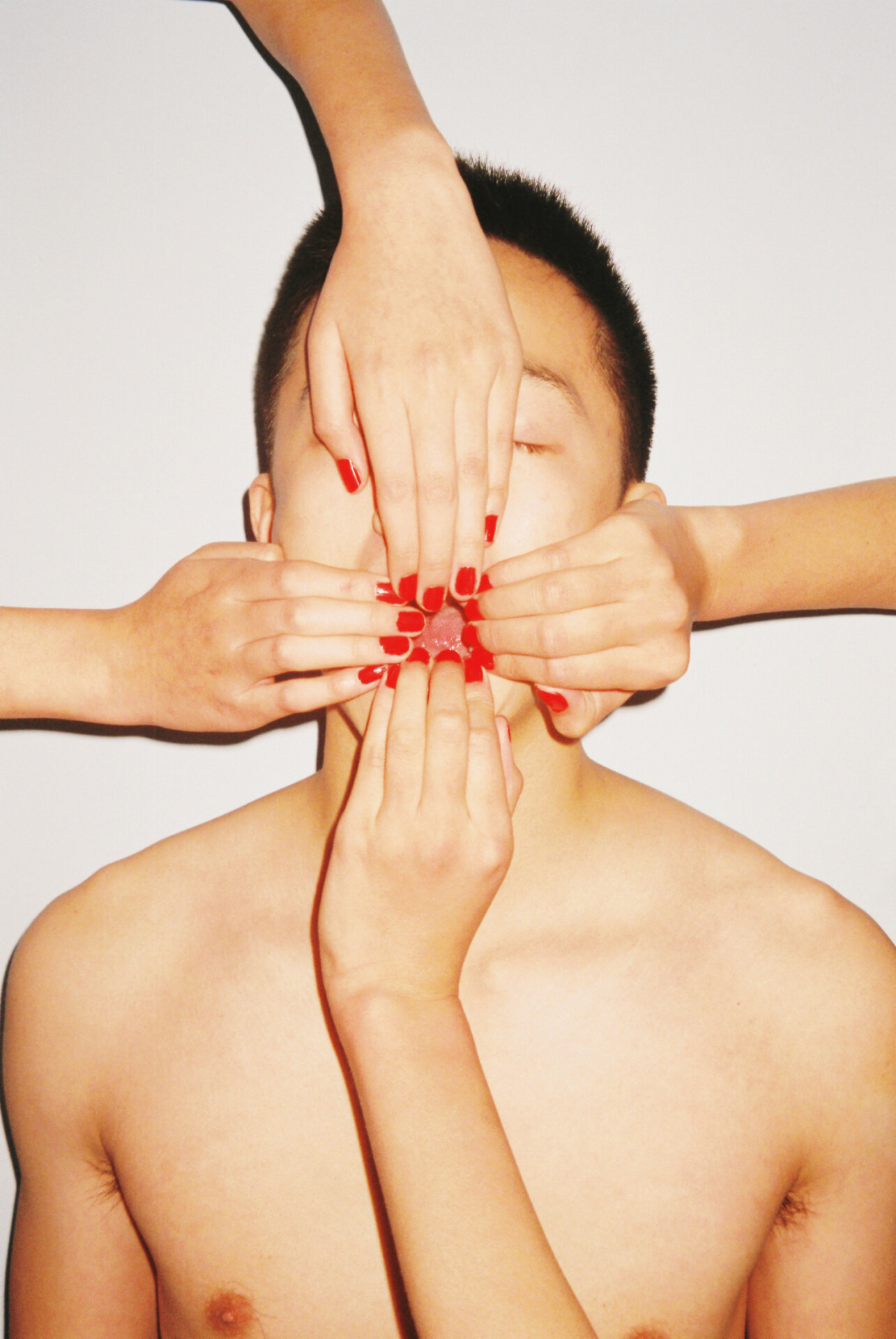
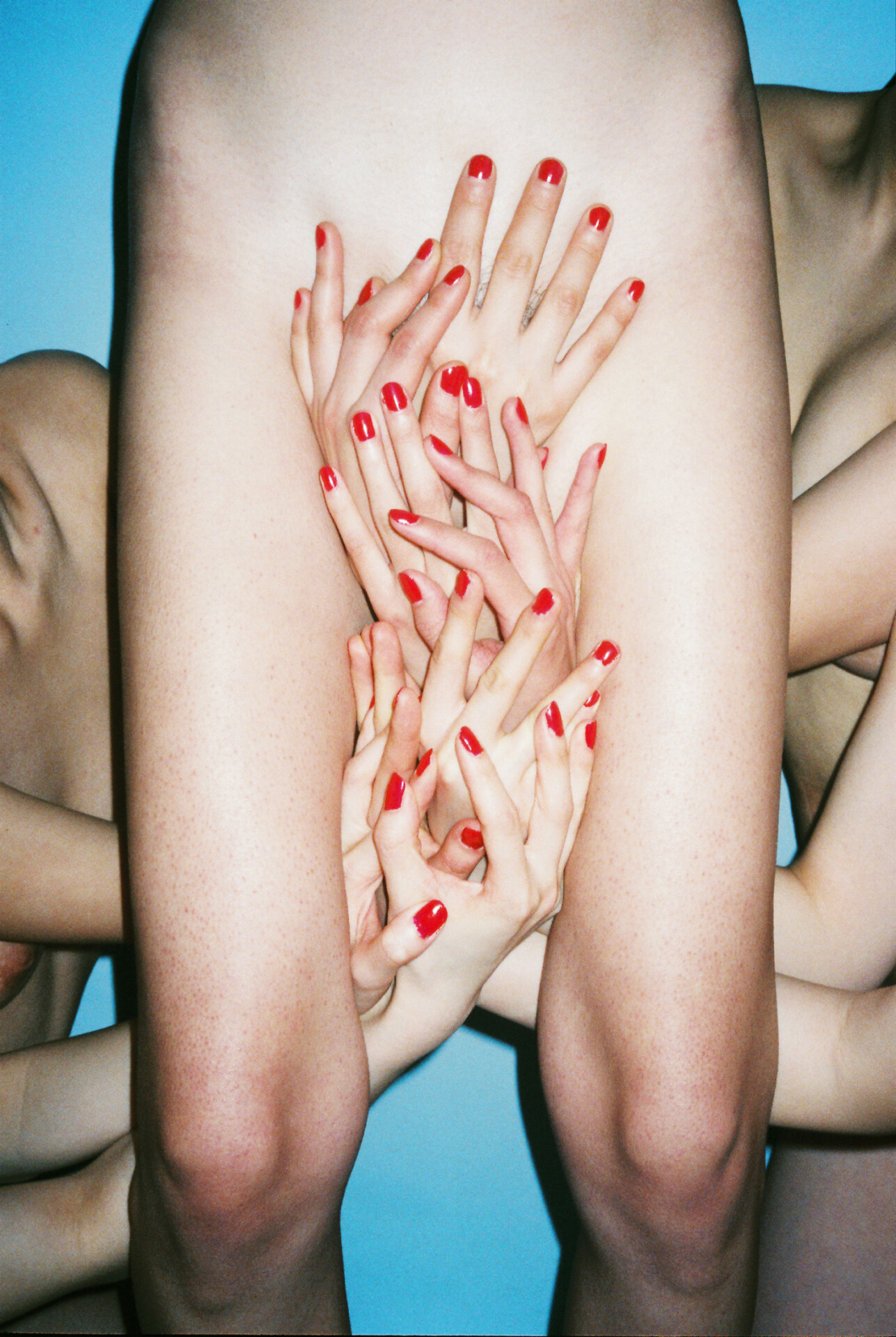
Left and Right: Untitled, 2015, © Courtesy of Estate of Ren Hang and OstLicht Gallery.
Ren Hang made beautiful photographs – ethereal explorations of the body and its contours, with an emphasis on colour and space. They are as much like crime scene photos as they are like fashion shoots: there’s evidence of something having happened, something we’re incapable of understanding purely on their content alone. One untitled image in the show, features two women lying in the grass, genitals hidden by reeds extending across their nude bodies. Their nails are painted red, matching their lips and their skin is pallid in comparison to the verdant vegetation, almost melting into the dying leaves beneath them. The subtle difference between the look of the model in the foreground and that of the model in the background is enough to ensure life, but plays with a potent idea of lifelessness.
I found it difficult to decide between “naked” and “nude” to describe these two models. For me, “nude” is most often an art term, where to be “naked” implies a degree of vulnerability — to be laid bare. In the context of photography, to be “nude” is to be in dialogue with the photographer. The duplicitous nature of Hang’s works make this distinction an important one: the nuances in the words’ connotations is emphasised by the image’s refusal to expose itself, particularly affecting in a discussion around nudity. For me, this is emblematic of Hang’s work. It necessitates a deeper kind of looking, a viewer who is open to an alternative experience to what might initially have been apparent.
Hang’s photographs refer to incidents, activities and actions imbued with purpose. His work oscillates between being controlled and aesthetically focused, to being about control and the aestheticization of it — the dialogue between Hang and his subjects, happening under the awareness that they are aiming to create striking images.
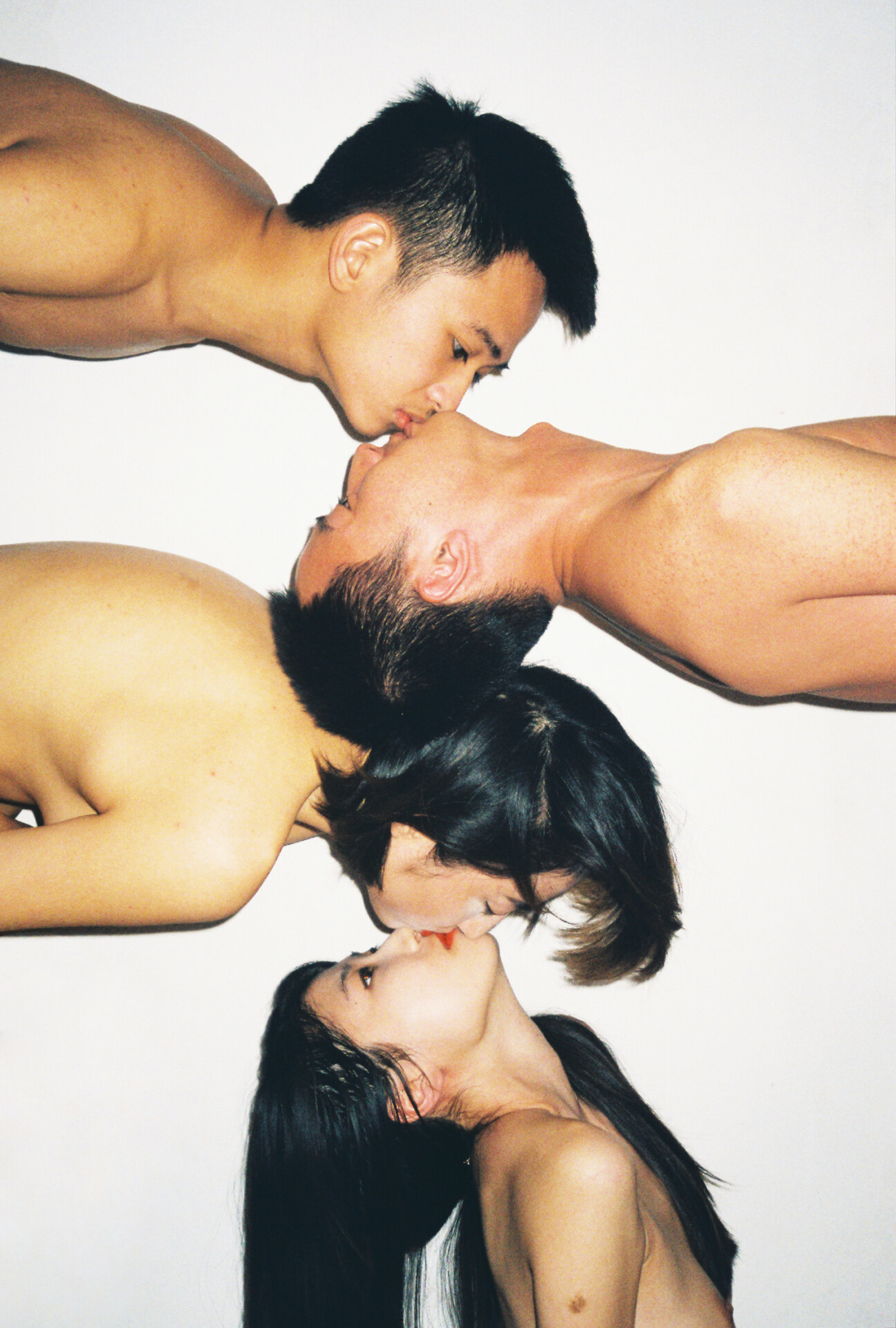
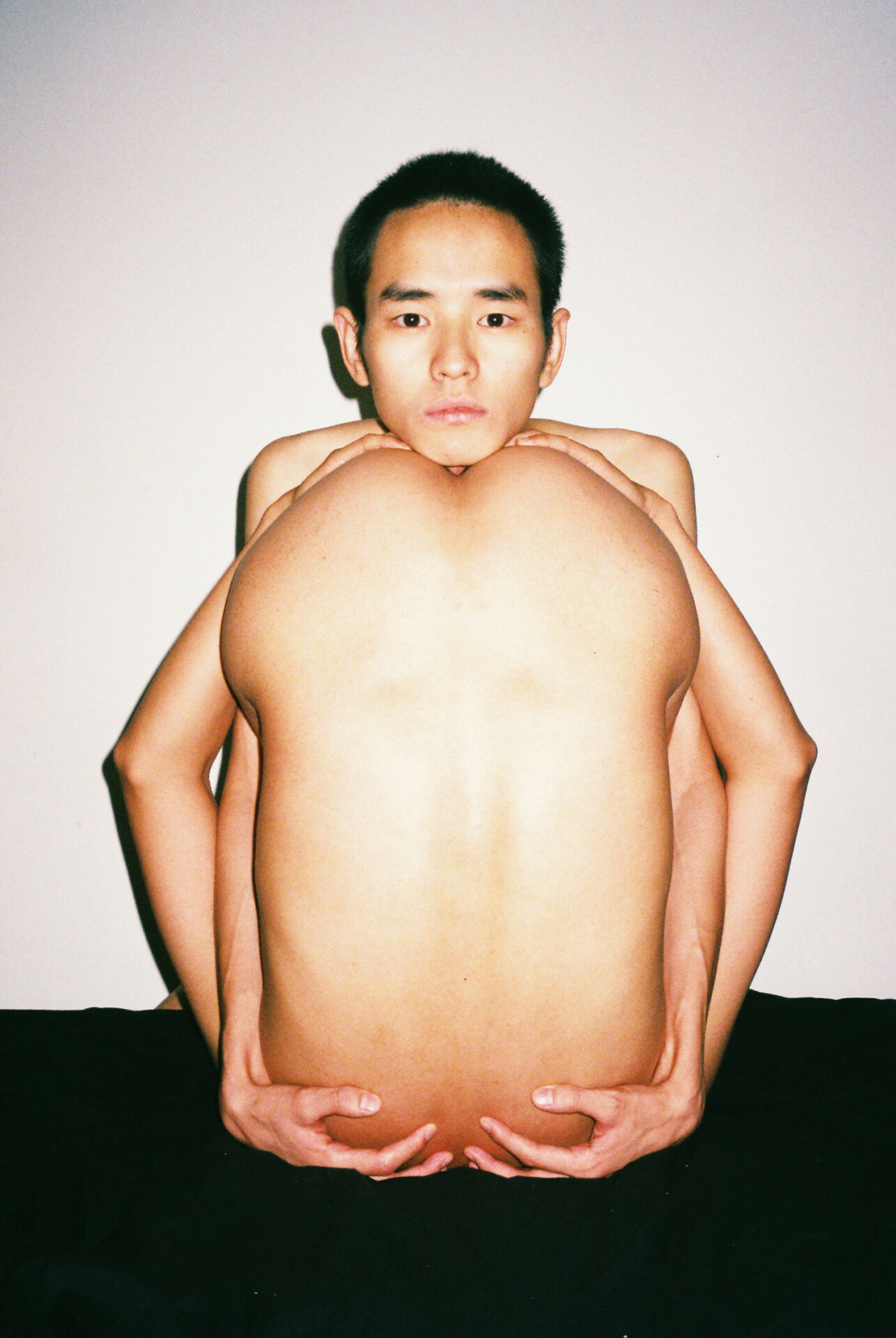
Left: Untitled, 2011, © Courtesy of Estate of Ren Hang and Blindspot Gallery. Right" Untitled, 2015, © Courtesy of Estate of Ren Hang and OstLicht Gallery.
There’s a deviancy present in the way Hang produced his shoots, directing his subjects and lingering on the blurred edge of an act rather than diving headlong in. His works allude to the potential and to the aftermath, remaining uncanny and often romantic, in a way that implies a difficulty in understanding one’s own romantic impulses, be they social, sexual, philosophical or neurological. An individualism that, whilst in no doubt was a reaction to the state control under which he grew up, should still be recognised as a unique perspective, with desire and nuance of his own.
Several of Hang’s poems are included in the final section of the show, supposedly shining a light on the young artist’s troubled mind (he took his own life at the age 29 in 2017). But in the context of this exhibition, they’re reduced to angst, presented as sensationalist proof of his depression and the difficulties he faced. Is this really where the discussion should end? Instead, Hang and his work must be considered as more than vehicles to discuss rebellion and provocation. The real power and lasting legacy of his work is its duality: its beauty and deviancy — his ability to create images of otherworldly romance whilst subverting societal and individual norms. To reduce his work to reactionary images then is to remove half of their context. The goal must be to see his work as both: as a daring reaction against his conservative society and as an externalisation of an exquisite internal dialogue that is now only ours to speculate on.
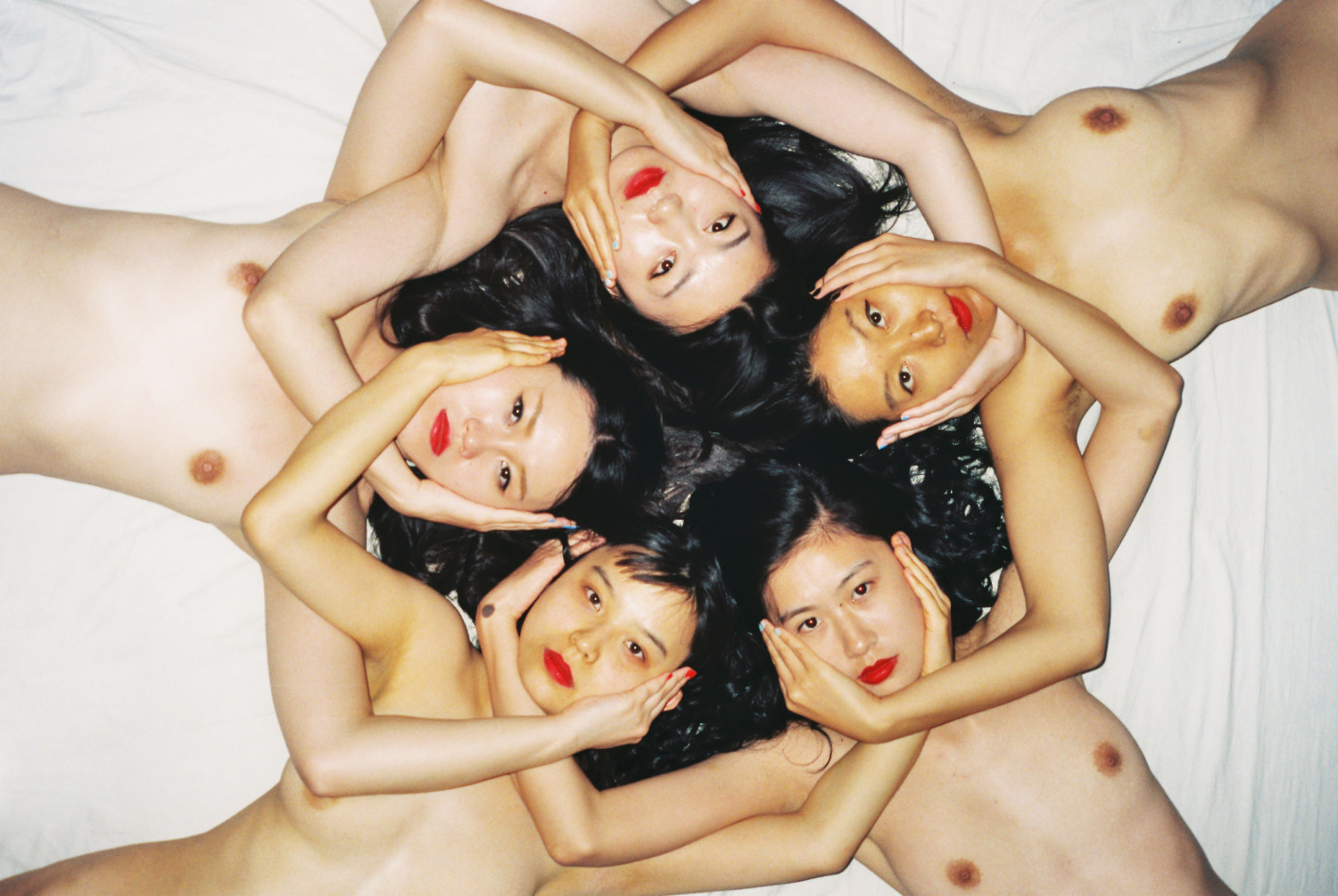
Untitled, © Courtesy of Estate of Ren Hang and OstLicht Gallery
Love, Ren Hang runs through to 26 May at MEP.