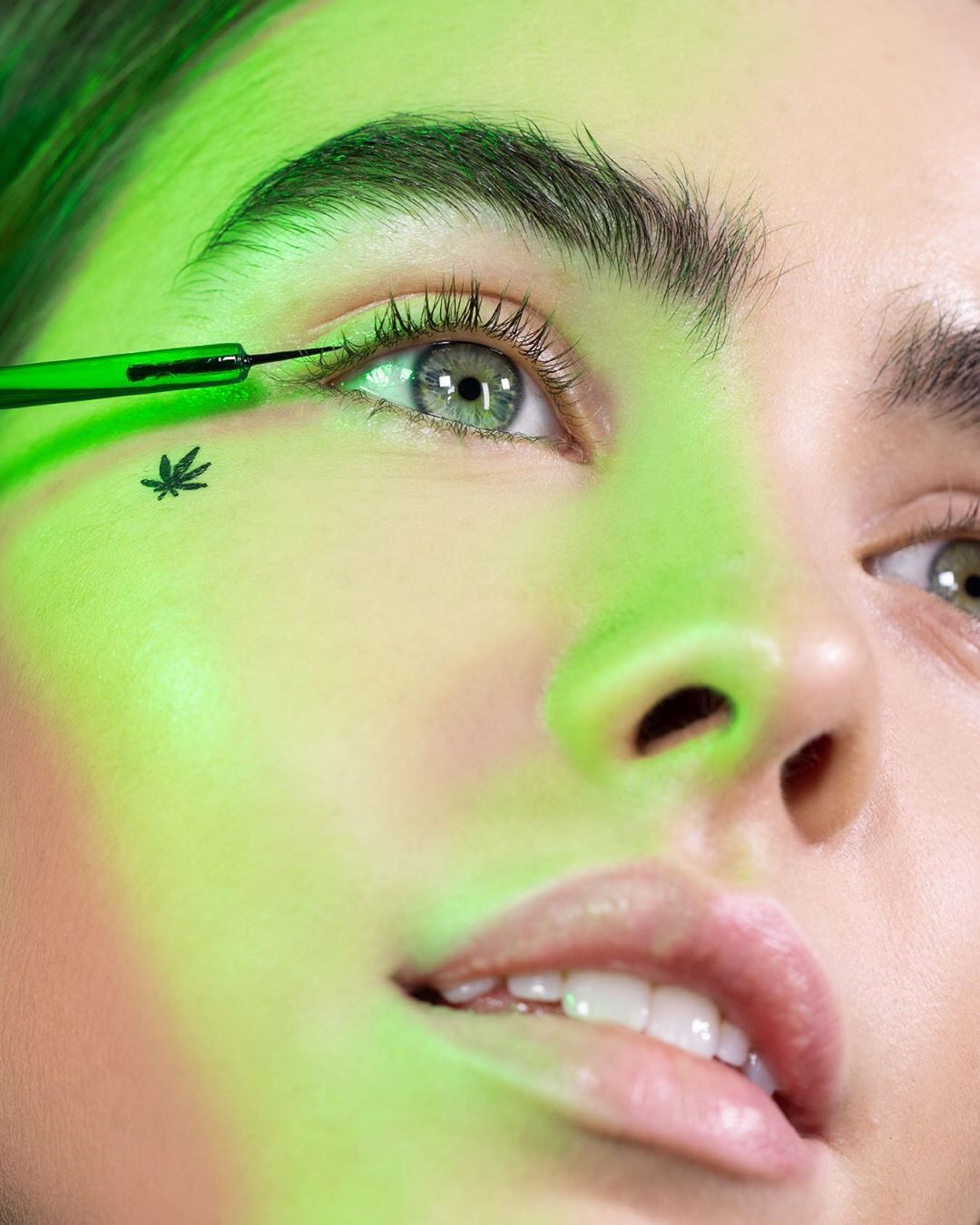
via @milkmakeup
New York beauty brand Milk Makeup might have built a cult following online making cruelty-free and vegan products, but one of the things they are best known for is their cannabis makeup line, KUSH. While global beauty bloggers and makeup freaks have managed to get their hands on the brow gels, mascaras and growth serums, there are a lot of people, including border agents, who still aren’t quite sure if it’s legal.
“The three questions I get most often are: Can I fly with it? Will I pass a drug test? Am I going to get high,” Sarah Wren the brand’s studio artist tells me at the brand’s launch in Berlin. “The answers are yes, yes and I wish.”
The products are made from hemp—and not marijuana—which means that the psychoactive part of weed (what gets you high), THC, is missing (it’s like a cousin of the very trendy CBD oil, because of its anti-inflammatory properties). While CBD is often used as a supplement, hemp oil is closer to beauty products like jojoba or argan oil. The relation to bud is a selling point for many who are fans of Cannabis in all of its forms, but this context has also gotten the brand backlash from conservatives and caused uncomfortable situations with authorities tasked to enforce the global war on drugs. Weed may be legalising rapidly, but it’s still illegal in many countries.“We did an event in Mexico where they held all of the KUSH in customs for a day,” Wren says. “They were like ‘What is this?’ and we were like ‘It’s mascara—we swear!’ Our poor events girl was in customs wondering if she was going to go to jail.”
Luckily, it all worked out as hemp products are perfectly legal in Mexico, but Georgie Greville, one of the brand’s founders, admits that the reason Milk Makeup turned to Cannabis was less about an affinity for stoner culture and more about finding a vegan alternative to makeup formulas that traditionally relied on beeswax. “It has been an ingredient in the beauty world for a long time, but people were scared of it because of the stigma,” Greville says. While it won’t give you the munchies, it will condition your lashes and brows to help prevent fallout.
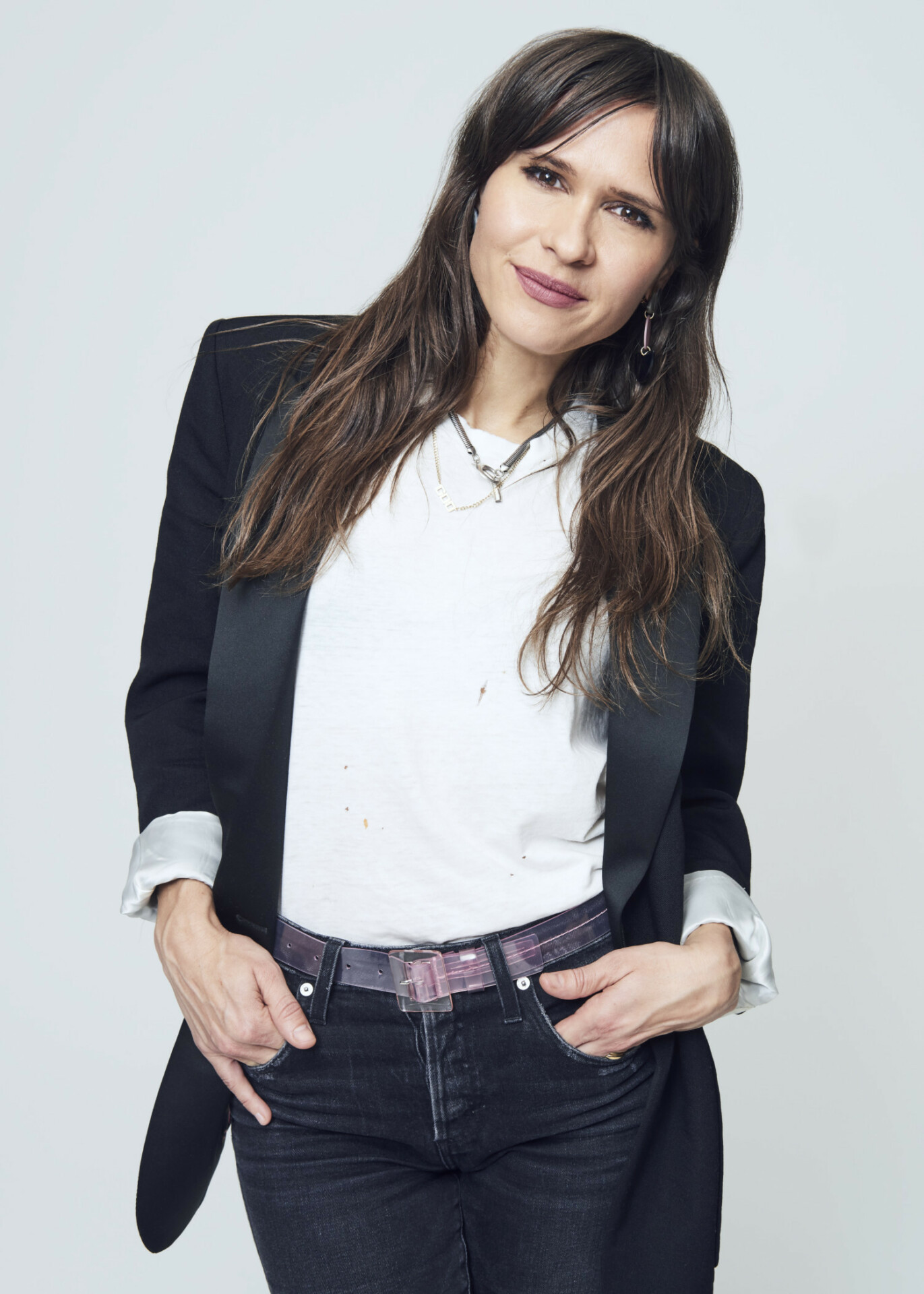
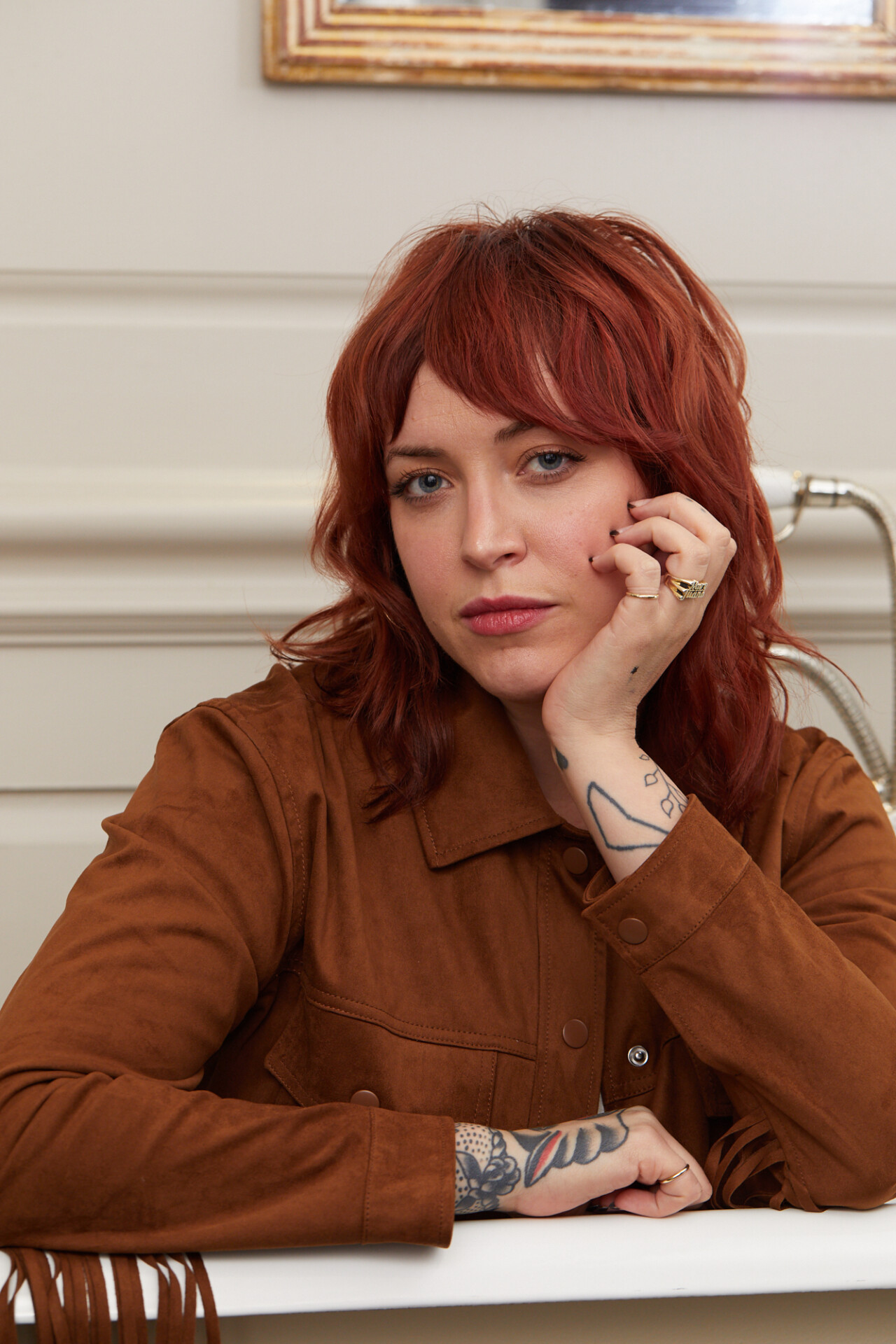
Left: Georgie Greville. Right: Sarah Wren. Photos courtesy of Milk Makeup
But like many small brands that hold ethics as core values, Milk Makeup is subject to stringent social media critique, constantly demanding more inclusivity, like moving away from plastic packaging and participating in reusable packaging programs like TerraCycle and Loop. They already work with Sephora on their best practices and are creating more in-store recycling options, but Greville doesn’t think that should get them off the hook for doing more.
“People are really out there to drag companies, but I think it’s a great thing that makeup is politicised,” she says. One of the reasons the brand entered Sephora was as a response to a call for more diverse imagery. Greville and Wren recall a time when the only faces you could see advertising makeup were “unattainable supermodels” like Naomi Campbell, Linda Evangelista or a Hadid sister – an image they attribute to patriarchal beauty standards.
“The unspoken thing that sets us apart is that we are not for the male gaze,” Greville says. “You are seeing people be themselves and not adhering to one version of femininity or sexiness.”
It seems that it is possible to covering drug laws, sustainability and gender issues while offering different levels of foundation coverage.
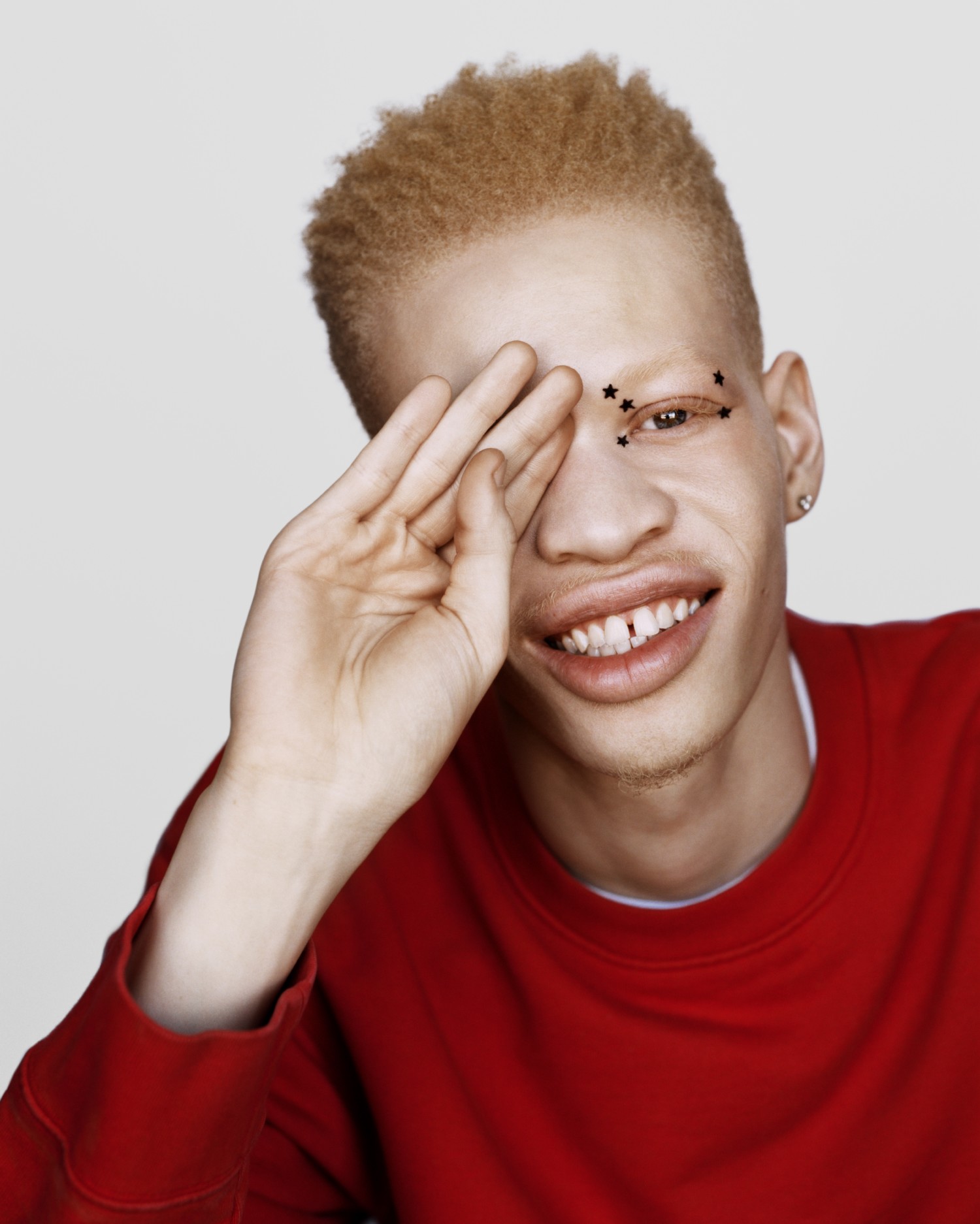
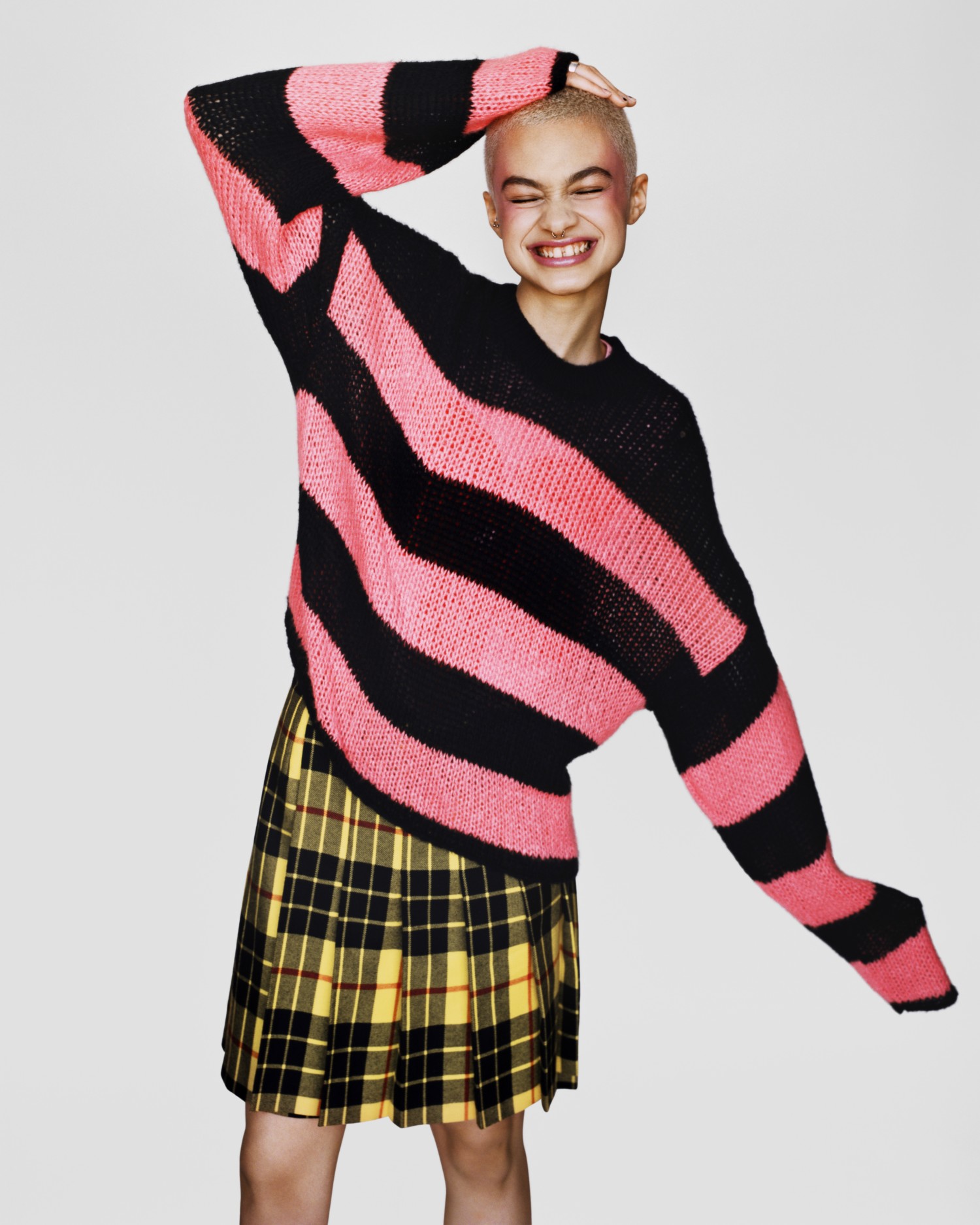
Photos courtesy of Milk Makeup.