There are many good reasons for an employer to be particular about how employees look. Banning loose clothing or open hair in workplaces with heavy machinery or food prep is necessary to keep employees safe and the product sanitary. While dress codes that promote decency can veer into sexism, it’s pretty reasonable to ask bankers or teachers to wear shirts and shoes. Where dresscode guidelines are aimed at projecting an image that customers are comfortable with, things can get more problematic, because they are often based on society’s ugly biases against minorities and marginalised people. Cancel culture can force a company to change, but it’s legally up to legislators and judges to say when things go too far.
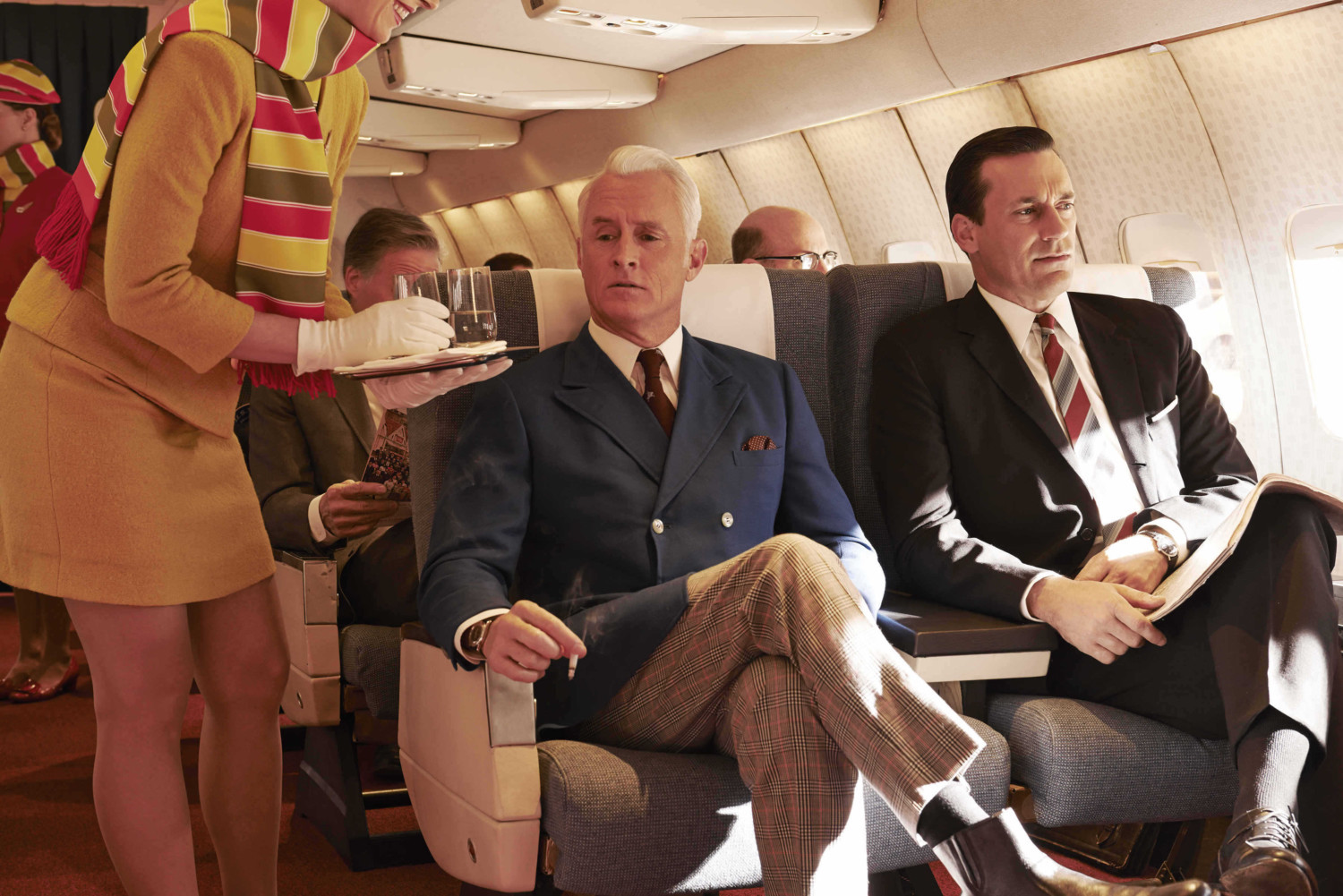
“Back in the day, employers justified only having female stewardesses by saying it was what customers wanted,” Boston University employment law professor Christine O’Brien tells SLEEK. “The courts said that was not a valid reason—it was discrimination.” This was in the 1960s and we have come a long way since then.
When we think about the work culture of the last century, it was riddled with decorum from business letters to business casual and business dinners (with or without the wives). But as we find ourselves in a new era of dressed-down employment where the contracts are freelance and cubicles are reimagined as open-concept offices, companies actively try to recruit workers with a promise to celebrate their uniqueness. Corporate communications may boast about “diversity,” but the ‘free to be you and me’ workplace still has a lot of limits that expose cultural biases.
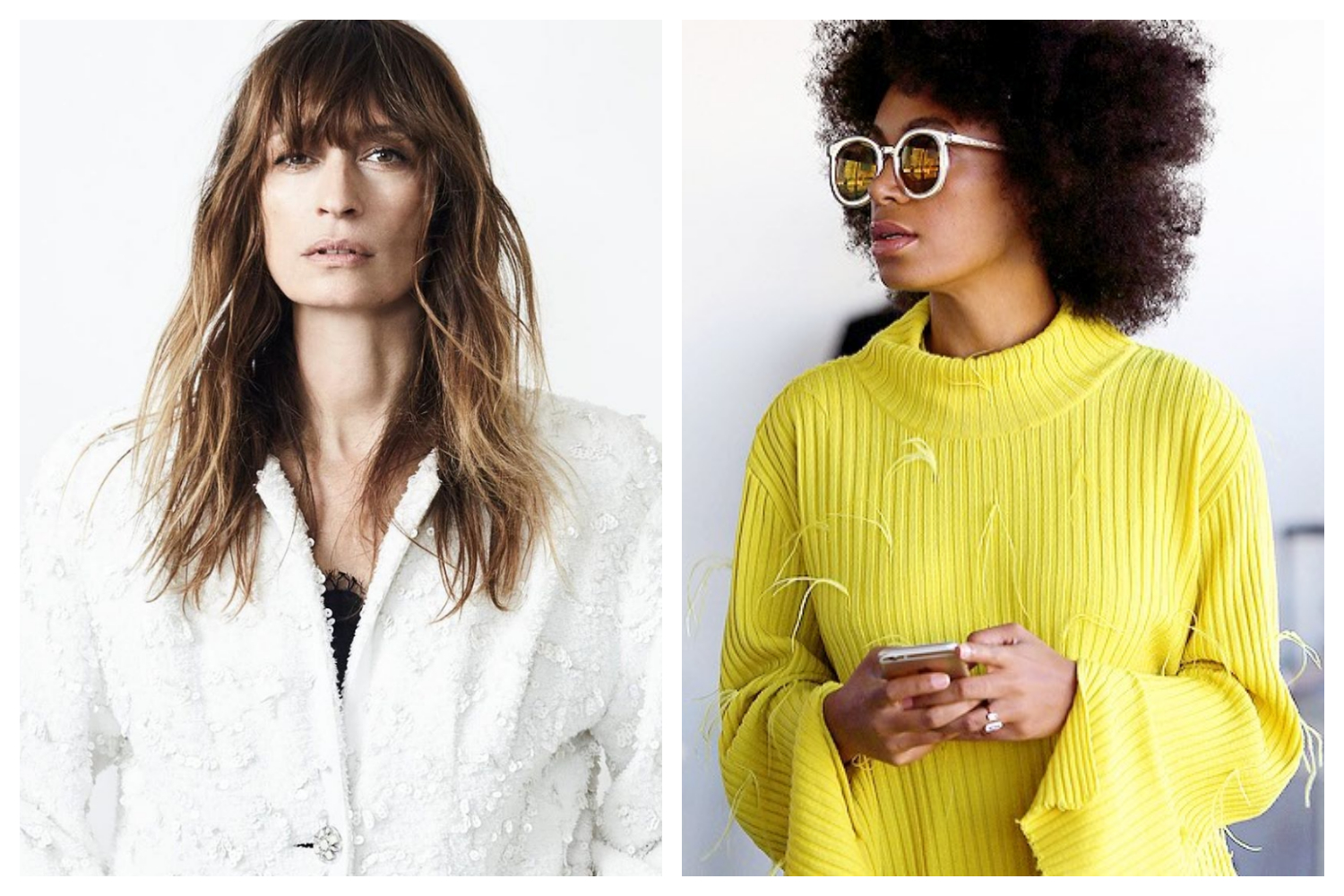
If you’ve ever watched one of the countless white ‘French girl’ influencers talk about their beauty routine, the most important rule is to make it look like you did nothing but roll out of bed—influencer Caroline de Maigret even said in an i-D interview that she braids her hair and tussles it to “make everyone think you just had sex.” Still, there are few dress codes that single this out as offensive, but there are plenty of rules in employee handbooks demanding that time and effort is put into taming black hair (no afros, no cornrows, no dreadlocks). These restrictions continue to be so prevalent that the US city of Cincinnati had to pass a law this week saying that this was illegal.
“It’s one of those issues that really is so correlated with race and national origin that it is kind of scandalous that it has to be legislated,” O’Brien says. “During the Vietnam War, Afros were a sign of rebellion, but now it is different—it’s just people being who they are. It’s one thing to say you have to cover your stomach, but it is another to say you have to straighten your hair —it’s just so invasive and diminishing to people.”
Meanwhile in Washington D.C. this week, the Supreme Court is hearing a case about whether or not an employer is allowed to fire someone for transitioning and wearing clothing that correlates to their new gender expression. While Title VII of the 1964 Civil Rights Act prohibits discrimination based on race, colour, national origin, religion, sex, there is a grey area when it comes to transgender persons. Aimee Stephens, the ex-funeral home employee who is having her case heard at the nation’s highest court, is using the Price Waterhouse v. Hopkins case from 1989 to clear this up.
"It's one thing to say you have to cover your stomach, but it is another to say you have to straighten your hair —it’s just so invasive and diminishing to people.”
“There was this woman named Hopkins and she was kind of a tough nut,” O’Brien says. “She used to swear, didn’t get along with the secretaries and everyone said she sort of acted like a man—drinking beer out of the bottle, that sort of thing—but she brought in more business than any of the men who were up for the promotion to partner, yet was passed over. The Supreme Court said in that case that she was evaluated based on sex, because in her written evaluations there were sexually stereotyped comments.” In short, you can’t ask someone to act like a woman, or a man—which could mean that you cannot ask someone to dress in accordance with their biological sex.
Still, the Boston professor is doubtful that the court will come to this conclusion because the current president has stacked it with Republican-leaning judges that are more likely to favour employer discretion over the rights of minorities. With the majority of business owners being cis-gender white males, rules for workers will favour this group.
There is the argument that you should be able to decide how to run your own company and customers can decide whether or not they want to support you, but the flip side is that in the meantime it puts extra hurdles in place for demographics that already suffer from higher unemployment rates.
It is trendy for upwardly mobile workers to choose jobs based on whether or not the company culture aligns with their values, but for many, there is still intense pressure to conform in order to find work.