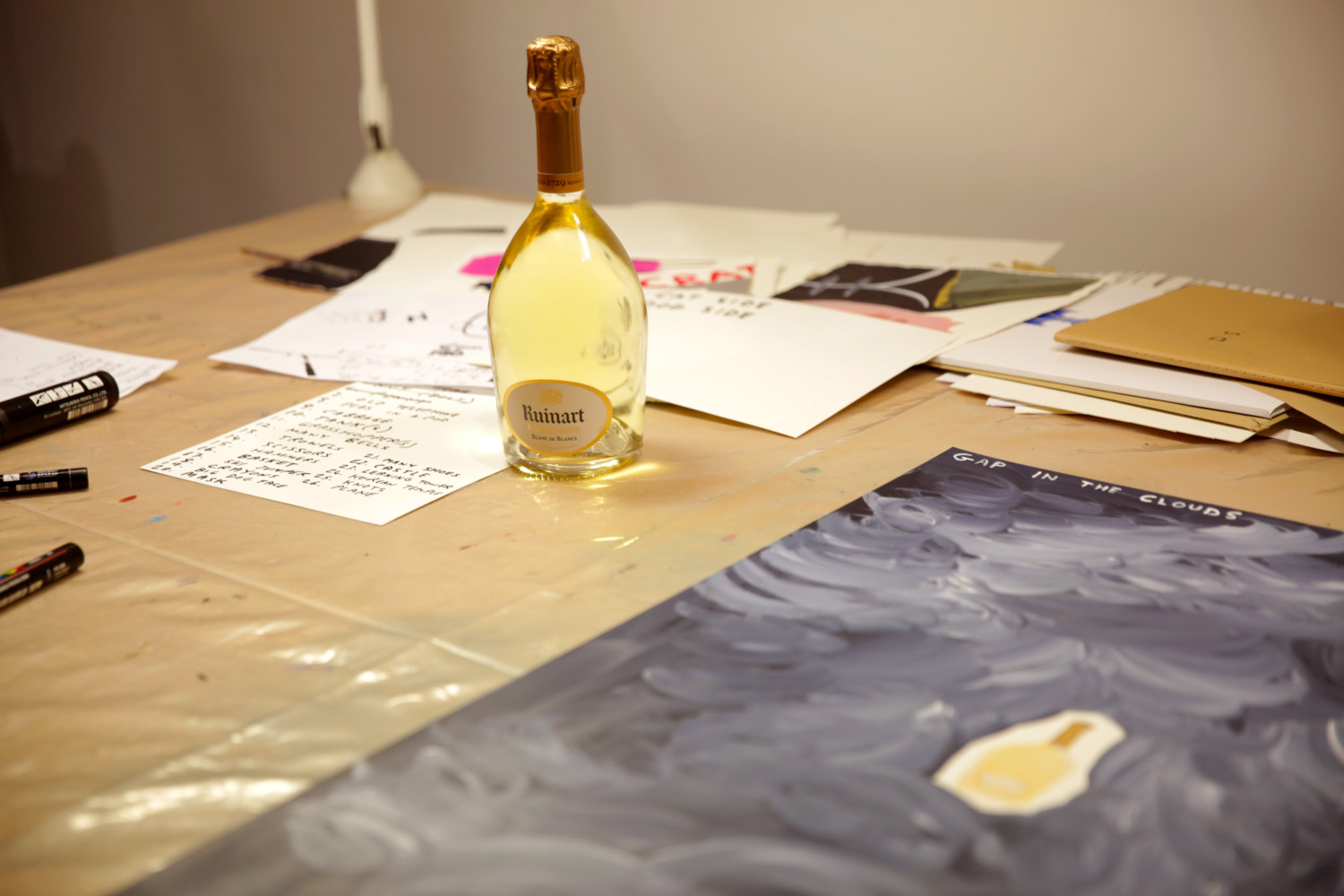
David Shrigley. Courtesy of Ruinart.
British artist David Shigley is keen to reject the stereotype that artists are difficult individuals who don’t always work so well with others. According to him, “collaboration is an opportunity to learn something,” and he finds the prospect of working in tandem with other people as an invaluable way “to see your work through someone else’s eyes.” The 2013 Turner Prize nominee is the latest contemporary artist—following on from Vik Muniz last year and Liu Bolin in 2018—to collaborate with Maison Ruinart under the champagne house’s annual artist residency, creating a collection of drawings entitled Unconventional Bubbles.
Maison Ruinart have been working with contemporary artists for almost as long as they have been crafting champagne. Founded in 1729, Ruinart is the world’s oldest champagne house and its artist residency provides the holder with carte blanche to interpret and express the practices of the house’s crayères and vineyards. Integral to Ruinart’s brand DNA is the creative relationship it has fostered with the art world. Frédéric Dufour, chairman of the champagne house, explains that art and champagne are permanently intertwined because both express “refinement and outstanding commitment to culture.”
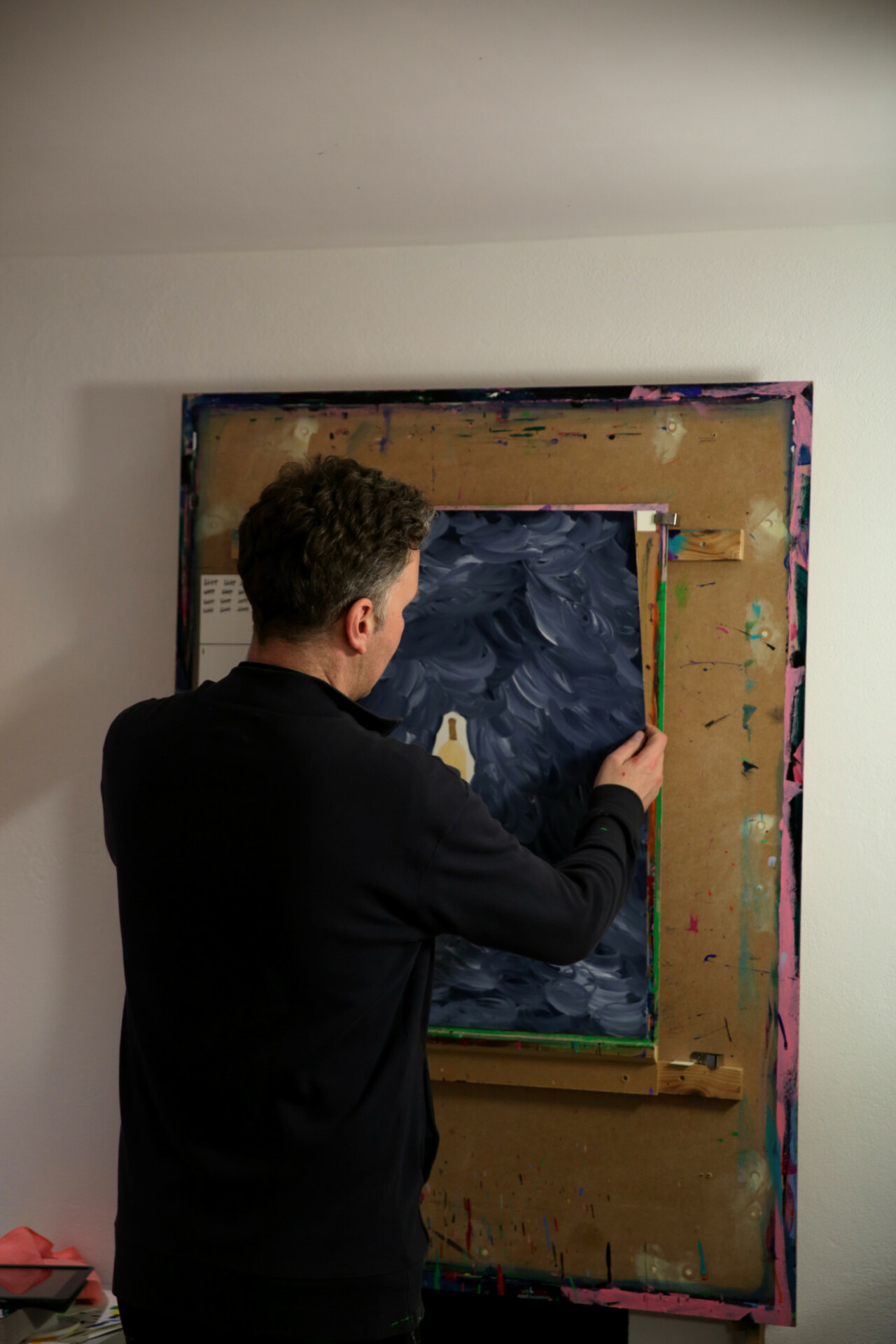
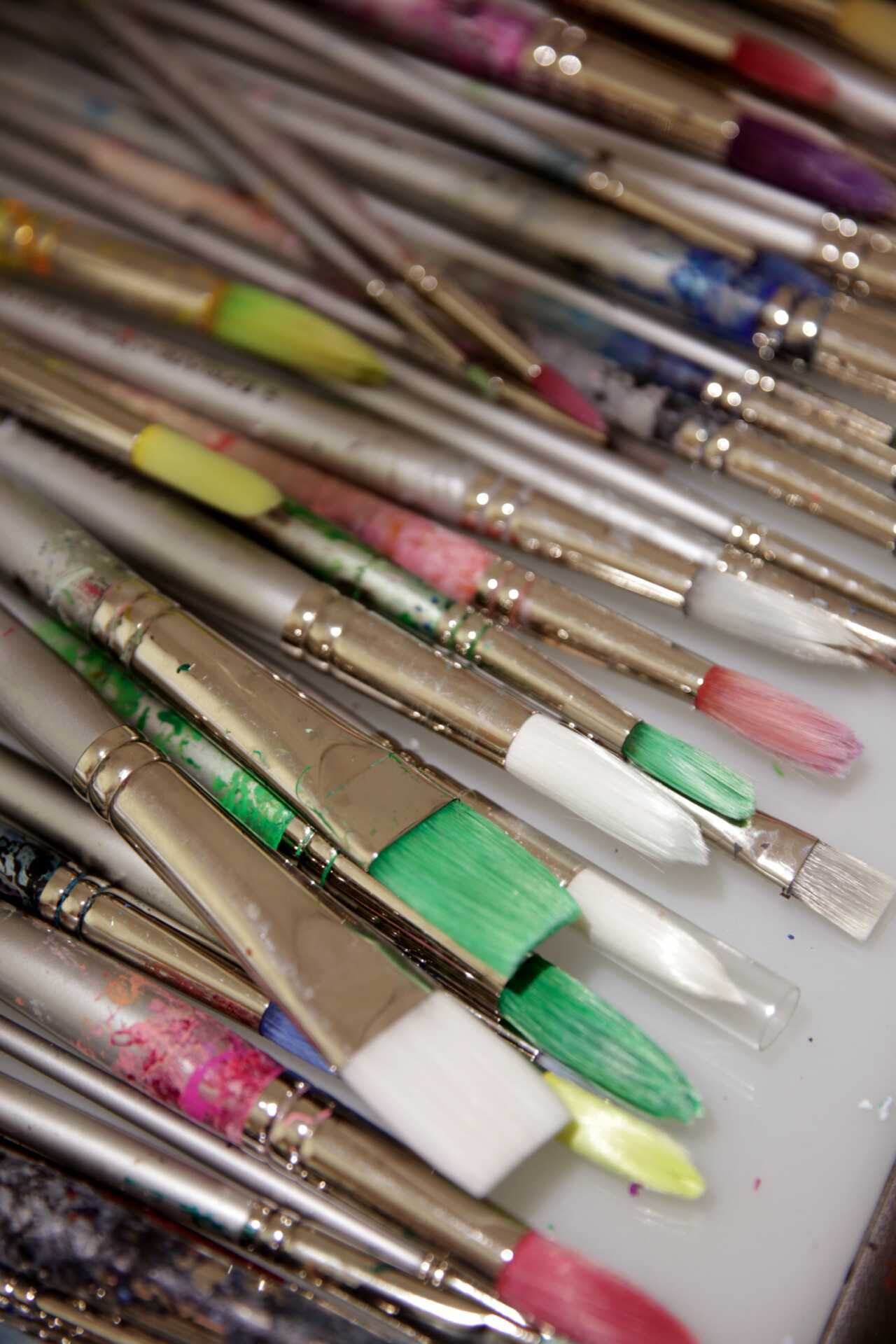
David Shrigley. Courtesy of Ruinart.
To grasp an understanding of this bond between art and champagne, Shrigley visited the vineyards for inspiration, examining every inch of the Ruinart process from the Chardonnay grapevines to the crowning moment of foam floating atop the flute. The visit inspired the creation of 36 acrylic drawings on paper which capture Shrigley’s signature mischievous tone with a playfully innocent visual style. The humour of the drawings tiptoe between naivety, irony and wit often referencing why we should maintain consideration for our relationship with the natural world. The champagne production process is too dependent on nature for Ruinart not to make efforts to sustainably conserve it.
In one of the drawings, Shrigley riffs off of the preconceived notion that consumers are aware that Ruinart’s champagne is of a superior quality to its competitors. The drawing is of a re-labeled champagne bottle proclaiming that “you can judge the product by the label. Totally fine to do this. Makes sense.” The subversion of the traditional ‘don’t judge a book by its cover’ adage along with the observational notetaking tone of the label’s wording are the crux of the drawing’s humour. The artwork is able to invoke enjoyment whilst also conveying a message which feels like an approach we can certainly raise a toast to.