“I have a certain inordinate feeling towards revolutionaries who wear glasses, because there is a sense of how easily they could be unhorsed in the slightest physical confrontation with the enemy just by someone flicking their glasses to the ground and stepping on them. So you assume such people have unusual amounts of courage.” – Norman Rush, Mating
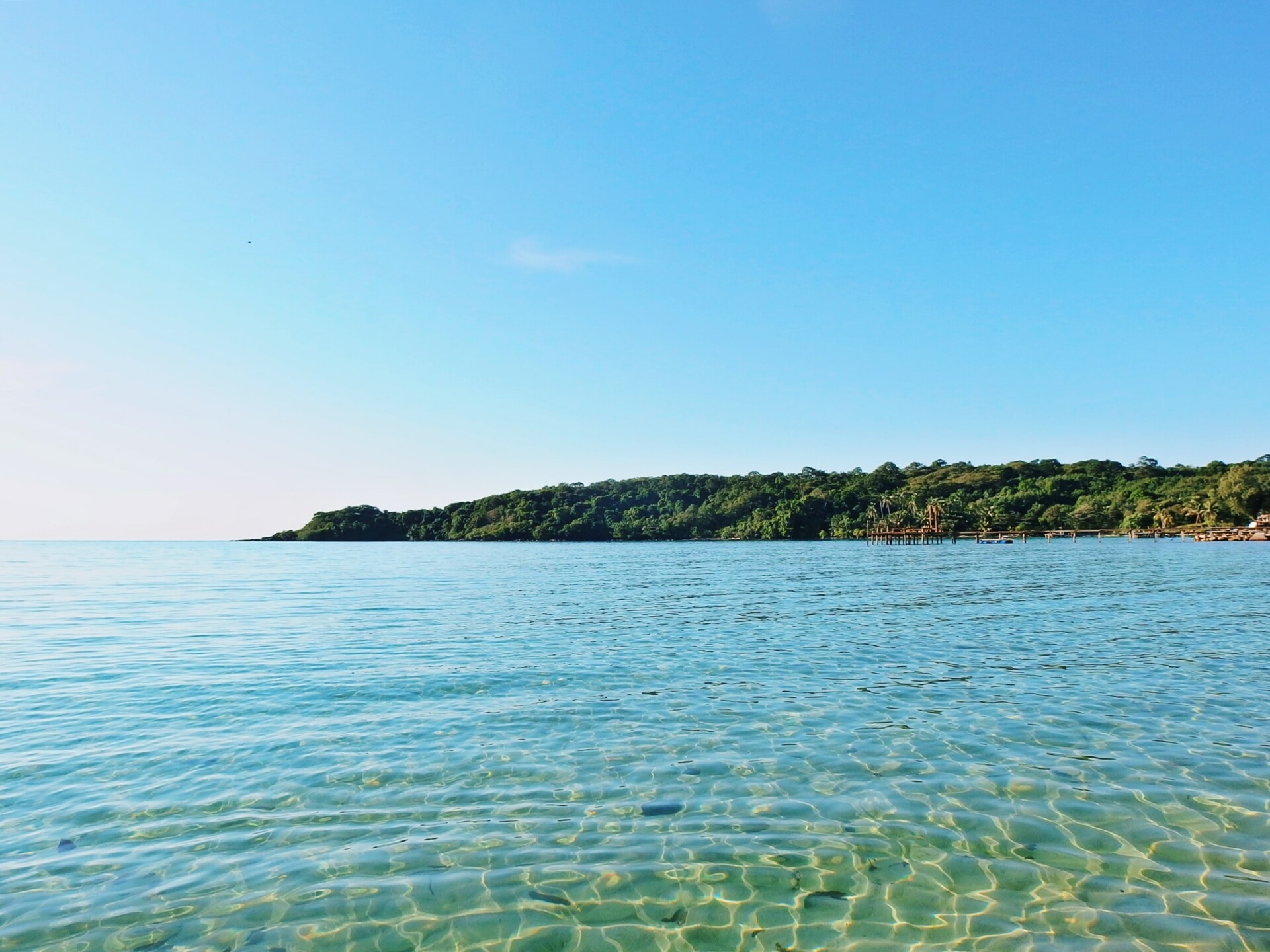
Back in the day, when travel in that part of the world was quite unsafe, I was floating 10 meters deep in the Banda Sea (Eastern Indonesia), drifting amid the most gigantic school of fish I had ever seen; thousands upon thousands of silvery snappers swirling around me in a sheer endless vortex, a vision made even more magical by the rays of afternoon sunlight breaking through at the most perfect angle.
However long the magic lasted, I don’t remember, but I treasure this moment as one of the most profound and sacred experiences of my life thus far.
Meanwhile, somewhere above, at surface level, the two local fishermen who had brought me to this magical place, and whose language I did not speak, were busy taking the engine apart, supposedly to fix it. When I last saw them – just before the solo dive I had prepped and planned for weeks – I had little hope they, or anyone else, could put the dozens of pieces spread out before them together again. I was sure we were lost. I went for the dive anyhow. What else was there to do?
It had taken me three days and dubious methods of transportation to just get to the nearby island of Seram, and from there four hours to get to the dive spot. Even with a working motor, it would take us that long to get back. We had no radio, only a couple bottles of water and one torch, and at best were looking at hours of motoring back in complete darkness to the village where I had found accommodation. At worst we had to hope we would chance upon some local fishermen the next morning to save us. Did I mention this is a very remote part of the Maluku Islands?
Objectively, my life was more in danger during that dive in the Maluku Islands than on that past-midnight walk in Times Square. But my heartbeat told a different story.
Weeks later in Bali, chatting with a group of divers, someone commented on how courageous I had been to take that trip. They had heard of the island of Seram, but none had ever dared go there. Headhunters were rumoured to still live on the island. There was no infrastructure, no dive centers. But honestly, was that courage? It didn’t feel particularly courageous to me back then. It was just something I wanted to do. Thinking about it today, though, it seems outright reckless, naive, crazy.
I was reminded of that experience when, recently, I read about a human rights worker who had fallen into the hands of ISIS because – after crossing into Syria from Turkey – his two travel companions turned on him and sold him out. A journalist who later interviewed him marveled at this young man’s courage, surviving two horrific years of ISIS captivity and torture, escaping his captors and returning to Turkey undetected. Yet the human rights worker did not agree with this reading of his story, at all. What had propelled him was not courage, he insisted, but arrogance and stupidity. And the only thing that had saved him was basic survival instinct.
Courage – if it is real – starts on a back foot of hesitation and defensiveness. It arrives with the faint scent of defeat and leads through a door into an unknown land from where we know we cannot return unchanged, if at all.
Courage – I fast forward and shuttle back through my life, scanning for moments that might qualify as courageous. Had there been any? If so, what were they? What is courage made of?
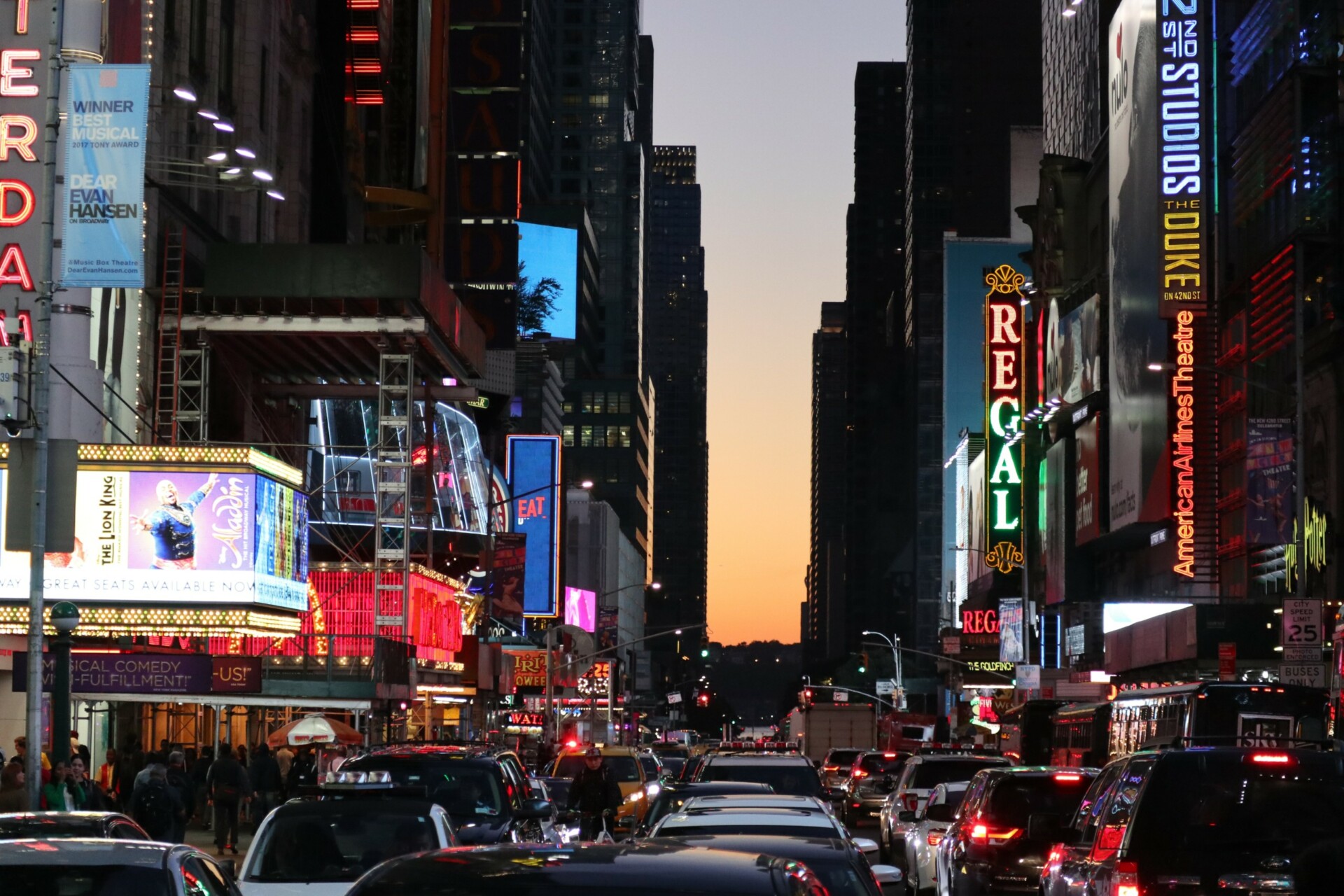
One of my first nights in New York City in the late Eighties comes to mind. I was boarding in a mangy hotel in the Times Square area at the time, still looking for something permanent. Have a look at Deuce and you get the idea of what it was like, back then. On the third night, I think, I decided to go to a late show of Full Metal Jacket, in a movie theater that was – thanks to cheap second-run tickets – home to Vietnam vets and drug addicts who wanted to escape the oppressive heat outside. I was shit-scared, but it was Kubrick. How could I not go? My heart still beats in my throat when I recall walking back those five sparsely lit seedy blocks to the hotel at one o’clock in the morning, in oppressive heat, haunted by the echoes of veterans who kept yelling obscenities back at the screen whenever a Viet Cong guerrilla appeared in the film and, when one was killed, cheered and mimicked machine gun salvos.
Objectively, my life was more in danger during that dive in the Maluku Islands than on that past-midnight walk in Times Square. But my heartbeat told a different story.
So, I arrive at this: there is no courage without awareness, anticipation, maybe even certainty, of failure. Of rejection. Of humiliation. Of utter destruction really, physically, or emotionally, or spiritually. There is no act of courage, without one’s own fearful heart drumming out all other thoughts, other than this: “What I’m about to do is not going to end well.”
Courage – if it is real – starts on a back foot of hesitation and defensiveness. It arrives with the faint scent of defeat and leads through a door into an unknown land from where we know we cannot return unchanged, if at all.
Tobias Meinecke is a writer, filmmaker and traveller based in Berlin.