On Friday, we spent the day at the UdK Rundgang, and if you’re into art, design, music, or just love seeing what Berlin’s creative scene is actually cooking up, you would’ve had the best time. For one weekend, the entire university opened up, so we got to wander through studios, workshops, and rehearsal spaces, chat with the artists behind the work, and stumble into live performances and installations around basically every corner.
Because art has always carried politics and social commentary with it, we started spotting little traces of that almost immediately. We also love overanalysing literally everything, so obviously that’s exactly what we did:
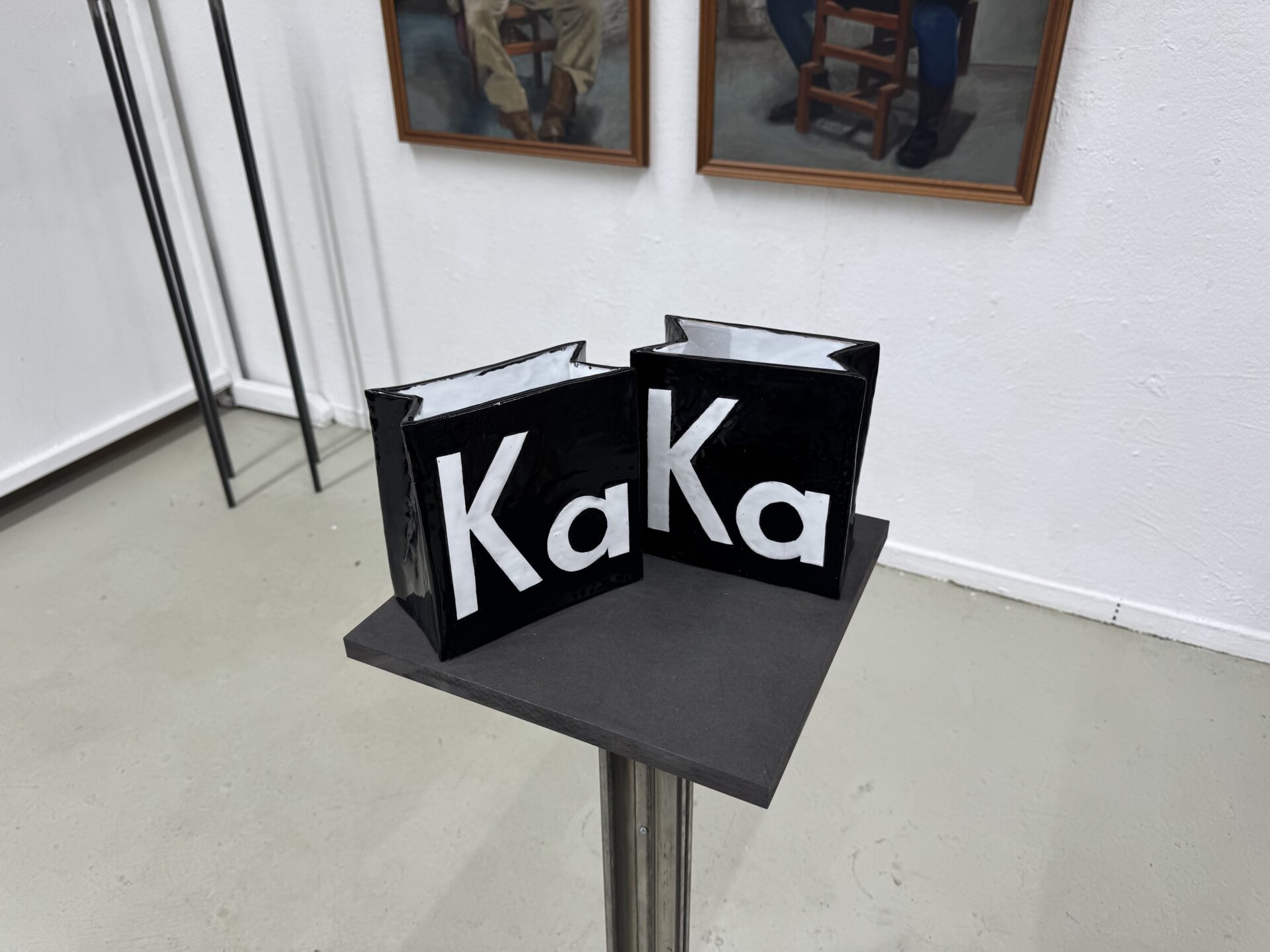
Right in front of us were two ceramic shopping bags modelled after the iconic KaDeWe bags by Sophia Lietsche. Each one only carried the first syllable of the logo, “Ka”, so once they were placed next to each other, they suddenly read “KaKa” (“shit”). Our first thought was instant: “This has to be a dig at overconsumption and capitalism.” They’d taken one of Germany’s biggest luxury brands and used its own branding against itself. And the ceramic? One tiny push and the whole thing would’ve shattered into thousands of pieces, which somehow made the stability of capitalism feel weirdly fragile. “That’s so clever, damn.” Neo-Dada has definitely entered the chat.
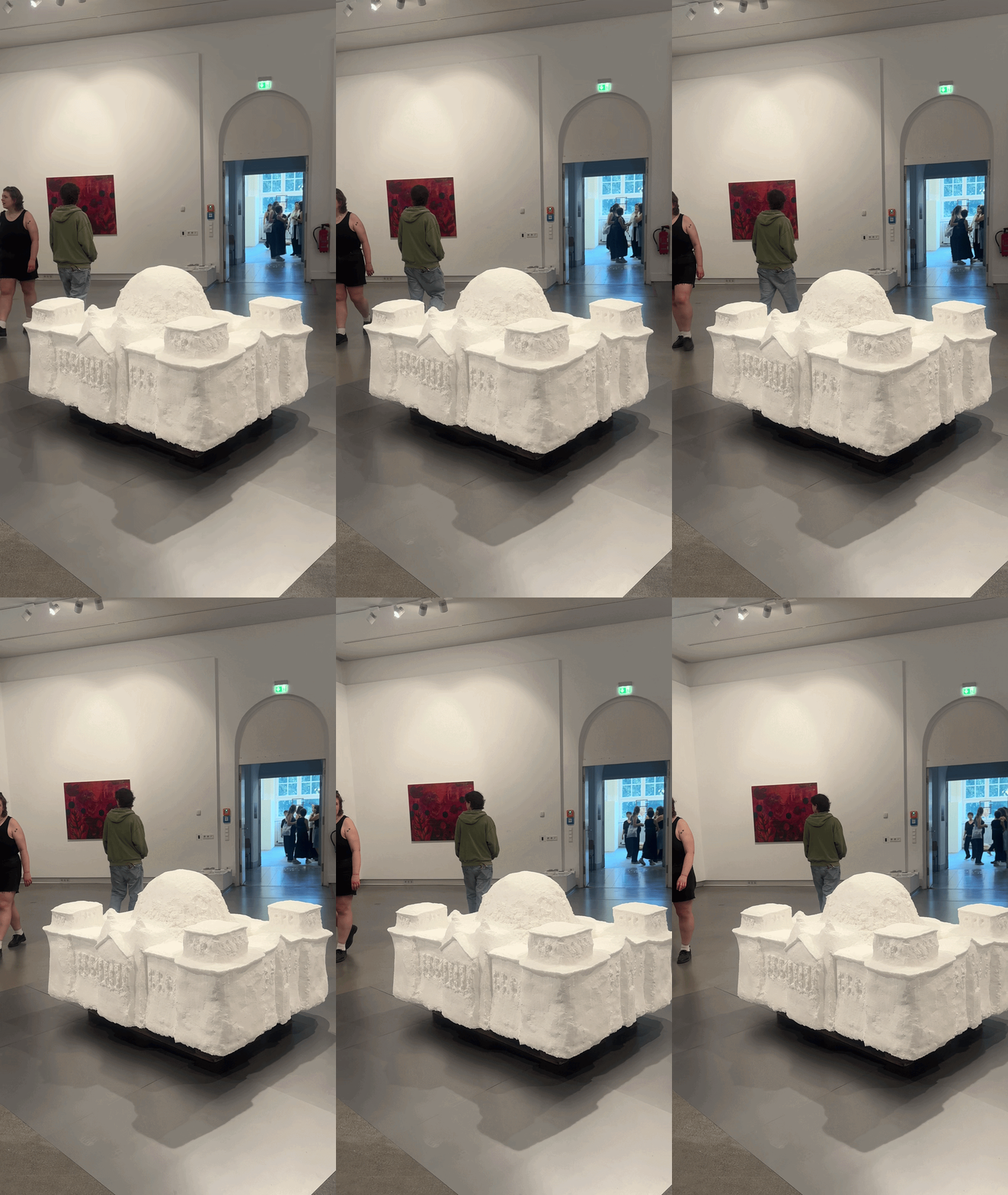
Then we turned a corner and found a whole-ass German Bundestag made out of salt by German-Mongolian artist Alungoo Xatan. Salt literally used to be a currency, so seeing one of the country’s most powerful political buildings rebuilt from it felt like a pretty loud statement. It was as if money had seeped so deeply into the system that it was impossible to hide anymore. Tiny salt crystals were spilling out of every crack and every corner of the architecture, making it look like the whole thing was slowly exposing itself from the inside out. Since when did questioning consumerism become uncool again, guys?
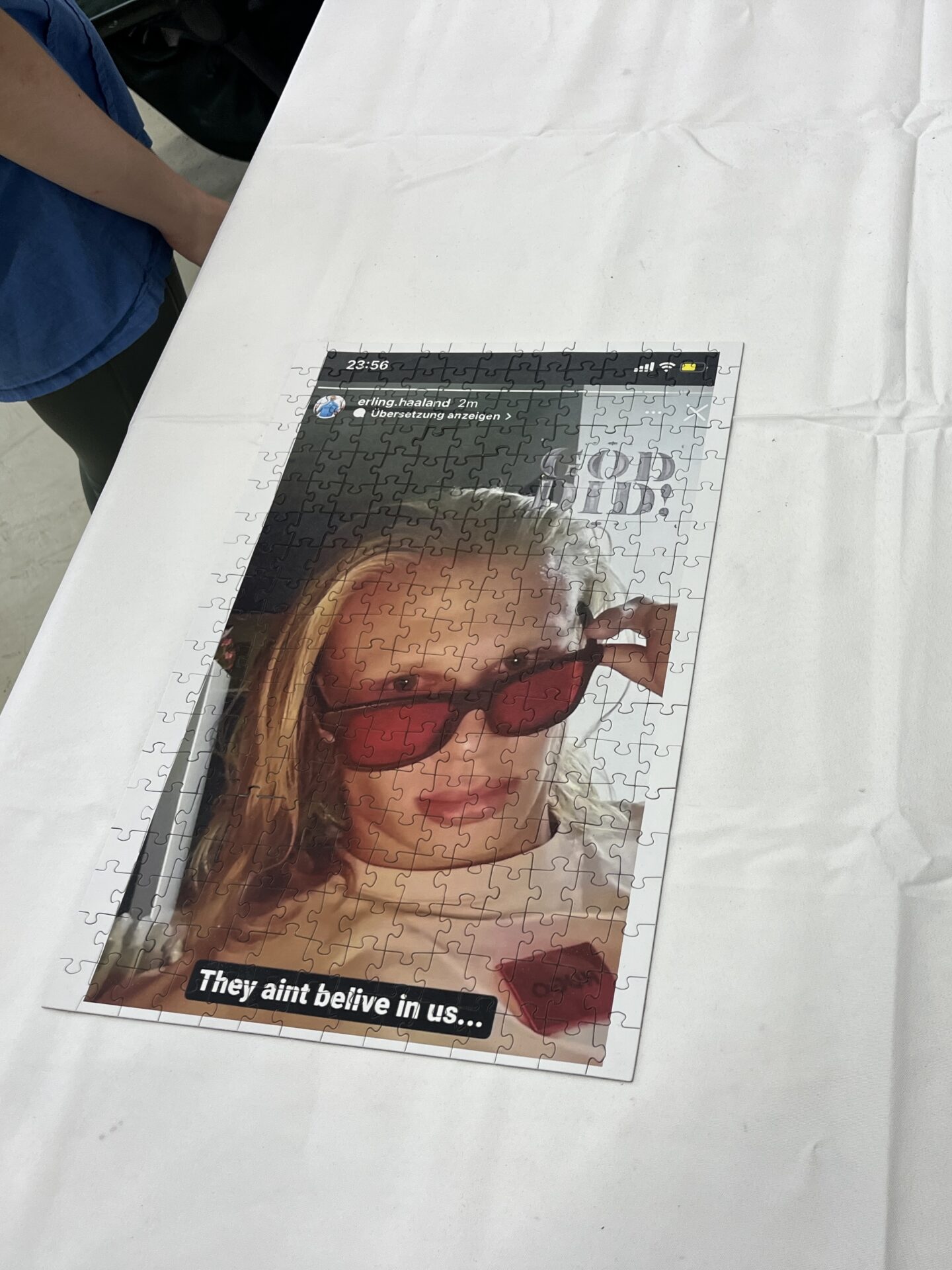
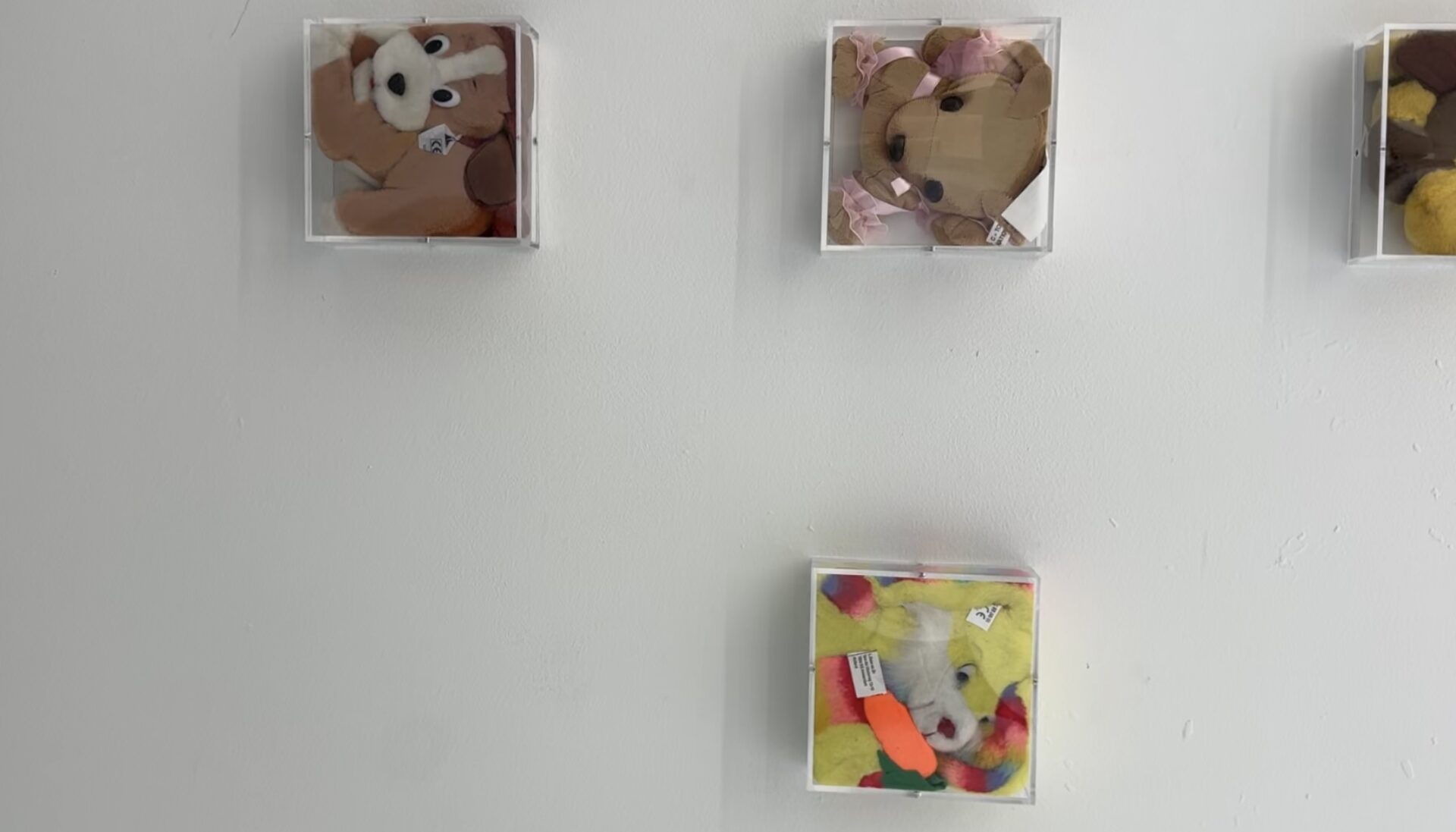
And don’t even get us started on the Erling Haaland puzzle we saw, omg. It somehow wrapped everything up with the perfect amount of subtle humour while making contemporary art feel way less intimidating, especially for younger generations. Art needs entry points that speak their language. The same feeling stayed with us when we came across a piece by Rosa Witt, showing plush toys pressed against the wall by tiny plastic containers: grow up, they said. Such a playful image suddenly became a painfully accurate reflection of the expectations the world keeps placing on children before they’ve even had the chance to just be children. Or maybe even our inner children trapped in adulthood..?
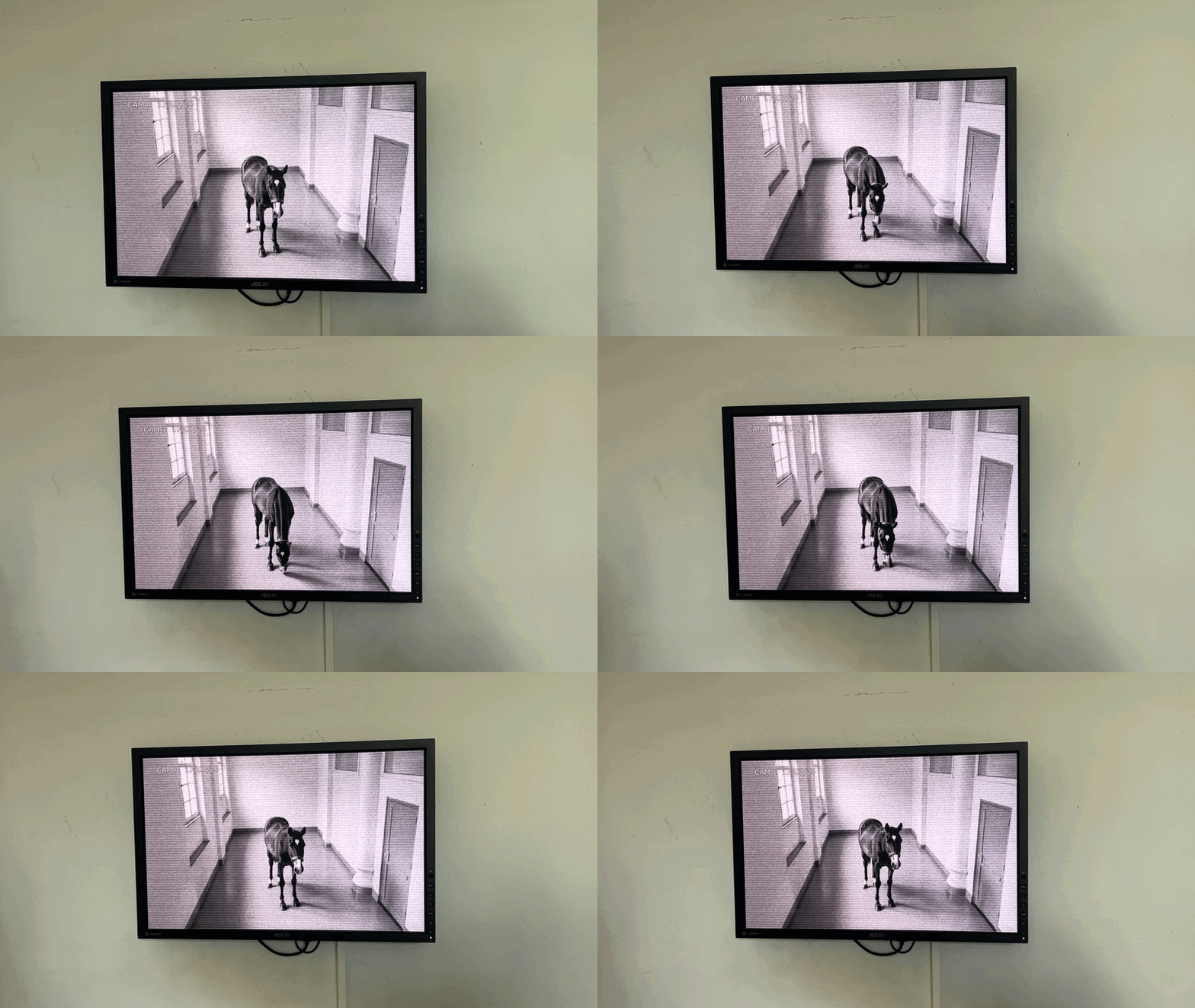
Further down the corridor, we came across a display sticking out of the floor, looping the same security camera footage over and over again. The weird part was that it showed another corridor inside the university where a horse was just… standing there. Completely random. We had exactly the same reaction every city kid has when someone spots horses from the motorway: “Horseeees!” Of course, we had to film it.
At one point, one of us just went, “Anything even slightly equestrian always feels so majestic.” Then we caught ourselves doing exactly what humans always do. We weren’t actually looking at the horse. We were looking at everything we’d projected onto it. But somehow, the security camera footage flipped the perspective. Instead of seeing ourselves on the screen like you normally would, the horse became our stand-in. For a second, we stopped thinking about what we saw and started wondering what the horse might see instead. It was such a subtle shift, but it made empathy feel a lot more tangible.
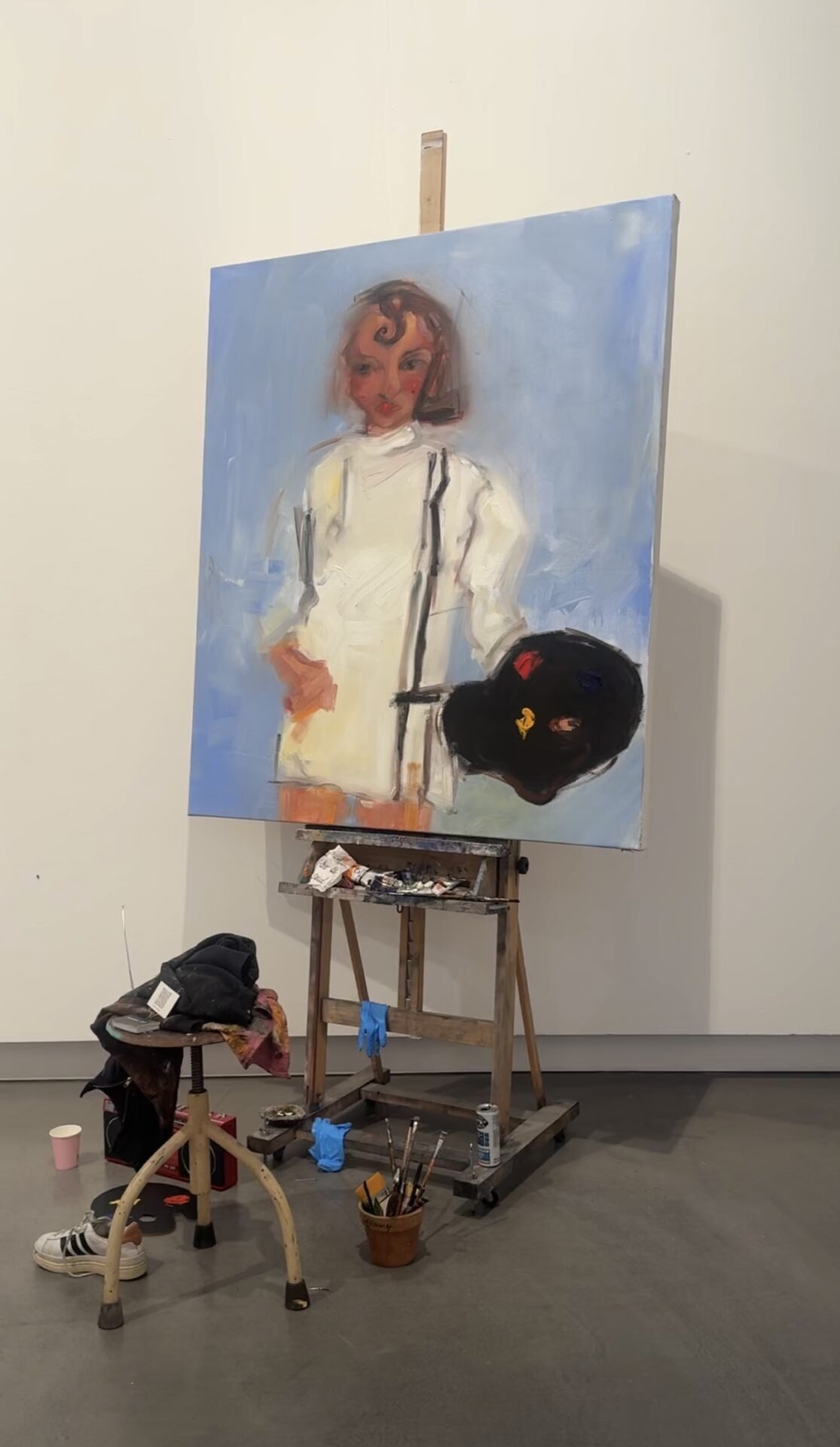
The next room pulled us in almost without us noticing. We ended up standing in front of a series of self-portraits, and there was something incredibly gentle about them. Seeing how artist Kara Su chooses to paint herself feels so intimate because we only ever know ourselves through reflections while living life entirely in the first person. It makes sense that emotions end up woven into the image as well. Maybe every portrait is trying to explain a version of someone’s existence that none of us on the outside will ever fully understand just by looking.
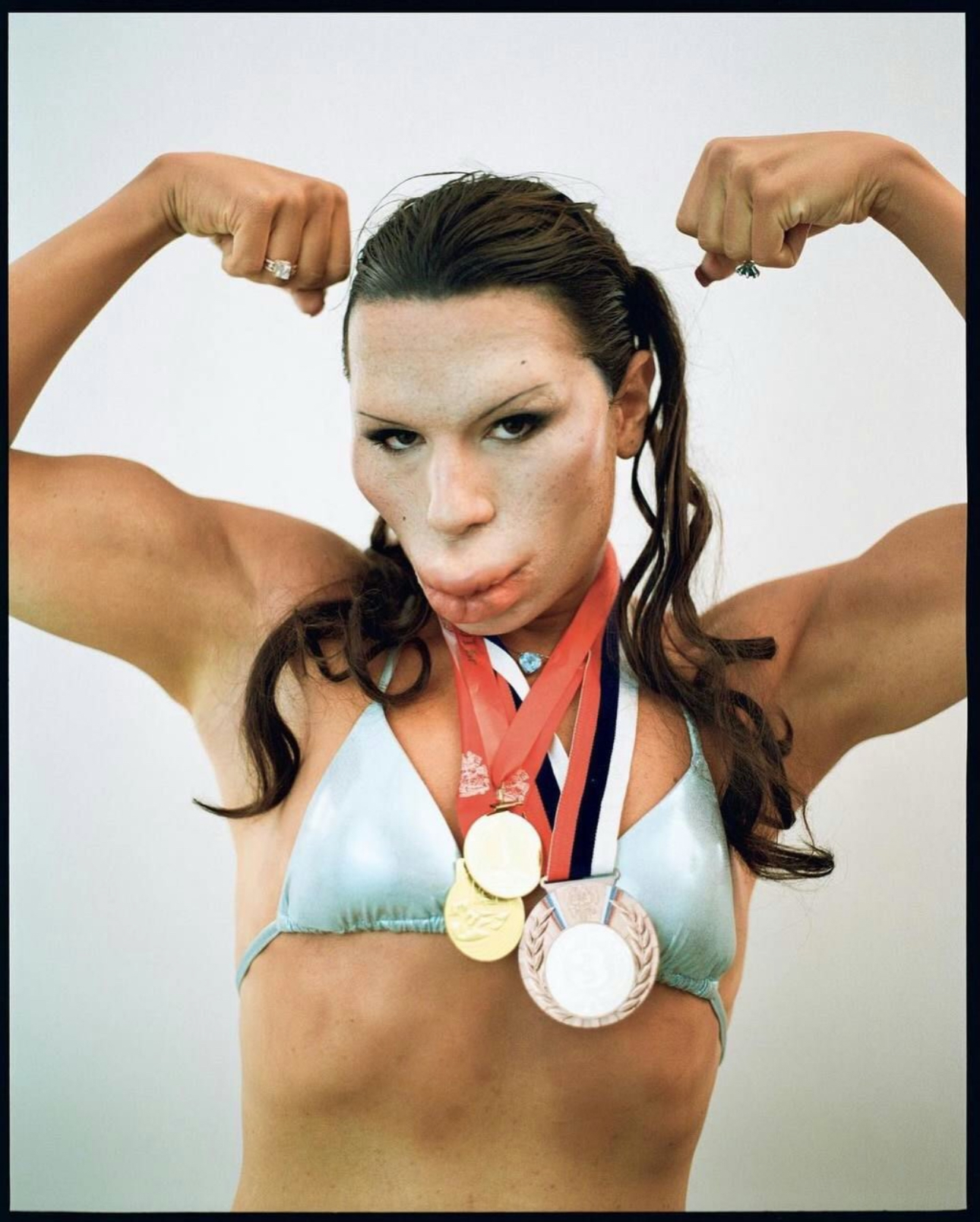
Just a few steps later, we came across hyper-realistic silicone sculptures by Yury Belyavskiy, one of the artists from Monica Bonvicini’s class. His work explores gender expression, beauty standards, and the ways femininity gets projected onto the body through transformation. One self-portrait instantly reminded us of the endless online debates around Algerian boxer Imane Khelif and how quickly people think they can define someone else’s identity just by looking at them. It felt like another reminder of how much we project onto bodies before we ever stop to actually listen to the person inside them.
We also got to speak with artist and actress Paula Beer, who told us, “I’m really interested in bodies and the stories they tell. I think they hold so much truth that we’re not even consciously aware of.”
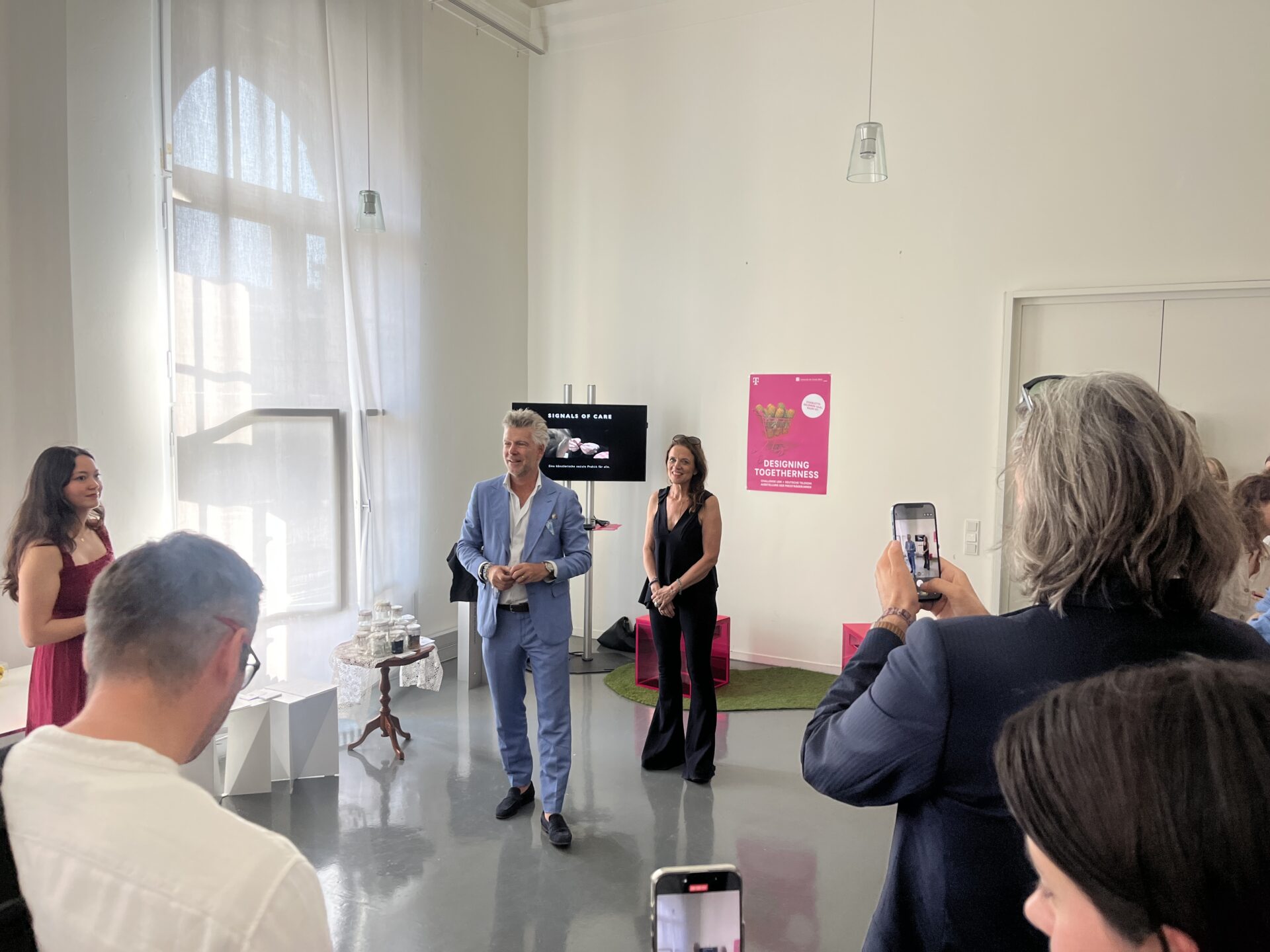
Speaking of connection, that ended up becoming one of the biggest themes of the evening. At a time when we’re technically connected 24/7 but somehow feel more alone than ever, students from GWK teamed up with Deutsche Telekom for a project exploring how we might actually meet each other beyond our screens. The concepts all played with small rituals and physical interactions that make starting a conversation feel less awkward. The winning project? Two Telekom magenta cubes facing each other, with a slot to put your phone away before you sit down. No notifications. No constant buzzing. Just an excuse to actually look at the person opposite you for a while. Honestly, we loved that. Huge congrats to the winners!
We left with way too many thoughts, way too many video notes in our camera roll, and the feeling that none of it really ended that evening. Most of these ideas are still unfolding, and that’s probably the nicest thing about the Rundgang. See you next year!