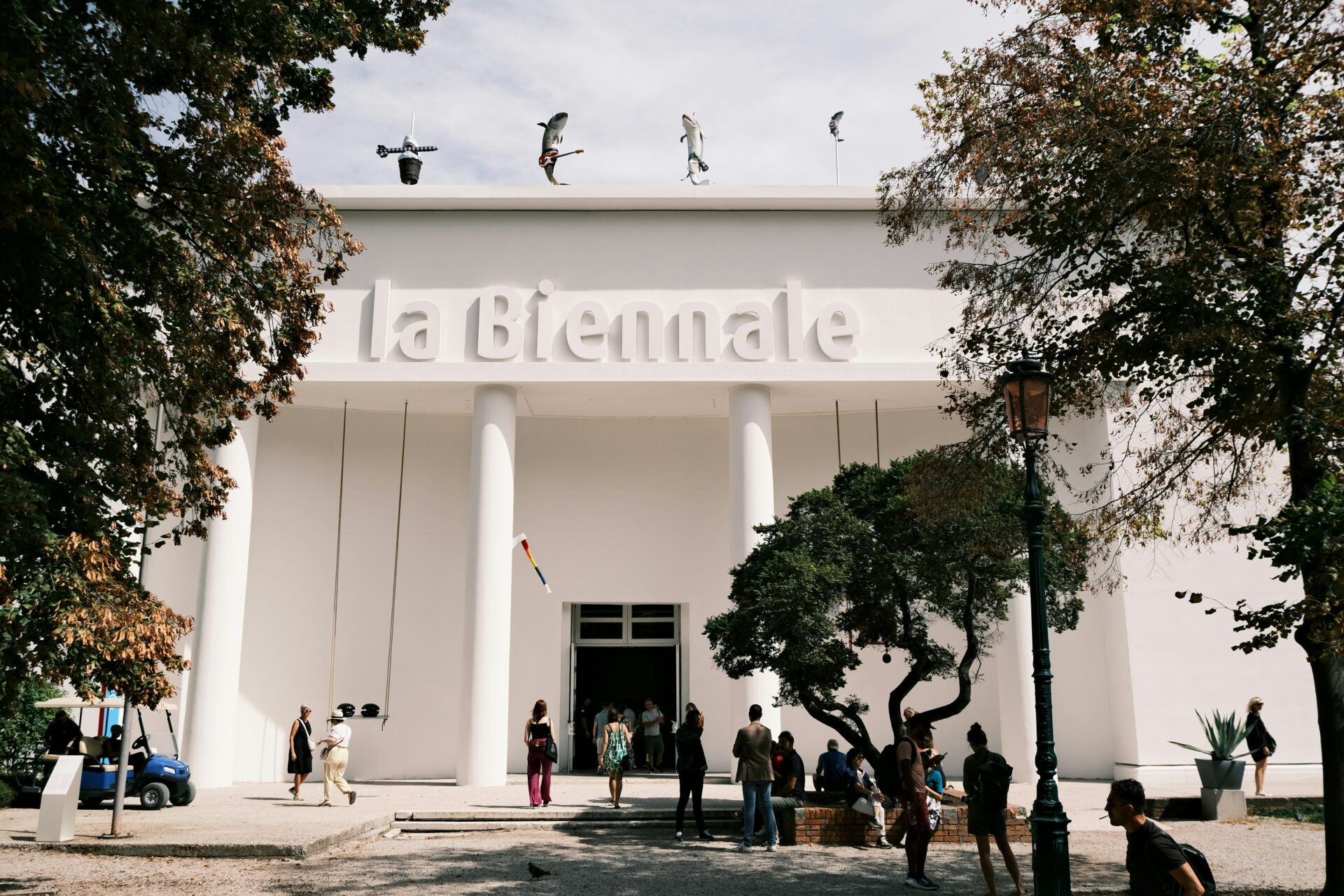
The comeback of Russia’s pavilion, caused absolute chaos at this year’s Biennale. Brought back by president Pietrangelo Buttafuoco for the first time since 2022. Those bright pink balaclavas standing in front of the stripped-back pastel green Russian Pavilion in the Giardini, the iconic park at the heart of the event, probably aren’t leaving anyone’s memory anytime soon.
Just three days before the opening in May, the internationally known Russian art collective Pussy Riot and the Ukrainian feminist movement Femen, protested against Russia’s participation. Through thick clouds of pink smoke, protest signs kept appearing with slogans like: “Art for show, graves below.”
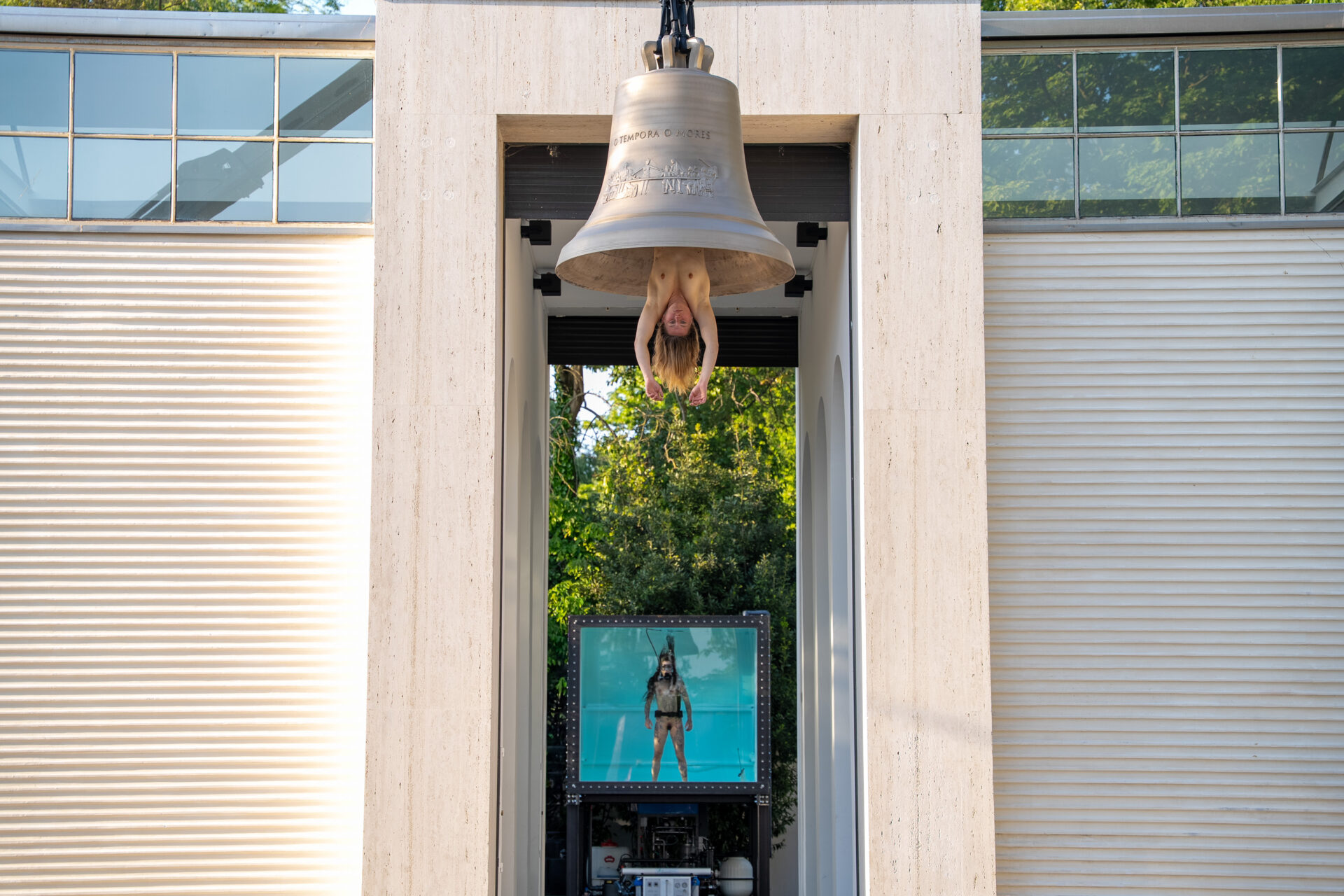
Okay but the story doesn’t stop there because a few days ago the European Education and Culture Executive Agency, aka the EACEA, entered the convo. Their move? More than two million euros in funding for the Fondazione La Biennale got cut ahead of schedule. Why?
"Cultural projects financed with European taxpayers' money should uphold democratic values and promote open dialogue, diversity and freedom of expression. These are values that are not respected in today's Russia“ – spokesperson for the European Commission.
Financially, the funding cut probably won’t hurt the Biennale that much. But somewhere between all those banknotes, another question starts creeping in. Does a decision like this actually damage artistic freedom? And on the other hand, should art be neutral?
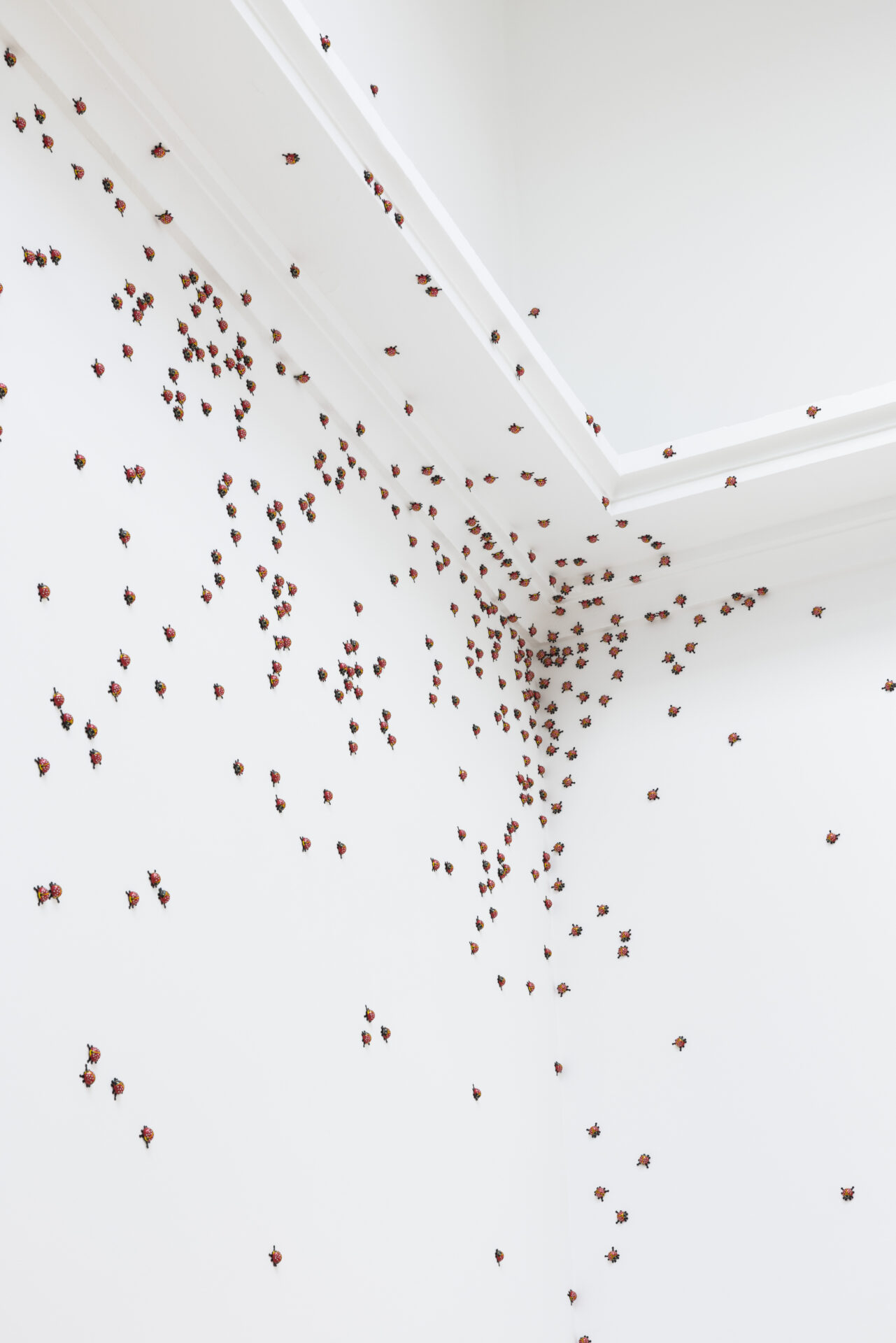
German Pavilion. Sung Tieu. They Have Eyes, But They See Not, 2026. Photo by Andrea Rossetti.
Let’s take a step back and look at what the purpose of art has been throughout history. Romanticism pushed back against industrialisation. Expressionism criticised militarism and an increasingly alienated society. Today, graffiti and street art expose power structures and social inequality across entire city walls. Art has never been neutral. It’s always been a way of expressing ideas, opinions and truths that often couldn’t be voiced any other way.
So if the Russian pavilion had genuinely created space for critical dialogue about the war, its presence could have strengthened the very purpose of art. It could have offered Russian artists a platform to question power, confront violence and contribute to an international conversation that politics has failed to sustain.
For example a pavilion that challenged the Kremlin’s narrative instead of reinforcing it would have added something much more meaningful to the Biennale. It could have demonstrated that artistic expression survives even under authoritarian rule. Instead, critics argued that Russia’s return risked turning the Biennale into a vehicle for cultural diplomacy and state propaganda rather than artistic exchange. In that context, the pavilion carried political meaning that extended far beyond the artworks themselves.
That distinction also matters on a state level. An international exhibition can choose to keep its doors open in the name of artistic exchange. Governments and public institutions operate under different responsibilities. Even Italy’s own culture minister distanced himself from the reopening of the Russian pavilion despite being part of a right-wing government, showing that the criticism reached far beyond one political camp.
So, should art be neutral? Perhaps that was never the right question. Art should remain a space where difficult conversations are allowed to happen. If nothing else, the sanctions ensured that this debate did not disappear behind a wall of ignorance. They turned the Biennale itself into the kind of conversation that art has always been meant to create.
Remember, artistic freedom does not exist independently of the world around it. It rests on a commitment to human dignity.