
Walking down the Amstel River, in the heart of Amsterdam, you come across a bridge that you can’t miss called the Magerebrug (“skinny bridge”). It’s an old, white drawbridge which, at one point in time, was just a plank of wood. Legend has it that two sisters lived on either end of the river, but there was no way for them to cross and be together. So, their father built a thin bridge just wide enough for them to shimmy out to the middle and meet, reconnecting their sisterly love forever. Now, the legend continues that if you and your lover kiss on top of or while passing beneath the bridge, your love will last forever. Sitting on a dock on the Amstel, I watched the floats of the Amsterdam WorldPride Canal Parade pass under the bridge, inaugurating the celebrations and promising all those passing underneath eternal love and acceptance amidst the growing presence of far-right governments and anti-LGBTQ+ sentiments.
Chances are you’ve heard of WorldPride, maybe better known by its nickname “the gay Olympics.” If you haven’t, the TLDR is that it’s a global celebration of LGBTQ+ pride events organised by queer leaders and allies approximately every two years in a new city with a new theme. This year, under the theme of Unity, the celebrations were held in Amsterdam, arguably Europe’s gay capital: The Netherlands was the first country in the world to legalise gay marriage in 2001, it was one of the first nations to decriminalise homosexuality, and, in 2021, it amended its constitution to specify that discrimination based on sexual orientation is forbidden.

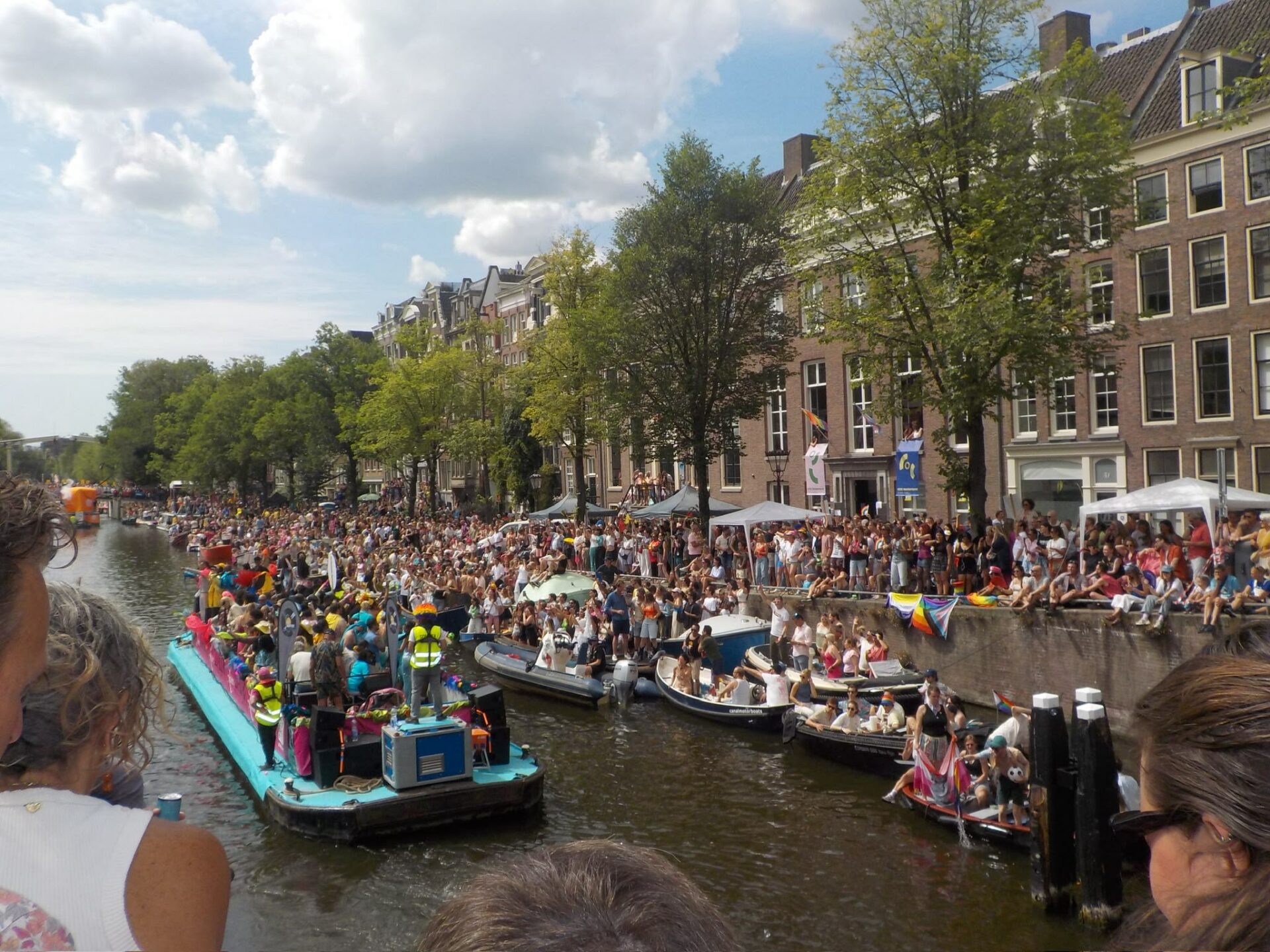
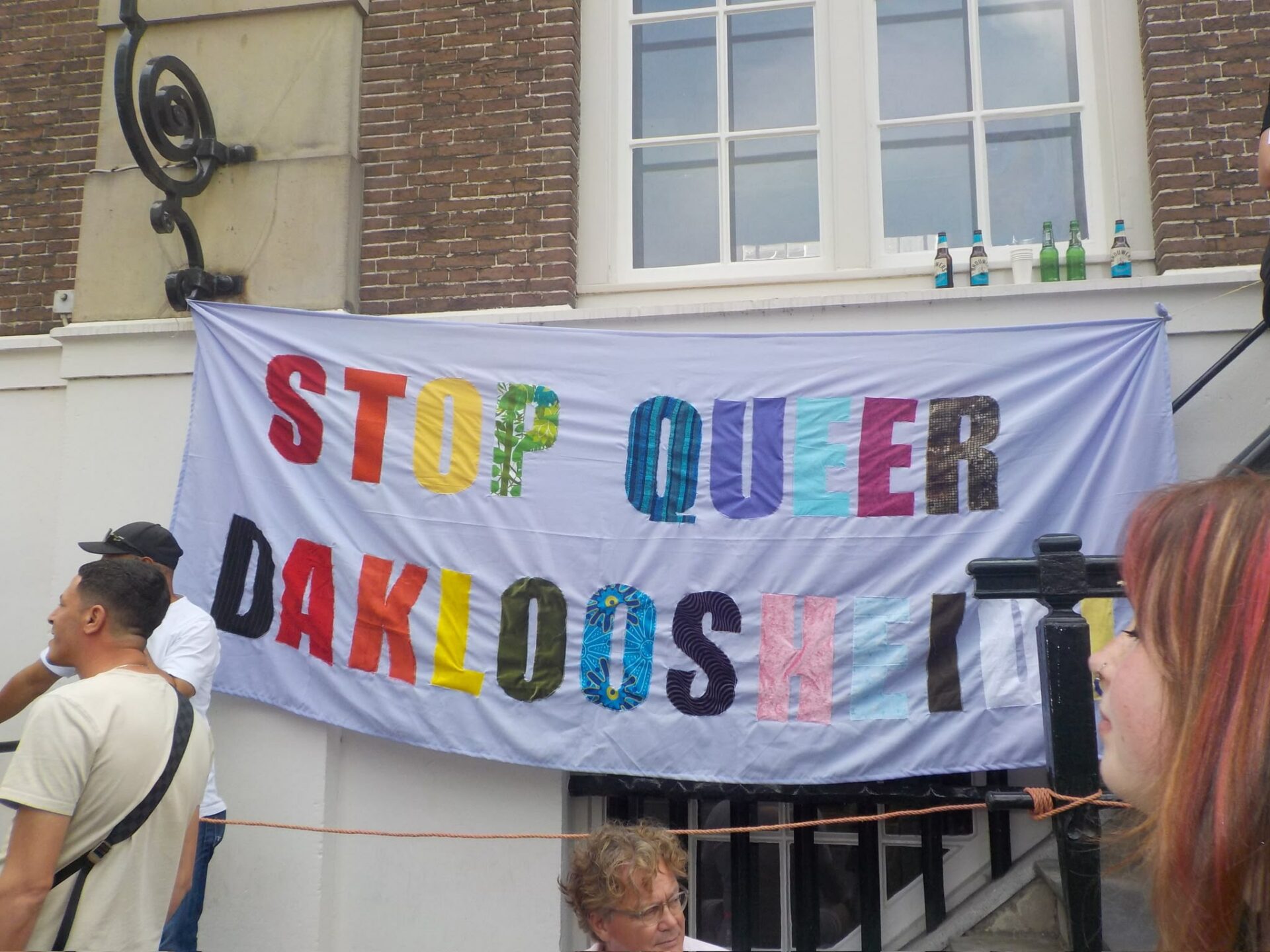
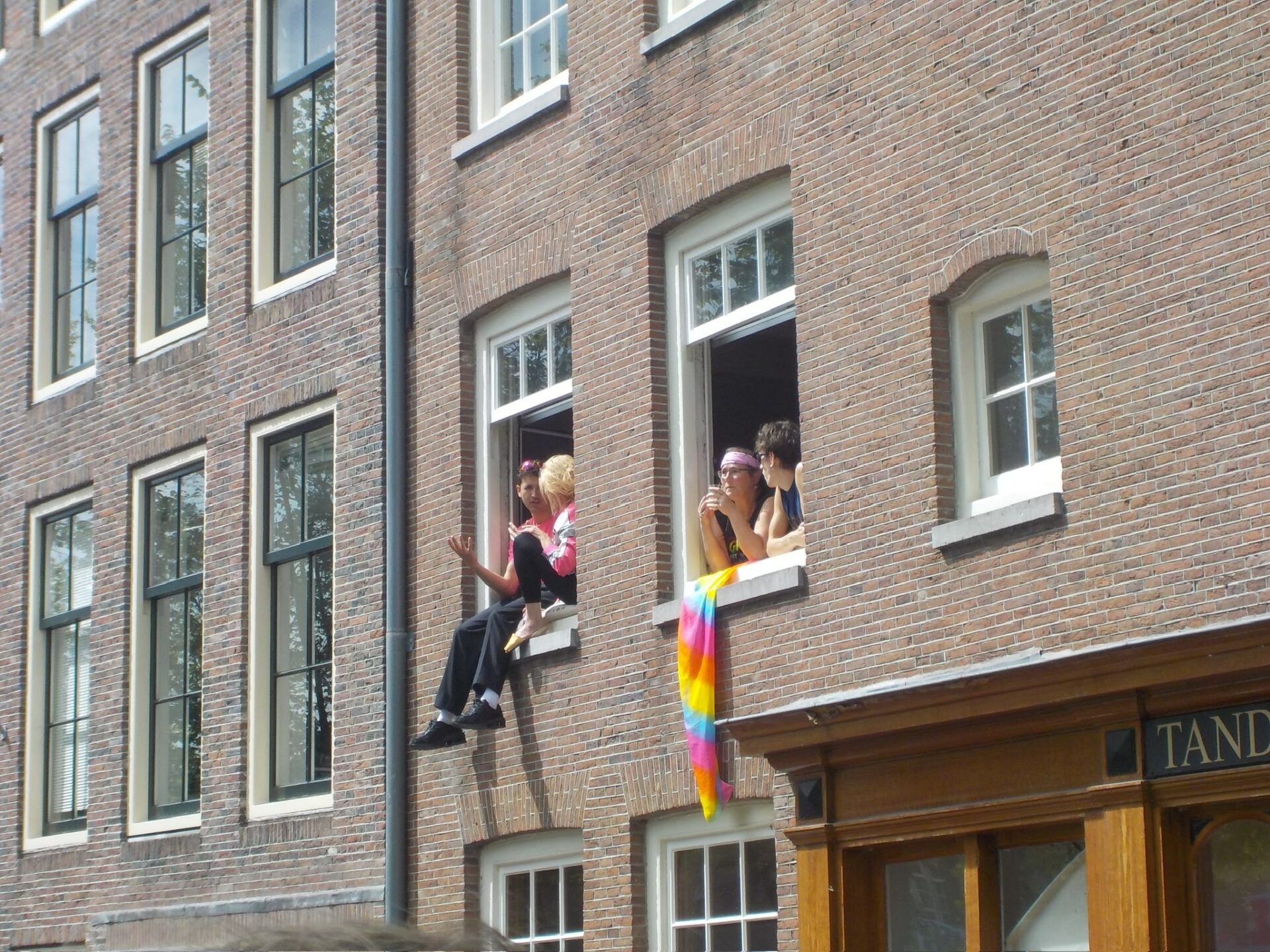
So, why then is this supposed gay haven ranking at number 13 on the International Lesbian, Gay, Bisexual, Trans and Intersex Association (ILGA) Europe’s Rainbow Map, which determines the level of safety and legal protections for queer people across Europe? Because the Netherlands is not the only country whose queer-friendly facade is being questioned. The findings show that the UK has dramatically worsened, starting out ten years ago in 3rd place and now ranking 22nd. Meanwhile, Germany is not exactly low in the rankings, sitting comfortably at number 7, yet, as we’ve seen with the deadly hate crime on 25 July at Tiergarten park on Christopher Street Day during Berlin Pride, homophobia and transphobia are continuously taking shape and refashioning themselves in violent ways.
Spain, on the other hand, has been climbing slowly but surely, ultimately reaching the number one position this year. Although this probably shouldn’t have come as a surprise since Spain has always been quite high in the rankings, I was a bit taken aback. Many would assume the Netherlands would be higher up. It felt like we had been duped by this welcoming pretence, fooled by the rainbow and pinkwashing campaigns so cleverly designed to cover up a lack of progress.
To understand what it actually means for a country or city to be considered queer-friendly, we have to look at the regulations. ILGA Europe, for example, analyses 7 categories: Equality & Non-Discrimination, Family, Hate Crime & Hate Speech, Legal Gender Recognition, Intersex Bodily Integrity, Civil Society Space, and Asylum. Together, they make up the final ranking of a country. Much of what Spain outperforms the Netherlands in is health practices, gender self-determination, asylum petitions on the basis of LGBTQ+ identity, and its push for progress. Where the Netherlands has stagnated in the past year, not introducing new legislation, Spain has been proactive, imposing harsher sentencing and fines after criminalising conversion therapy and passing regional anti-discrimination laws.
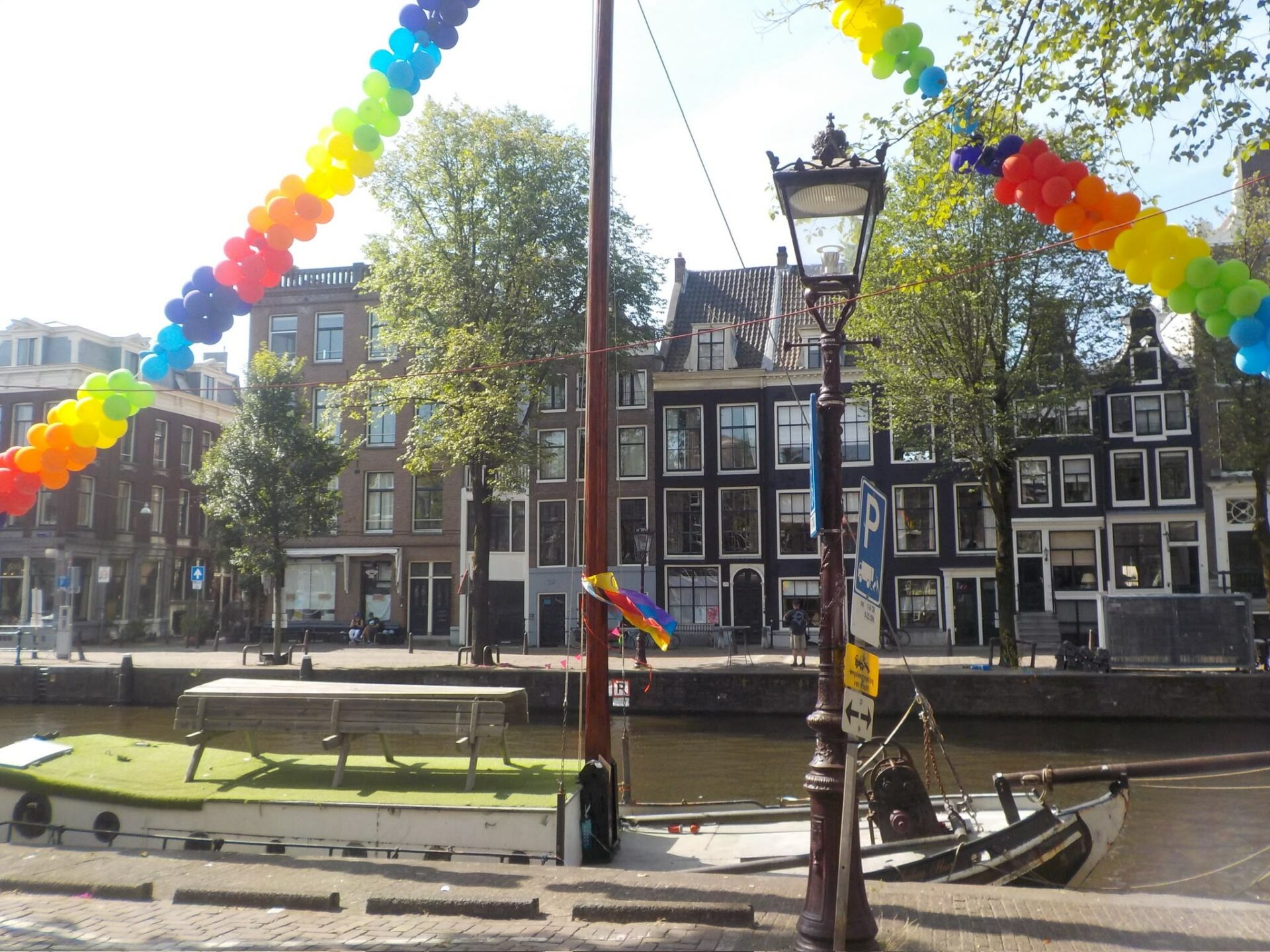
But something important to note about this study is its focus on legal frameworks and institutional practices. Of course, solidifying LGBTQ+ rights in law remains a huge barrier for many nations to overcome, but most European countries already have broadly anti-discrimination legislation in place. Where some of ILGA’s data falls short is in measuring what those laws actually mean for day-to-day life. How are they being put into practice, and are LGBTQ+ people even feeling their impact? If passing these laws is the first step, the more important question is how, and whether, that progress actually trickles down into society.
As I walked along the Canal Parade, past the Magerebrug, and by the Homomonument, I had these questions in the back of my mind. What was meant to be a celebratory protest to protect queer people and spaces suddenly seemed a bit off. Pride is for everyone, of course, but one thing about the Netherlands is that people love to party and they will take any excuse to do so. But Pride shouldn’t be an excuse, it should be something people choose into, something joyous where you celebrate one another as you are. I sat down on the curb and watched as cisgender straight men walked by with their shirts tucked up to their chests, laughing, trying to imitate a gay man’s walk. I thought back to all the times I heard men asking lesbians to kiss in front of them, or stories of friends getting a side eye, being yelled at, or pushed.
Then, I saw the Dutch Police and Ministry of Defence floats drift by on the river, decked out with rainbow flags attached to their uniforms, celebrating the queer members of the force and all they do to protect LGBTQ+ individuals. This one made me do a double-take. In part because Pride originated as a protest *against* police violence towards LGBTQ+ people, and also because the Ministry of Defence has noted a growing concern about right-wing extremism amongst its soldiers. The rainbow washing didn’t stop there, though: KLM and Delta sailed past, swapping their planes for boats. And aside from the obvious climate pollution caused by airlines, Delta has donated more to right-wing candidates in US election cycles and even helped fund Donald Trump’s inauguration celebrations.

All of these corporate and governmental ties are purposefully hard to follow and track down so that they can still have this externally progressive or “rainbow” mask. And while some may not be directly funding anti-LGBTQ+ parties, their lack of commitment to issues they’ve spoken against is a telltale sign that no ideology is safe, the only thing certain is money and that is the only cause they can truly align themselves with. The Netherlands and its institutions are represented as pillars of progress, stability and tolerance. Ah, yes, the ‘tolerant Dutch.’ They don’t care what you do behind closed doors so long as you’re not doing anything in public. But that’s not acceptance, it’s barely even tolerance. The pride flags can fly as tall and mighty as ever, but the reality is that the Dutch Rainbow Map ranking has dropped, and hate crimes have risen.
But this isn’t exclusive to the Netherlands. Across Europe, reports of hate crimes and hate speech are going up even as, institutionally, some governments are making progress. Most research attributes this, in part, to better reporting mechanisms, but also to the rise in far-right parties pushing dangerous rhetoric that demonises queer people. Although Spain’s minority left-wing coalition government and socialist Prime Minister, Pedro Sánchez, are making strides, a strong right-wing opposition leads in the polls, making the country vulnerable to backsliding. The same goes for much of Europe, where right-wing spaces continue to target LGBTQ+ people as part of a wider perceived problem of societal decline and moral corruption.
So, while legislatively Spain is ahead, it remains to be seen whether the country is really more accepting than others on a cultural and interpersonal level. There is something to be said for institutional solutions that can eventually make their way down to the general population. After all, you can’t change a population’s mind if even the government doesn’t believe in it. Yet, at the same time, grassroots organisations pushing for LGBTQ+ safety through day-to-day practices remain necessary for education, affinity spaces and resources that the government can’t or won’t provide.

That’s where these two worlds intersect to make a city feel safe: you need the community for support where the government lacks, and you need the government to provide care to all its citizens equally. The former is much more difficult to measure, but you see it in the windows of canal houses with pride flags, through the older Dutch people with signs reading “Free Mom/Dad Hugs” for queer people rejected by their own families, on bulletin boards outside university campuses with healthcare resources for trans people, inside the lesbian bars tucked away on a side street yet seemingly known by all. Unfortunately, there is always a reason to worry about our democracy and the rabbit hole our neighbours could fall into, but there is so much warmth in the world of hope, love in advocacy, and unity in our own community.
Amsterdam, with the Magerebrug, the Homomonument and the Amstel River, is home to so many people, including myself, and I do love it, despite all the faults and flaws you can find. Maybe that is also what the Magerebrug represents beyond its legend: love doesn’t mean looking away from what is wrong. As James Baldwin once said, it is because of the love I have for my home that “I insist on the right to criticize her perpetually.”