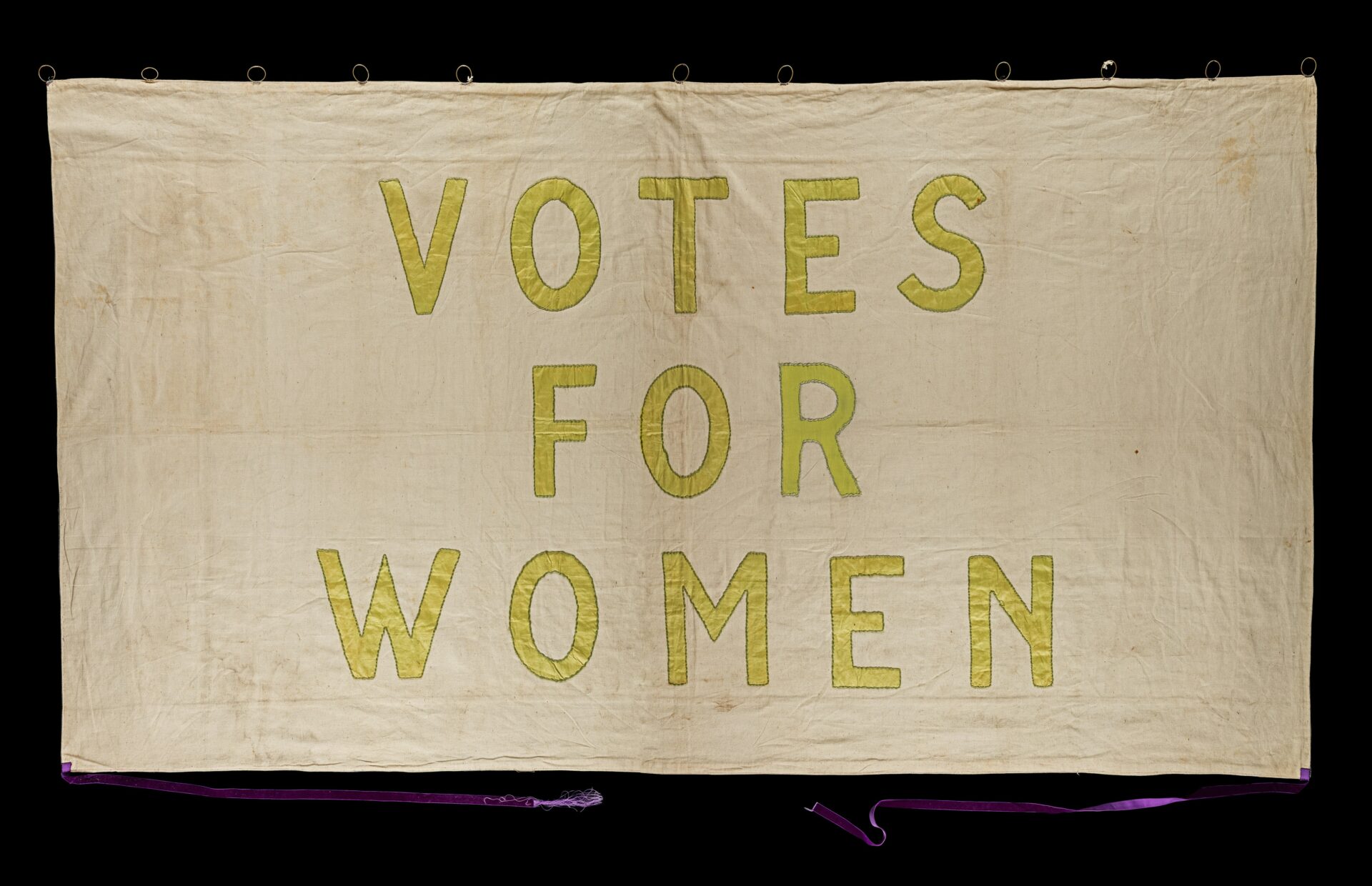
On 26 August 1920, the 19th Amendment to the US Constitution came into effect, granting women the right to vote. That was 106 years ago, long enough for the date to be comfortably treated as history: a line in the calendar, an occasion for commemorative posts and anniversary graphics. That would also be the easiest, and the wrong, way to approach it.
Because the real lesson of this date is only partly about America. It is this: freedom is not a state we reach and then possess. It is a practice, one that has to be repeated or it begins to wither.
This is not rhetorical exaggeration, but a sober observation of history. Every freedom that feels self-evident today was once contested, hard won and never permanently secured afterwards. Women’s suffrage is only one example. Freedom of the press, artistic freedom, the freedom to disagree with the people around you: they all follow the same pattern. A right is fought for, celebrated, enshrined in constitutions and statutes, and at that very moment it already begins to erode. Not necessarily through some dramatic reversal, but through something far more ordinary, and perhaps more dangerous: disuse.
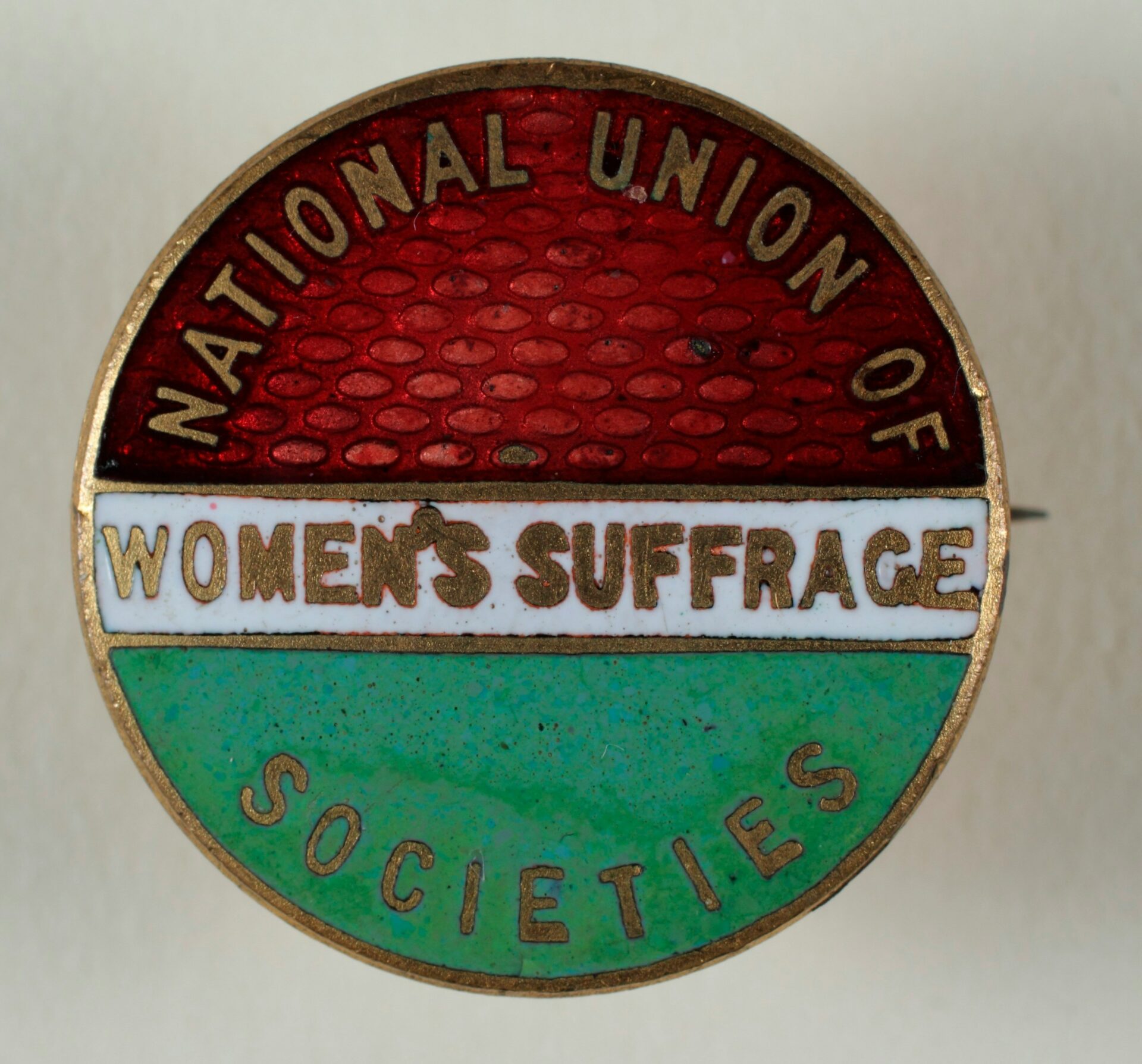
The Illusion That the Work Is Done
One of the most convenient illusions of open societies is the belief that historic achievements are finished chapters. Women have the vote, so the question of equality has been settled. There is a free press, so freedom of expression is secure. There is a liberal constitution, so there is no longer any need to practise liberal values in everyday life.
The temptation is understandable. Who would not rather live in a world where the great battles have been won and the great questions answered? But it is still a mistake, and a consequential one. Institutions protect freedoms only for as long as there is a culture behind them that actually puts those freedoms into practice. The law is the framework. The practice is what keeps it alive.
What does that mean in concrete terms? To treat freedom as a practice means exercising it, again and again, in order to preserve it. The freedom to ask uncomfortable questions begins to wither when nobody asks them anymore. Not because those questions have been banned, but because they fall out of fashion, because the social cost of dissent rises, because it becomes easier to align yourself with the majority opinion of your own bubble.
This is one of the underestimated dangers facing open societies. They are less often conquered from the outside than hollowed out from within, through quiet conformity and the comfort of avoiding friction.
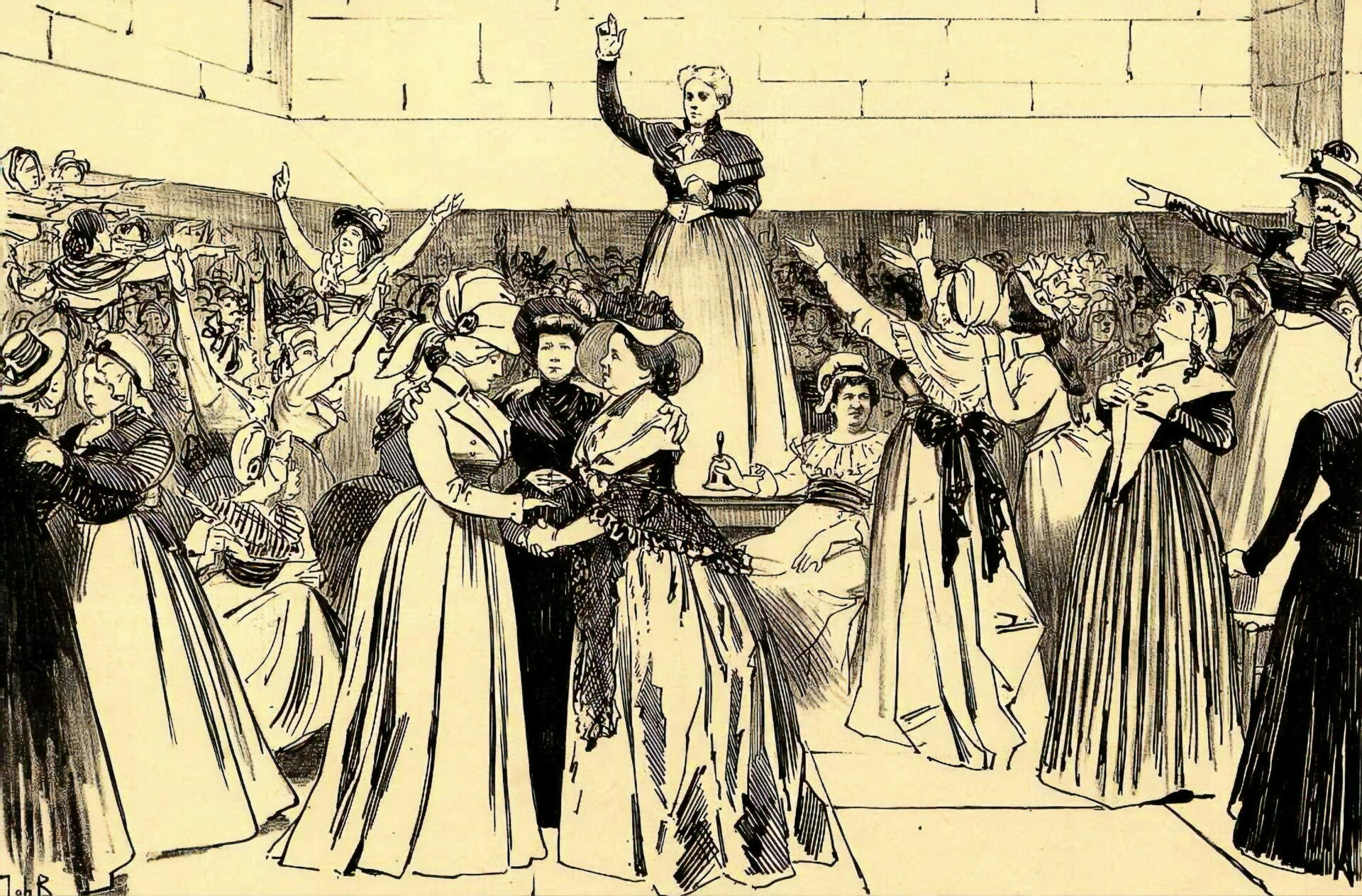
Creativity as a Test of Freedom
If you want to understand how free a society really is, do not begin with its laws. Look at its art.
Creativity is perhaps the most sensitive seismograph of freedom we have, more revealing than any opinion poll. A society that is genuinely free can tolerate art that provokes it, journalism that contradicts it and debates that refuse to arrive at a neat conclusion. A society that can only tolerate art that confirms what it already believes has stopped practising freedom, even if its constitution remains impeccable.
This is why SLEEK does not understand creativity as decoration, but as political substance. Taking art, music, film and society seriously does not simply defend freedom on the side. It exercises it. Every uncomfortable exhibition, every portrait that shows a person as they actually are rather than as it would be convenient to see them, every debate conducted without a predetermined conclusion is a repetition in the ongoing exercise of an open society.
You can skip that exercise. But if you do, you slowly and almost imperceptibly lose precisely the strength you will need most when it truly matters.
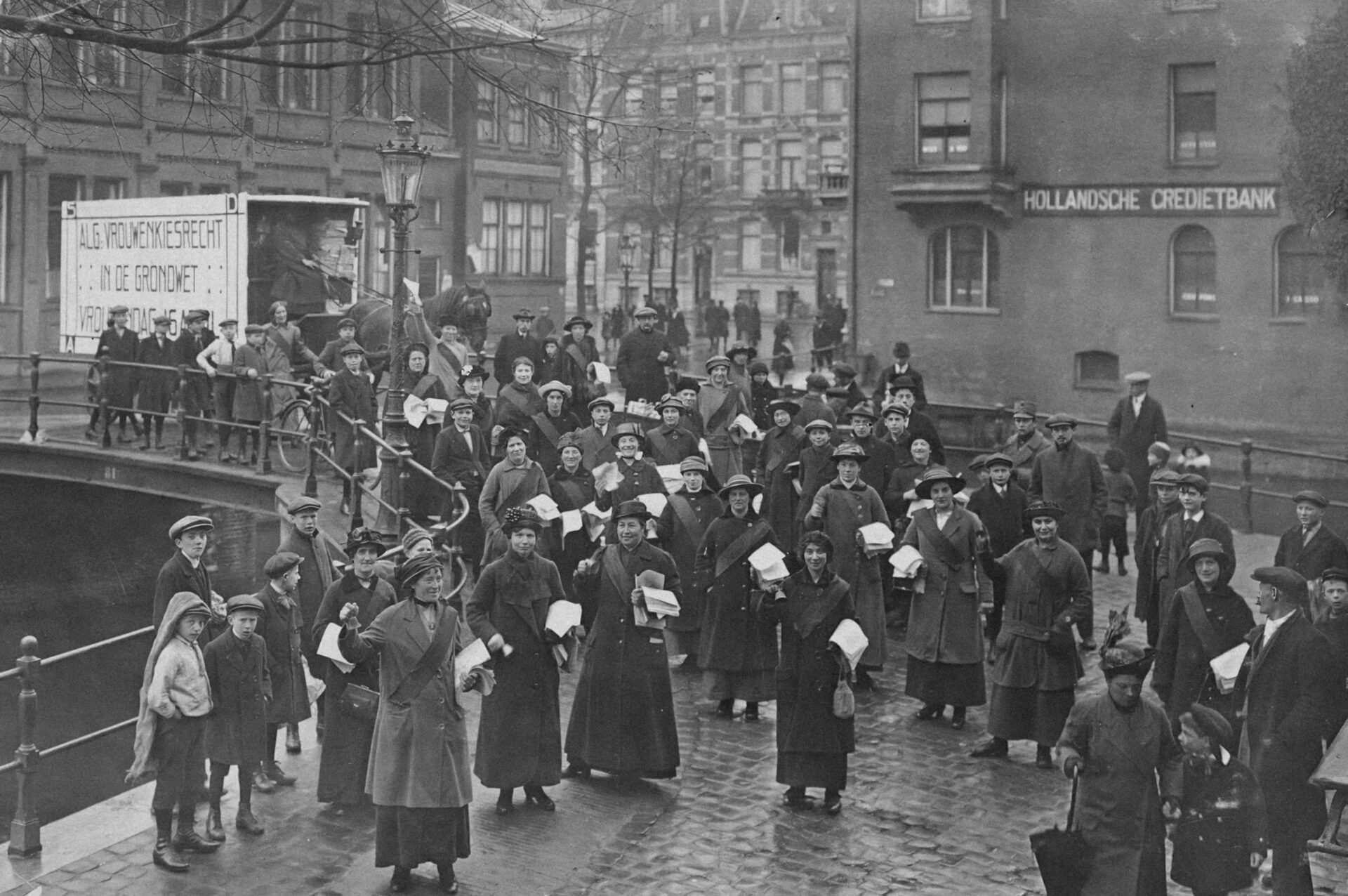
What 1920 Means, and What It Does Not
26 August 1920 should therefore not be understood as the end of a story, but as the beginning of one. It is proof that freedom can be expanded when enough people are willing to work for it, and proof that no single achievement has ever been enough to declare that work complete.
To reduce this to a story about American domestic politics is to miss the point. The real question arises wherever people assume that the most important work has already been done: in Berlin, Vienna and Zurich, in every newsroom, museum and university that considers its liberal foundations secure.
The uncomfortable conclusion is that we cannot simply live off the freedoms won by previous generations. We can only continue to practise them: by tolerating dissent, allowing art to disturb us and placing curiosity above certainty.
That is less comfortable than an anniversary. But it is more honest.