An essay to mark the start of the US Open
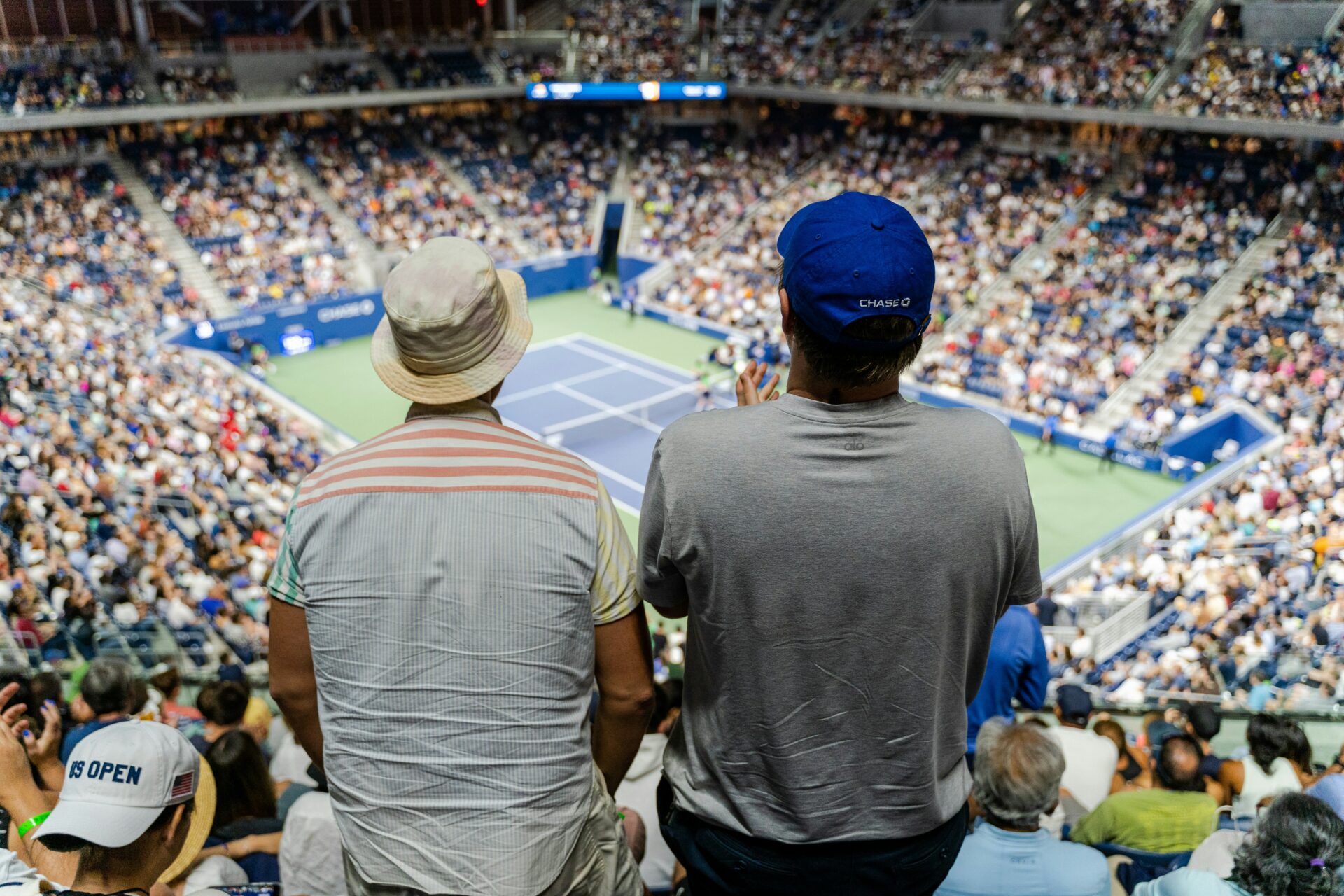
Two Grand Slam tournaments, seven weeks and an ocean apart, could hardly be more different. At Wimbledon, a dress code in place since 1877 regulates down to the millimetre how much colour is permitted on a waistband or collar: “almost entirely white”, not cream, not off-white, even down to the soles of players’ shoes. At Flushing Meadows, no one is told what to wear. Instead, a DJ plays during the night sessions, the crowd shouts out in the middle of rallies, and anyone who wants to leave their seat does so mid-game. At other Slams, they would have to wait for the changeover. Two weeks of tennis, two almost opposing ideas of what should be allowed on a sports court. It becomes interesting when we stop reading this as a question of taste and instead see them as two serious, opposing answers to the same question: what does freedom actually mean?
One kind of freedom: no rules
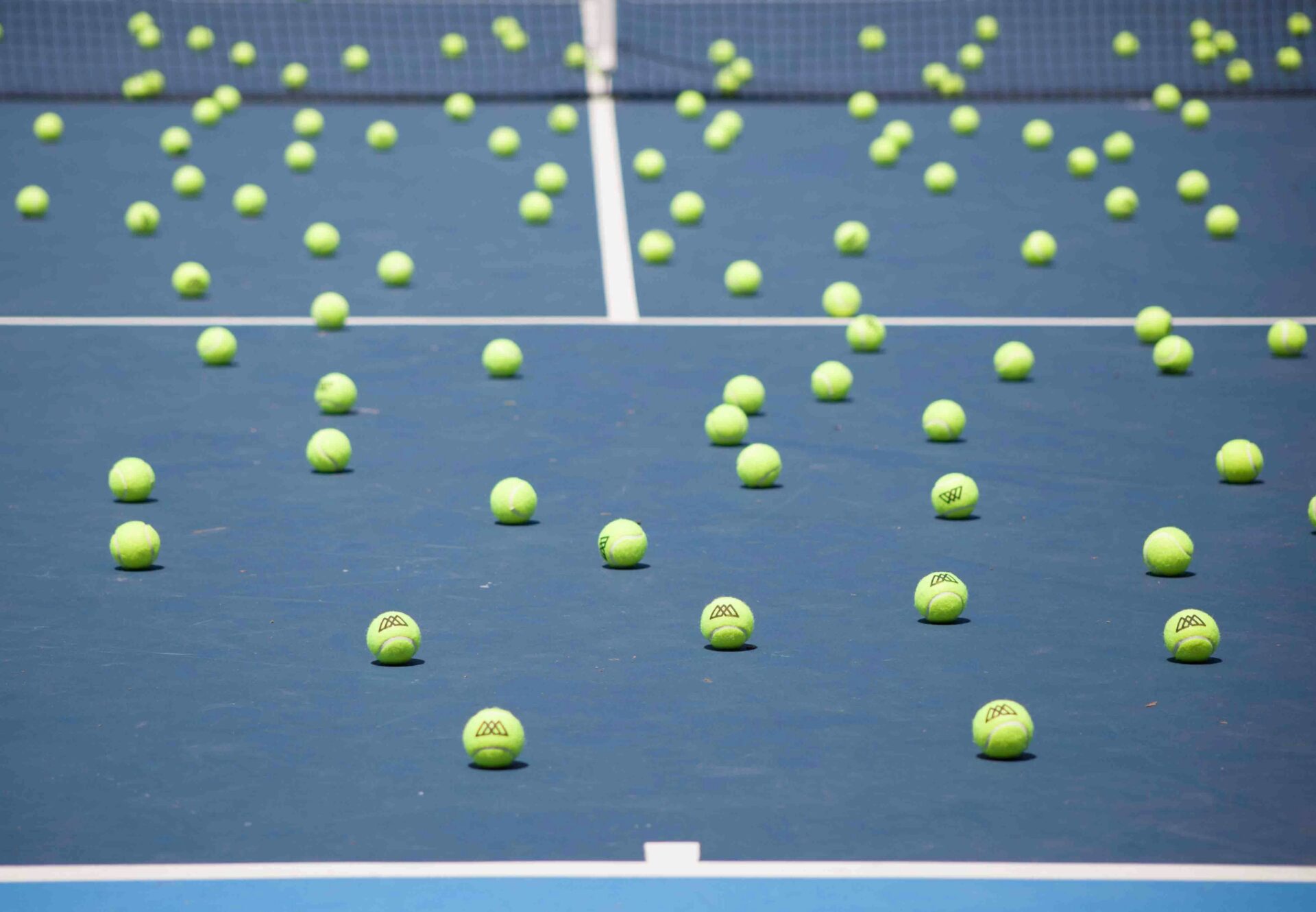
The US Open was born as a counterpoint. While Wimbledon cultivates grass, expensive, delicate and a legacy of Victorian garden culture, New York has played on hard courts since 1978: cheap to build, largely weather-resistant, the kind of surface any schoolyard can have. It is no coincidence that this was the tournament that, in 1973, became the first Grand Slam to introduce equal prize money for women and men. Historically, the US Open has always understood itself as the more democratic, accessible and louder counterpart. Here, freedom means as few restrictions and as much permission as possible. Colour, noise, movement, commerce. You can feel this freedom immediately. It is visceral, bright, sometimes too much, but it is honest about what it promises: no one has to change who they are in order to belong.
The other kind of freedom: a form everyone follows
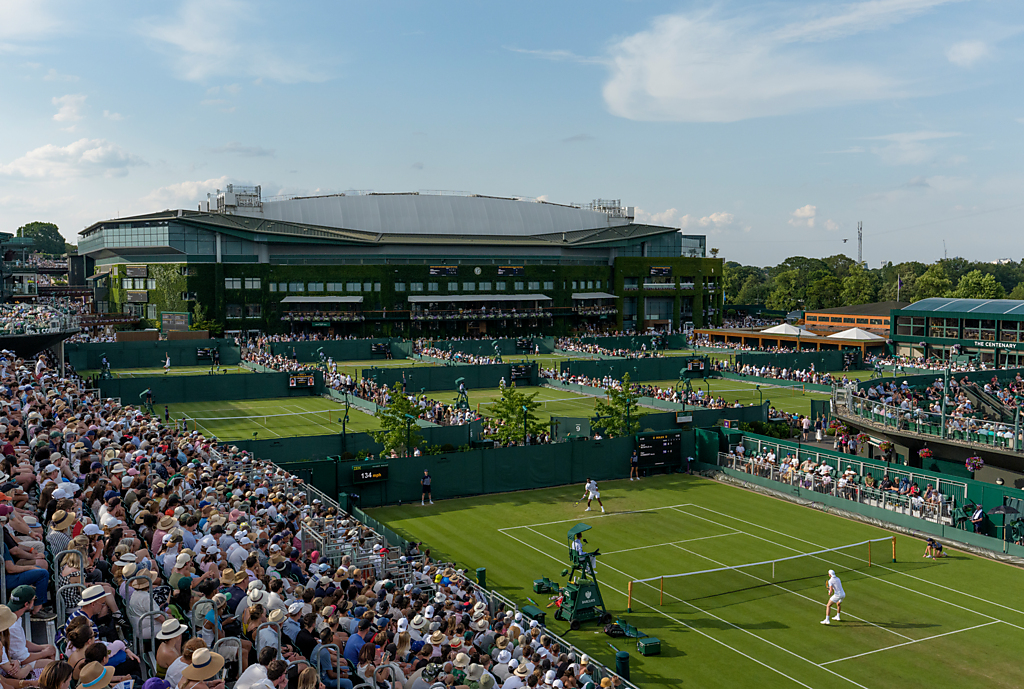
Wimbledon’s all-white rule can easily seem like an anachronism today, and its critics have not been entirely wrong. Even Roger Federer, a Wimbledon favourite, once called its interpretation “too extreme”. But the rule goes deeper than the oft-repeated story about sweat stains would suggest. A shared form that applies to everyone, the world number one as much as the qualifier, the defending champion as much as the lucky loser, removes a particular kind of competition from the occasion: the competition for attention beyond the game itself. When everyone competes in the same uniform, appearance can no longer be what sets you apart. Only what you do on the court can. It is a different, older idea of freedom: not the absence of rules, but the belief that a form accepted by everyone does not restrict the individual, but instead makes visible what they are really there to do.
What is remarkable is how Wimbledon has dealt with this form in recent years when it genuinely caused harm. In 2023, the All England Club allowed female players to wear dark-coloured underwear after the all-white requirement had become a real source of anxiety during menstruation. The form remained, but the rule was adjusted precisely where it was actually affecting people, rather than simply where it was inconvenient. That is what separates a living tradition from rigid dogma: it does not defend itself against every change, only against arbitrary ones.
Two liberal answers, neither of them wrong
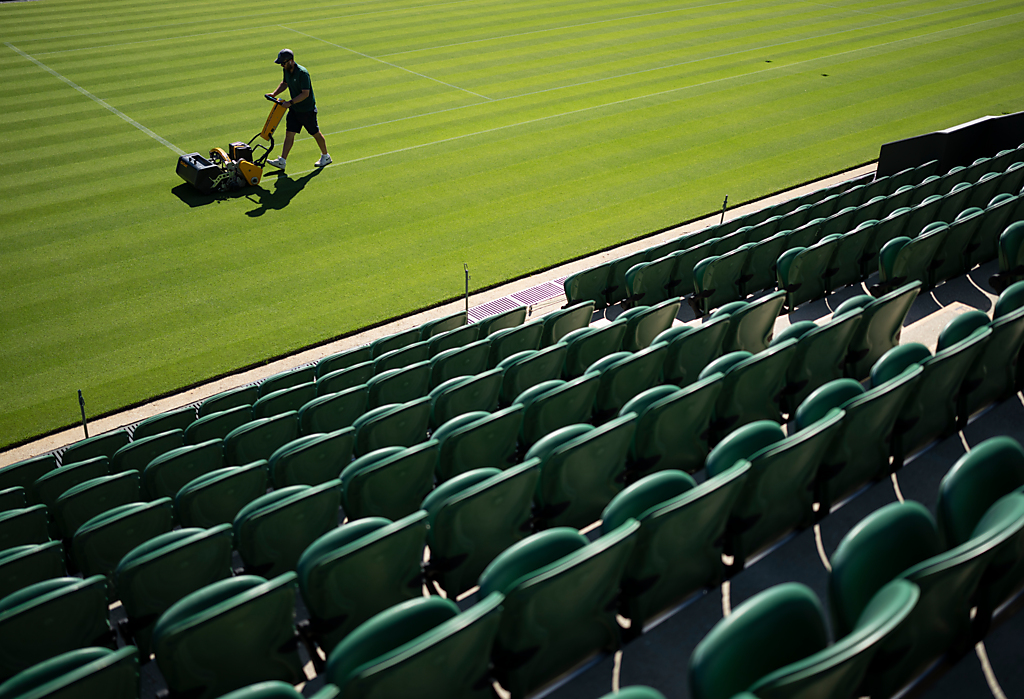
It would be convenient to declare one of these models the “true” version of freedom. But that would be too simple. Both are, in their own way, liberal answers to the same fundamental question. They differ only in where they locate freedom. The US Open understands freedom negatively, as the absence of restrictions: here, you can be as loud, as colourful, as commercial as you like. Wimbledon understands freedom positively, as the result of a form that treats everyone equally and, in doing so, frames individual expression rather than suffocating it. Both models can tip too far. New York’s openness can become pure commercialisation; Wimbledon’s form can harden into lifeless rigidity. What makes them interesting is precisely what happens when they reach their own limits without abandoning what they stand for: Wimbledon loosening its rules without giving them up. New York celebrating its noise without allowing the game itself to disappear beneath it.
So anyone looking towards Flushing Meadows this week is not simply seeing the louder, more casual younger sibling of venerable Wimbledon. They are seeing an equally serious, if very different, answer to the question of how an open society should deal with rules: by abolishing them, or by applying them fairly to everyone. Both are forms of freedom. Just not the same one.