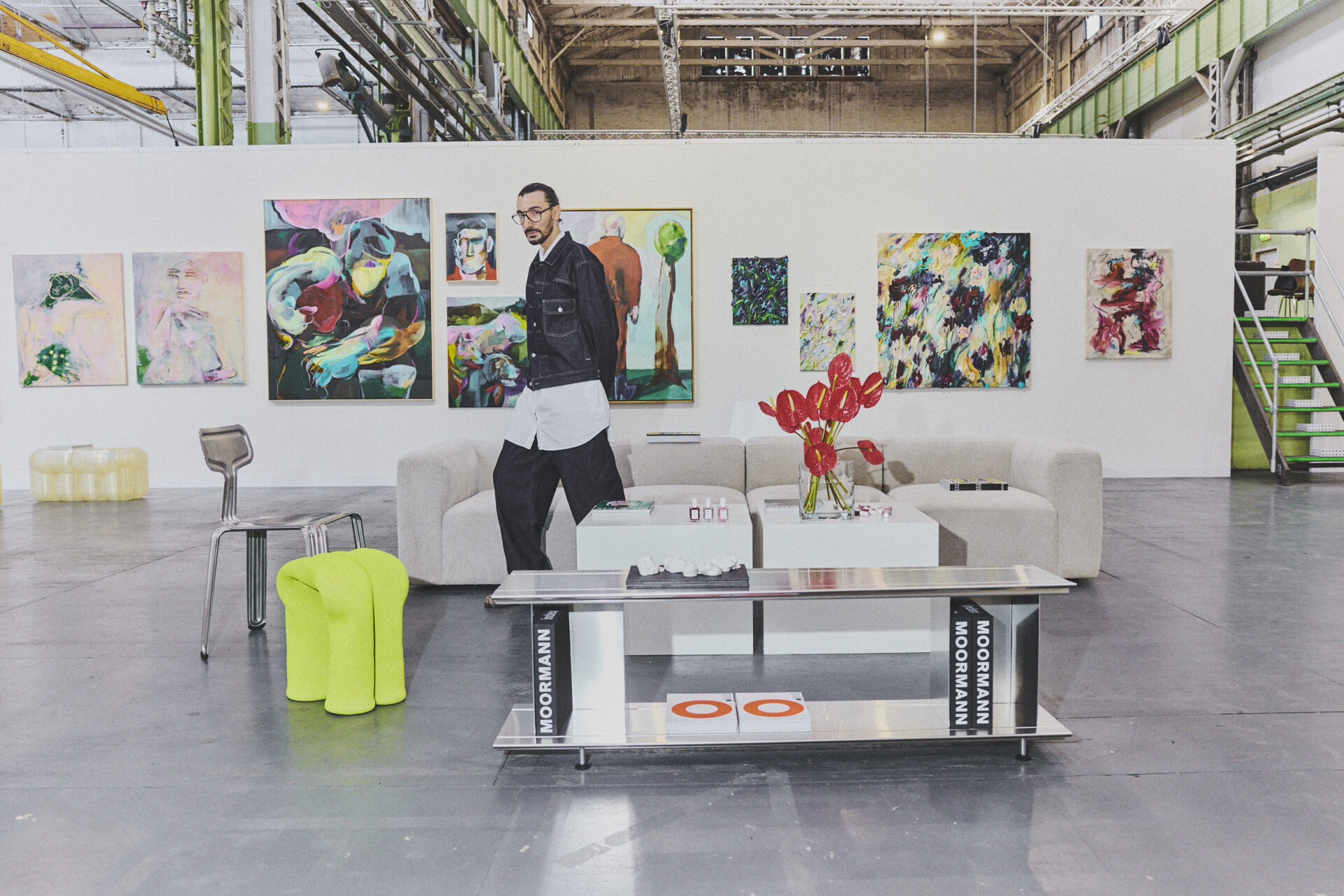
Kopenhagen. Ein leichter Sommerregen, der Duft von frischem Gebäck und die Wärme des Kaffees, die noch immer auf meiner Zunge nachhallte. Neugierig darauf, was mich hier erwarten würde, machte ich mich auf den Weg zum Zur Kunstmesse, Skandinaviens größte Kunstmesse, die dieses Jahr vom 27. bis 30. August stattfand. Von Städten wie New York bis hin zu Kunst aus Deutschland, die Zur Kunstmesse bringt Künstler aus aller Welt zusammen, um sie miteinander zu vernetzen und ihre Kunstwerke zu präsentieren.
Was dabei besonders auffällt, ist, dass es die Kunst neu denkt. Ungebunden an alte Erzählungen und Traditionen. Völlig frei und offen.
Ich habe Julian Daynov, der Kurator der Neudeutsch-Kunstkollektiv, was auf Englisch „neue deutsche Kunst“ bedeutet. Daynov ist ein international renommierter Kurator und Art Director, der für seine engen Beziehungen zu Künstlern und sein Gespür für Neues bekannt ist, das auf Wissen, Geschichte und Intuition basiert.
Er wurde von der Zur Kunstmesse und dessen Gründer, Julie Leopold, um das diesjährige Sonderprojekt zu kuratieren – eine eigene Ausstellung, die eine neue Generation aufstrebender, unabhängiger Künstler aus Deutschland in den Mittelpunkt rückt. Das Projekt vereinte vielfältige künstlerische Positionen und Praktiken und bot einigen der vielversprechendsten zeitgenössischen Stimmen des Landes eine internationale Plattform, um ihre Werke Sammlern, Institutionen und dem Publikum der skandinavischen Kunstszene vorzustellen.
Daynov hat für dieses Projekt 20 deutsche Künstler nach Kopenhagen geholt, und deshalb habe ich mich gefragt, was „Neue deutsche Kunst“ sogar Was bedeutet das?
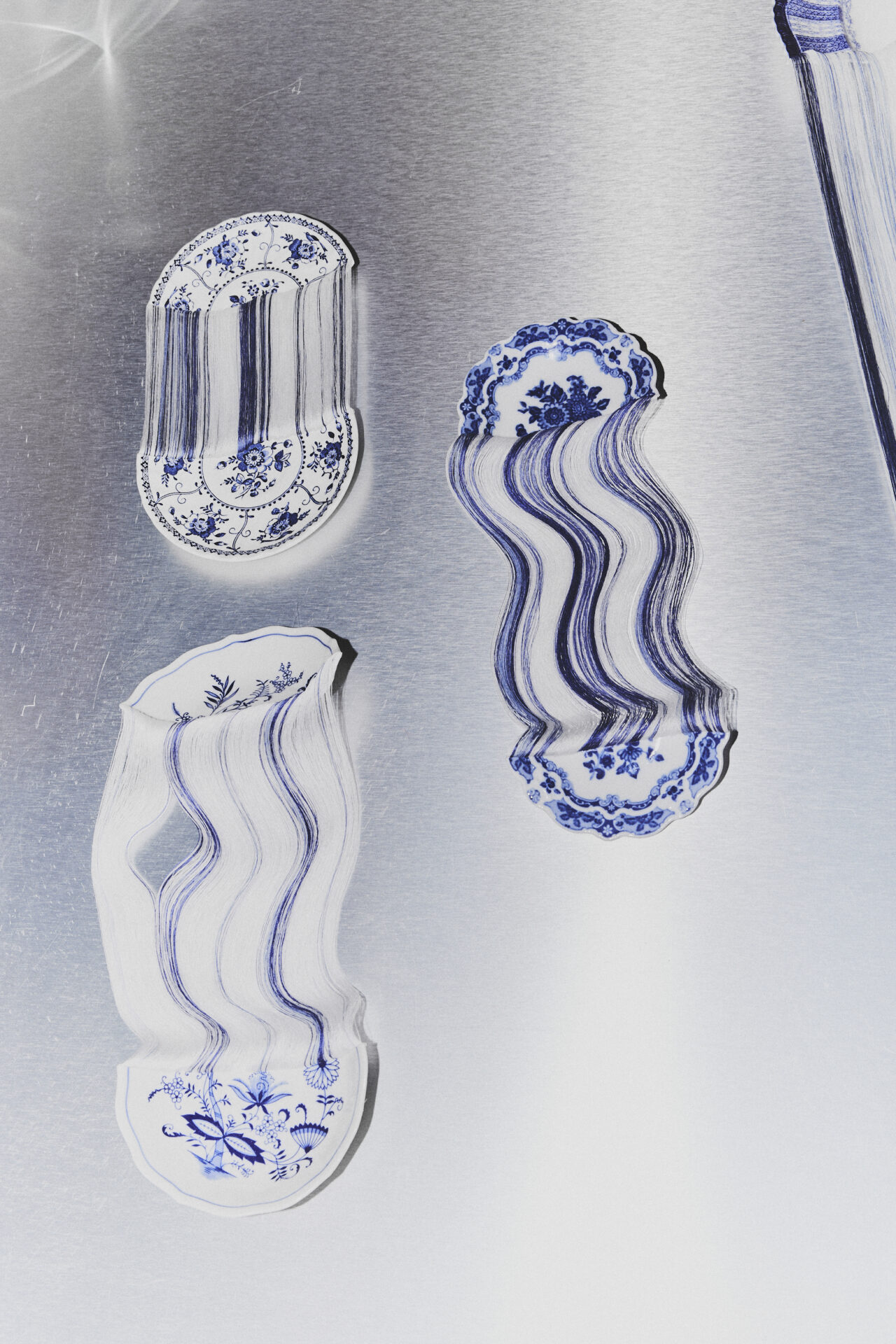
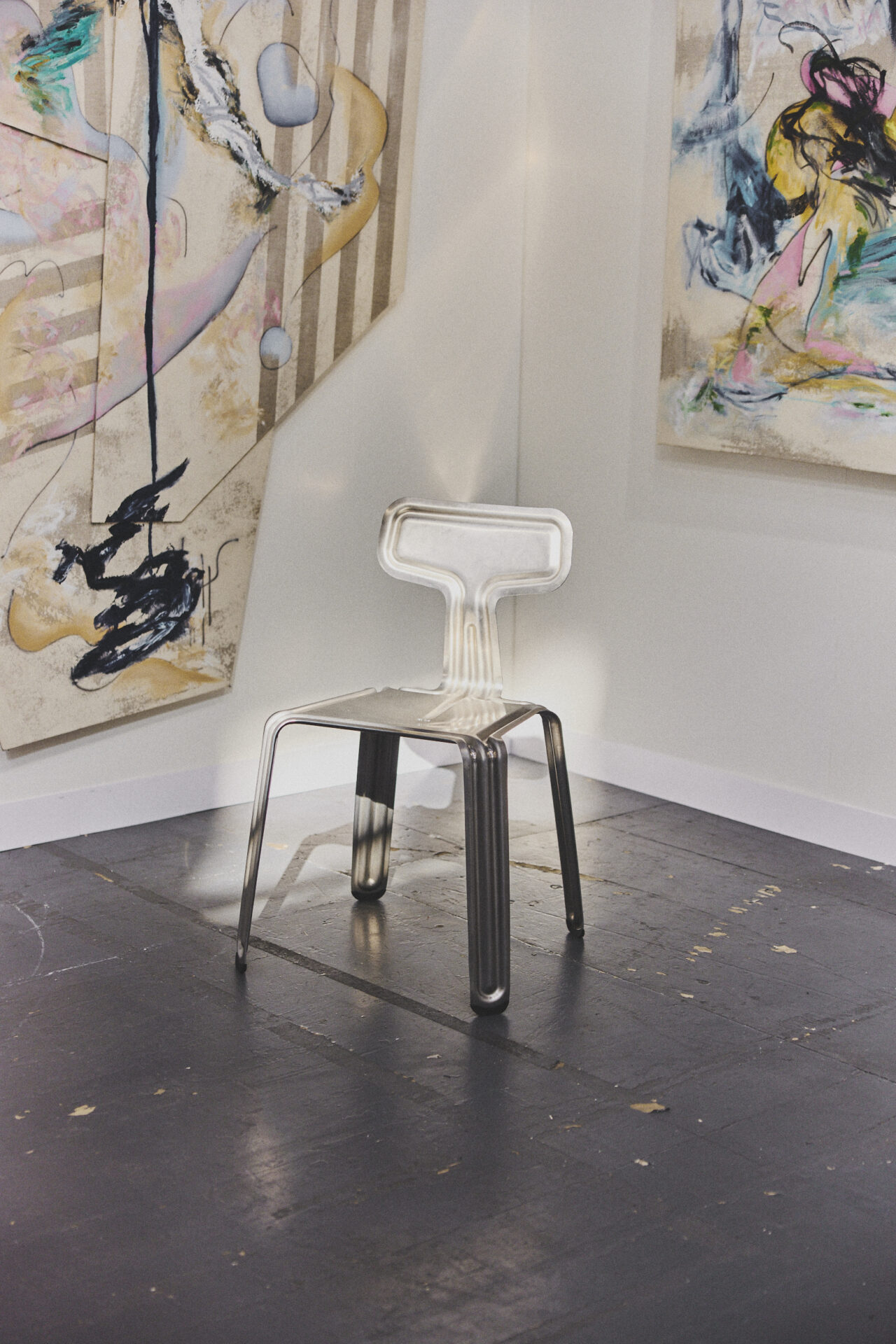
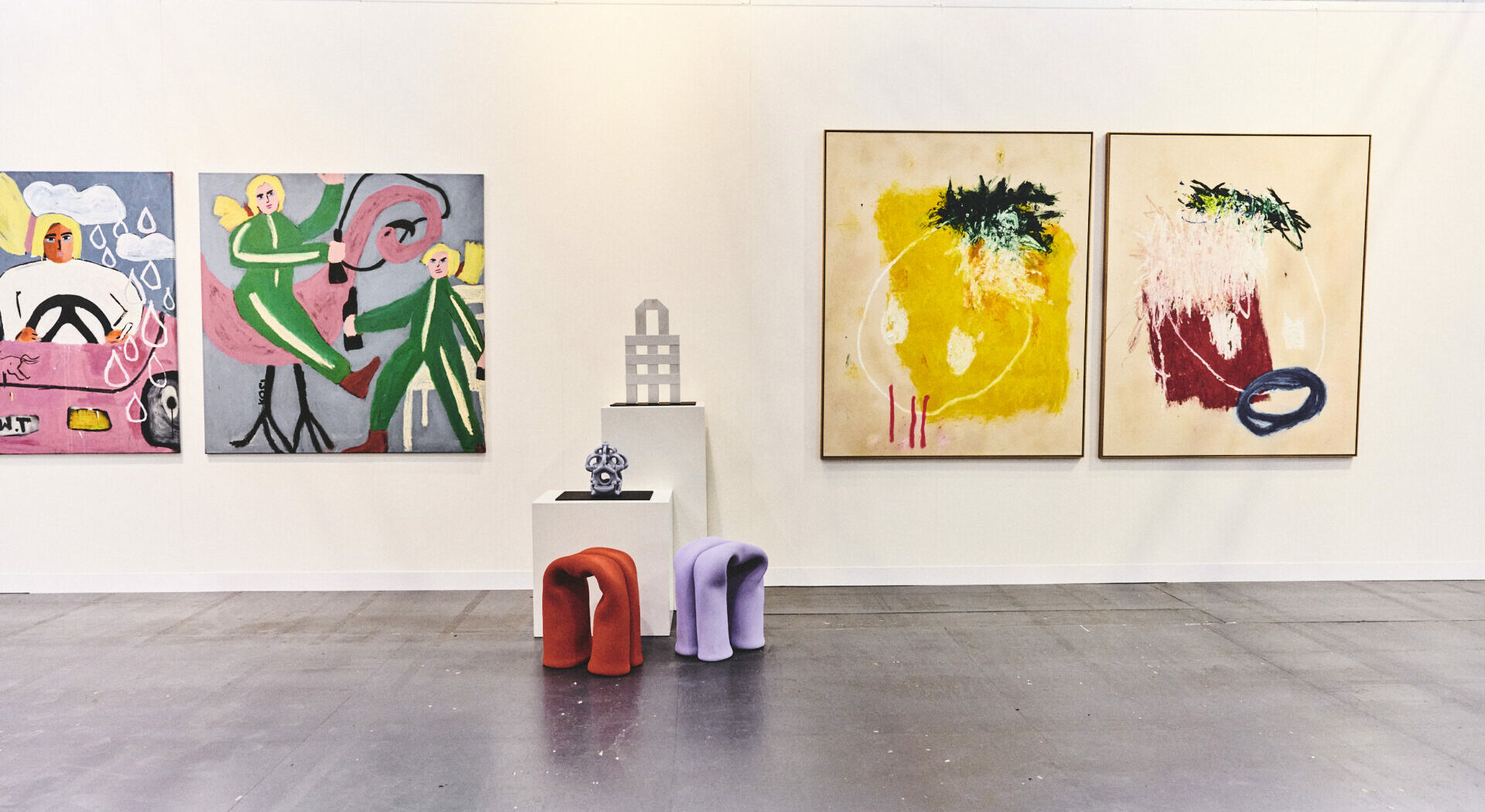
Bevor die Messe für die Öffentlichkeit geöffnet wurde, sprachen wir mit Daynov über das Kunstkollektiv und die Idee dahinter. “Neudeutsch” ist ein Begriff, der geografische Grenzen überschreitet. Er vereint eine Auswahl verschiedener Gemälde, Skulpturen und Designprojekte junger deutscher Künstler, ohne dabei die historischen Narrative der deutschen Kunst zu bekräftigen.
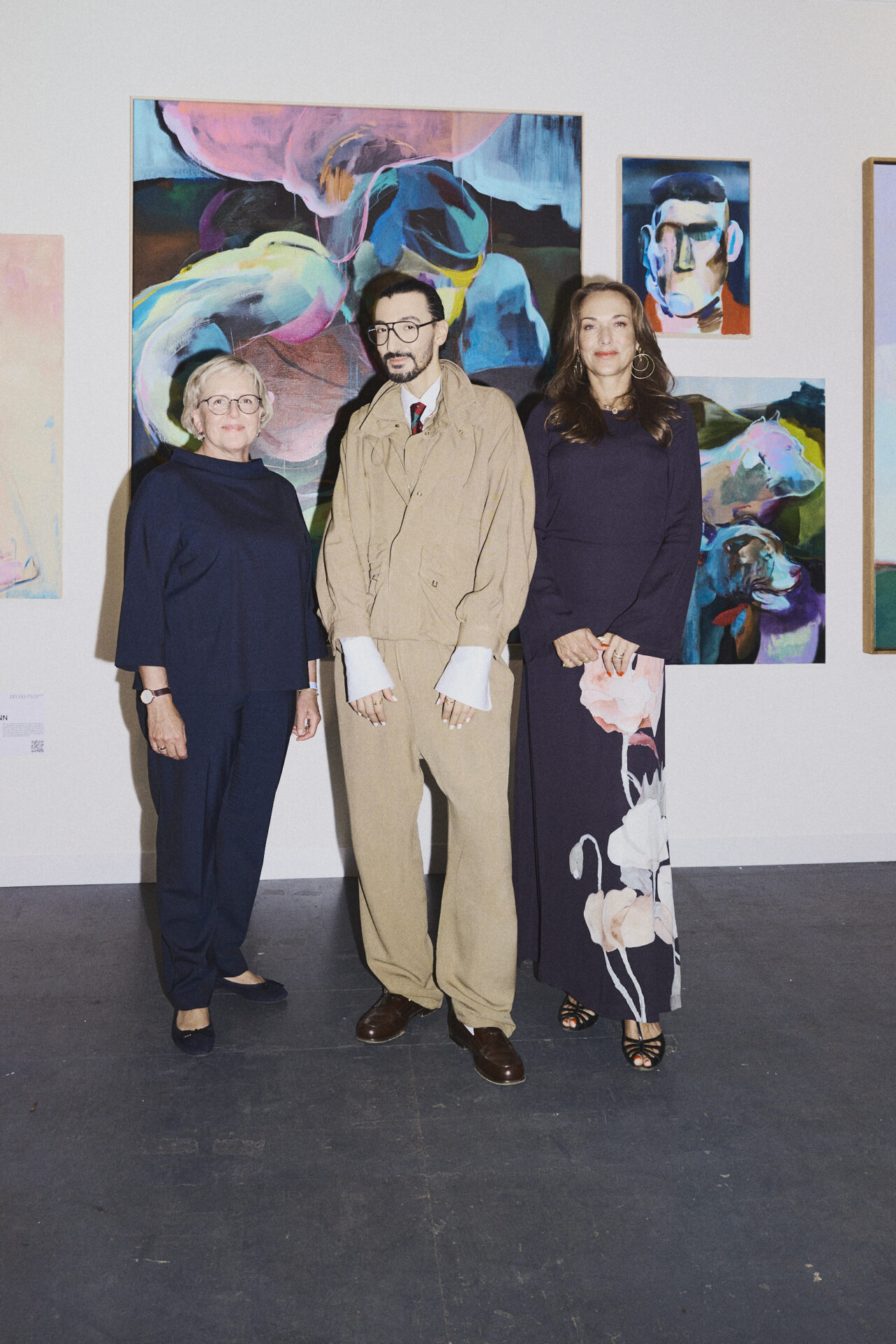
Seine Rolle als Botschafter für deutsches künstlerisches Talent wurde auch vom deutschen Botschafter in Dänemark gewürdigt Anke Meyer, der einen Cocktailempfang ausrichtete, um den wachsenden kulturellen Austausch zwischen Deutschland und Skandinavien sowie die gemeinsamen Bemühungen zu feiern, aufstrebende deutsche Künstler in die skandinavische Kunstszene zu bringen.
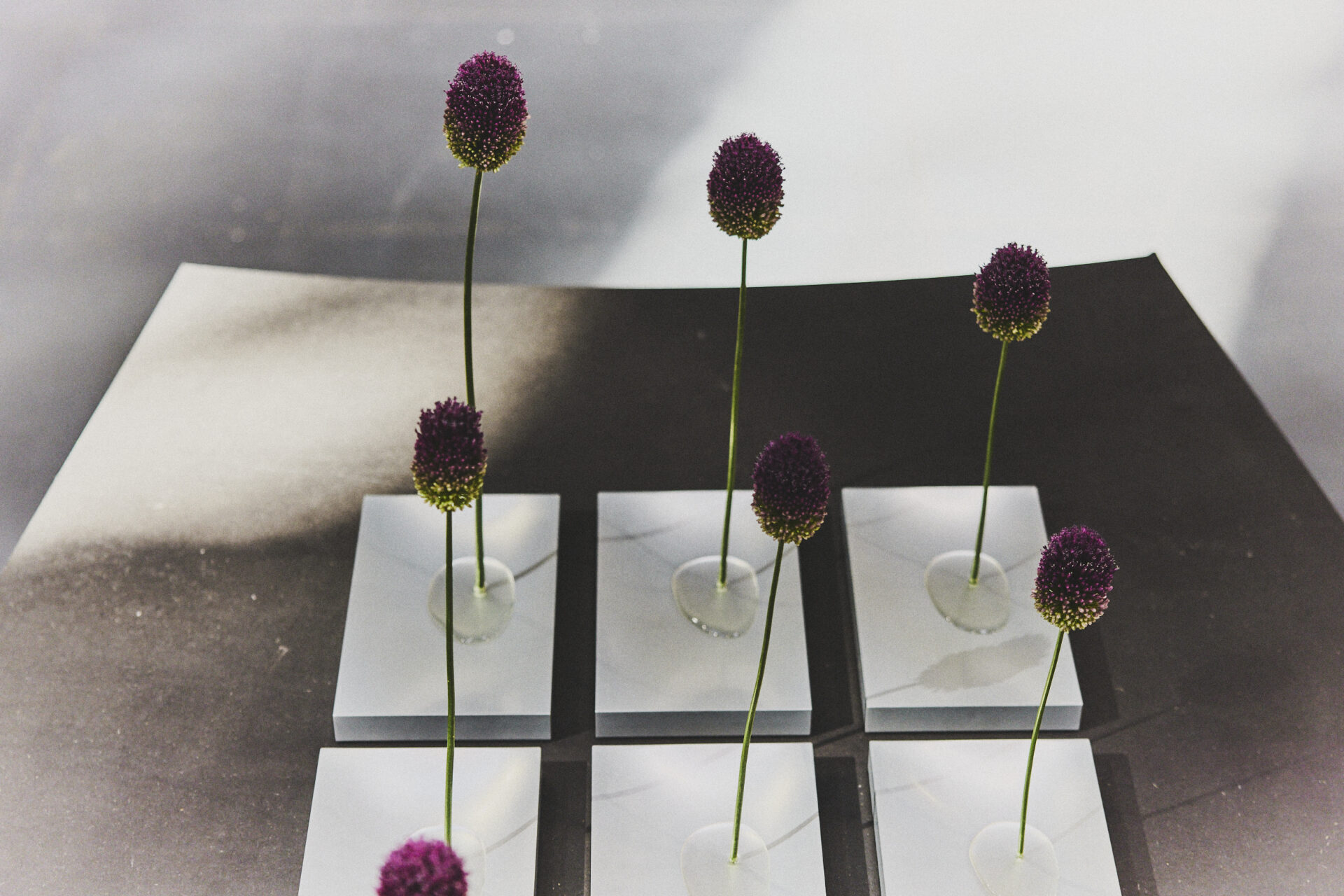
Nachdem ich die Gelegenheit hatte, mit ihm zu sprechen, fiel mir sofort auf, dass er dies in erster Linie tut, um Talente zu fördern, ihnen eine Plattform zu bieten, sie vor Ort mit wichtigen Persönlichkeiten der Szene zusammenzubringen und seine Kontakte mit ihnen zu teilen. Eines dieser Talente ist der junge, in Berlin lebende Künstler Luis Frey, der gerade seinen Masterstudiengang in Produktdesign an der UDK abschließt. An der Zur Kunstmesse, stellte er Objekte aus, die auf den ersten Blick wie ein Blumenarrangement wirken, bei genauerem Hinsehen jedoch eine vollständige Vase sind, in der das Wasser zu sehen ist und jedes Detail zu einem Kunstwerk wird. Die Idee, einer Blume mehr Leben und Aufmerksamkeit zu schenken, führte zu etwas Einzigartigem.
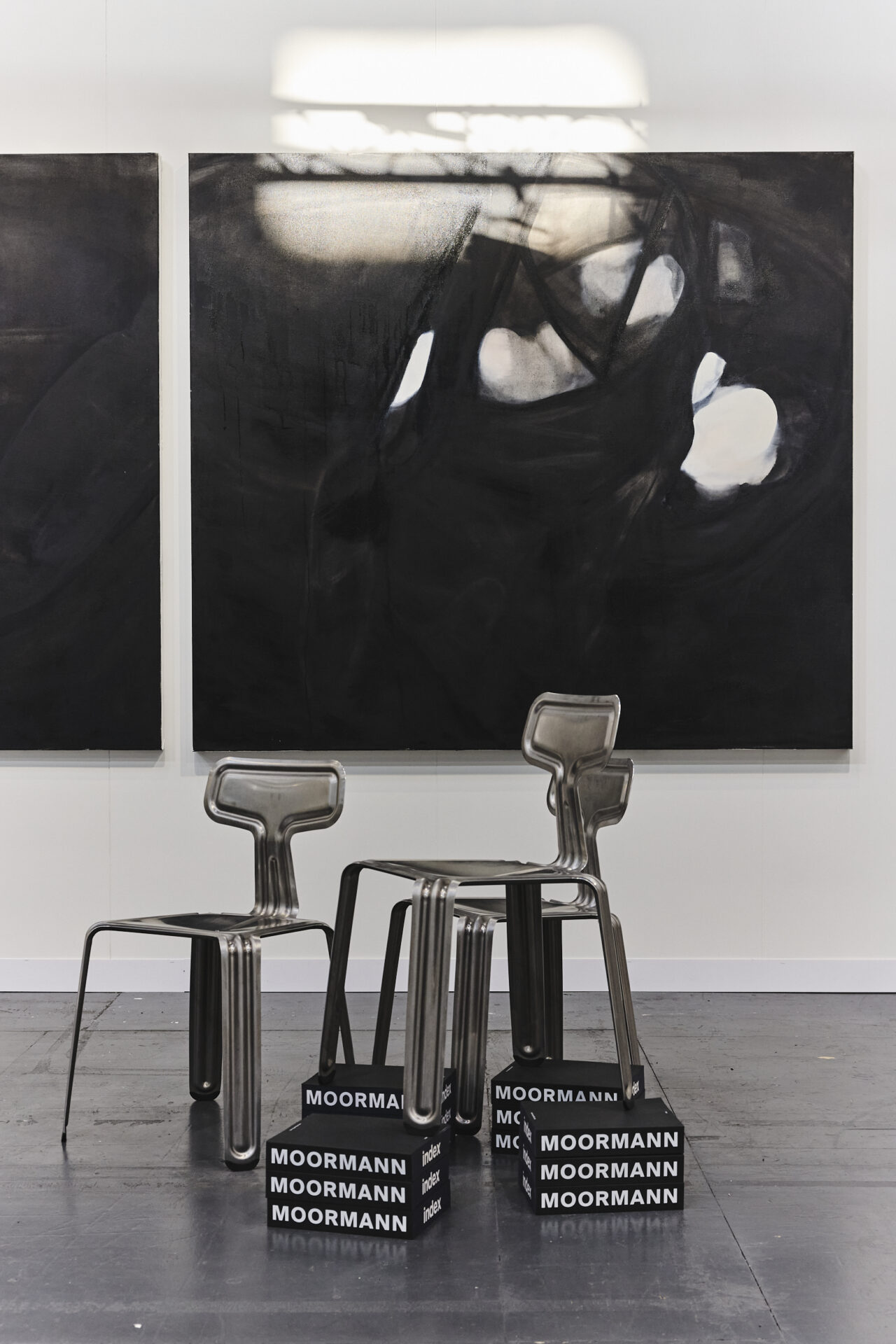
Neben jungen Künstlern, wie Daynov betonte, waren auch Künstler dabei, die neu in der Branche sind oder sich gerade erst einen Platz erobern. Zum Beispiel Armin Dietrich, der beispielsweise ursprünglich aus der Fotografie kam und mir erzählte, dass ihm das Ganze irgendwann zu digital geworden sei. Er suchte nach etwas Greifbarem, und so fand er seinen Weg zur Malerei. Heute ist seine Kunst bekannt für die großformatigen Ölgemälde, seine Farbaufträge in mehreren Schichten und den Punkt, an dem Material und Erinnerung aufeinandertreffen.
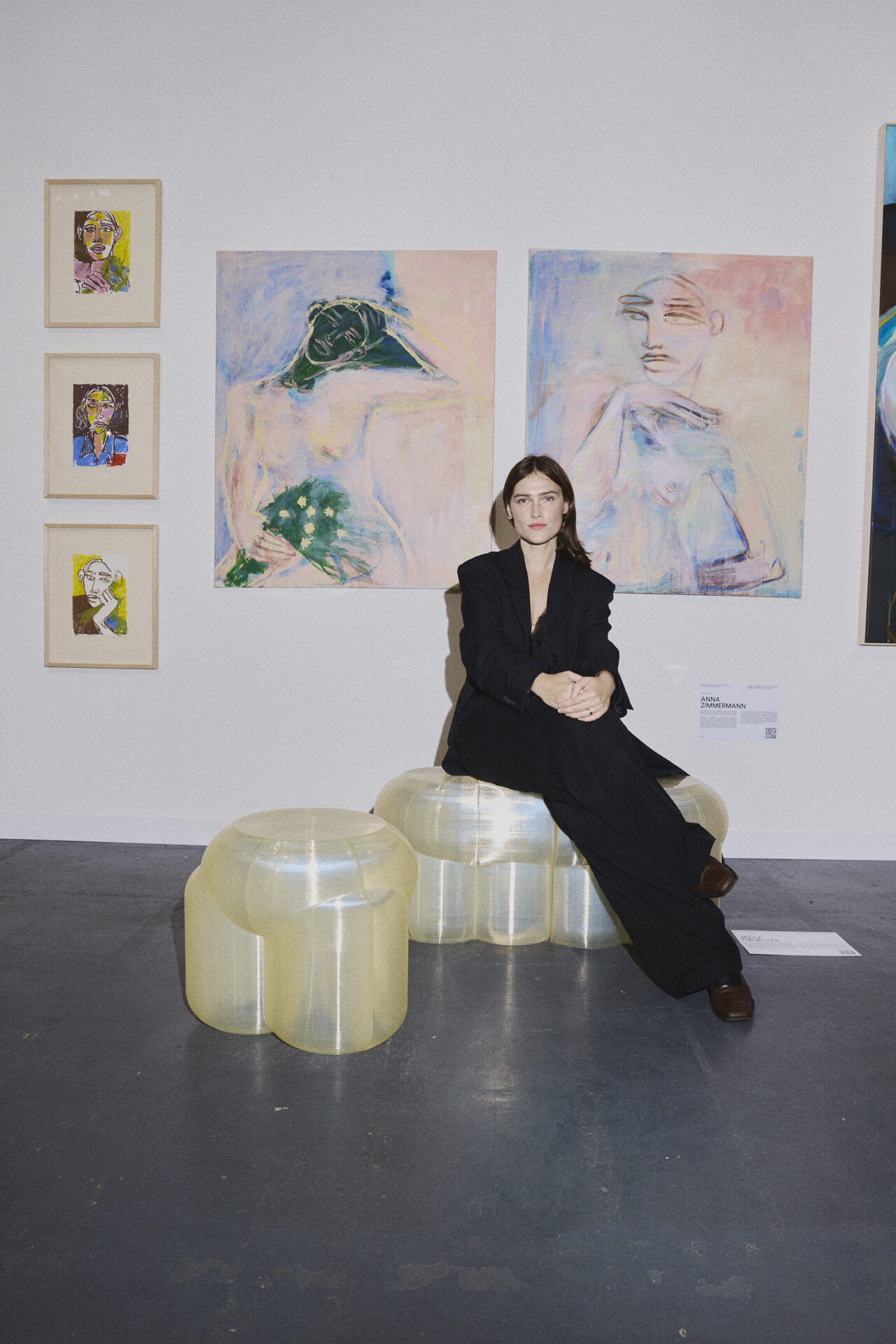
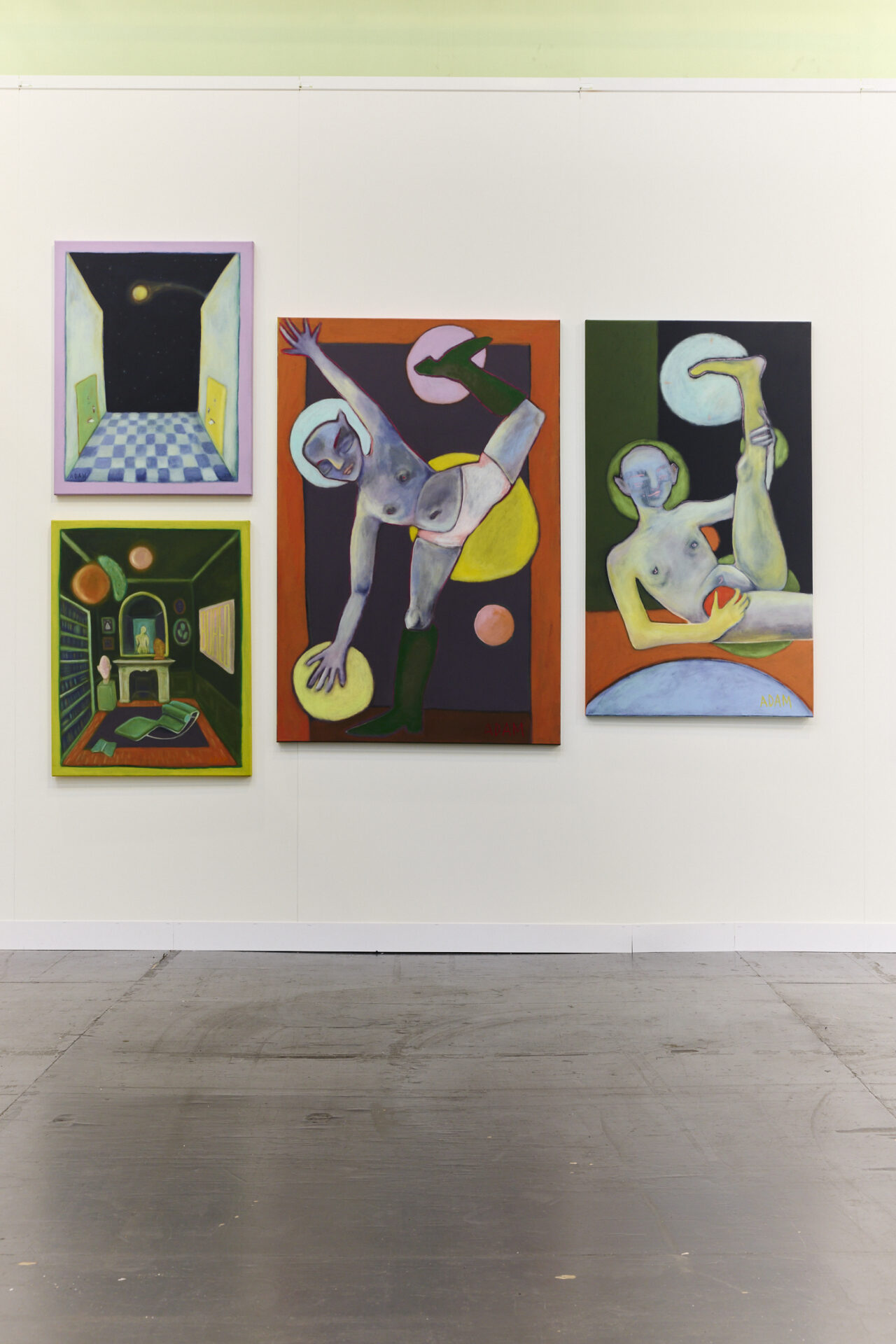
Unter diesen 20 Künstlern sind mir insbesondere drei weibliche Stimmen aufgefallen: Charlotte Adam, Franziska Narzinski und Anna Zimmermann. Alle drei sind auf ihre ganz eigene Weise einzigartig, aber eines haben sie gemeinsam: In unseren Gesprächen erzählten sie mir, wie sich ihre Auseinandersetzung mit Weiblichkeit in ihre Arbeit einfließt. Adam wurde durch ihre Stillleben bekannt, doch irgendwann hatte sie das Gefühl, dass etwas fehlte. Sie wollte über diese Bilder hinausgehen und das malen, was sie empfand. Sie begann, nach einer Bildsprache für ihre Gefühle zu suchen, und nach und nach entstanden ihre farbenfrohen, ausdrucksstarken Figuren.
Zunächst behielt sie diese Bilder jedoch jahrelang für sich. Die Gesichter, die sie schuf, um ihren Gefühlen Gestalt zu verleihen, sowie die Figuren, die sie begleiteten, blieben der Öffentlichkeit verborgen. Sie erzählte mir, dass zwar jeder, der sie kannte, auch von diesen Figuren wusste, es ihr aber nie ganz richtig erschien, sie der Außenwelt zu zeigen. Sie waren zutiefst persönlich, fast wie ein privates Tagebuch, gemalt auf Leinwand.
Glücklicherweise hat sich das in den letzten Jahren geändert. Adam hat begonnen, diese Figuren aus dem Verborgenen ins Rampenlicht zu rücken. Ihre Gemälde sind nun voller farbenfroher, fast schon lebendiger Figuren und ausdrucksstarker Gesichter, die ihre eigenen Emotionen und Geschichten zu erzählen scheinen. Was einst nur ein privater Weg für sie war, ihre Gefühle zu verarbeiten und auszudrücken, ist zu einem wichtigen Teil ihrer künstlerischen Ausdruckskraft geworden.
Andererseits verriet mir die Künstlerin Franziska Narzinski im Gespräch, dass sie durch ihr Alter Ego „Kosi“ malt. Narzinski selbst ist eher zurückhaltend, nicht sehr offen, wie sie sich selbst beschreibt, aber Kosi ist viel mutiger darin, politische Botschaften zu vermitteln, Dinge laut auszusprechen und kontaktfreudig zu sein. Als Frau hat Narzinski oft das Gefühl, wie ein Kind behandelt zu werden. Da ich selbst eine Frau bin, weiß ich, wovon sie spricht: dass man erst beweisen muss, dass man fähig ist, oder dass man nie ganz ernst genommen wird. Ja, und als Kosi drückt sie genau das aus, wenn auch auf humorvolle Weise, auf eine unbeschwerte Art und Weise, auch wenn die Botschaften tiefer gehen. Das gilt auch für ihr aktuelles Gemälde mit dem Flamingo.
„Ich male nicht, um schöne Kunst zu schaffen, sondern um mich selbst auszudrücken.“ – Franziska Narzinski
Um noch einmal auf den in Berlin lebenden Künstler Zimmermann zurückzukommen: Etwas zutiefst Emotionales ist mir im Gedächtnis geblieben:
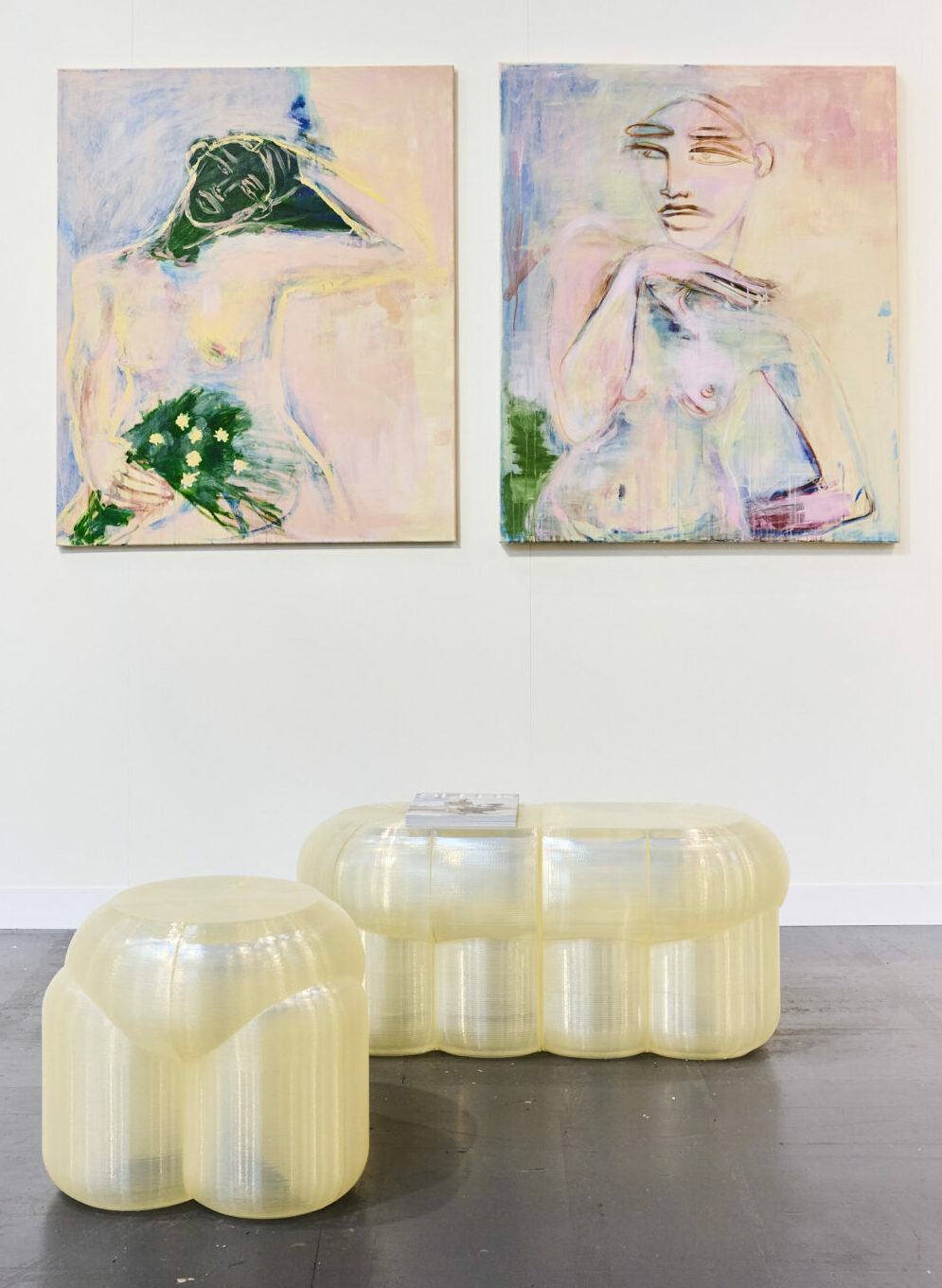
"Als ich in den 1990er Jahren als Frau aufwuchs, hatte ich das Gefühl, ich müsse meinen Körper immer wieder neu zeichnen, bis er wirklich mir gehörte." – Anna Zimmermann
Und doch strahlen ihre Bilder eine so positive und fröhliche Atmosphäre aus – wie die Pastellfarben, die selbstbewusste Frau und die Rosatöne. Die Frauen wirken selbstsicher, wow, es ist eine Freude, sie anzuschauen. Für diese beiden Werke lässt sich Zimmermann von alten Zeitschriftenfotos mit männlichen Posen inspirieren.
All diesen Künstlern gelingt es, ihre Botschaften auf subtile Weise durch ihre Kunst zu vermitteln, doch ihre Werke regen uns auch dazu an, genauer hinzuschauen und uns kritisch zu fragen: „Was will uns der Künstler eigentlich sagen?“
Genau das ist es, was Tobias Vetter, ein Tätowierer, der später ein eigenes Atelier gründete, in dem er sich auf die Ölmalerei konzentrierte, erzählt mir, was er sich von seiner Arbeit erhofft. Vor allem möchte er, dass die Menschen seine Bilder wie einen guten Film erleben. Kennst du das Gefühl, wenn der Abspann läuft, das Licht noch nicht angeht und du immer noch im dunklen Kino sitzt und auf die Leinwand starrst, weil du noch nicht so recht bereit bist zu gehen? Die Geschichte schien irgendwohin zu führen, und dann, gerade als es richtig spannend wurde, ist sie zu Ende. Man sitzt noch einen Moment da, lässt die Szenen im Kopf noch einmal Revue passieren und versucht, das Gesehene zusammenzufügen. „Moment mal … was sollte das denn bedeuten? Was will er mir damit sagen?“
Genau diese Frage, die im Hinterkopf bleibt, ist es, was Vetter mit seinen Gemälden hinterlassen möchte.
Abgesehen von seinen faszinierenden Kunstwerken und einzigartigen Kreationen ist das Neudeutsch-Kunstkollektiv wurde mit Unterstützung ausgewählter Partner, darunter Miles & More und Kess, Sawade, ODE, Gitti, Audi, die Deutsche Botschaft in Kopenhagen und die Königliche Porzellanmanufaktur.
Nach drei Tagen voller kreativer Impulse reise ich nun mit einer neuen, frischen Perspektive und vielen Inspirationen zurück nach Berlin. Und als ich am Flughafen saß, dachte ich an all die Gespräche zurück, die ich geführt hatte, und plötzlich begann ich, den Körper dieser Frau in meinem Kopf zu skizzieren, denn ich möchte, dass er auch mir gehört. Dann dachte ich über die Botschaft nach, die Vetter den Menschen vermitteln wollte – den jungen Künstlern mit so viel Leidenschaft, Menschen wie Daynov, der so viel mehr erreicht, weil er Menschen verbindet, sie zusammenbringt und neue Talente fördert. Und schließlich, als ich den Blick von oben auf ganz Kopenhagen hatte, dachte ich auch an die Stadt selbst, an die Wege entlang des Wassers und an das Lächeln auf den Gesichtern der Menschen, das auf mich abgefärbt hat.