Das ist dir wahrscheinlich auch schon aufgefallen. Momentan scheint jeder ein Creative Director zu sein. Filmemacher, Fotograf, Künstler, Kreativer – am liebsten alles auf einmal. Und in gewisser Weise macht das auch Sinn. Für eine jüngere Generation, die mit sozialen Medien aufgewachsen ist, wird die Kamera in unserer Hosentasche mit jedem neuen iPhone besser, Bearbeitungs-Apps wie CapCut haben das Schneiden von Videos fast zur Selbstverständlichkeit gemacht, und das Erlernen, wie man eine Idee filmt und präsentiert, geschieht oft schon lange bevor man überhaupt ein Studio betritt. Wir kennen mittlerweile alle die kleinen Tricks – von der einleitenden Szene auf TikTok, die uns sofort fesseln muss, bis hin zum Schnitt, der verhindert, dass ein „Reel“ sich ein bisschen zu lang anfühlt. Natürlich sind wir vielleicht keine Marketingexperten, aber da wir online aufgewachsen sind, haben wir ein ziemlich gutes Gespür dafür entwickelt, was Aufmerksamkeit erregt, worüber die Leute reden und was ein Publikum erreicht.
Zu wissen, wie man Inhalte verbreitet, ist jedoch nicht dasselbe wie zu wissen, wie man einen Film im Gedächtnis der Zuschauer verankert. Das Kino bietet derzeit einen besonders interessanten Einblick darin, worin dieser Unterschied besteht. Eine Gruppe junger Regisseure – mittlerweile könnte man fast von einer Bewegung sprechen – taucht aus den unterschiedlichsten Ecken der kreativen Welt auf. Die einen haben ihr Handwerk durch das Hochladen auf YouTube gelernt; andere kamen über Mode, Musikvideos, Kurzfilme oder die Filmhochschule dazu – doch ihre Filme zeichnen sich durch eine Verbundenheit mit den Welten aus, aus denen sie stammen. Was sie verbindet, ist nicht so sehr eine gemeinsame Ästhetik, sondern vielmehr die Fähigkeit, etwas sehr Spezifisches in etwas zu verwandeln, das weit über ihre eigenen Kreise hinausgeht.
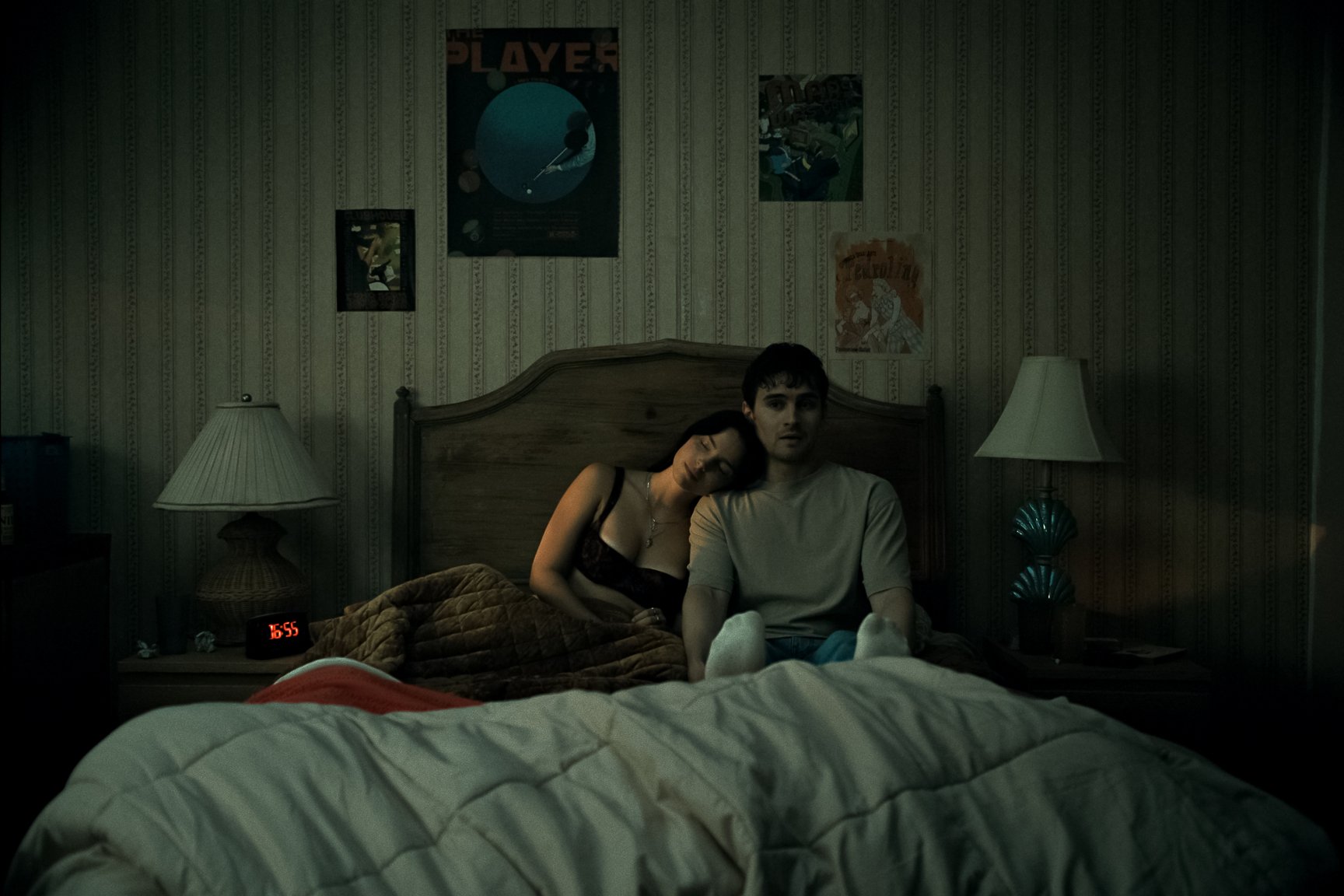
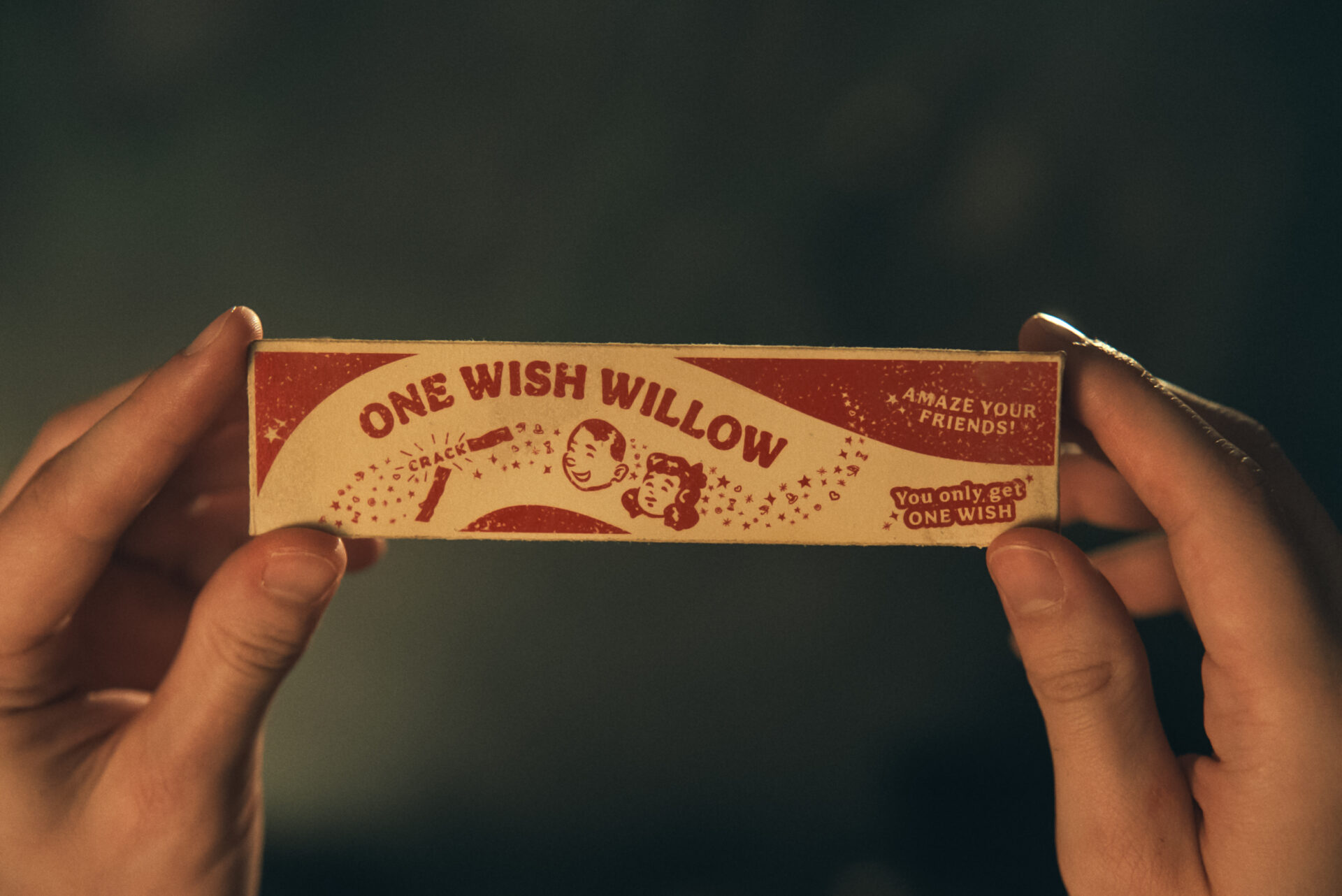
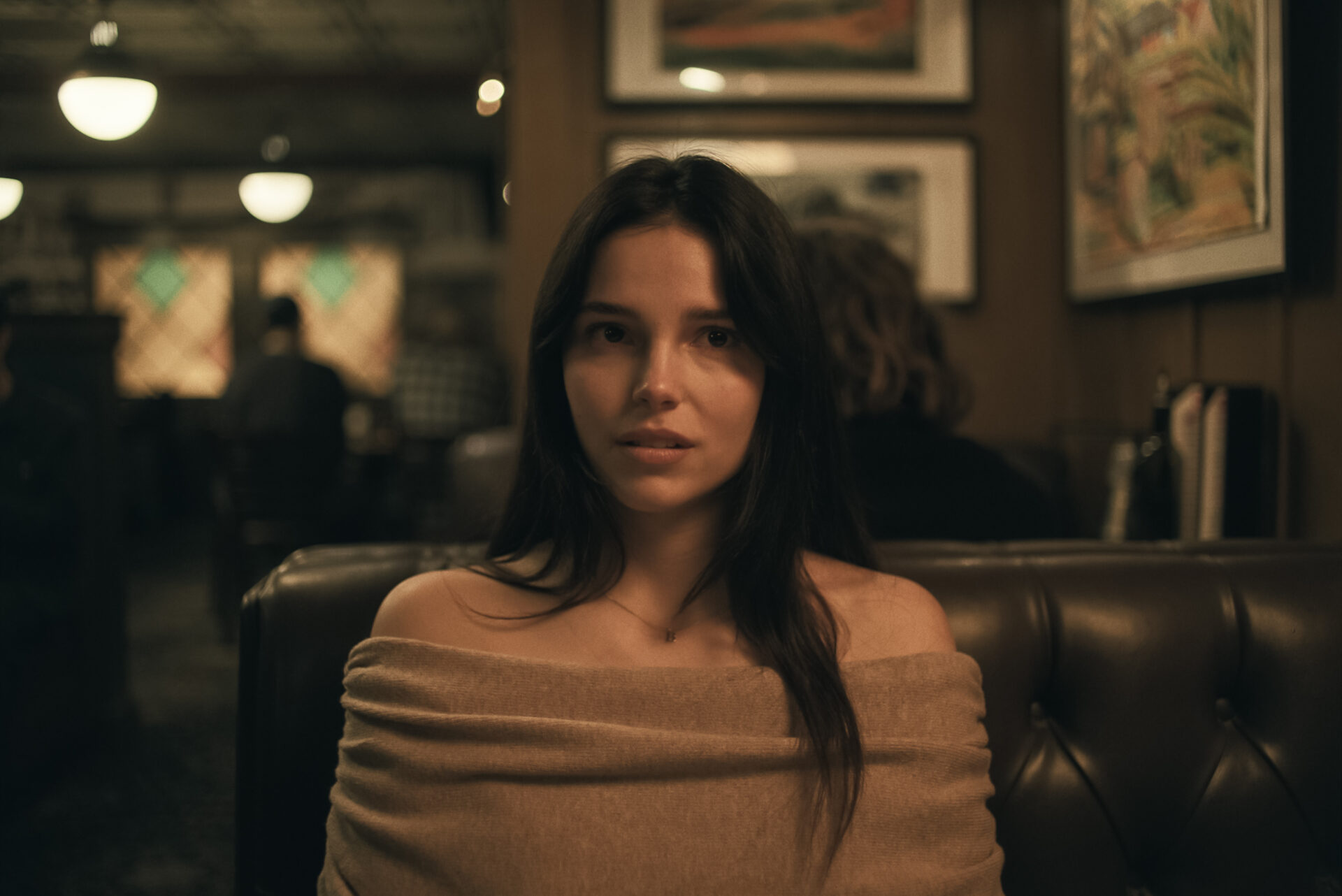
Besessenheit (2026) klingt auf den ersten Blick fast schon zu vertraut. Jemand sehnt sich verzweifelt nach Liebe, äußert einen übernatürlichen Wunsch und bekommt genau das, was er sich gewünscht hat. Curry Barker Der Film greift diese einfache Prämisse auf und verlagert den Horror hin zu etwas weitaus Menschlicherem, da sich Begierde langsam in ein Anspruchsdenken verwandelt und das Verlangen nach jemandem untrennbar mit der Überzeugung verbunden wird, dass diese Person einen ebenfalls begehren sollte. Der verfluchte Wunschbaum mag zwar alles ins Rollen bringen, doch es sind Eifersucht, Unsicherheit und natürlich Besessenheit, die den Film so eindringlich machen.
Um zu verstehen, woher Barker diesen Instinkt hat, ist es hilfreich, ein paar Jahre zurückzublicken. Der in Alabama geborene Regisseur begann damit, gemeinsam mit Freunden Comedy-Sketche und Horrorfilme für YouTube zu drehen, wo er durch die direkte Präsentation seiner Werke vor Publikum in Echtzeit aus den Reaktionen der Zuschauer lernen konnte. Im Jahr 2024 brachte er den Spielfilm „$800“ heraus Milch & Müsli Er stellte ihn dort kostenlos online und kürzte ihn kurz vor dem Hochladen um etwa 20 Minuten, weil er der Meinung war, der Film müsse temporeicher sein. Schon bald wurde ein mit Freunden selbst gedrehter Film auf Reddit, HorrorTok und YouTube ebenso diskutiert wie große Studioveröffentlichungen. Zwei Jahre später, Besessenheit wurde zu einem Kinohit für Focus Features. Seitdem hat sich Barker zu einem der bekanntesten Vertreter des sogenannten “Gen-Z-Horrors” entwickelt und den Sprung vom Online-Publikum ins Kino geschafft, ohne dabei sein Gespür dafür zu verlieren, wann das Publikum ihm noch folgt.
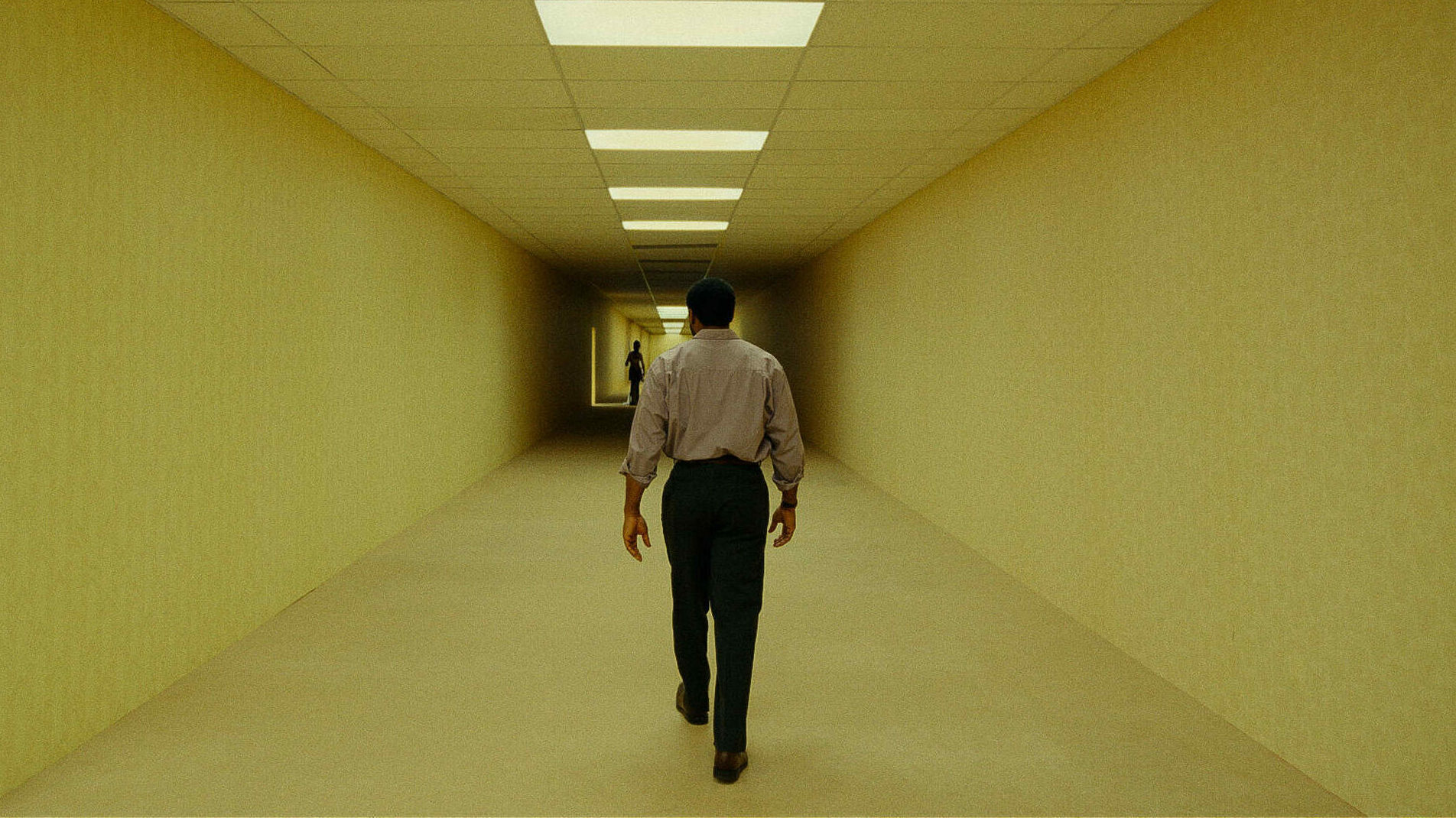
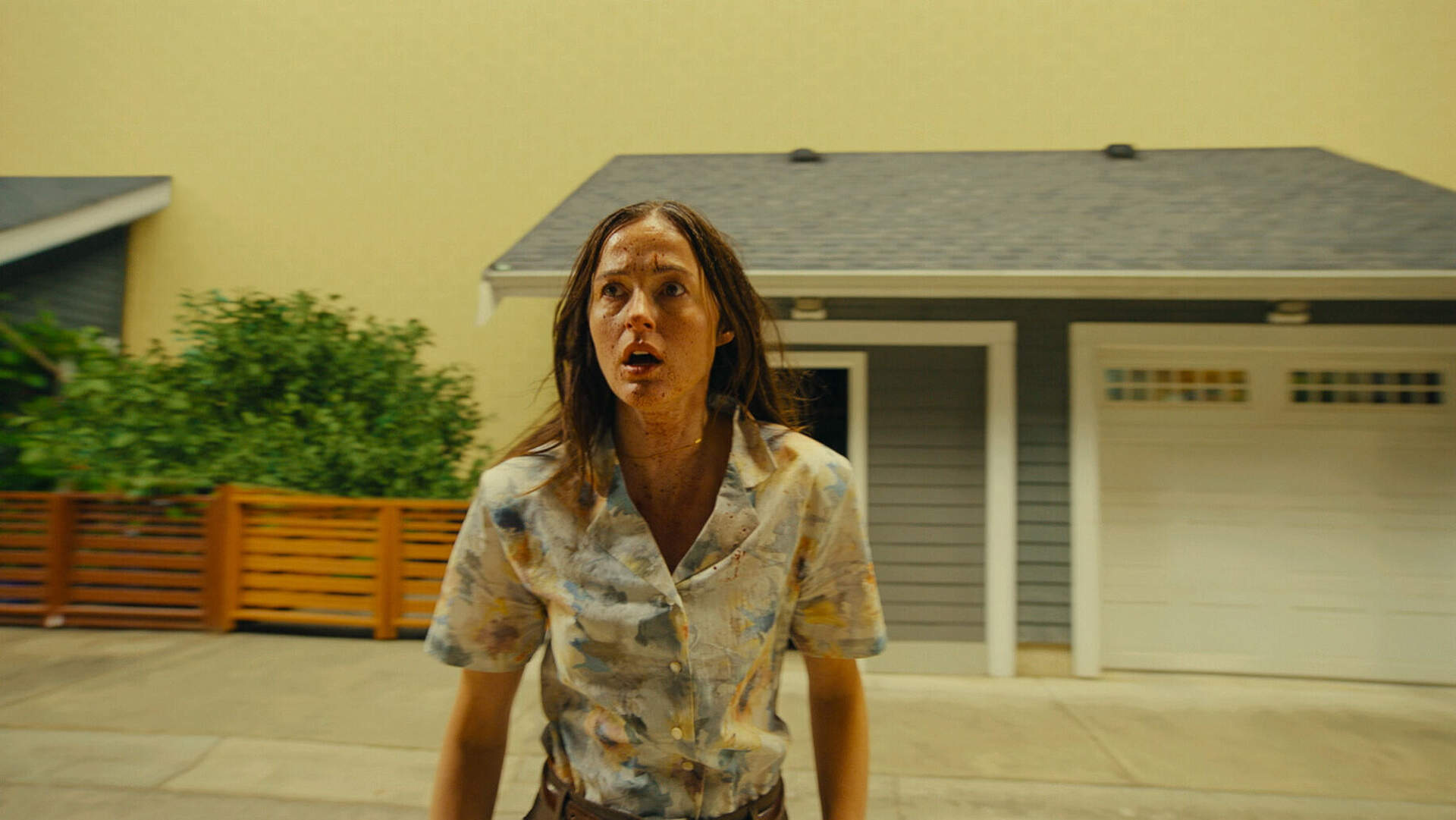
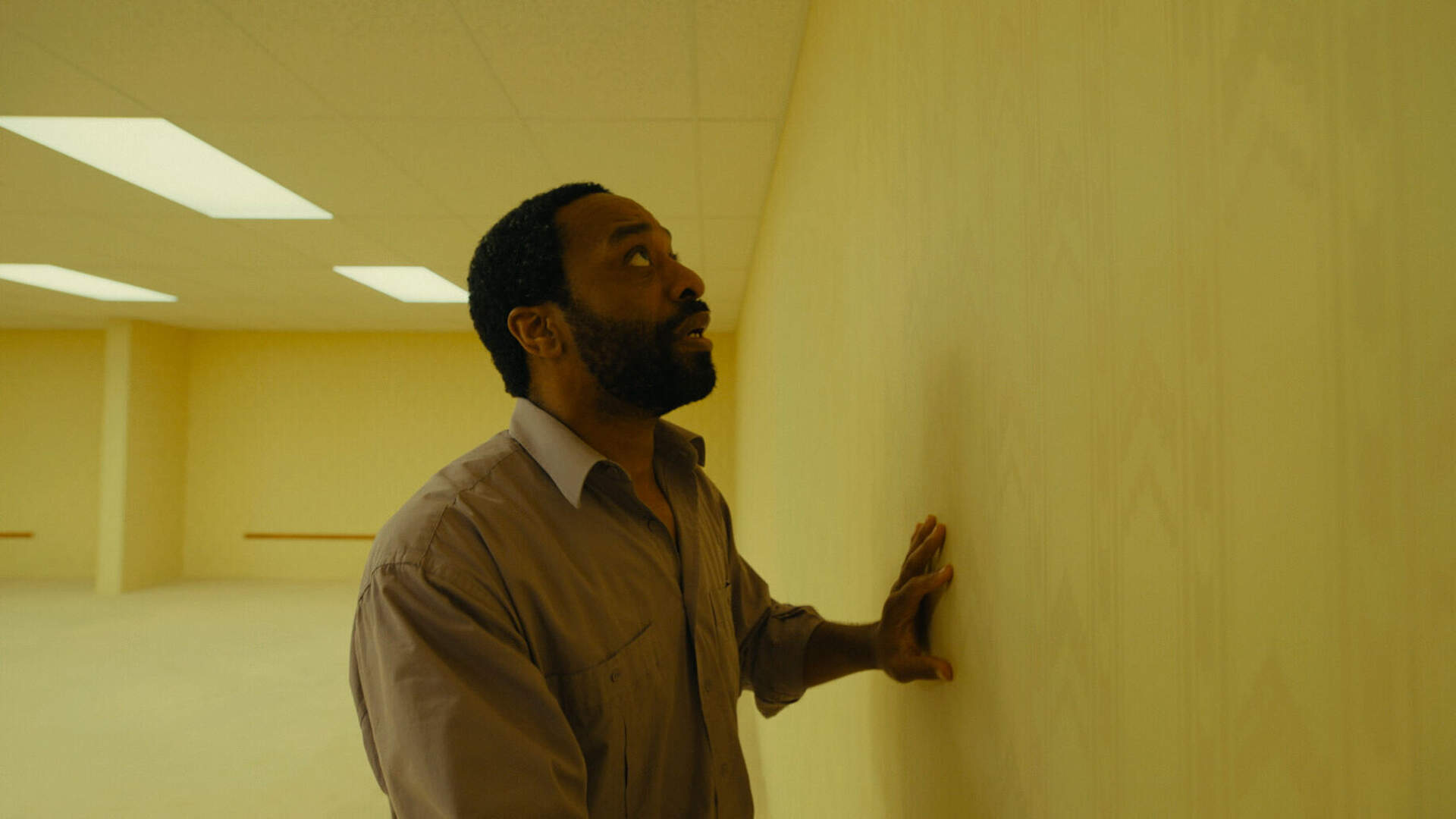
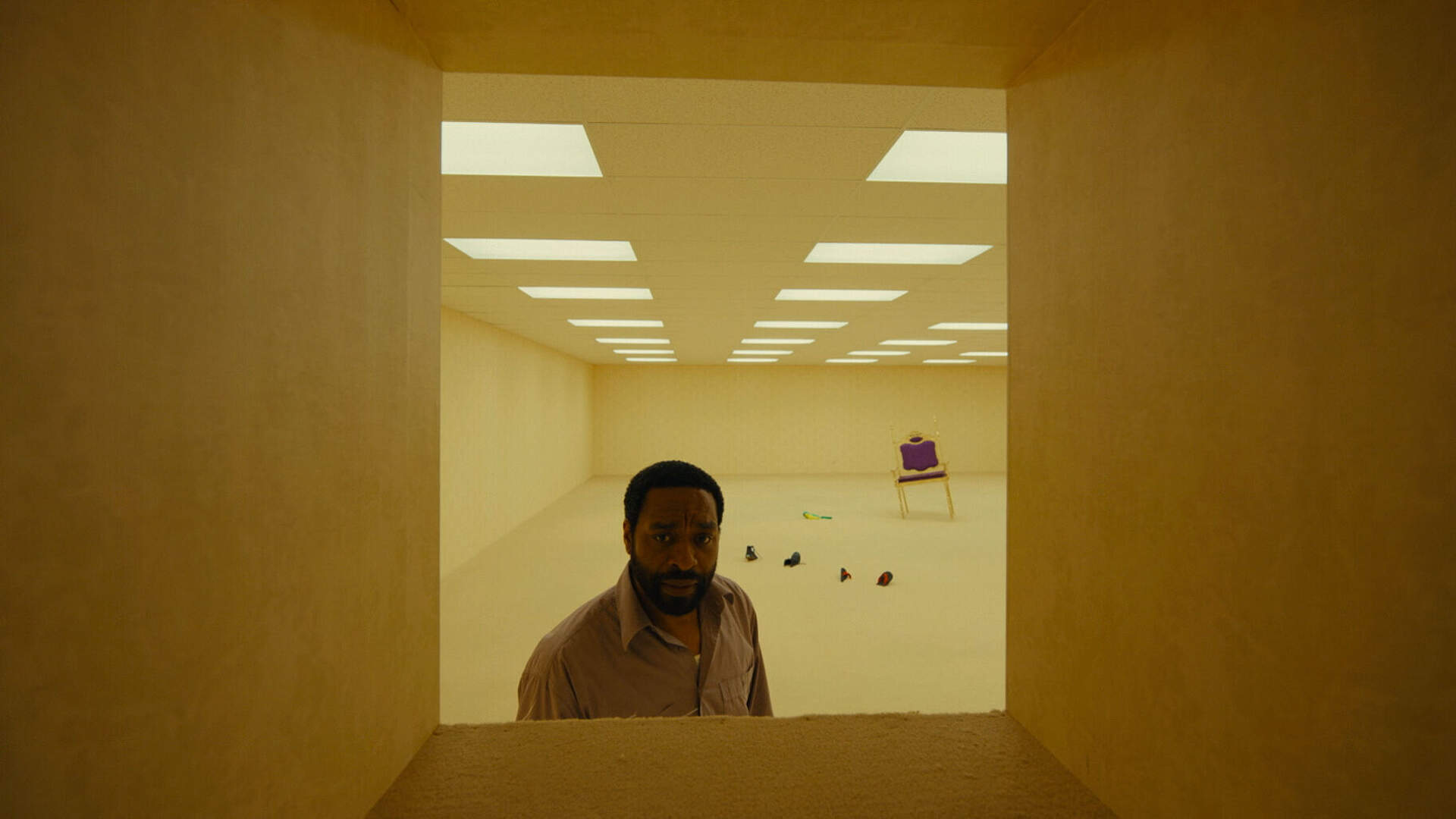
Und dann gibt es noch Kane Parsons, besser bekannt als Kane Pixels, dessen Weg ins Filmgeschäft online begann. Er war 16, als er das neunminütige Video hochlud The Backrooms (Found Footage) auf YouTube im Jahr 2022, nachdem er sich Animation und visuelle Effekte bereits mithilfe von Online-Tutorials selbst beigebracht und jahrelang mit virtuellen Umgebungen experimentiert hatte. Das Video verzeichnet mittlerweile rund 93 Millionen Aufrufe und 2,5 Millionen Likes. A24, eine amerikanische unabhängige Produktionsfirma, bot ihm schließlich die Möglichkeit, diese Welt in einen Spielfilm zu verwandeln – komplett mit 30.000 Quadratfuß großen realen Kulissen –, während Parsons seine Aufnahmen weiterhin in Blender plante. Seine Bildsprache blieb unverkennbar seine eigene, auch wenn alles um ihn herum plötzlich viel größer wurde.
Die neue Adaption Hinterzimmer (2026) entführt uns in eine andere Ecke des Internets, auch wenn Ihnen das Gefühl vielleicht sofort bekannt vorkommt. Endlose gelbe Flure, Neonlicht und leere Büros wirken seltsam vertraut, wie ein Ort aus einem Traum, den man hinterher nicht mehr ganz einordnen kann. Stellt euch vor, ihr geht durch ein solches Labyrinth, biegt eine Ecke nach der anderen ab, ohne jemals wirklich zu wissen, wohin ihr geht oder ob das Ganze überhaupt einen Sinn ergibt. Irgendwie ist es Teil des Reizes des Films, sich immer mehr zu verirren, denn liminale Räume, Gaming, digitale Störungen und die seltsame Nostalgie, die mit frühen Internetbildern verbunden ist, verwandeln etwas, das wir meist nur vom Bildschirm kennen, in einen Ort, durch den man sich plötzlich selbst spazieren kann. Es ist eine visuelle Welt, die Parsons gut kennt, da er schon seit Jahren damit experimentiert, anstatt sie als etwas anzugehen, das er erst für den Film studieren musste.
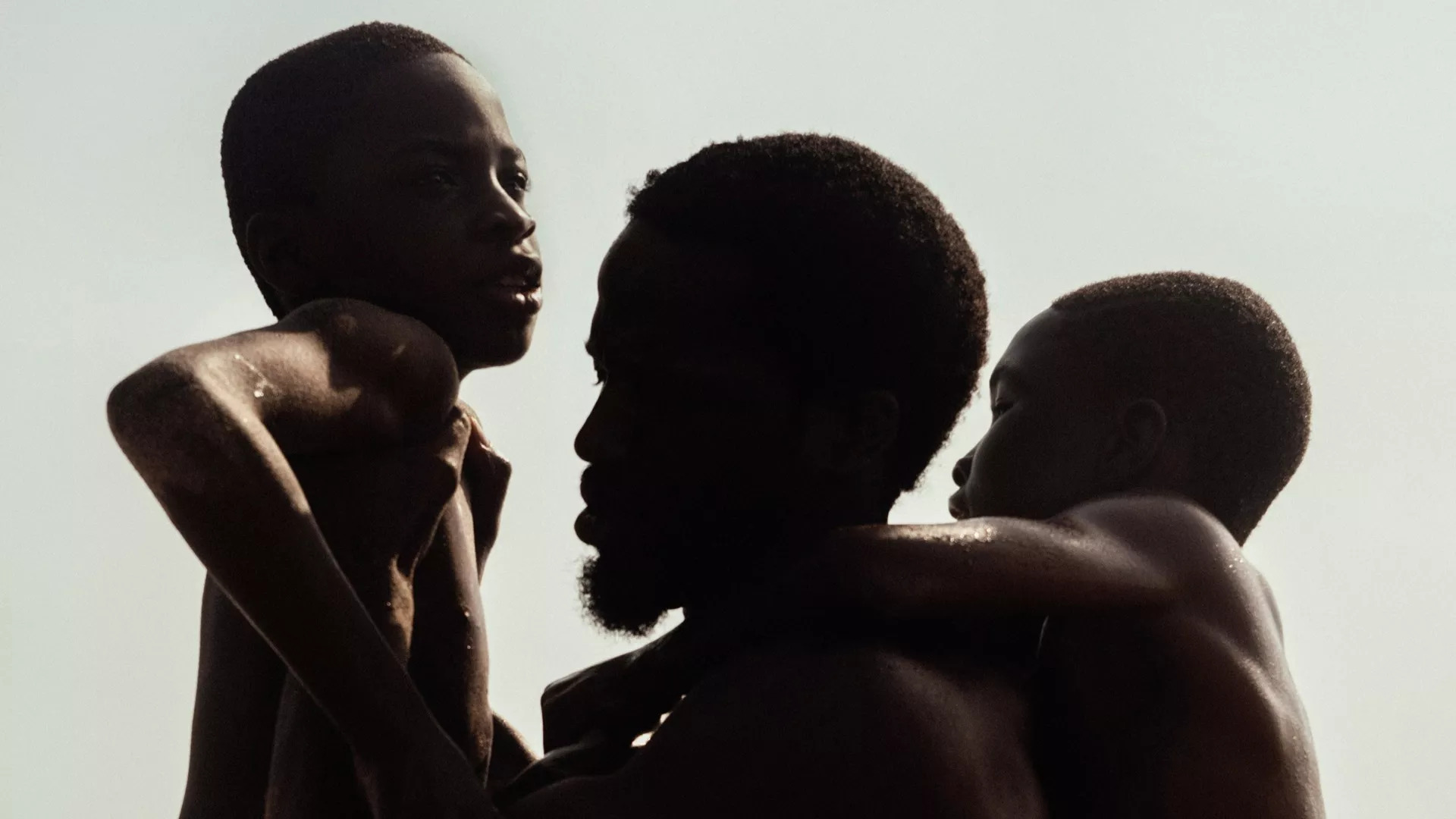
Aus endlosen digitalen Korridoren, Der Schatten meines Vaters führt uns an einen sehr realen Ort. Akinola Davies Jr..Der Film spielt in Lagos während der Wahlkrise in Nigeria im Jahr 1993. Zwei junge Brüder verbringen einen Tag mit ihrem entfremdeten Vater, während um sie herum die politischen Unruhen zunehmen, und erleben eine nationale Krise durch Fragmente, die sie noch nicht vollständig verstehen können. Sie bemerken Veränderungen bei ihrem Vater sowie bei den Menschen und auf den Straßen um sie herum, noch bevor sie die dahinterstehende Politik begreifen können. Das Ausmaß dieses historischen Moments wird durch das, was einer einzelnen Familie widerfährt, spürbar.
Diese Nähe geht direkt auf Davies zurück, der das Drehbuch zu diesem halbautobiografischen Film gemeinsam mit seinem Bruder Wale verfasste, nachdem er zuvor in den Bereichen Journalismus, Mode, Werbung und Musikvideos tätig gewesen war. Ein Großteil seiner Arbeit entsprang dem Wunsch, das Leben und die Gemeinschaften Schwarzer Menschen nuancierter darzustellen, und für Der Schatten meines Vaters, … Diese Suche führte ihn zurück zu seiner eigenen Familiengeschichte. Er hat gesagt, wenn er jemals nur einen einzigen Spielfilm drehen würde, dann sollte dieser seiner Familie und deren Erinnerungen dienen. Dieser persönliche Ausgangspunkt führte den Film schließlich nach Cannes, wo er als erster nigerianischer Film in die offizielle Auswahl des Festivals aufgenommen wurde und die Sonderauszeichnung „Caméra d’Or“ erhielt.
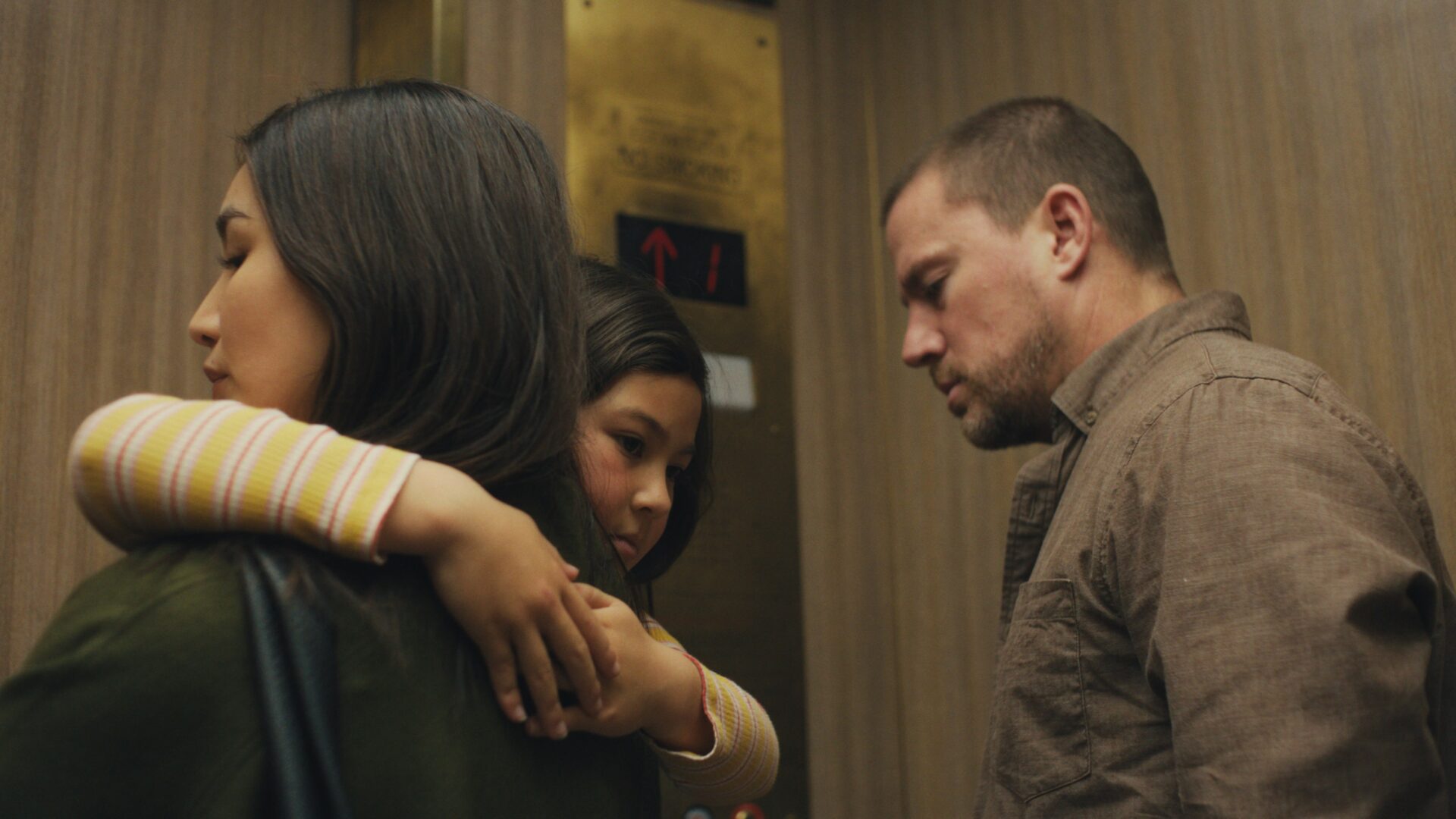
Auch die Familienerinnerung steht im Mittelpunkt von Beth de Araújo’s Josephine (2026), auch wenn der Film hier mit etwas viel Düsterem beginnt. Der Film handelt von einem achtjährigen Mädchen, das Zeugin eines sexuellen Übergriffs wird und Mühe hat, das Gesehene zu verstehen – zumal die Erwachsenen in ihrem Umfeld ihr nicht die Antworten geben können, nach denen sie sucht. Die meisten von uns können sich wahrscheinlich an einen Moment aus ihrer Kindheit erinnern, als sie zum ersten Mal begriffen, dass die Welt nicht ganz so sicher war, wie sie gedacht hatten. Für Josephine kommt diese Erkenntnis viel zu früh und auf die brutalste Art und Weise, die man sich vorstellen kann, während ein neues Gefühl der Angst langsam zu prägen beginnt, wie sie andere Menschen, ihre Umgebung und ihre eigene Verletzlichkeit wahrnimmt. Der Park ist immer noch derselbe Park, die Menschen um sie herum sind immer noch dieselben Menschen, doch ihr Gefühl der Sicherheit ist es nicht mehr.
De Araújo kann diesem Wandel ungewöhnlich nahe bleiben, da Teile von Josephine stammen aus ihrer eigenen Kindheit. Sie wurde Zeugin eines Vorfalls im Golden Gate Park in San Francisco, der sie bis ins Erwachsenenalter begleitete; später brachte sie diese Erfahrung mit der übermäßigen Wachsamkeit und Paranoia in Verbindung, die sie noch Jahre später mit sich trug. Nach ihrem beunruhigenden Debüt, Sanft & leise (2022) griff sie für ihren zweiten Spielfilm wieder auf diese Erinnerung zurück. Barker, Parsons und Davies gelangen über völlig unterschiedliche Themen zu diesem Punkt, doch die Verbindung zwischen ihnen wird deutlich. Keiner von ihnen muss die Welt, die im Mittelpunkt ihres Films steht, von Grund auf neu erfinden. Auf die eine oder andere Weise haben sie bereits in ihr gelebt.
Da wir von Bildern umgeben aufgewachsen sind, ist visuelle Kompetenz fast schon zur Selbstverständlichkeit geworden – und generative KI treibt diese Entwicklung nur noch weiter voran. Man gibt ihr eine Vorlage, eine Stimmung und ein paar Stichwörter, und schon kann sie innerhalb von Sekunden etwas überraschend Überzeugendes hervorbringen. Zumindest verspricht sie das. Wir haben uns so sehr daran gewöhnt, Ästhetik zu erkennen, zu übernehmen und nachzubilden, dass ein gut aussehendes Bild allein kaum noch garantiert, dass wir uns daran erinnern. Wenn das nächste Bild bereits direkt darunter im Feed auf uns wartet, ist es nur die halbe Miete, unsere Aufmerksamkeit zu wecken. Uns einen Grund zu geben, zu bleiben, wird viel schwieriger.
Wer es letztendlich schafft, unsere Aufmerksamkeit zu fesseln, ist nicht unbedingt eine Frage des Alters. Jemand, der seit Jahrzehnten Filme dreht, hat miterlebt, wie kulturelle Veränderungen aufkamen, verschwanden und schließlich in anderer Form wiederkehrten, während jemand, der am Anfang seiner Karriere steht, der Gegenwart begegnet, bevor sich ihre Bedeutung vollständig herauskristallisiert hat. Der eine bringt die Distanz mit, Dinge kommen und gehen gesehen zu haben, der andere die Unmittelbarkeit, sie gerade jetzt zu durchleben – und das Kino ist besser dran, wenn beide im Raum sind. Vielleicht waren all diese Kreativdirektoren und Künstler in unseren Instagram-Biografien also nie wirklich das Problem. Je mehr Menschen ihre Werke schaffen und teilen können, desto interessanter wird die Frage, wer uns dazu bringen kann, dabei zu bleiben.
Zumindest die jüngere Generation hat reichlich Übung darin, zuzusehen, wie die Aufmerksamkeit schwindet. Wir wissen, wann sich etwas in die Länge zieht, wann wir in Versuchung geraten, nach unserem Handy zu greifen, und wie schnell eine langweilige Minute unsere Gedanken woanders hinwandern lassen kann. Das Kino tickt jedoch nach einem anderen Rhythmus. Jemanden dazu zu bringen, drei Sekunden lang nicht weiterzuscrollen, ist eine Sache, aber ihn zwei Stunden lang auf seinem Platz zu halten, bedeutet, eine Geschichte zu erzählen, die in die richtige Richtung geht, Figuren zu schaffen, denen wir gerne folgen, und genügend Spannung aufzubauen, damit das Checken unseres Handys wie die weniger interessante Option erscheint. All die Stunden, die wir online verbracht haben, haben uns vielleicht doch einiges darüber beigebracht, wie man Aufmerksamkeit gewinnt – auch wenn es eine ganz andere Sache ist, sie zu halten. Eine Generation, der so oft vorgeworfen wird, ihre Aufmerksamkeitsspanne verloren zu haben, bringt vielleicht gerade einige der Filmemacher hervor, die wissen, wie man sie zurückgewinnen kann.