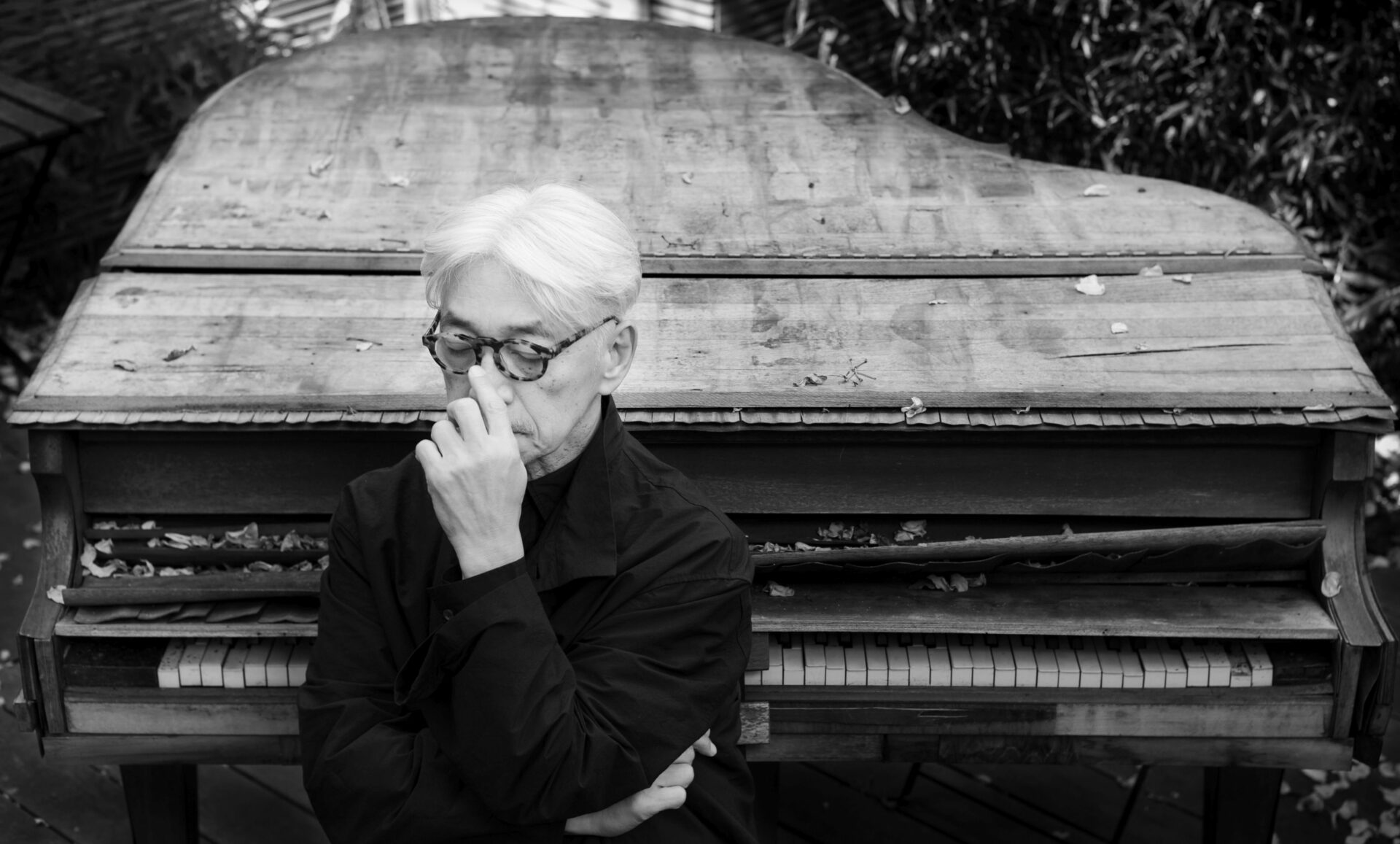
Geräusche sind überall, doch meistens nehmen wir sie kaum wahr. Wenn man auf dem Weg zur Arbeit einmal die Kopfhörer vergisst, rücken plötzlich die Gespräche im Zug, das Schließen der Türen, Schritte und der Verkehr wieder in den Vordergrund – eine Erinnerung daran, wie sehr Geräusche unsere Wahrnehmung eines Ortes, eines Augenblicks und sogar unseres Alltags prägen.
Nur wenige Künstler haben dies so tiefgreifend verstanden wie Ryuichi Sakamoto. Im Laufe seiner mehr als vier Jahrzehnte umfassenden Karriere hat der japanische Komponist und Künstler den Klang weit über die Musik hinausgetragen und ihn in einen Dialog mit Film, Performance, Technologie, Natur und physischem Raum gebracht. Im September dieses Jahres steht diese Seite seines Schaffens im Hamburger Bahnhof im Mittelpunkt mit Ryuichi Sakamoto | Klang sehen, Zeit hören, die erste große Retrospektive seines Werks in Europa und Teil des Programms des Museums zur Feier seines 30-jährigen Bestehens.
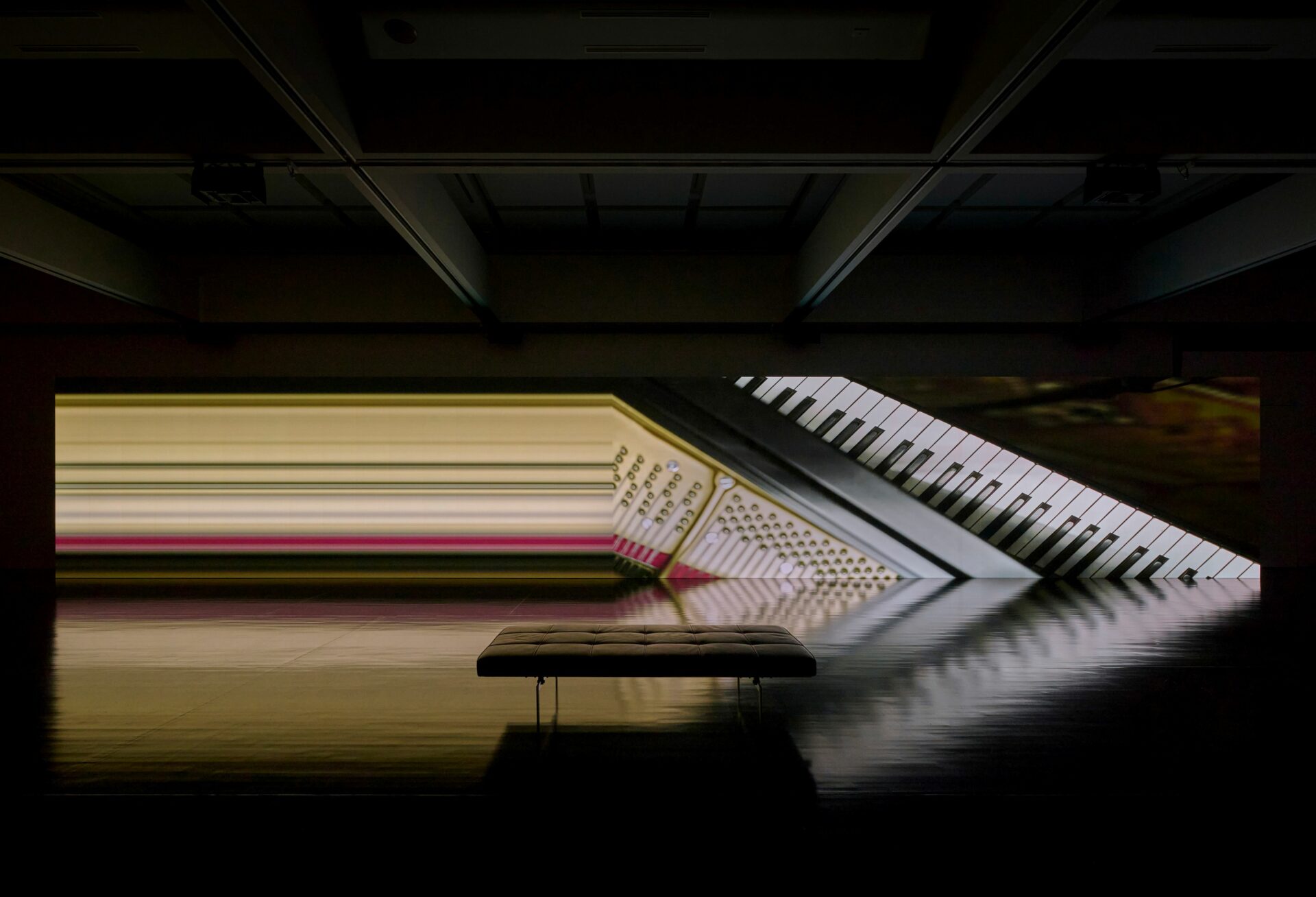
Auf einer Fläche von rund 1.500 Quadratmetern in den Rieckhallen des Museums entfalten sich sieben Werke in Form von fünf großformatigen Installationen. Darunter befindet sich IST DEINE ZEIT (2017), in dem ein durch den Tsunami von 2011 beschädigtes Klavier mit Live-Seismologiedaten von Erdbeben aus aller Welt verknüpft wird, sowie Installationen, die auf Sakamotos Album aus dem Jahr 2017 basieren async. Gemeinsam zeigen die Werke, was geschieht, wenn Klang nicht mehr nur etwas ist, das wir einfach nur hören, sondern etwas Räumliches, Physisches und Untrennbares von seiner Umgebung.
Im Rahmen dieses Teils seiner künstlerischen Praxis knüpfte Sakamoto auch eine seiner langjährigsten künstlerischen Partnerschaften. Shiro Takatani, Künstler und Mitglied des in Kyoto ansässigen Kollektivs Dumb Type, arbeitete 1999 erstmals mit ihm an dem Projekt „LIFE“ zusammen. In den folgenden zwei Jahrzehnten schufen sie gemeinsam weitere Installationen und Performances, darunter async und das Theaterstück ZEIT. Im Jahr 2022 schloss sich Sakamoto dem Kollektiv Dumb Type für dessen Präsentation auf der Biennale in Venedig an. Ihre gemeinsame Arbeit ist bis heute sehr präsent: async – „immersion“, das erstmals 2023 auf der AMBIENT KYOTO gezeigt wurde, ist derzeit erneut in der Azabudai Hills Gallery in Tokio zu sehen.
Anlässlich der Sakamoto-Retrospektive in Berlin greift Takatani nun – ohne seinen Partner an seiner Seite – auf Werke zurück, die sie einst gemeinsam entwickelt hatten. Wir sprachen mit ihm über die mehr als zwanzigjährige Zusammenarbeit mit Sakamoto, ihr gemeinsames Verständnis von Klang und Zeit, die Rolle der Technologie in seinem Schaffen und darüber, was es bedeutet, eine Zusammenarbeit fortzuführen, nachdem einer der beiden nicht mehr da ist.
AMELIE BACHERT Was war das Letzte, das du gesehen oder gehört hast, das dich wirklich überrascht hat?
SHIRO TAKATANI Ein Ereignis, das mich kürzlich wirklich überrascht hat, war der Einsturz eines Gletschers in Nepal. Das hat meine Ehrfurcht vor der Natur noch verstärkt. Wir Menschen sind wirklich winzige Wesen; diese Erkenntnis zwingt uns dazu, ernsthaft über das Konzept des “Zusammenlebens” hier auf der Erde nachzudenken.
AB In Ihren Arbeiten beschäftigen Sie sich oft mit Dingen, die schwer zu fassen sind: Licht, Zeit, Atmosphäre, das Unsichtbare. Was fällt Ihnen in einem Raum auf, was die meisten Menschen Ihrer Meinung nach nicht bemerken?
ST Ich glaube, was mir ins Auge fällt, fällt auch dir ins Auge. In letzter Zeit habe ich viel über “Schatten” nachgedacht. Insbesondere die Bewegung der von der Sonne erzeugten “Schatten” ermöglicht es uns, die Form und die Bewegung der Erde, auf der wir leben, wahrzunehmen.
AB Dumb Type wurde 1984 gegründet, zu einer Zeit, als die Technologie immer stärker in den Alltag Einzug hielt. Damals haben Sie diese Entwicklung in Ihren Arbeiten oft mit einer gewissen Düsternis oder Skepsis betrachtet. Haben sich Ihre Bedenken vierzig Jahre später als berechtigt erwiesen?
ST Technologie scheint unser Leben zu bereichern, doch das ist nur ein Aspekt innerhalb des kurzen Zeitraums unseres Lebens. Nicht unbedingt als Preis für diesen neu gewonnenen Wohlstand, aber … wir belasten die Zukunft mit Problemen wie Kohlendioxid, Abfall – einschließlich Kunststoffen – und Atommüll. Ich interessiere mich für den Einsatz von Technologie. Denn sie ermöglicht die Entdeckung “neuer Schnittstellen” – wie zum Beispiel die Struktur einer neuen Gesellschaft, die auf “menschlichen Beziehungen” basiert, die nicht durch menschliche Emotionen geschaffen werden.
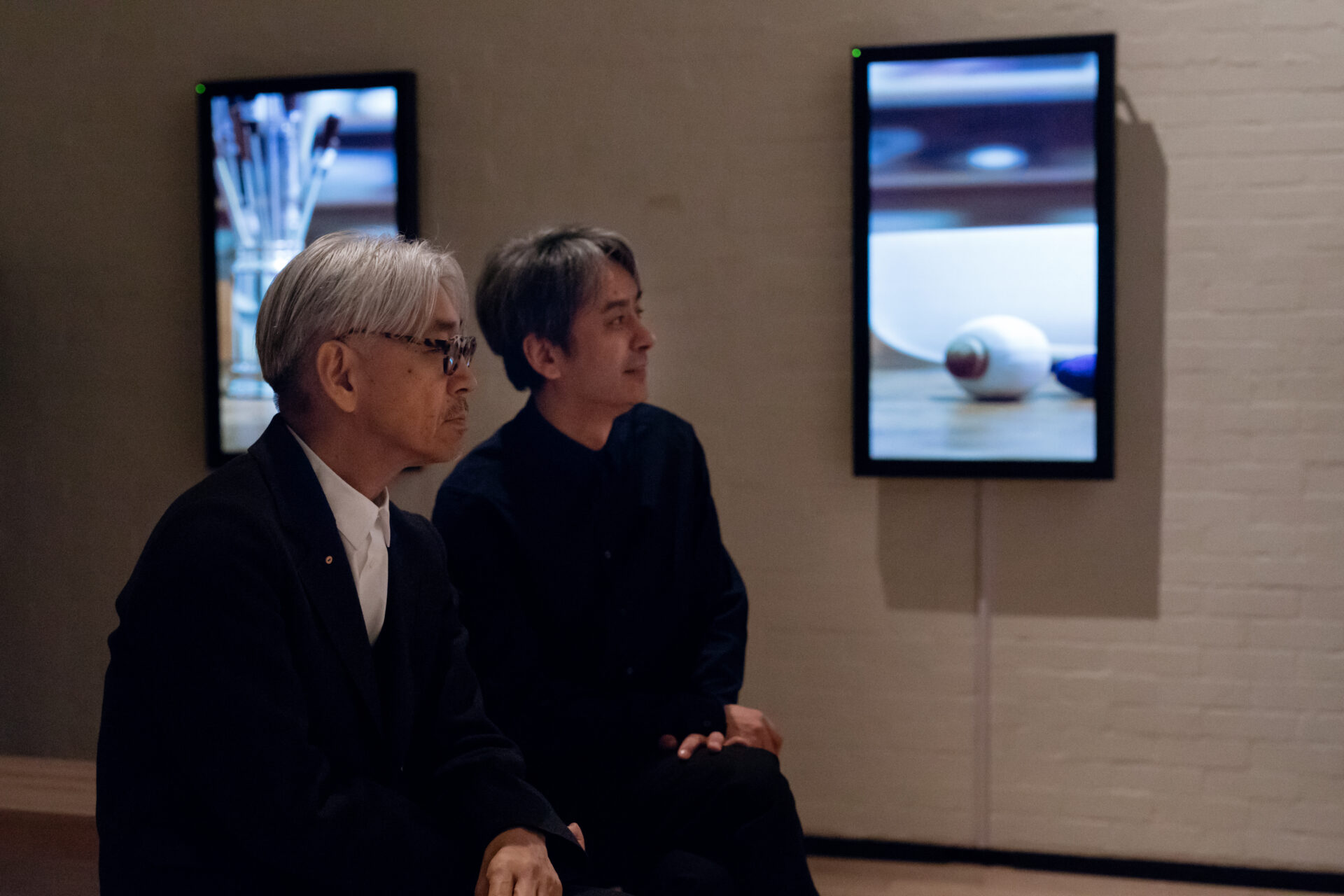
AB In Ihren Arbeiten lässt sich die Technologie oft fast unsichtbar werden, obwohl sie technisch sehr komplex ist. Ist die beste Technologie manchmal die, die wir gar nicht mehr wahrnehmen?
ST Das glaube ich auch. Mein Ziel ist es nicht, lediglich die Technologie selbst zu präsentieren, sondern vielmehr, ihre Eigenschaften einzufangen und eine harmonische Verschmelzung mit dem Konzept des Werks zu erreichen.
AB Du hast zum ersten Mal mit Ryuichi Sakamoto zusammengearbeitet bei LIFE im Jahr 1999. Erinnerst du dich an deine erste echte künstlerische Meinungsverschiedenheit?
ST Ich hatte nie auch nur die geringsten Meinungsverschiedenheiten. Ich hoffe, Ryuichi ging es genauso … Ich habe mich sehr gefreut, eine so schöne und wertvolle Zeit mit Ryuichi zu verbringen.
AB Ihr habt mehr als zwei Jahrzehnte lang zusammengearbeitet. Was konntet ihr euch gegen Ende sagen, was ihr 1999 noch nicht hättet sagen können?
ST Von Anfang an konnte ich mit Ryuichi über alles offen sprechen. Natürlich bin ich schon seit meinem 16. Lebensjahr ein Fan von Ryuichi, daher war ich anfangs nervös, mit ihm zu sprechen, aber ich glaube, es lag daran, dass Ryuichi Interesse an Dumb Type und an Kyoto hatte, wo ich wohne. Deshalb ging er so offen und unkompliziert auf mich ein, dass sich bald eine Beziehung entwickelte, in der wir über alles reden konnten.
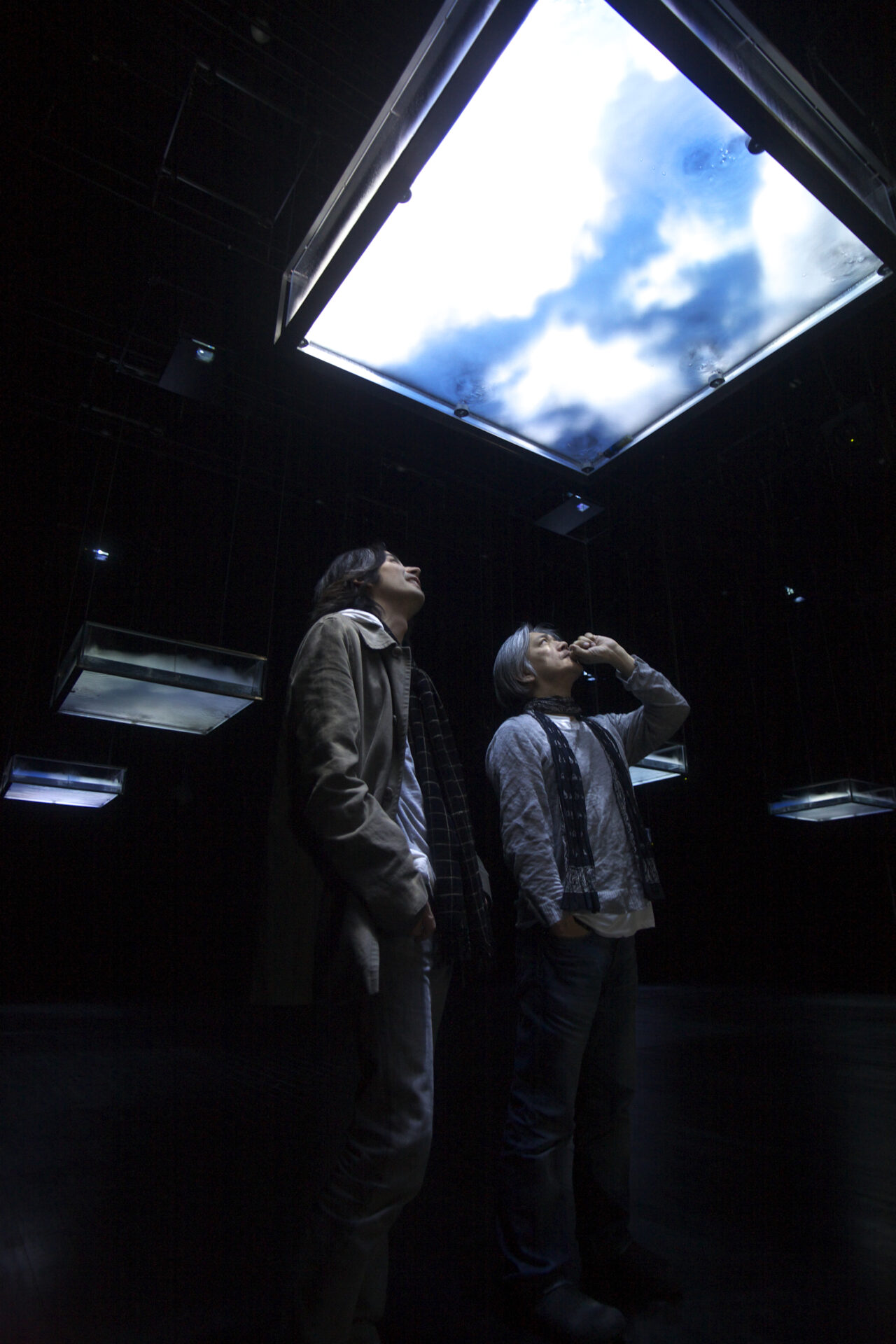
Ausstellung 'Ryuichi Sakamoto + Shiro Takatani | LIFE – fließend, unsichtbar, unhörbar...' im Yamaguchi Center for Arts and Media (2007), Foto: Ryuichi Maruo, mit freundlicher Genehmigung des Nachlasses von Ryuichi Sakamoto, KAB Inc.
AB Ihr habt euch mehr als zwanzig Jahre lang künstlerisch gegenseitig beeinflusst. Welcher Teil deiner heutigen Arbeit wäre anders, wenn du Sakamoto nie kennengelernt hättest, und welcher Teil seiner Arbeit wäre deiner Meinung nach anders, wenn er dich nie kennengelernt hätte?
ST Er hat mich in vielerlei Hinsicht wirklich geprägt … Das gilt insbesondere für den Umgang mit “Klang” und “Zeit” sowie für die Art und Weise, wie das Konzept eines Werks aufgebaut ist. Es erscheint mir unzureichend, es einfach als “Einfluss” zu bezeichnen – oder besser gesagt: Ich bin mir nicht einmal sicher, ob ich überhaupt Künstler geworden wäre, hätte ich ihn nicht kennengelernt. Ich hoffe, ich hatte einen positiven Einfluss auf ihn … aber das kann ich nicht beantworten.
AB Dies ist Sakamotos erste große Retrospektive in Europa. Was kann eine Ausstellung über ihn offenbaren, was das bloße Hören seiner Musik nicht vermag?
ST Mir scheint, dass er, wann immer er mit mir sprach, stets über Klanginstallationen nachdachte – er betrachtete sie als Mittel, um Musik zu schaffen und andere dazu zu bringen, ihr zuzuhören. Ich glaube, das ist das Konzept der “Installationsmusik”. “Klang” besteht aus physikalischen Schwingungen, die auf Wände, Decken, Böden und den Zuhörer treffen und von diesen reflektiert werden, wodurch ein komplexer Klangraum entsteht. Schärfe in einem flüchtigen Moment dein Gehör für die Resonanz des Klangs – die nur in genau diesem Raum hörbar ist – und lass deinen ganzen Körper in die Informationen eintauchen, die er vermittelt.
AB Retrospektiven schaffen unweigerlich eine Erzählung rund um einen Künstler. Gibt es etwas an Sakamoto, von dem Sie hoffen, dass diese Ausstellung es nicht vereinfacht?
ST Ich kann eine solche Vereinfachung wie “Er war ein berühmter Musiker, also haben die Menschen in seinem Umfeld alles für ihn erledigt” nicht akzeptieren. Ryuichi hat selbst eine wirklich große Vielfalt an Konzepten und Ideen entwickelt. In „IS YOUR TIME“ kommt beispielsweise ein Klavier zum Einsatz, das durch den Tsunami nach dem Großen Ostjapan-Erdbeben beschädigt wurde. Das Projekt kam zustande, nachdem Ryuichi – der das Instrument in einer Schulturnhalle in der Präfektur Miyagi entdeckt hatte – auf die Idee kam, es unter Verwendung von Erdbebendaten aus aller Welt zu bespielen. Als ich von diesem Konzept hörte, arbeitete ich mit ihm zusammen, um es zu verwirklichen.
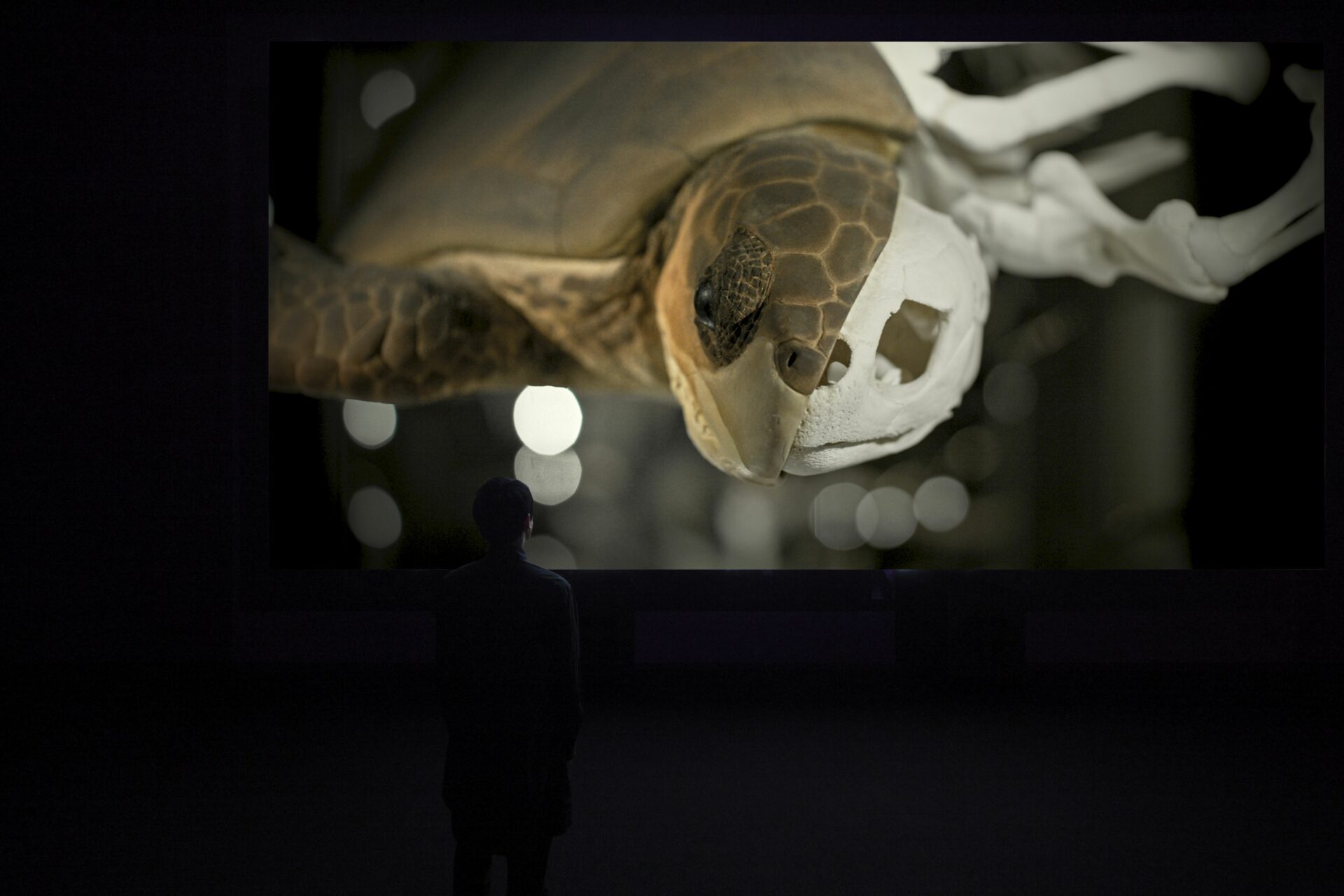
AB Sie installieren und präsentieren nun Werke, die Sie einst gemeinsam geschaffen haben – diesmal jedoch ohne Sakamoto. Ab wann wird die Bewahrung einer Zusammenarbeit zu einem neuen Akt der Urheberschaft?
ST Was die Installation der Kunstwerke angeht, verband mich mit Ryuichi ein Vertrauensverhältnis; zwar überließ er mir diese Aufgabe zu Lebzeiten oft, doch ich achtete auch darauf, ihm detaillierte Berichte vorzulegen und die Arbeit von ihm überprüfen zu lassen. Daher gibt es nun eine Stimme in mir – eine, die strenger ist als ich selbst –, die alles rigoros unter die Lupe nimmt. Bei meinen eigenen Arbeiten kann ich vielleicht manchmal Kompromisse eingehen, aber es gibt Dinge, die ich einfach nicht akzeptieren kann, wenn Ryuichis Name damit verbunden ist. Ich denke, das ist auch wichtig, wenn ich meine eigenen Arbeiten installiere.
AB Sakamoto hat sich während eines Großteils seiner Karriere mit den Themen Zeit, Vergänglichkeit, Natur und Sterblichkeit auseinandergesetzt. Hat Ihnen diese Ausstellung etwas in seinem Werk bewusst gemacht, das Sie zu seinen Lebzeiten nicht erkennen konnten?
ST Das stimmt. Bei jeder Installation mache ich verschiedene Entdeckungen. Diese Erfahrung lässt sich wohl gut mit der überraschenden Entdeckung vergleichen, die man macht, wenn man einen Film, den man vor langer Zeit gesehen hat, noch einmal ansieht. Sowohl wir als auch die Gesellschaft verändern uns ständig, und ich glaube, dass sich inmitten dieser Veränderungen auch die Berührungspunkte zwischen uns und den Werken verschieben.
Ryuichi Sakamoto | Klang sehen, Zeit hören ist vom 11. September 2026 bis zum 20. Juni 2027 im Hamburger Bahnhof – Nationalgalerie der Gegenwart in Berlin zu sehen.