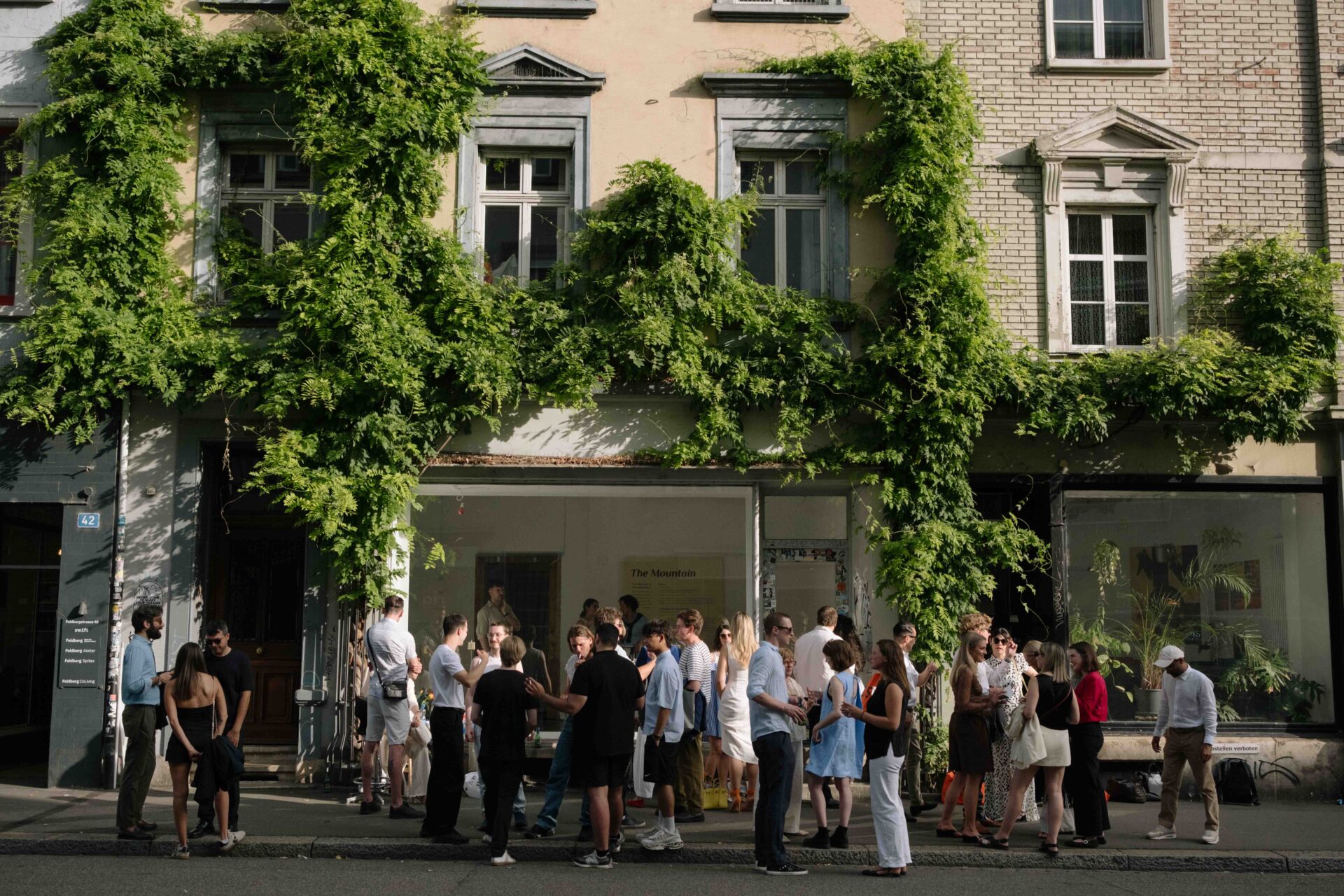
The global art world is a peculiar kind of community. Swarms of people move between the same fairs, exhibitions and parties, running into familiar faces across continents. Everyone is on a list, wants to be on a list or is trying to get into the room. But what does belonging actually mean in a world built around access?
Communities usually evolve within a particular locale, defined by proximity, shared interests or institutions. Yet the art world also operates on a global scale, and that is where the waters become murky, the nods unclear and relationships fleeting. Let me paint you a picture.
From Art Basel and Frieze (the biggest among a long list), with their respective international outposts, to comparatively younger fairs such as 1-54, the global art calendar draws thousands of people through hundreds of gallery booths, exhibitions and events each year. And yet, we see each other again and again. Willingly or not, one is destined to run into more or less the same people.
None of this happens without an agenda. Everyone is trying to make sense of it in their own way, to have their piece of the pie and eat it too. The key is bringing the “right” people together in a fascinating exchange of dance cards and displays of allegiance. Trying to master the sport of VIPing (forget the commoners’ weekend days; the cool stuff starts early), everyone tries to access the spaces they belong to or aspire to enter – me included. The spectrum is broad, and the power dynamics complex.
ROOM 13 is one of those dance cards worth having your name on. Among all the exhibitions, dinners and parties organised to activate this global art crowd, what sets it apart? One could argue: who needs another art membership club?
The name ROOM 13 draws on the 13th floor or room number 13, often omitted from hotels because, yes, superstition runs deep. It also refers to the approximately 13 lunar cycles within a solar year. These connections between an idea and its broader meaning are central to ROOM 13’s approach. Its events burst with references, subtexts and layers of meaning one can unpack, but doesn’t have to. This is not an academic exercise in belonging. Rather, it feels like a rich, playful invitation to look beyond the surface – through the space, décor, programme and, especially, the people.
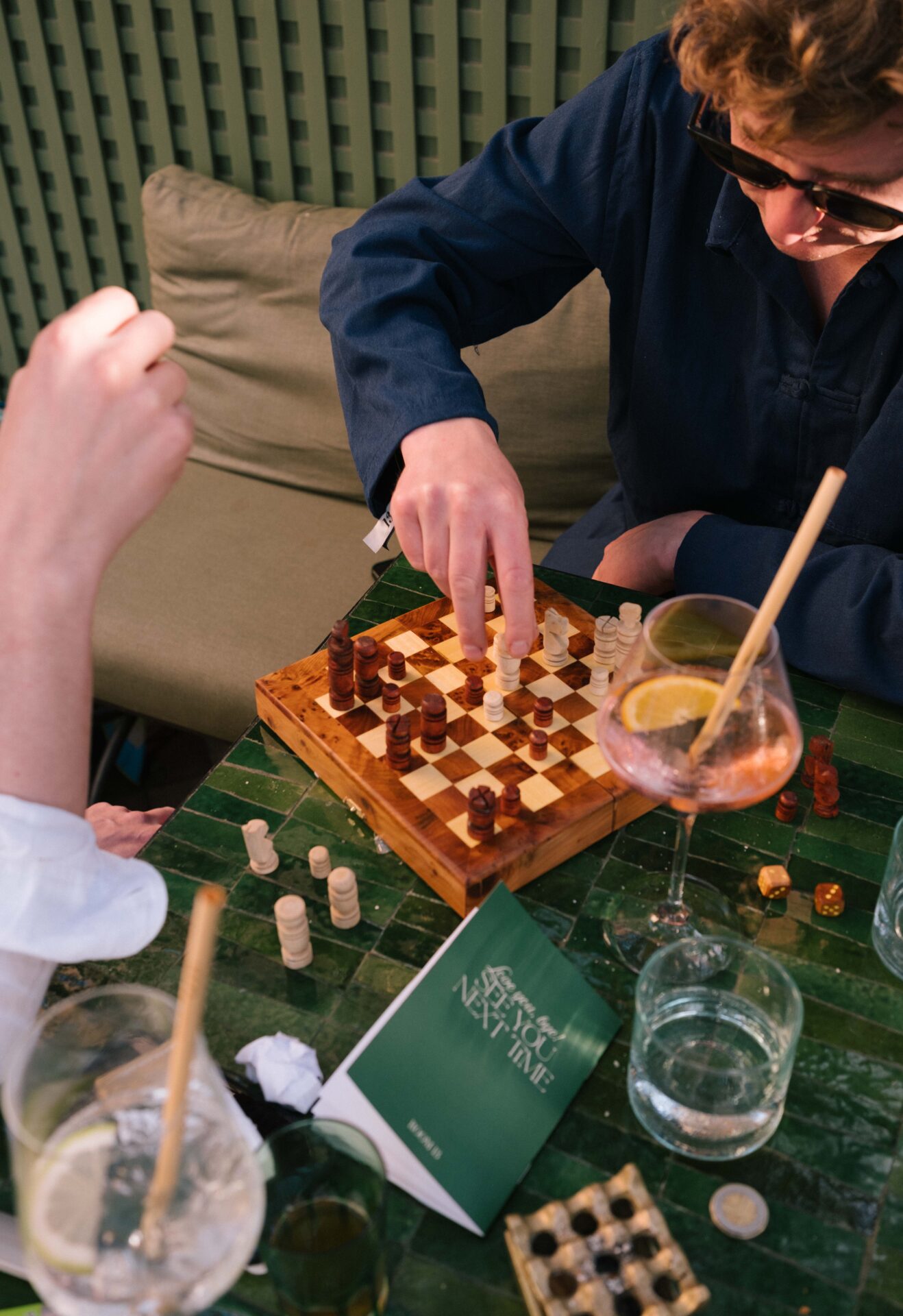
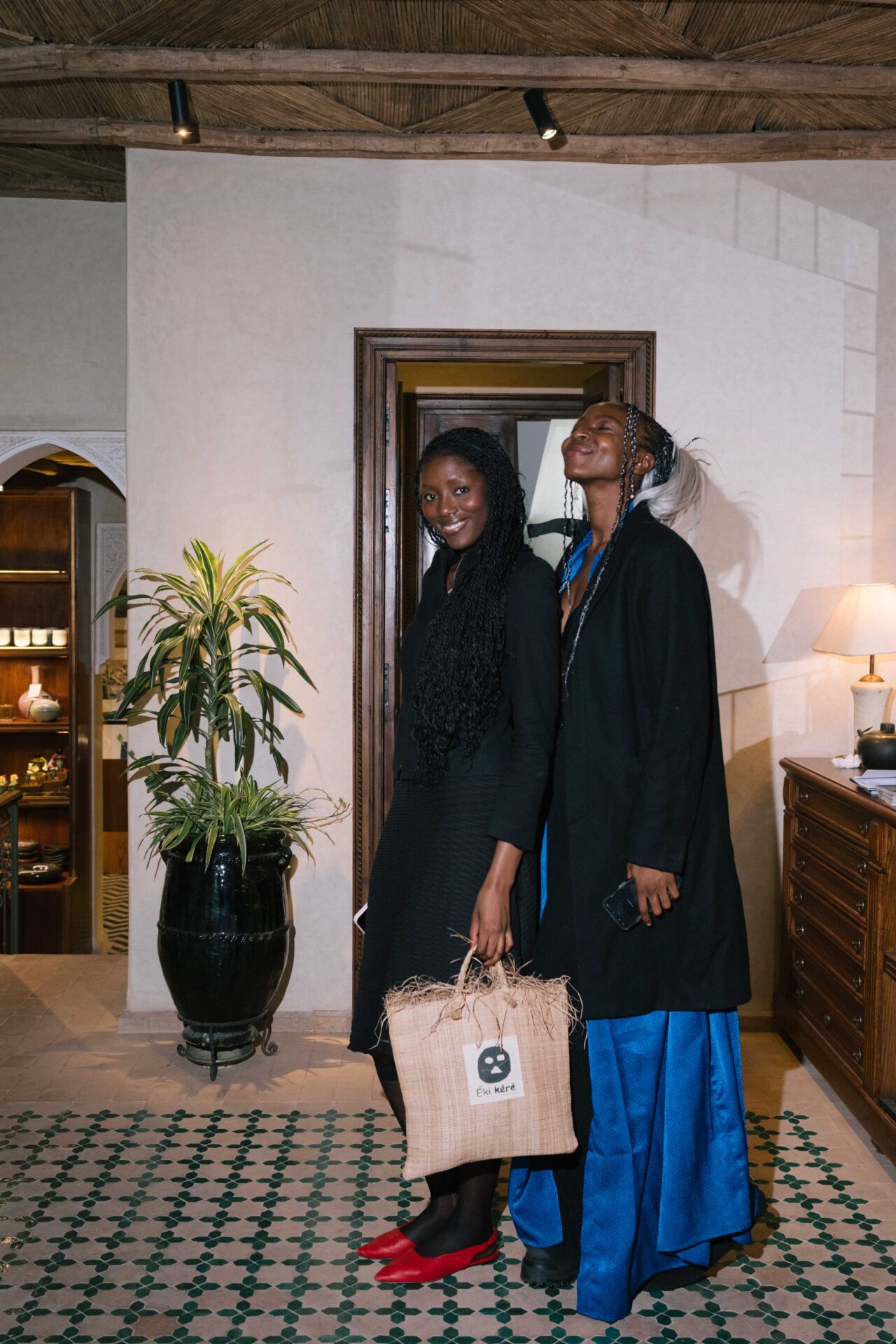
Each gathering is connected to a larger art ecosystem of fairs and art weeks. What makes ROOM 13 special, however, is how it embraces its respective local setting and culture. Rather than imposing itself upon a place, it becomes intertwined with it through a sense of kinship.
I have attended ROOM 13 soirées in several cities: Marrakesh, with a proper party in the heart of the Medina, in a traditional riad turned hotel; Berlin, with dinner at a private collector’s home and an art installation in their bunker (of course, we are in Berlin, after all); Basel, with a breakfast where everyone received a customised Wickelfisch, the waterproof swimming bag used to float down the Rhine; and most recently, London, celebrating ROOM 13’s first anniversary in a former stable turned photo studio.
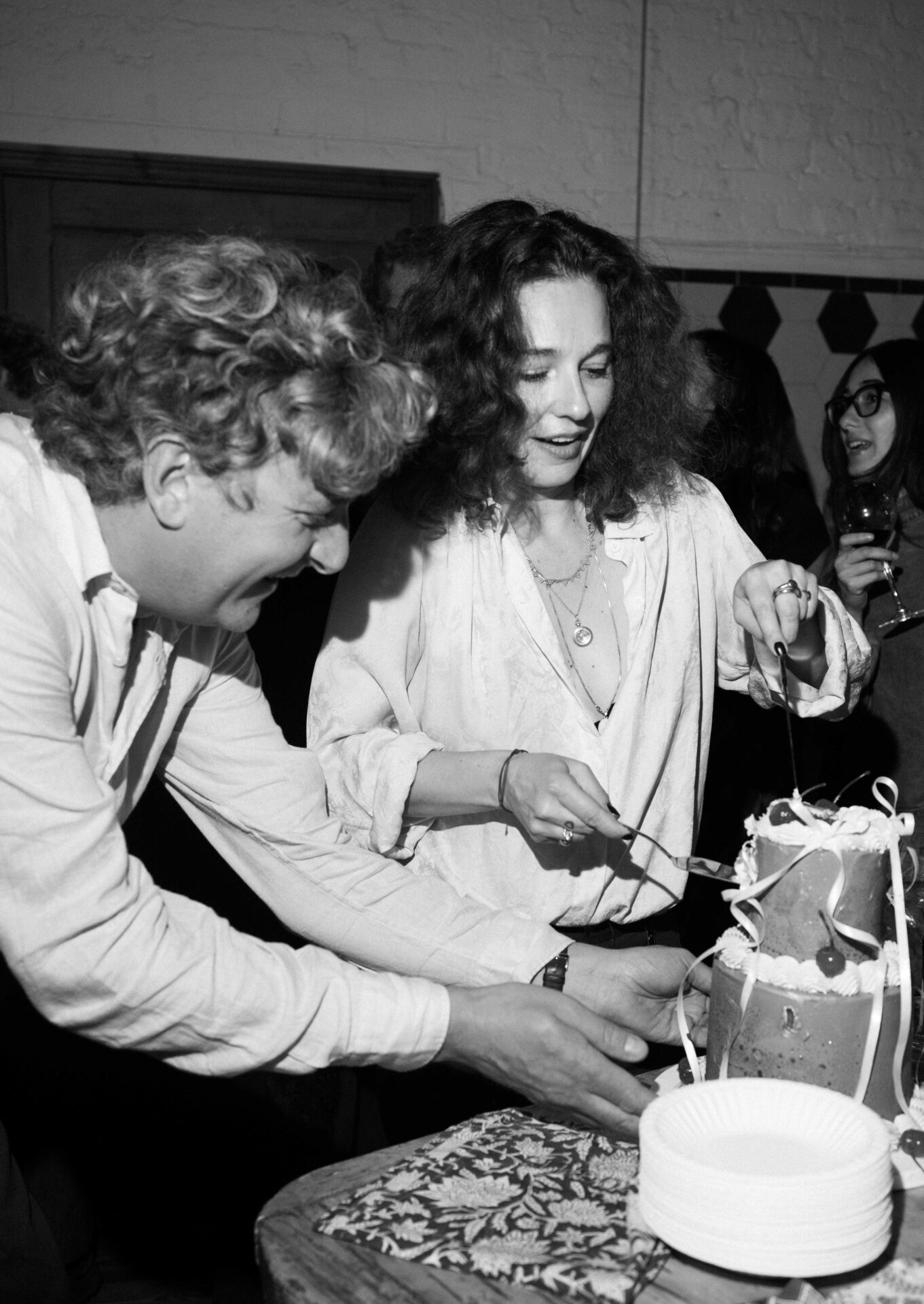
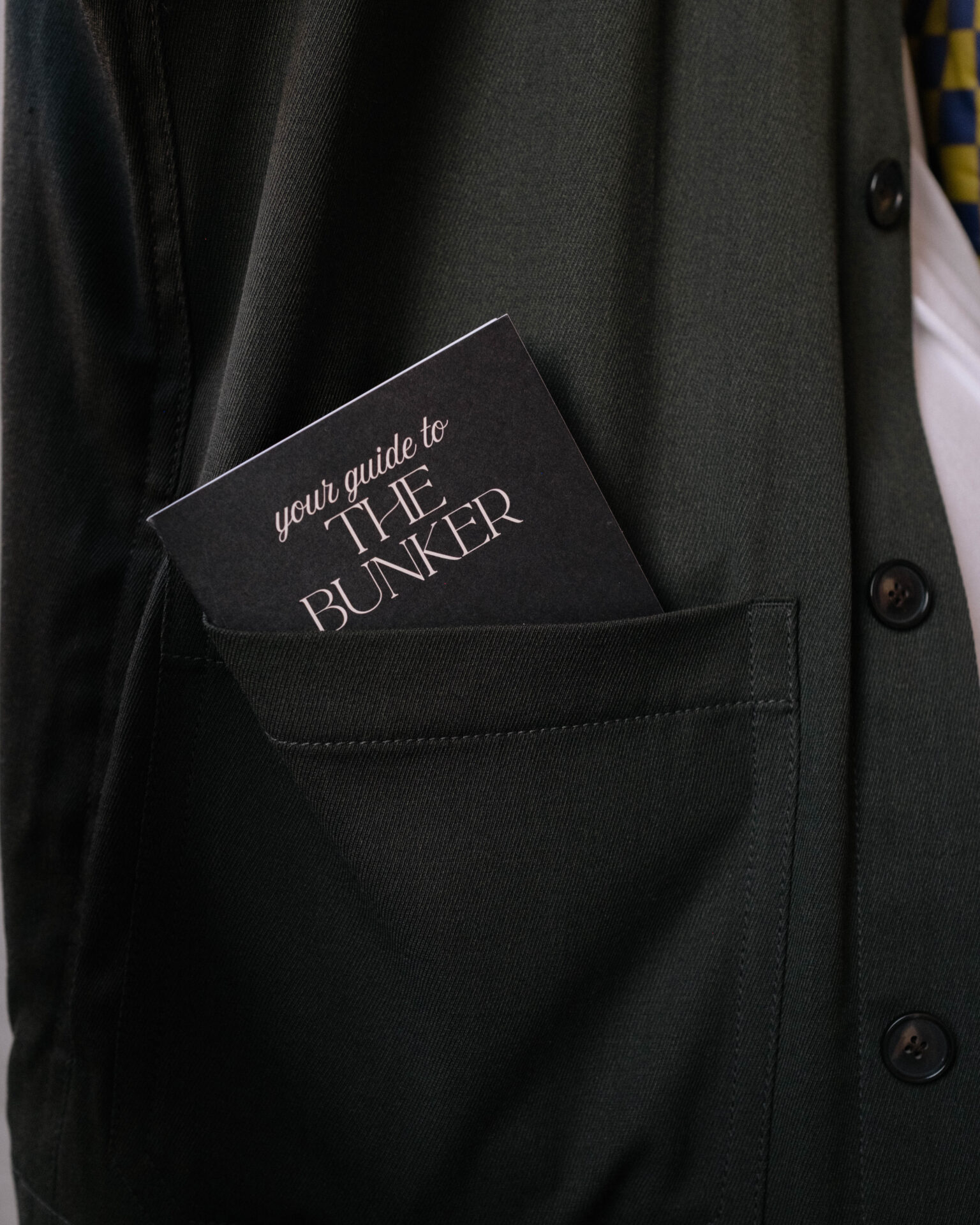
At the London event, a young arts patron asked me why I enjoy ROOM 13. She had arrived alone, with an open smile, looking a little lost at first. Yet, like me, she stayed until the very end. I told her that what I appreciate most is the familiarity created at each gathering. Whether you know anyone or not, whether you are local or not, it feels like being invited to your best friend’s cousin’s house for the holidays, in-laws included. You instantly have a place, even though you have never set foot inside. You become part of it the moment you enter.
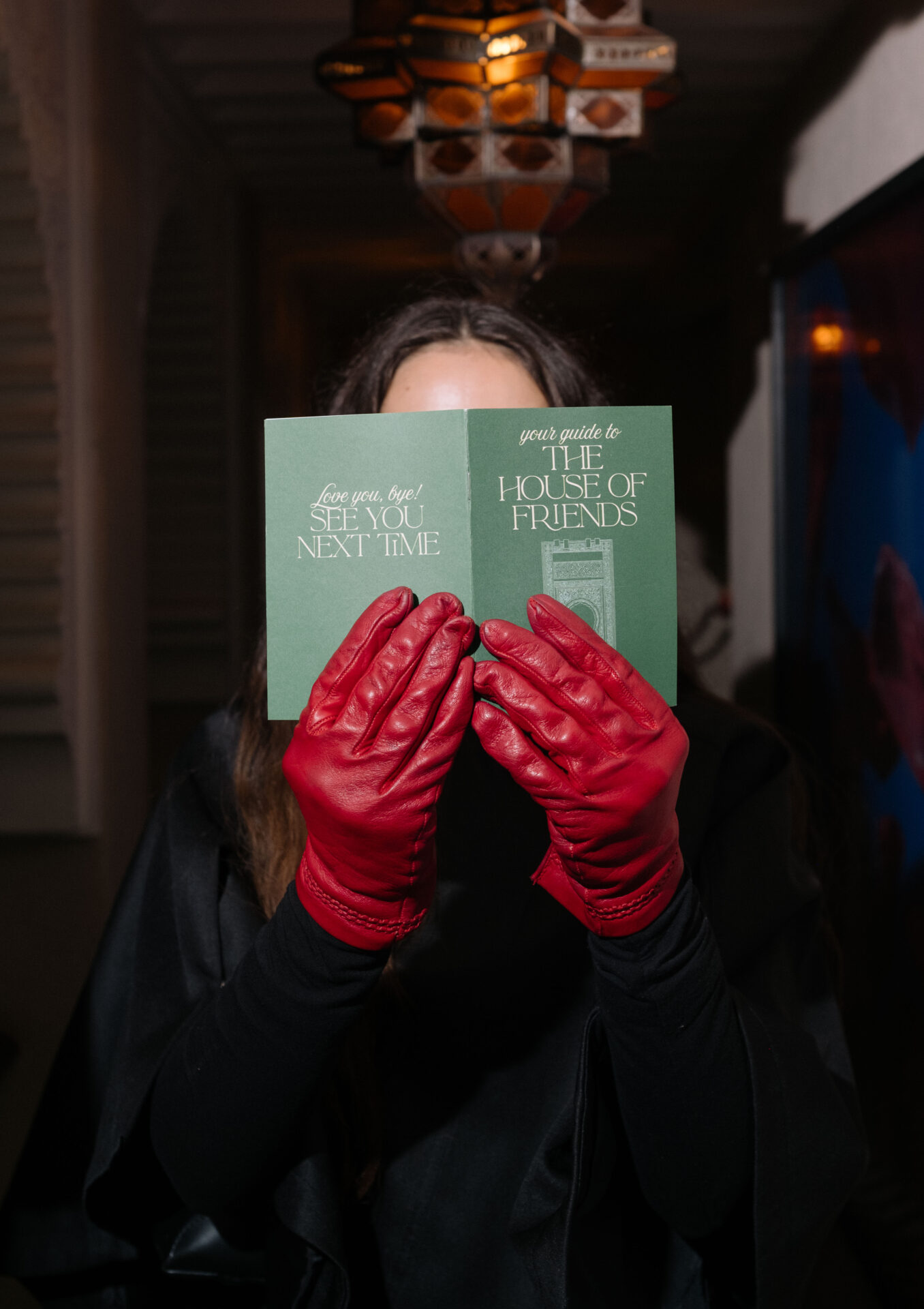
At ROOM 13, this begins with a personal welcome, a limited-edition booklet for the evening and a sticker over your phone’s camera. No, don’t worry, it’s not to keep the crazy things hidden. It is to safeguard your attention, forcing you to stay in the moment. And seriously, it works. Suddenly, hours have passed, and you have encountered the most beautiful array of characters, stories and conversations. Because the guests are actually hand-picked.
“I very often do the door myself,” says Anna Maja Spiess, ROOM 13’s co-founder and the visionary behind its look and feel. “It serves a dual function. I think it is just good manners to greet my guests personally, especially when I know them and haven’t seen them in a long time. But for people I do not yet know, it also gives me the opportunity to observe how they treat someone they perceive as staff.”
It is community in practice, not an abstract concept or grand declaration. Founded by Spiess alongside Max Mallows and Mike Holford, who run ARTSVP, ROOM 13 combines their global network with a distinctly personal approach to hospitality. Rather than being another space built around glamorous exclusivity but devoid of substance, it creates an atmosphere where the people matter as much as the occasion.
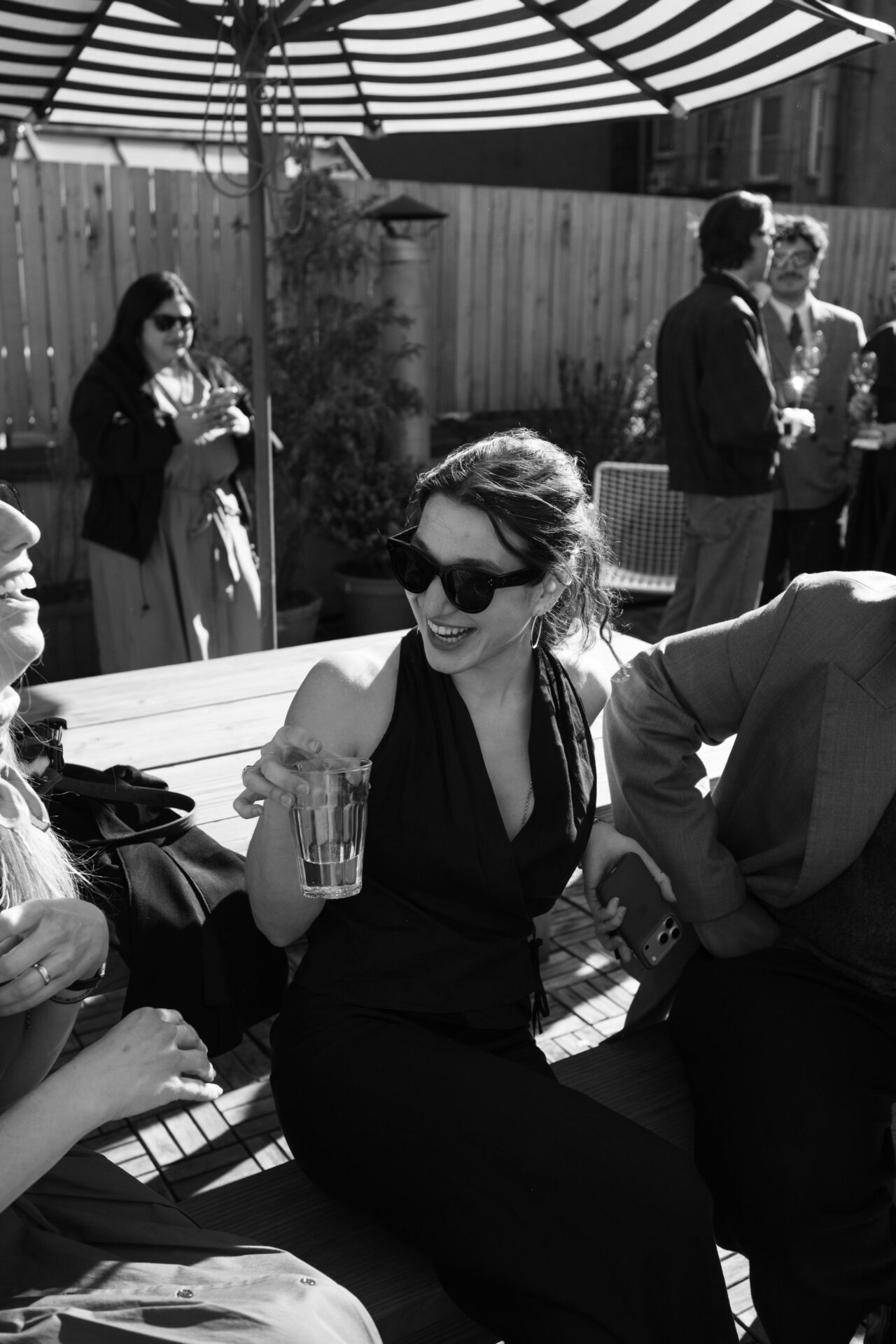
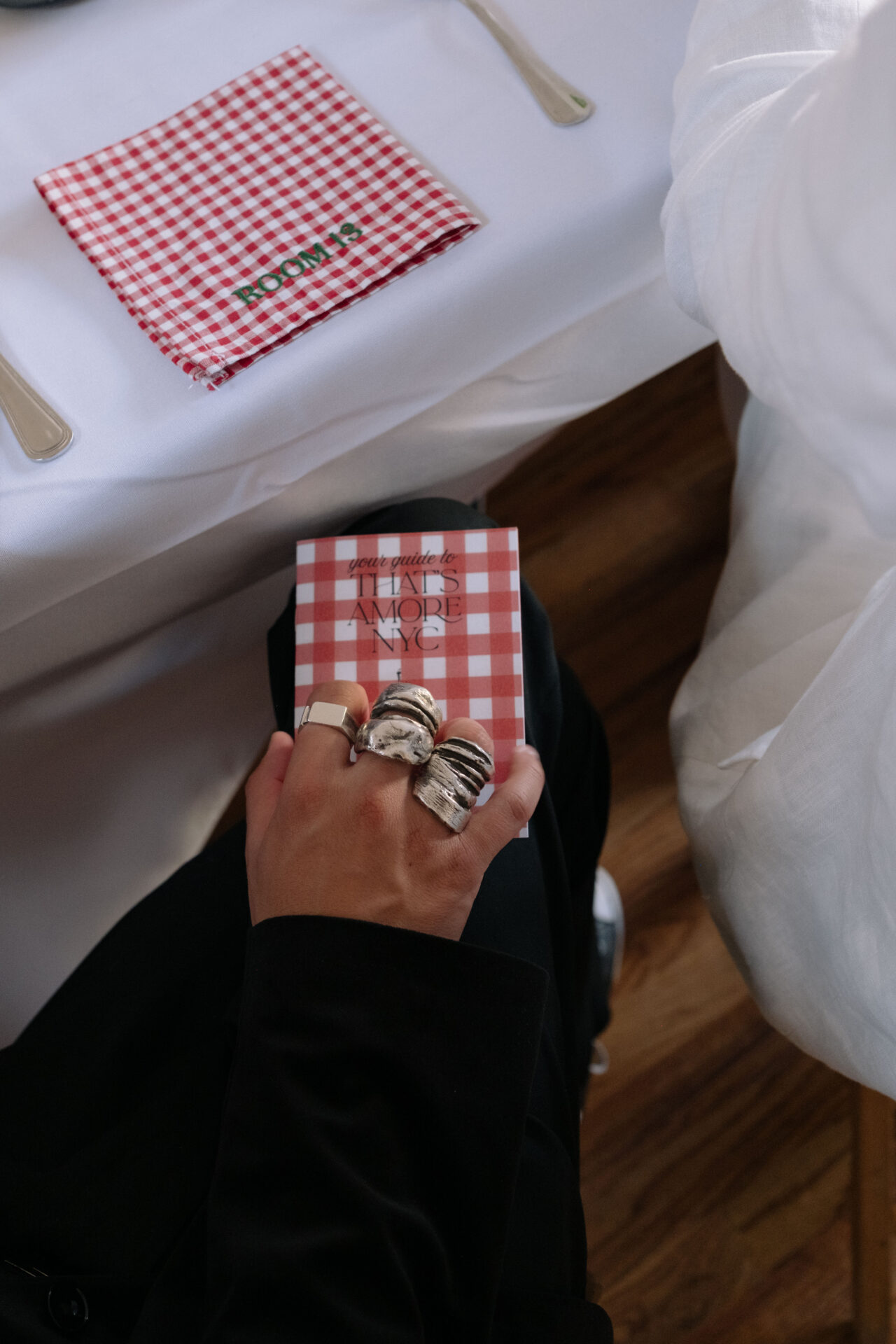
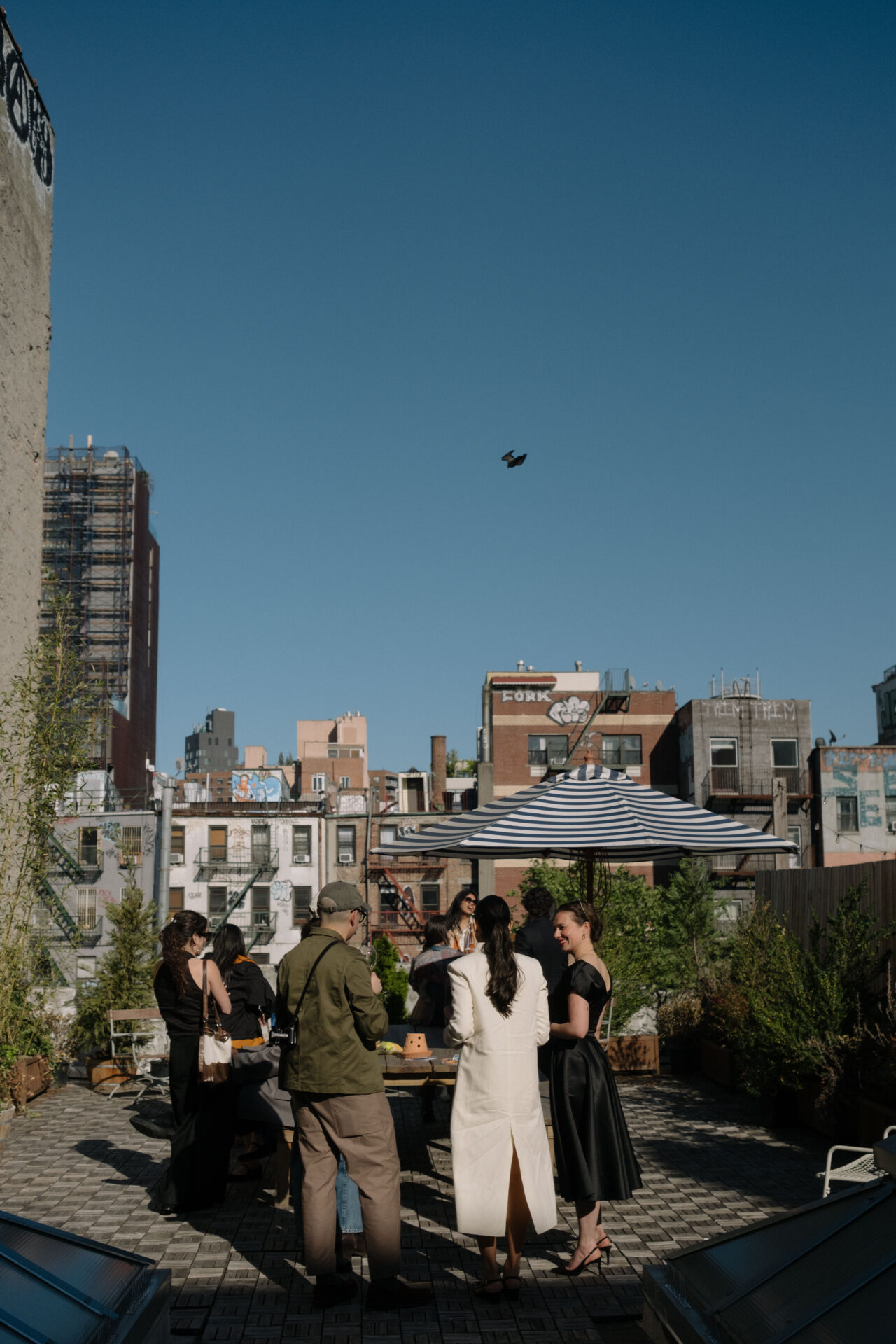
And there is always a dress code. “I think it allows people to have something to look forward to beyond the invite itself,” says Spiess. “It is also a nice way to gently ‘force’ everyone out of the standard uniform. I mostly host at the beginning of the week. I want people to meet and make new friends. The art world can be a smidge daunting, and it’s nice to share your plans for the week ahead. I often see people who met at one of our events hanging out together for the rest of the week, and that brings me tremendous joy.”
A few days after the event, the photographs arrive in my inbox. In a world where everything is immediate and we rarely have to wait, it is weirdly satisfying to leave a night without a single photo on my camera roll, but with a whole lot of memories made. Lilika Strezoska, the photographer who has travelled globally to document all ten ROOM 13 events across seven countries, has a distinct editorial style that lends the gatherings a consistent visual identity. “People have gotten way too cavalier with what they upload and share,” Spiess explains. “The banning of cell phone cameras has two effects: on one hand, we are more in the moment when we are not thinking of the potential audience on the other end of the phone, and it protects the privacy of those in the room.”In an art world where being seen can sometimes seem more important than being present, it is such a simple but important reminder to just be here. ROOM 13 London allowed me to reconnect with long-missed friends, engage with an important part of the art world without pretension, and experience some funny, some confusing and, above all, lasting moments of connection. Connections that we in the global art world need if we want to build something meaningful. If we are actually serious about this elusive but all-essential thing called community.