The remaining crumbs of pretzel have been swept away, the Lederhosen have been returned to the rental store, and the last barrel has been drained—yes, Oktoberfest is over for another year, in its hometown of Munich at least (elsewhere around the world local variations of the beer festival crop-up throughout the month of October). Other than the relentless beer-swilling and wall-to-wall Schlager “hits”, the festival is also known for its trademark women’s costume—the dirndl, a puff-sleeved, be-aproned alpine dress, originally worn by Austrian domestic workers in the 19th century. These days, the dirndl is a lot less geared towards hard domestic labour and more akin to a sort of Disney-fied version of what it originally was, all garish pinks and purples, kitsch embroidery, sweetheart prints, bare shoulders and elaborate lace-up corsetry. Although it’s still a much-loved form of national dress, the descent of six million tourists on the Bavarian city has transformed the humble dirndl considerably, nowadays threading a thin line between twee and trashy.
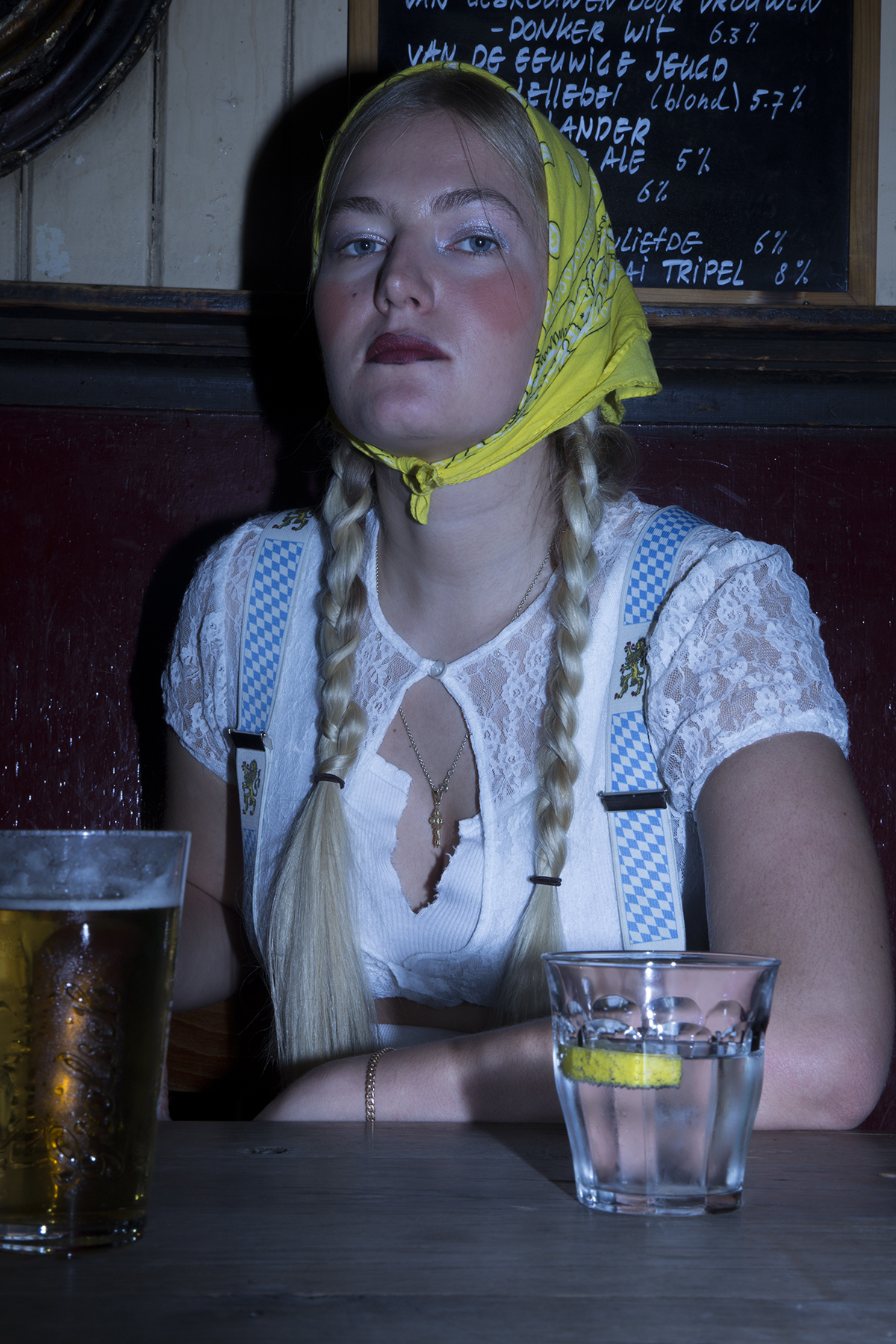
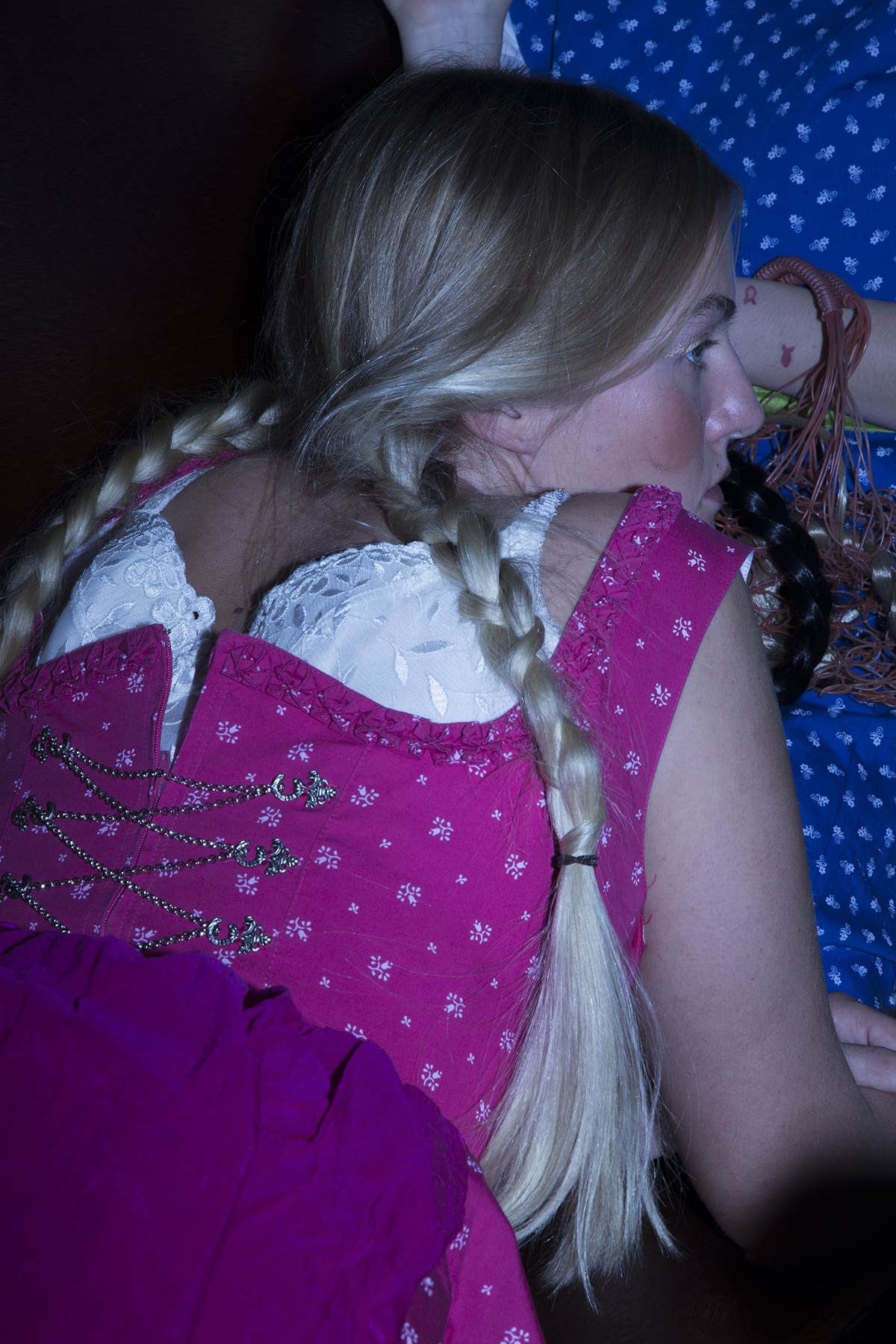
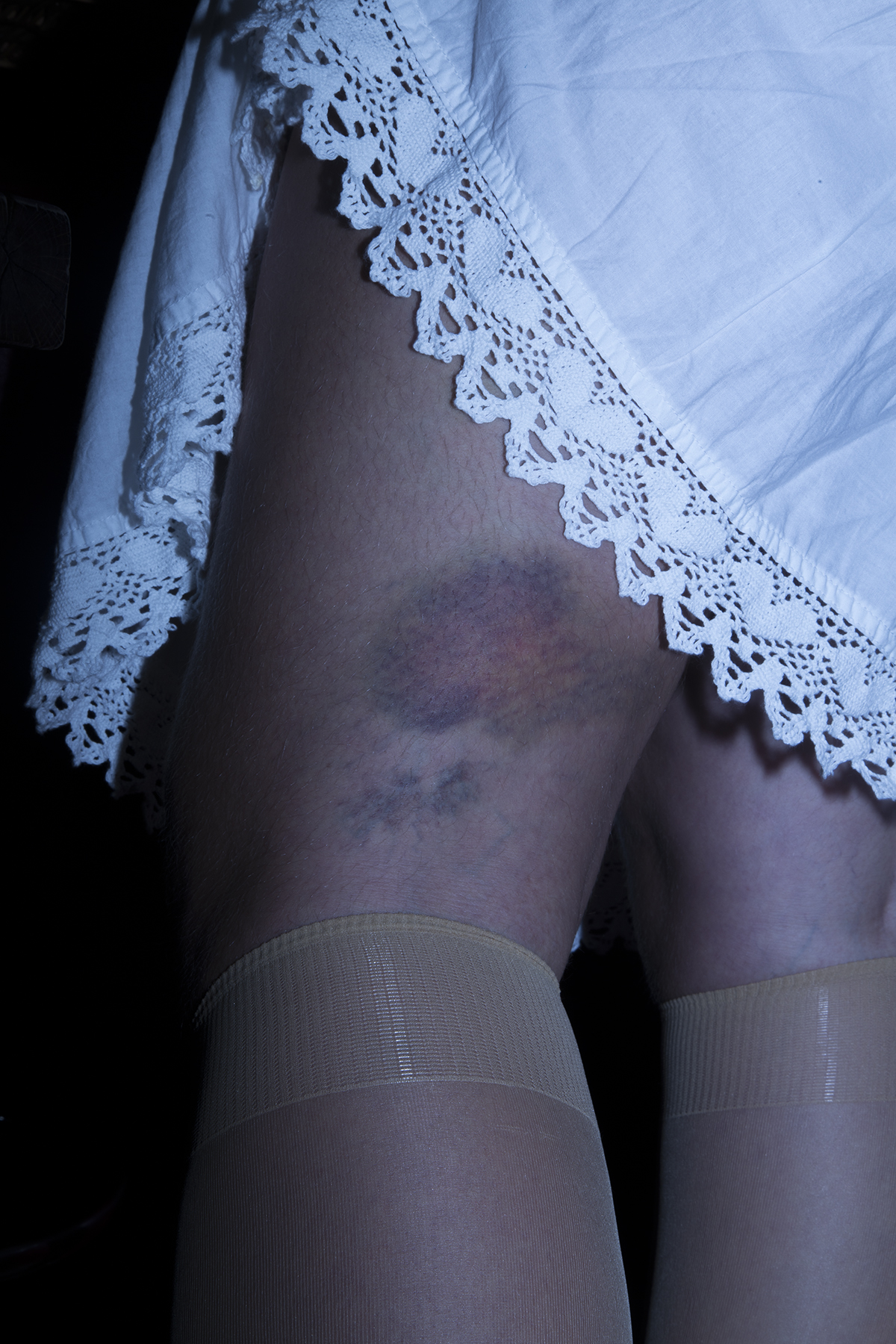
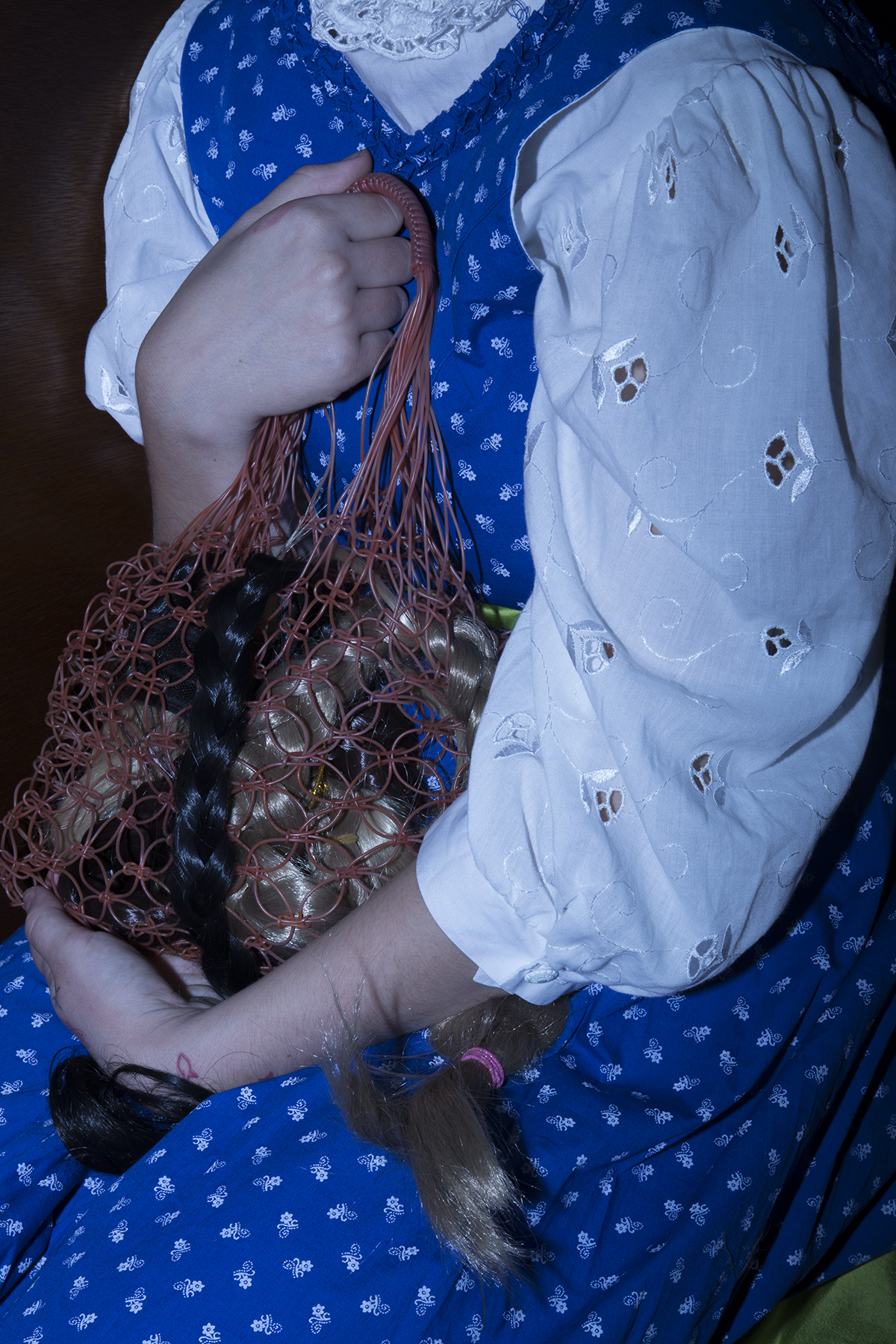
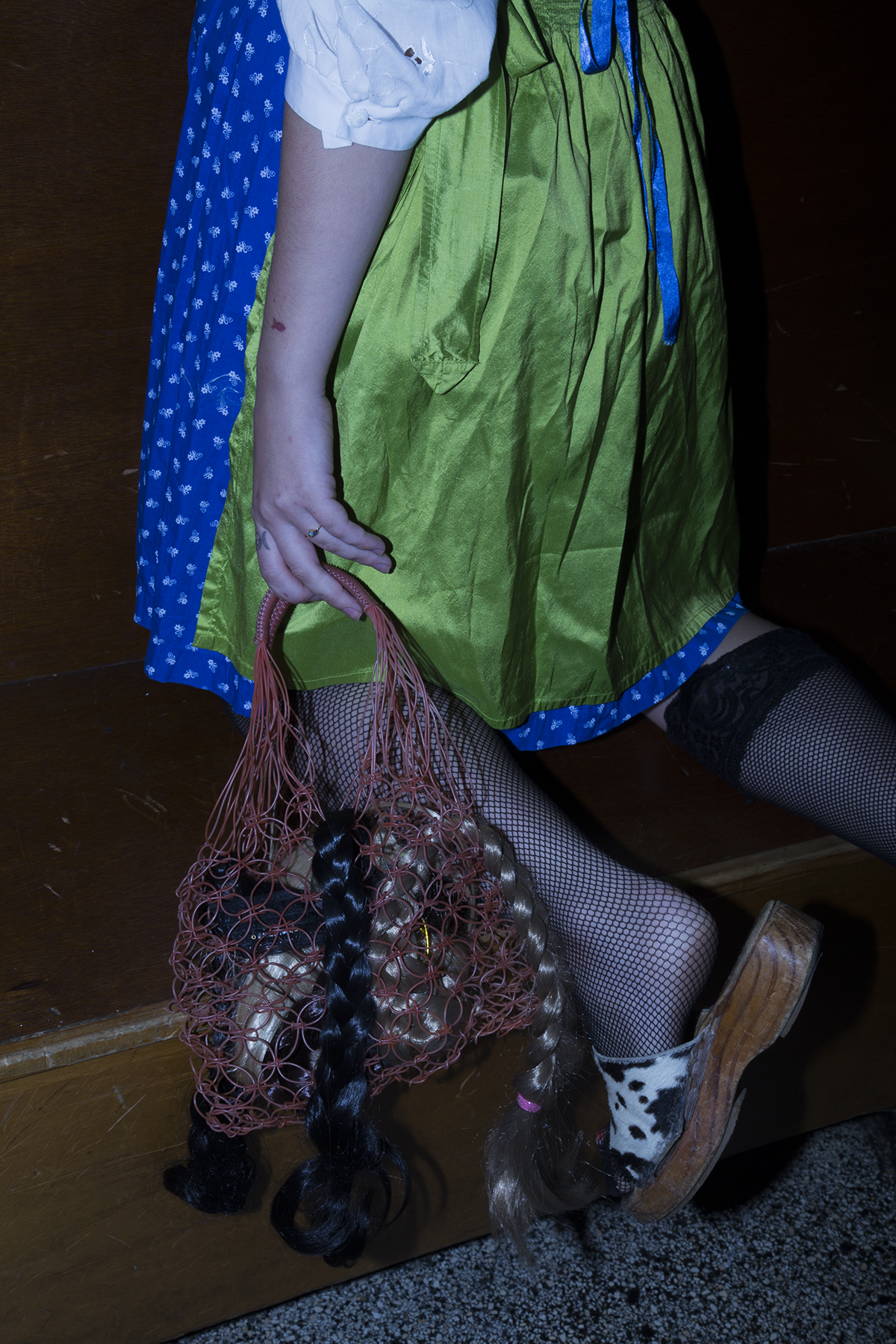
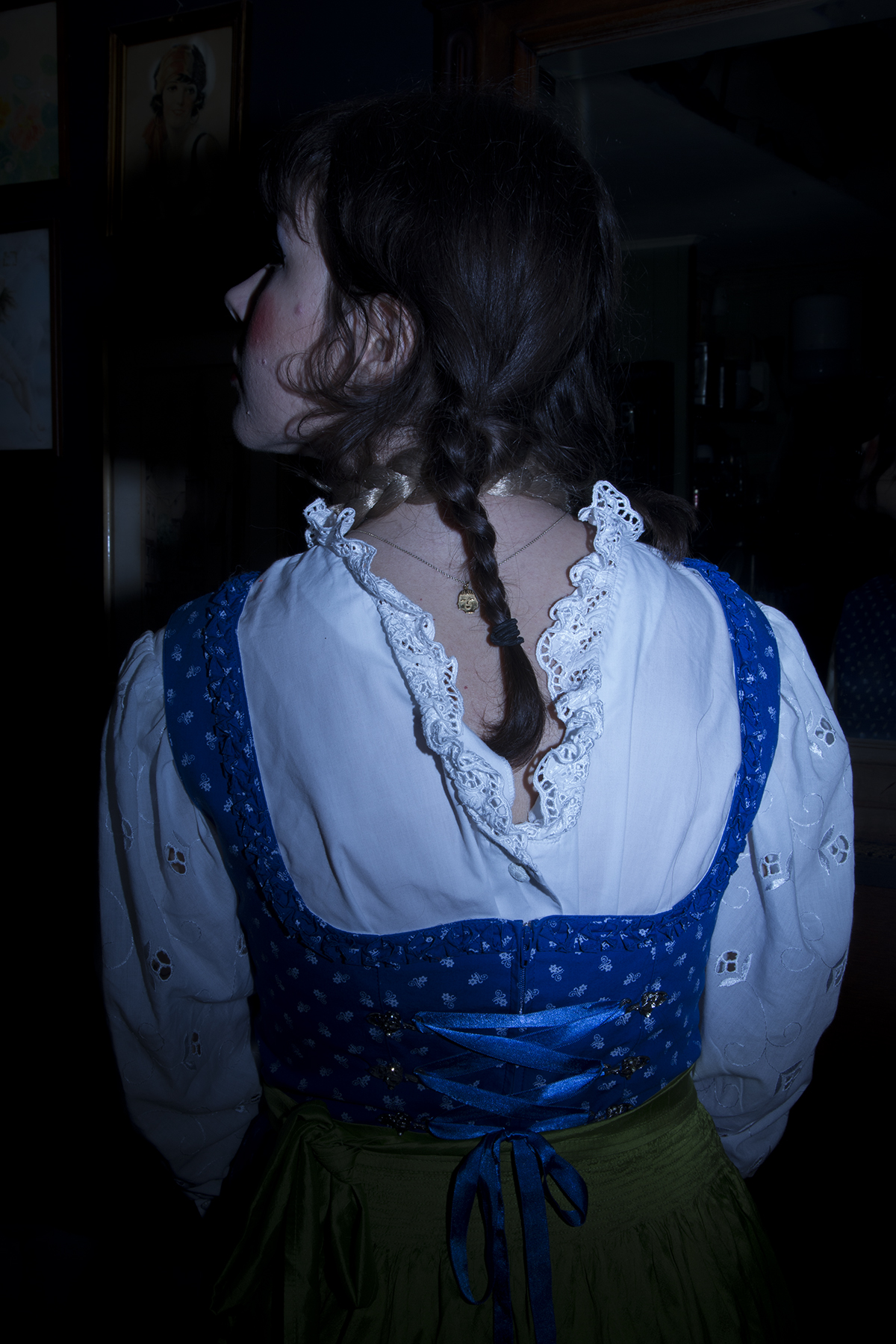
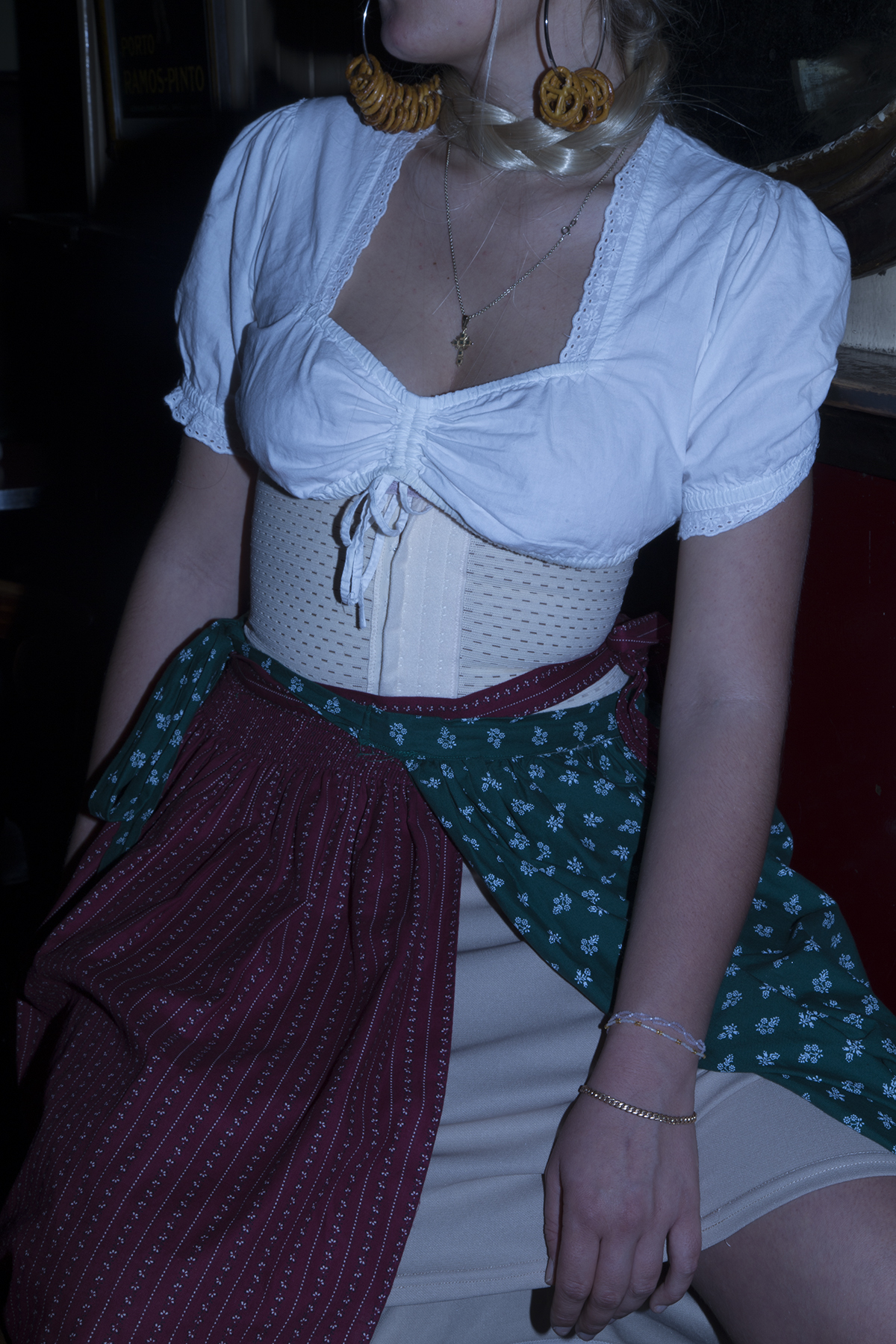
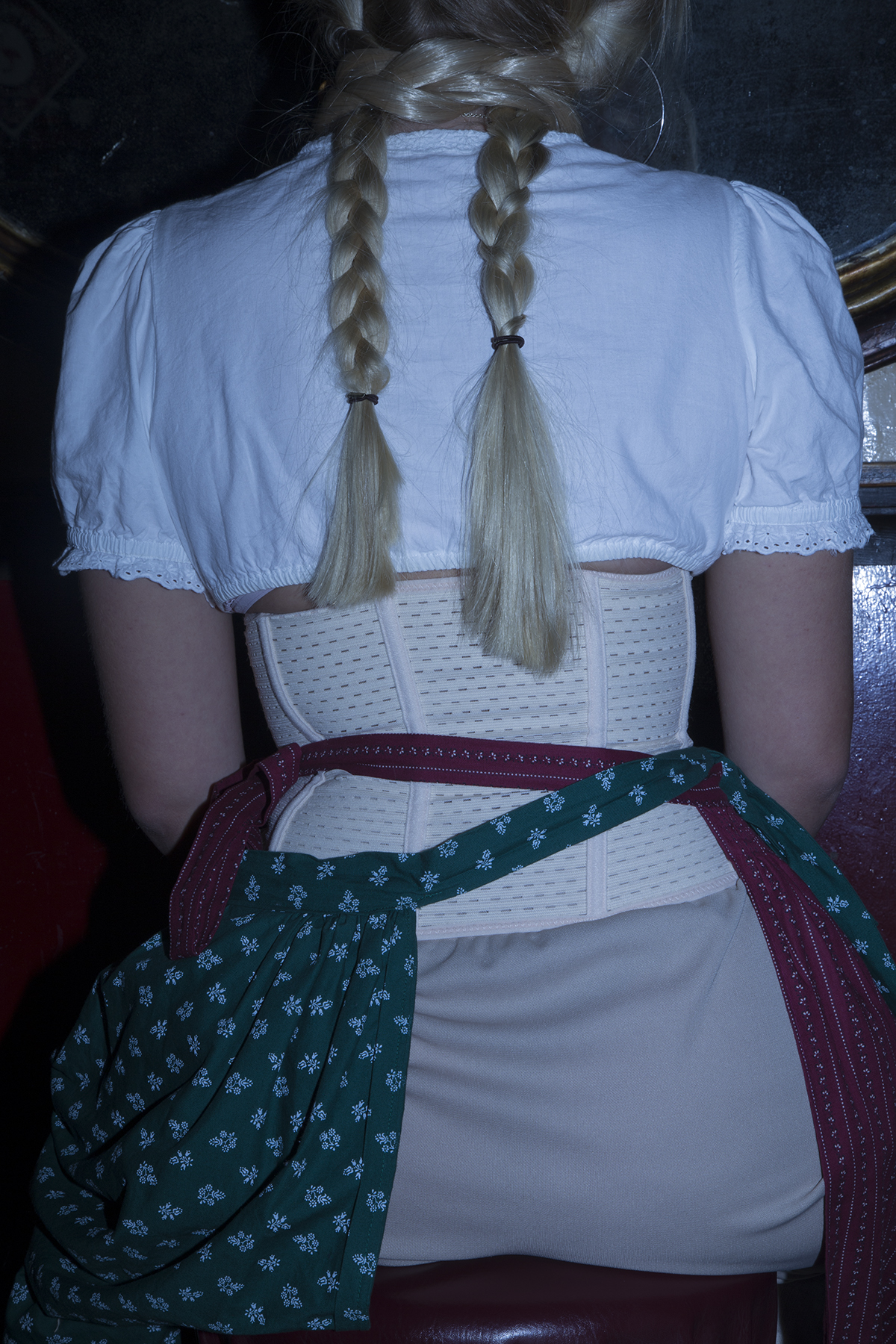
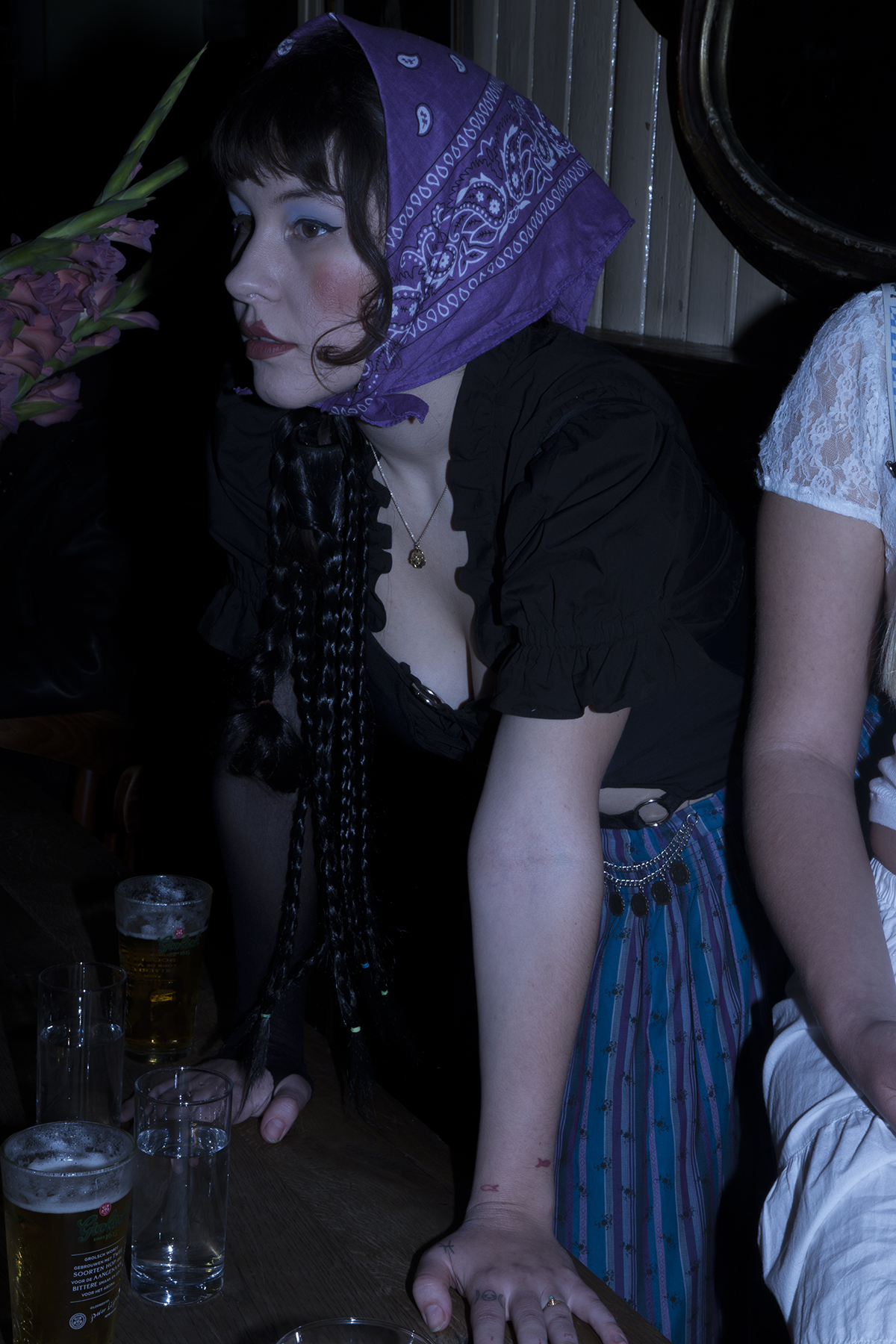
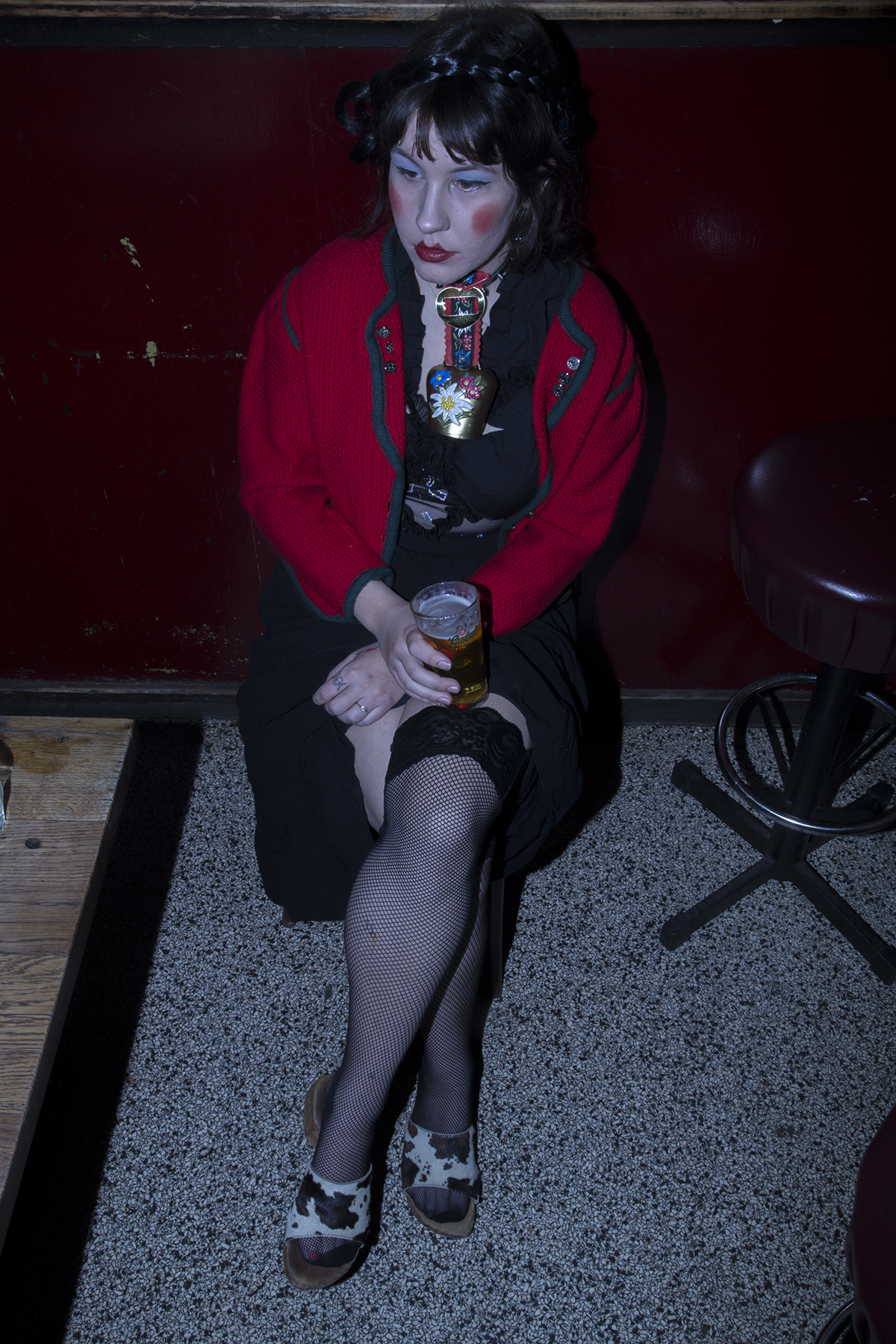
The traditional women’s costume is the subject of photographer Elizaveta Federmesser and fashion stylist Marie Godt’s exclusive photo series for SLEEK, Bavaria(tion). Here, the models don the dirndl — or versions of it — along with hoop earrings jingling with pretzels, bandana head scarves, and thickly applied make-up, think cupid bow lips and lurid rosy cheeks. Cast in what Federmesser calls a “grotesque light”, the series explores the traditional mode of dress and the representation of women at the famous Fest. “ I always thought of Oktoberfest as some sort of medieval cultural atavism”, Federmesser tells SLEEK. “The Fest has this flare of hedonistic carnival with some kinky undertone. And the dress up part of it felt tragicomic, outdated and fetishised: why all these rules about how and what to wear if the main act is drinking beer?” Meanwhile, Godt, who is originally from Munich, grew up well aware of the esteemed place that Oktoberfest occupies in Bavarians’ hearts — “I enjoyed it and understand why Bavarians take pride in the festival” — but in her opinion the representation of women was outdated. “It’s based on the display of the ‘ideal’ female body and therefore objectifies them”, Godt explains. “For example, the main focus of the dirndl is the exposure of the breasts and the thinness of the waist. The apron of the dirndl is tied on the left, right or middle of the waist according to show whether you are single, taken, or open for anything.”
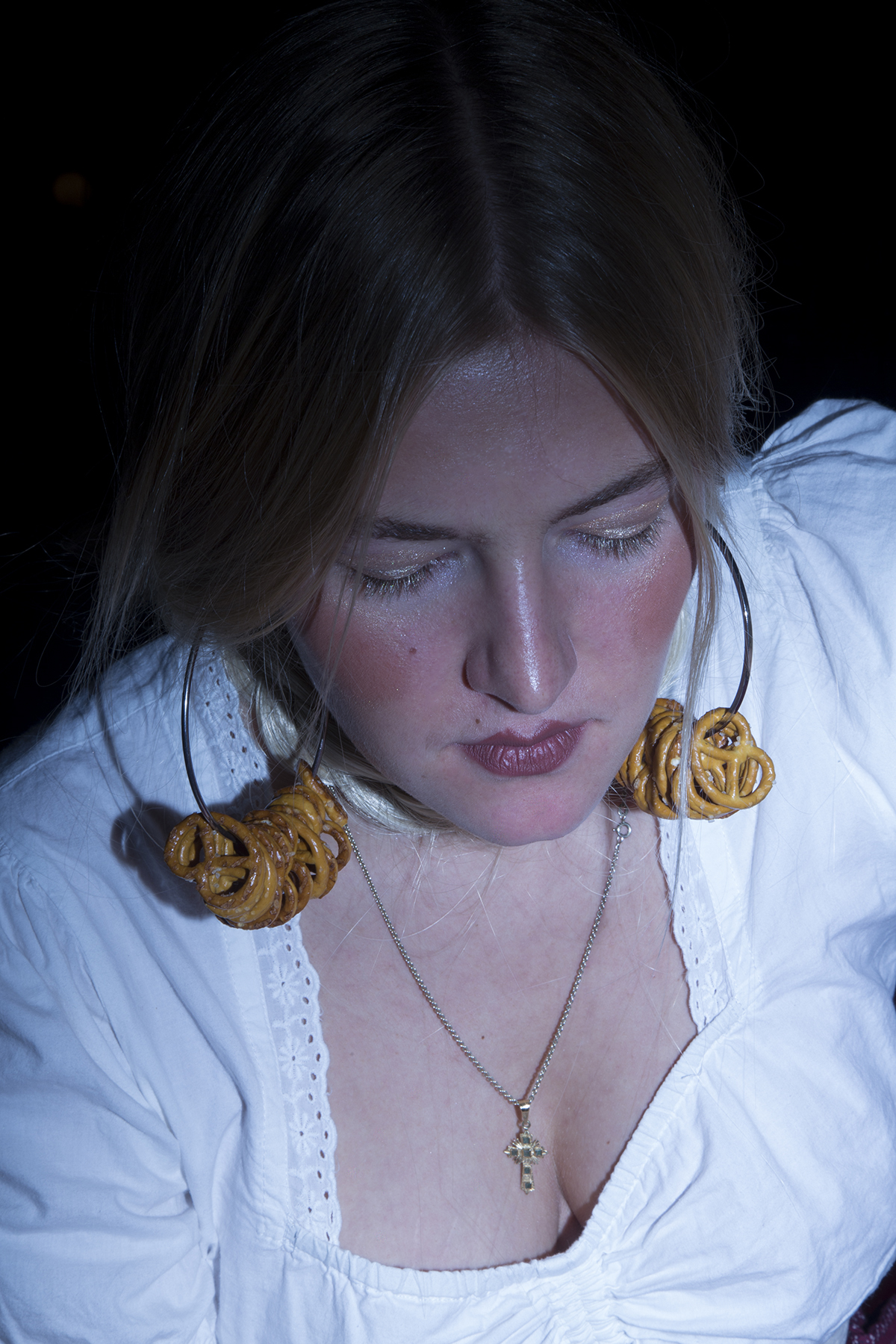
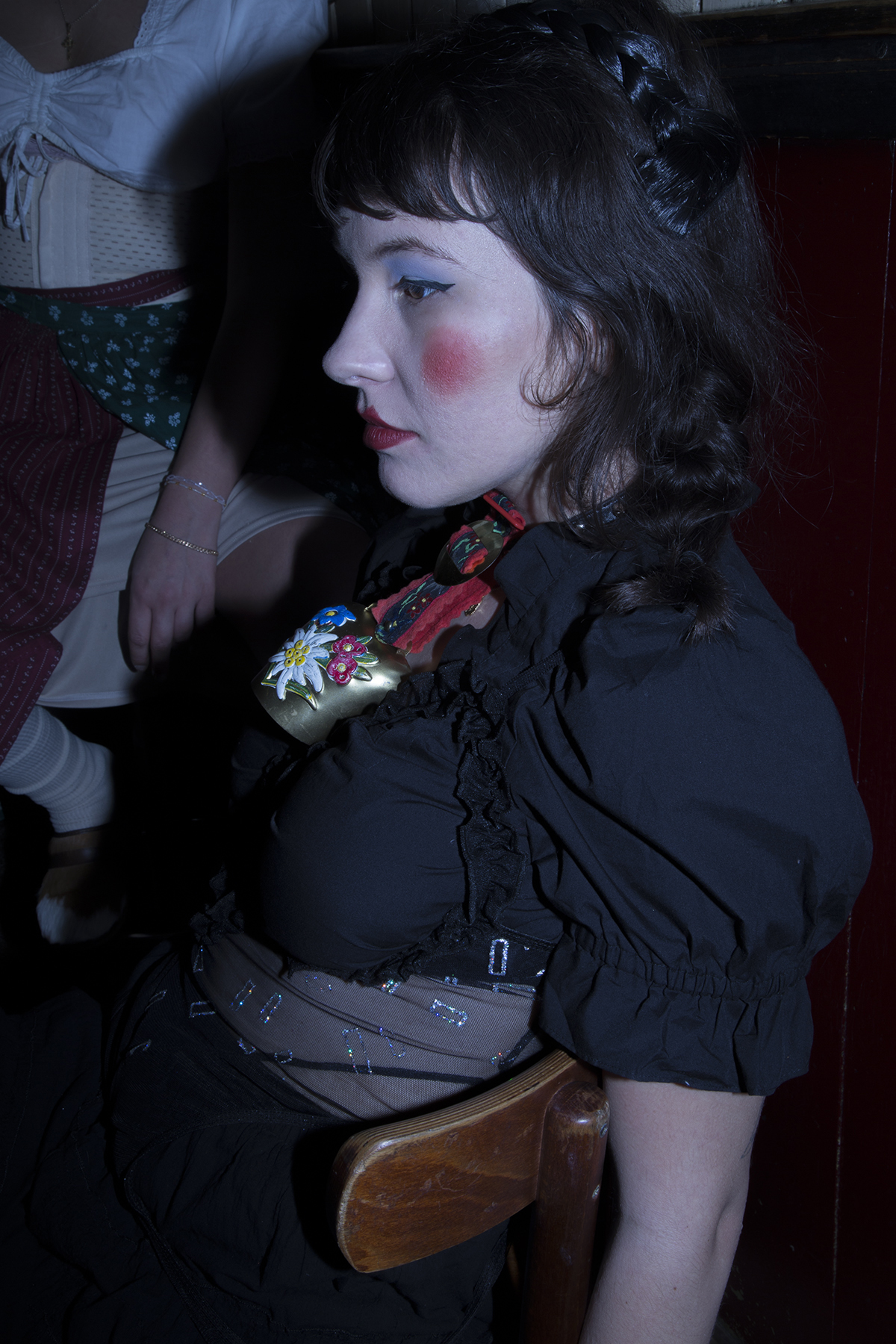
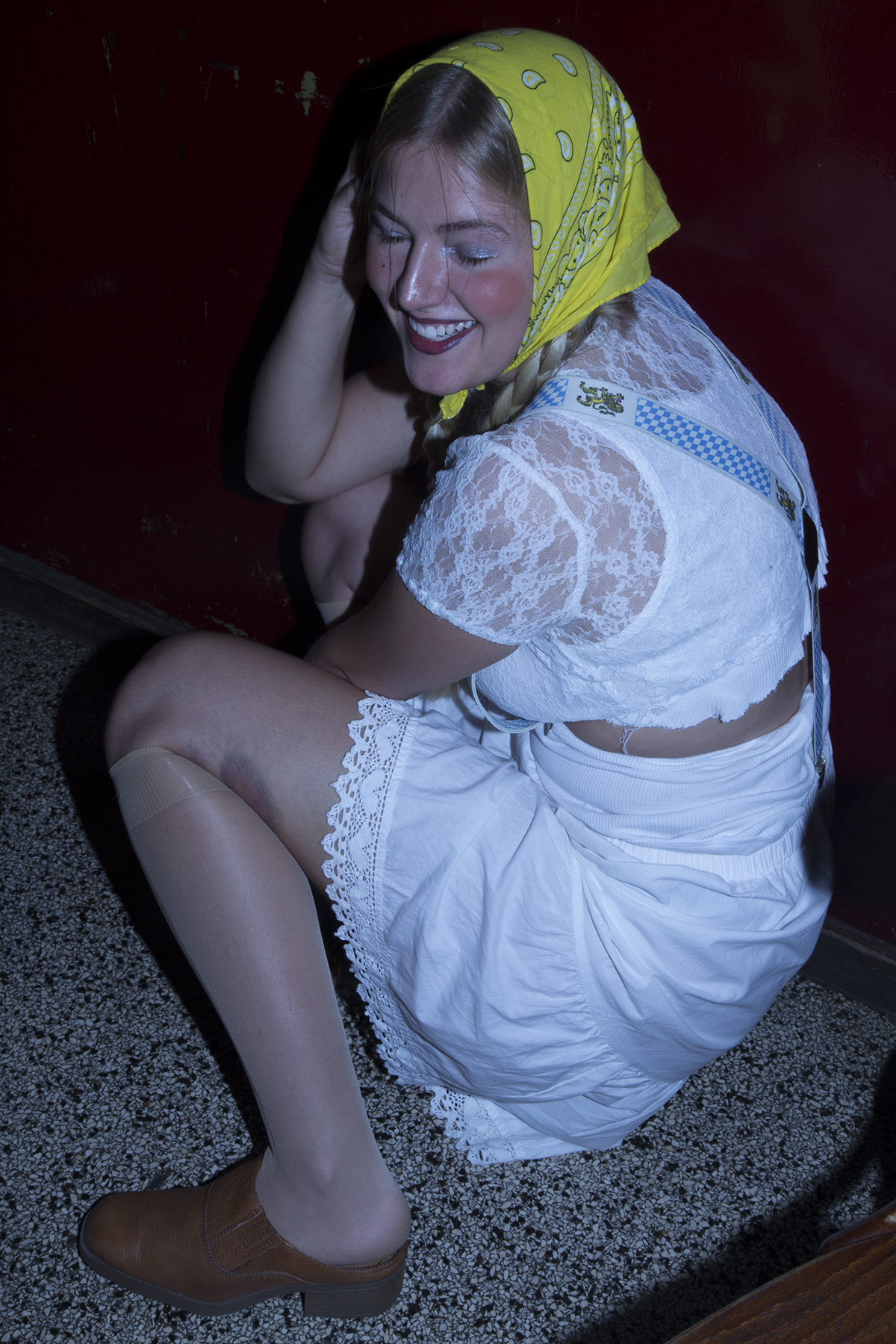
Instead, Godt and Federmesser destabilise this representation. “We have to rethink the idea of this celebration and social stereotypes around it. The world is changing and its suffocating that women are objectified like this,” insists Federmesser. But there is humour here too — the images are irreverent, cheekily poking fun at a long-established tradition. Federmesser describes it as a “feast in time of plague atmosphere” emphasised by the ill-lighting and “clown-like makeup”. Similarly, Godt makes clear, “The styling plays with the traditional do’s and dont’s of dressing as a Bavarian woman and twists them around. I am a sarcastic person so I definitely enjoy working with a bit of humour to make my point clear”. Through their harshly-lit images and gaudy styling, Godt and Federmesser reveal a different side to tradition, emphasising the outdatedness of this costume. As Federmesser explains, “In our variation of the Fest, we highlight the boredom and discomfort that girls our age feel about it today. The clothes are ill-fitted and twisted in agony to try to still belong to the situation.”
See the rest of the series below:
All images courtesy of Elizaveta Federmesser und Marie Godt.