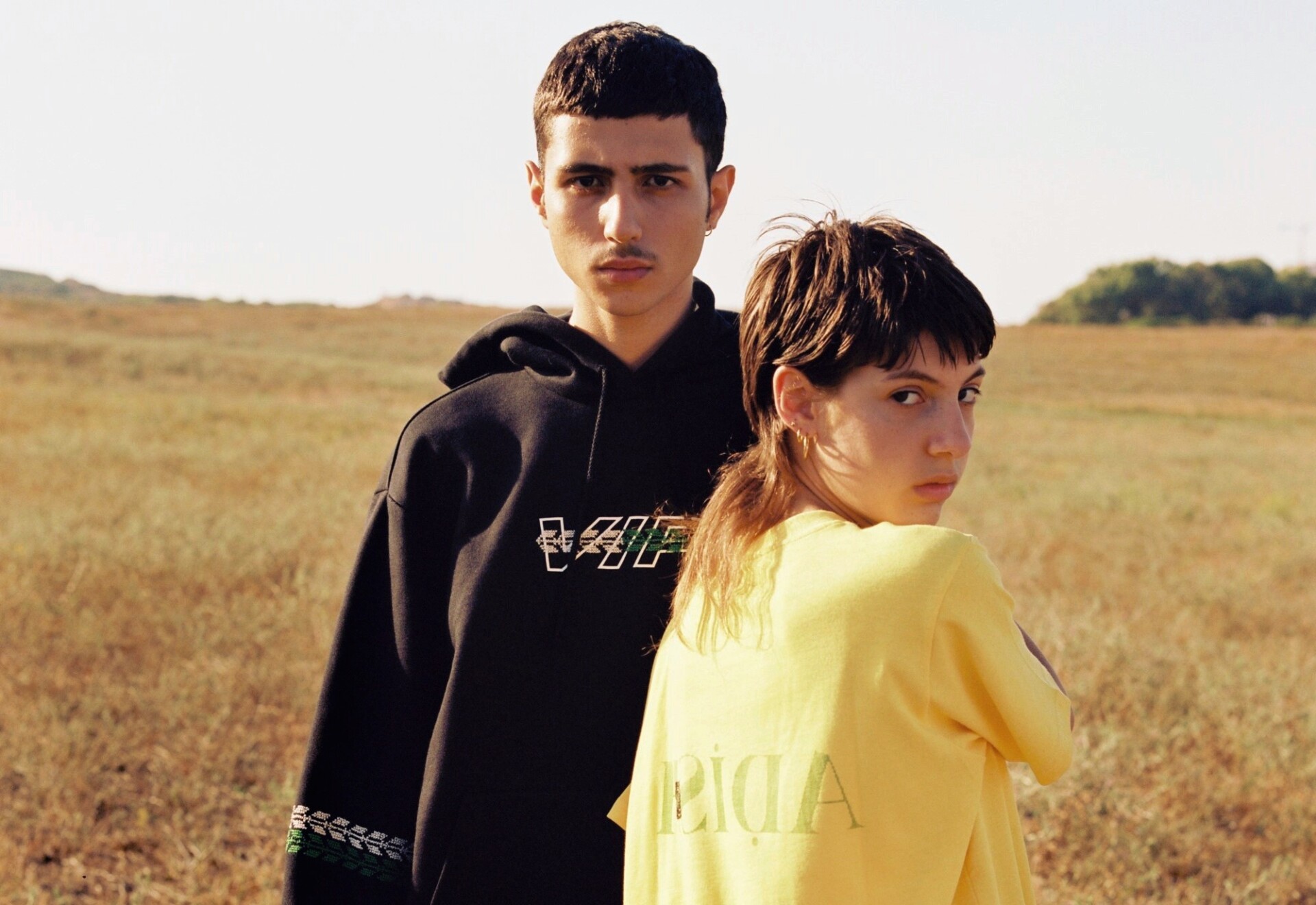
There’re lots of reasons for Israelis and Palestinians not to work together: a bloody 70-year conflict, language barriers and strict military checkpoints separating the two countries, to list just a few. But for a new generation, equipped with instant communication and more liberal politics, Israeli-Palestinian businesses are not only possible – they’re pretty steezy.
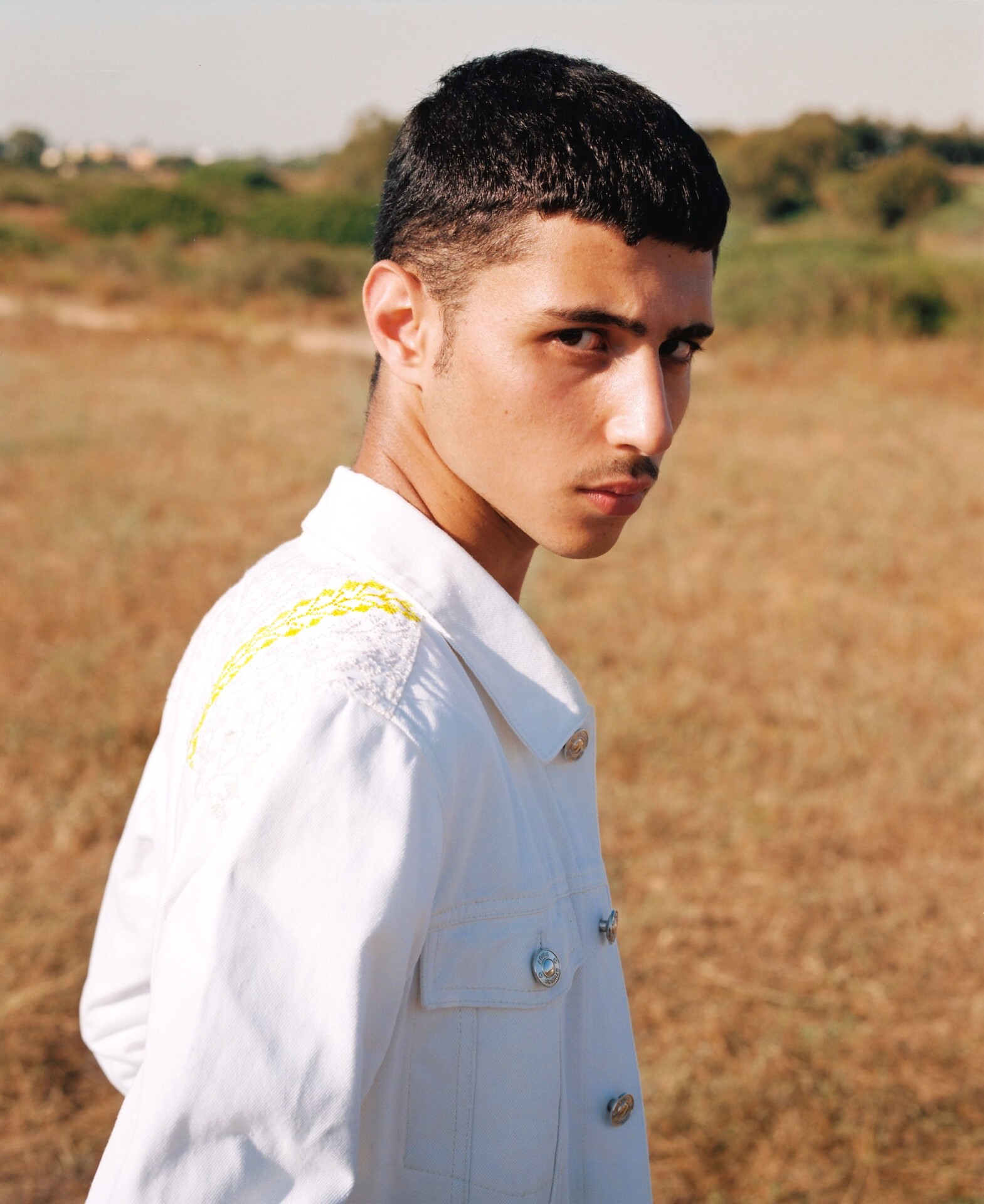
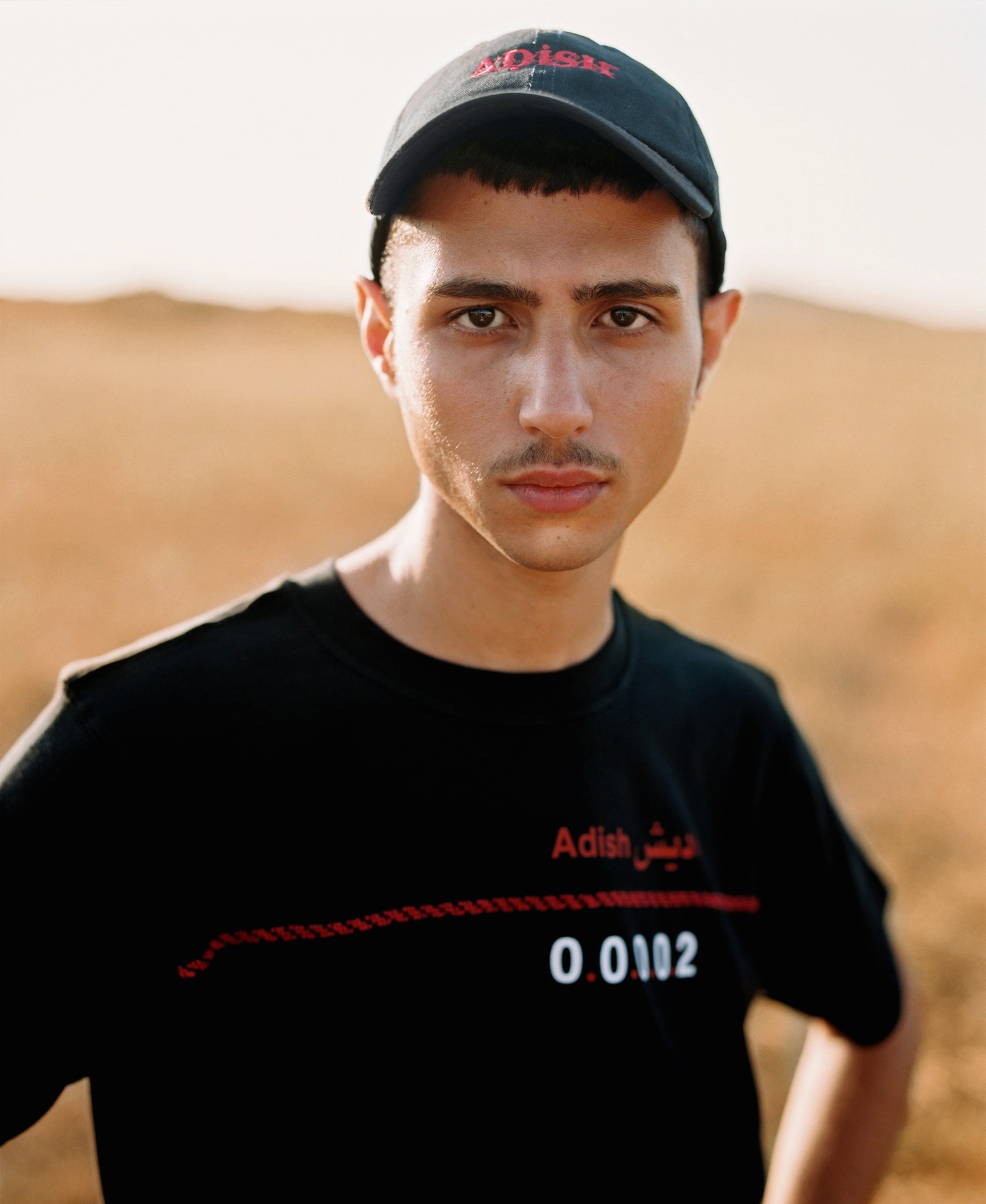
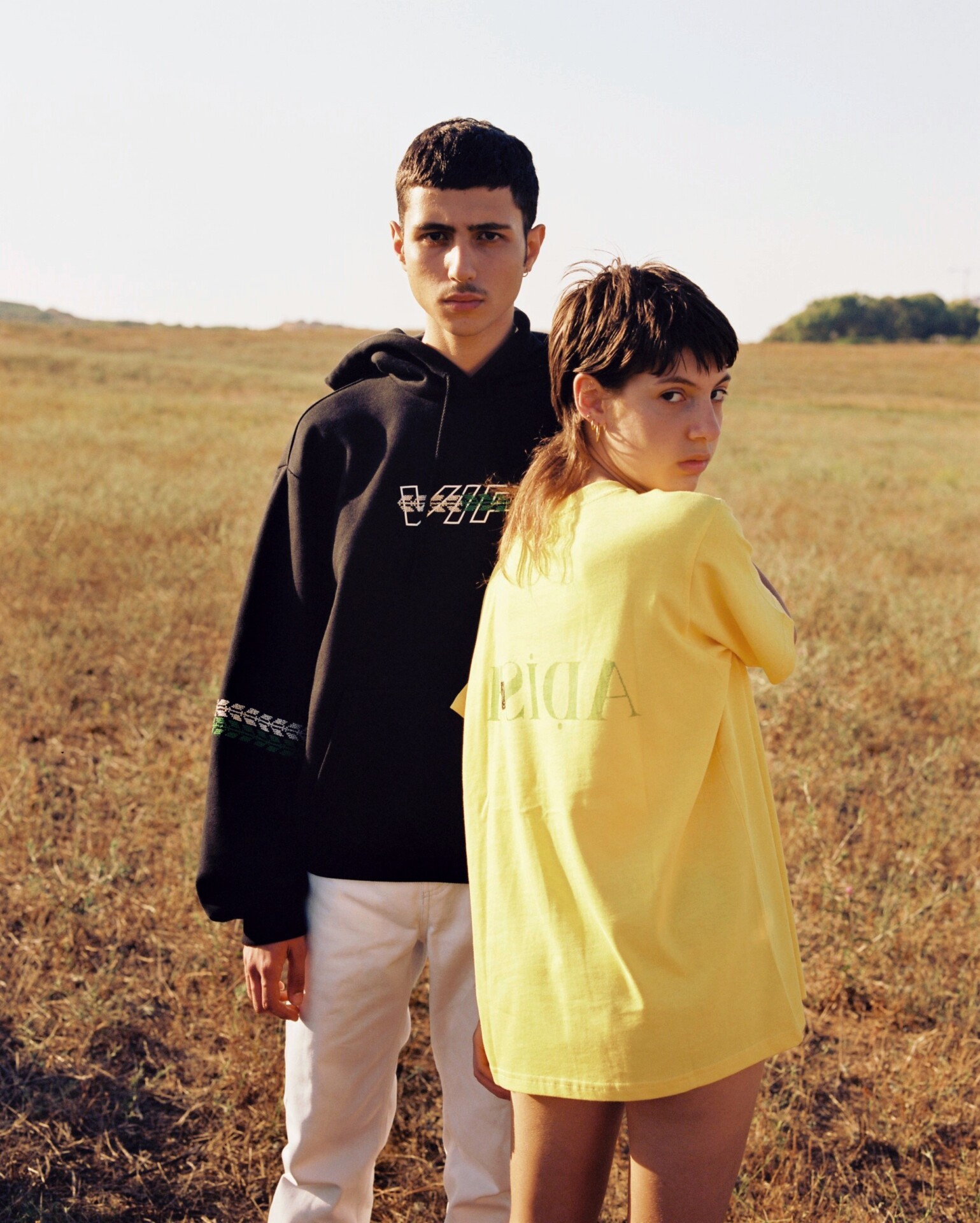
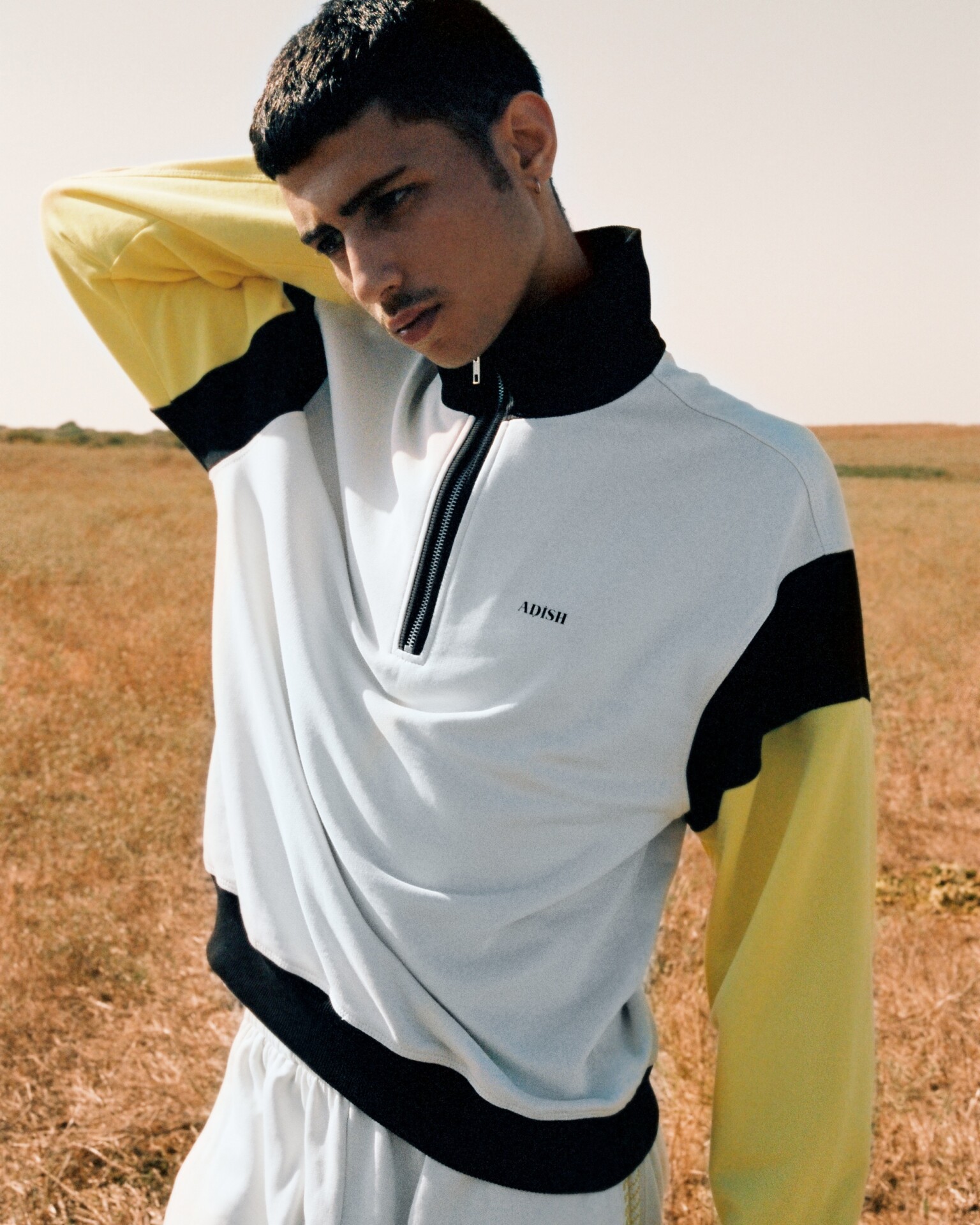
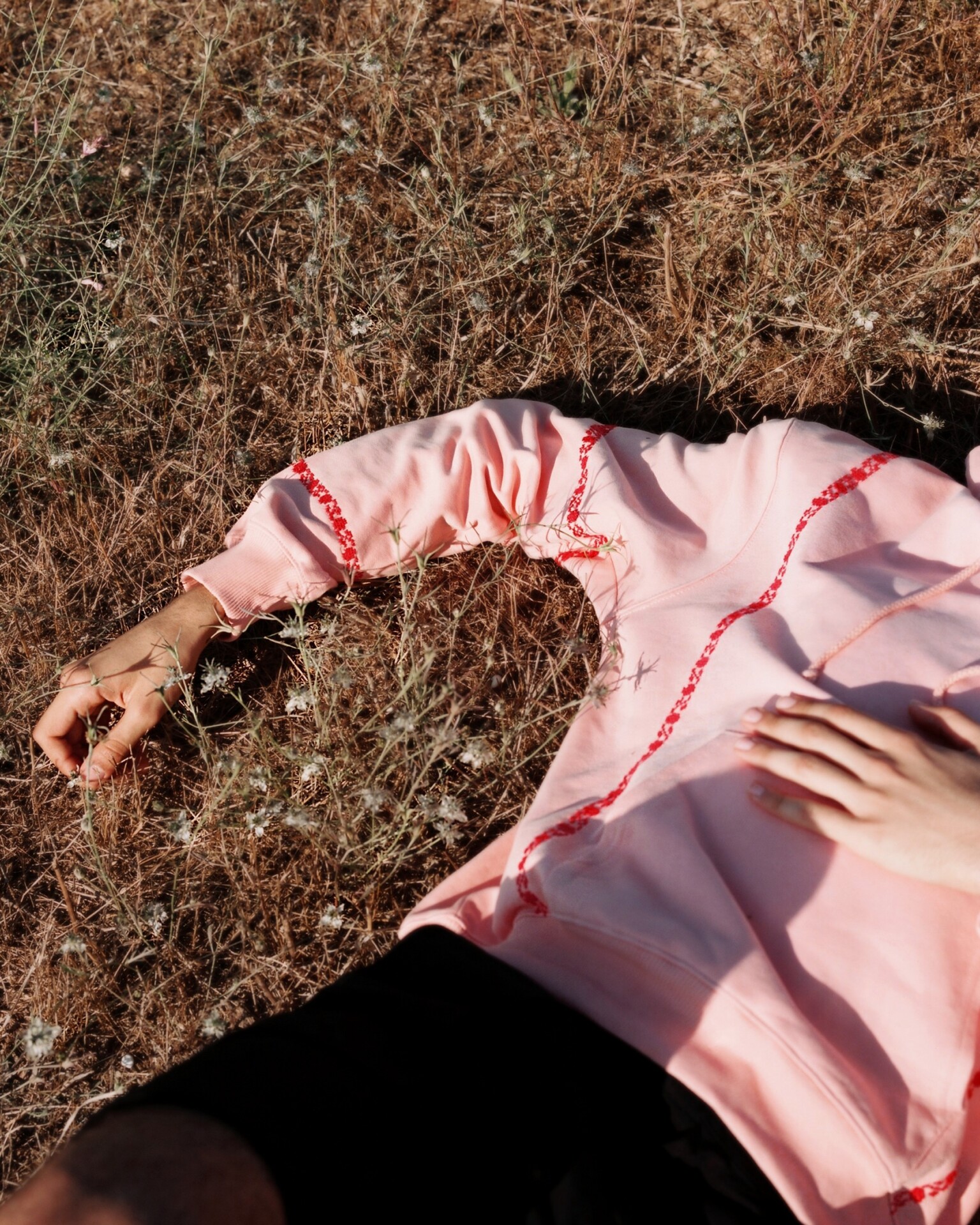
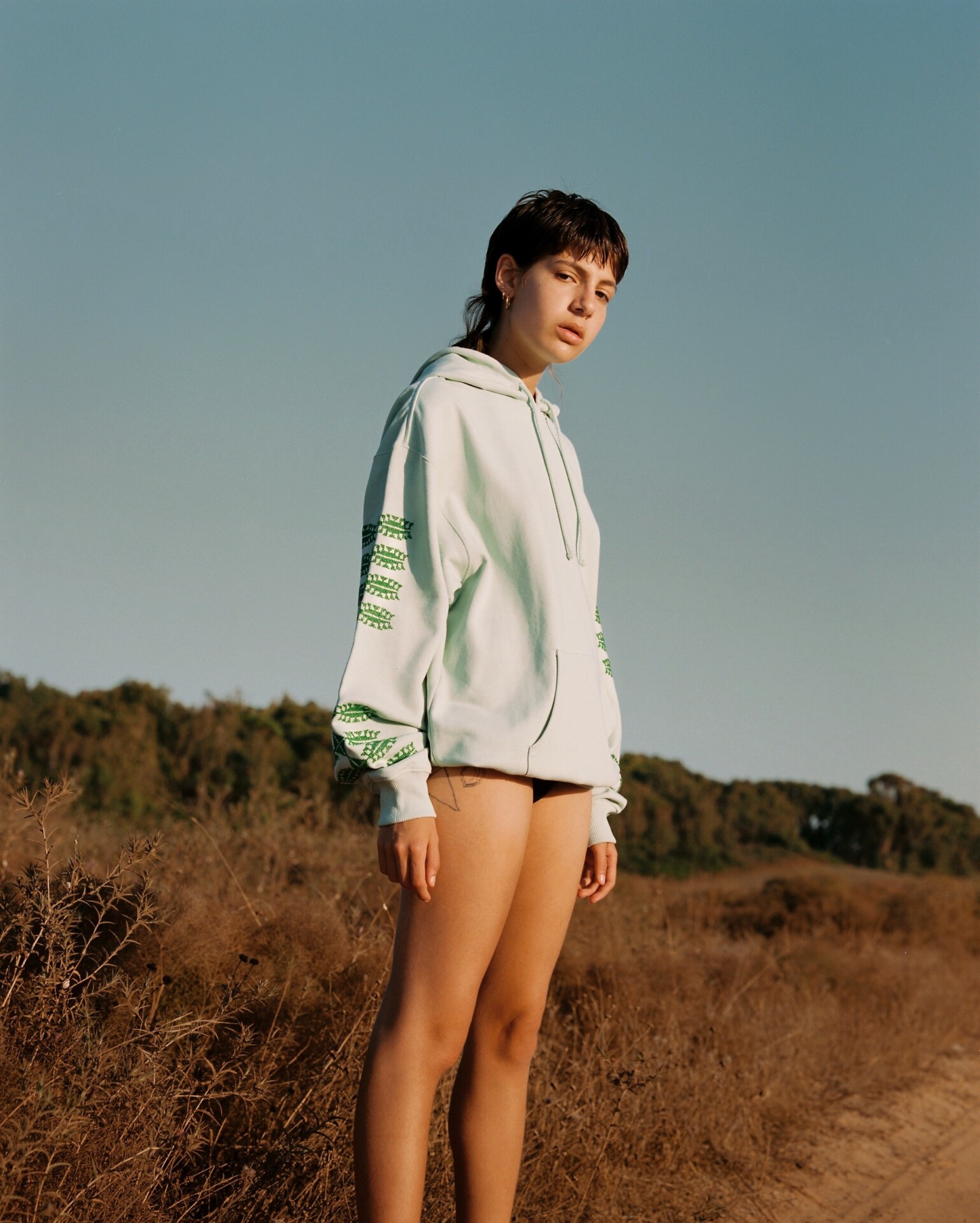
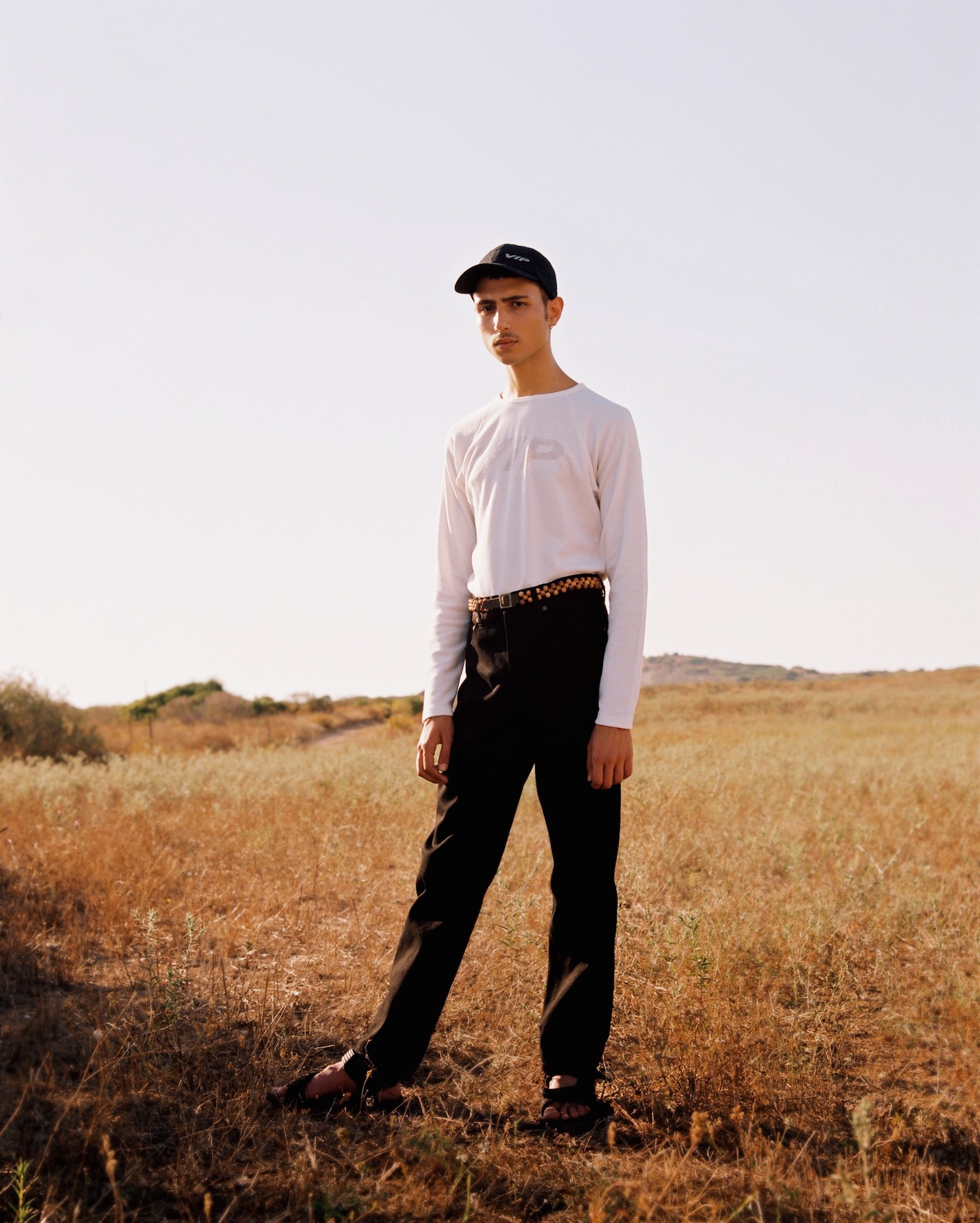
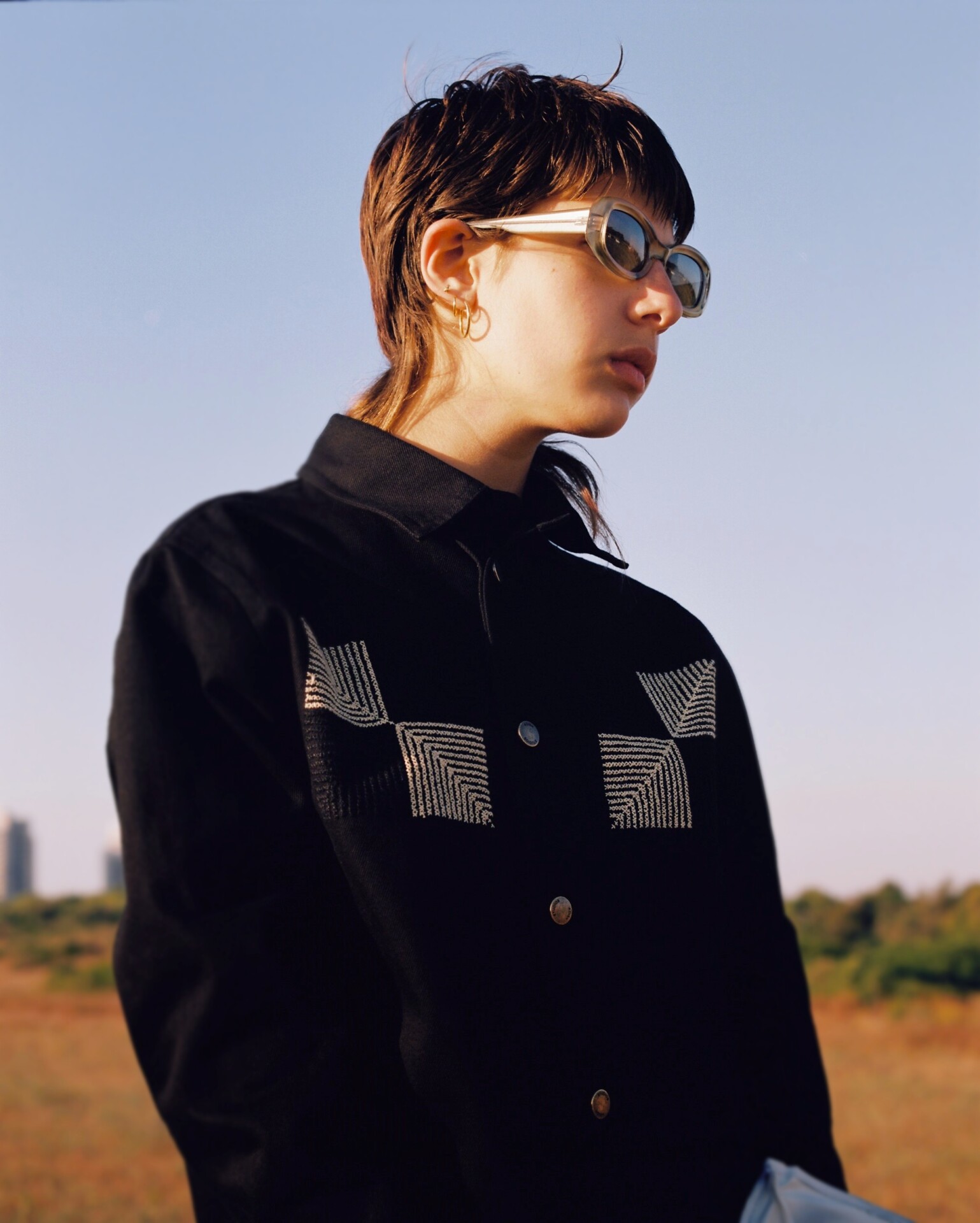
Enter streetwear brand, ADISH, which means “apathetic” in Hebrew. Headed up by Israeli duo, Amit Luzon and Eyal Eliyahu, the brand is now on their second collection, mixing Middle Eastern embroidery with modern, sporty silhouettes. What makes the brand stand out is their commitment to finely-made, ethical garments, for which they’re certainly not taking the easy route. Instead, they’re crossing political boundaries by recruiting Palestinian craftswomen to finish their pieces with traditional embroidery. Due to the political turmoil in the region, Luzon and Eliyahu require the invaluable help of Palestinian taxi drivers to get their clothes back and forth through Israeli checkpoints as they are not able to do so themselves. For their SS19 collection, the duo are looking to these boundary-crossing modes of transport for inspiration by creating a line that celebrates as they say “freedom of movement” in a colour and graphic scheme reminiscent of the taxis. We caught up with the brand to find out more about the challenges they are facing to bring both sides together through fashion.
SLEEK: How do you work with employees you can’t go to see yourself?
ADISH: We use taxi drivers. What’s interesting about the taxi drivers is that you need to have been born in a specific place of area C in order to go back and forth from Israel and the West Bank without any problems. When we started to think about it, Palestine has the taxi drivers with a licence that includes the freedom of movement, which most of the people in Palestine don’t really have. The abstract influence for the collection was the freedom of movement for the Palestinians people in general and all the areas, and all these crazy occupations and the most visible impression was the taxi drivers themselves. A lot of the taxi drivers in Europe and America are usually immigrants and low society people, but in Palestine, they are the ones with the power. It’s worth more than money, because they have freedom of movement.
Do you ever have disruptions in your manufacturing process when tensions escalate between the two sides?
Yeah sure, if there is a sensitive security situation in Israel they close all the checkpoints, and people can’t go in or out.
Do the design elements in the SS19 collection have any political significance?
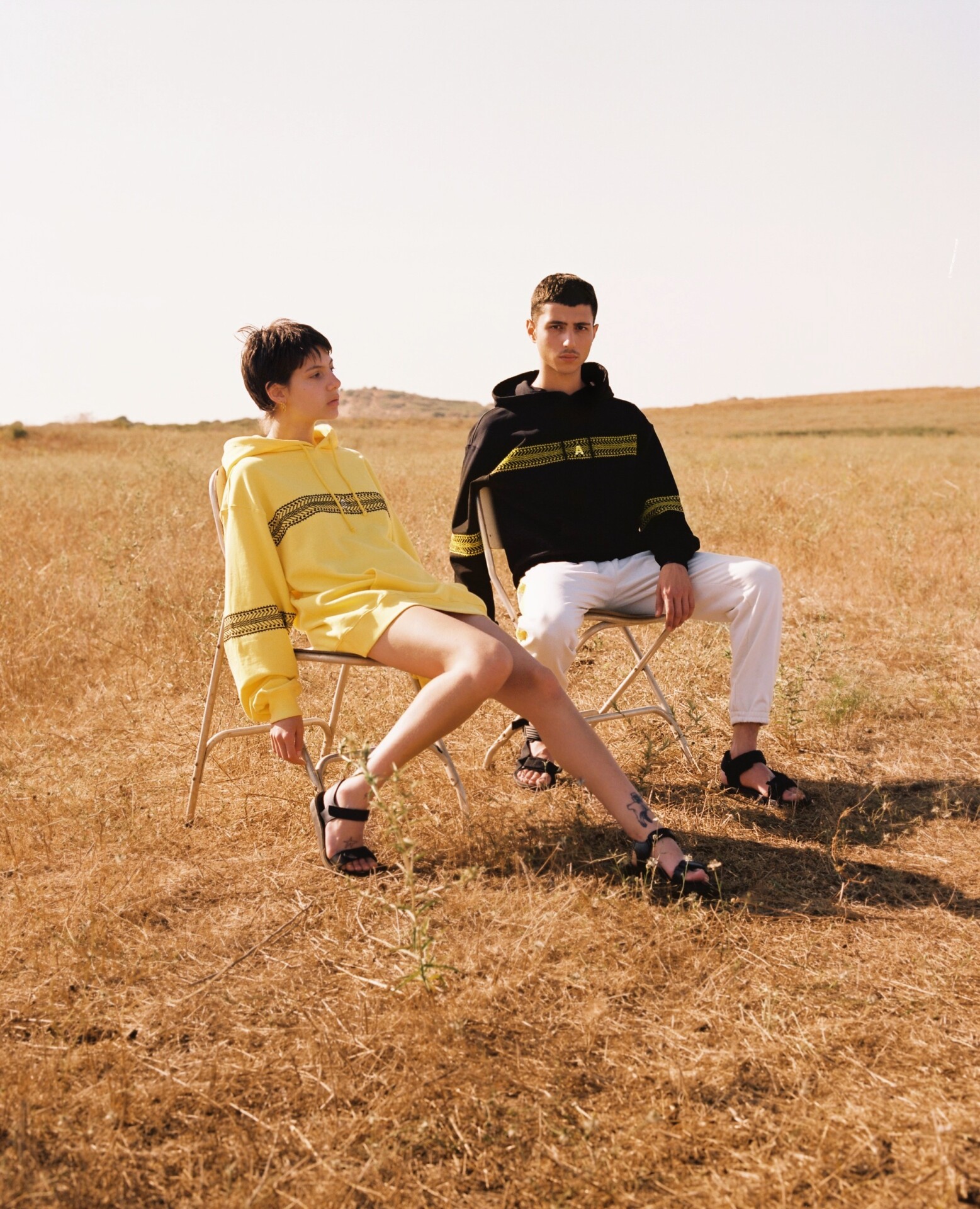
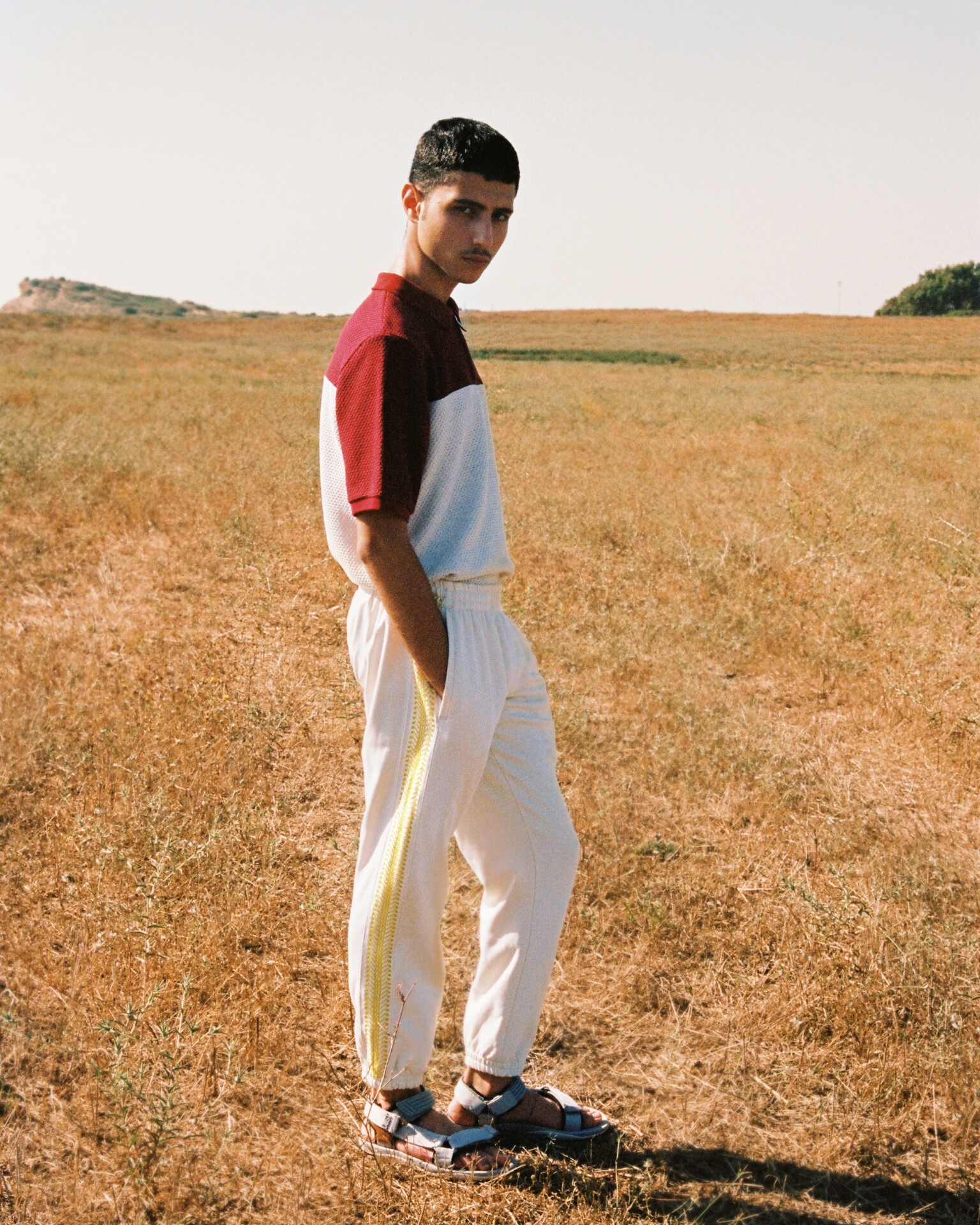
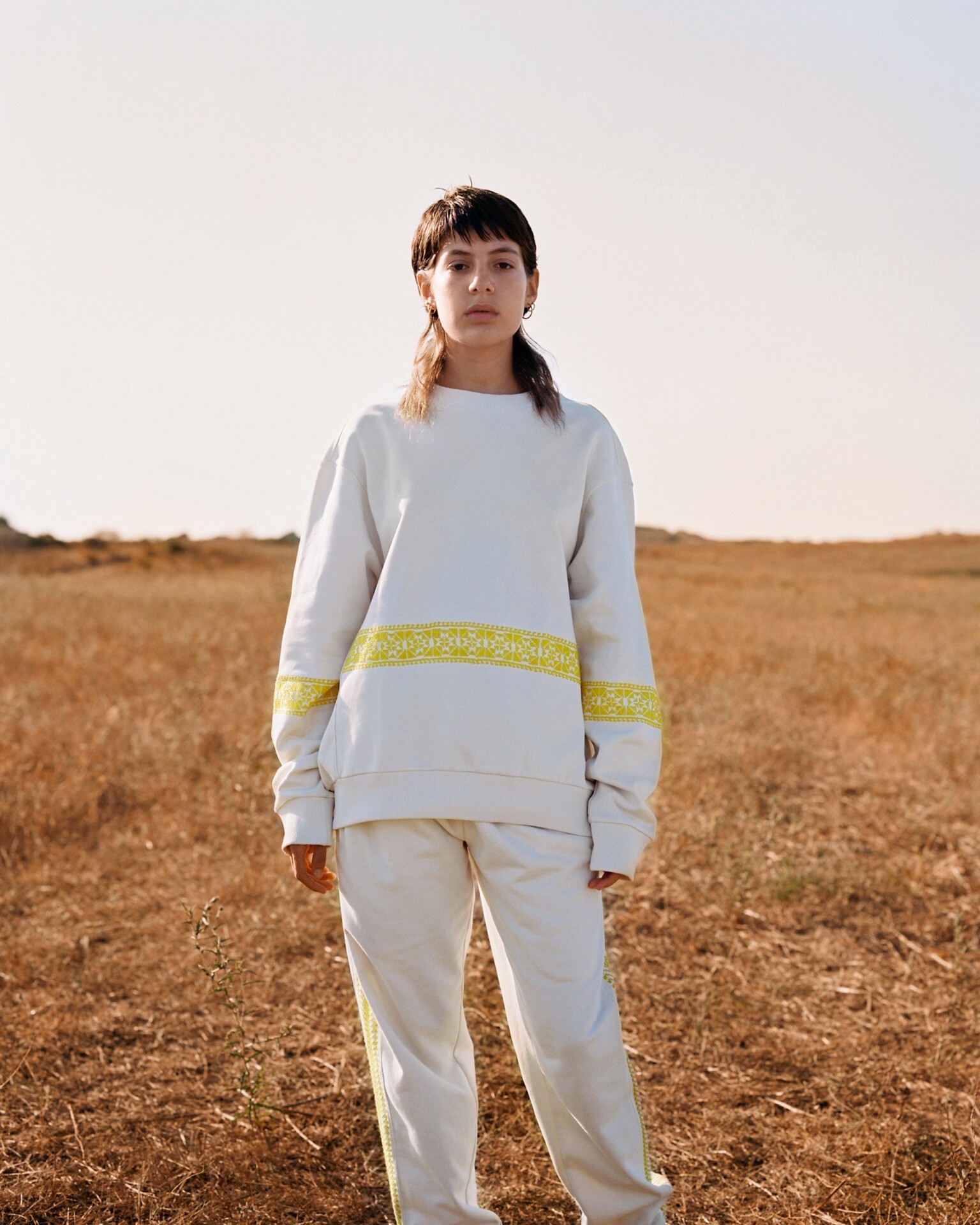
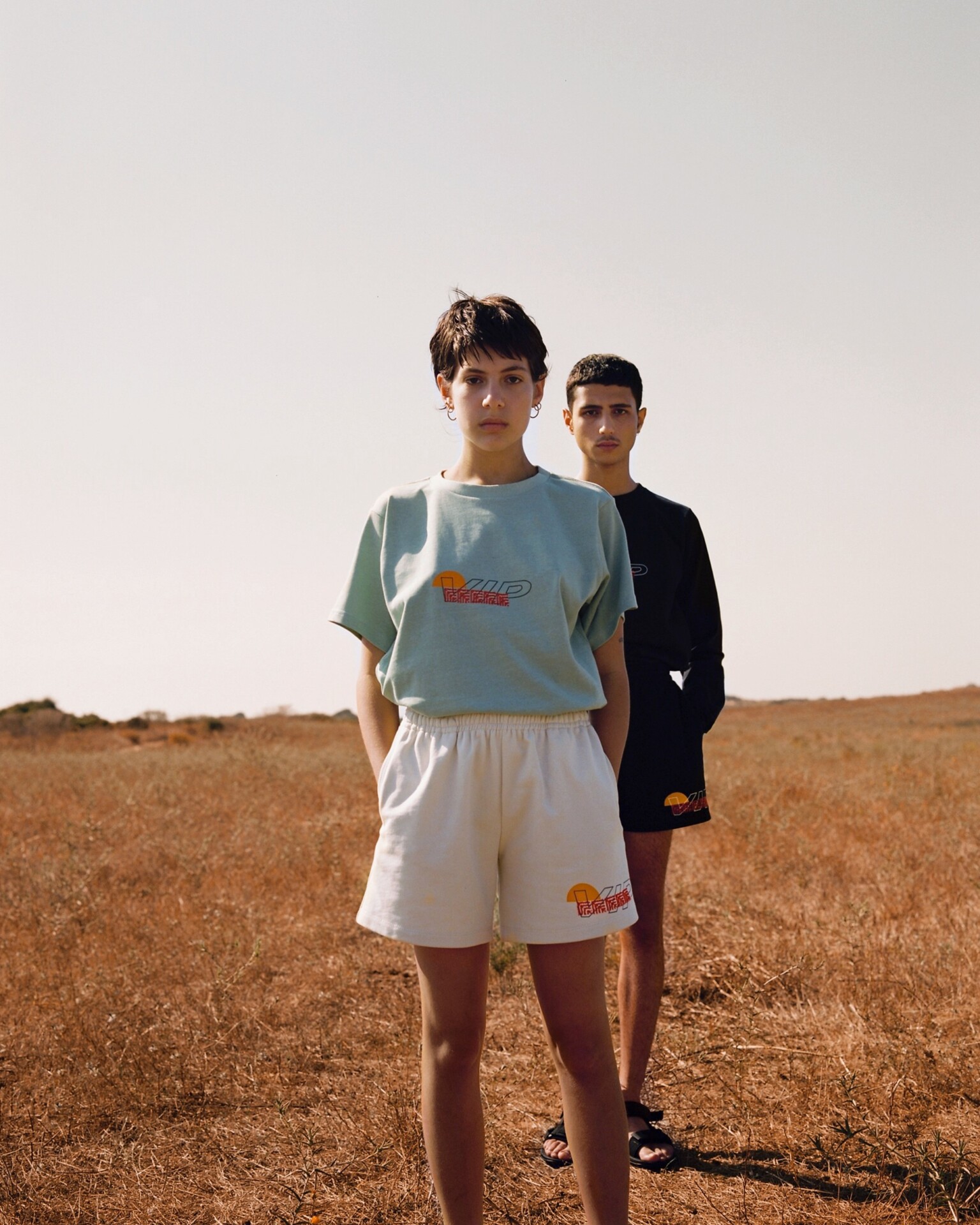
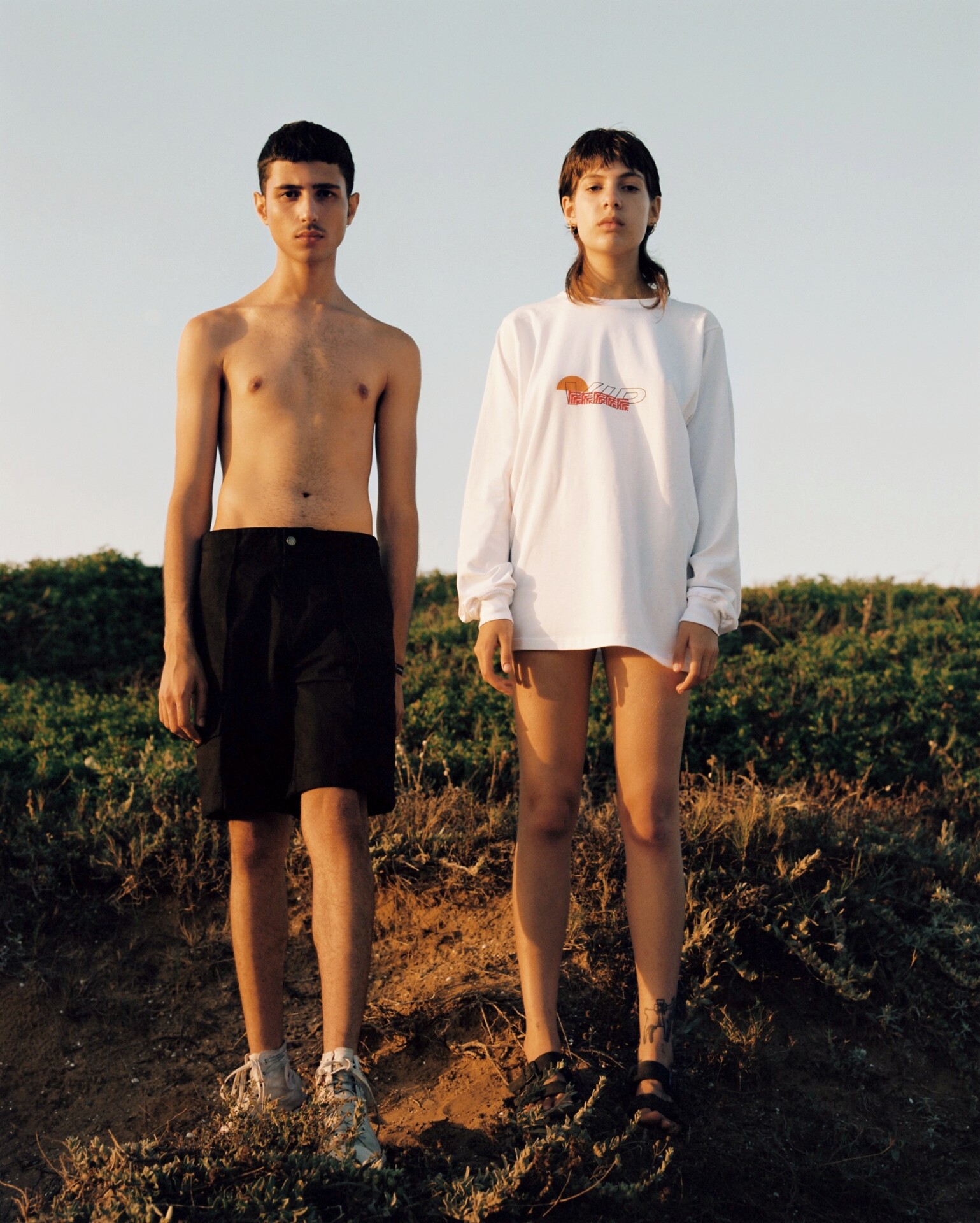
The main elements that we used, are from the graphics that we saw on the exterior of the taxis. The colours are all really high yellow with bronze rings and white and black strokes. There are different taxis inside each area, so the different parts of the collection have different colours, which correspond to the taxis. We also used elements from things we found in different taxies that we used to transport garments, such as the ID sticker on the back.

Do you receive any criticism for working together with the other side and encouraging people to do the same?
We are getting criticised from both sides. When we started the brand in Israel people said that we shouldn’t involve ourselves in politics, because it won’t sell. But we had to take this direction as its important for us as human beings in this region.
Even though you’re Israeli, do you face charges of anti-Semitism for working with Palestinians?
Of course, we knew that there would always be these comments, but we are just ignoring them. If you work with Palestinians, there will always be this response, and the same goes in reverse. They are really thinking about black and white and not the in-between. But there is always an in-between.
What about from the Palestinian side?
People don’t want to work with Israelis, but once they see what we are doing and how we credit the ladies that are working with us, they start to change their minds about the project. For example, we have a campaign now in Ramallah in Palestine for our SS19 collection. At first, we couldn’t find any models for street casting, because [Palestinian] people don’t want to work with Israelis or have anything to do with Israel. But after they heard about the brand and our story, and saw the ladies that we are working with, they really changed their minds. Now, we have a lot of [Palestinian] models working with us.
Do you think that because you have Facebook and Instagram your generation is going to be better than your parents’ in relation to this conflict?
Social media definitely has its advantages. You can make a connection with people in a way that was not possible 20 years ago. People are following us from Palestine and Israel and all over the world. Before if you wanted to visit a Palestinian, you would have to go through a checkpoint and go through all of this trouble just to get to know someone. These things are really changing. Instagram is a good starting point, but we need more. You can start with Instagram and then have a call. You should be able to make a connection and then agree to meet in area C for a coffee or something.
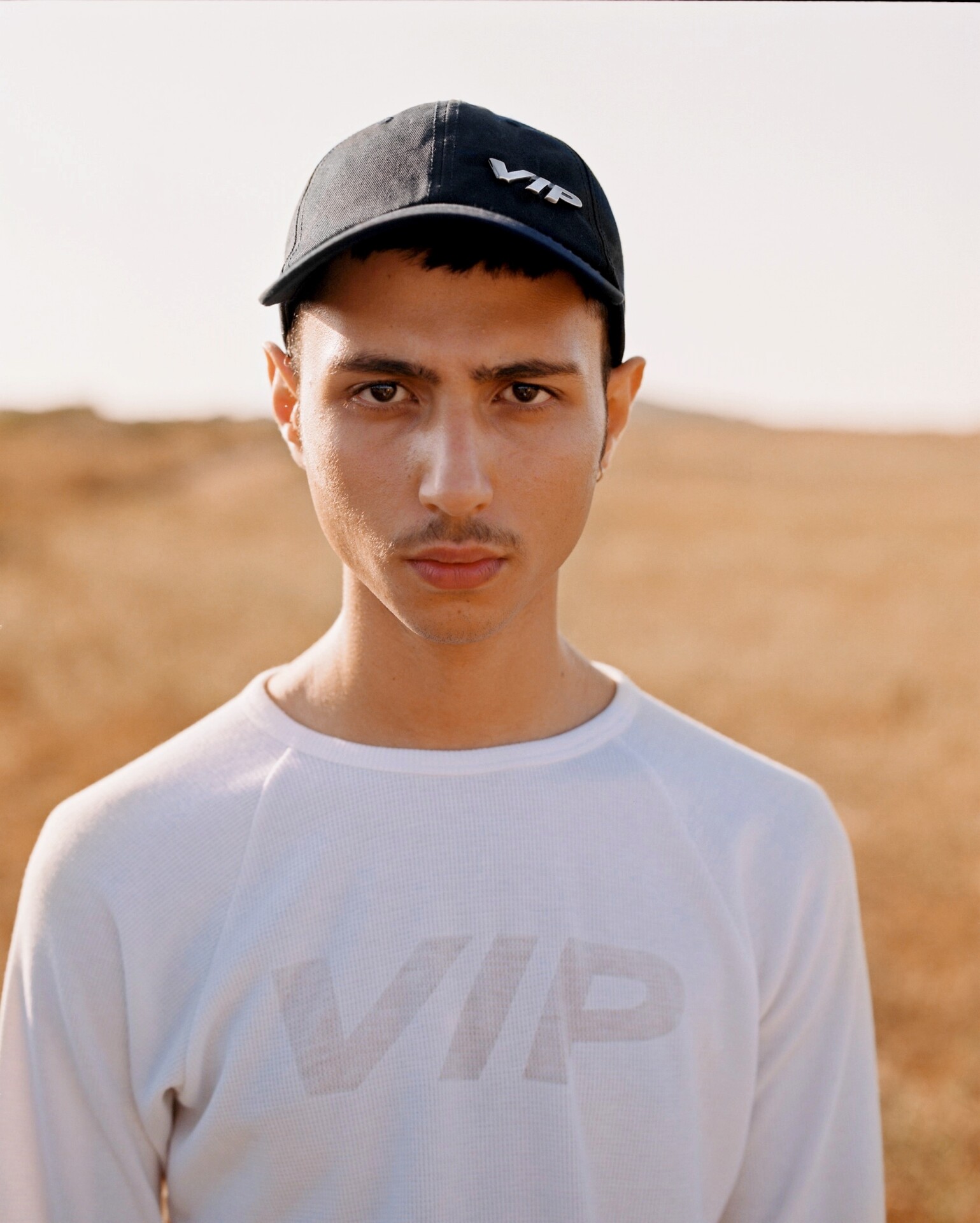
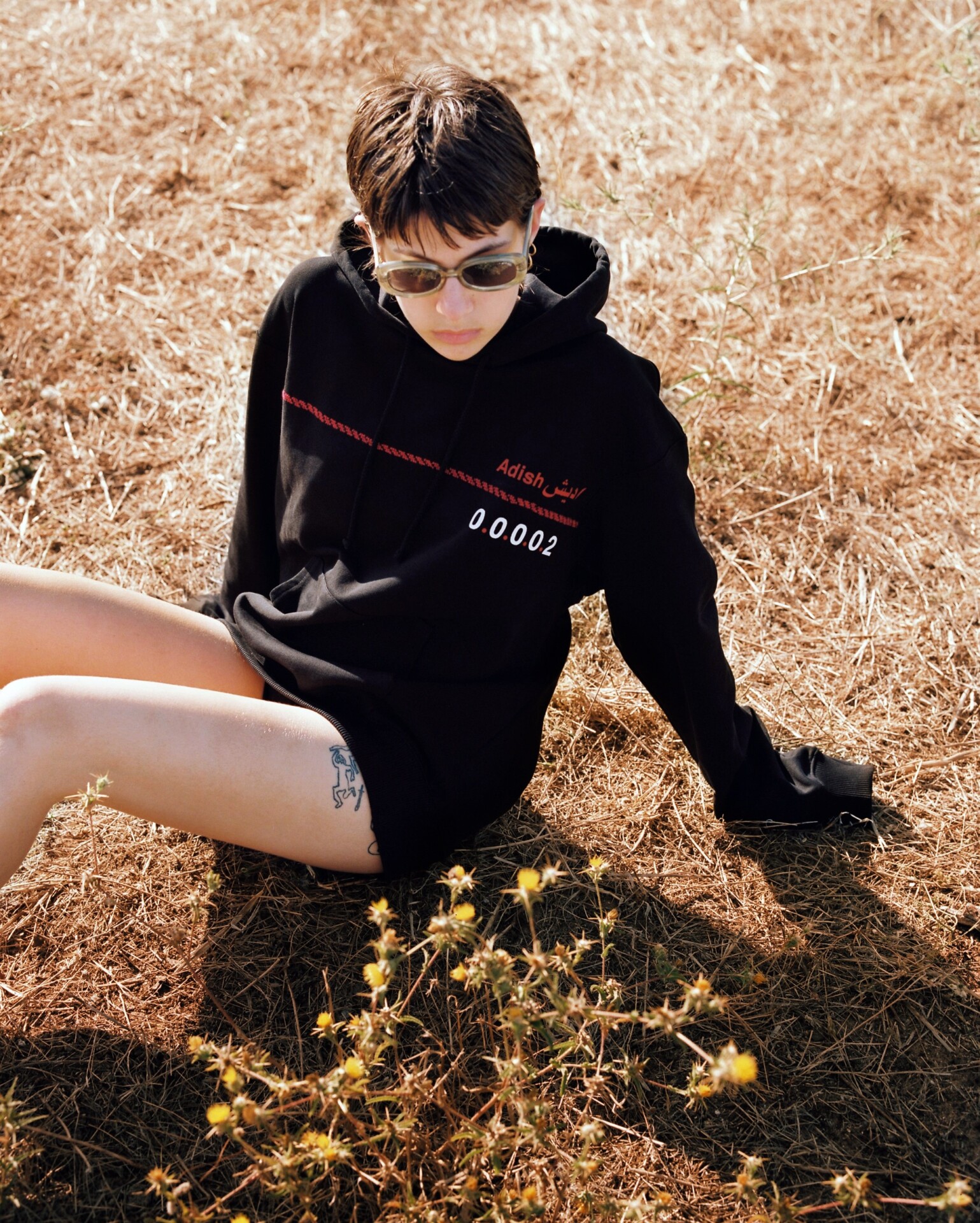
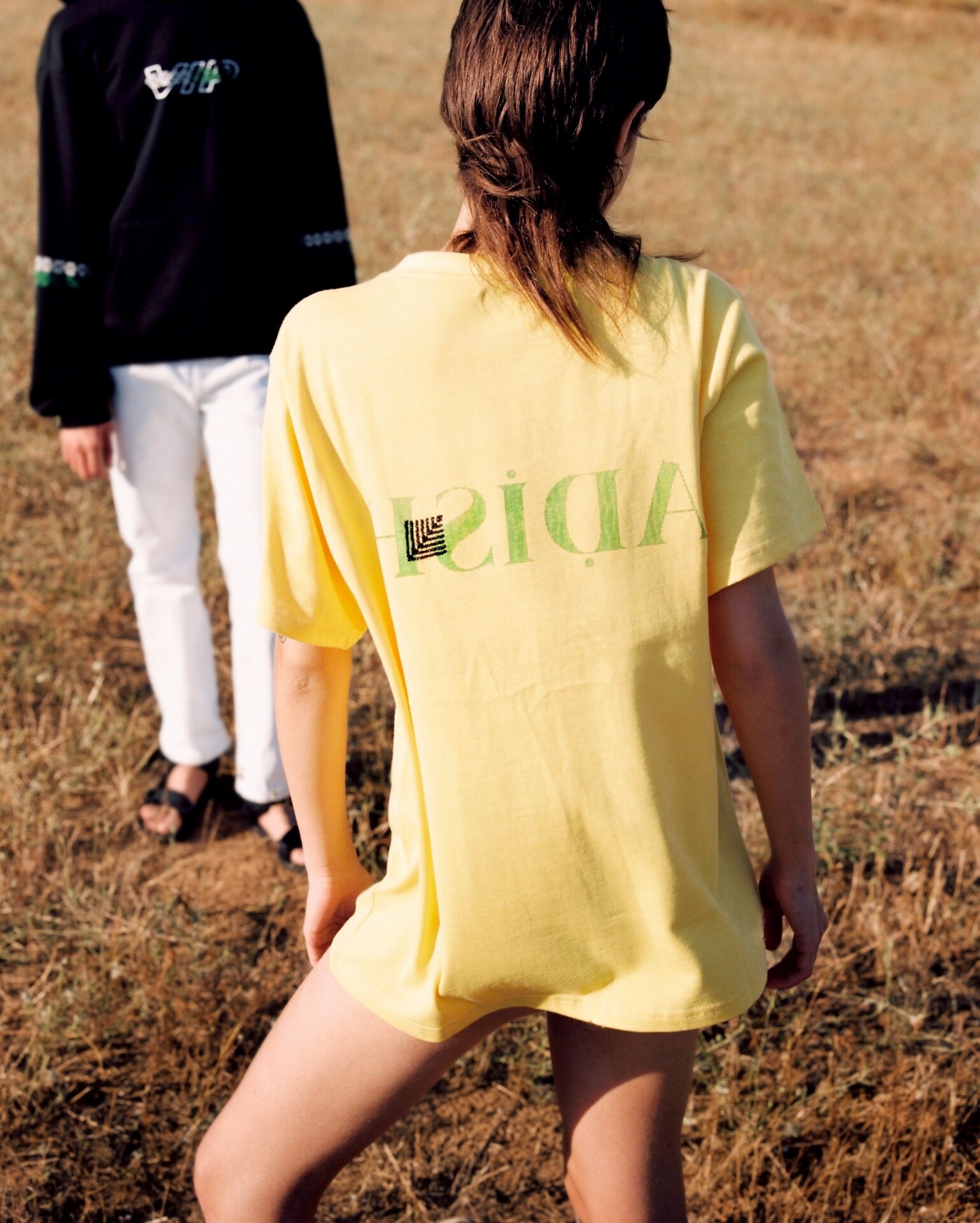
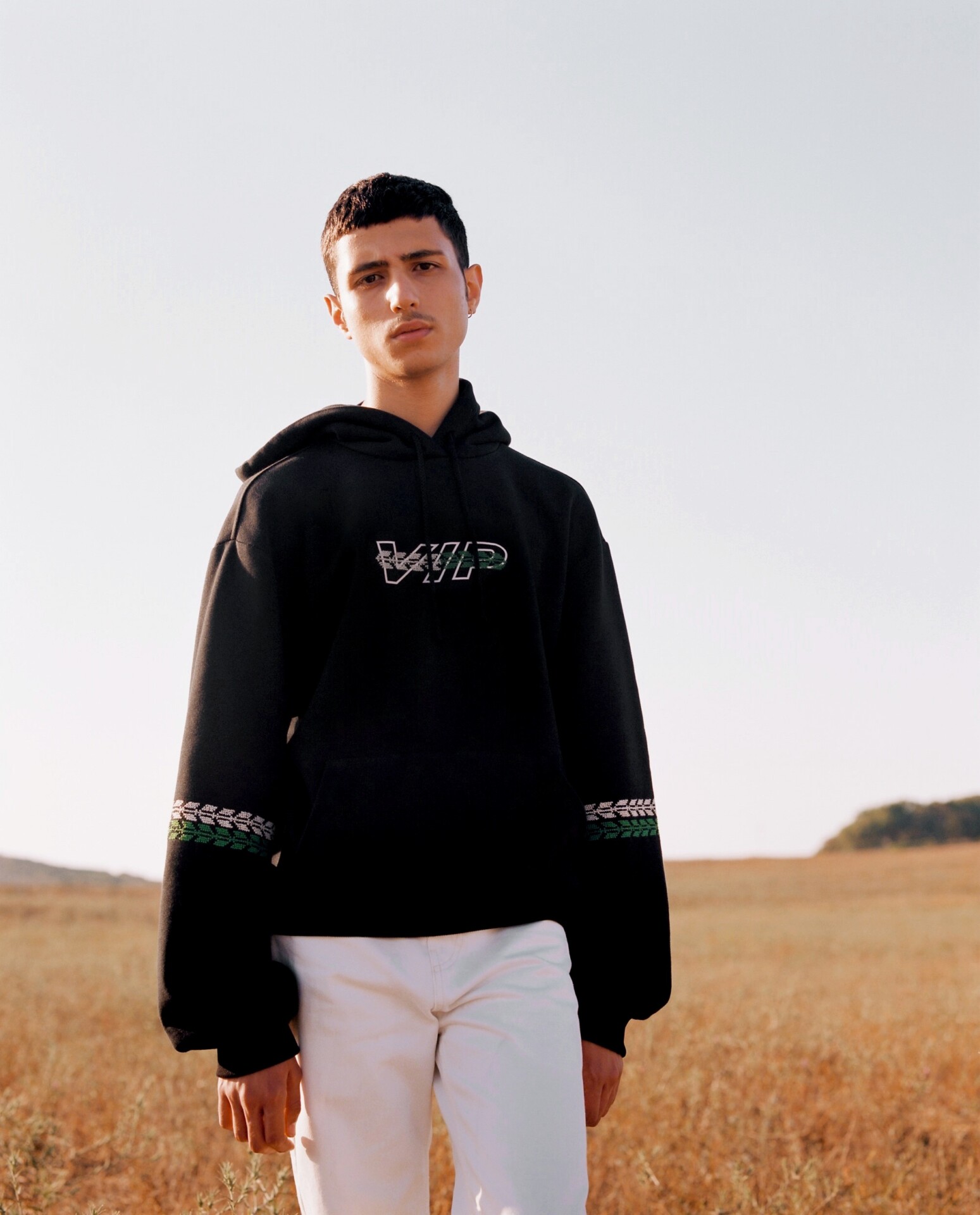
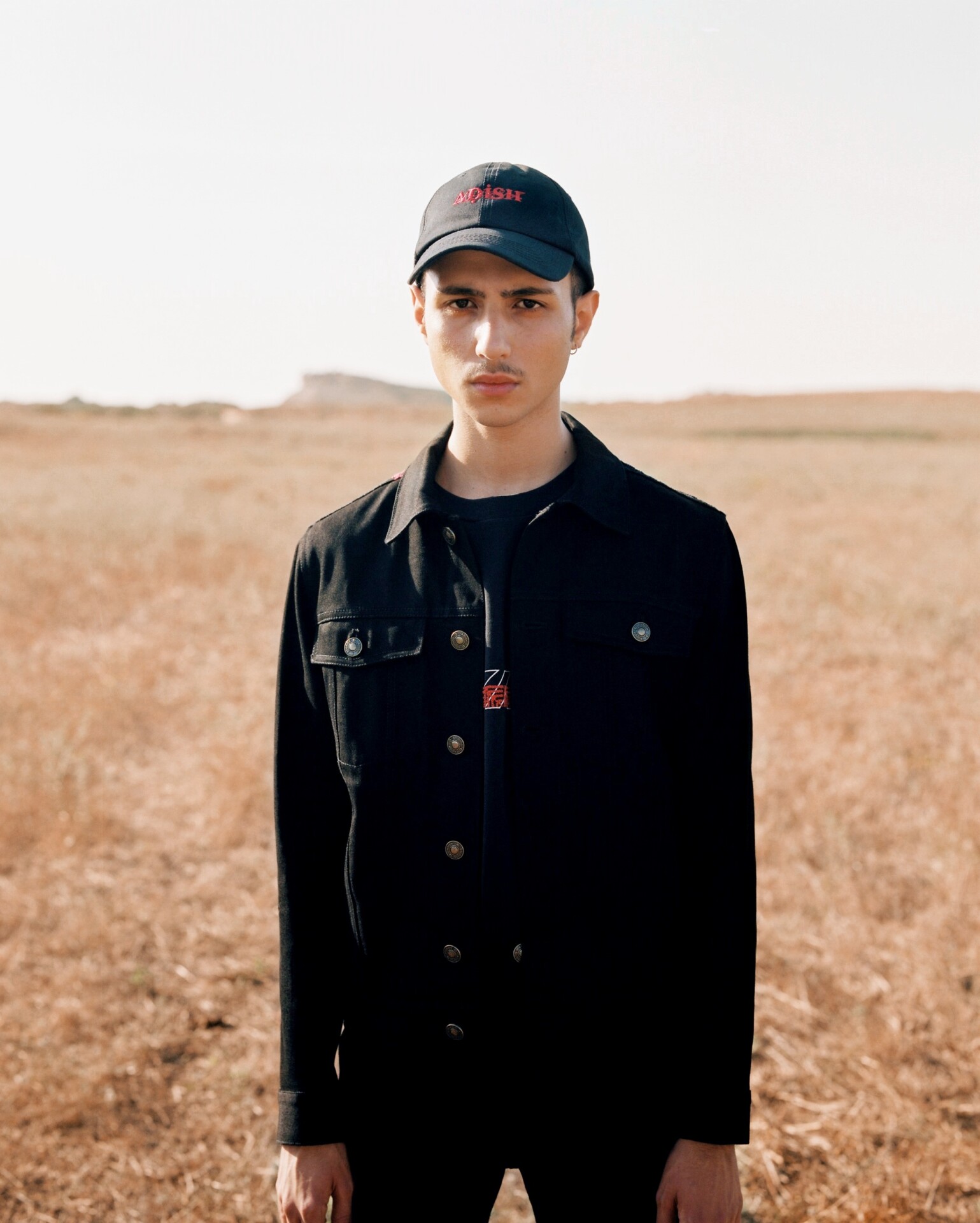
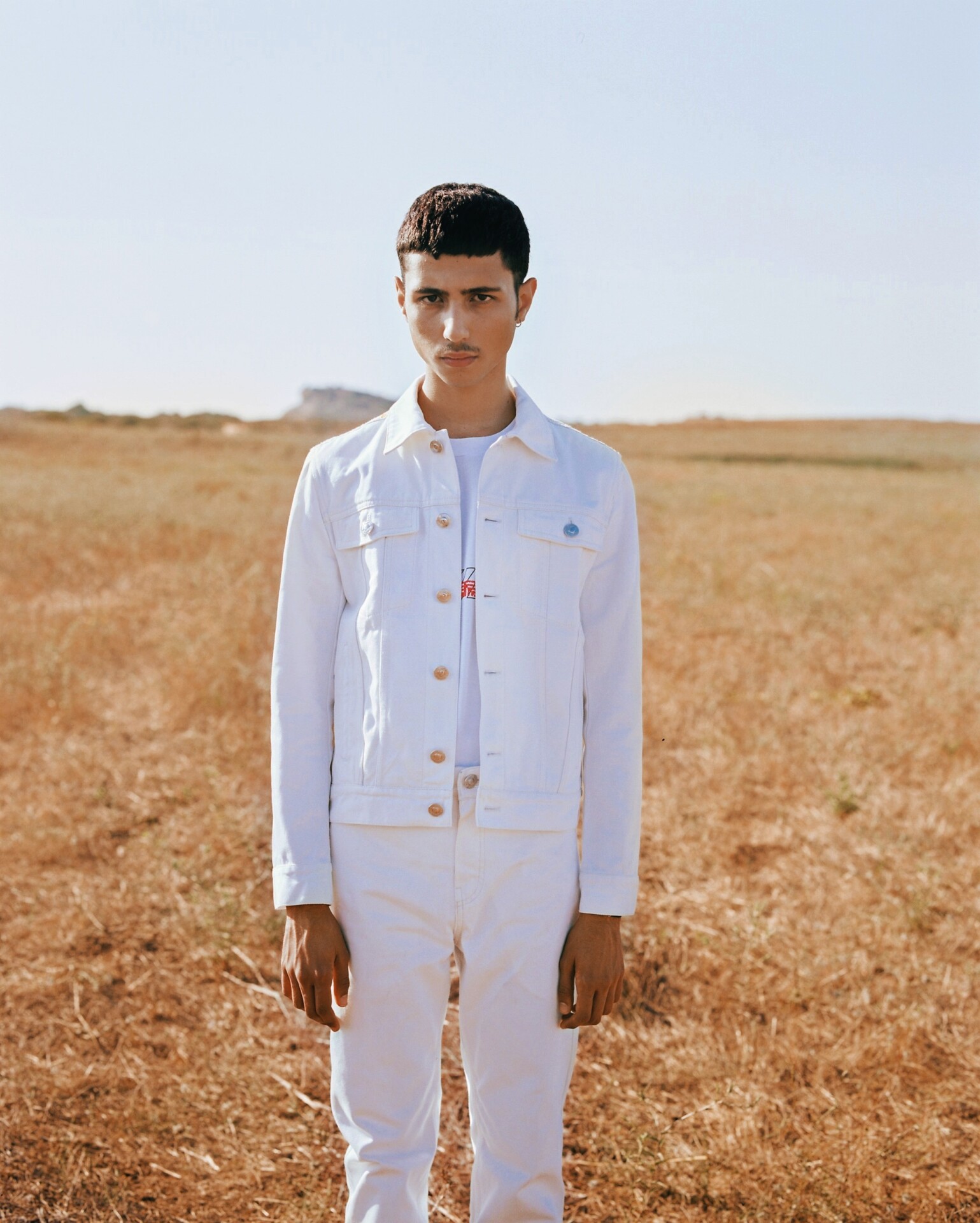
See ADISH’s SS19 collection below:
ADISH is sold at select stores around the world including Berlin’s Voo Store, Slam Jam in Milan, BIN in Tokyo and Black in Copenhagen.