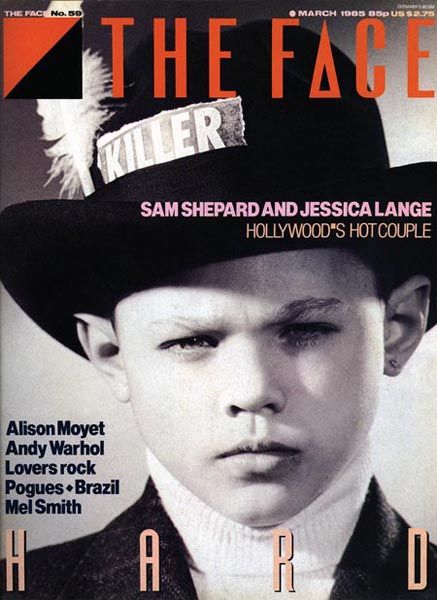
Last week, it was announced that cult British style magazine Das Gesicht is set to relaunch with a digital platform this month and a quarterly print magazine later in the summer. Since its founding in 1980 by visionary British publisher Nick Logan, the magazine has been widely hailed as “re-defining youth culture,” until it folded in 2004. With its distinctive covers and persuasive, one-step-ahead coverage of music and fashion, the magazine determined what was cool in a pre-internet age, when magazines held such clout.
Unsurprisingly then, news of the reboot has been largely met with glee and excitement — after all, this was a magazine that launched the careers of people like Juergen Teller, Corinne Day (who famously photographed a 16-year-old Kate Moss in a headdress for the “The 3rd Summer of Love” cover in July 1990) and Nick Knight. But why resurrect a magazine so intrinsically connected to a bygone era?
It’s impossible to answer that question without considering what the iconic title represented for a generation in the first place. In today’s clogged, homogenous and frequently sanitised media landscape, it’s difficult to imagine a magazine as being considered as influential as The Face was (the achingly sincere subtitle of a recent book on the mag described it as “the magazine that changed culture”). But for many young people growing up in Thatcher’s Britain this was, in fact, true. If the accounts — and there are many — are anything to go by, this was the type of magazine that teens feverishly swapped between each other, saved up hard-earned pocket money for and eagerly awaited each month. In the years since The Face’s demise, whole dissertations were dedicated to it and rosy-eyed Tumblr teens re-blogged pictures of it, clutching at its pared back representation of celebrities like Moss, Björk or Sade. Even though The Face profiled mega-stars like David Bowie, there was still something that felt “authentic” about it — in other words, its content and approach weren’t solely dictated by the demands of advertisers.

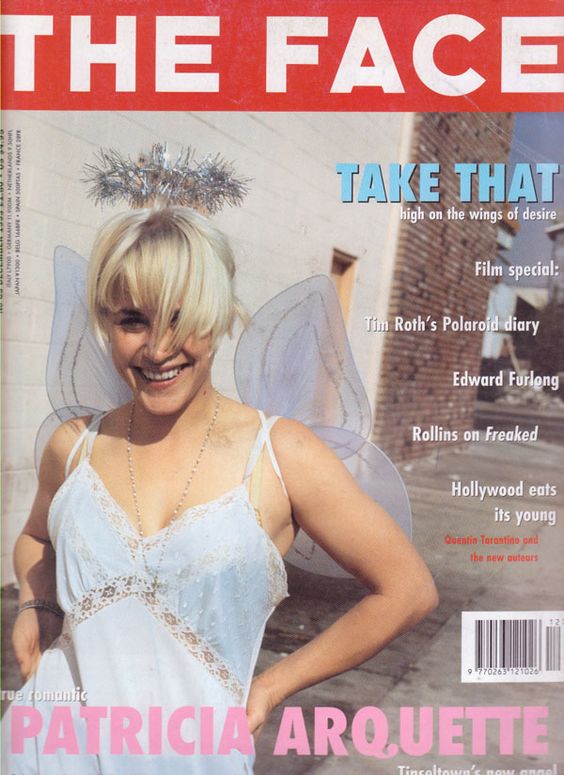
Launching during a period of economic depression, the magazine made its name documenting Britain’s flourishing subcultures — new romantics and punks in the early ‘80s, acid house ravers and Britpop-era dandies in the ‘90s. In this way, it paved the way for similar youth titles such as Pop and Dazed & Confused to emerge, proving the necessity of the media to be immersed in youth movements rather than just write about them from afar. Arguably, the magazine’s dwindling circulation numbers in the mid-90s, however, can be traced not just to its coverage of more mainstream pop stars like Robbie Williams and the Spice Girls, but equally to the disintegration of British subcultures in general.
Of course, in the age of social media, subculture means something entirely different than it did when people actually cared who made it to number one on Top of the Pops or what someone like Morrissey had to say. In the pre-internet era, subcultures grew slowly over time and proliferated in urban centres. Hinged on music tastes and fashion choices, subculture was organic and deep-rooted — to be apart of one was akin to being a card-carrying member of some religious cult. These days, subcultures come and go; they spread quickly without any real impact and most likely live and find validity in small and mysterious pockets of the net.
In light of the changing conditions of subculture, so integral to the original publication, what does this mean for the new Face? How can the legacy of a magazine once dubbed as “revolutionary” be continued when the cultural ecosystem in which it was nurtured is mostly wiped out?


It is a perplexing question and one which the new editorial team — consisting of Stuart Brumfitt and brand director Jason Gonsalves, along with an international community of creatives including Honey Dijon and Grace Wales Bonner — are most likely to devote a considerable amount of time to. How can the title revive its historic authenticity when the very concept of “authenticity” as we knew it is now defunct. While to be “authentic” is still held in high regard, social media has revealed the fallibility of identity and the lengths at which we go to construct and change who and what we are through a constant stream of pictures and public commentary.
Of course, these questions are inextricably linked to the changing face of the media industry. A magazine is likely to have meant a lot more to a teenager living in suburbia in the mid-80s than it is to a teenager of similar age and social stature now. The real question is do teenagers even buy magazines now? Or are magazines, even the ones supposedly about youth culture, only bought and read by 30-somethings working in the creative industries? Unfortunately, the latter is most likely to be true.
To pose that a magazine can “define culture” sadly sounds outdated now. Magazines exist in a different sphere, read and still beloved, yes, but hardly amongst the young. It could be argued that to relaunch The Face is a rather transparent attempt on cashing in on ‘80s/90s nostalgia, of monetising our obsession with an era characterised by un-ironic sportswear, warehouse raves and ‘90s Kate Moss-anything. But let’s not get too cynical. In a struggling publishing industry, perhaps the reboot symbolises hope — an attempt to carve out a new sense of wistful authenticity in a shady media landscape fortified by fake news and clickbait. It may be naive to think that magazines can change the world, but if one can get into the hands of one young person living somewhere in suburbia or beyond, and inspire them for the better, well maybe that’s enough to keep on keeping on.