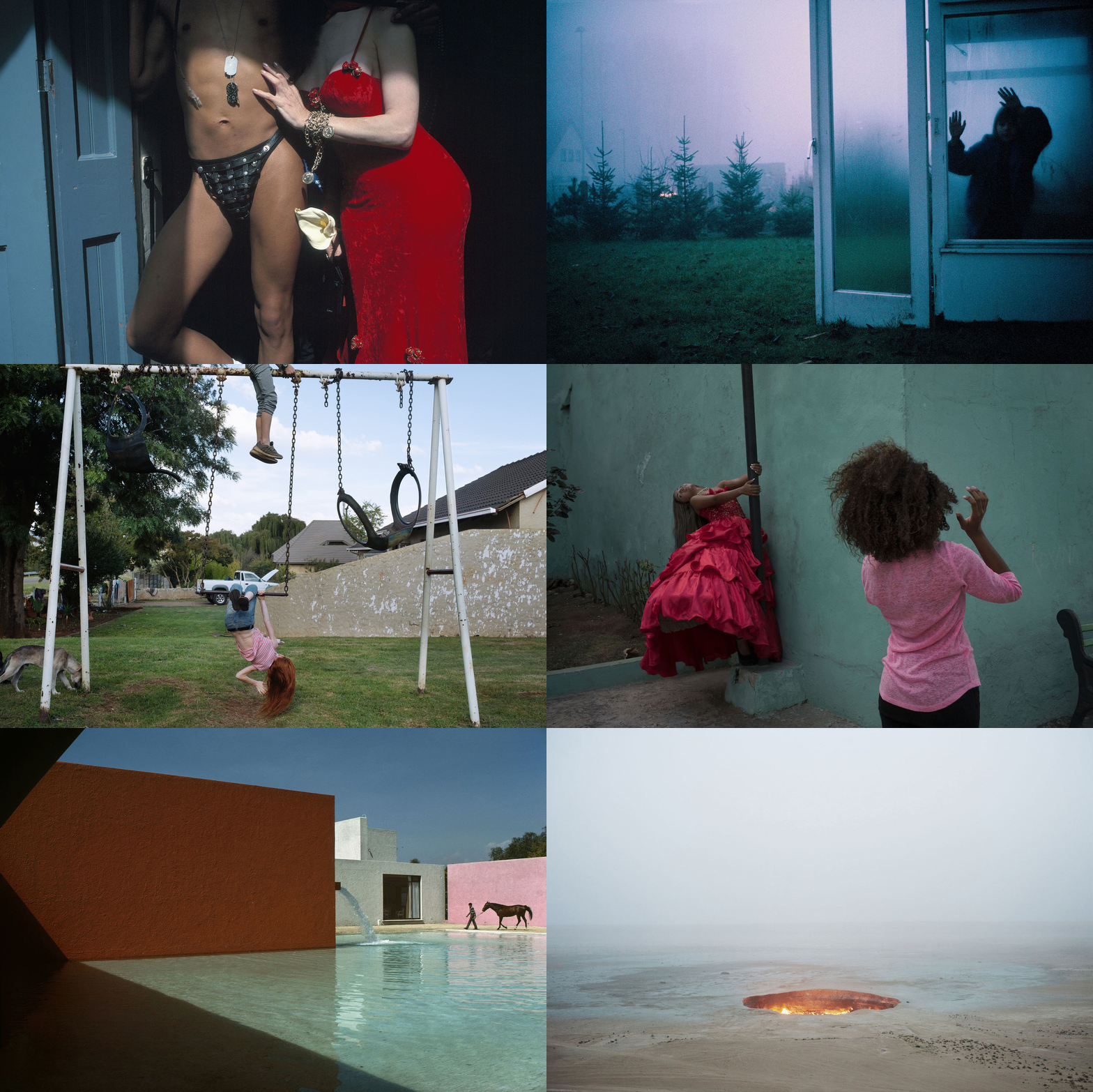
The anticipated Magnum Square Print sale returns this week, offering photography fans a rare chance to purchase a museum-quality signed or estate-stamped print from the esteemed international photo agency’s members for just $100. Each sale invites the Magnum photographers (or their estates) to submit one image from their archive according to a specific theme, and this time the focus is “obsessions”. Thus, each of the 85 photographs up for sale has been chosen because it ”reflects the issues, working practices and visual signatures which have obsessed [its photographer] throughout their careers,” making for a brilliantly diverse and compelling array of images, centring on everything from architecture to strange geographical phenomena to young love. Here, we select ten of our favourites for your purchasing inspiration –– but hurry, the sale closes at midnight EST on Friday, June 14.
René Burri — Stable, Horse, Pool and House Planned by Architect Luis Barragán. Cuadra San Cristóbal, Mexico (1976)
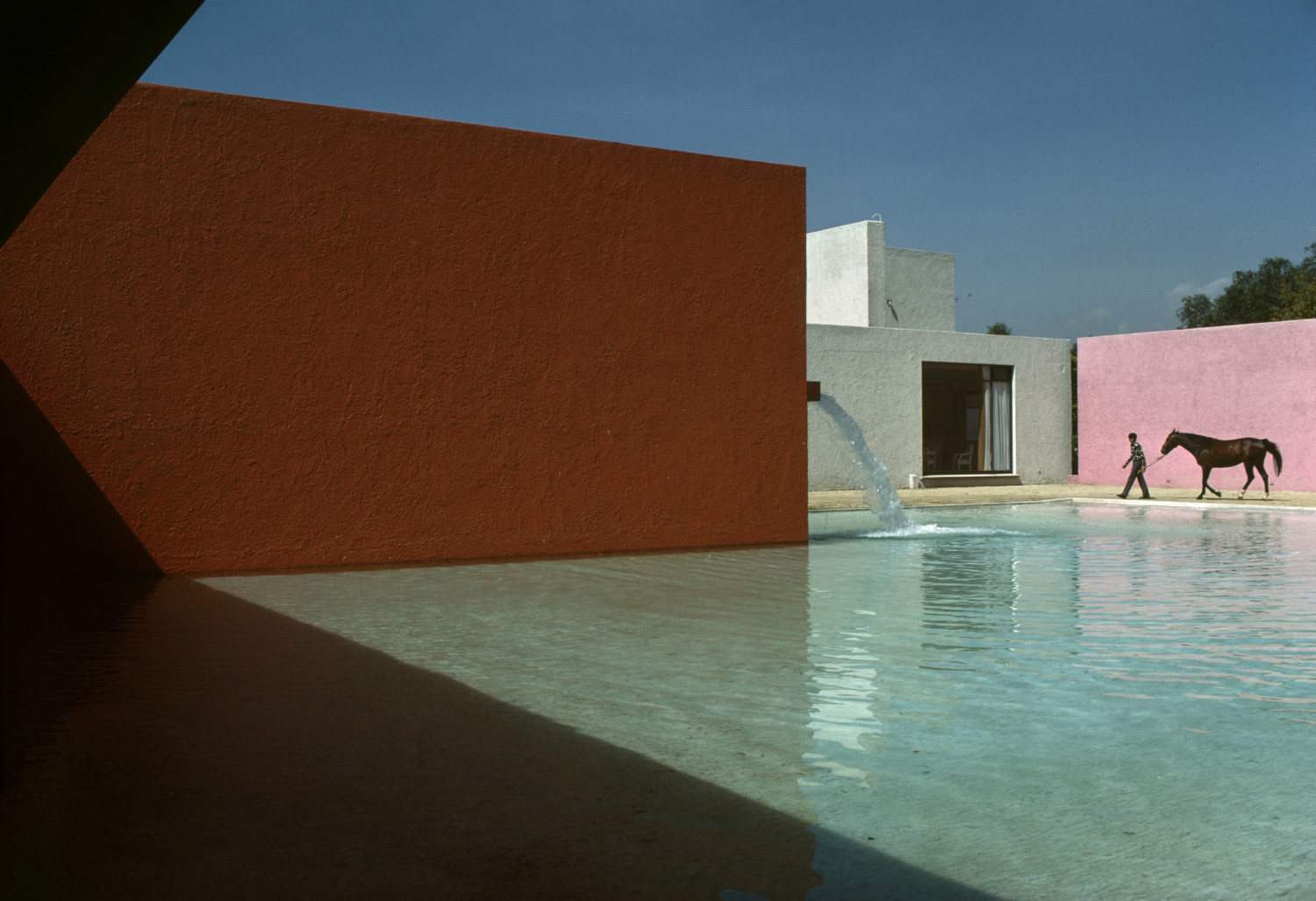
This famous photograph of Luis Barragán’s stable, house and horse pool at Cuadra San Cristóbal in Mexico City was snapped in all its delectable glory by the Swiss photographer and building fanatic René Burri in 1976. Burri’s wife, Clotilde Burri Blanc, describes it as the photographer’s “personal tribute to the spirit of Luis Barragán” and it’s hard to imagine anyone doing a finer job of capturing the sweeping geometry and delectable hues that define this masterpiece of Mexican modernism. An essential purchase for architecture and photography obsessives alike.
Susan Meiselas — Gawker. Tunbridge, Vermont, USA (1974)
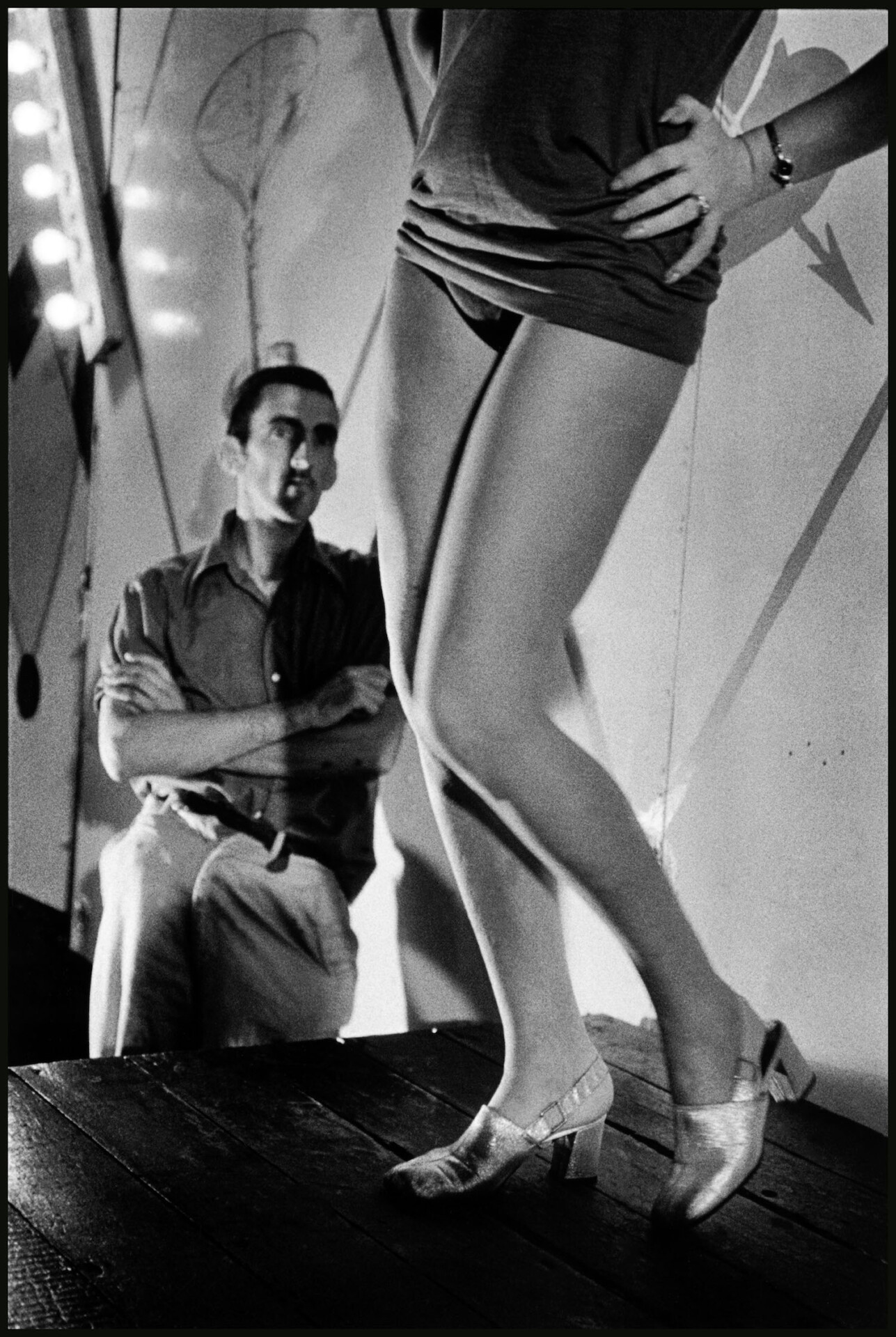
This voyeuristic study is part of American photographer Susan Meiselas’s renowned series Carnival Strippers, taken over three summers between 1973 and 1975. For the purpose, Meiselas befriended a group of carnival striptease performers, offering a nuanced look into their lives, both on and off stage, just as the women’s movement was gathering speed. The resulting works – as encapsulated here, and enhanced by the cropping off of the dancer’s head – pose more questions than they do answers, to thought-provoking effect. As Meiselas herself writes of the picture, “He looks at her. She may or may not be looking at him. He dreams and delights in her moves. She may or may not be moving for him.”
Alec Soth — Sapporo, Japan (2016)
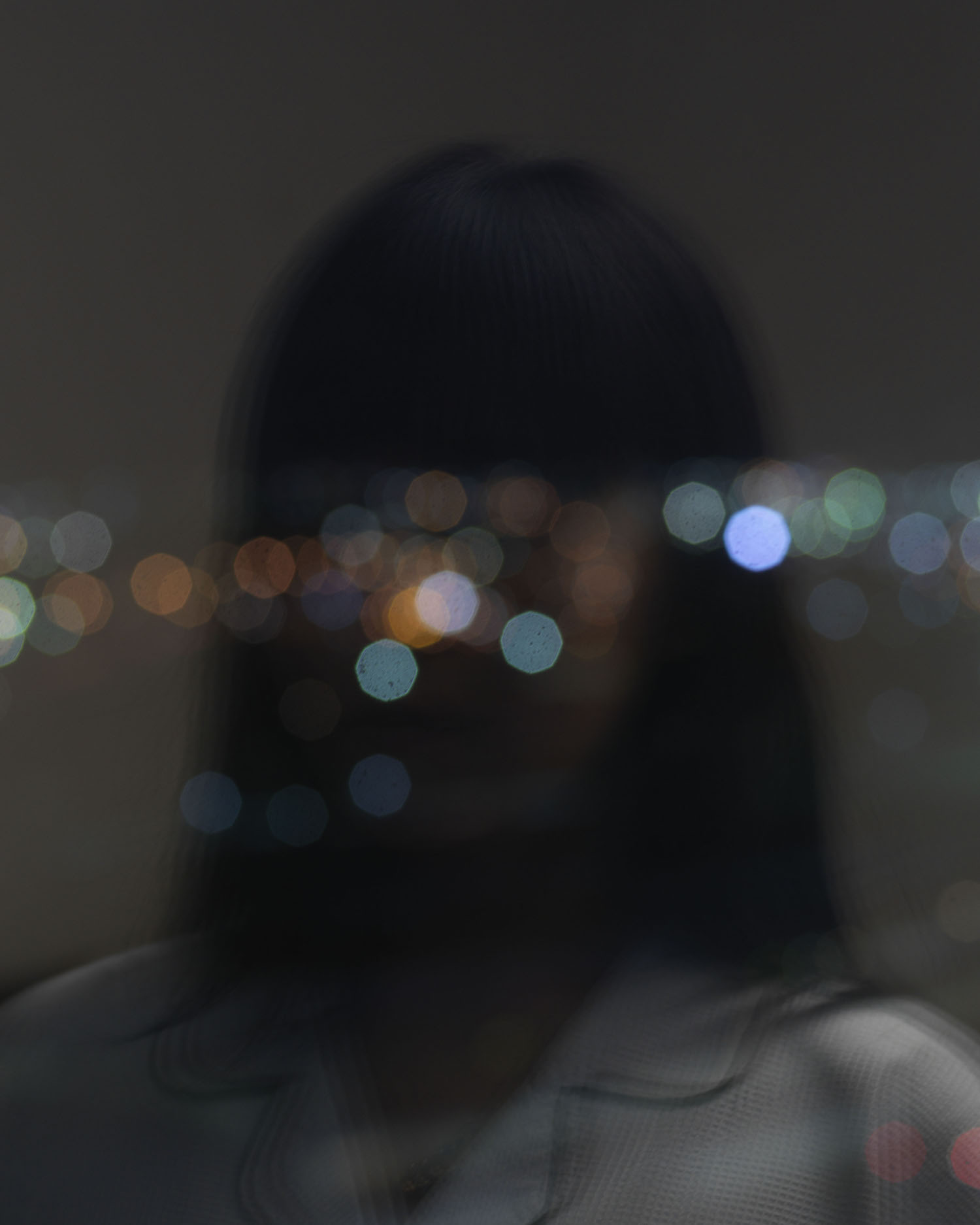
Alec Soth is best known for his arresting documentation of the American experience, which follows in the tradition of his fellow American photographers Walker Evans, Robert Frank and Stephen Shore. This image, however, was taken during a visit to Hokkaido in Japan – a destination inspired by Soth’s favourite photobook, Masahisa Fukase’s Raven. The hazy, light-speckled portrait depicts Soth’s Japanese assistant, hired specifically for the trip, reflected in a window. “She was not a photographer, nor did she speak English,” reveals the inquisitive imagemaker. “I was curious to see what would happen spending so much time alone with a person with whom I wasn’t able to communicate. She and I took 13 trains together in Hokkaido, but I barely learned anything about her. Looking at pictures of her now is like remembering a dream.”
Carolyn Drake — Door to Hell. Darvaza, Turkmenistan (2009)
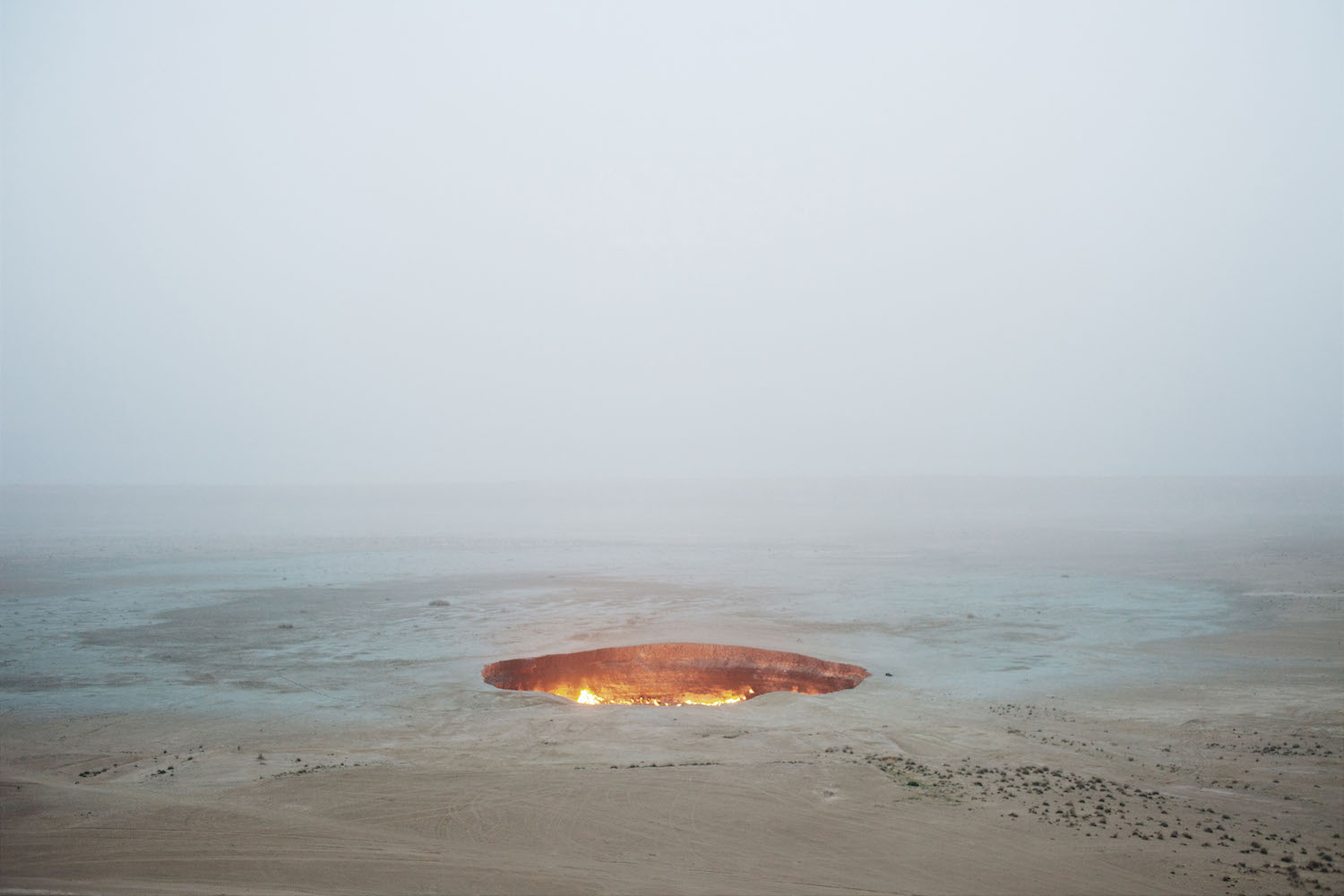
American photographer Carolyn Drake documents a curious man made, geographical phenomena in her image of the so-called “Door to Hell” in Turkmenistan. The flaming, 69-metre-wide crater is the result of an excavating accident by Soviet petroleum engineers in 1971, after which geologists intentionally set the natural gas field on fire to prevent the spread of methane – and it’s been burning ever since. But for Drake, whose continuing obsession is “the enigmatic qualities of photography”, it was the strangeness and eerie beauty of this iridescent furnace in the ground – depicted here without any historical context or explanation – that so appealed. She expands, “The scale of time and space remain a puzzle in the image, pointing to the difficulty of perceiving the scope of human impact on the planet.”
Constantine Manos — Mardi Gras. New Orleans, Louisiana, USA (1993)
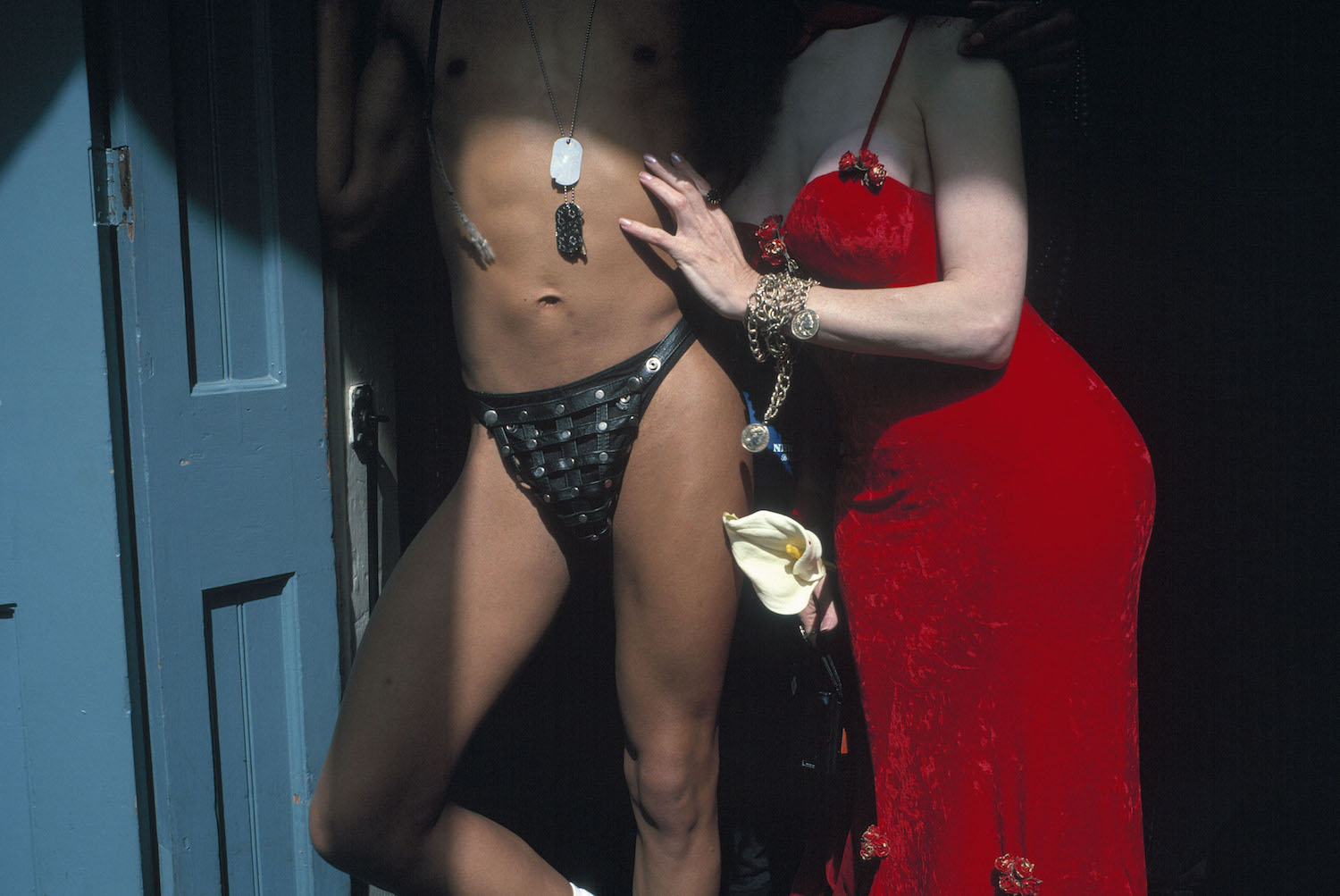
Greek-American photographer Constantine Manos took this snapshot of a seductively clad duo in 1993, during the riotous, annual Mardi Gras celebrations in New Orleans. “It was part of a long term project to make colour photographs all over the USA, which ultimately appeared in two books,” he explains. “The mission of the books was not intended to be documentarian, but was meant to capture unique moments that were American.” This particular moment represents the sense of freedom and sensuality inherent to Mardi Gras. The crop, which removes the pair’s heads and feet from view, allows us to focus in on their mirrored, S-shape poses; the woman’s soft touch of her companion’s ribs; the textures of their respective garments and the yonic connotations of the lily held at waist height.
Bruno Barbey — A boy plays in the Rivière des Galets. Réunion (1991)
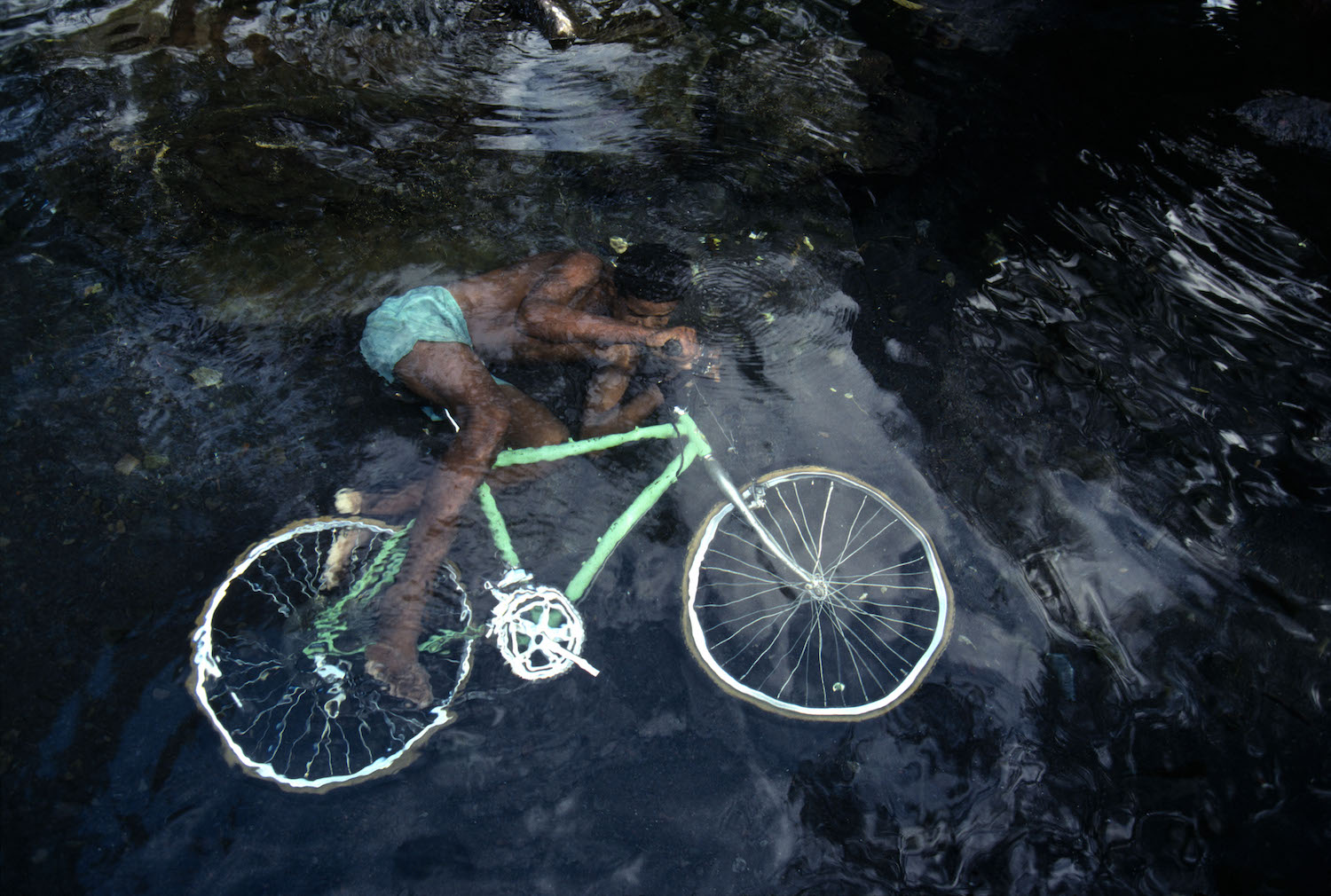
This captivating, subaqueous scene, taken on the Indian Ocean island of Réunion, embodies what French photographer Bruno Barbey describes as the necessary knack of the travelling imagemaker: “[establishing] human contact while remaining discreet.” And Barbey should know, having worked across all five continents of the world, photographing conflict, as well as “rapidly vanishing… traditions and cultures”. Luck, he says, is also key to getting ‘’the shot” – as is very much the case here. “This boy was cleaning his bicycle in a spring and playing with it,” he explains, “my luck was that he wore green shorts matching the colour of his bike. The result is a strange and surreal setting in which the boy seems to ride his bicycle under water.”
Jacob Aue Sobol — Copenhagen, Denmark (2010)
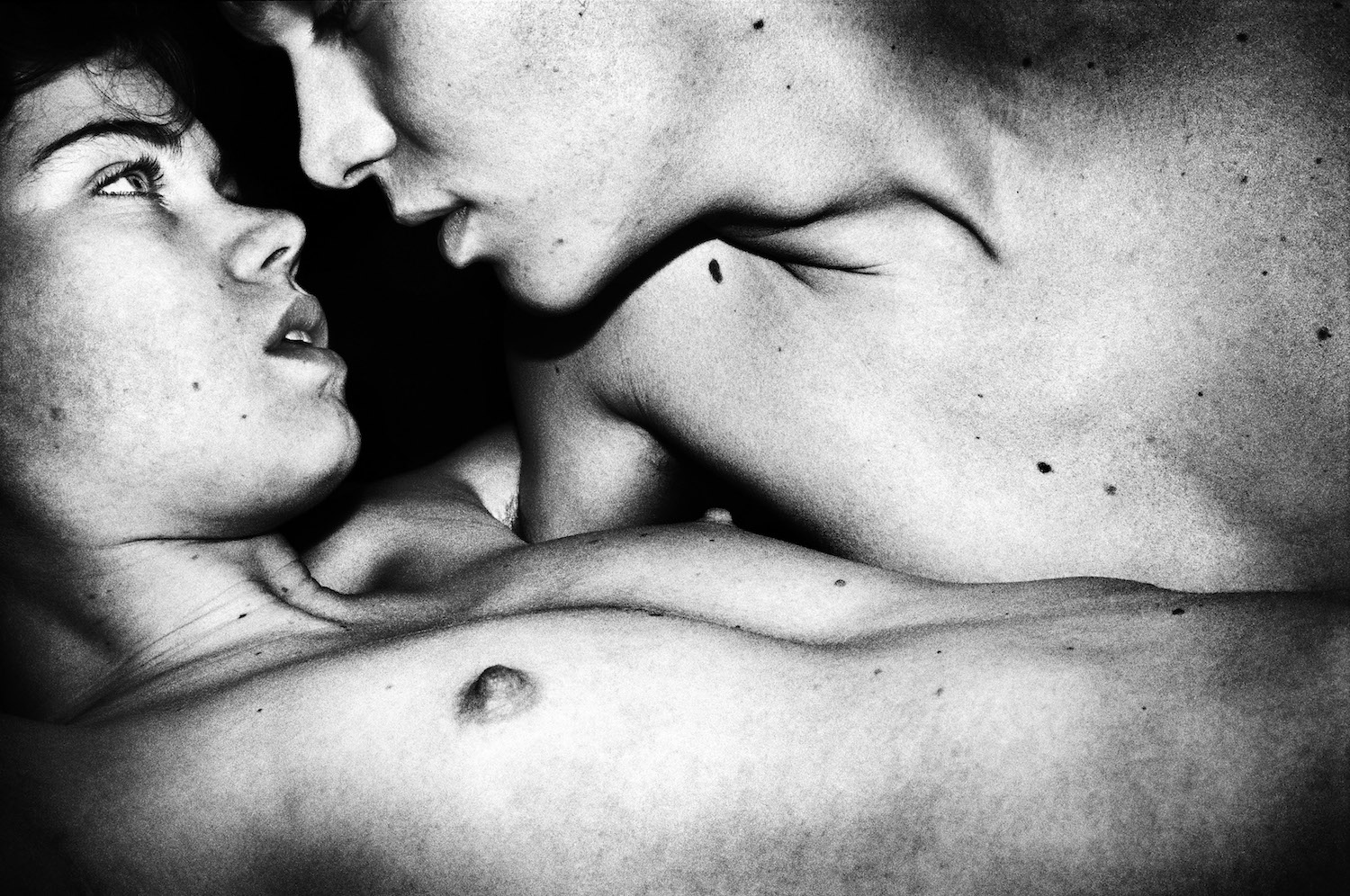
“To me the camera has always been a tool to find and depict love to a point that it became an obsession,” writes Danish photographer Jacob Aue Sobol of this touching, deeply intimate image of two male lovers on the brink of a kiss. Sobol spent years scouring the globe, from Moscow and Beijing to Paris and New York, taking pictures of young people in love to prove “that we are all the same, to remind us that what we have in common is greater than what separates us.” He found this couple – Martin and Pernille – closer to home, however, in his own neighbourhood in Copenhagen.
Nikos Economopoulos — Havana, Cuba (2017)
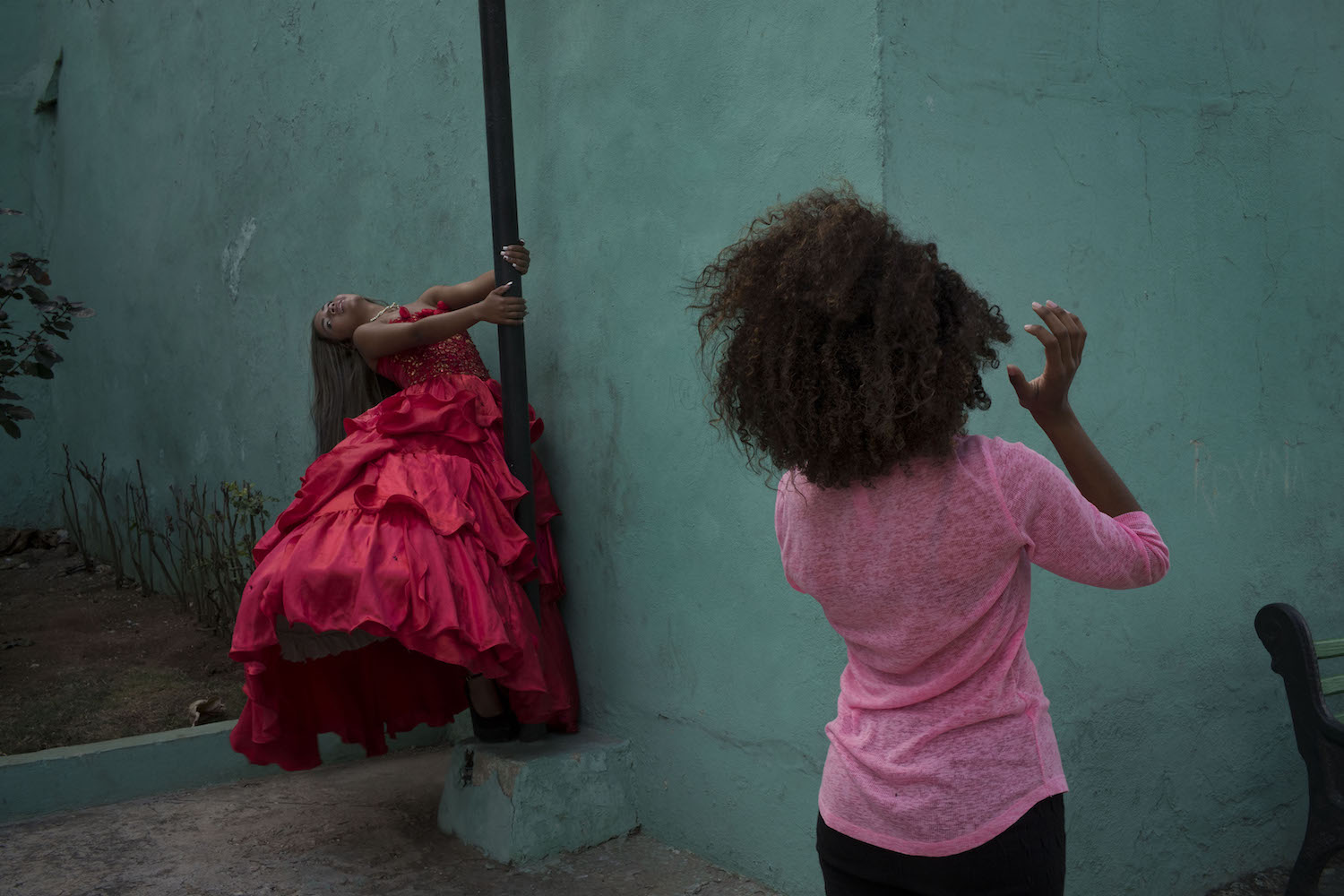
Greek imagemaker Nikos Economopoulos seeks to record “the genuine flow of emotions and the patterns of human connectivity that play out in the streets: the ways in which different people in different places create bonds, mark their transitions, and go on living their lives weaving a universal language beneath their differences.” This evocative shot – of two young women in Havana, adorned in striking red and pink, and caught frolicking unselfconsciously against a perfectly complementary green backdrop – does exactly that. The fact that one is dressed elaborately, as if for a prom, while the other is casually decked in jeans and a T-shirt, adds a layer of whimsy and intrigue to the proceedings.
Lindokuhle Sobekwa — Daleside, South Africa (2018)
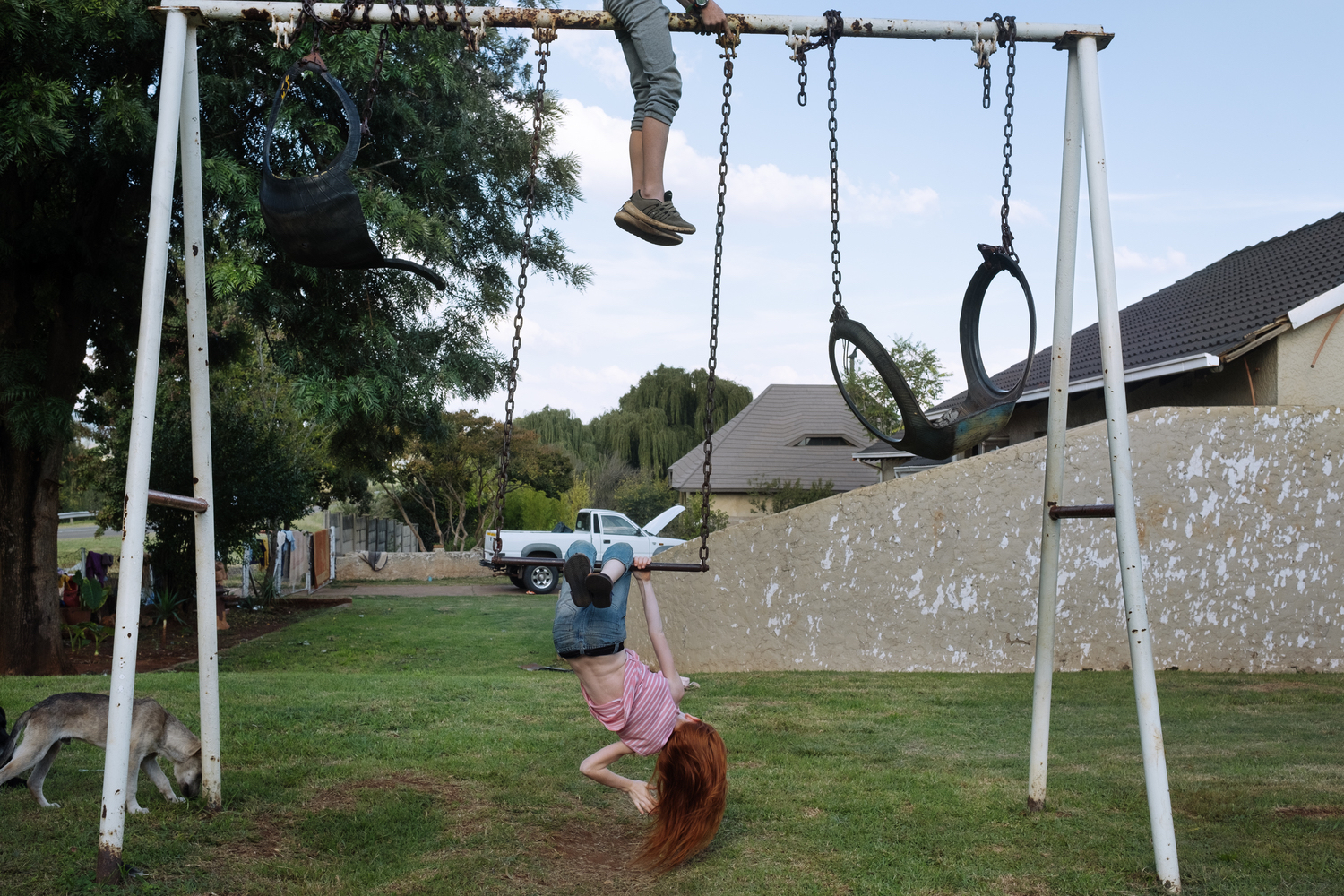
“My obsession with photography has made me penetrate places and spaces I thought I could never have access to,” says Lindokuhle Sobekwa of his haunting photograph of two children playing on a rusting swing set in Daleside, South Africa – one hanging upside down like a red-haired spectre, the other a pair of dangling legs, their torso cropped from view. The scene is both strange and impenetrable, reflecting Sobekwa’s childhood memories of the city. “Daleside used to be a predominantly white area where my mother was employed as a domestic worker,” the 25-year-old documentary imagemaker recalls. “On days when I used to go with her to work, I was not allowed to enter the house, and would sit outside and wait for my mother to finish working.”
David Alan Harvey — Berlin Wall. Hanover, Germany (1989)
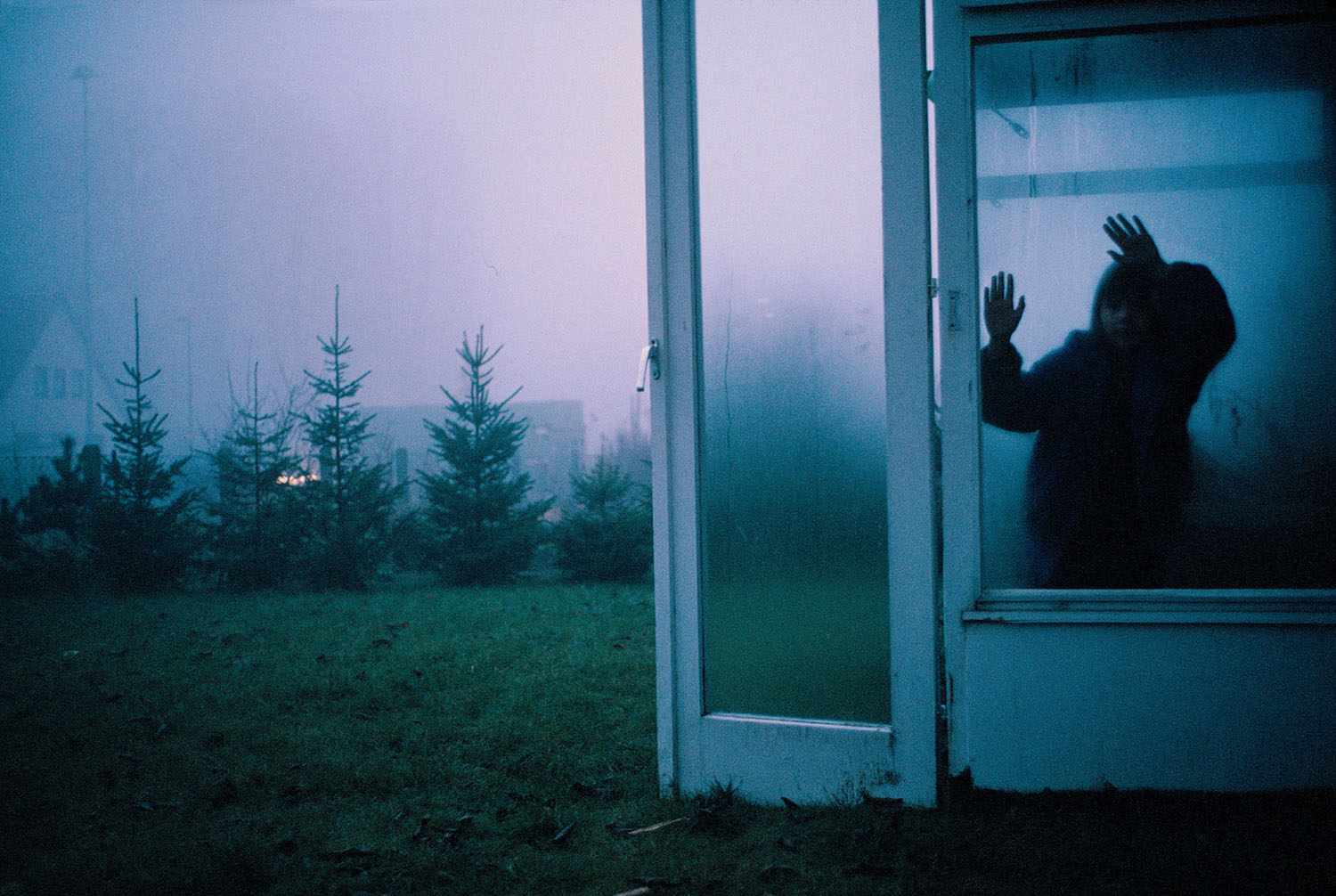
This picture was taken during American photographer David Alan Harvey’s first visit to Germany in the winter of 1989, as the Berlin Wall was coming down. His assignment was to capture the heart of the action but this gloomy, atmospheric image – of a child pressed against the window of a bleak conservatory – embodies a more personal goal, and a poignant, unusual take on a much-documented historical event. “I prefered, as I usually do, to look to the sidelines, away from the action, into the more subtle emotions that often surround earth-shaking events,” Harvey explains. “So I left the capital and wandered into the middle-class suburbia of Hanover, not looking for anything in particular. There was an odd melancholy to be sure. The wall was down, over, done. Obsession realised. Joy. I photographed this joy. Yet this is the photograph I have kept and printed as my personal memory of that event. I do not know why.”
The Magnum Square Print sale closes at 11:59pm on Friday 14 June, 2019.