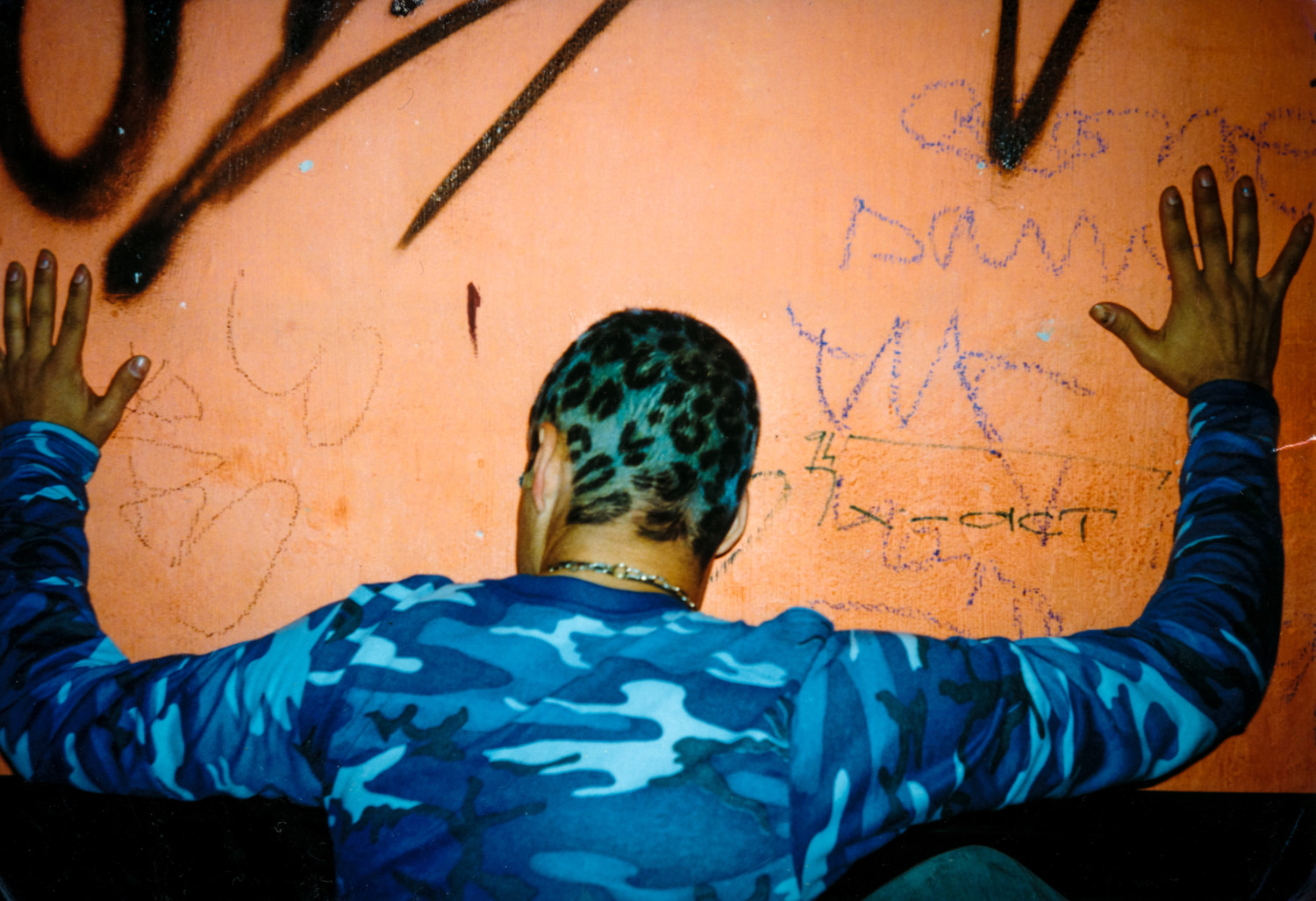
TILMAN BREMBS, DJ Keokie, Tresor, 1991. From the series Zeitmaschine, 1991—1997. Copyright Tilman Brembs
Felix Hoffmann feels conflicted. The long-time Berlin resident, and co-curator of the photography exhibition No Photos on the Dance Floor! Berlin 1989–Today, opening today at C/O Berlin, knows that by documenting the magic of Berlin’s pulsating, vibrant techno scene, he risks intruding.
After all, Berlin’s nightclubs are famously phone-phobic zones, and for good reason. With the advent of smartphone technology, any iPhone-toting tourist can take a photograph of your private darkroom explorations and upload it online. Berlin’s world-famous techno clubs are sacred, intimate spaces. Maintaining their integrity as places where people from all walks of life feel free – especially the LGBTQ+ community – means leaving them be. We don’t want photos on the Berlin dance floor – not now, not ever.
Nevertheless, Berlin’s techno clubs aren’t only spaces for sexual and musical exploration; they’re also historic cultural institutions. In 2016, Berghain was officially recognised by city authorities as a cultural space and given the same tax breaks accorded to concert halls and museums. And if we recognise that Berlin’s techno clubs are high art, don’t we have a responsibility to preserve that legacy for future generations in the same way we’d catalogue exhibits in a museum, or photograph the performers of a play on opening night?
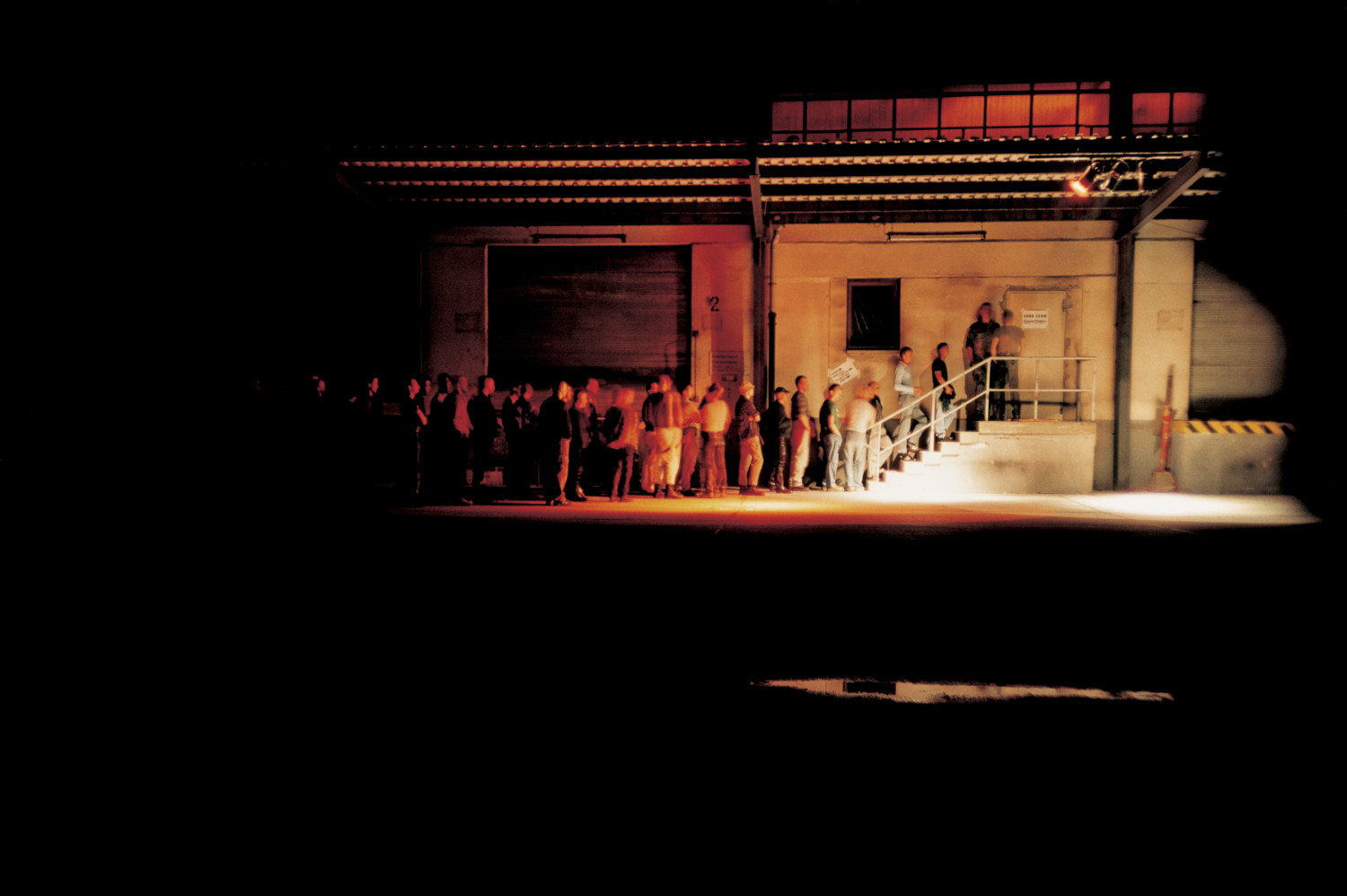
WOLFGANG TILLMANS, Outside Snax Club, 2001. Copyright Wolfgang Tillmans. Courtesy of Galerie Buchholz Berlin/Köln
It’s this push-pull tension between wanting to document Berlin’s techno legacy and providing space for the club scene to thrive and grow that is at the heart of Hoffmann’s exhibition. Along with his co-curator Heiko Hoffmann (no relation), No Photos on the Dance Floor! will lift up the curtain on Berlin’s sacred techno spaces, featuring photography from Berghain bouncer extraordinaire Sven Marquardt, as well as Wolfgang Tillmans, Camille Blake and Lisa Wassmann.
Held at C/O, the exhibition takes visitors on a journey from the fall of the Berlin Wall, when the techno scene was in its infancy and intrepid ravers ventured into disused buildings, factories and vacant lots. It charts techno’s rise in Berlin, from embryo to fully-realised adult, taking in the city’s landmark institutions: clubs like Ufo, Tresor and Planet. We see how Berlin’s techno scene is arguably the last major youth culture movement in Europe to date, and observe how techno intersects with other art forms, such as video and live performances.
Along the way, the exhibition touches on the challenges that threaten techno’s continued survival in Berlin: the increasing gentrification of the inner city and the loss of spaces in which to party, as well as the influx of “techno tourists” from cities like London, who threaten to turn Berlin’s nightclubs into historical curiosities rather than evolving spaces.
Ahead of the opening night, we caught up with Felix Hoffmann down the line from Berlin, as he put the finishing touches to No Photos on the Dance Floor!
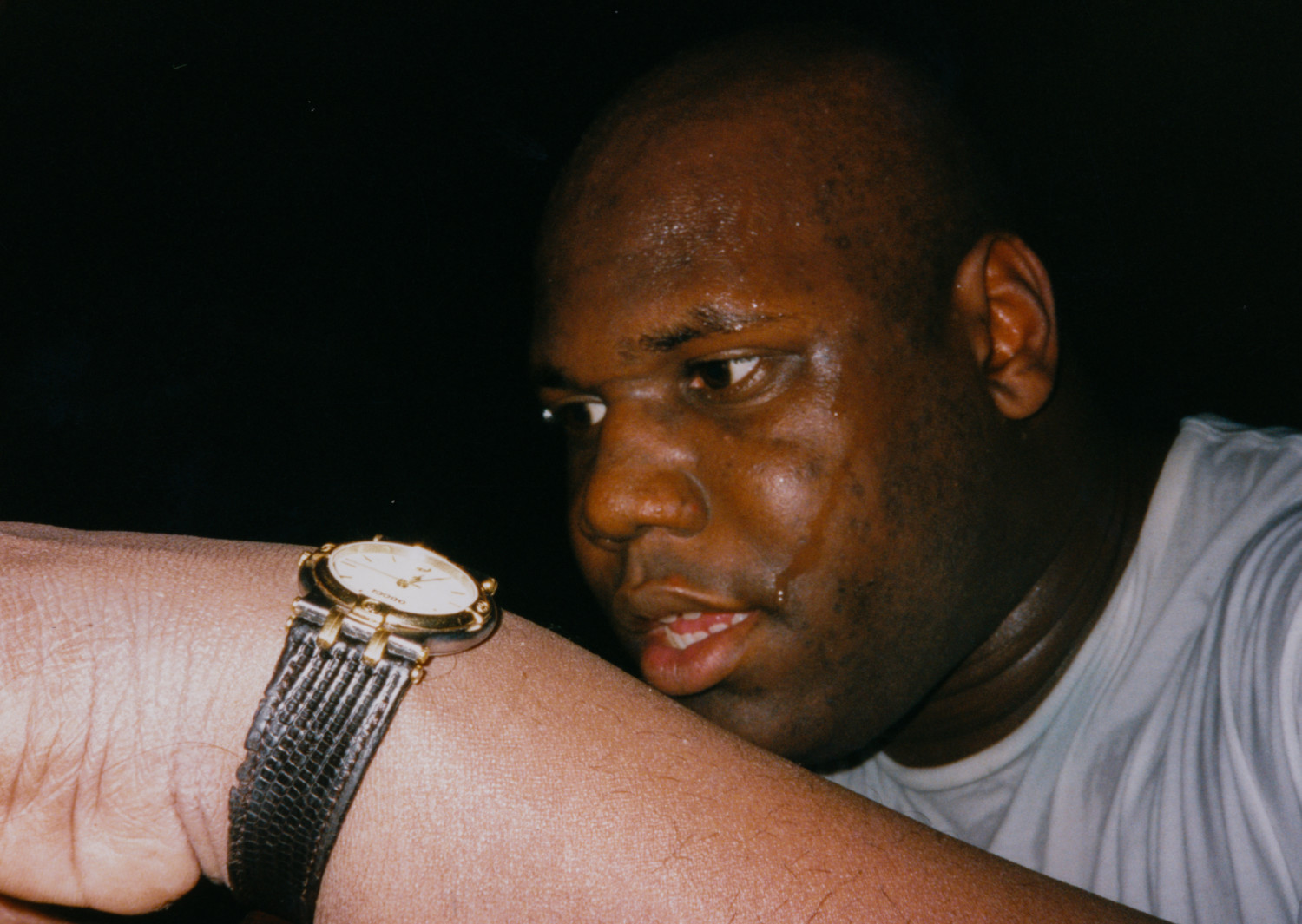
TILMAN BREMBS, Carl Cox, 1993. From the series Zeitmaschine, 1991—1997. Copyright Tilman Brembs
Let’s start by getting the most obvious question out of the way. What’s your favourite photograph from the exhibition?
There’s a photograph of Chilly Gonzales, who I have a close relationship with, and it’s a picture taken by Martin Eberle after he DJ’ed at the end of the night. He’s very exhausted and wearing a wet t-shirt. It feels so intimate, the way he looks at the camera. So I would say that’s my favourite image at the moment.
What were some of the challenges when it came to staging the exhibition?
We always wanted to make a show about music, but obviously when you look at photography, it’s a quiet medium. So we decided to transform part of the space at night into a club, so you can feel the music as well. We’ve invited some Berghain residents to come and play music. Right now, we’re working on getting Modeselektor to join!
What is your personal relationship with Berlin club culture?
I moved here in 1997 to study art history, and I used to go to a club called Art and Technique. There were lots of young artists there involved in DJ projects, creating imagery using former GDR slide projectors. That was it – I became fascinated with this world.

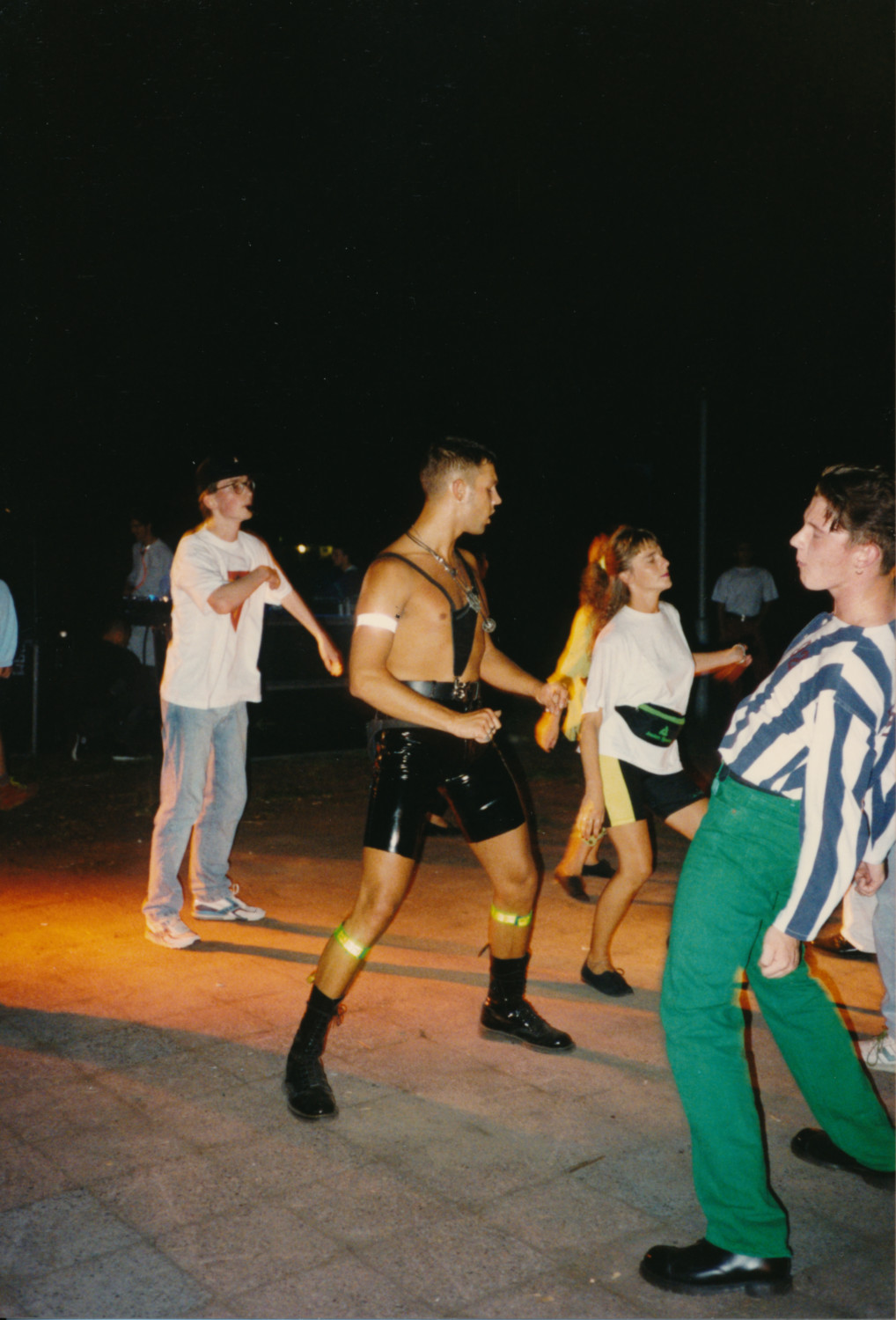
Left: Love Parade, 1992. Right: Marco, Insel der Jugend, 1991. From the series Zeitmaschine, 1991— 1997. Copyright Tilman Brembs
How did you decide which photographers to feature?
For me, it was really important that Wolfgang Tillmans accepted the invitation to take part, because he’s so important not only in the photography world, but also in the nightlife world, as he’s known for DJ’ing and also sometimes using video pieces in his exhibitions when he’s playing music. It was a good day when he accepted our invitation.
How did you decide on the title?
The title describes the void that we don’t want to show in the exhibition. We show photographs from around the dance floor, but we don’t show photographs of the dance floor itself, because we don’t want to break into the intimacy of that moment where people are with themselves and the music.
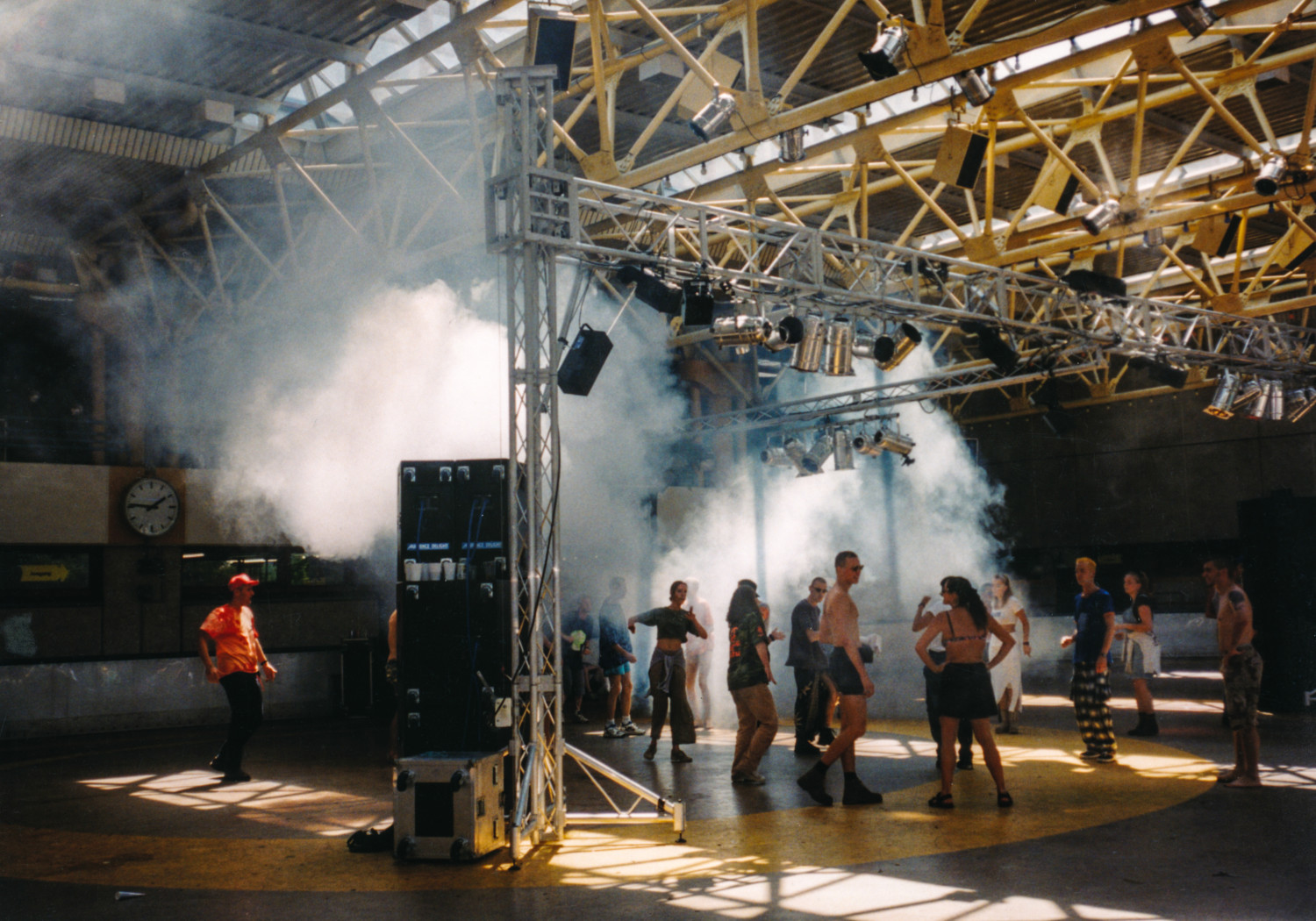
Sez Party, 1995. rom the series Zeitmaschine, 1991— 1997. Copyright Tilman Brembs
So there’s a tension between documenting the nightclubs, and letting them be?
Yes! It’s not so easy because it’s a fragile system.
Was it easy to find photographs spanning the entire 30-year time period?
We didn’t find so much material from the first 15 years or so of the scene because people weren’t interested in taking cameras on the dance floor. In the last 15 years, we’ve seen the complete opposite. Tourists bring interest to the city, and they want to share pictures on Instagram, to show they’re here.
Why document techno?
The world of scholars who write about the music world are always writing about opera, like that’s the only ‘serious’ music. Maybe they’ll write about pop music sometimes, but very rarely about techno. But the only thing that Berlin has made in the last 30 or 40 years, musically, is techno.
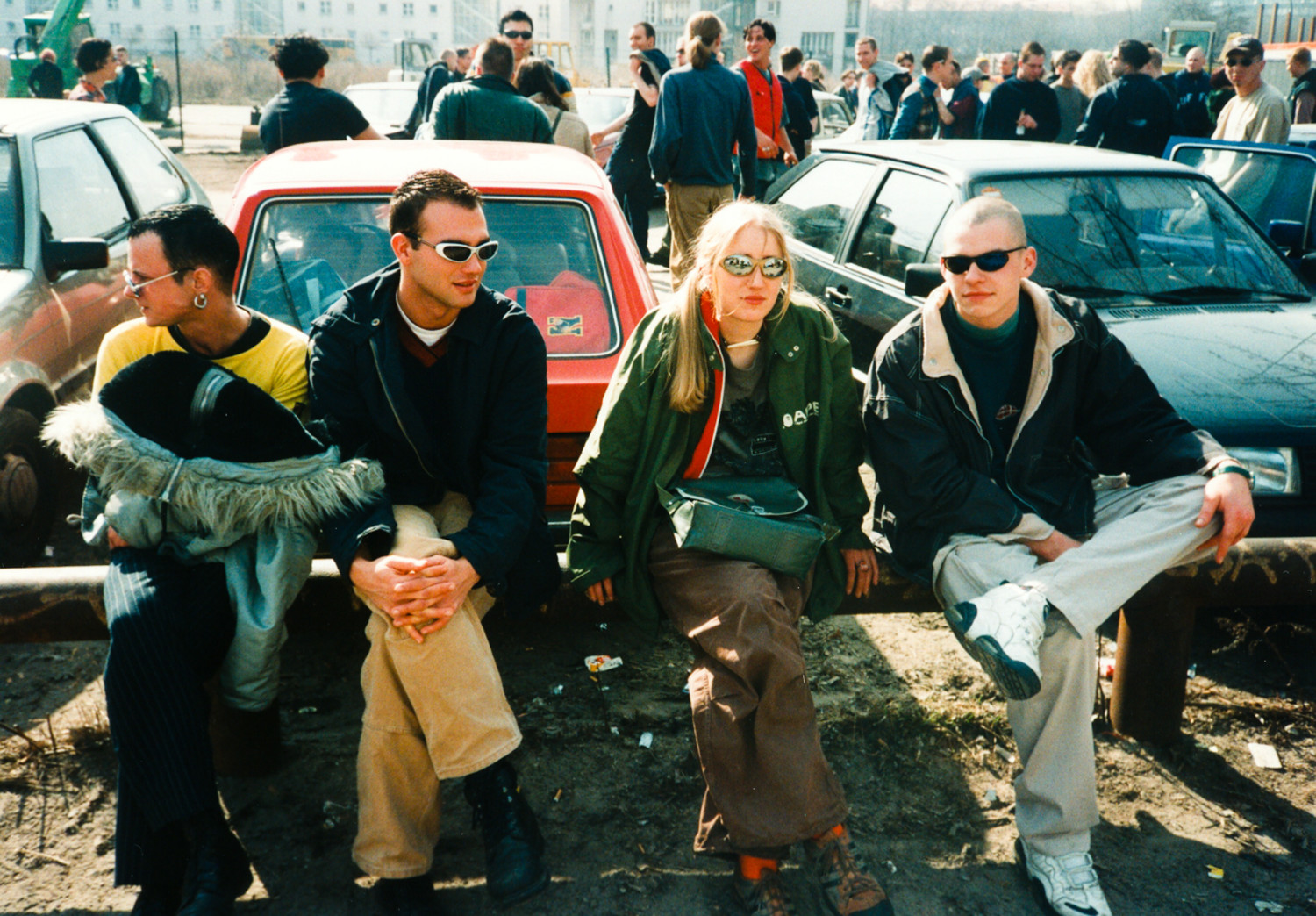
Ewerk Parkplatz, 1996. From the series Zeitmaschine, 1991— 1997. Copyright Tilman Brembs
What are some of the challenges in your view facing the Berlin techno scene?
We are fighting against gentrification all of the time. At the very beginning, these spaces were empty and people could just rent empty houses or spaces and decide to create a club there. You look at photography from back then, and it looks like a completely different city. But that’s changed entirely in the last 10 years. There’s some photography from Ben de Biel in the exhibition that really shows how much things have changed since the mid-to-late Nineties. Back then, he photographed the Bunker from the outside. They were entirely empty spaces, but now there are new buildings in that area, all built in the last five years.
What do you hope that people take away from the exhibition?
I hope that younger people in particular get a sense of what happened in this period. Because club culture and techno music is such a rich world. I hope they feel it, and take it with them, and realise that when we think about high culture, it’s not only opera we should be thinking about. Because techno has a rich culture, too. The techno world shouldn’t be seen as ‘other’.

Goldie, WMF 1997. From the series Zeitmaschine, 1991— 1997. Copyright Tilman Brembs
This article was originally published in SLEEK 63, out now!
No Photos on the Dance Floor! Berlin 1989 – Today runs from 13 September to 30 November 2019, at C/O Berlin.