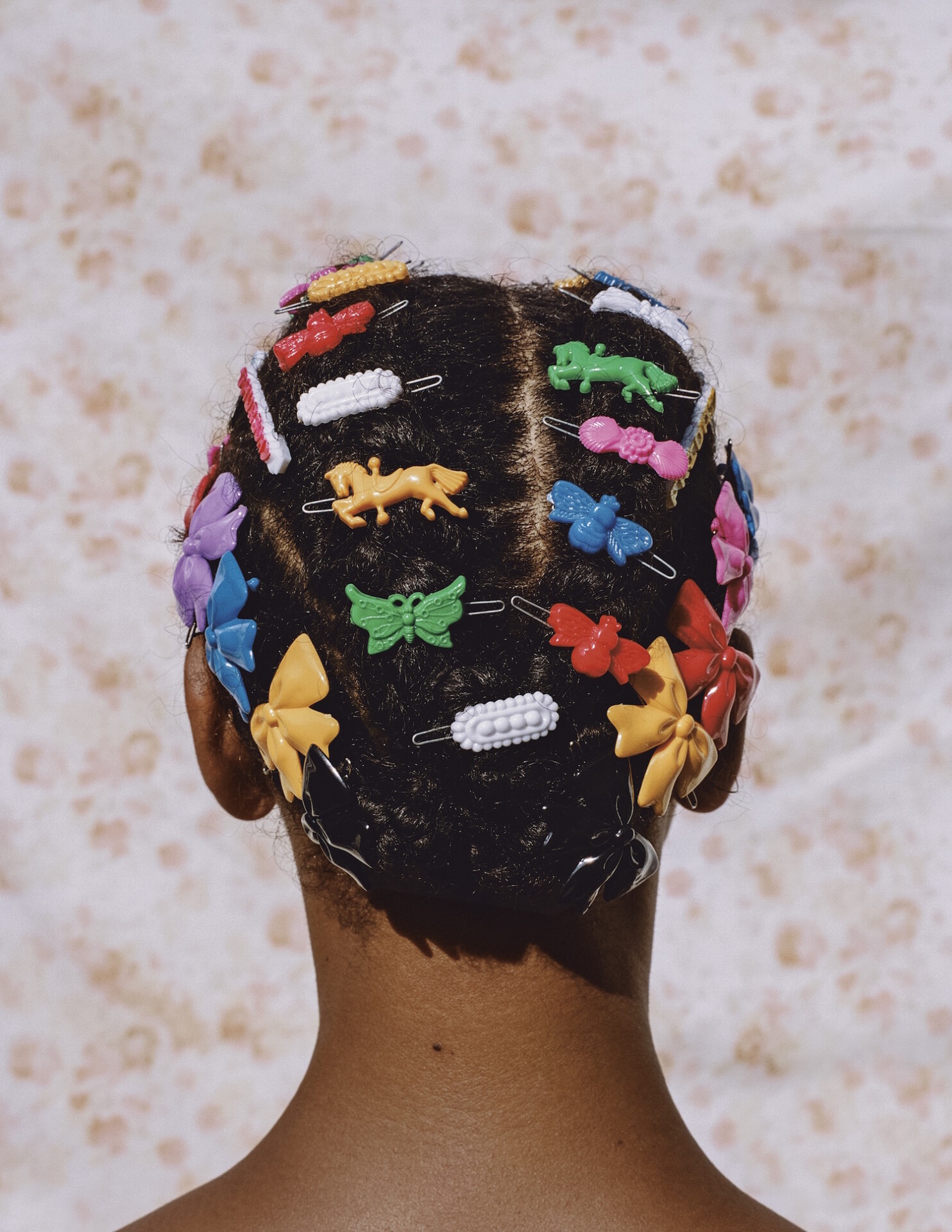
Micaiah Carter, Adeline in barrettes, 2018. Copyright Micaiah Carter
One third of the way into Antwaun Sargent’s book The New Black Vanguard is a particularly eye catching image. An assortment of objects – orange lilies, a Rubik’s cube, a bust of Nefertiti, an effigy of King Tutankhamun – are delicately and intentionally placed together against a shamrock green backdrop. From the right, a black arm wearing a gold bangle extends into the frame holding a chipped ‘Shirley card’ (a test card used by photographers since the Forties named after a white female model whose skin tone was used to help configure film colours), putting it in conversation with the other artifacts.
This methodical image is called Asiatic Lilies (2017), and was arranged and shot by Ethiopian-American photographer, Awol Erizku, a still yet striking example of what Sargent refers to as “visual activism”. In its subtle calculations, like the decision to paint Nefertiti (an Egytian queen) black, or to insert the broken card, Erizku’s image demonstrates a hyper sense of self-awareness. “Visual activism is consciously using the medium of art, of the camera to tell the truth,” Sargent explains during a phone call in September.
Erizku’s image is just one in an assortment of works compiled by Sargent to showcase and unpack a movement of new black image-makers, like Tyler Mitchell (the first black photographer to shoot a cover for Vogue), Renell Medrano, Quil Lemons, Micaiah Carter and more, who are challenging the boundaries of our photographic consciousness and complicating the traditionally narrow perceptions of the black body. “We just assume that photographs don’t lie and they do,” Sargent claims, touching on the imperative to look at images as actively as the photographers creating them. It’s a message that sits at the core of why Sargent felt compelled to put this book together, published in October via Aperture.
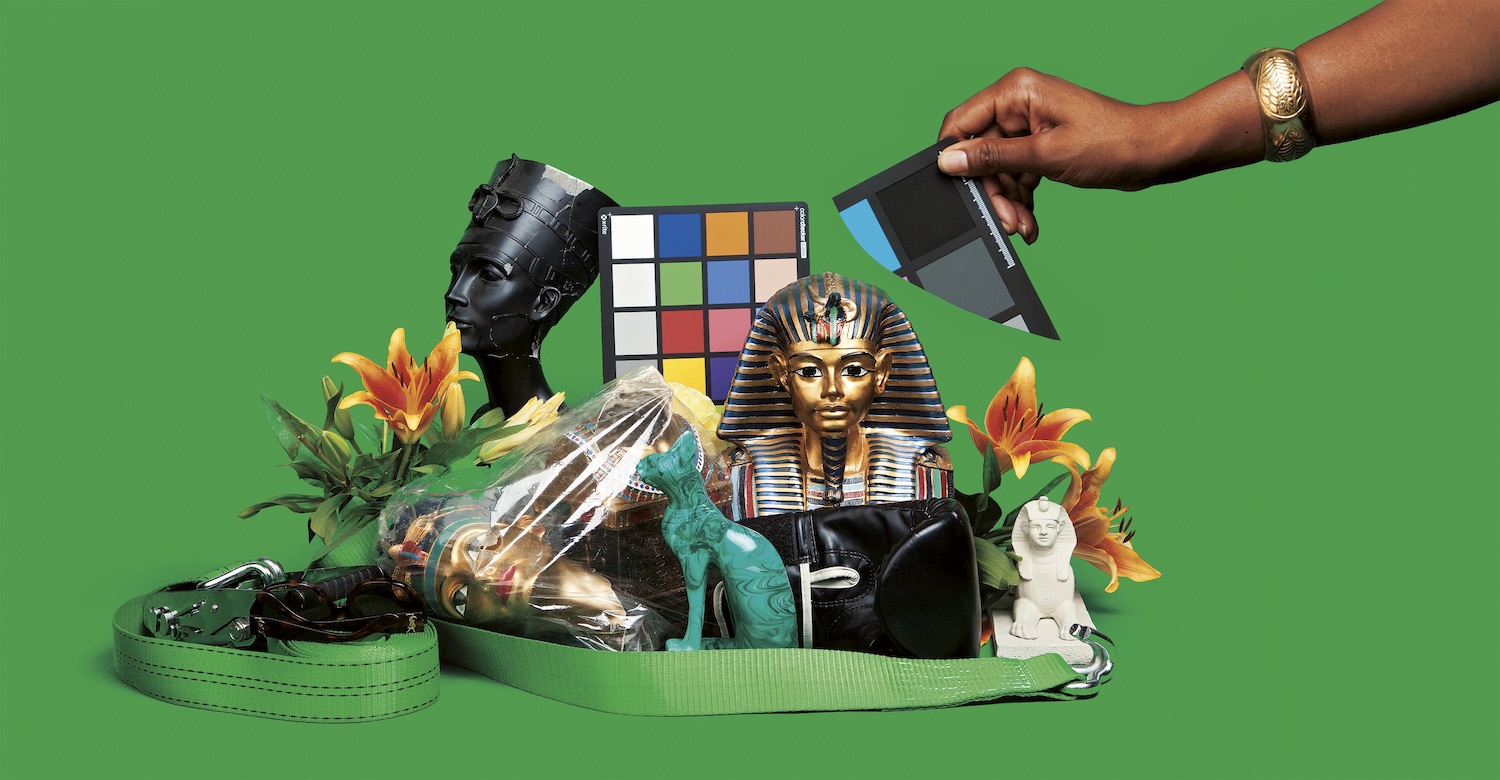
Awol Erizku, Untitled Still Life (Asiatic Lillies), 2017. Copyright Awol Erizku.
Khalila Douze: When did you start thinking about the concept for this book, and how did it come to fruition?
Antwaun Sargent: It really just came to fruition last year. Aperture, who do amazing photo books and have an amazing record in photography, asked me if I wanted to do a book [and] if so, what would it be? And I said I think the most exciting thing happening in photography right now is the way that black photographers working globally are thinking about identity, beauty, about photography itself, and how they can reimagine the possibilities of the medium. Almost a year later, we have The New Black Vanguard.
KD: How did you decide which photographers and works you wanted to include, and how did you approach compiling their work?
AS: In the book, you have a group of photographers who are not only thinking about art or fashion, they’re thinking about how those two mediums work together. There’s a deep sense of history of black portraiture in each of their photographs and each of their practices. I was looking at that, and one of the really interesting things is that this book is 300 odd pages long. It could have been 3,000 pages. There [are] just so many black photographers working in this way. For me, what it really came down to was having different points of view represented in the book. Across each of the portfolios, you get a different sense of a photographic concern. They’re grappling with concerns around identity, power, the history of the medium, but also how to create the possibility for a future desire or future kind of thinking. These images are very much in the present, but they reference the past, and they look towards the future.
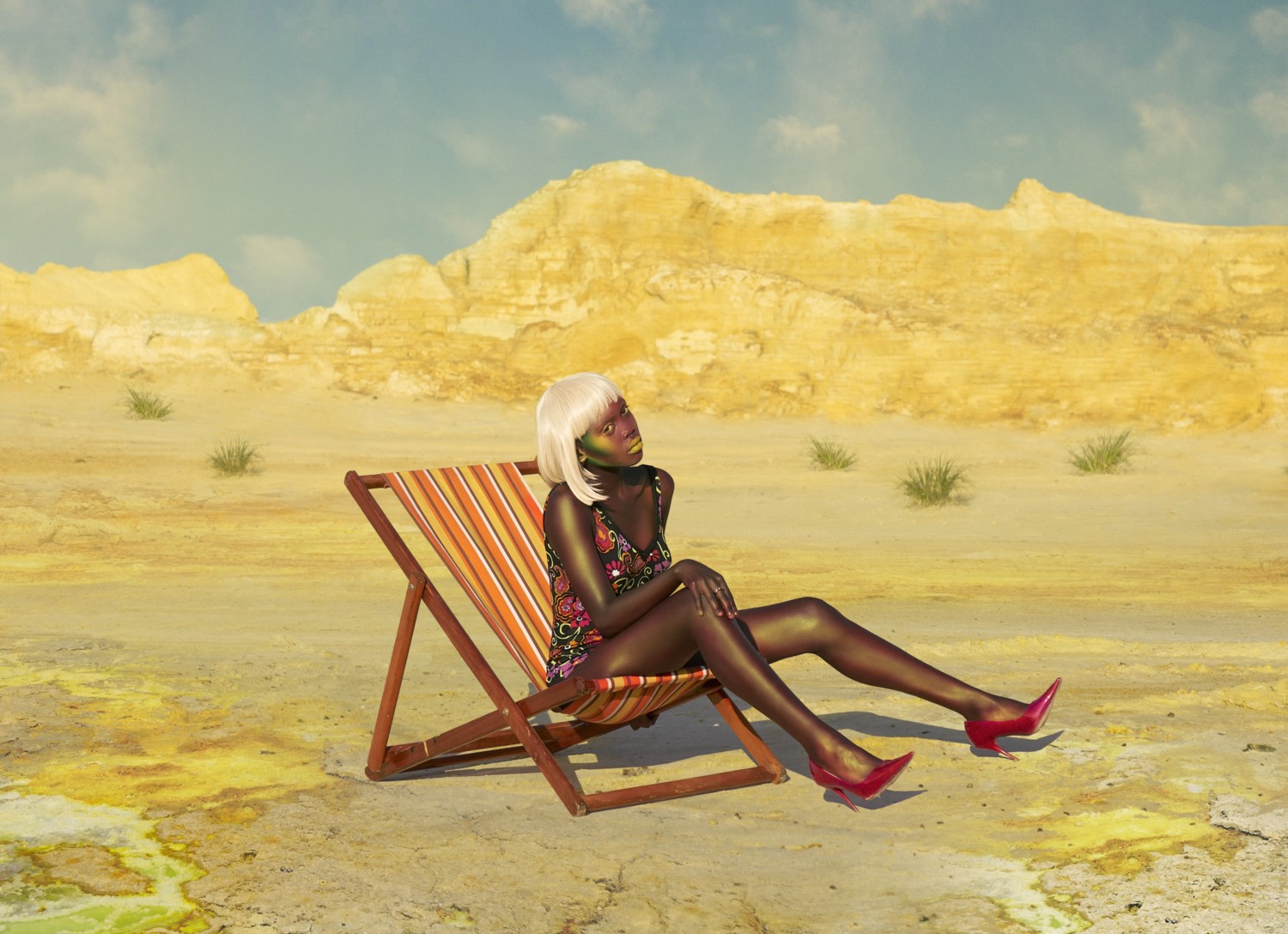
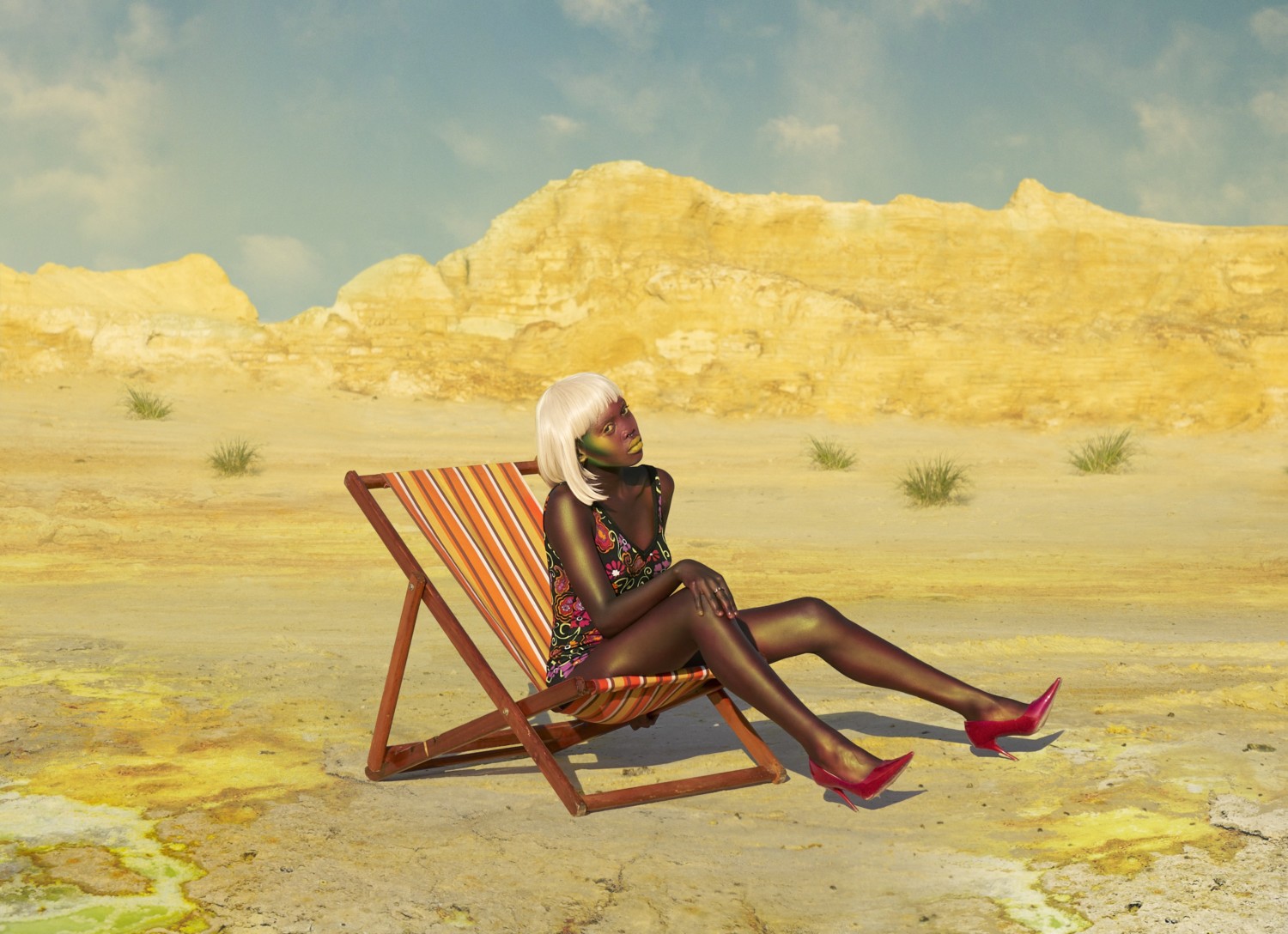
Jamal Nxedlana, Late Leisure, 2019. Copyright Jama Nxedlana.
KD: There’s a part in the book where you talk about the potential for agency in fashion photography. What is it about the fashion image in particular that allows for that?
AS: Fashion images are the most consumed images in our culture. We see them everywhere: billboards, on Instagram, on social media, in lifestyle magazines. I think that’s the language that most people come to understand the possibility of a photograph through. You get people, subjects and models and photographers really expressing their desires, and really thinking about the photograph as a site of construction. Particularly with fashion photography, you have so many people coming together to collaborate to make those images. From the hair people, to the makeup, to the fashion designer, to the photographer and also the editors. I thought that all of those decisions are really thoughtful, and those decisions are really concerted.
The people are making conscious decisions to present the body, or notions of beauty, or notions of identity, in a certain way. It can be a space of documentation, but the fashion image is a space where all other genres of photography collide. If you’re thinking of someone in the book, Nadine Ijewere, a British photographer – she loves a location. Her images of black women are often in these lush landscapes. In that image, you have landscape photography colliding with fashion photography, colliding with portrait photography, [and] all of these kinds of ideas around genres, and the mixing of genres, happens all the time in a fashion image.
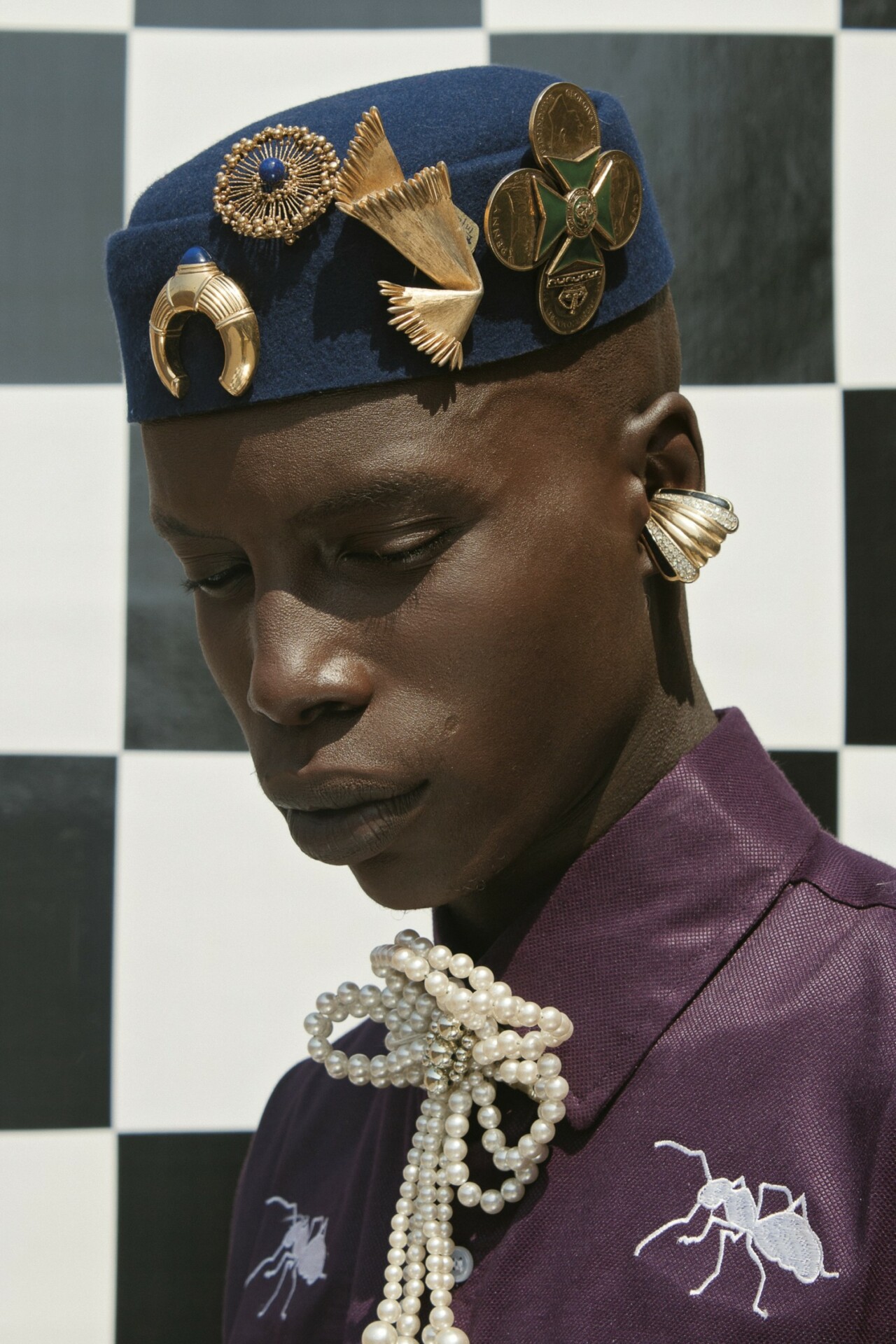
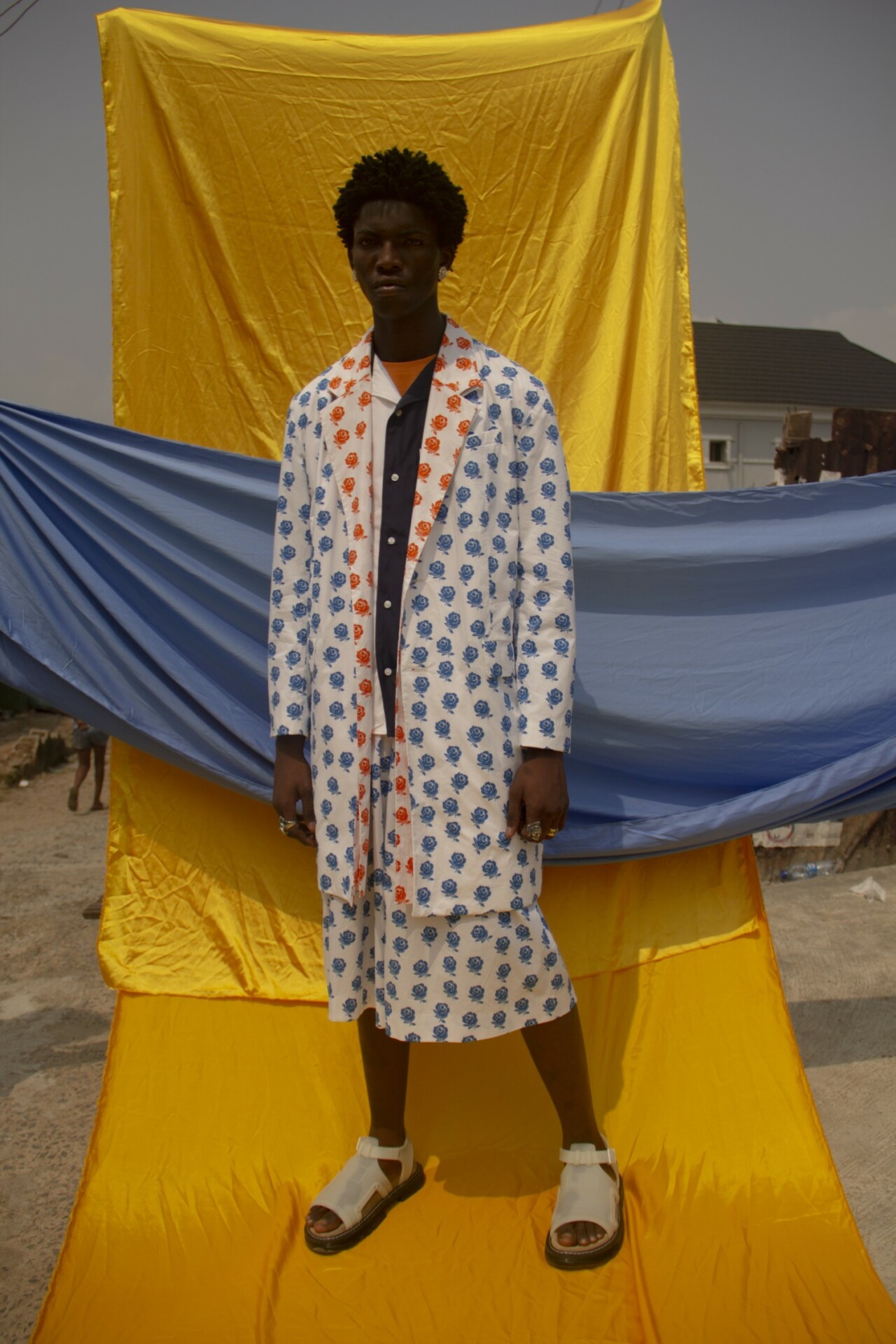
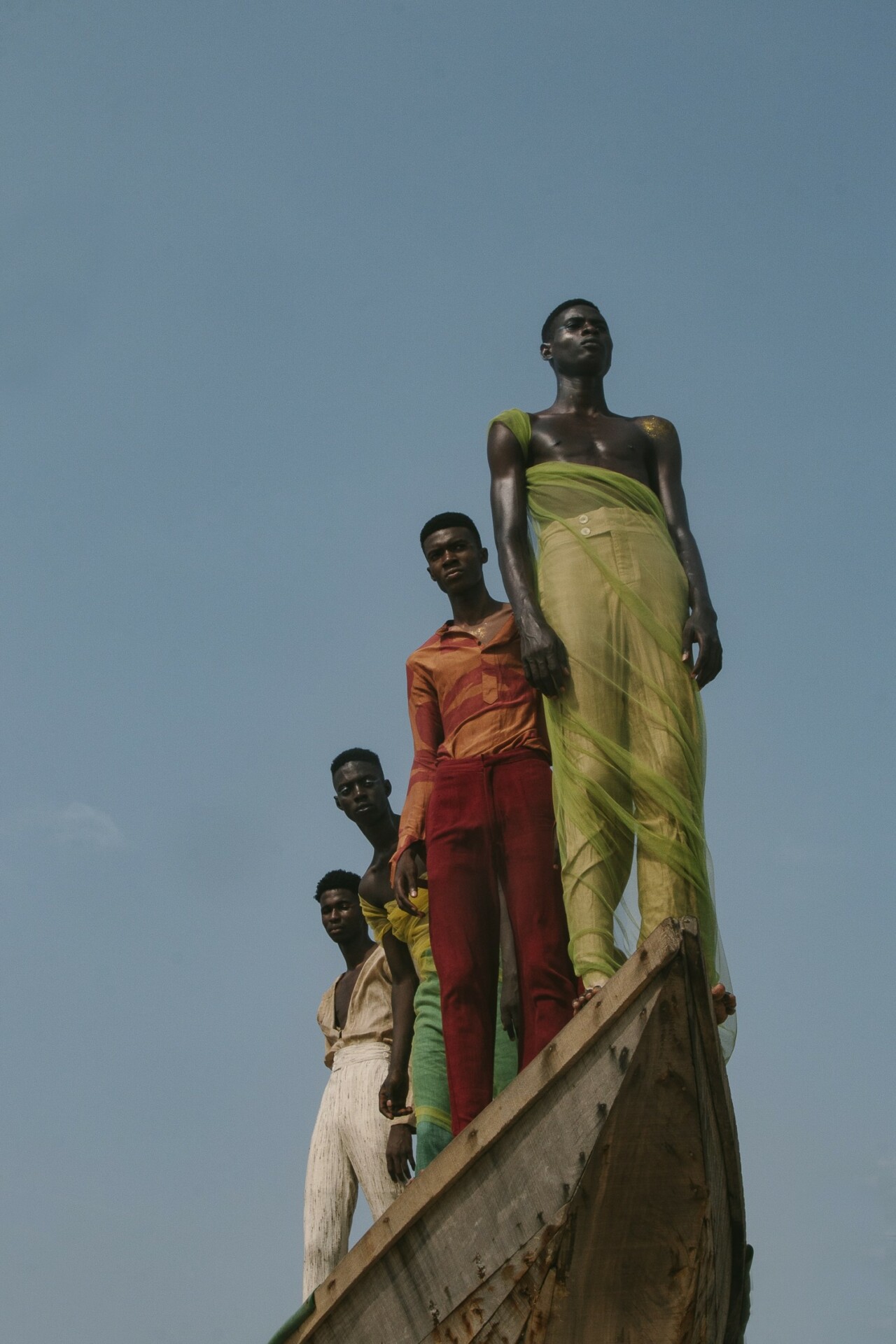
Left: Daniel Obasi, An Alien in Town, Ikayi, Lagos, Nigeria, 2018. Copyright Daniel Obasi. Right: Stephen Tayo, Pedro Street, Lagos Nigeria, 2019. Copyright Stephen Tayo.
I’m black, I write about black artists, but it’s not just about blackness. It is also about the representation of everybody else."
KD: What do you think the static image in particular allows us to communicate?
AS: The static image is the shorthand of our world. It’s how we read the world. Those static images are supposed to be documentations of our reality. I think that for so long they’ve been instruments of power. Until recently, we didn’t really see black photographers [or] images in mainstream magazines. We’ve had to create our own magazines: the Ebony’s, the Jet’s, The Black Photographers Annual, those magazines we’ve had to create ourselves because we needed to – so we can be able to control our images, control our representation.
To quote the epigraph that begins the essay in the book, “Control over the image is central to power.” The static image has been used to assert certain narratives to exclude certain people, to create stereotypes of certain people. This group of photographers have recognised the power of the photograph and are using that power to tell different stories, to widen the scope of what can be seen in a photograph and widen the scope of what black identity is. In this book, you really get a sense of the breadth and depth of blackness.
KD: Thinking about someone like Renell Medrano, who started by posting her images on Tumblr, how important is it that institutions like Aperture, Vogue or the art schools where some of these photographers have studied are recognising and publicising their work? How important is it that this happens instead of these artists creating their own platforms and disseminating their own images?
AS: The representation that I’m after: Was anyone transformed? Were you moved to do something? That is the possibility of art. That is the power of art in general [to] inspire a better world. We are the institutions. Institutions are just people. I do appreciate what Aperture has done, and I do appreciate what Vogue is doing on their covers but also, the people need to change. I’m 100% grateful for being able to do this book, but I also do know that each institution is also responsible for the situation we’re in. It’s one thing to pat Vogue on the back for doing the Tyler Mitchell cover and for later giving [British photographer Nadine Ijewere] a cover, making her the first black woman to shoot for the cover of Vogue [last December]. I think those are wonderful things and they should be applauded and they are historic, but they aren’t enough, and they are definitely a little too late. How many other black people have shot the cover of Vogue in the last year? It’s not enough to do the one-and-done. Throughout history, we’ve seen the one-and-done. We’ve seen that be a function of white supremacy. Because these institutions are people, it is incumbent on us to still make demands. Beyoncé and Tyler, that was amazing and we needed that. After that moment, we were able to say, “Oh wait, there are a whole lot of other people deserving of a cover. There’s a whole lot of people that you overlooked.” It was a watershed moment.
I’m black, I write about black artists, but it’s not just about blackness. It is also about the representation of everybody else. You think about what happened in the civil rights era – I’m not equating what I’m doing, but I am drawing an analogy – it inspired the women’s movement, it inspired the gay rights movement. It was a chain reaction and I think that’s the best possible outcome.
Although this project is amazing, and I always feel like I am running a race, we’re not moving fast enough. This book is an opportunity for us to reflect on the fact that this is great, but we have so much more work to do.
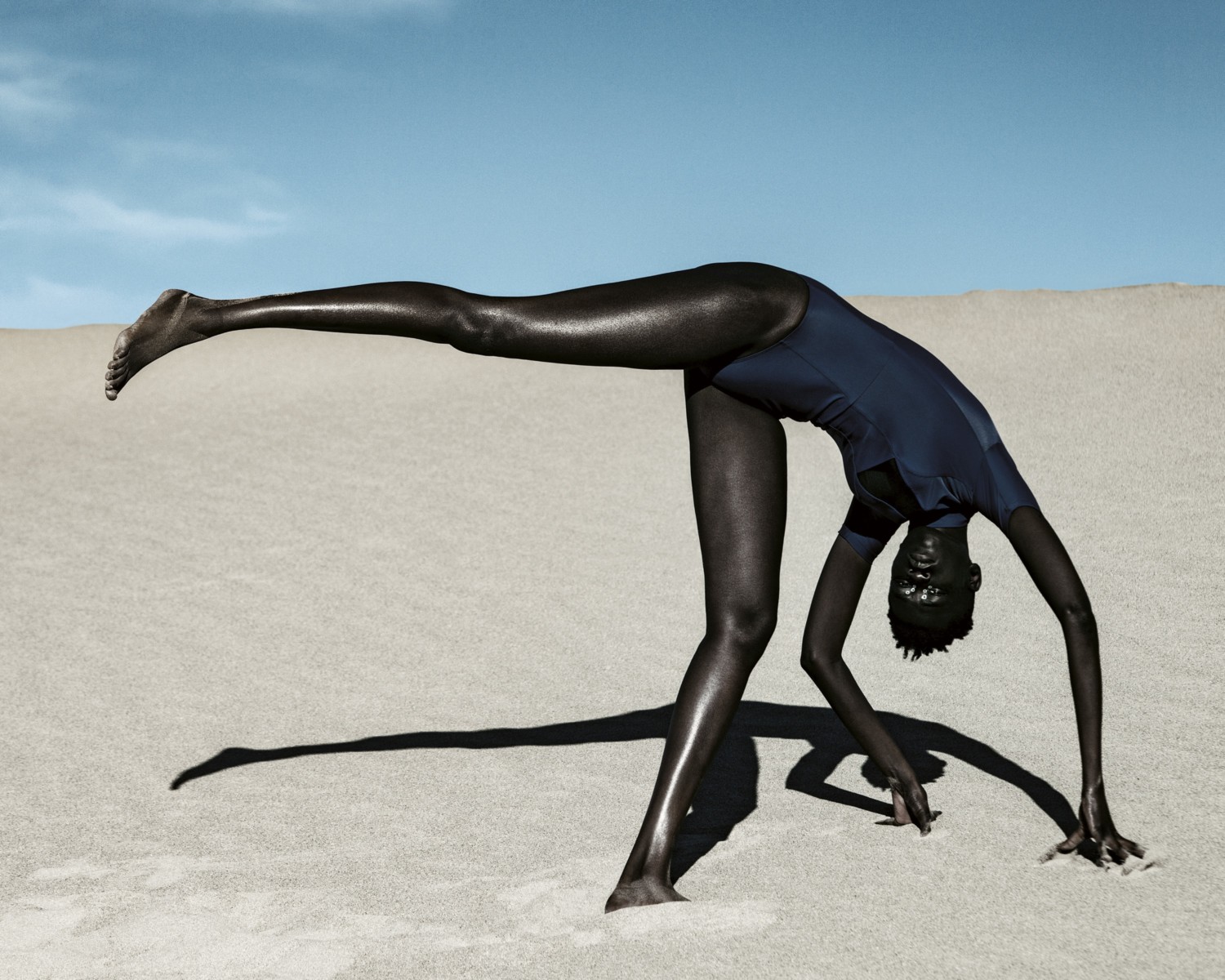
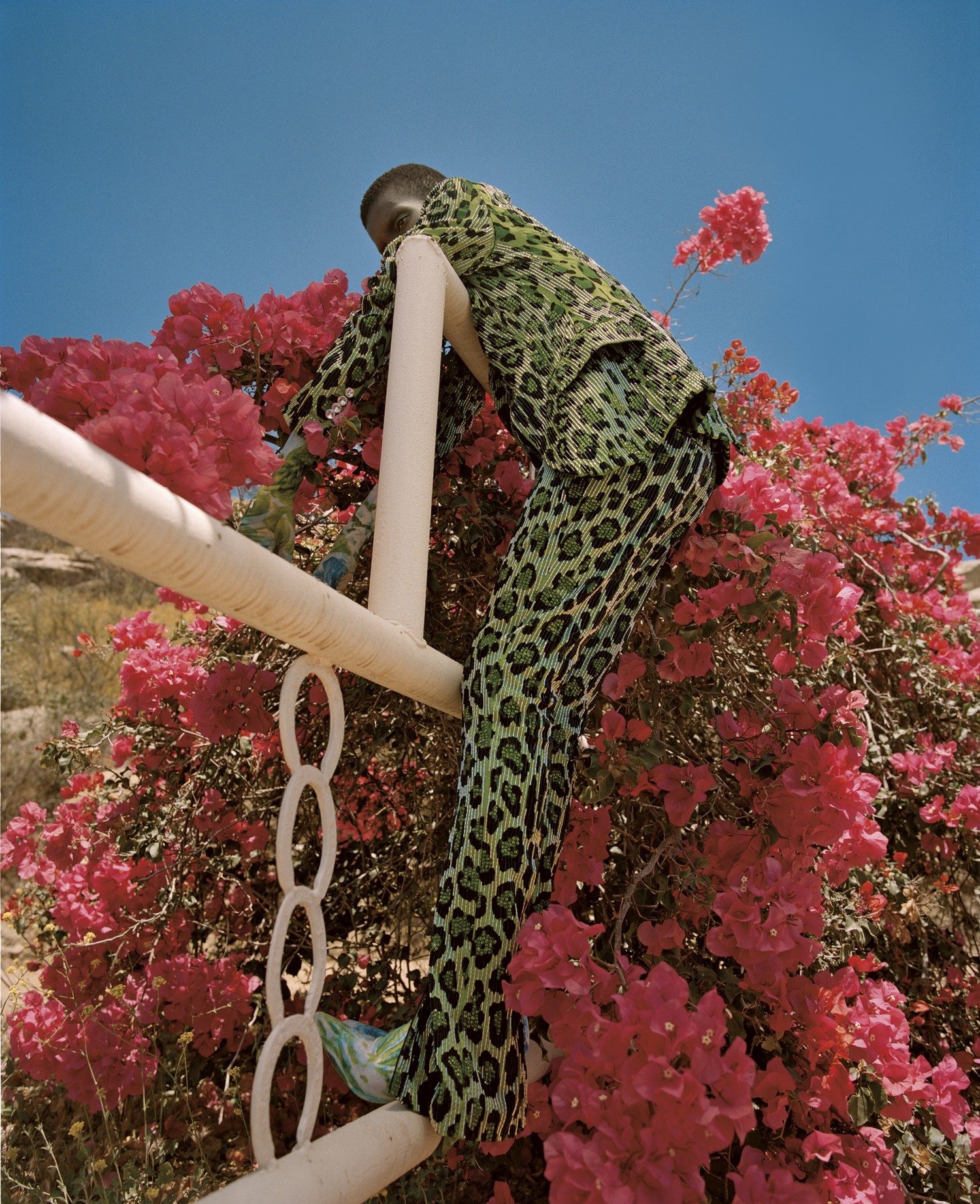
Dana Scruggs, Nyadhour, Elevated, Death Valley, California, 2019. Copyright Dana Scruggs.
KD: In the book, photographer Shaniqwa Jarvis talks about being frustrated with getting pigeon-holed and only getting assignments to shoot black men (“I’d gladly speak about that side of me, but that’s now allowing me to fully represent who I am”). What do you think about that?
AS: The capacity to understand the black body is very limited. What you don’t see is a universality with the black body and the black subject. If black photographers shoot black people, just like white photographers shoot mostly white people, you never question whether the white photographer is going to be pigeon-holed? Why is that? Because of the status of the black body in our society. It’s not so much of a pigeon-hole, it’s “You’re fucking racist”. That’s what it is. What should be articulated is that the magazines only see you in a certain way, and that’s what needs to be challenged. I think Awol has a really great quote in the book where he says something like, “I’m trying to elevate blackness to the same universal standard as whiteness.” So, when you look at a black body no matter who you are, you can identify with it.
The thing is we have to keep problematising. I don’t think we get anywhere if we say, “I don’t only shoot black people.” Why not? That’s who you are. Why can’t you take pride in that? Why can’t the black body also contain multitudes? That’s what we need to be pushing back on. There’s beauty, there’s power, there’s alienation in the black body. It contains it all.
See more from the book below:
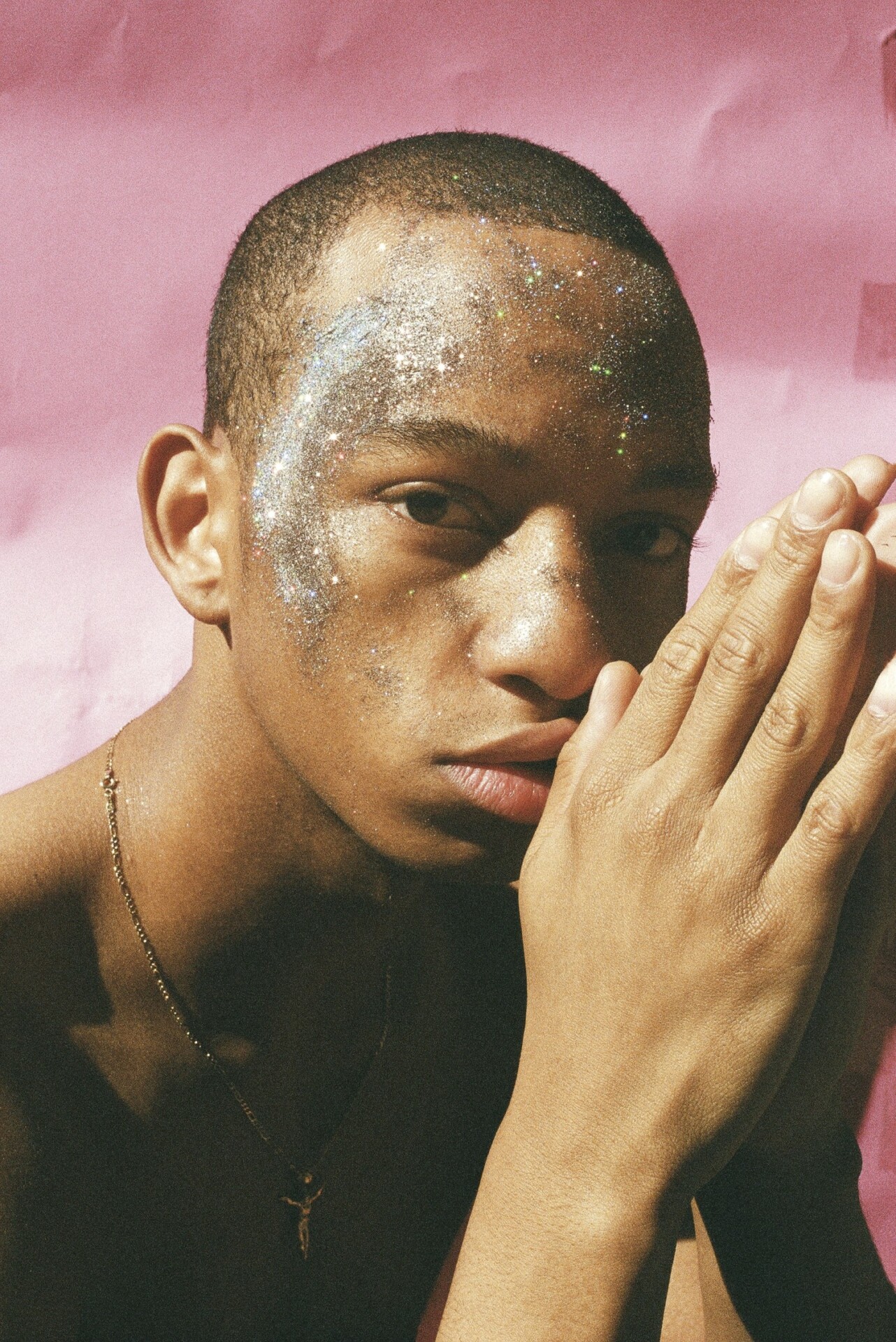
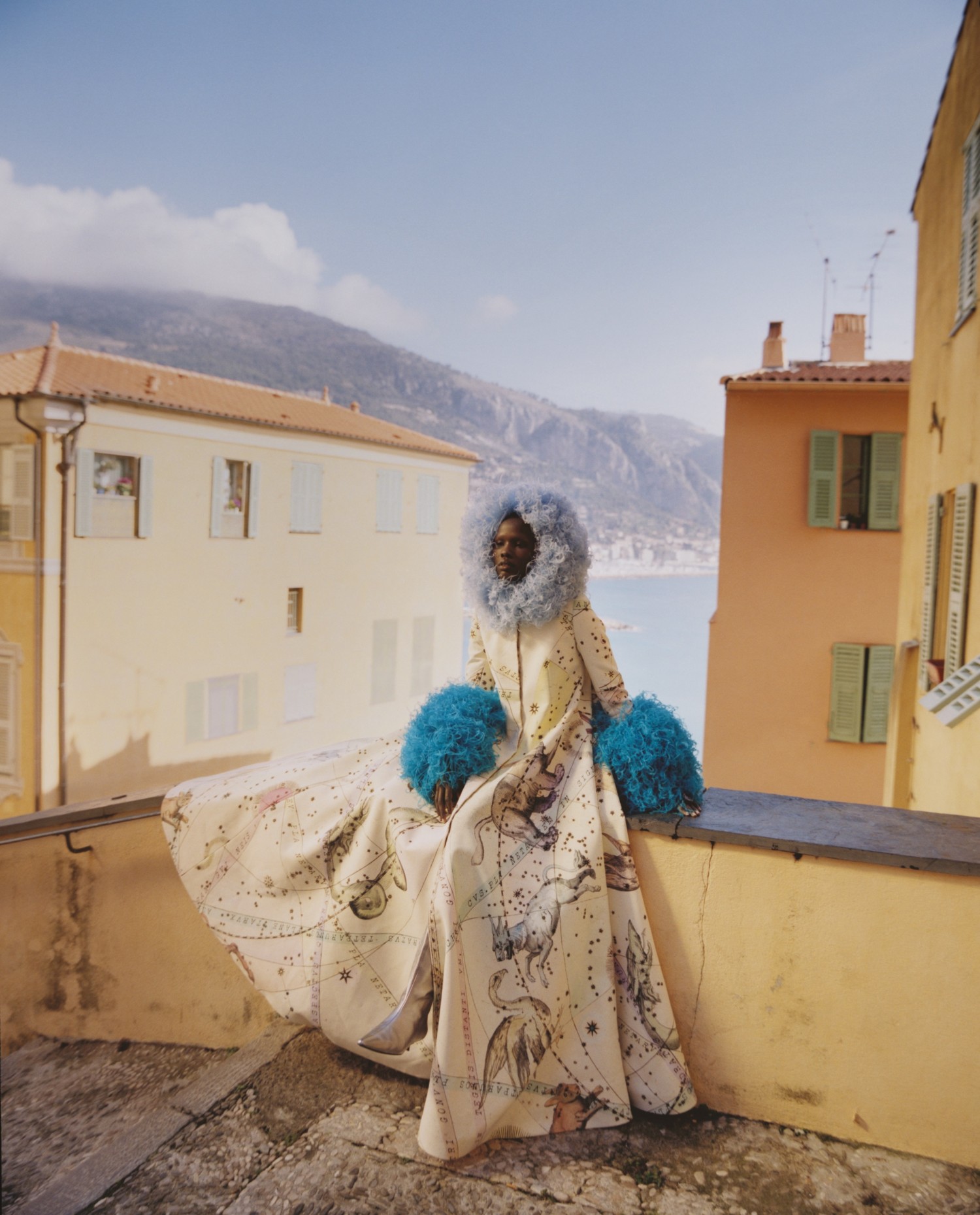
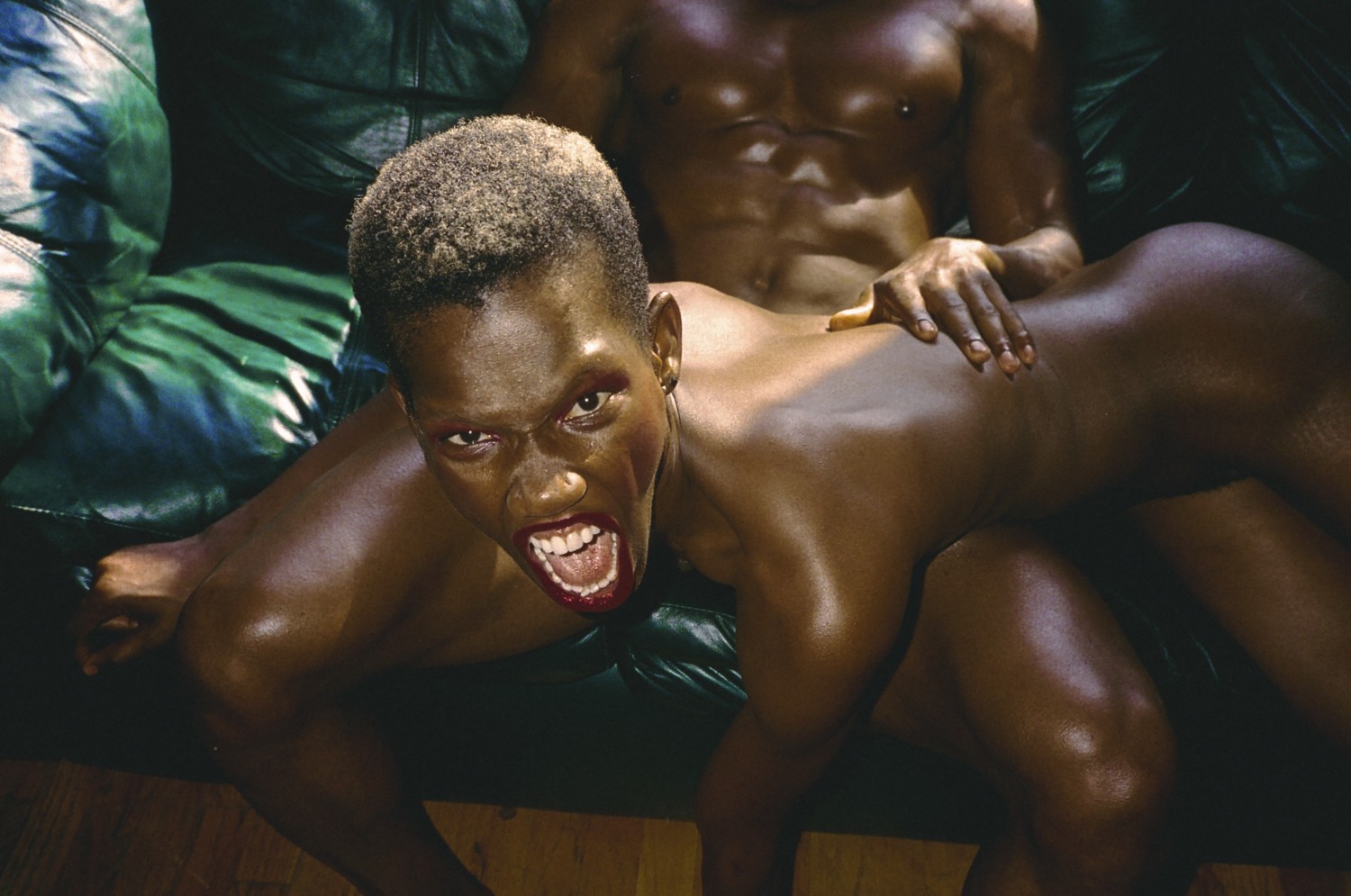
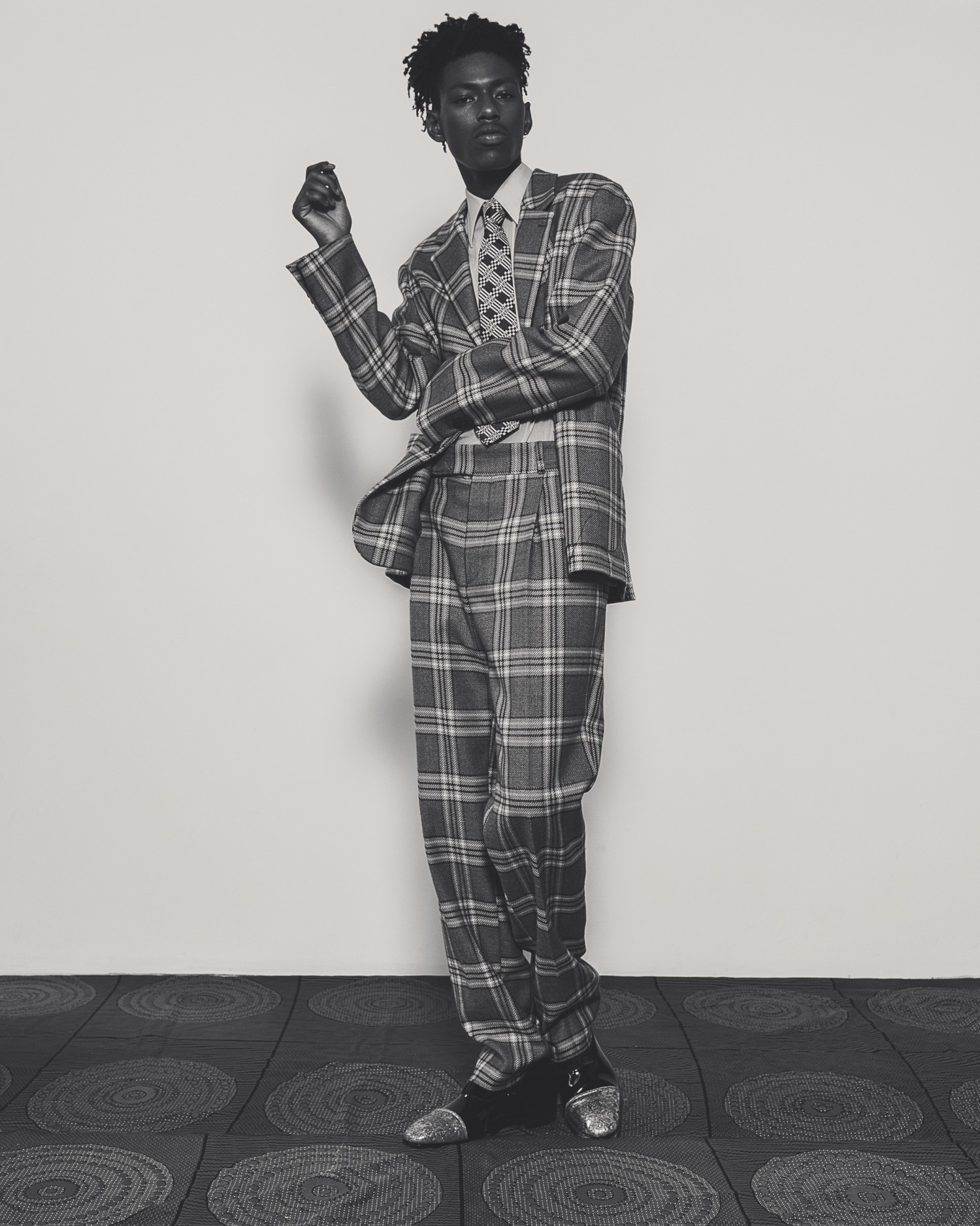
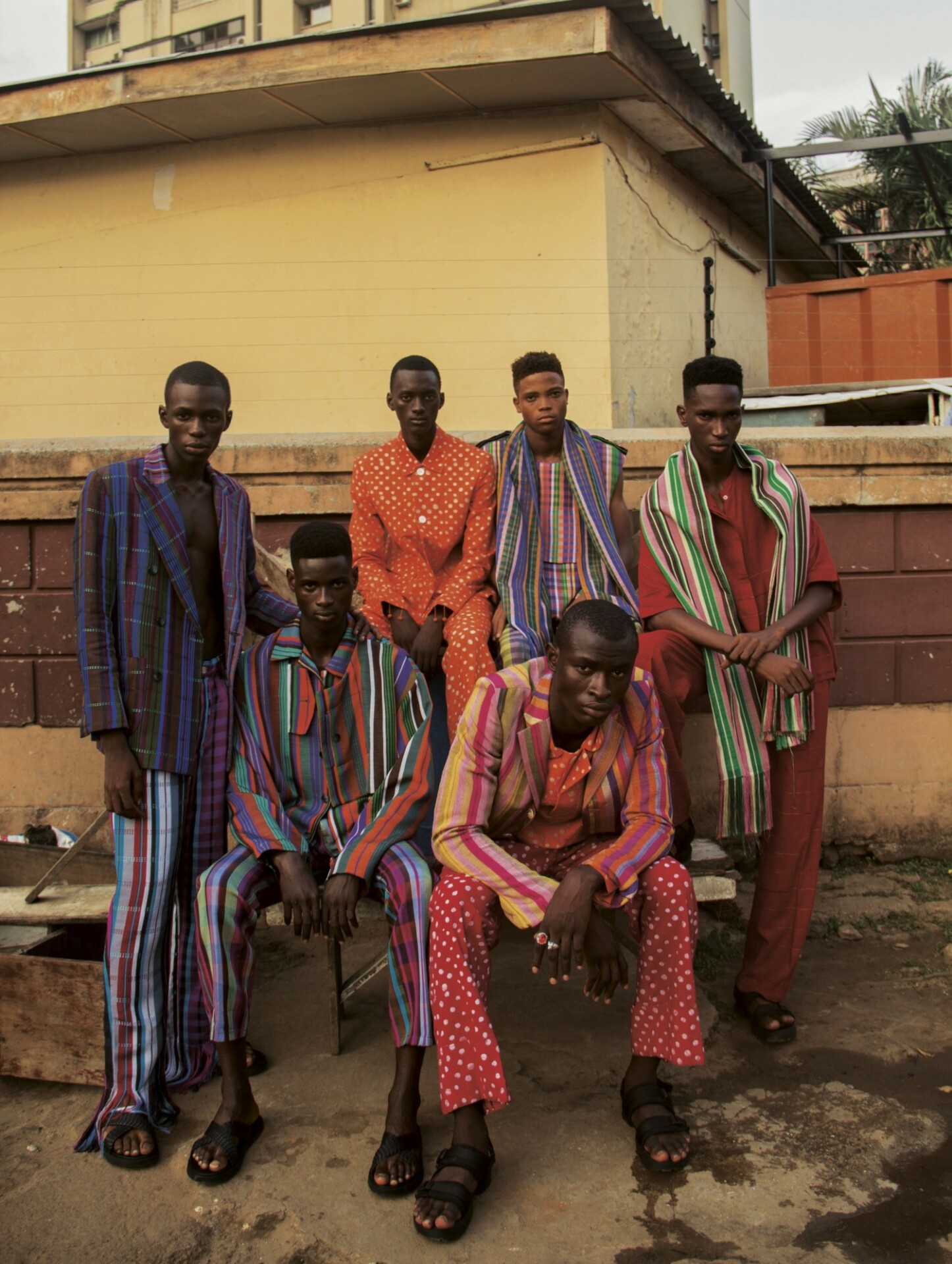
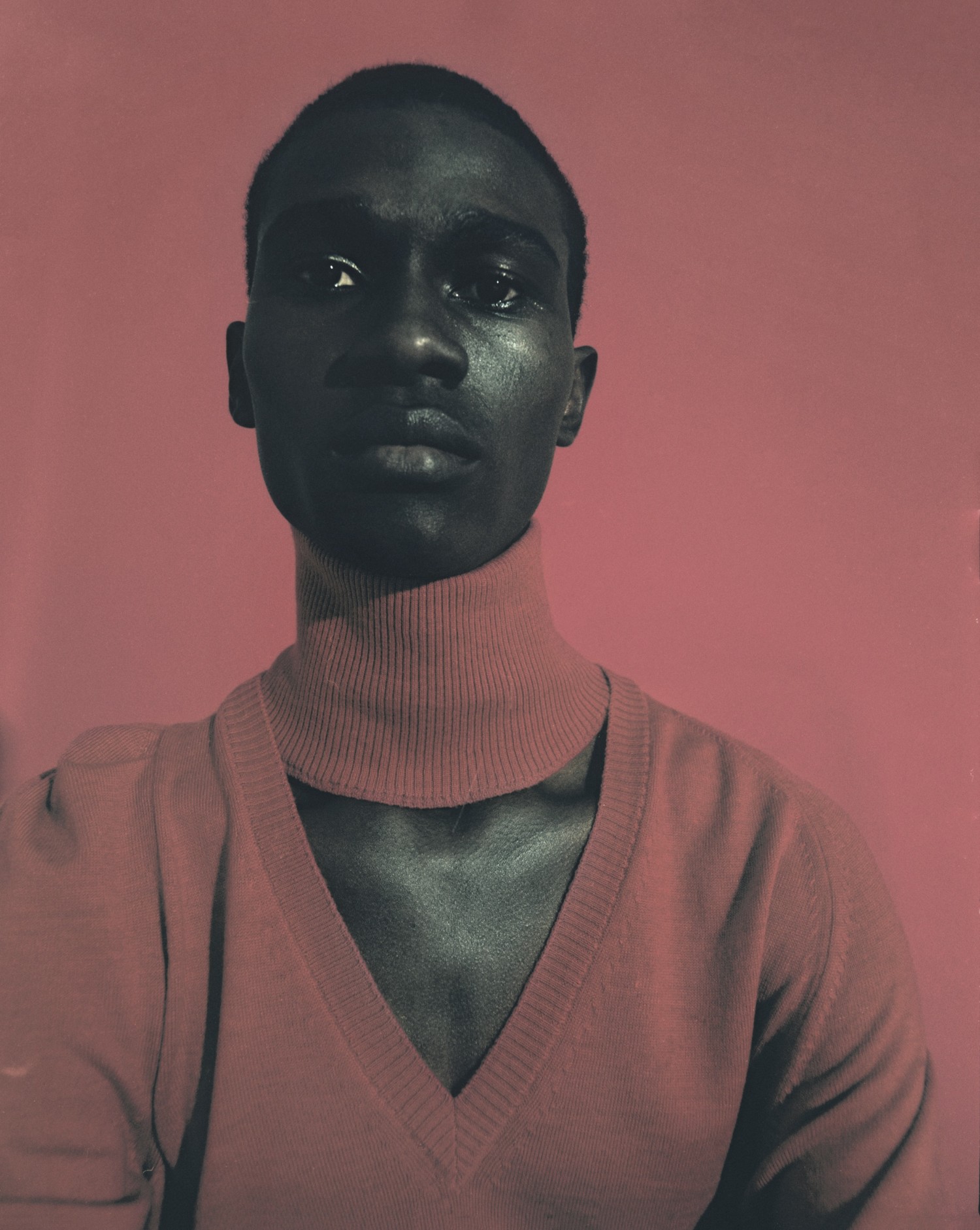
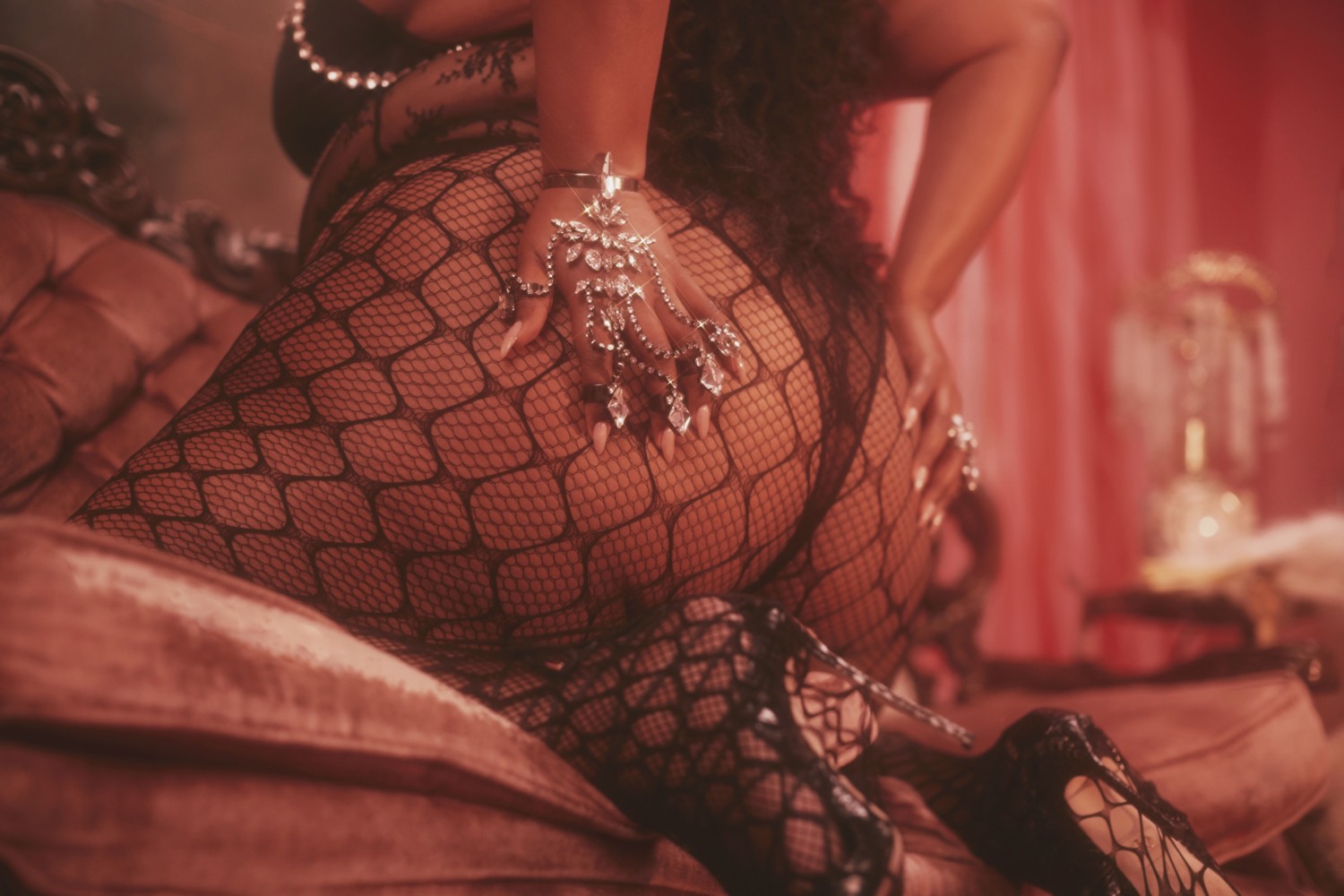
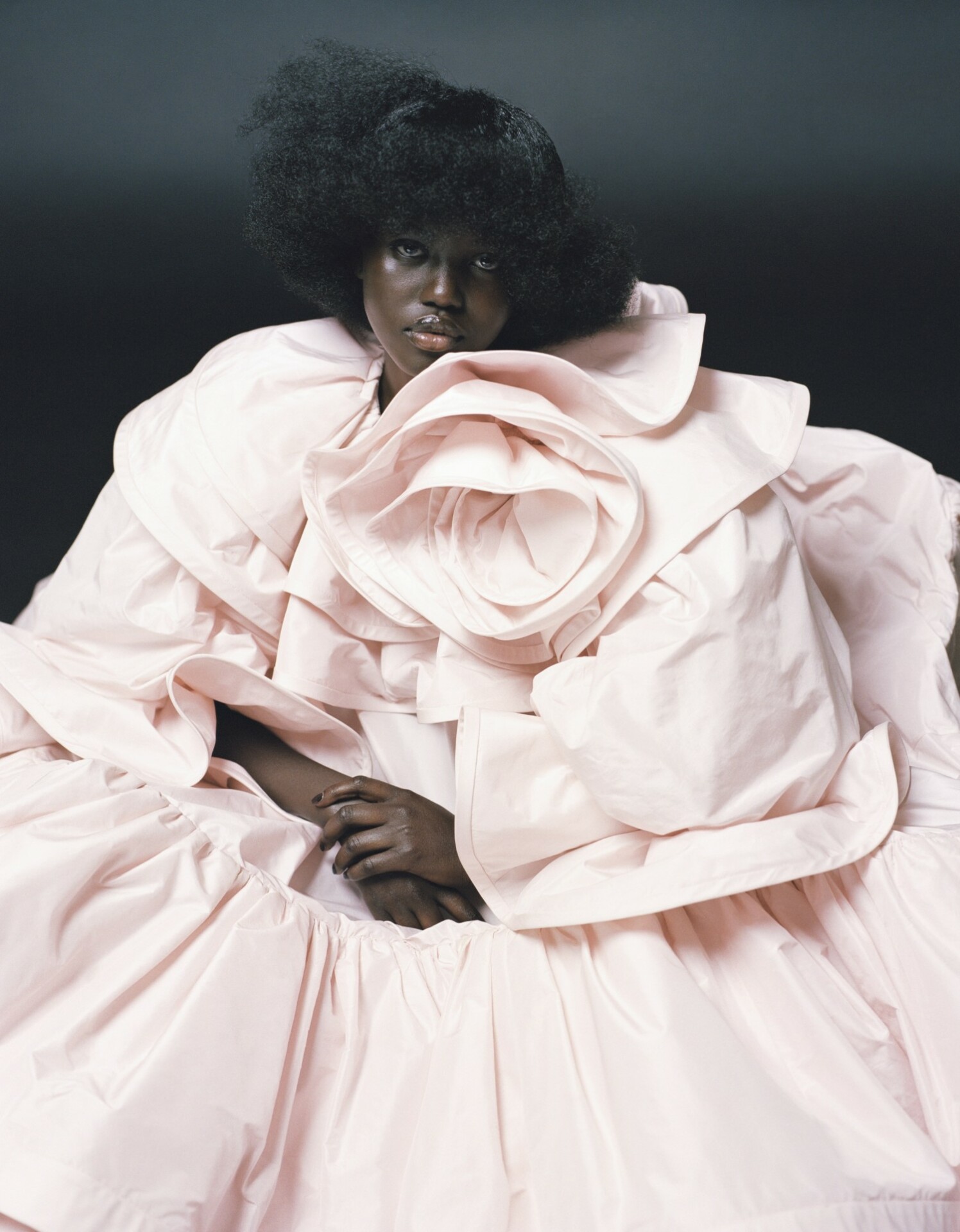
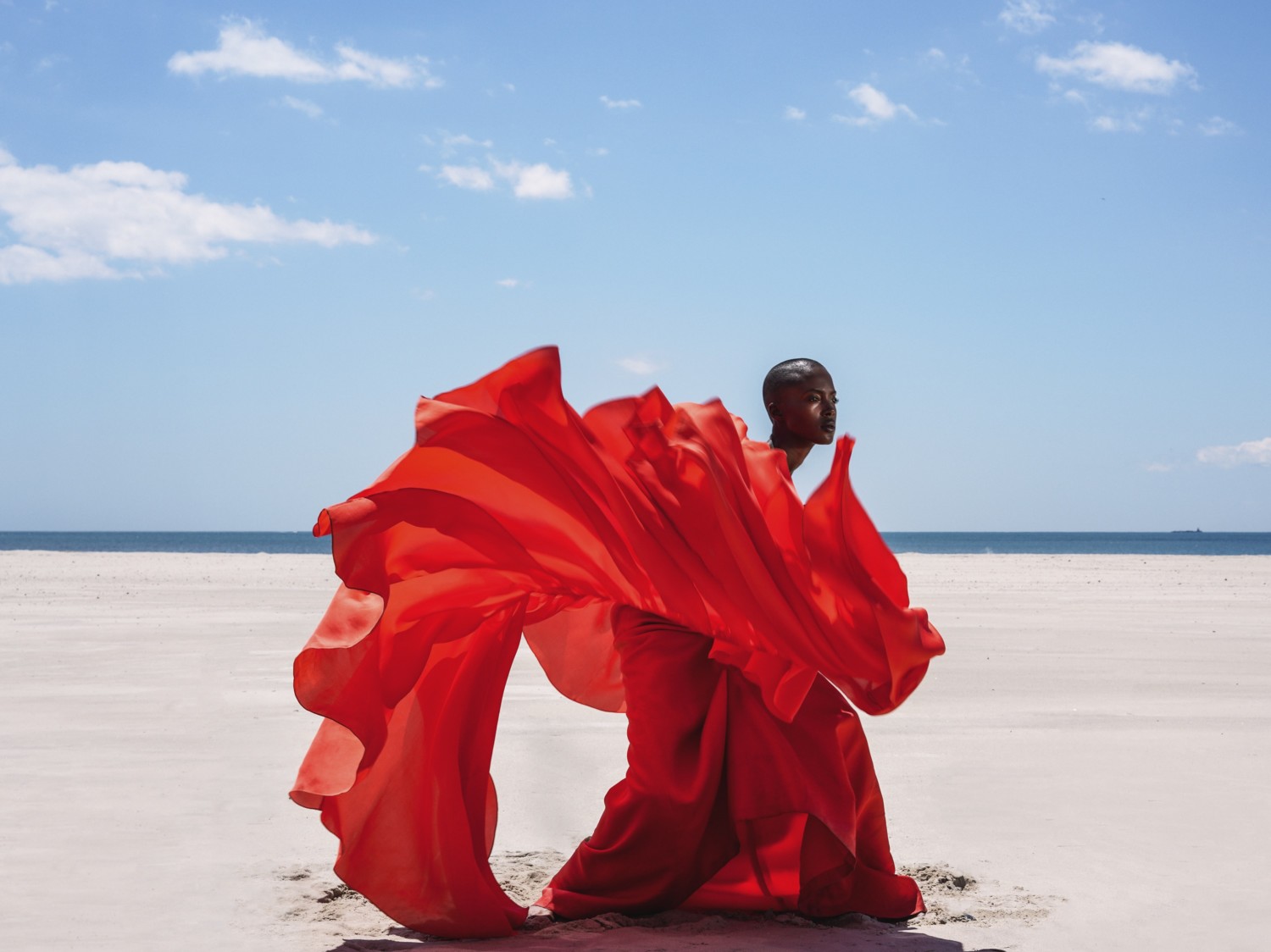
The New Black Vanguard is available now from Aperture.
All photographs from The New Black Vanguard (Aperture, 2019).
This article originally appeared in SLEEK 64, jetzt erhältlich.