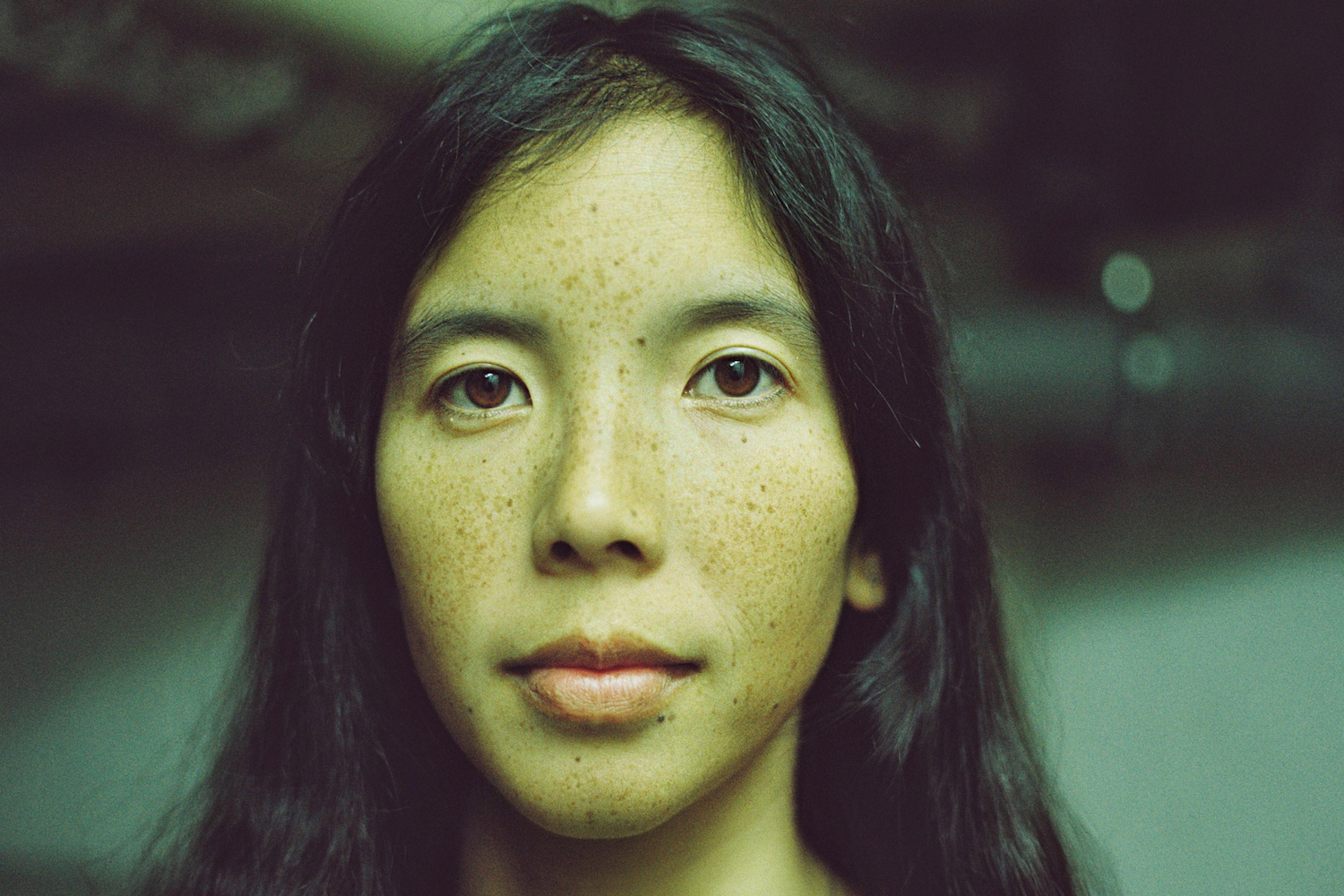
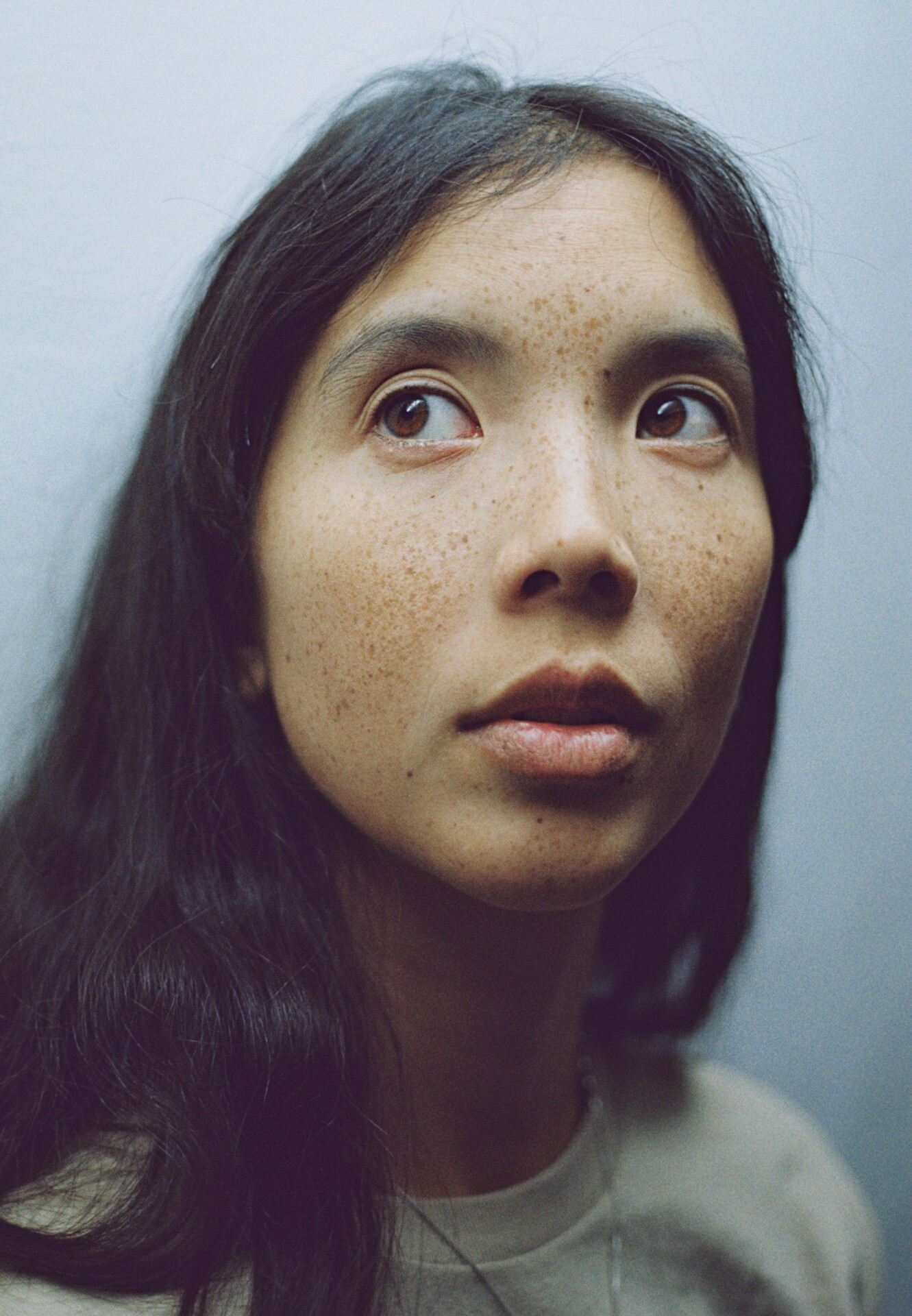
Ana. Photo: Dani Coyle
Growing up in small-town Britain, Dani Coyle, who is from Swindon in the South West and is now based in Berlin, thought she was the only intersex person in England. For years, the only reference points she had for her body were either clinical, or wildly inaccurate based around suffocating “hermaphrodite” stereotypes and jokes—both lacking in humanity. So, Coyle turned to photography, not only to connect with other intersex people, but also to create the representation she wishes she had seen when she was younger. Through her Instagram account and art project Inter Face, Coyle meets up with intersex people—who make up roughly 1.7 percent of the global population—from around the world and takes their portraits.
We spoke to her to get her thoughts on working in the German capital, ways to create more representation and how to celebrate International Women’s Day this Sunday.
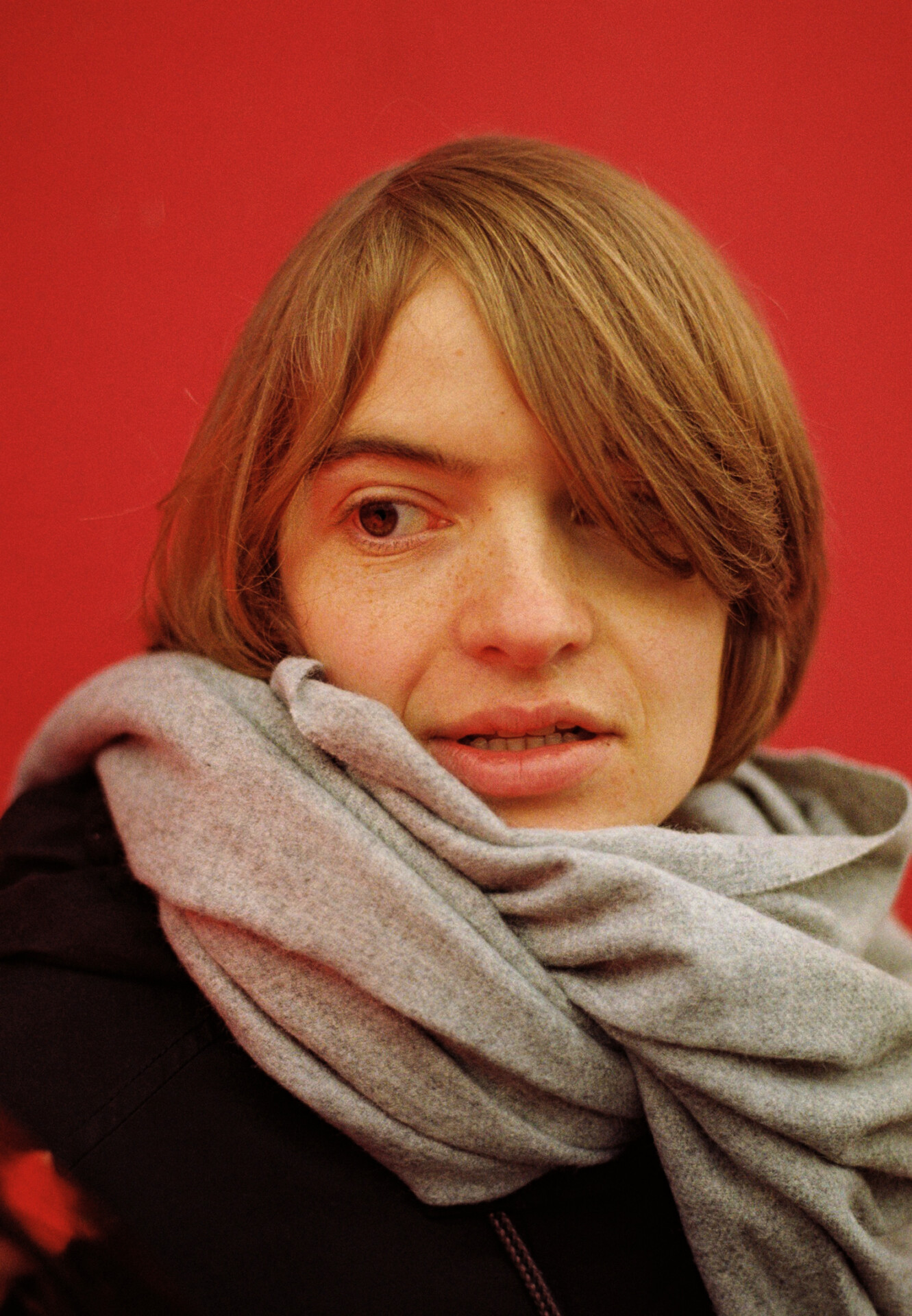
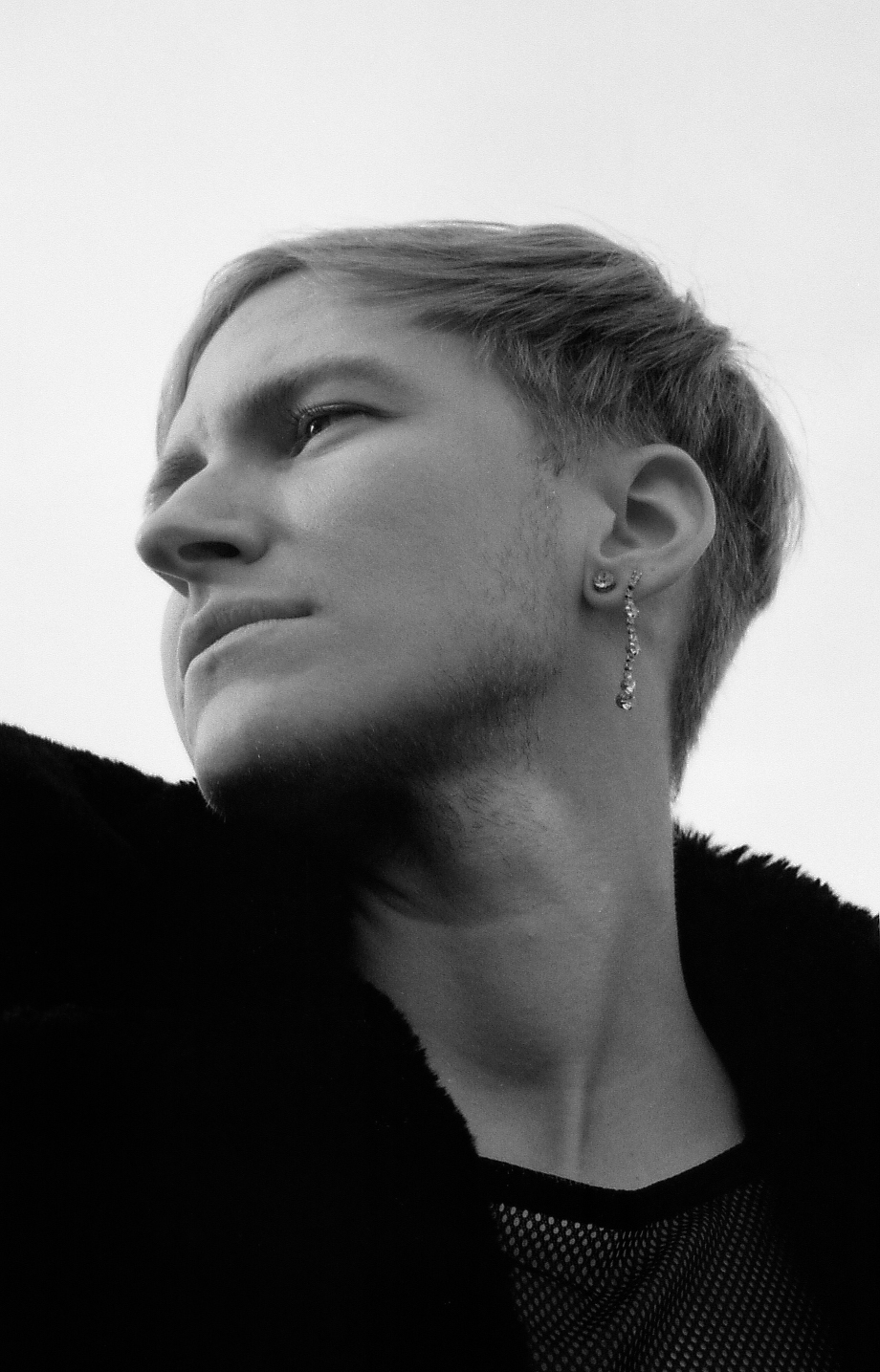
Left: Micha. Right: Noah.
How did the Inter Face start?
Originally I was pretty shy about meeting other intersex people and really didn’t want to send messages, saying do you want to go for a drink to talk about our life experiences? The portrait series was a really good way to meet other people and sort of hear about thhings that they’ve started.
When you photograph people, what are the things you keep in mind, or try to show?
I just want to make sure that they’re happy with the pictures themselves. I really want it to show the diversity, because I feel like a lot of the time queer people and intersex people are really shown old stereotypes. People think of hermaphrodites and both sets of genitalia and all of these mythical creatures and that they are really weird. I wanted to show that we’re actually a group of normal people and we’re all so different that you can’t really attach a stereotype onto us because there’s just so much variety.
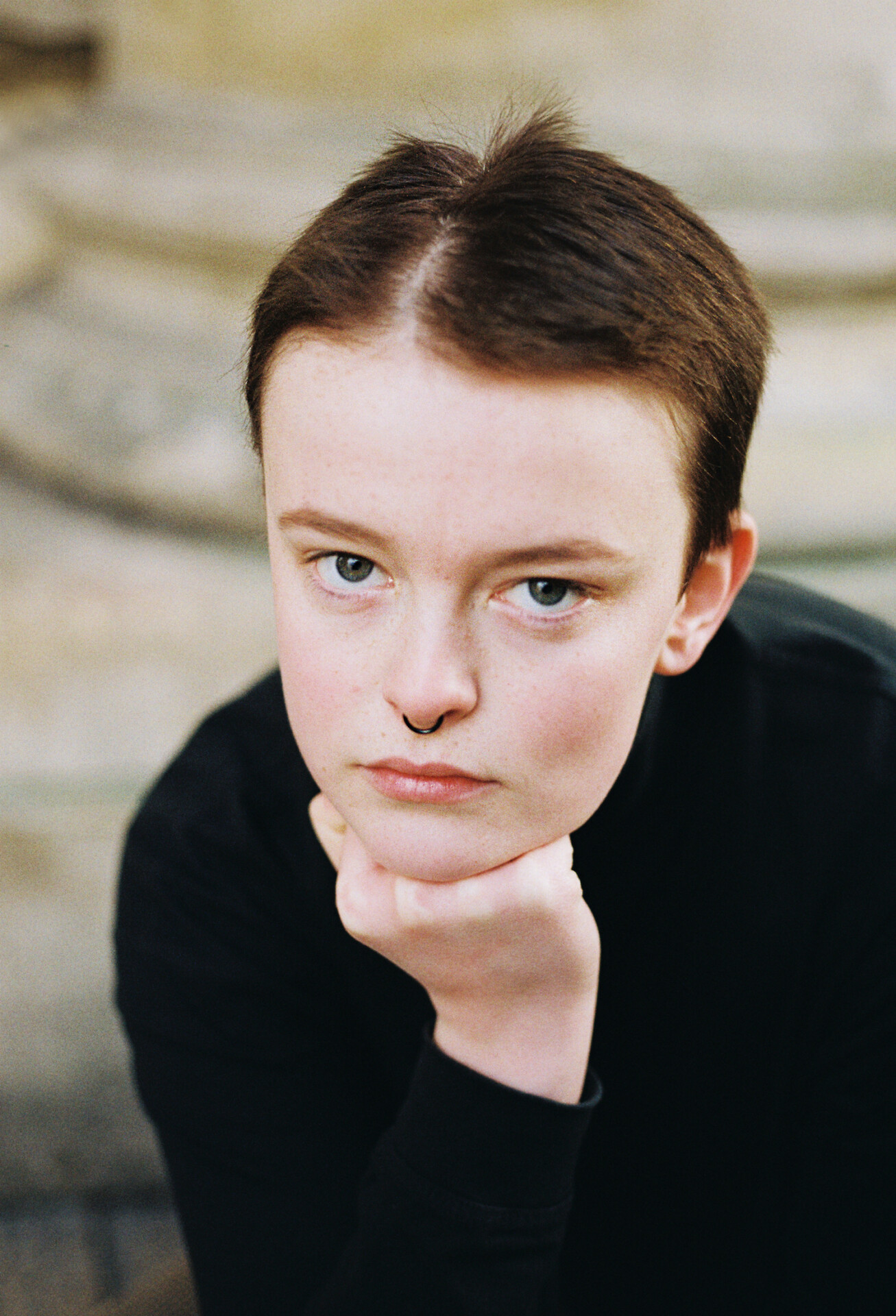
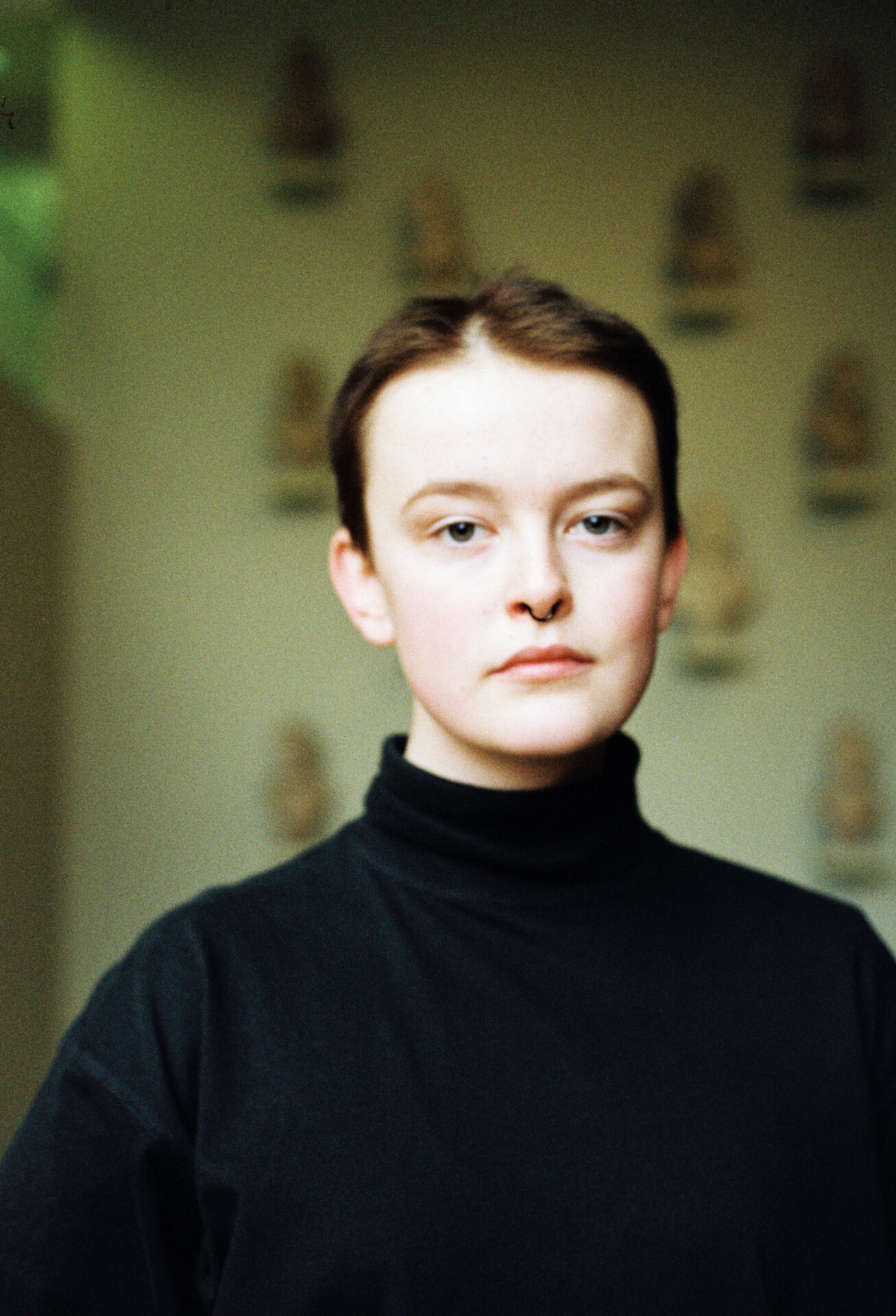
Rachelle
The pictures seem intimate—do you think this stems from the fact that you are showing your own community, rather than as an outsider documenting intersex lives?
I think that’s so important because it’s reclaiming our narrative. We’re telling our story for the first time as opposed to having other people tell it. We’re actually the ones who get to share our experiences in the way that we want them shared. Which hasn’t really been done before. It’s still so medicalised. We’re sort of seen as anomalies rather than people, so yeah I think that’s the important thing that the photos are taken within the community.
Do you find when you connect with other intersex people that you have more in common or more differences?
Intersex is a really big umbrella term for lots and lots of differences in sexual development. I think when I was younger I thought that finding intersex people would be like coming home, but we all have really different experiences. It was kind of difficult to accept—I thought we were all going to meet and it would be like one big family and obviously you can’t expect to unburden yourself onto people. It’s just like anything else—some people you really bond and connect with, and other people not so much. I think that’s just a part of being in a big community.
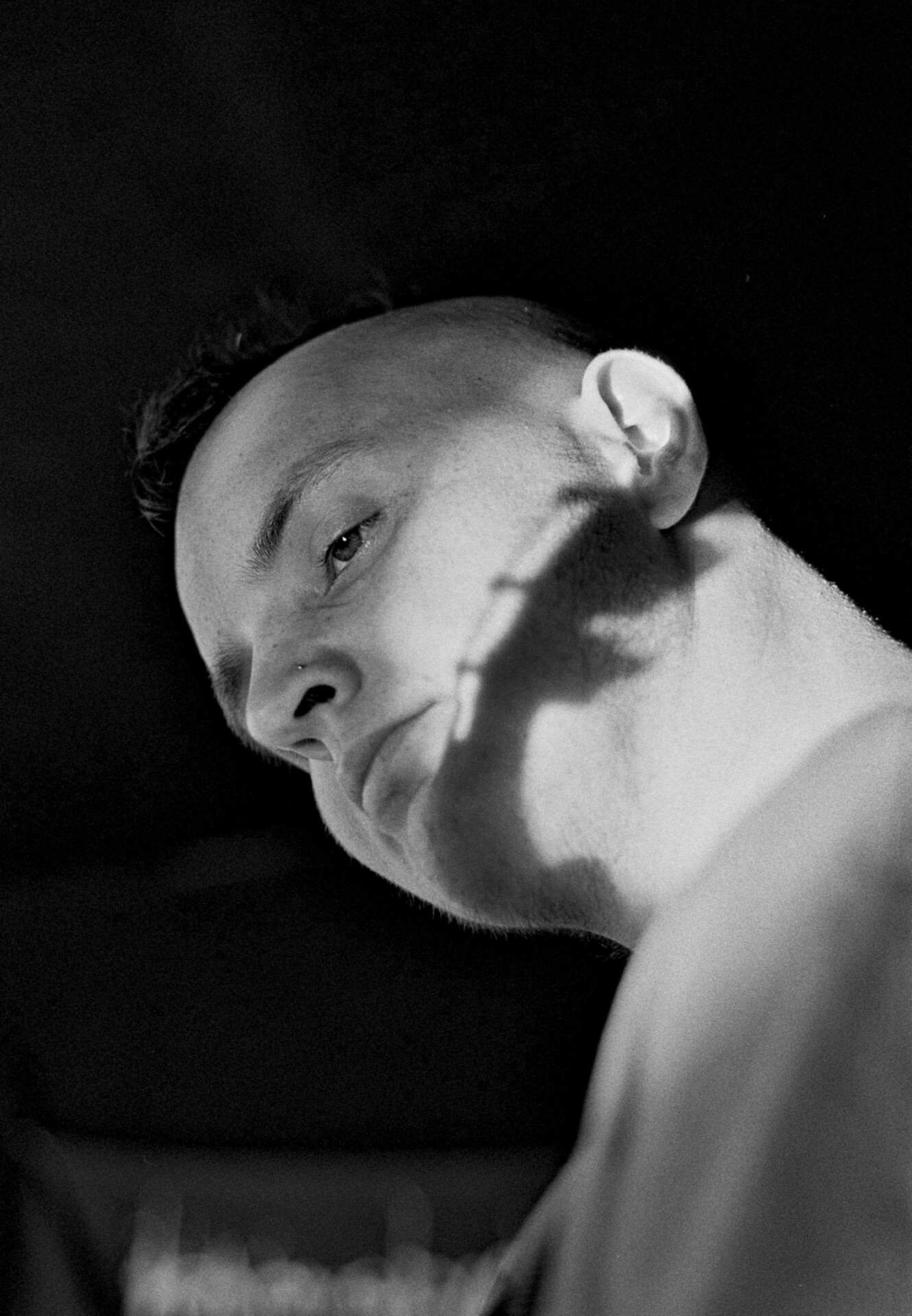
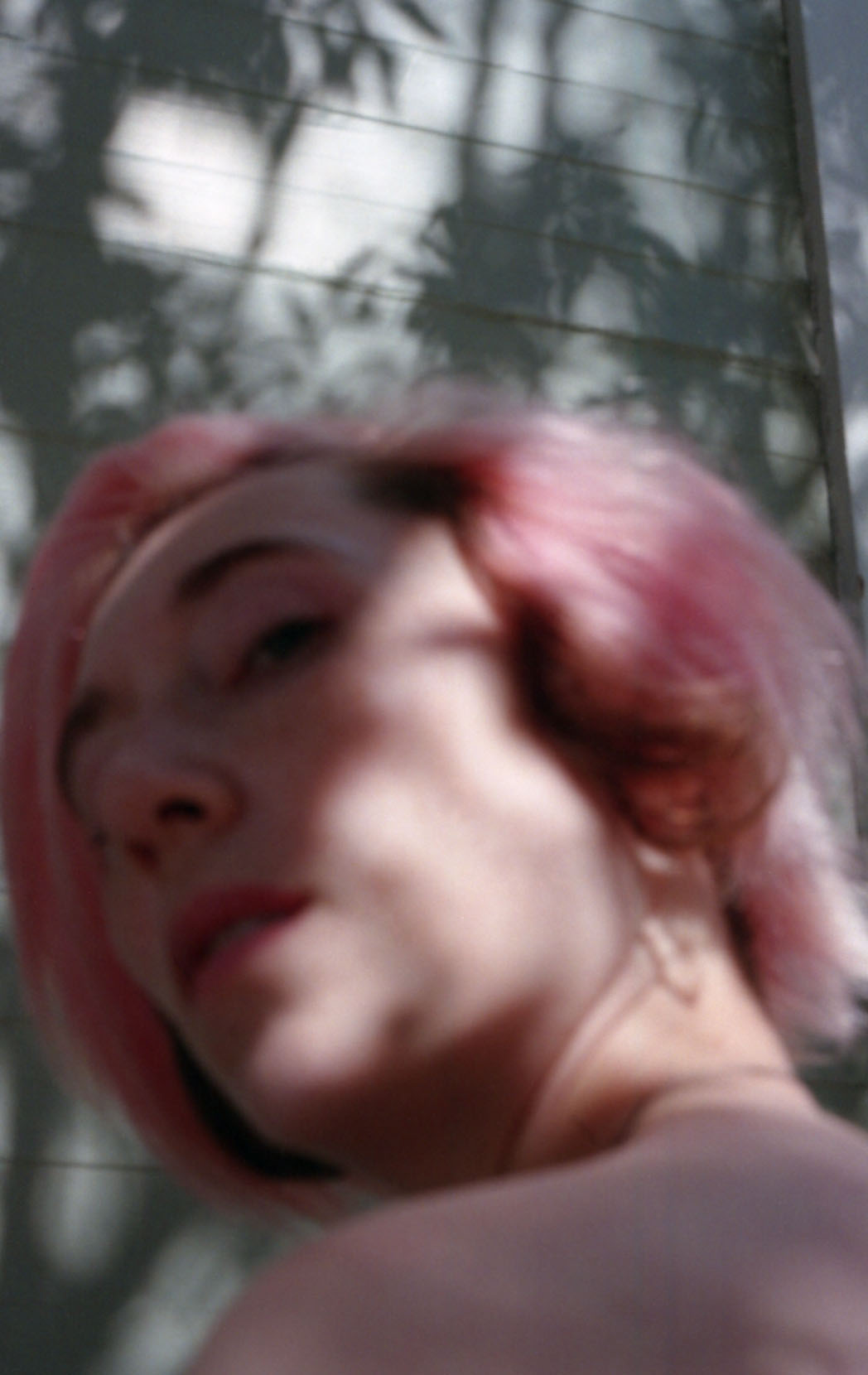
Left: Lynn. Right: Hans.
"I just want to make sure that they’re happy with the pictures themselves. I really want it to show the diversity."
Now based in Berlin, how do you feel the atmosphere is different here than where you grew up in England?
Berlin is so open and I feel like it is the biggest heart in Europe for young creatives, especially queer people. Coming here, I was able to see different kinds of identities in my styles and bodies and just different experiences celebrated rather than being marginalised. Here, I think difference is celebrated a lot. It has played a massive part in me feeling more comfortable about others around me. I get really homesick sometimes and then I go home and I realise, ‘Oh my god’, I literally wouldn’t be able to live anywhere else, because it’s got such a different, unique atmosphere.
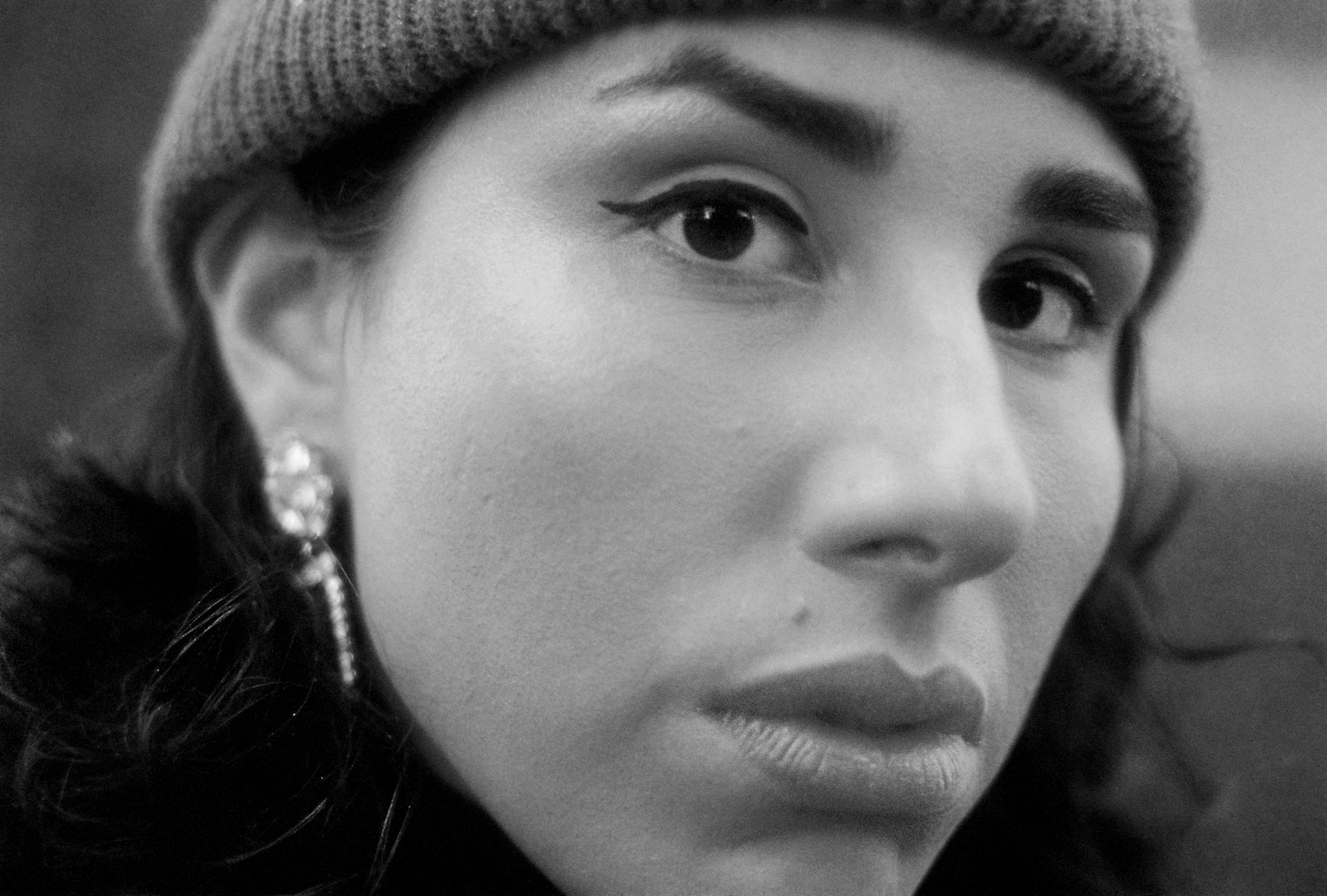
River
International Women’s Day is on Sunday 8 March. As a non-binary artist how do you feel about the term ‘women’ and the holiday?
I mean, I was born as a woman, raised as a woman and my gender identity has always been a woman. It’s tricky because I identify more as a woman than anything else but I really don’t agree with the gender binary. I think it’s an archaic way of categorising people. I think gender is so much more diverse than just men and women, and non-binary. I think it’s a complete spectrum. So, while I feel most comfortable with the “she” or “they” pronouns, I do think that this way of gendering is going out of relevance.
I really wanted to get across with International Women’s Day is that it’s so important for me, and I know a lot of people that are non-binary and trans.I find that even non-binary people are included within l the Women’s Day umbrella because it’s so important that we come together and help lift each other up, and that isn’t about just cis women. The world was completely built by white men. Women, non-binary, trans, intersex, and alike people get even more hate or more issues from their identities. So, it’s important that we don’t all attack each other on this day.
Any tips for celebrating?
Mainly just thanking the womxn in my life—with an ‘X’ obviously—people in my life, my mum, my nan, my sister and all of my friends. They’re all fam and they’re just completely incredible, so I’m making sure that I write all of them an individual message to thank them and just to be really thankful that day.
Alle Fotos von Dani Coyle