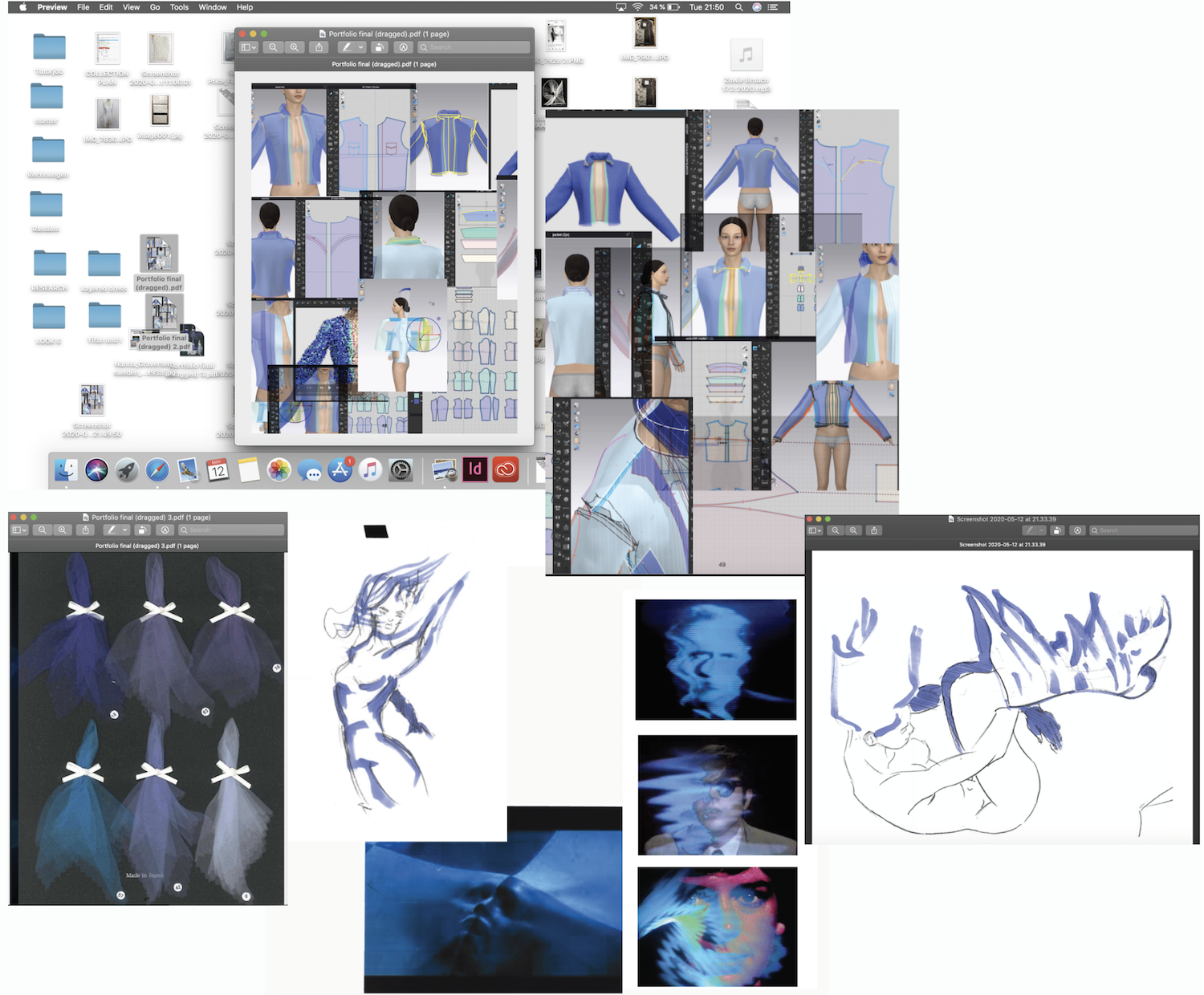
Courtesy of UDK MA student Paulina Muenzing.
Since the onslaught of Covid-19, the fashion industry has gone into a state of shock: revenues have slumped, boutiques have shut down, and productions stalled. While a sense of uncertainty is palpable across the industry, the current situation is particularly precarious for fashion students faced with the hazard of graduating into a dwindling economy. Currently, both fashion educators and fashion students feel the need to radically rethink their approach to the industry, and change their ways of teaching, studying and creating.
In the past few months, the majority of fashion schools the world over have embraced online teaching tools (with the rare exception of Swedish schools—they have been functioning as normal, albeit with certain limitations). “This semester, we absolutely can not go back to the university. It’s not an option,” says Professor Valeska Schmidt-Thomsen, Managing Director of the Institute of Experimental Fashion and Textile Design at Universität der Künste Berlin (University of the Arts or UdK). But despite the readiness to adapt to the new normal and embrace digital educational methods, there is still some anxiety about what this means for the future of fashion education. “Fashion education can not take place online,” says Schmidt-Thomsen. “You need to feel the textures; fashion is all about materiality.” Across the industry, educators agree. “[Teaching online] has worked for certain classes and certain projects,” notes Peter Leferink, Head of Fashion and Design at Amsterdam Fashion Institute (AMFI). “For some others—the ones that involve physical design and discussing fabrics, seams, shapes—it is hard and sometimes impossible.”
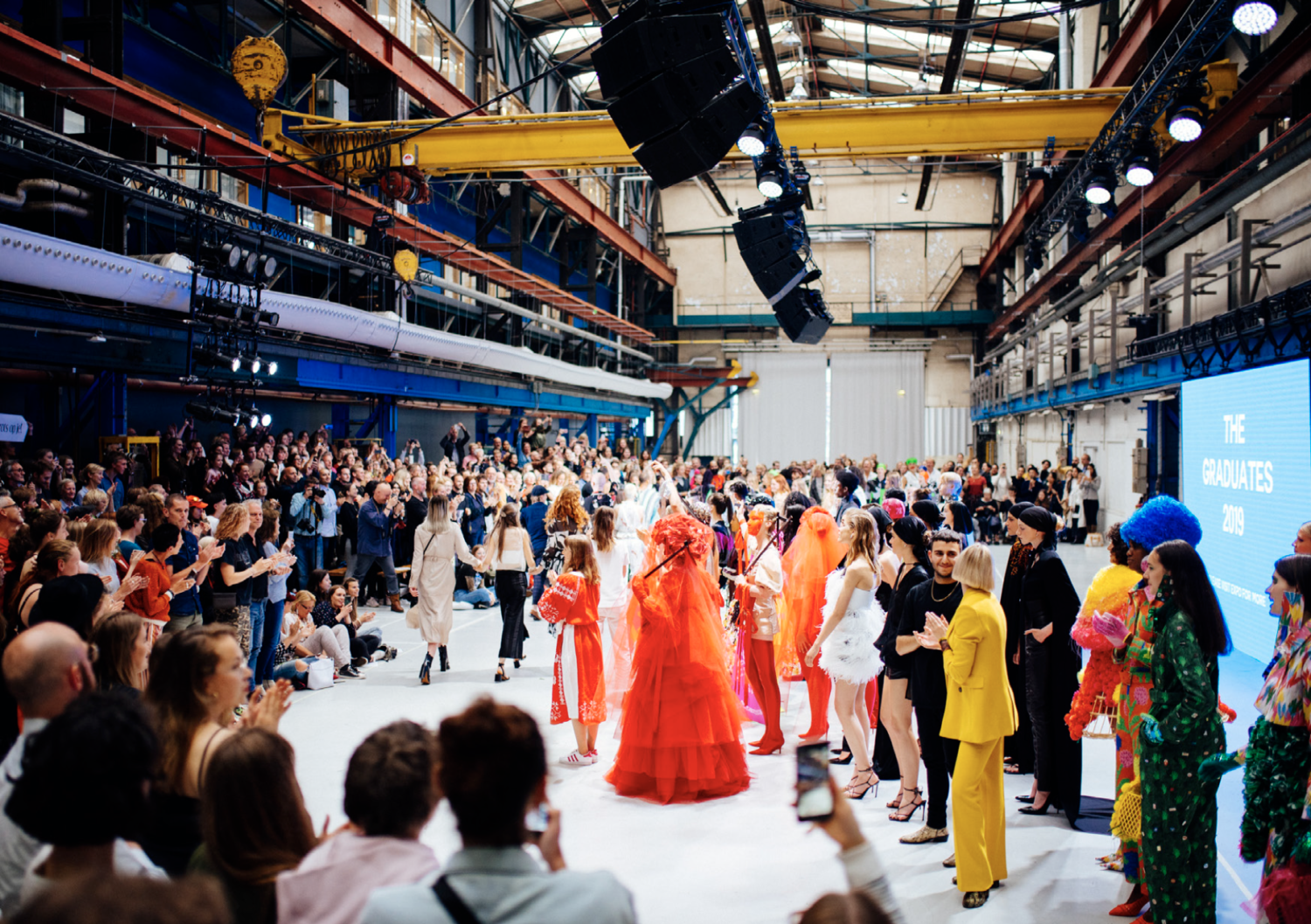
Tim Buiting. Courtesy of Amsterdam Fashion Institute.
For fashion schools, teaching online is a novel format, both promising and intimidating in equal parts. “In the near future, the challenge would be to combine the online and offline education methods,” thinks Leferink. Already some schools have been trying to introduce elements of physicality into remote education. At UdK, for example, the students have been given vintage tablecloths to work into their projects, paying heed to craftsmanship, fabric and embellishment—the project is poetically meditative, and is, one might say, appropriate for the snail-paced quarantine existence. Other schools, such as Parsons School of Design in New York, have provided equipment to students to make working remotely easier, or possible at all.
In education, as in all areas of life, the crisis has revealed a lot of existing inequalities among students. Now, more than ever, fashion education seems to be out of reach for those who rely on school equipment to finish their collections, or on odd jobs to sustain themselves. A series of interviews conducted by Central Saint Martins’ 1 Granary platform prove that for many fashion students the current crisis has been a devastating blow.
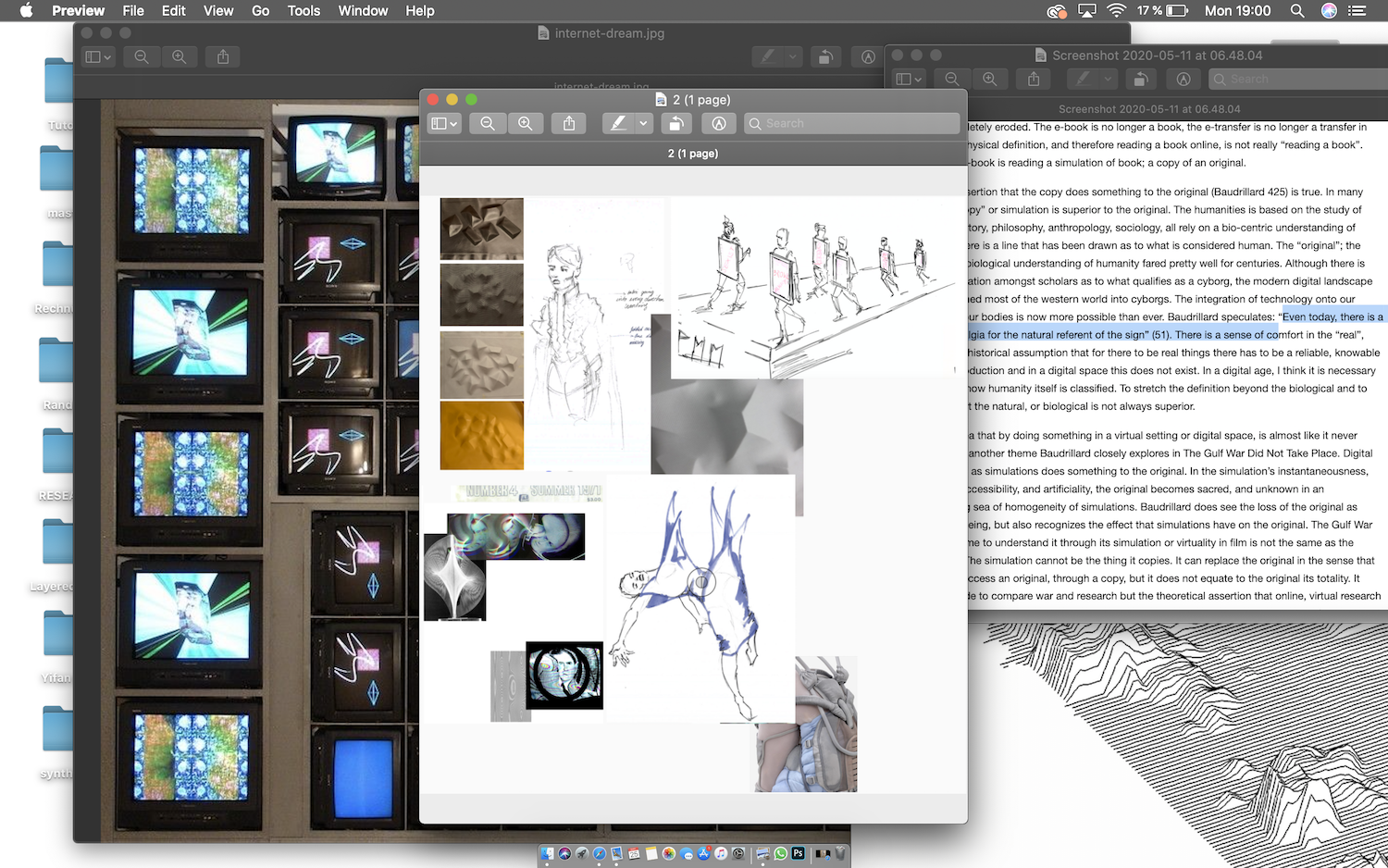
Courtesy of UdK MA student Paulina Muenzing.
"In the past decades, the pace of the industry has become unbearable. What creativity can we talk about when we have a production schedule like the current one?”
Although the pandemic has caused unprecedented distress, despair and uncertainty, hopefully it may pave way for positive change. Already new and innovative formats are emerging: the Virtual Open Day at Milan’s Istituto Marangoni and the virtual graduation show at the Royal Academy of Fine Arts in Antwerp provide just two examples. Online resources are also offering new opportunities for teaching, according to Melissa Moore, Course Leader in Hair and Make-up for Fashion at London College of Fashion. “There have been new possibilities for lectures, securing guests who are unable to visit the site due to location and schedule. We have been working more closely with LCF researchers also. Many [final-year students] appreciated the chance to think more deeply about their concepts and design process.”
Arguably the crisis has compelled teachers and students to ruminate on the future and think outside the box. “Now, it feels like the right time to start a discussion,” says Schmidt-Thomsen. “In the past decades, the pace of the industry has become unbearable. What creativity can we talk about when we have a production schedule like the current one?”
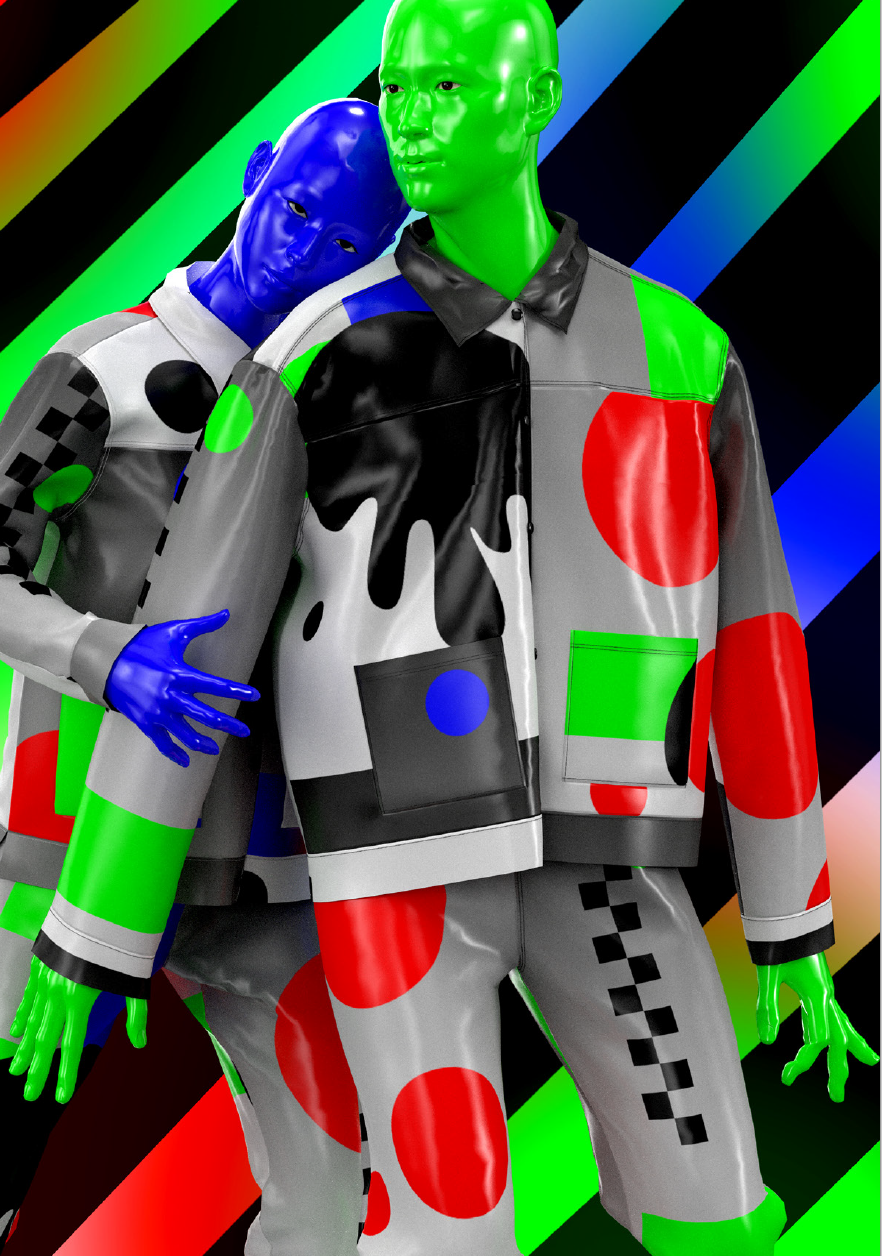
Iris Van Wees. Courtesy of Amsterdam Fashion Institute.
"The possibilities of virtual design are really enormous—it offers a way out [of the crisis] and into the future.”
Da a number of key industry players clamour for change, it is the fashion schools and universities that could become the incubators for creative experimentation. Leferink believes that fashion education will never be the same again: “The role of technology was already quite big at AMFI, and will become even bigger within fashion education in general. The possibilities of virtual design are really enormous—it offers a way out [of the crisis] and into the future.”
Naturally, the scope of change is difficult to predict—but it may be gargantuan. For example, stellar fashion schools are likely to rethink their approach and methods. The percentage of international students at the Western ‘blockbuster’ schools like Polimoda in Florence or Central Saint Martins in London, fluctuates between 50 and 70 percent. With international travel halted and a global recession imminent, they will need more than a glorious name to attract students from abroad. (Recently, Polimoda has revealed its new scholarship plan aimed to foster creativity and innovation in fashion).
Visiting professor at London School of Economics, Linda Yueh thinks that the pandemic will exacerbate the localisation trend—in the years to follow, a shift towards local production could occur, pushing the world towards de-globalisation. Leferink expects something similar to happen within the fashion industry. “Designers will need to start operating more locally. [They’ll operate] collaboratively and with a lot of compassion,” he says. “In the future, I think we’ll have a different role for ethics, a more humble approach to our dress and our buying behaviour.”