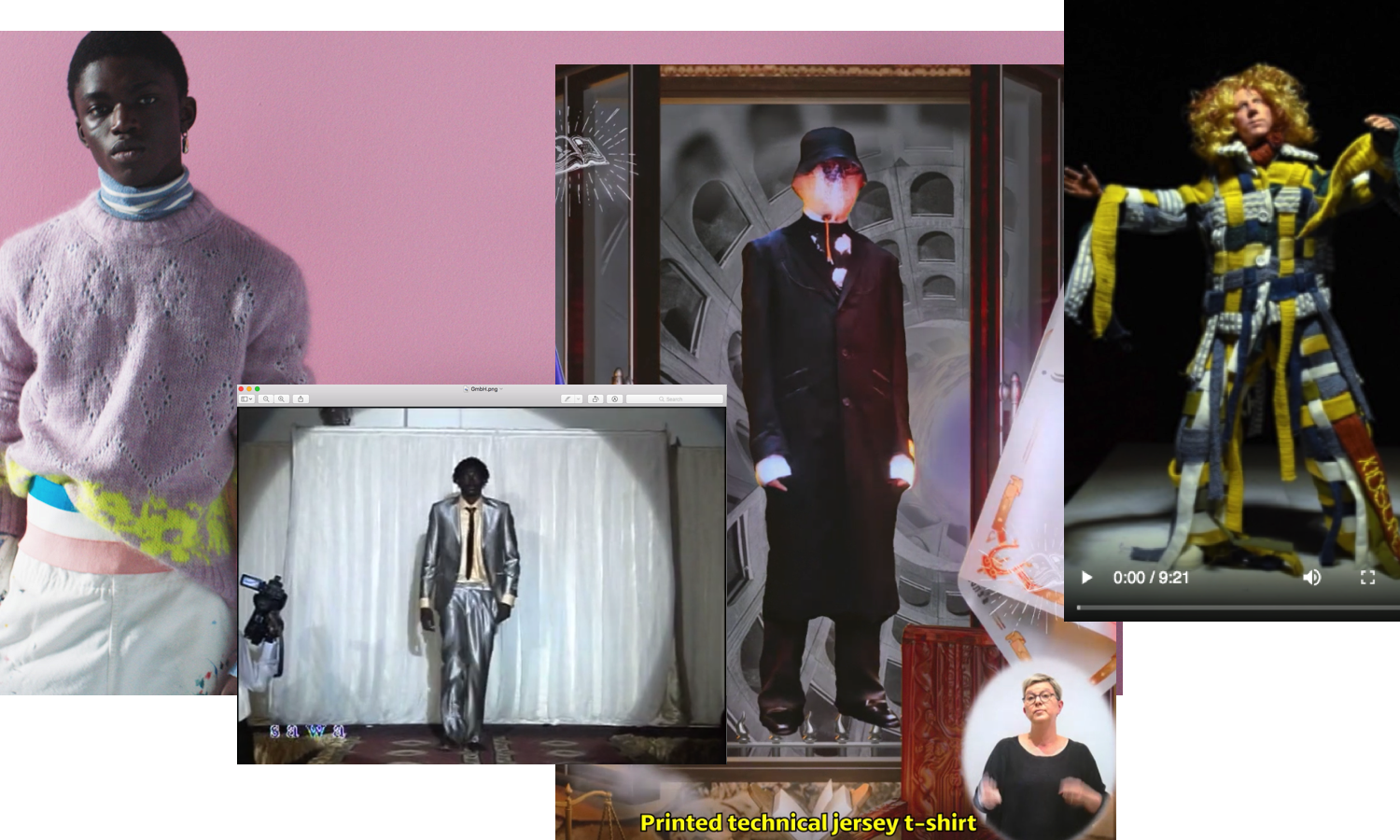
Left: Dior Men's Summer 2021. Courtesy Jackie Nickerson. Front: GmbH. Courtesy of Ritual Projects. Boramy Viguier Courtesy of Ritual Projects. Right: via @KidSuper.
At the beginning of May, Paris Fashion Week’s head body Fédération de la Haute Couture et de la Mode (FHCM) announced their transition into the digital realm for the upcoming season as a result of the coronavirus outbreak. Following digital editions in Shanghai, Seoul, Tokyo and London, it was finally time for Paris—also the birthplace of the catwalk show format—to showcase their online interpretation of fashion week.
Over the past five days, Paris Men’s Fashion Week hosted the most expansive digital event yet with over 55 brands on the official schedule, ranging from big players like Dior, Berluti and Hermès down to a group of newcomers including Reese Cooper, KidSuper and Kolor. The FHCM launched a new website that hosted content self-produced by these designers and fashion houses on an hourly schedule similar to that of a traditional fashion week—despite the fact you can actually watch these videos in your own time. Themes and ideas were various too, but only a few actually used this opportunity to question the system. For most, this season was clearly just a stepping stone to normality, despite the feeling of uncertainty that continues to loom over.
On the opening day, Belgian avant-gardist Walter Van Beirendonck presented a collection of miniature garments fit for dolls, which also happened to be his “realest” outing yet. Always the one to celebrate exuberance and make the impossible possible, Van Beirendonck worked with artist Eli Effenberger on making the lookbook and video which captured the garments in exquisite detail despite their small size. Van Beirendonck’s offering was a great example of resourcefulness and working within limits rather than trying to ignore them. Elsewhere, American designer Colm Dillane aka KidSuper reflected a similar notion with his 9-minute film Everything’s Fake Until It’s Real which was essentially a stop-motion catwalk video starring dolls wearing his collection. Humorous yet aspirational, it was far more effective than the numerous lookbook videos that looked like glorified TV ads for a high-street chain. Taking the toy experience one step further were Botter’s Lisi Herrebrugh and Rushemy Botter who, alongside a powerful film in support of the Black Lives Matter movement, designed an interactive platform starring a dress-up doll allowing you to play with their latest collection.
The most successful videos starring actual humans were the ones that added depth and relevant context to their stories. Simultaneously inspired by the old salon shows and the news he watched over the lockdown period, Boramy Viguier showed his esoteric collection in an informative way that broke down his choice of fabrics, silhouettes and techniques in detail. This season, Viguier used a lot of his own deadstock materials, and focused more on craft rather than making sure every design can be reproduced in large amounts. “The challenge for us young designers is to make things that are less universal and more local,” he explains.
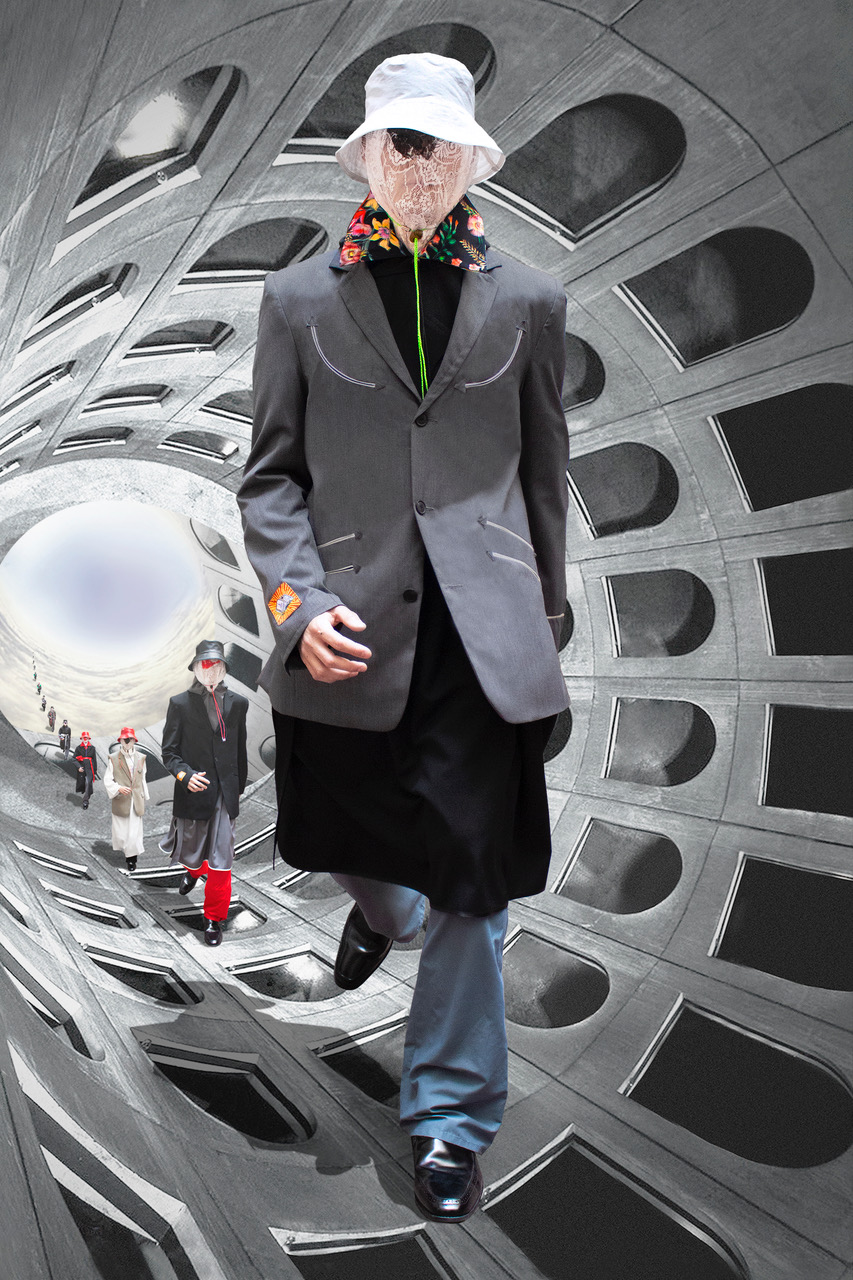
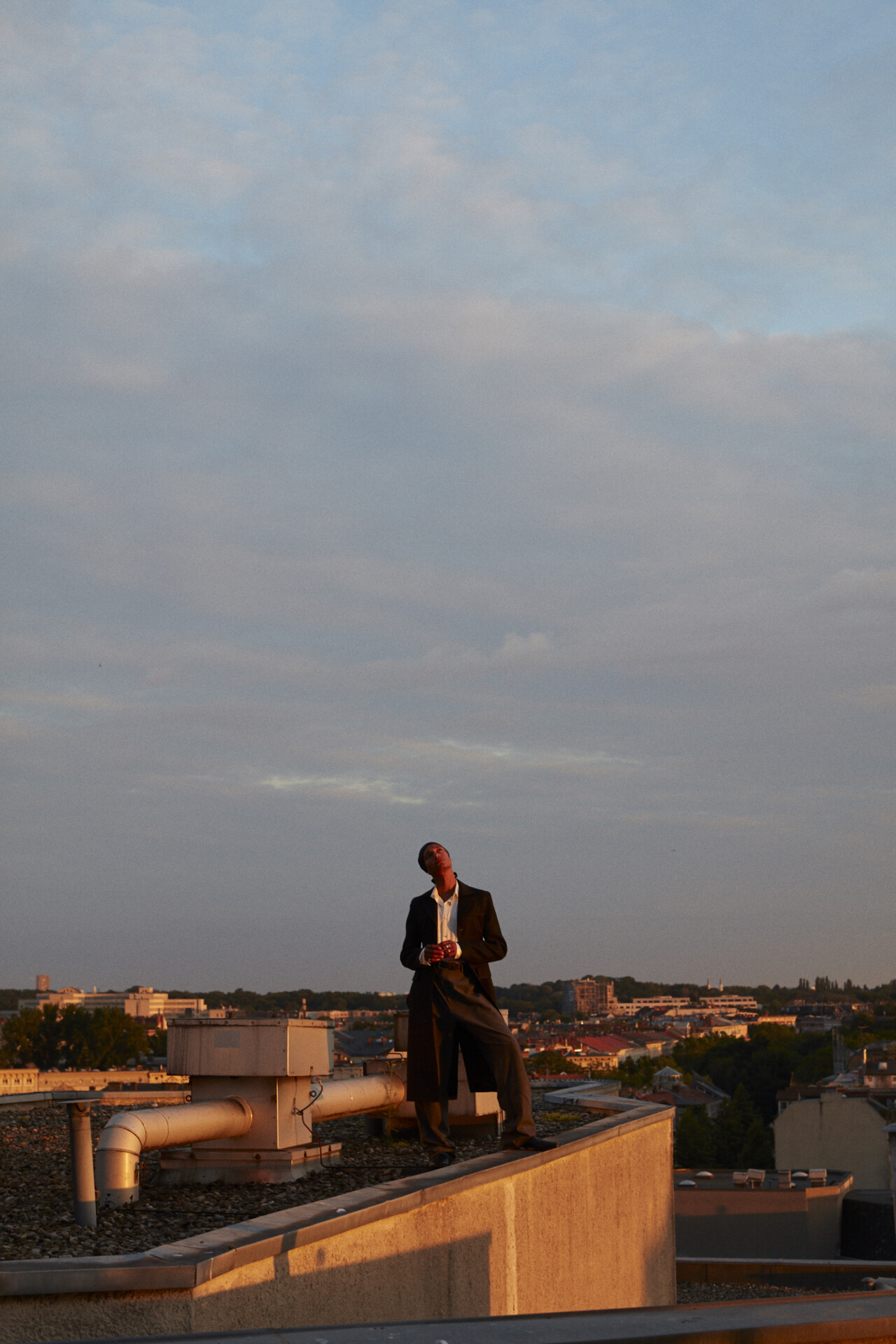
Left: Boramy Viguier SS21. Right: GmbH SS21. Guest on Earth. Photo: Benjamin Huseby. Courtesy of Ritual Projects.
Berlin duo Serhat Isik and Benjamin Huseby of GmbH also revisited their old fabrics for their collection, which was evidently an attempt at creating a core line of garments that are quintessentially theirs. But instead of creating video content of their own, Huseby and Isik reappropriated Lars Laumann’s art piece Season of Migration to the North which narrates the story of real-life architect and artist Eddie Esmail, who was prosecuted for homosexuality after hosting a fashion show in his home country of Sudan. Particularly poignant right now, GmbH proved you don’t have to make something from scratch in order to send out a impactful message.
But the biggest challenge was reserved for the fashion houses that are renowned for the magical, one-off experiences that their physical shows offer to an elite few. Dior sent out physical invites for their digital presentation which featured a portrait of Ghanaian artist Amoako Boafo, who Kim Jones picked as his creative collaborator for the season. This came hot on the heels of the brand facing criticism for their all-white couture presentation last week—in contrast, Jones was inspired by Boafo’s Black Diaspora series, exploring black masculinity. On the other hand, Jonathan Anderson took over the Instafeeds with a move that brought the material aspect back into the picture with his “show in a box” for both Loewe and JW Anderson. The select editors, journalists, VIPs and buyers were sent tactile blueprints of his SS21 collections, while the rest of the world tuned into the Instagram Live videos which included everything from DJ sets and interviews to performances and DIY tutorials.
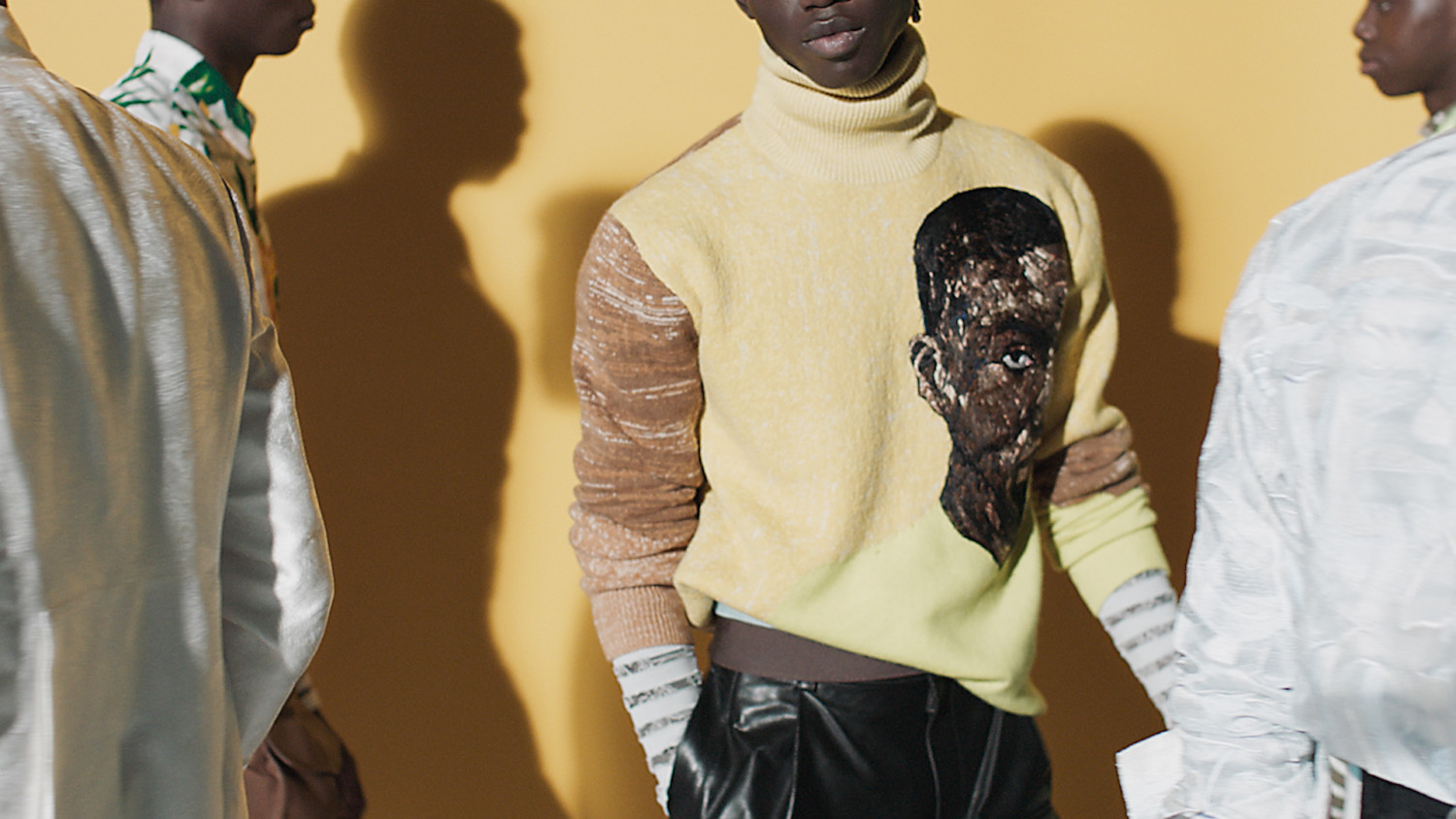
Dior Men's Summer 2020. Courtesy Jackie Nickerson.
'It's impossible not to pose the question of how relevant these clothes will be in six months' time when they are scheduled to hit stores? Where will our economy be then? Who will actually be able to shop for these clothes?"
Despite some great collections being shown over the past weekend (Y/Project, Kiko Kostadinov, Phipps to name but a few), it’s impossible not to pose the question of how relevant these clothes will be in six months’ time when they are scheduled to hit stores? Where will our economy be then? Who will actually be able to shop for these clothes? Attempting to delay the responsibility of answering these questions, some brands decided to completely skip on showing their collections, instead going for “preview” videos of what’s to come—including Ludovic de Saint Sernin, Louis Vuitton, Dries Van Noten and Namacheko. When asked about the decision to postpone the presentation of his collection, Namacheko’s founder Dilan Lurr explained: “I am happy [the other brands] did it and I didn’t. I am comfortable enough in my work, and being Kurdish, I know the way well of war and injustice.”
As Milan’s menswear scene takes over the schedule with a four-day almost-digital event starting today—yes, Dolce & Gabbana are hosting an actual fashion show amid a global pandemic—it seems like the hopes of changing our industry into a healthier environment for everyone involved are beginning to fade away. If not a deathly virus, what actually has to happen in order to realise it’s time to slow down?