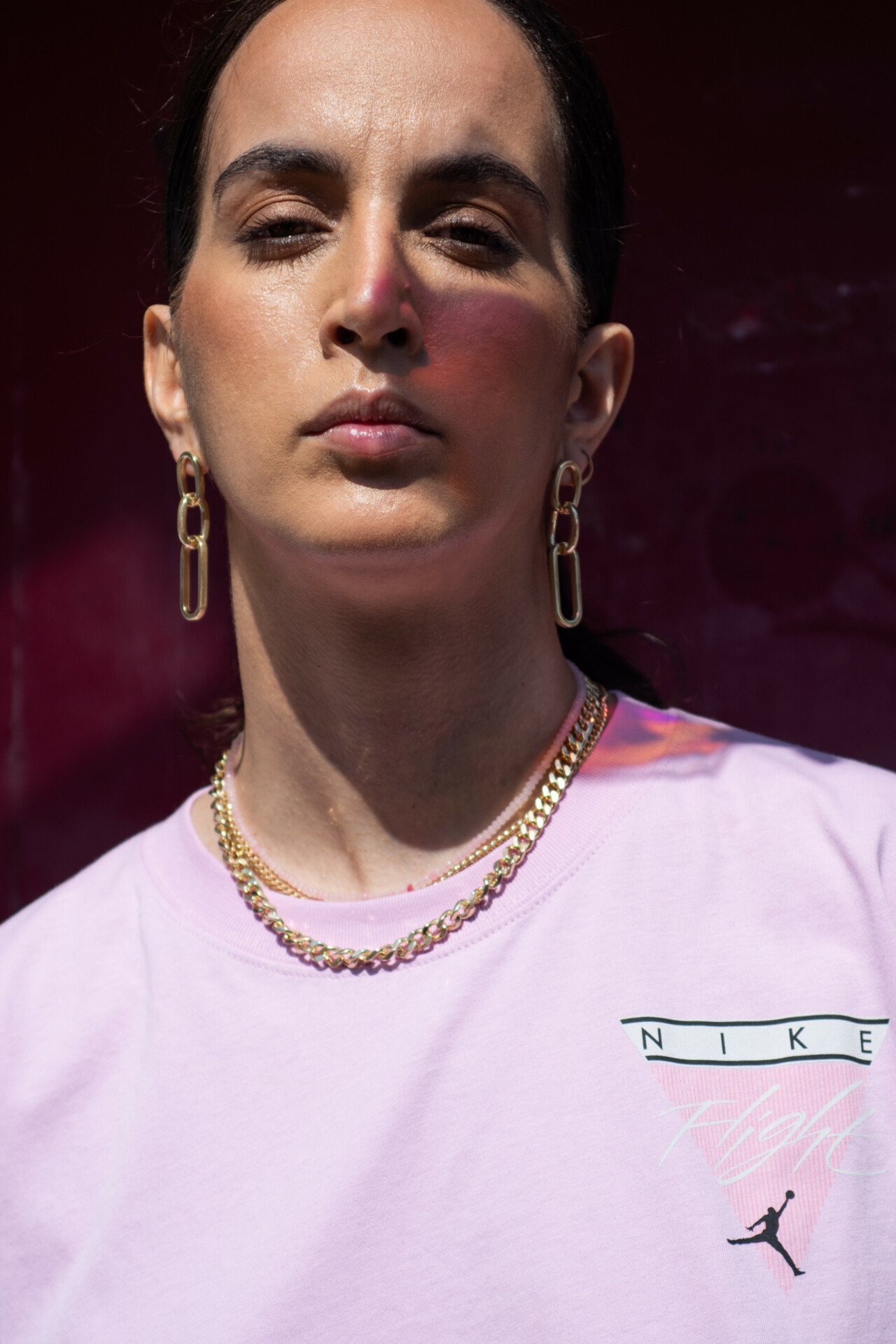
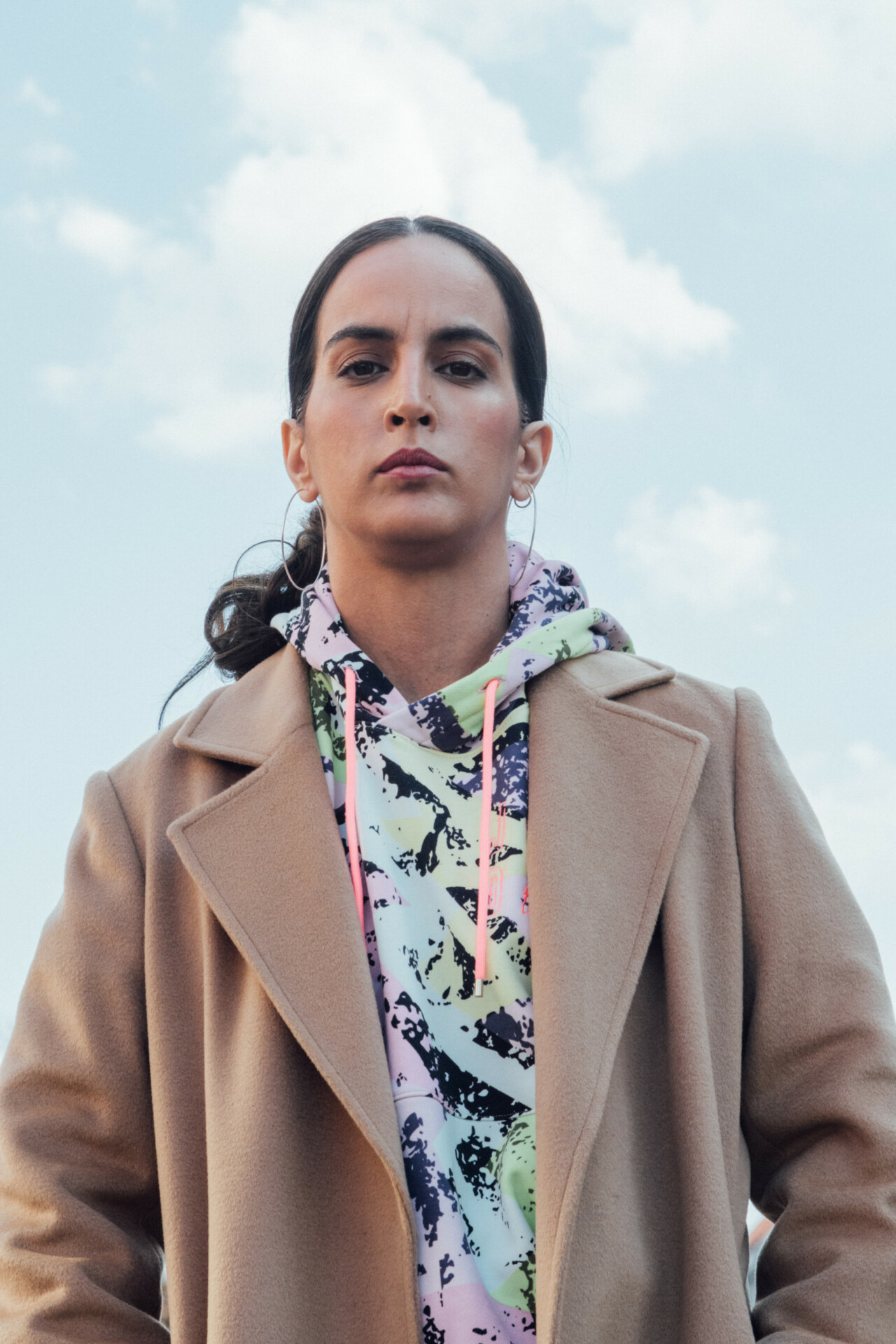
As one of the artists featured in our collab with Zalando, we speak with rap artist EBOW. We discuss her ideas about women in rap today, her perspective as a queer woman in a pre-dominantly hetero-normative and male hip hop community, and her biggest fan from day one: Mom.
SLEEK: A female rap artist in a “man’s world”, what’s that like?
EBOW: When I started rapping there weren’t many female rap artists in the business. I’m happy to see that this is changing and being normalized. I discover new female rap artists every month. That never happened in German hip hop before, not even in the 90s. I think we’re turning a new leaf here and it’s going to change the music scene forever.
SLEEK: Do you feel accepted and respected by your male colleagues or are there still some double standards sometimes?
EBOW: I don’t feel like there are double standards from my male colleagues. The problems are more likely social media platforms and YouTube. If one of my videos gets promoted there, or on a hip hop platform, the men following these websites are often hating on you online. For a woman to gain notoriety and attention in this society, means they want something from you. You have to be very sexy, for example, and you shouldn’t doubt or attack their masculinity in any way. I don’t act the way they’d like me to. I assume many boys want to become famous rap artists and they can’t take the idea of a woman rapping and being successful.
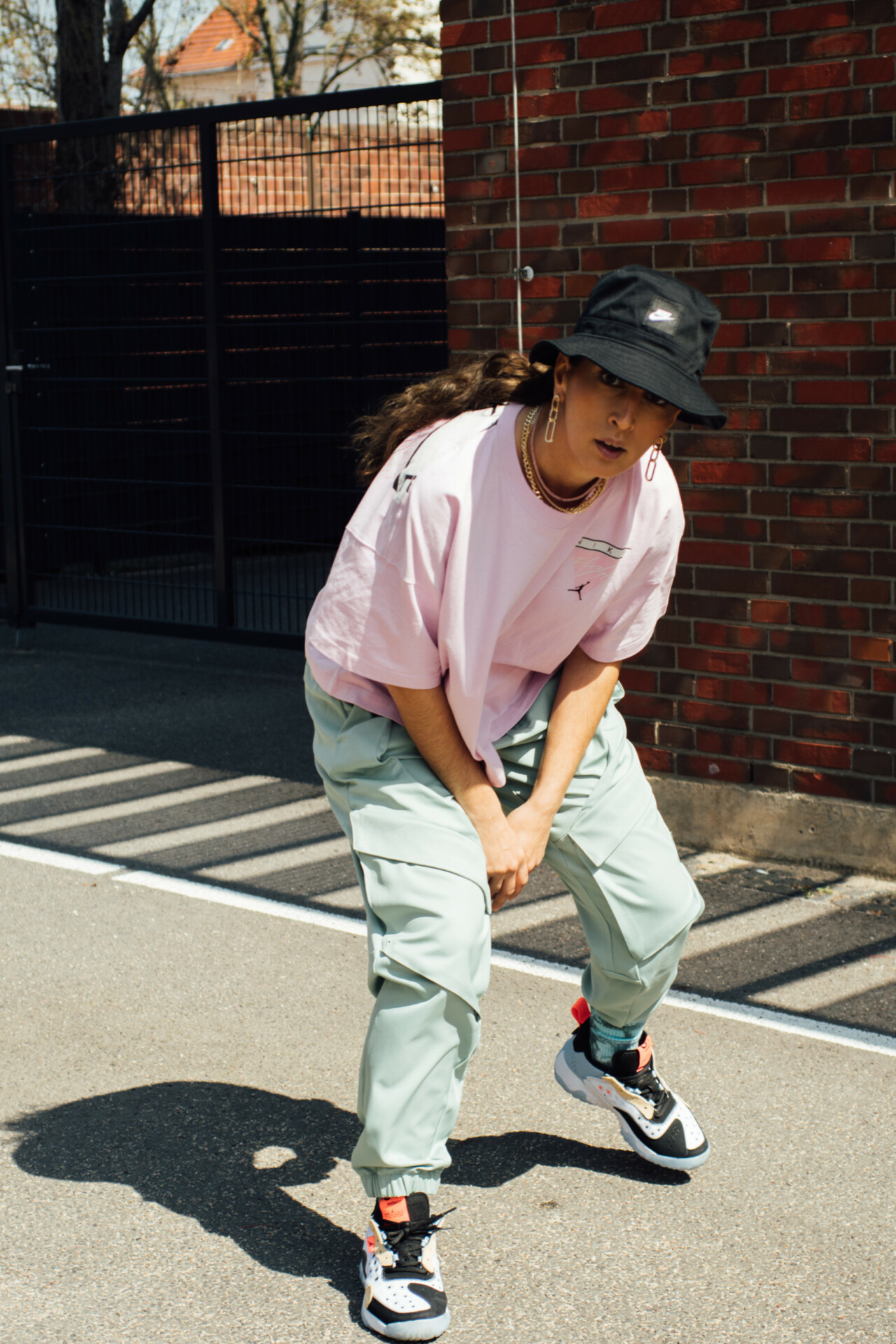
"For a woman to gain notoriety and attention in this society, means they want something from you."
https://www.google.com/
SLEEK: In one of your interviews you talked about creating safe spaces for queer people. Is your music a safe space for the queer hip hop community and for women? Did you feel safe growing up?
EBOW: I like the idea of people listening to my music and feeling safe that they won’t hear homophobic lyrics there. My fans often text me saying it’s a relief listening to my music because they don’t get triggered all the time. For the music industry to be a safe space in general is not just the artists’ responsibility and much more the industry’s itself. It’s the bookers and labels who can make a change and some of them already are working on it in granting quotas for example. Bookers are complaining about missing female artists on festivals but it’s because they keep on booking the same guys. That’s luckily also changing and we can look forward to paving the way for those who need it.
SLEEK: You spoke about your mom being a strong woman and politically involved. Did she teach you to go your way and be brave? Is she part of your inspiration?
EBOW: Yes, by all means! My mom being a strong woman, never afraid of raising her voice – politically – shaped the way I grew up. It’s the reason why I was never afraid of rapping in front of a crowd.
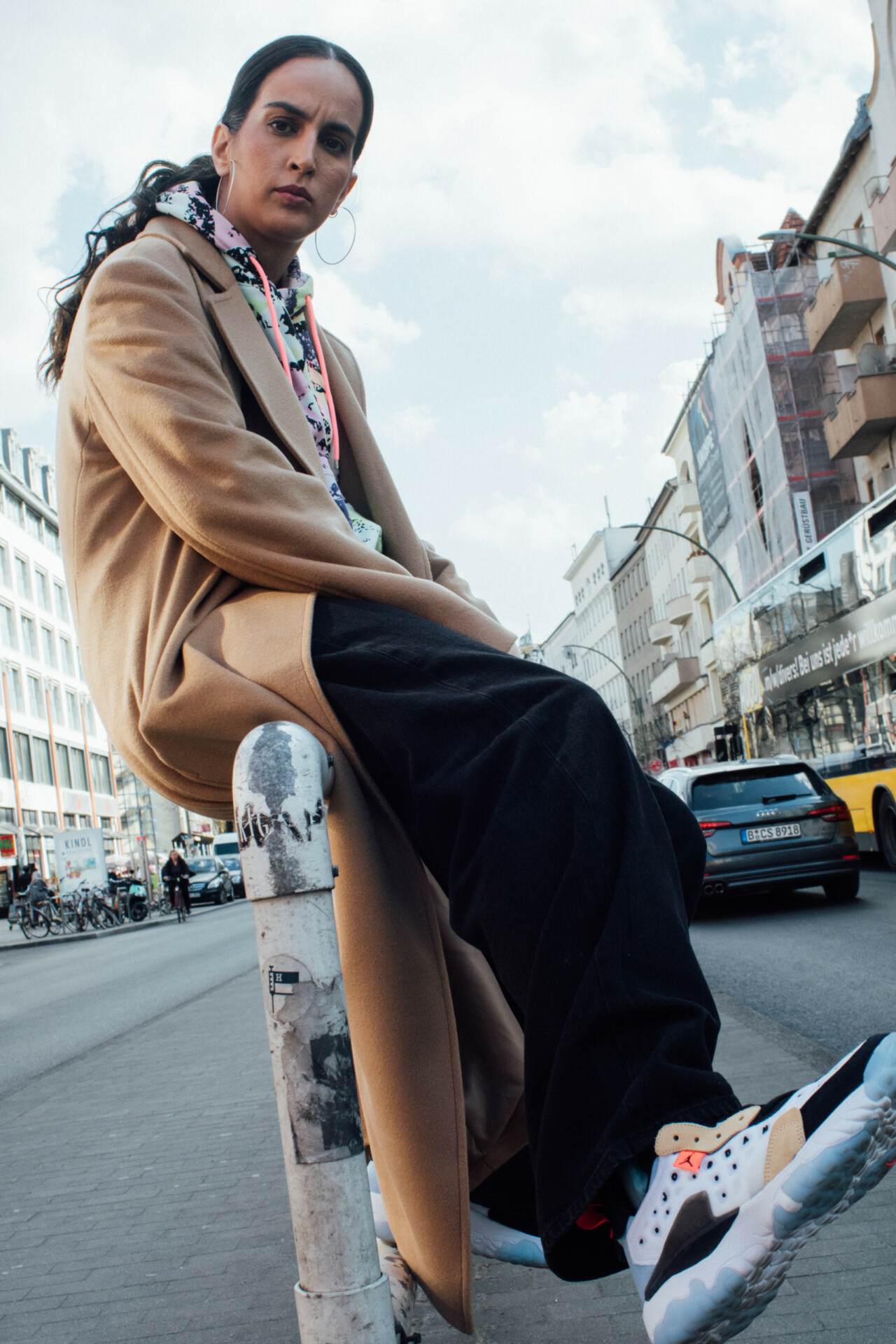
SLEEK: You and Tmnit are founders of the music label Alozay. You are focussing on signing QTBIPOC artists. Doesn’t focusing “just” on this community create an even stronger outsider position or is that exactly the point?
EBOW: We mainly sign people of the QTBIPOC community but not exclusively. Our label is not limited to signing artists. We also organize events. Alvozay arranged a festival and we focused on booking QTBIPOC artists. We mentor people who need a touch point. That doesn’t automatically mean we only work with these demographics. We focused on the QTBIPOC community because we wanted to create a space for people who, up until now, were left on the outside.
In hip hop it’s all about keepin’ it real and EBOW certainly feels like the real deal to us.
by Teres Köhler
Photography by Arnaud Ele @arnaud.ele
Styling by David Diniz @deividdiniz
Make up by Eva Herbohn @evaherbohn
Art direction by Lorenzo Pradelli @lorenzolouispradelli