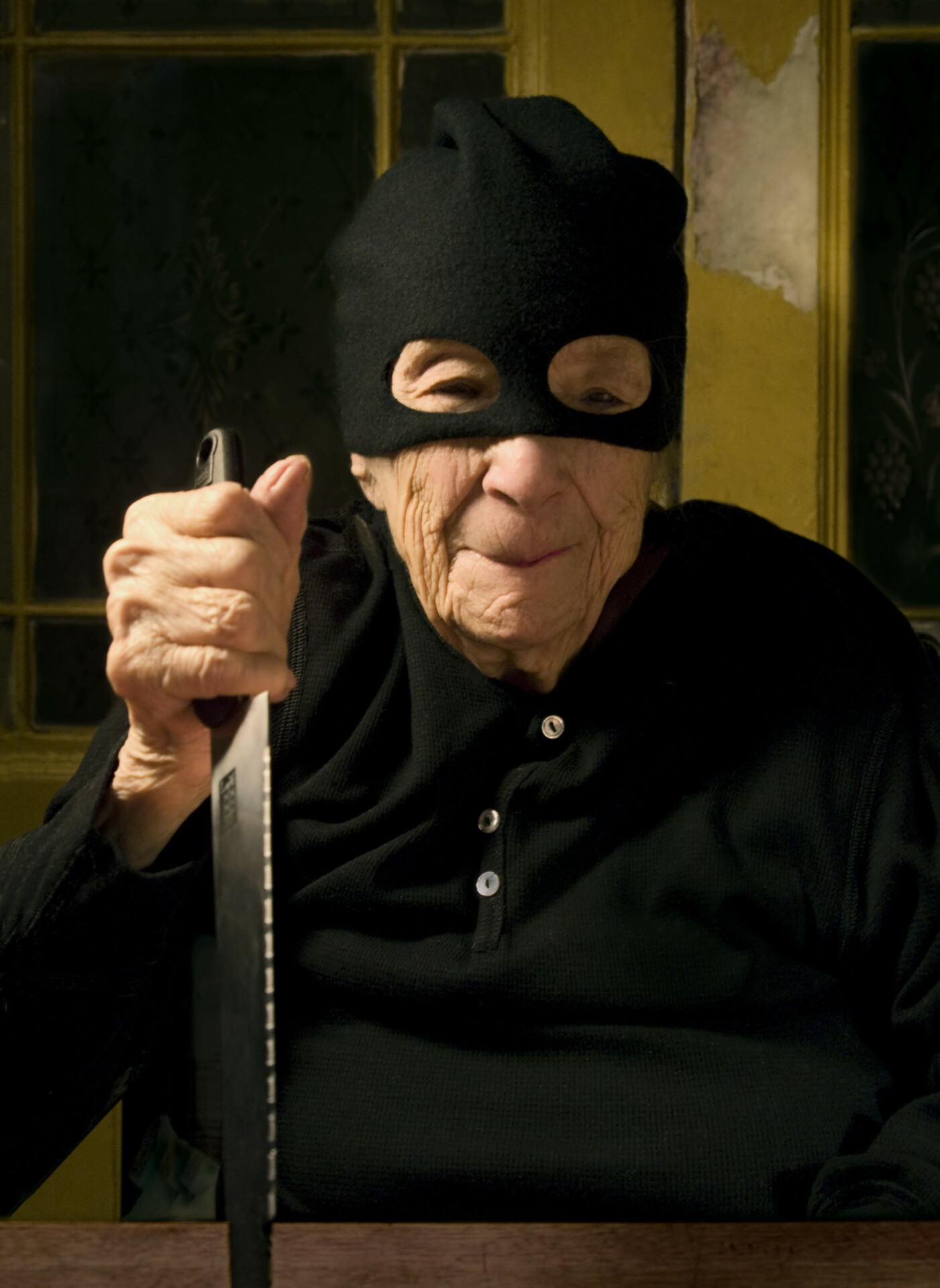
Portrait of Louise Bourgeois by Alex van Gelder
Between the Oak and the Rosebush – Words by Ilona Hartmann
I first came across Louise Bourgeois when I was probably about 17 or 18 years old. I was all set for a dreary, hour-long art lesson exploring chaotic brushstrokes by men, which looked as confusing on the black-and-white photos we were presented with as they did in their surreal works of art. Or even more boring: art history, the orders of ancient columns, Corinthian capitals…My pad of squared paper in hand, I was all ready to doodle my way through to the end of the lesson.
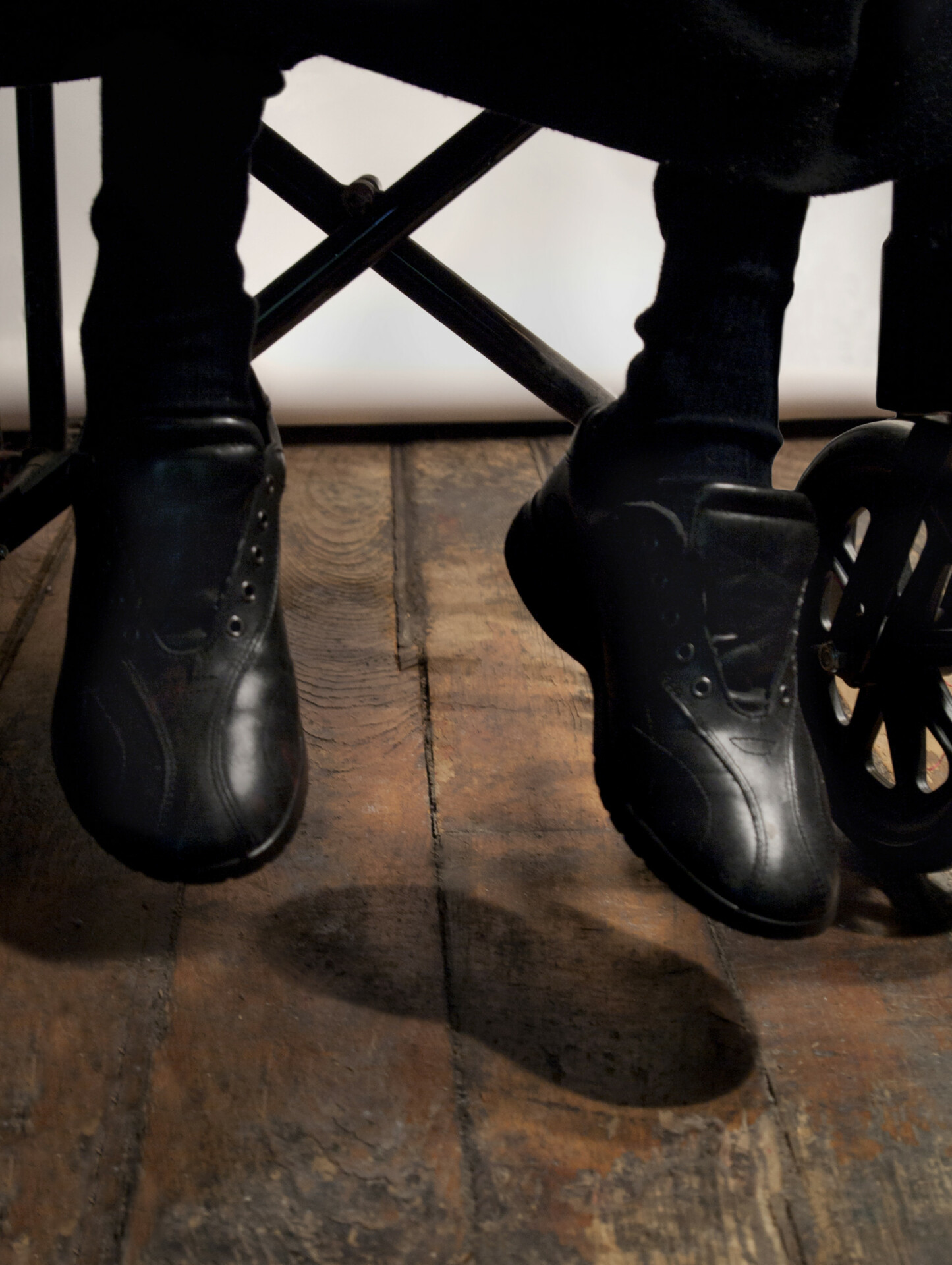
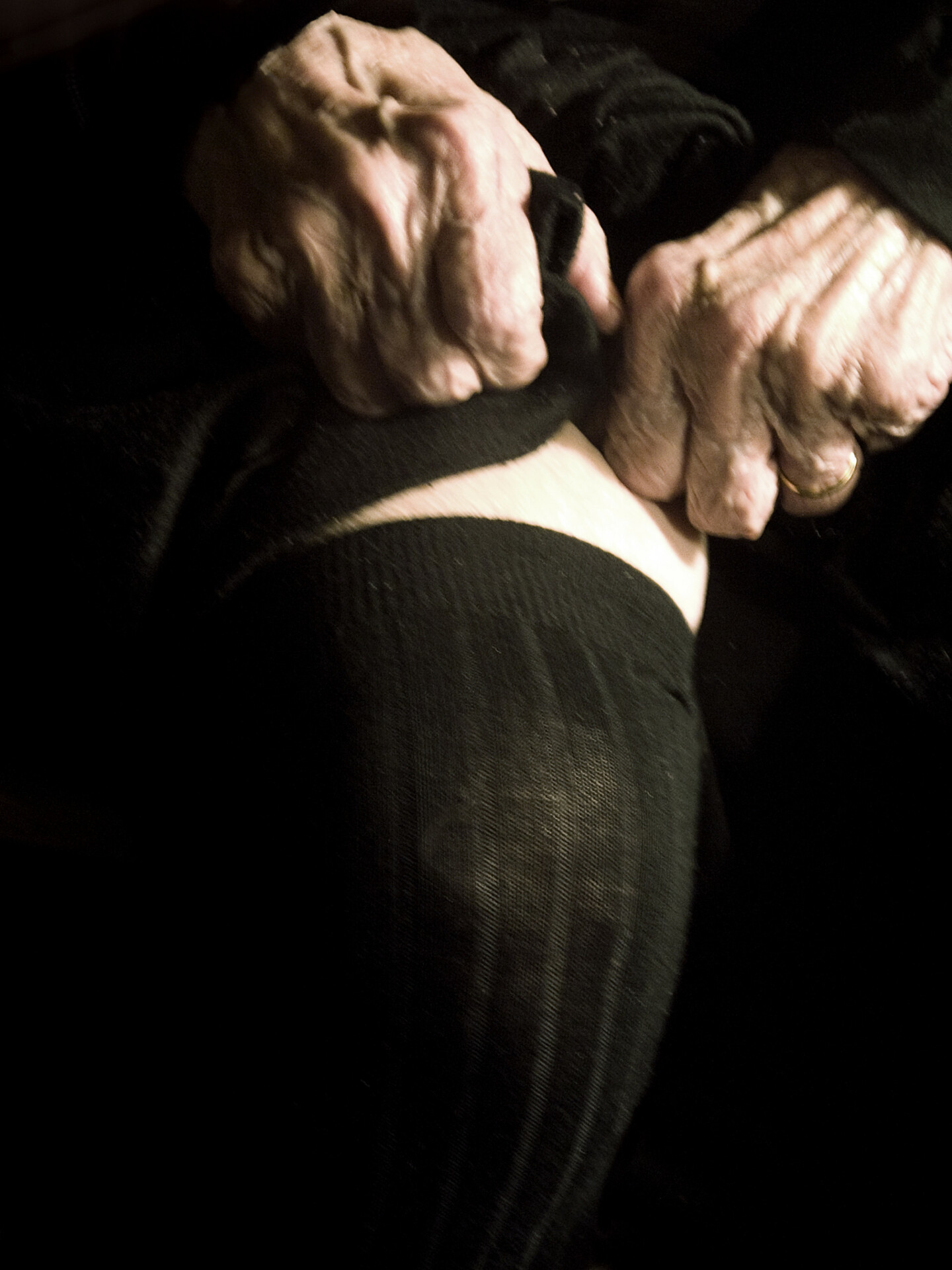
Photography by Alex van Gelder
But then came Louise Bourgeois and things turned out completely differently. We were shown photos of a fragile, elderly woman in a beret – who reminded me of Maude from Harold and Maude (1971) – that were accompanied by images of her installations and sculptures: powerful, expansive, mighty, tender, repulsive, organic, unsettling, dangerous, gentle, fascinating, raw and true. The focus was very much on her mother, father, family life, family structures, men, women, femininity, sexuality, life and death. I was particularly taken by Maman (1999), an edition of her giant spider sculpture outside the Guggenheim in Bilbao. It seemed protective yet threatening, maternal yet strong, its long, thin legs fragile as the branches of a leafless tree. I got a top grade for my exam because I knew everything there was to know about Louise Bourgeois but not about the surrealists with their pointy beards.
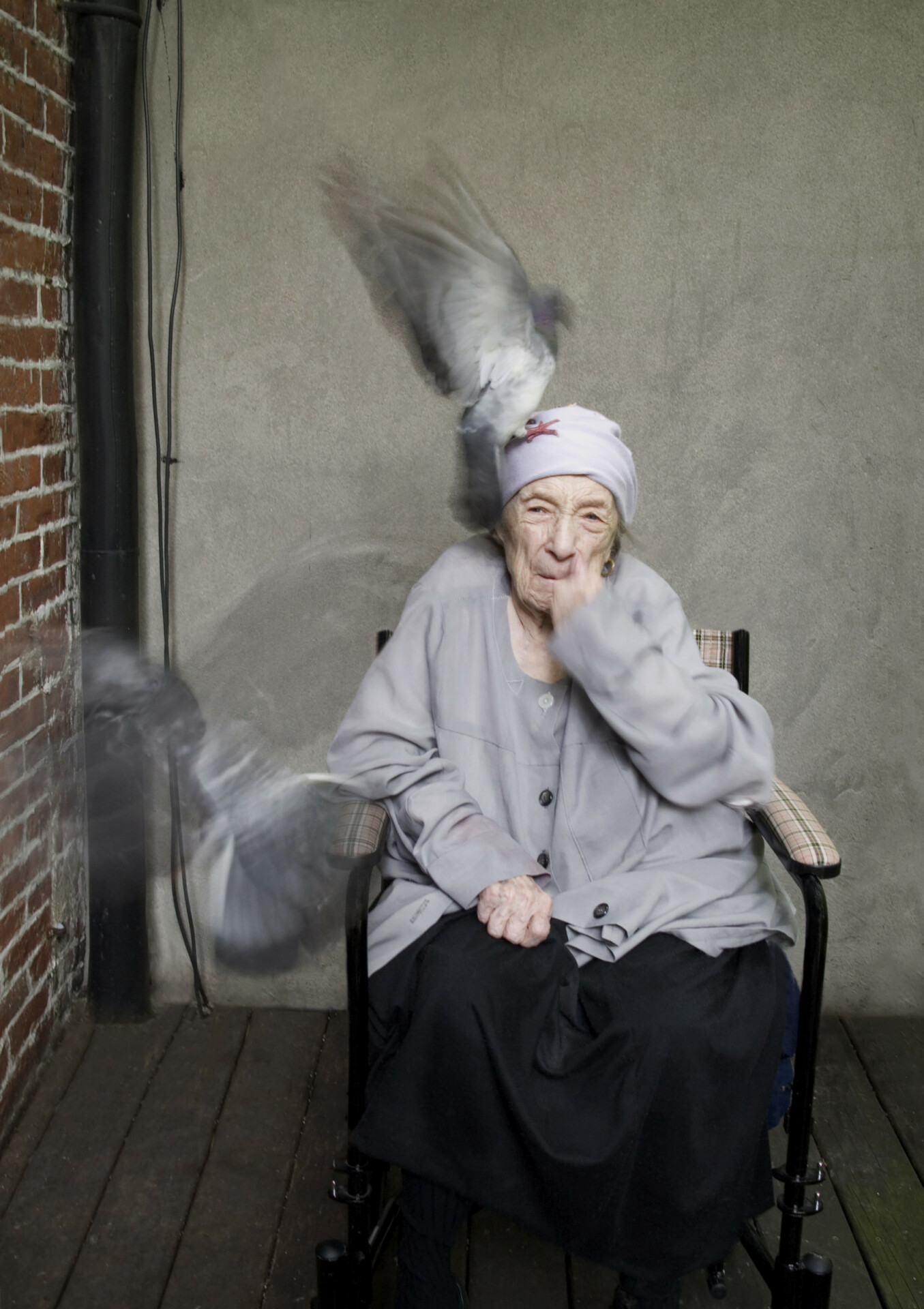
Photography by Alex van Gelder
My second encounter with Louise Bourgeois was when I was 25. In 2016, six years after she died in New York, the Louisiana Museum of Modern Art in Copenhagen was running a retrospective. On the rainy February day I was there, it was packed. So packed, in fact, that the air in the gallery’s expansive space was really warm and charged with all the static of people’s woolly pullovers. Once again, I was immediately absorbed by her world of fabrics, wires, concrete, bronze, papier-mâché, gauze, wood, steel and marble. But what I hadn’t expected was that now, a few years down the line, her works and subversive messages would move me quite differently and even more intensely. More and more laboriously, I fumbled my way from room to room, my mouth dry, my palms damp. I saw her Cells, from 1997, as well as phallic sculptures, mirror installations and, behind – or rather, within – them the stories of psychological abuse and trauma, a life of pain and love and truth pervaded with the constant struggle against the long, sticky fingers of the past.
That Till the End – Alex van Gelder on Louise Bourgeois
SLEEK: You saw her through your camera very often, until her death. Can you describe what you felt?
Alex van Gelder: I felt that we were working on her afterlife and she knew it.
Full interviews available in SLEEK #70 – Wahrheit