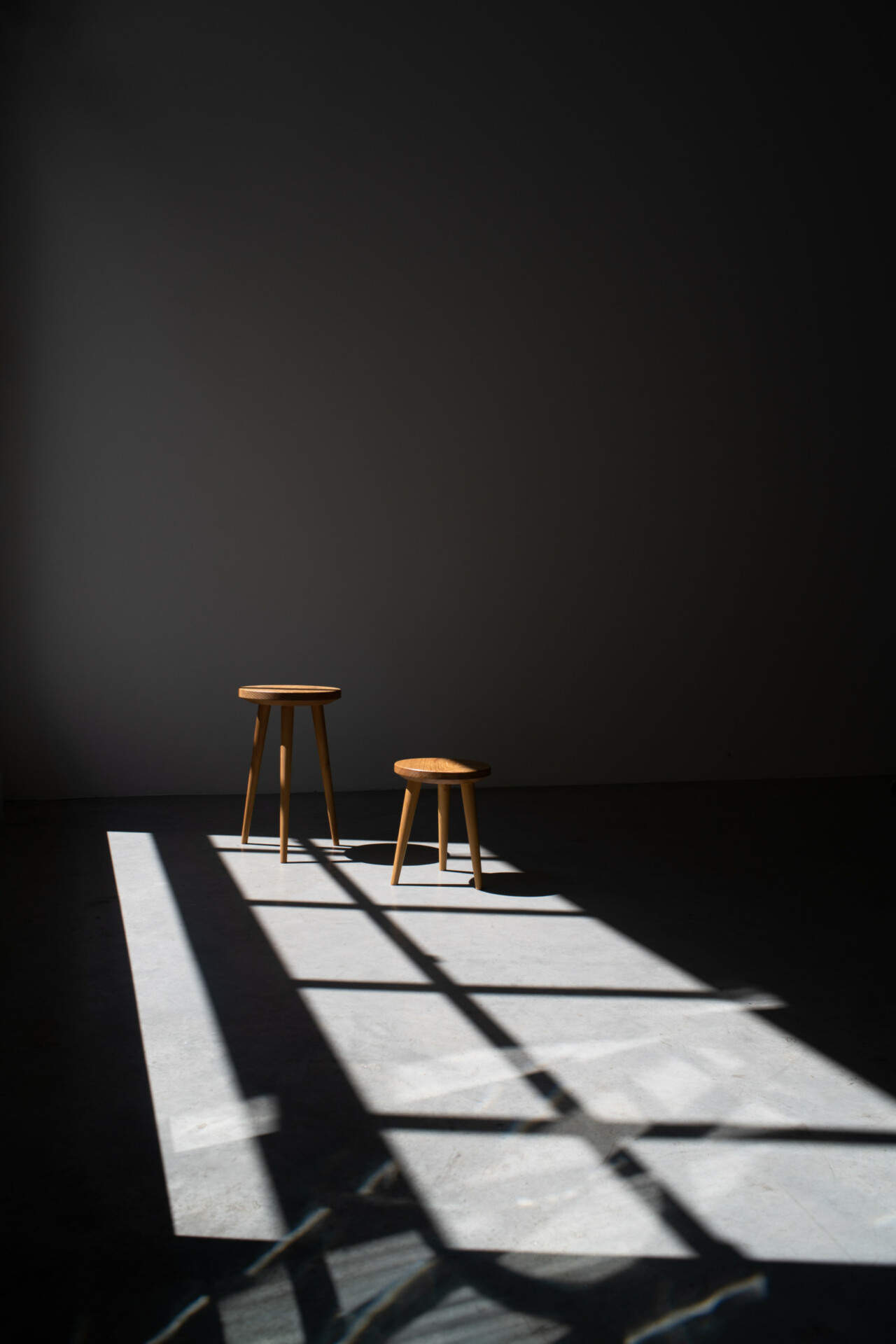
I first came across the Klaus stool when I saw it in a photo. It reminded me of the kind of thing I grew up with. In fact, this rustic-looking piece of furniture is actually the creation of Berlin craftsman (and software engineer) Max Stralka and his friends. Before settling down to talk to Max, he gives me a quick online tour of his workshop. When I see his box of legs and his robinia-wood seats all lined up, I love the stool even more. To me, it seems to reference tradition and transformation simultaneously, and that makes it truly emotional.
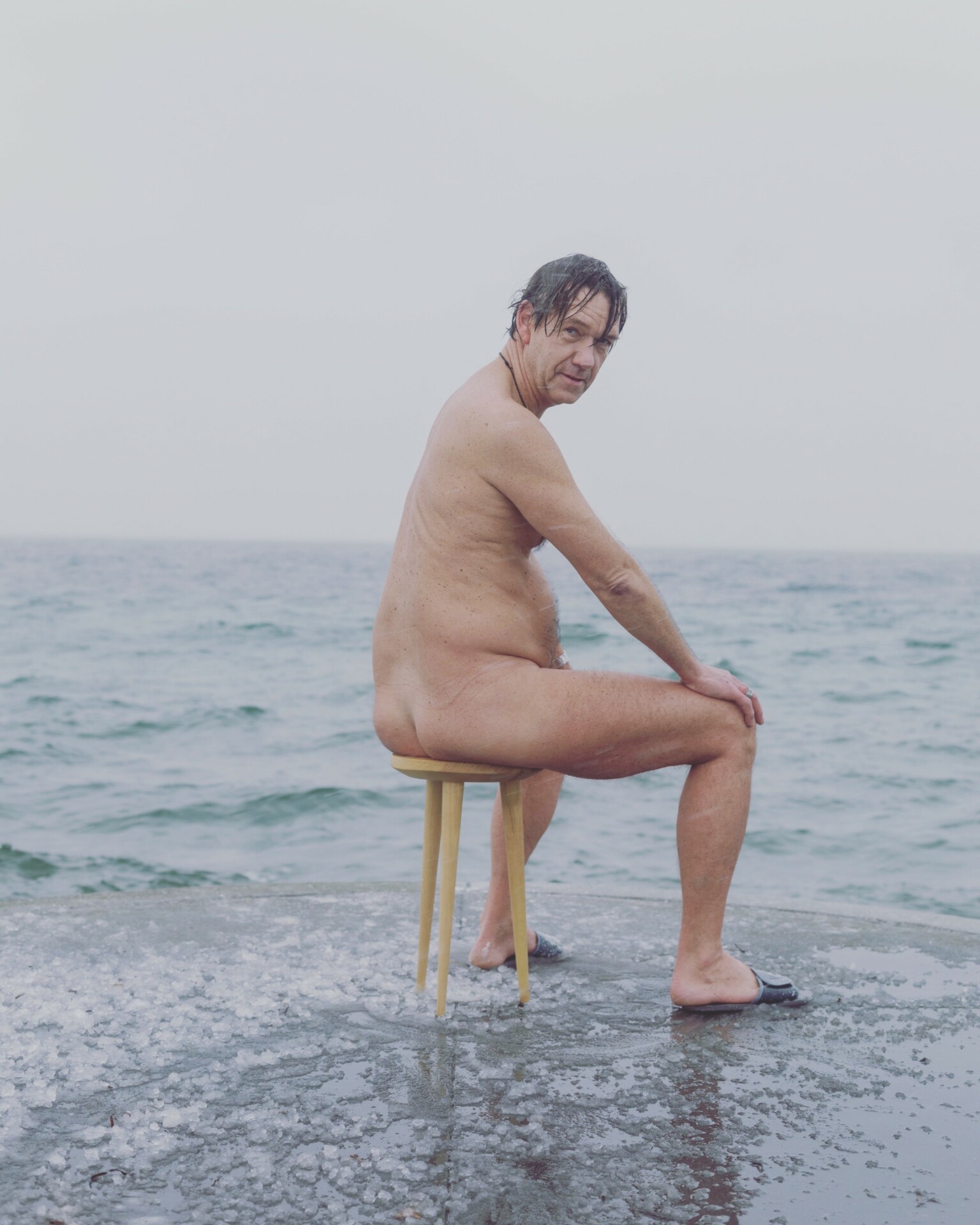
SLEEK: First of all, I have to ask about the story behind the photo on your website of the guy sitting in the sea on one of your stools.
Max Stralka: I take the stool with me everywhere I go. I once took one with me to Copenhagen in my hand luggage, two years ago. This picture came about on a winter’s day when we were standing at the Öresund [a bridge connecting Denmark and Sweden] and this Danish guy came out of the sauna. The friend who was with me simply asked him if he would sit down on our stool. The guy just grabbed it and sat down on it right in the middle of the water.
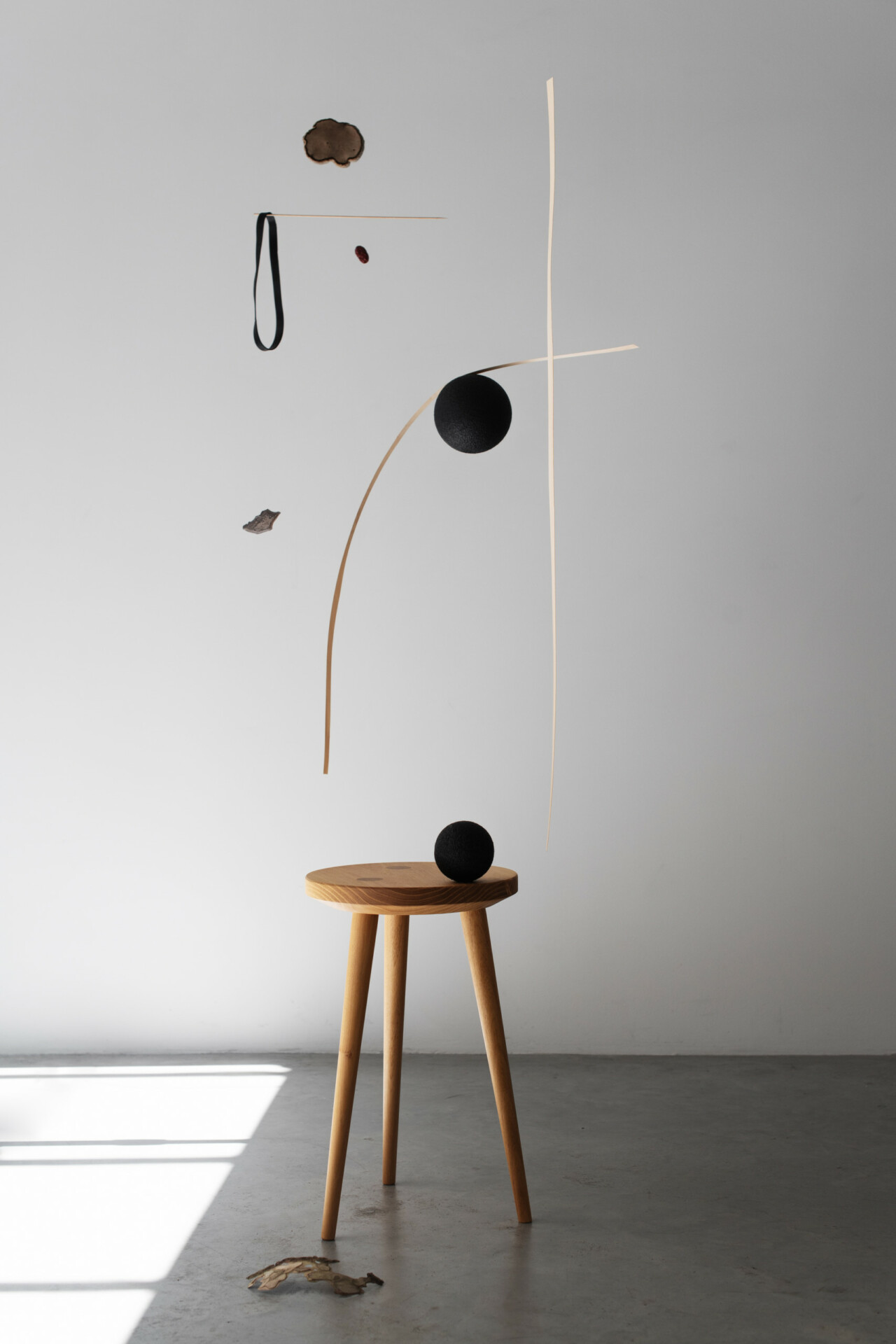
S: What’s the story behind your stool?
MS: Well, most people would wheel out some big story at this point, but I really don’t have anything suitable! Mine is more a story about finding myself, about setting off and having a different starting point. I like to call it a search for ‘flow’, even though the word flow is a bit hackneyed nowadays. I’m the kind of person who picks up on minor coincidences and takes them on with an open mind. It all started with a gift and a gift voucher. In the Modulor [office and supply store] on Moritzplatz in Berlin, there’s a joiner called Klaus, who was just amazing and happy to spend some time with me. A simple stool seemed to me to be a great first project, so that was what my first attempt would be. And after three months, I finally had this stool to show for my efforts. After that, I made five more, and my friends started saying they’d like to buy one off me. I still had my day job at the time, so the thing with the stool was a nice, secure alternative to focus on. I started getting more and more into it until, in the summer, I finally decided to go with it: I gave up my other job and now spend four days a week here in the workshop.
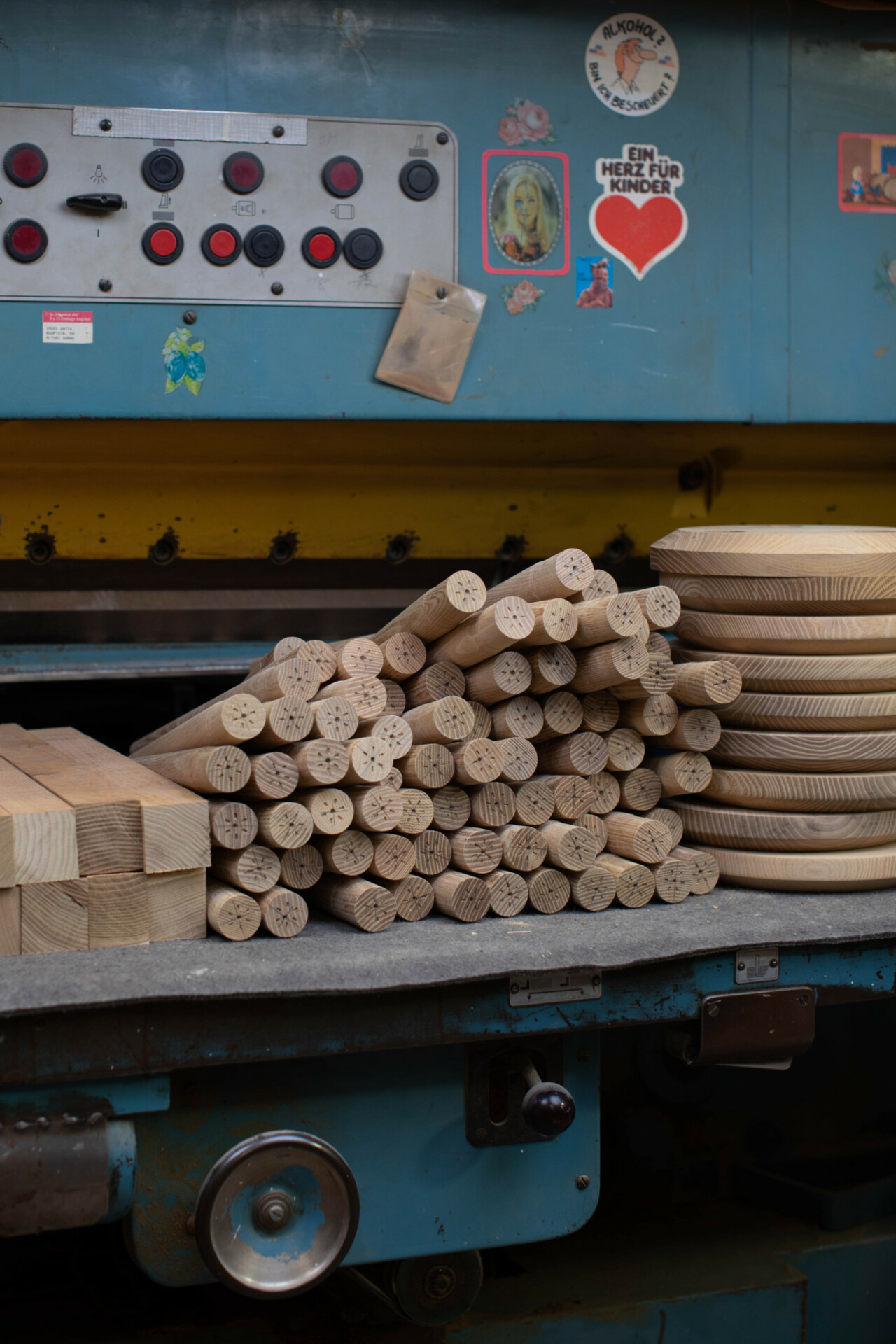
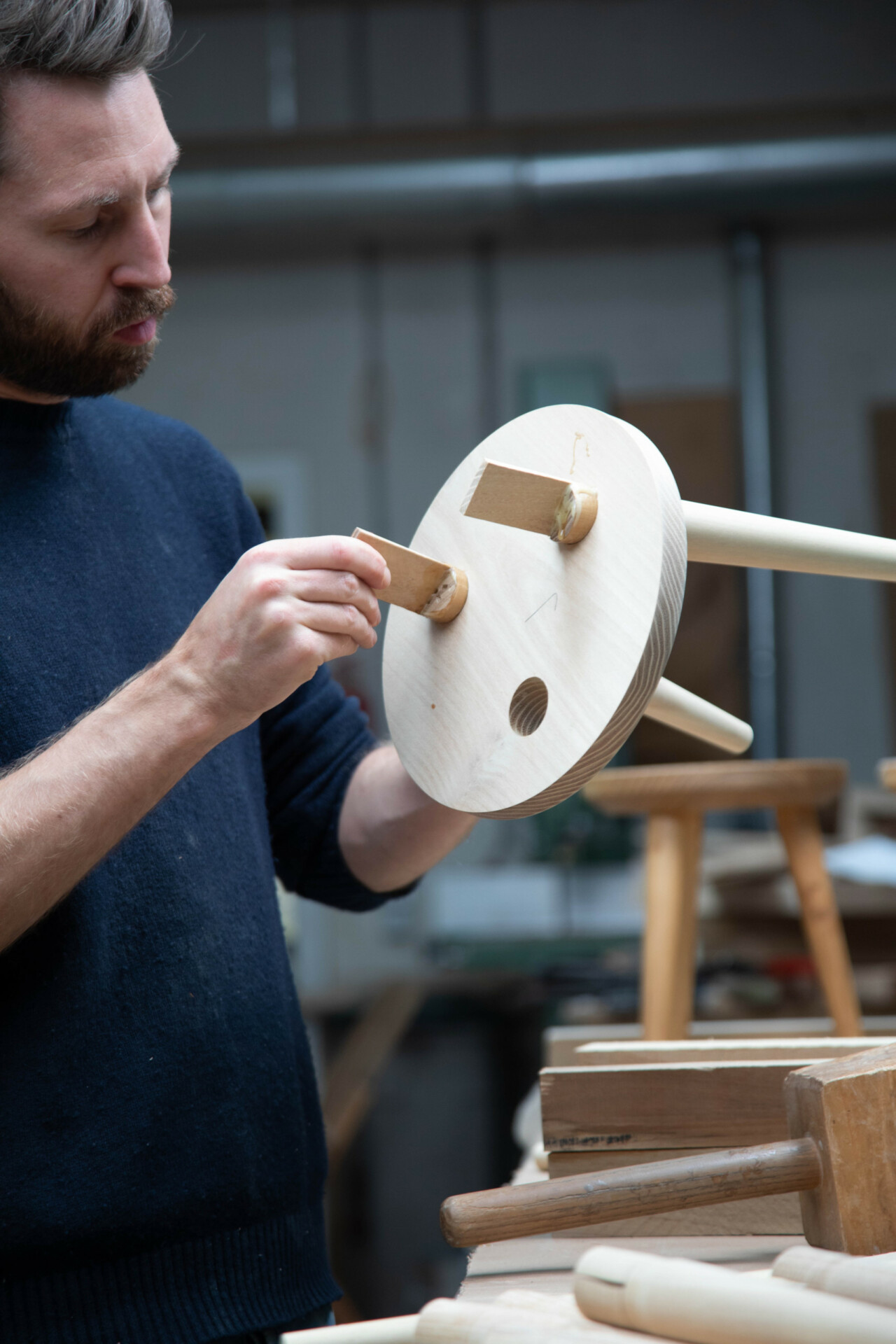
S: How many of these stools do you make in a month?
MS: Between 20 and 60, tops. When they’re finished, I take them home with me to my apartment in Neukölln, which can get pretty full of stools at times [laughs]. I’ve put up some brackets in the kitchen now, where I can store about 10 at a time.
S: With a product that has a story like yours, would you say that emotional factors are an inherent part of the Klaus’s value?
MS: Sure. I take the time to create a stool like this, and then from that comes my monthly output and what it formally costs me to do. So, if someone comes along and buys one of my stools, it’s not going to be cheap – in the usual sense of the word. Far more, they’re buying something that has a story behind it, so they are getting to know me as a person.
S: And limiting yourself to making a single product ties in with other important topics, like the future of consumption, dealing mindfully with what we have, and the way we set up our lives. Do these things resonate in what you’re doing as well?
MS: Claude Debussy once said, “My freedom lies in constraints. Luckily, the piano only has 88 keys.” His words made me realise that restricting yourself can actually give you freedom. Sometimes I stand in front of this stool, with its three legs and seat, and spend the entire day thinking about it. Working within these constraints gives me a certain peace of mind, focus and freedom. I’m not thinking about any other products (yet) – although Klaus has given birth to mini-Klaus [laughs]! I’d like to carry on thinking within these restrictions.
Read the full interview via Print or Digital.