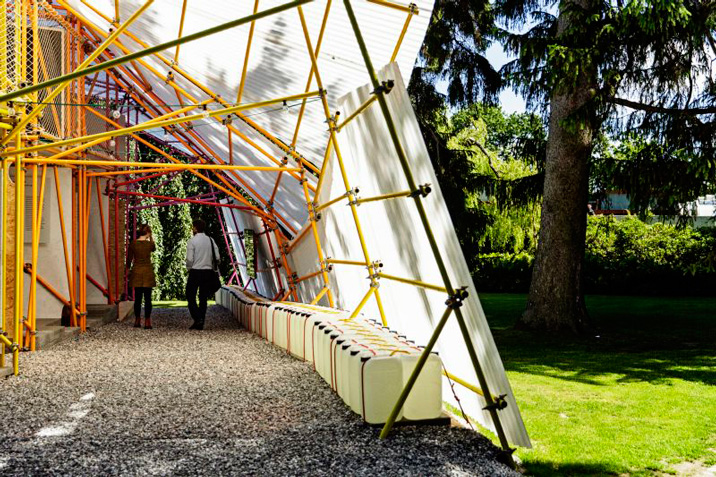
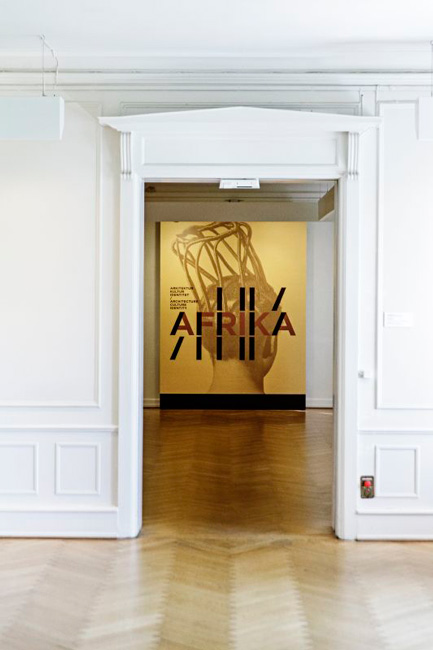
 Africa – Architecture, culture and identity, Louisiana Museum of Modern Art, photo by Ulrik Jantzen
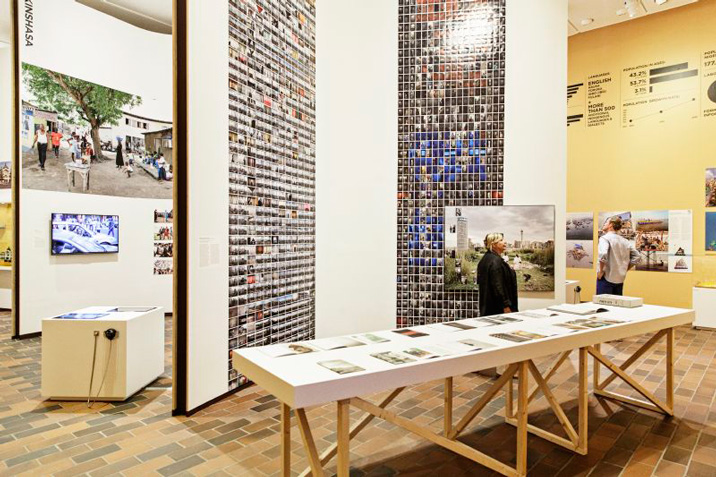
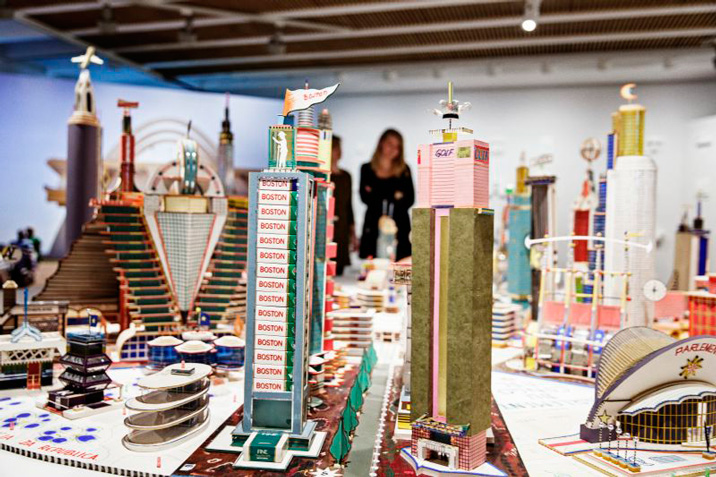
Having previously explored the Nordic and Arab spheres in its Architecture, Culture and Identity series, Louisiana Museum in Denmark concludes its trilogy with Africa. Together with the expertise of international artists such as Sammy Baloji and architects such as David Adjaye, the exhibition focuses on current architectonic solutions that involve cooperation with the local community. The show features a number of actual-size architectural installations, as well as art, photography, and film that reflect alternative narratives about African culture and history. Co-curator Mathias Ussing Seeberg discusses this fresh multifaceted approach.
What made you start the whole project and who’s been involved?
The exhibition has been planned for many years together with New Nordic and Arab Contemporary. The idea was to look at these different parts of the world, starting with our own, and discuss if one could detect local and regional differences or if architecture today is only defined by “internationalism”. We didn’t collaborate with other institutions, but have relied heavily on experts and consultants to shape the exhibition.
The Triennale in Milan or Haus der Kunst in Munich have offered similar exhibitions – how is yours different?
Our exhibition differs quite a bit from the two other exhibitions in that we have an interdisciplinary approach. The other two were hardcore architecture and we’re focusing on the continent’s rich cultural complexity.
 Africa – Architecture, culture and identity, Louisiana Museum of Modern Art, photo by Ulrik Jantzen
African-born architects such as David Adjaye create innovative buildings around the world and on the continent itself there’s breathtaking architecture, like The Bibliotheca Alexandrina. How do you see this development?
The architecture we are mainly interested in is for the people. It is often young architects working across the continent in close collaboration with the future users – this is an interesting trend that we can learn from. However, in general you can always say, whether it is Denmark or Zambia, that there is a genuine danger in architecture widening the gap between those who are privileged and those who are not.
When it comes to housing and creating cities in a different way, do architects mostly consider working with the continent’s own resources independently from Western countries?
You can find all sorts of projects and the funding for them varies greatly. But I think that the stories we tell, the projects we show, are rooted in the local context and see its criteria for success much more in architecture’s ability to add fundamental quality to a given reality than the shape of the building.
 Africa – Architecture, culture and identity, Louisiana Museum of Modern Art, photo by Ulrik Jantzen
The countries on Africa’s western coast, in particular, have been experiencing flourishing economies driven by oil, gas or precious metals. Is there a link between that and the innovative building boom across the continent?
No doubt that Africa has many booming economies and no doubt a lot is being built as a result of this, but I also think that most of the architecture funded by this sort of money is in that so called “international style”.
Did you visit all the buildings featured in the exhibition? Where are they located?
We have visited some countries but have relied much more on people who have travelled more than we could ever do. The architecture we show is both in the cities, upgrading informal settlements, and in rural areas, re-interpreting the vernacular architecture.
 Africa – Architecture, culture and identity, Louisiana Museum of Modern Art, photo by Ulrik Jantzen
Are there similarities between African and Western architecture? How do they connect?
Yes, there are similarities. What is great about these projects is that they are globally oriented, but locally rooted. Often the buildings we focus on are made by materials found nearby, as you also see it in vernacular architecture.
What’s the core message Louisiana Museum is sending out with this exhibition?
I think we appreciate complexity more and the exhibition gives you an understanding of a complex and rich continent, which we should all spend more time investigating (not in the colonial manner) for our own sake – there is a lot we can learn.
Interview by Annika Hatje
“Africa – Architecture, Culture and Identity” is on show at Louisiana Museum of Modern Art, Denmark, until 25 October 2015
More Lives on Wire: An interview with Eloise Hawser
More: Cult of the Grotesque: Tianzhuo Chen at Palais de Tokyo