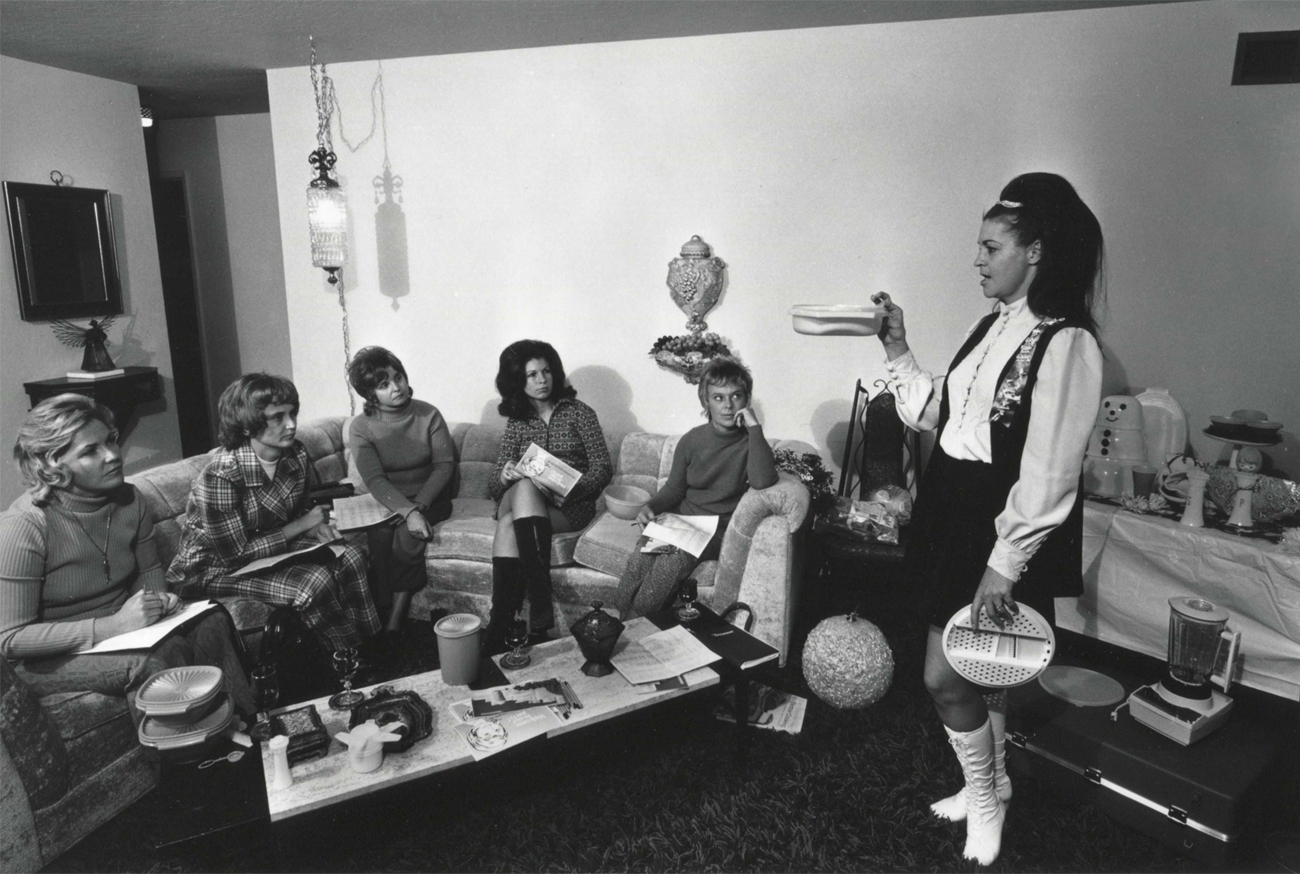
 Bill Owens from the series “Suburbia” Image from katrinadoerner.com
The American Dream is a concept rooted in America’s promise for social mobility. The widespread term is used to describe the American way of life and the ideal by which equality of opportunity is available to any American, allowing the highest aspirations and goals to be achieved. This idyllic notion has been documented in many ways, through fiction and non-fiction films, music and visual art. Not every depiction of the American Dream is quite as picturesque as the concept itself, however, with many artists dismantling the term’s more problematic elements.
With the celebration of Thanksgiving upon us, we have compiled a list of our five favourite photographers documenting the American Dream and, oftentimes, its breakdown.
 Bill Owens from the series “Suburbia” Image from katrinadoerner.com
Bill Owens
“Suburbia” (1973) by Bill Owens is a perfect depiction of the projection of the American Dream. Aspirations for two kids and a white picket fence in the suburbs is documented perfectly through a little community in California called Livermore. The inhabitants’ devotion to the American Dream is clear through the photographs and their captions like: “Sunday afternoon we get it together. I cook the steaks and my wife makes the salad.” The women are often shown at the hair salon or in the kitchen, preparing for neighbourhood Tupperware parties and backyard barbecues, in a recreation of the ideal social setting of middle America.
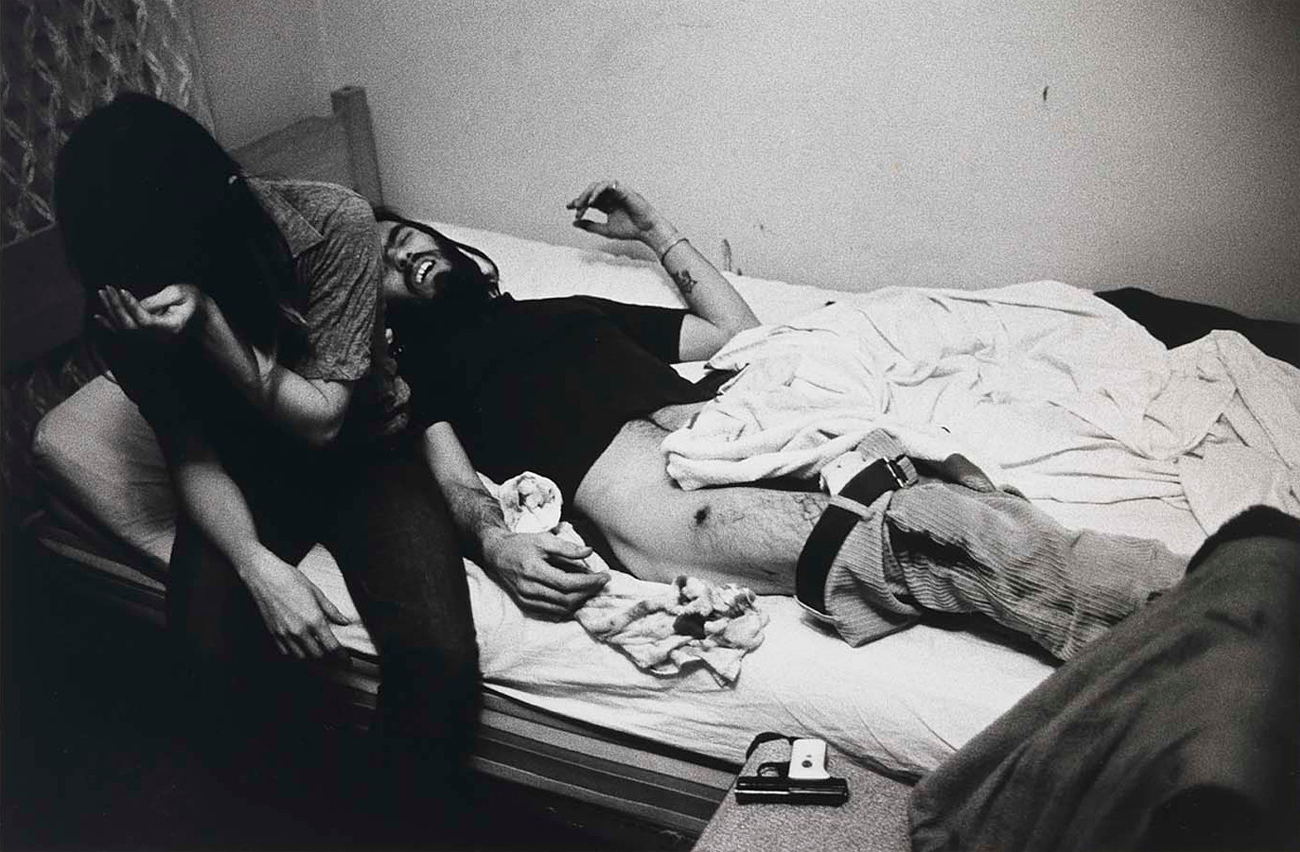 Larry Clark from the series “Tulsa” Image from amsterdamnow.com
Larry Clark
Photographer turned filmmaker Larry Clark has displayed the breakdown of the stereotypical American Dream since his earliest work, Tulsa, which was made in the ’70s. As part of the generation of baby-boomers, Clark’s photographs of his friends shooting amphetamines, having sex and playing with guns was a far cry from the expectations their post-war parents had of them. This generation, with all its opportunity, actually initiated the breakdown of the American Dream their parents strived to obtain. Larry Clark has continued to challenge this idea throughout his film career, alluding that recent generations no longer care or find it relevant to their lives.
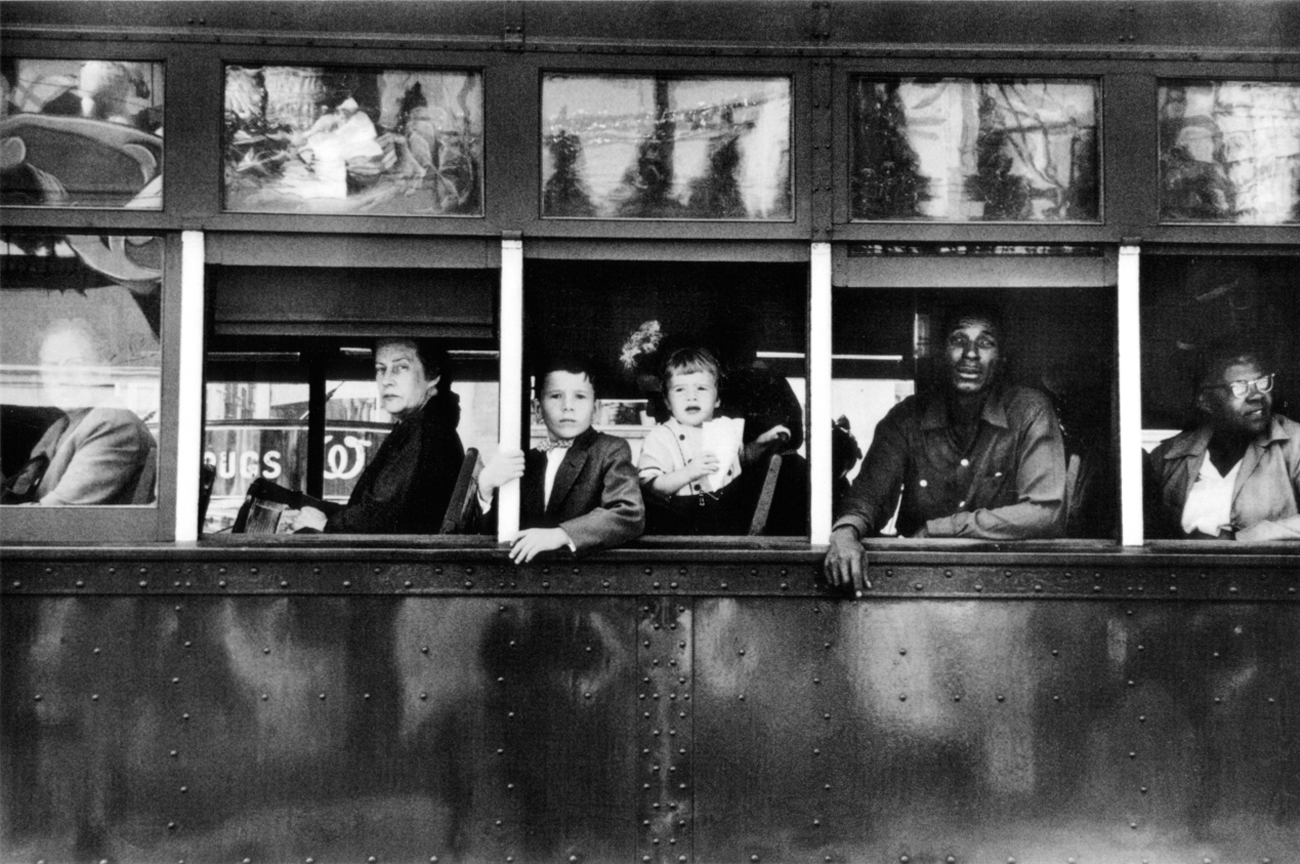 Robert Frank from the series “The Americans” Image from pinterest.com
Robert Frank
Documenting his journey on a quintessential American road trip, Swiss photographer Robert Frank highlights a different perception of the country. His subjects weren’t necessarily living the American dream of the 1950s, as he chose to focus instead on factory workers in Detroit, transvestites in New York and black passengers on a segregated trolley in New Orleans. These individuals were then set against portraits of glamorous party-goers in his book “The Americans”. The chasm between the American Dream and everyday reality is obvious, with Frank’s images comprising a skeptical portrait of an America that everyone knew, but preferred to ignore.
 Bruce Gilden from the series “Detroit: Against the Wind” Image from magnumphotos.com
Bruce Gilden
Magnum photographer Bruce Gilden went to Detroit in 2009 to capture the city where the American dream has ended. The previously prosperous city has gone from having the highest rate of home ownership to the highest rate of home foreclosures, and the formerly booming population is moving elsewhere due to the lack of employment. Gilden’s photographs depict the inhabitants that have stayed, and the city streets lined with derelict, empty homes – a scenery that’s also inspired the highly stylised vampire movie, Only Lovers Left Alive.
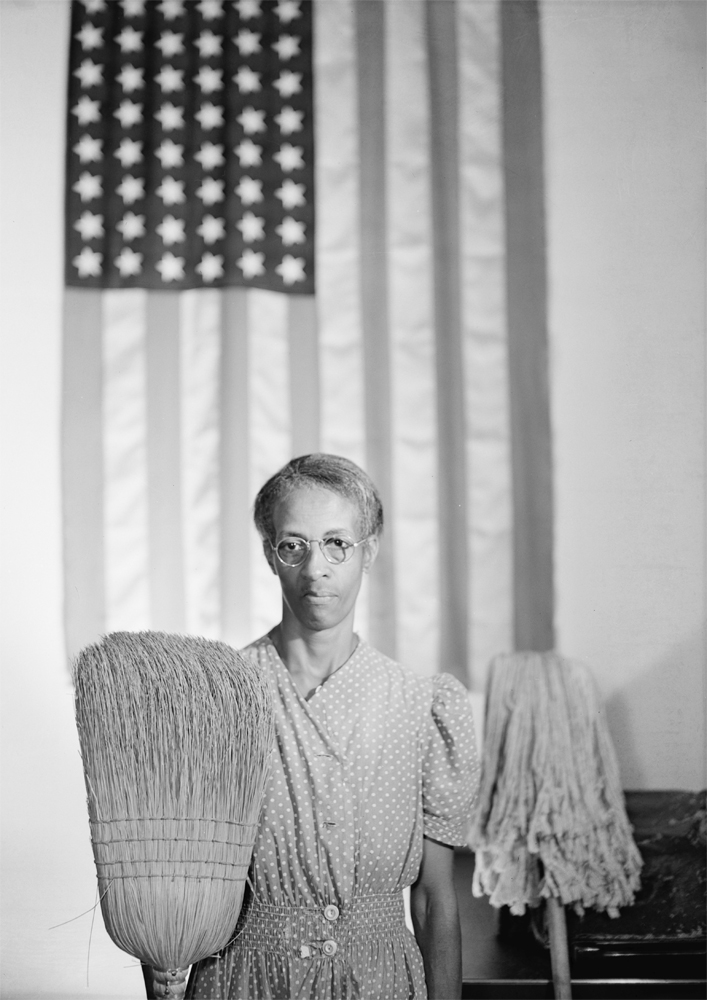 Gordon Parks “American Gothic” Image from wikipedia.com
Gordon Parks
Throughout his photojournalistic career, prominent documentary photographer Gordon Park, mainly concentrated on issues around black civil rights and poverty. Skeptical but hopeful of the American Dream, Parks’ acclaimed photograph of Ella Watson – a parody of the painting “American Gothic” – appropriates American culture and values by replacing the original pitchfork with a mop, the farming couple with one black woman and the rural background with a blurred American flag.