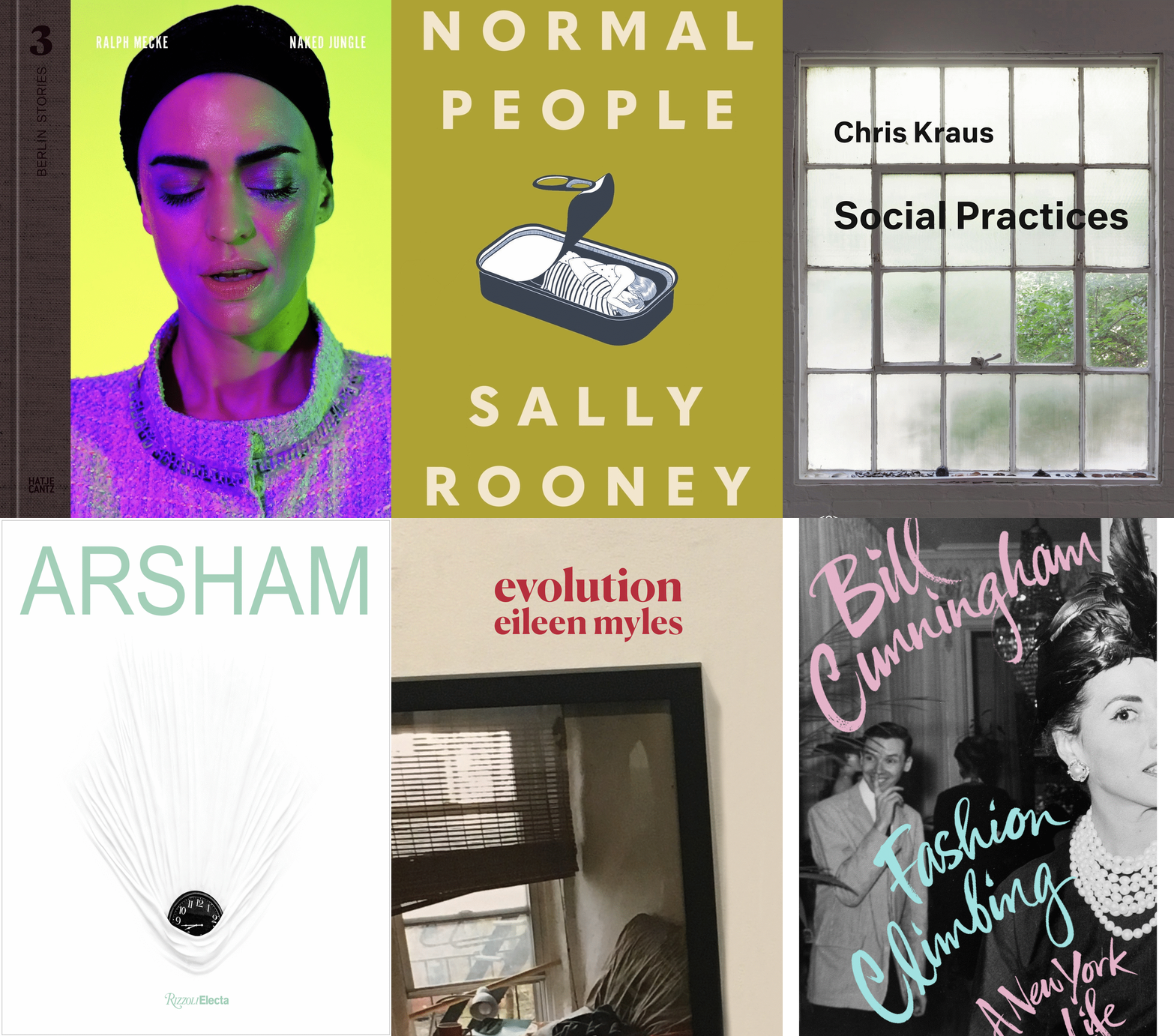
The skies are overcast and grey, the temperature’s dropping, and summer seems nothing more than a distant memory. But with the change in seasons, comes a winding down and the desire to stay in doors with a good book. With that in mind, we’ve compiled some of our current favourites across photography, poetry, memoir, fiction, and non-fiction. From SLEEK columnist Chris Kraus’ essays on art’s role in society to award-winning photographer, Janet Delaney’s politically-fraught photos, there’s something here for everyone.
Berlin Stories 3: Naked Jungle, Ralph Mecke (Hatje Cantz)
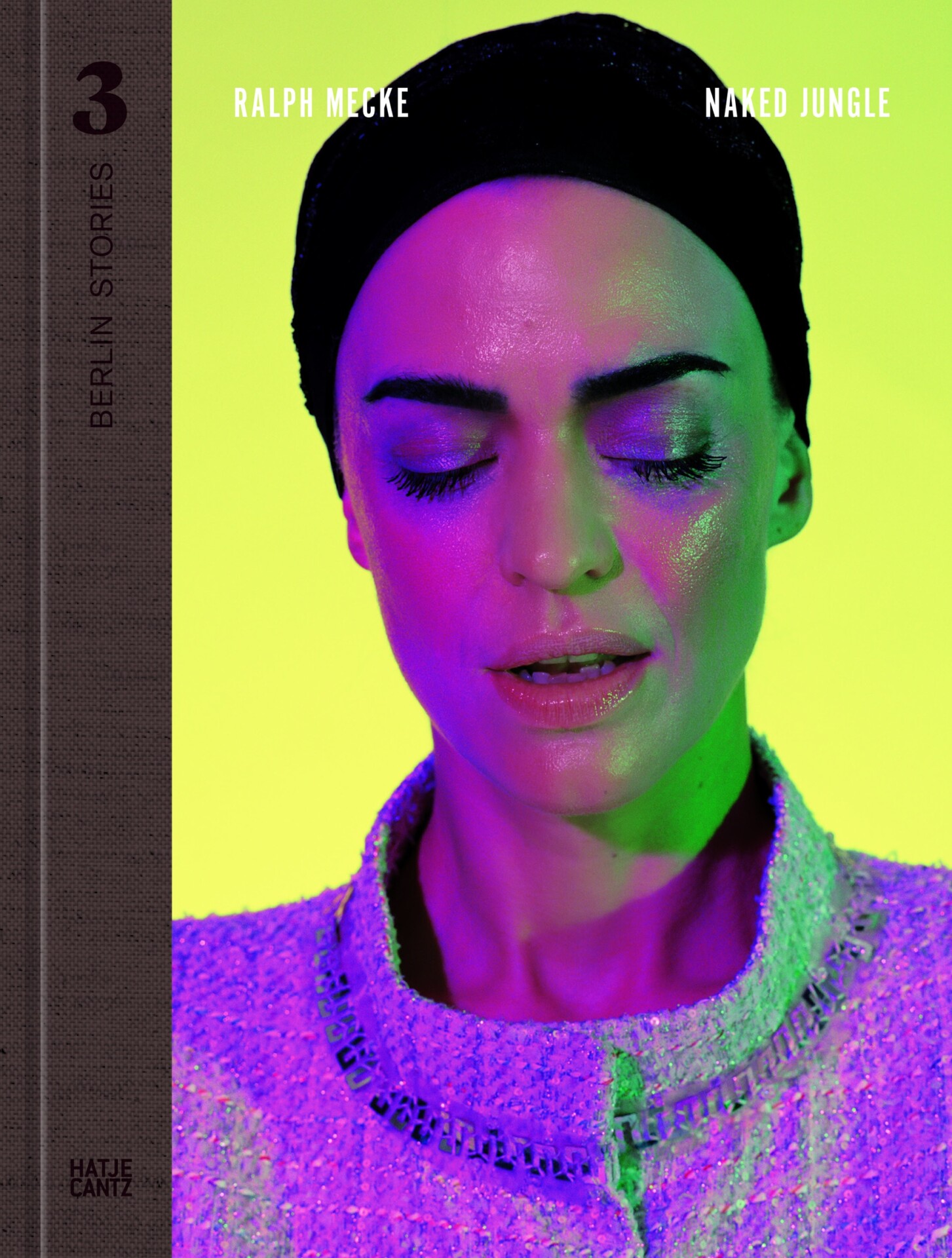
New York-based photographer Ralph Mecke returns to his native Berlin to get to the heart of what makes the German capital one of the most fascinating cities in the world for titles including, Vogue and Liberation. Through his lens, he captures legendary Berlin model, Nadja Auermann in the dank basement of infamous techno club, Tresor, for example, or the foreboding facade of Berghain punctuated with two upper windows aglow. Expect both glamour and decay in portraits of Berliners such as Jonathan Meese, Hannelore Elsner and Clemens Schick.
See more here.
Arsham, (Rizzoli)
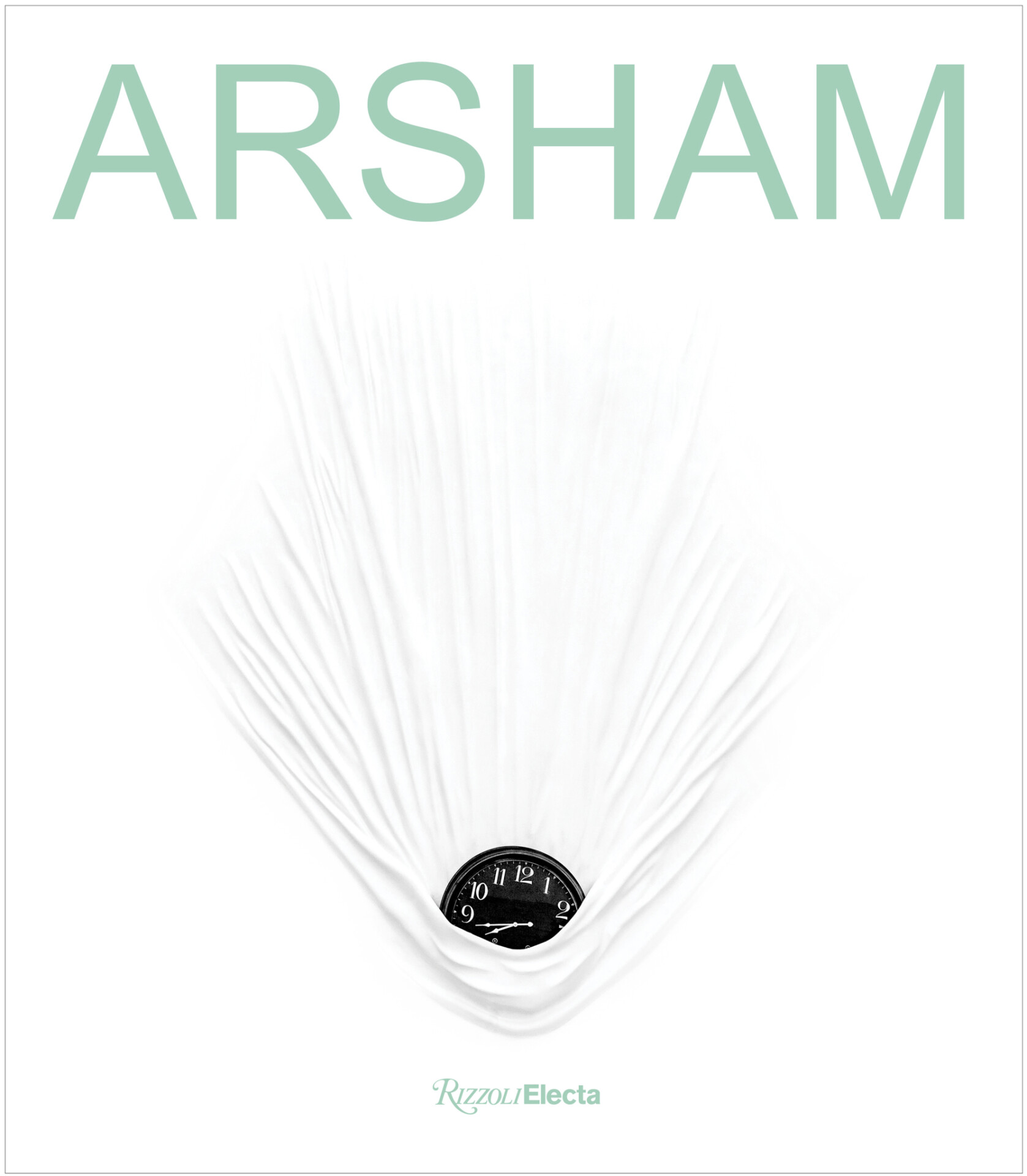
New York based artist Daniel Arsham’s work exists at the intersection of art, architecture and performance. Fashioning itself as an induction manual, this in-depth monograph provides a vital analysis of Arsham’s disruptive environmental installations and his playful sculptural forms mined from popular culture. With contributions by contemporary tastemakers, Hans Ulrich Obrist and Virgil Abloh, Arsham is the ultimate art book for those interested in the ways in which different mediums overlap.
See more here.
Public Matters, Janet Delaney (Mack Books)
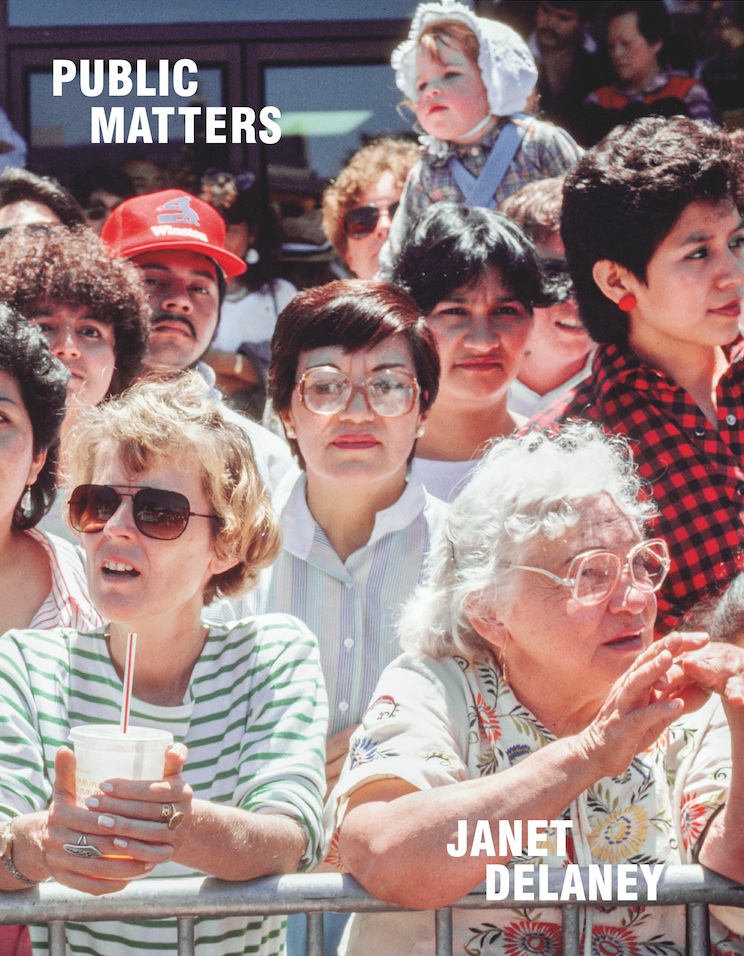
Fresh from exhibiting at Photo London earlier this year, Californian photographer Janet Delaney’s images of Reagan-era San Francisco are gathered in this nostalgia-hued collection. Delaney’s photographs capture a unique moment in time when the United States was undergoing conservative change, but the West Coast city sought to withstand this regression. Taking her bulky view camera through the streets and sights of the city, Delaney creates a politically-charged portrait of a place and its people.
See more here.
Normal People, Sally Rooney (Faber)
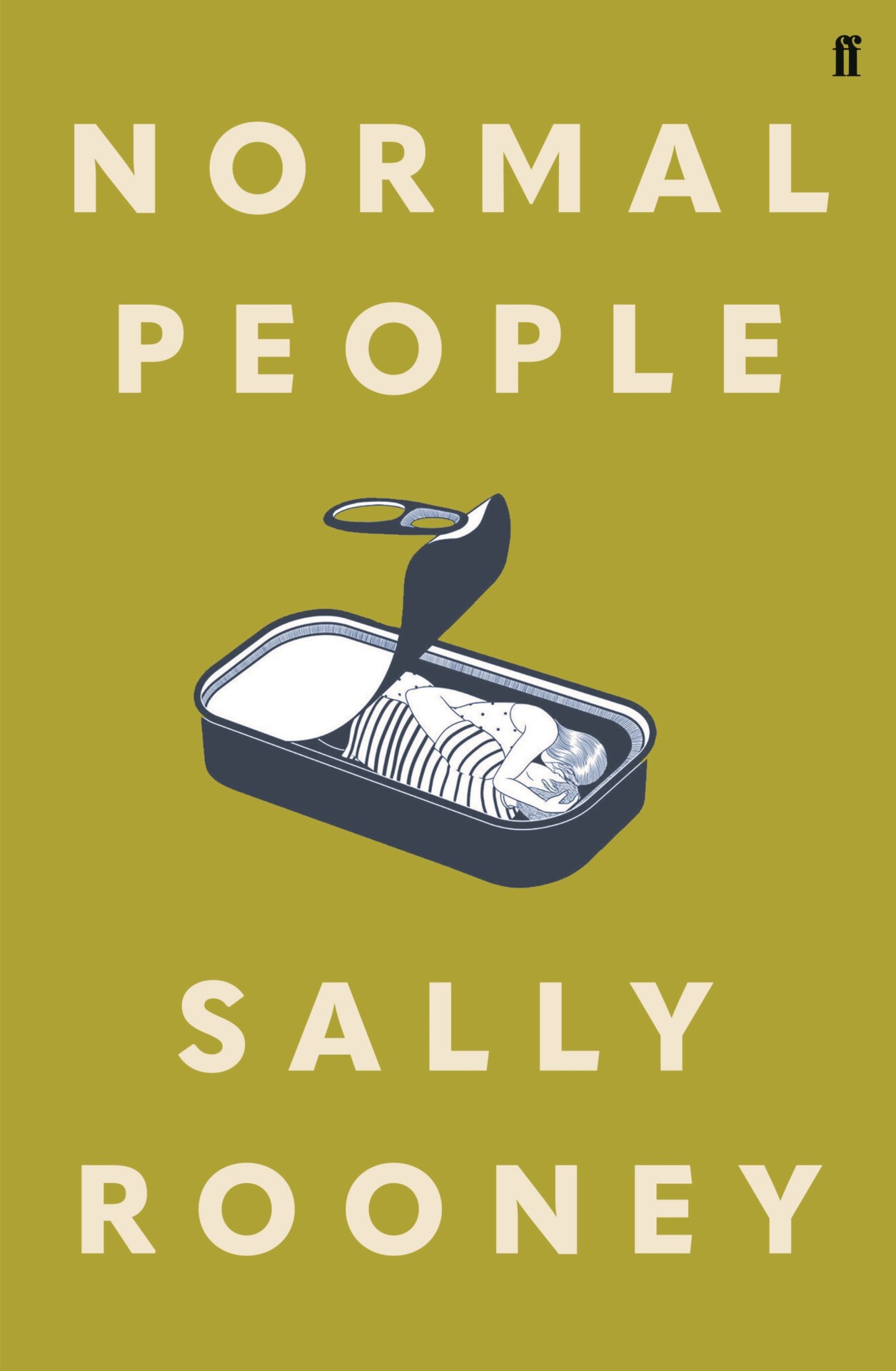
It’s been little over a year since Irish literary sensation, Sally Rooney, released her spellbinding debut, Conversations with Friends, which garnered a hoard of prizes and international praise. Now, Rooney is back with her second novel that’s an equally smart and timely take on contemporary life. Normal People follows the relationship between Connell and Marianne as they move from their hometown in the West of Ireland to study at Trinity College Dublin; a tender and intelligent love story for our times.
See more here.
Social Practices, Chris Kraus, (Semiotext(e))
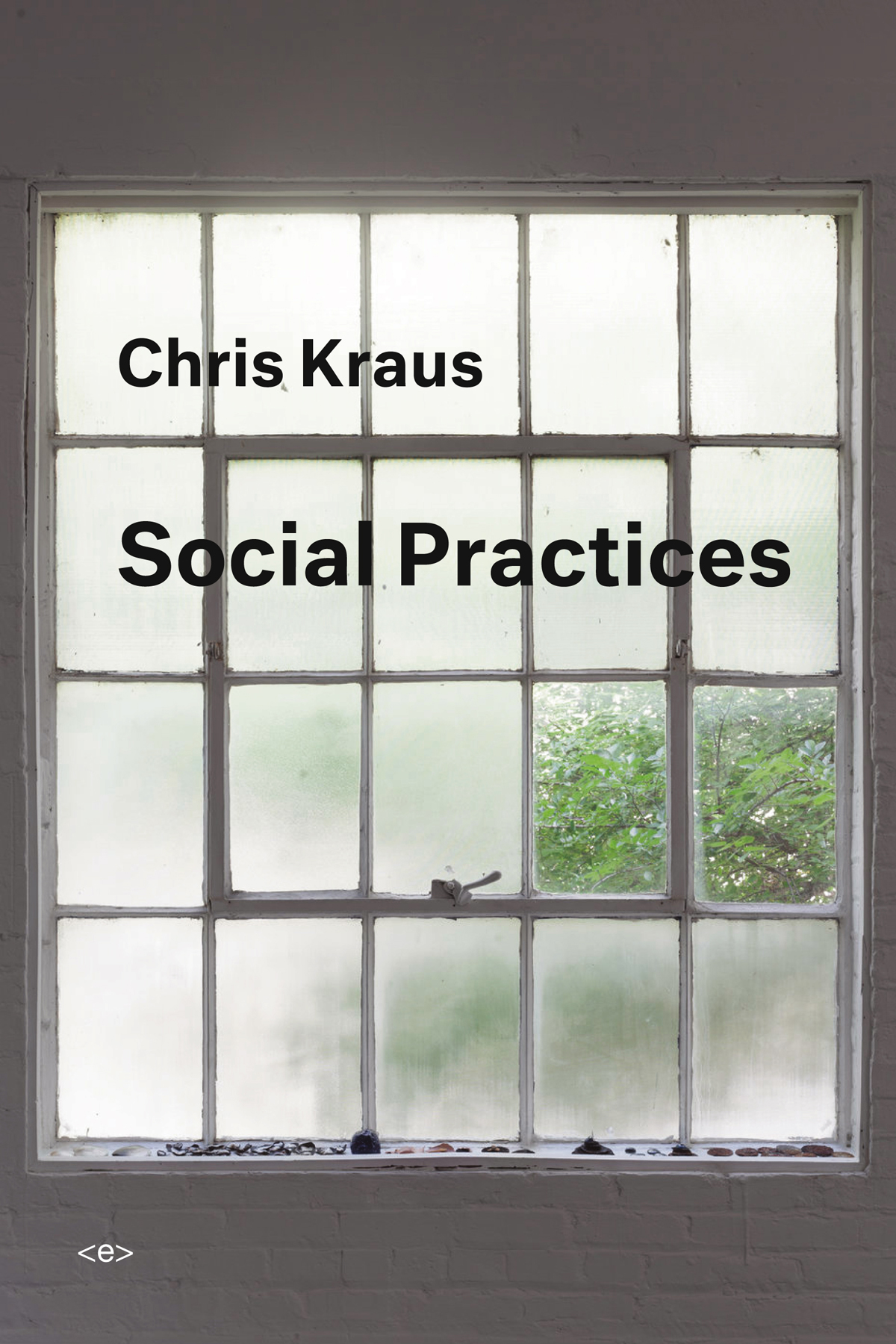
SLEEK columnist and acclaimed author of I Love Dick, Chris Kraus, has penned this crucial collection of essays that continue her exploration into the role of art in society. Examining the work of a number of major contemporary artists including, Yayoi Kusama, Ryan McGinley and Channa Horowitz, Kraus compiles biography, autobiography, fiction, criticism, and dialogue with friends into an intellectually rigorous study that ponders the prism through which art is read.
See more here.
Fashion Climbing: A New York Life, Bill Cunningham (Penguin)
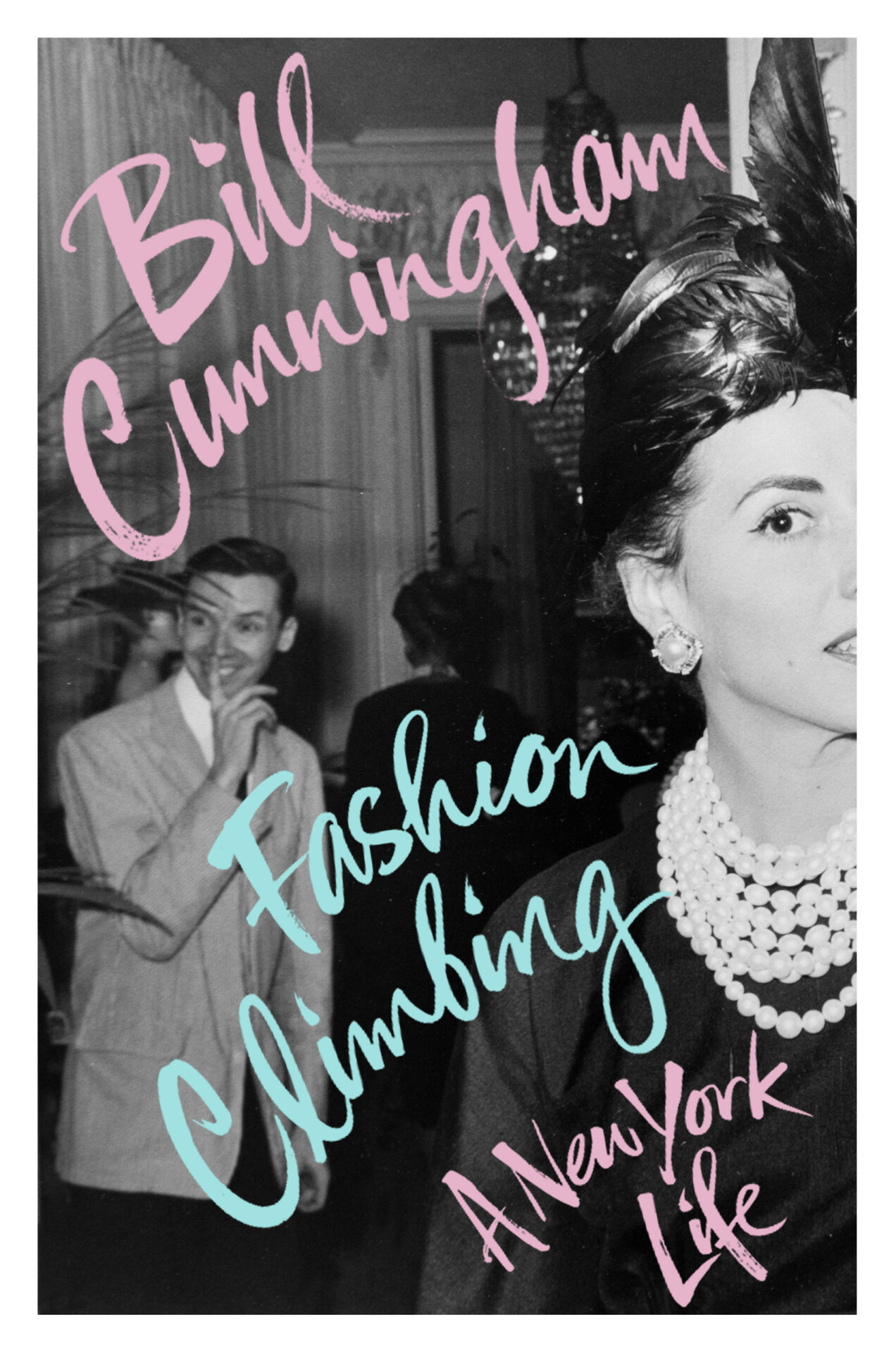
Before the countless number of street style bloggers, there was Bill Cunningham, the legendary New York Times photographer, who snapped style on the street. In this posthumous memoir — with a preface by Hilton Als — the iconic image-maker recalls his early days as a hat designer in the 1950s, before turning his hand to fashion journalism and photography. Told in Cunningham’s infectious tone, this is both an irreverent document of New York’s social history as well as a eye-opening tale of one man’s insatiable thirst for style.
See more here.
Evolution, Eileen Myles (Grove Press)
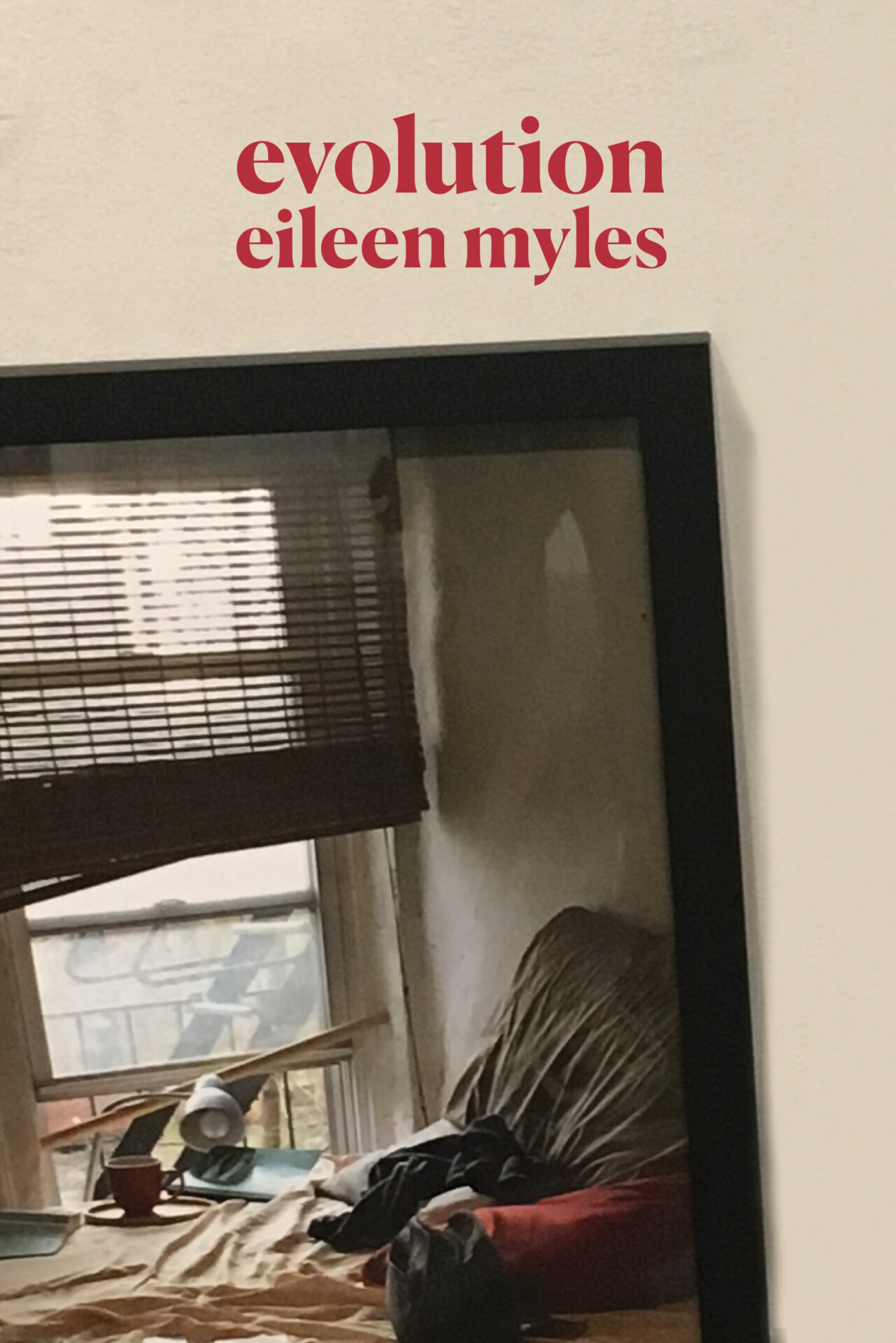
The radical New York poet returns with this characteristically genre-bending collection of poetry. Their first book of poems since 2011, Evolution covers typical Mylesian grounds — New York City, the conflicts of self, sex and intimacy ripple through their idiomatic and exuberant verse. As a book, Evolution dips into the unknown, pondering the knotty matter of existence against the candid familiarity of the everyday. As much as Myles dwells on personal themes such as the death of their mother, Evolution also veers into the volatile field of contemporary politics.
See more here.