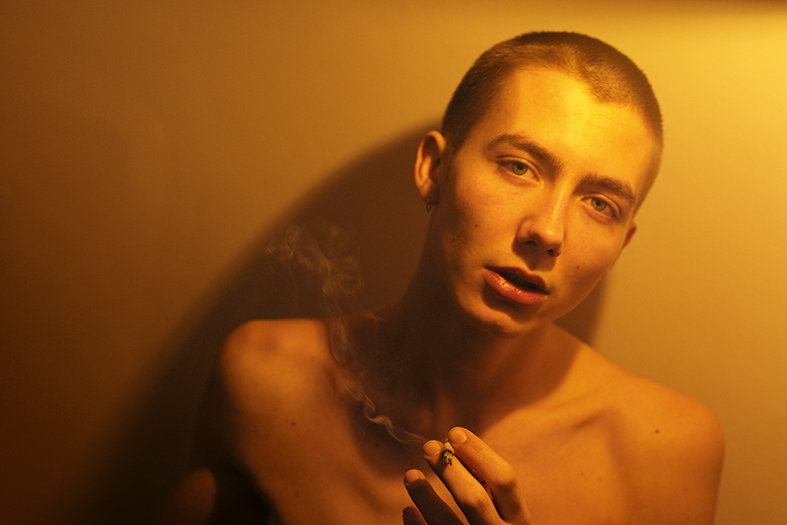
Courtesy of Paul's Book by Collier Schorr (MACK 2019).
Over the course of her 30-year career, American photographer Collier Schorr has managed to successfully bridge the gap between the worlds of art and fashion, celebrated equally for her striking fashion editorials and ad campaigns (for the likes of Comme des Garçons, Dior and Louis Vuitton), and for her poignant portraits of adolescents, which deftly blend realism and fantasy to investigate themes of gender, identity and desire.
The two sides of her practice frequently overlap, as evidenced in her new photo book, Paul’s Book, out now from MACK. Its protagonist, Paul Hameline, 23, is a well-known French model who has featured in many high fashion stories and walked for houses including Fendi, Prada and Saint Laurent, while the book itself is a collaborative project between the artist and her subject, centred around the idea of youth. “There is a common assumption about youth which is: Youth is about youth,” Schorr writes in the book’s accompanying text. “But that isn’t really true. Youth is really about the past. Youth is not the pool that young men gaze adoringly into; it is the pool that old men gaze in, in order to measure the distance their bodies have travelled.”
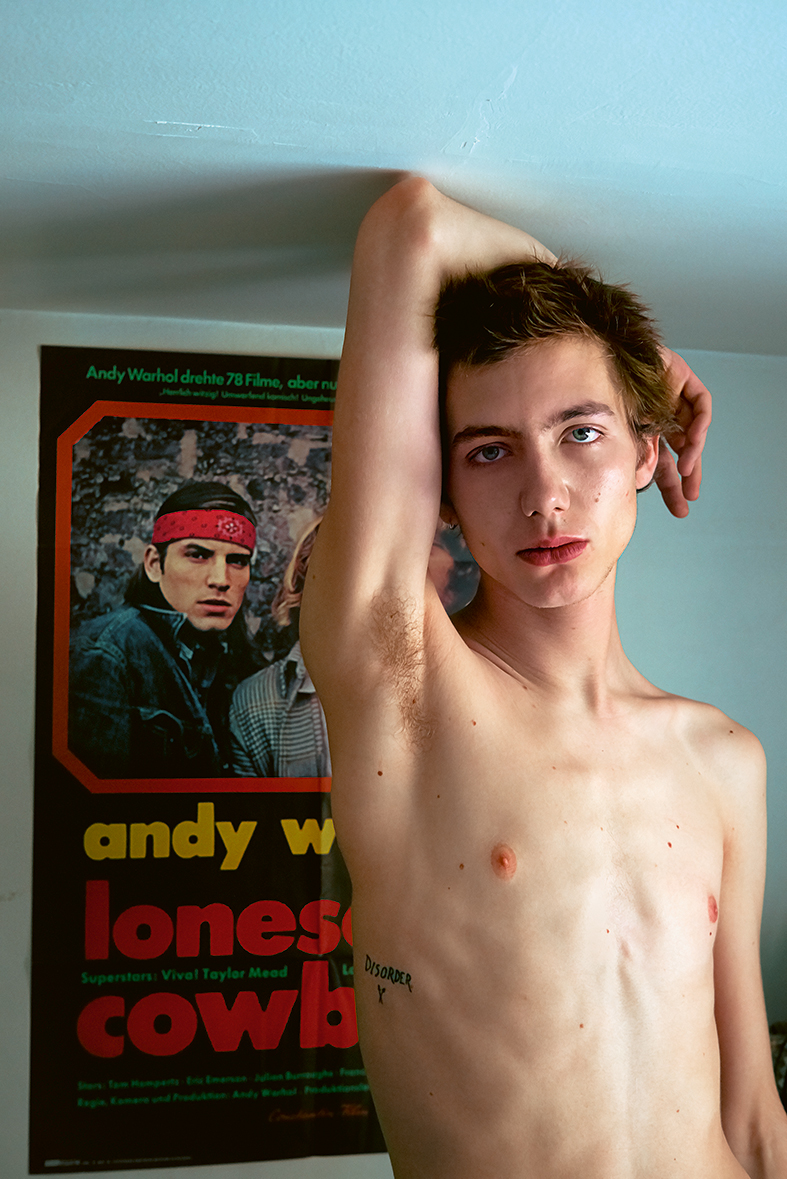
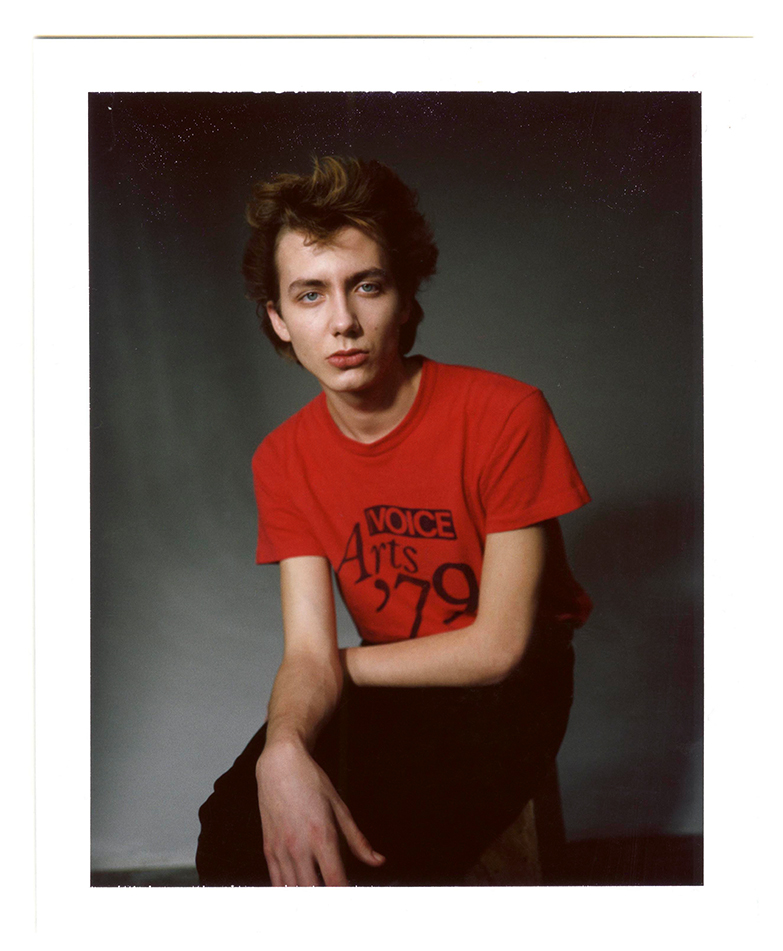
Hameline and Schorr met at a “go-see” in Schorr’s native New York in 2015, and forged an immediate bond. For the next two years, whenever Schorr travelled to Paris for work, she would visit Paul at his parents’ house in the Marais district, a short distance from her hotel. Each time, the photographer would shoot the model at home, resulting in a series of extraordinarily raw and nuanced studies of the model and his body—nude, sem-nude and fully-dressed. “There was something about this domestic space that… [lent] an aspect of intimacy and documentary,” Schorr told Vogue International.
What began as a casual side project, soon evolved: Schorr and Hameline grew the shoot into a fashion story for Re-Edition magazine, including looks by Balenciaga and Vetements and introducing a “supporting cast” into the mix, including a young girl named Edith, the stylist Lotta Volkova and the model James Crewe. Eventually, they decided to go the extra mile and turn it into an artist’s book.
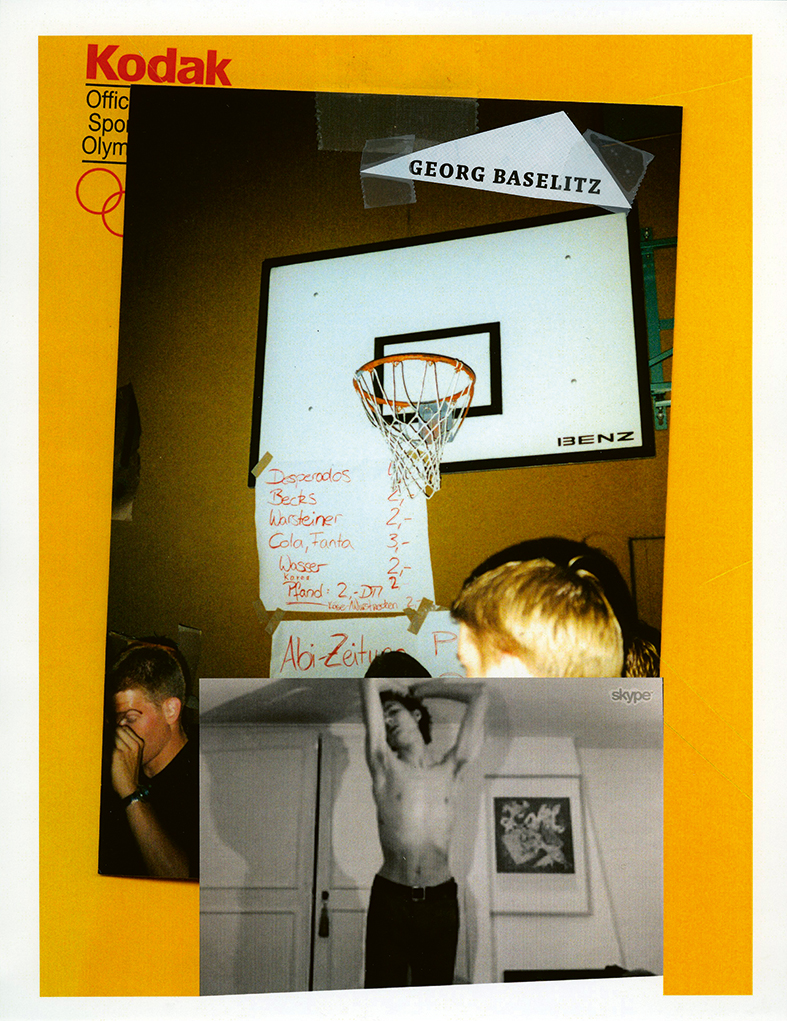
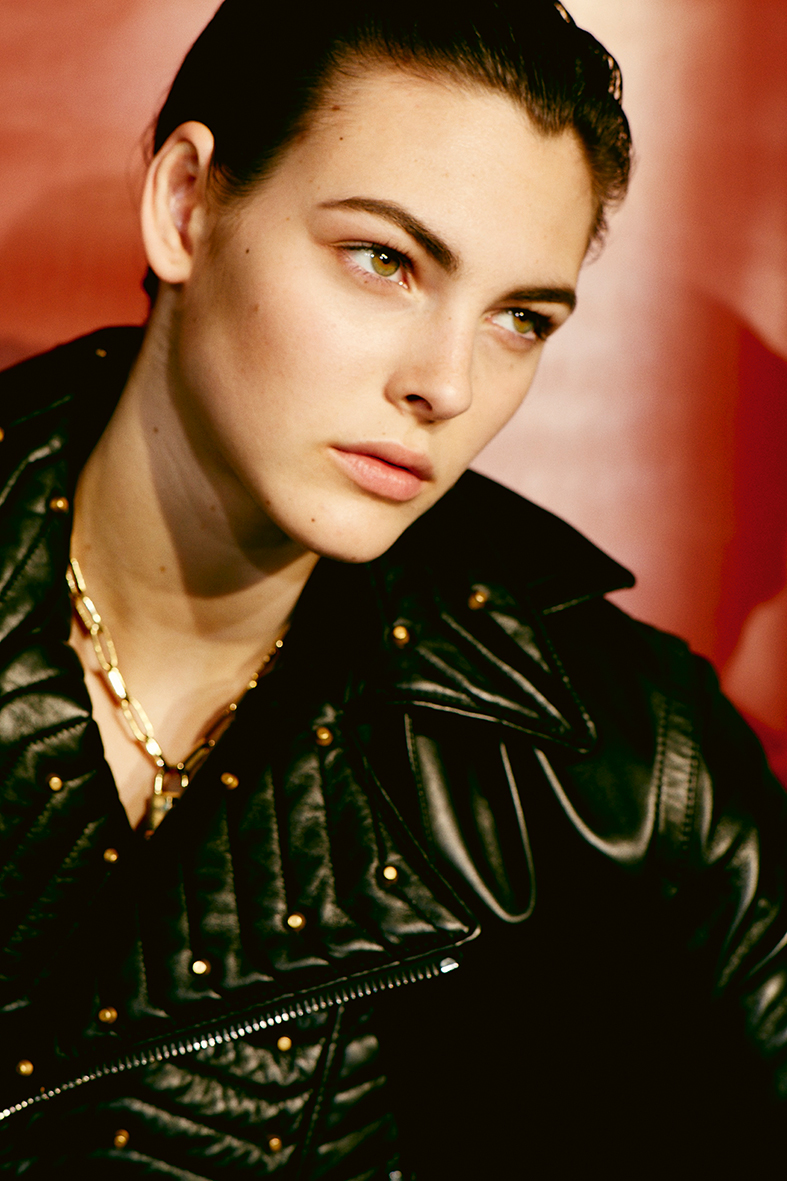
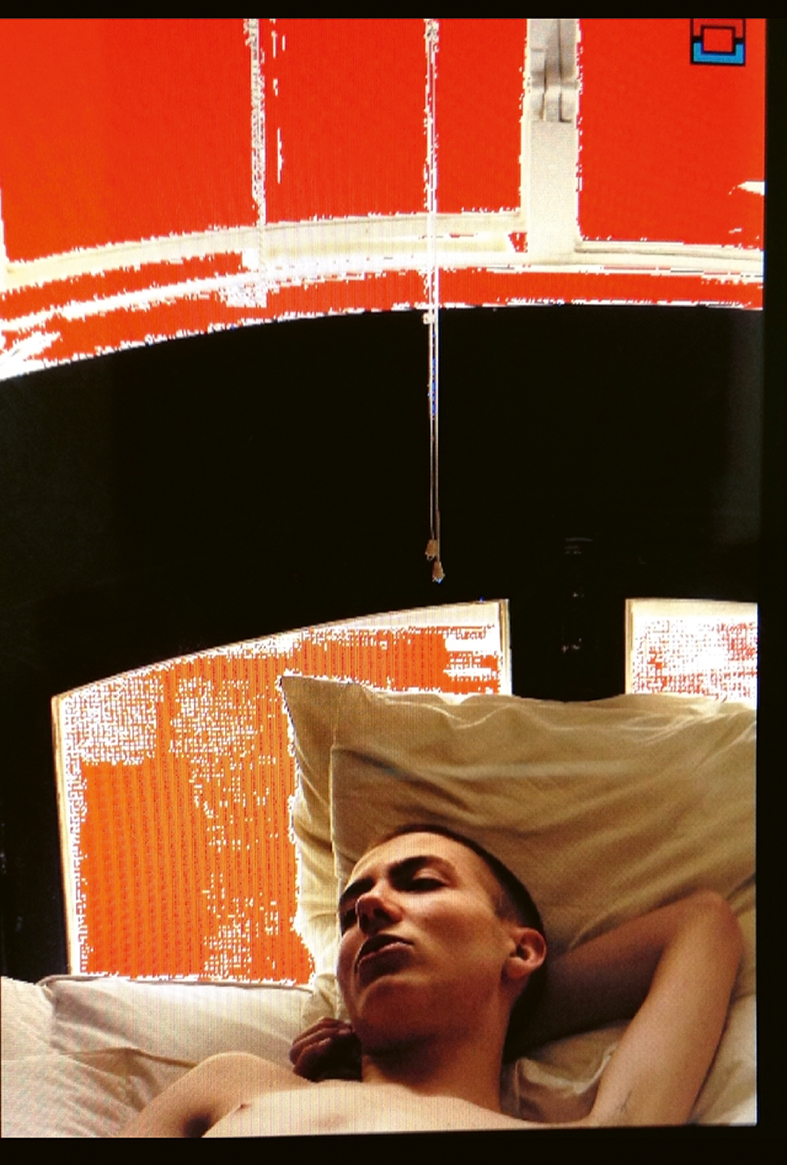
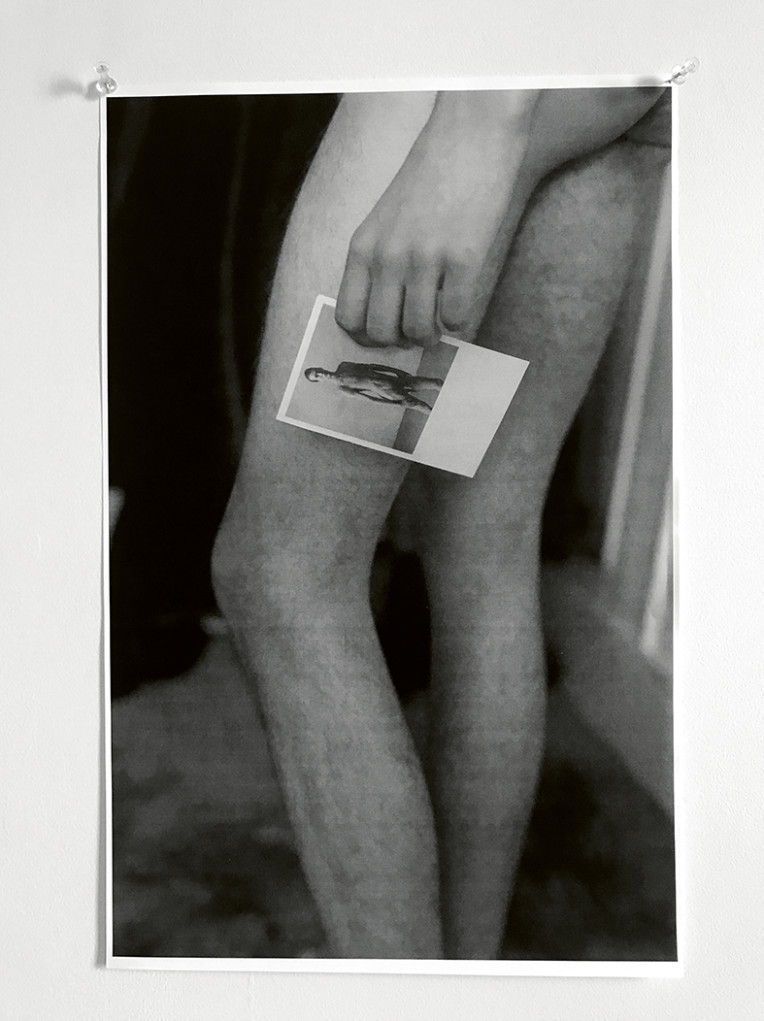
The book contains Schorr’s signature mix of black-and-white and colour portraits, while incorporating collage and a number of photographs within photographs. The images’ psychological undertones are similarly varied: sometimes, the model makes seductive eye contact with the camera or strikes a performative pose next to household objects (a sculpture of a horse, a Wes Anderson poster); at others, he appears completely natural—reading naked or lying pensively in bed as if unaware of any other presence in the room. Schorr credits such chameleonic shifts to Hameline’s shrewd understanding of both photography and his own body.
“I was collaborating with Paul on every picture,” Schorr told Vogue. “Both Paul and I were looking to add to a continuum of pictures. There were [film director] Larry Clark photos in little frames on the coffee table at his house and a postcard of a naked [artist] David Wojnarowicz shot by [photographer] Peter Hujar on his bedroom wall, which we photographed him holding. I think Paul was interested in how he could play both of those parts—he could have autonomy like Wojnarowicz or be an object of desire like a Clark picture. It’s as though we were adding to this history rather than recreating it.” The result is a fascinating symbiotic feat; a poignant investigation into what the book’s publisher, MACK, terms “the way in which a photographer and model can search for some greater revelations with the simplest movements and various states of undress.”
Paul’s Book by Collier Schorr is published by MACK.
All images courtesy of Paul’s Book by Collier Schorr (MACK 2019).