With the Luce, Ferrari enters territory it has never occupied before: four doors, five seats, four electric motors and a design written with Jony Ive and Marc Newson. A visit to Maranello.
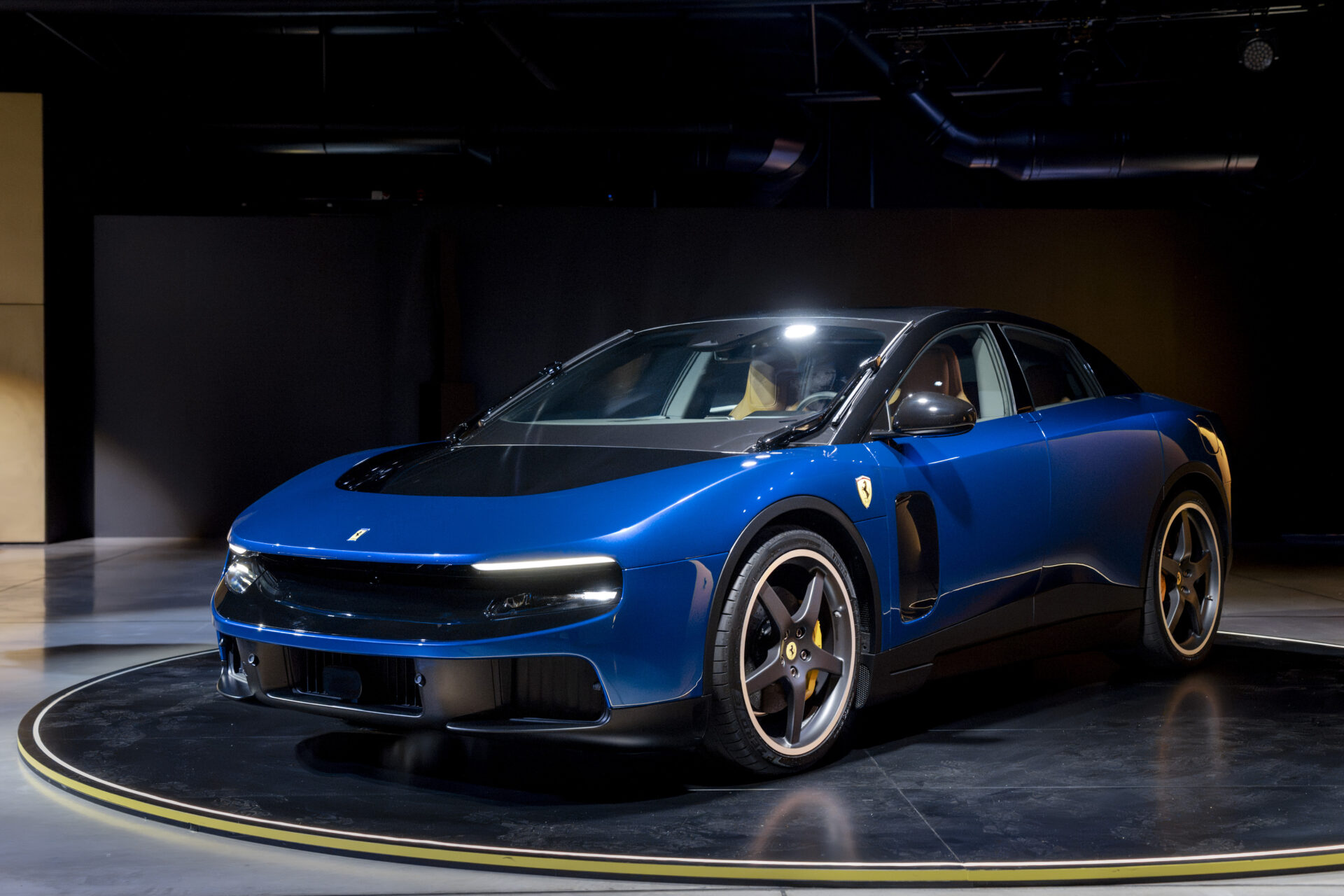
Maranello doesn’t need to explain itself. For more than seven decades, the town has stood for one specific idea of the automobile: loud, low, uncompromising. Which is precisely why it is worth paying attention when Ferrari presents a car here that departs from almost every one of those certainties.
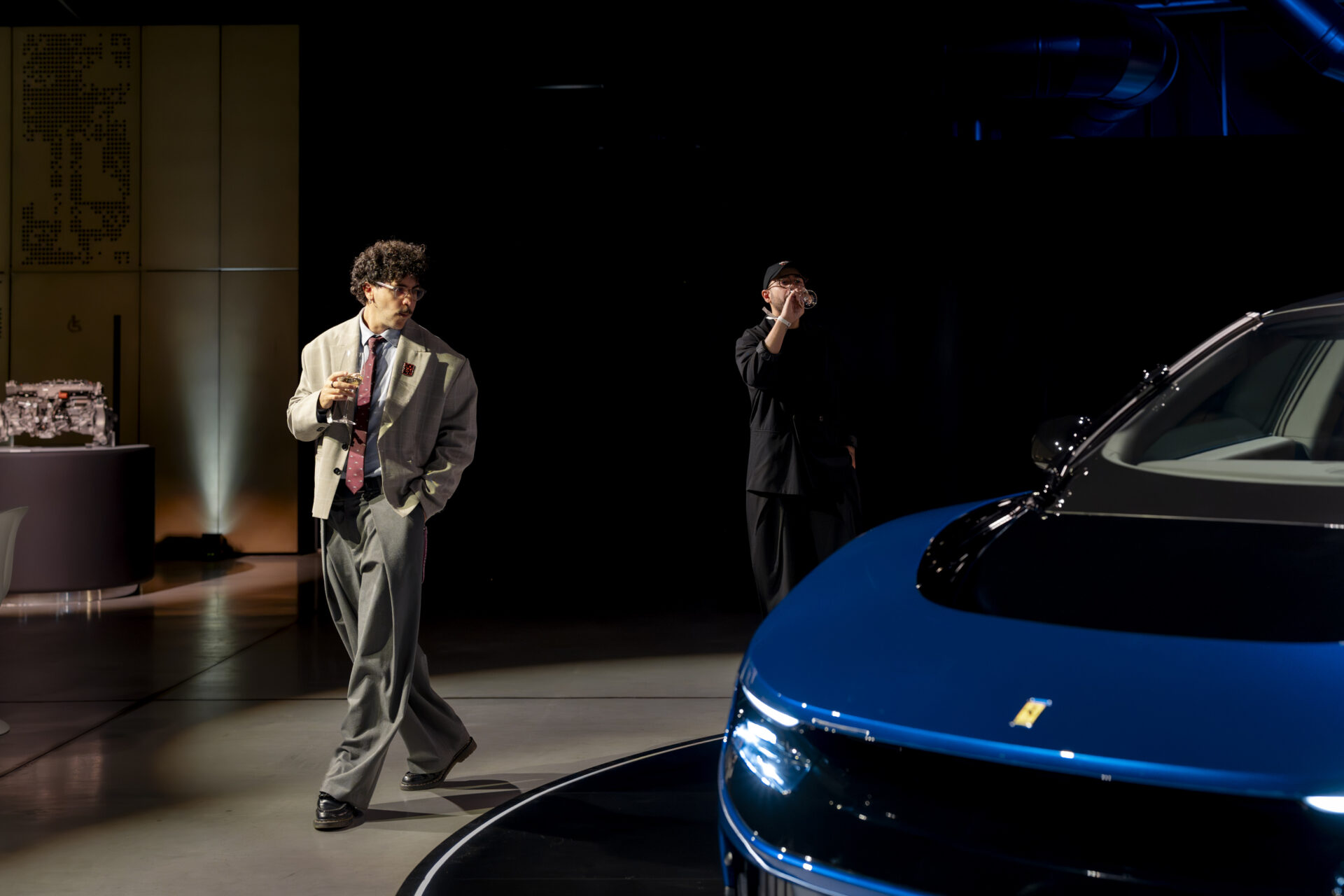
The Ferrari Luce is the brand’s first fully electric model. But reducing it to that fact would miss the point. Ferrari has not converted a combustion car to batteries. It has used the new architecture to build a different kind of car altogether: one with four doors, five seats and a cabin that feels considerably larger than the exterior suggests. For a marque whose identity rests on exclusivity and extremes, that is a remarkable step towards everyday use.
A Ferrari for a new audience
The Luce is also a deliberate opening of the brand. Its primary audience is not the classic petrolhead who measures a Ferrari by the sound of its V12. Ferrari is reaching out to people driven by technology and innovation, who would sooner discuss software architecture than displacement, and who deeply appreciate outstanding design. For them, the Luce is not a compromise on the Ferrari idea but an invitation into it. For Ferrari, it is a chance to win a generation that might otherwise never have walked into a showroom in Maranello.
Design by outsiders
The most striking decision concerns the design. Ferrari developed the Luce together with LoveFrom, the creative collective founded by Sir Jony Ive and Marc Newson, working alongside the in-house Ferrari Design Studio. Ive shaped the iPhone and much of Apple’s visual identity; Newson is one of the most influential industrial designers of his generation. That a company as protective of its heritage as Ferrari would open its design process to them says a great deal about how seriously it takes this new chapter.
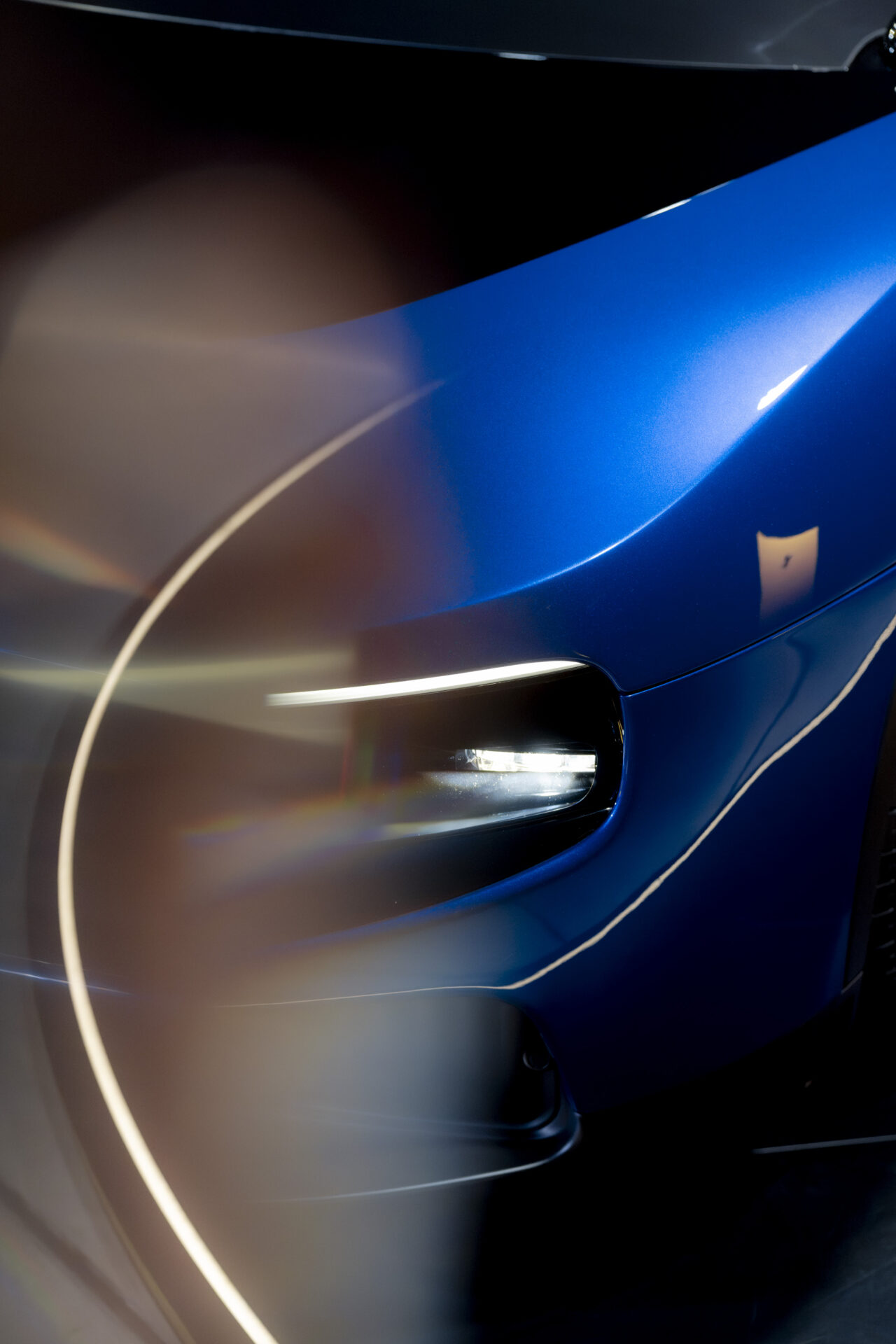
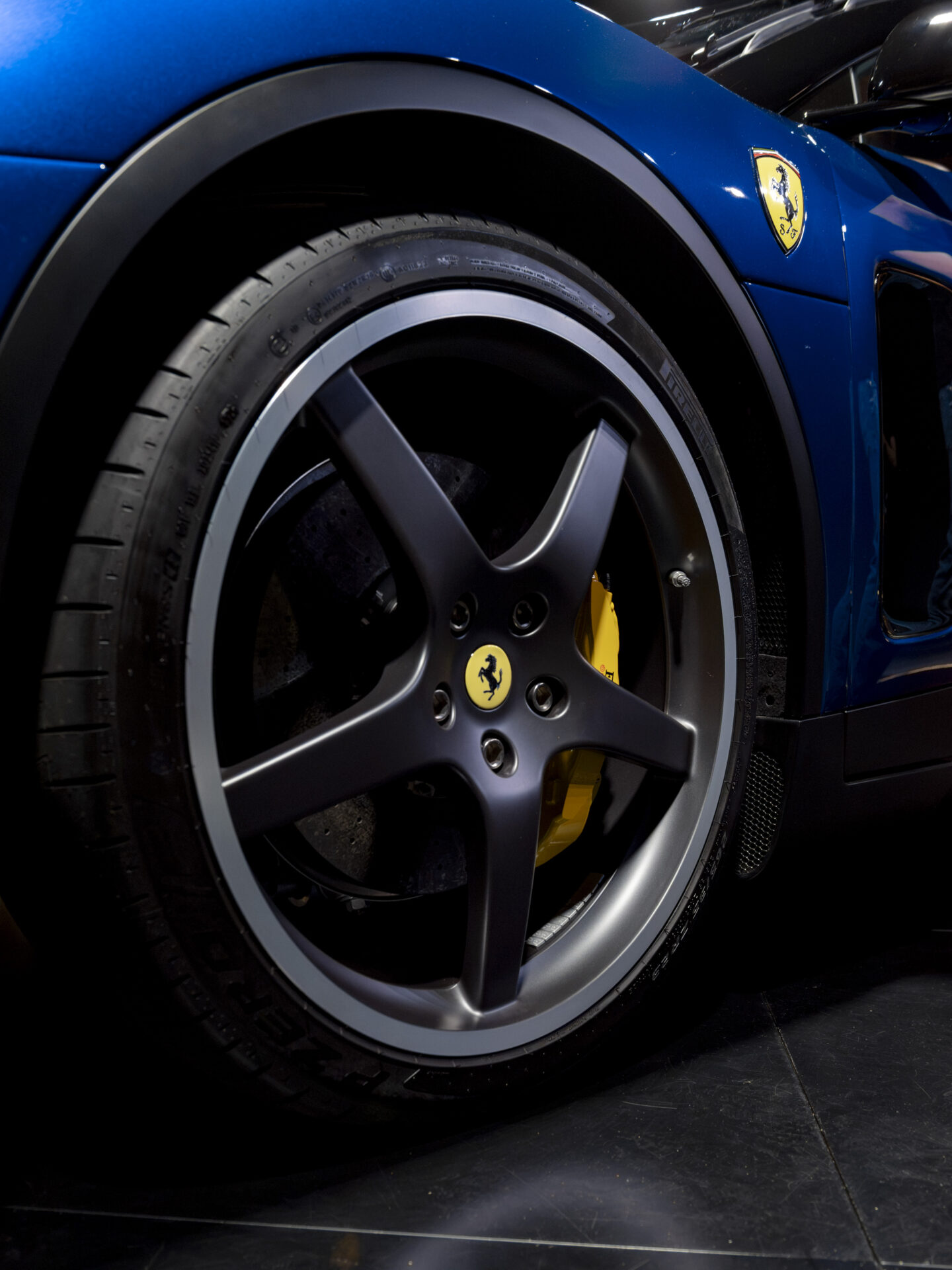
The result is restrained rather than theatrical. A clean glass house, aerodynamic wings that appear to float, translucent light panels and bespoke wheels define the exterior. Inside, the approach is equally deliberate: essential functions sit on physical controls directly in front of the driver, while digital information appears only where it is relevant. In an industry that has been moving almost everything onto touchscreens, that is a quiet but clear statement.
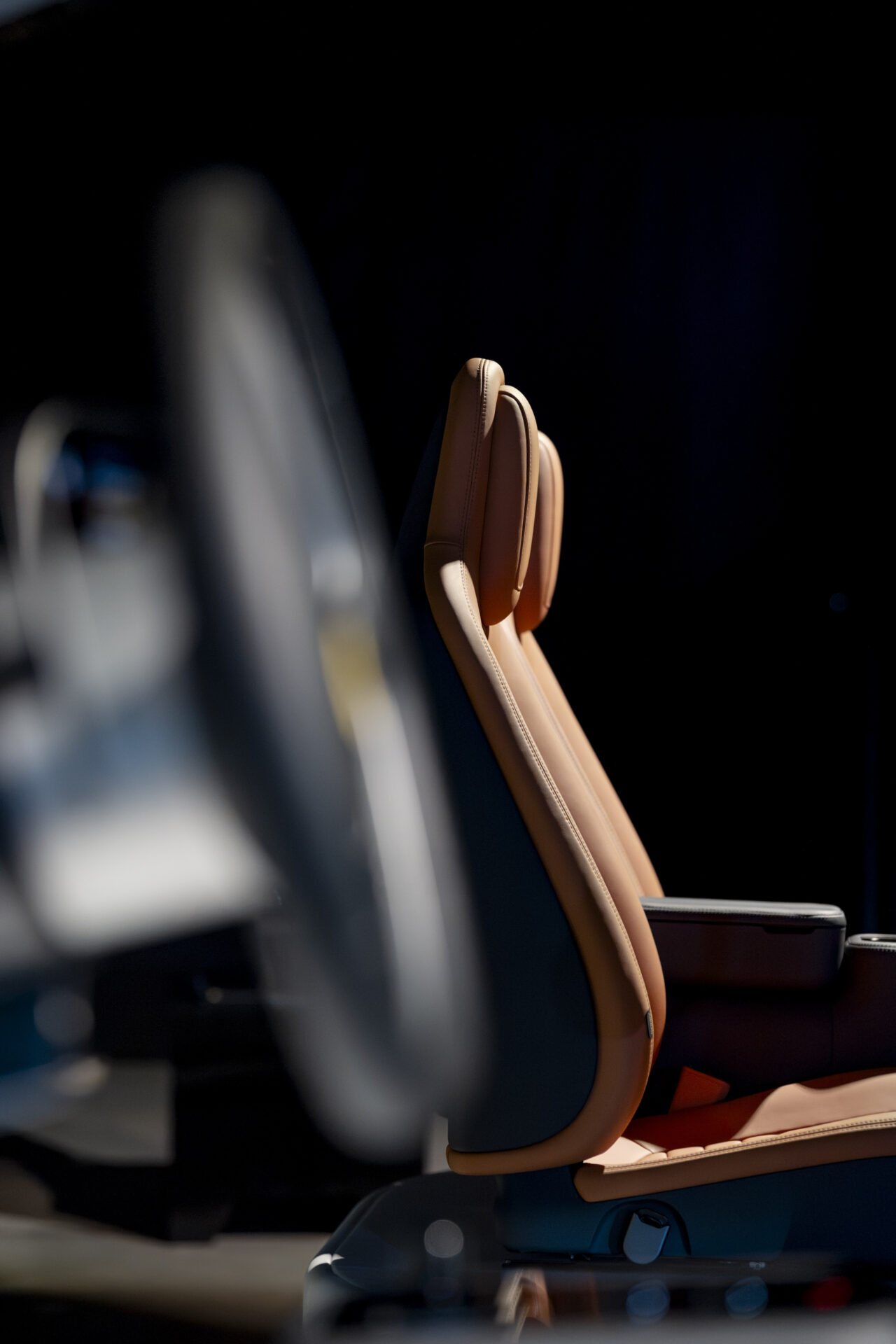
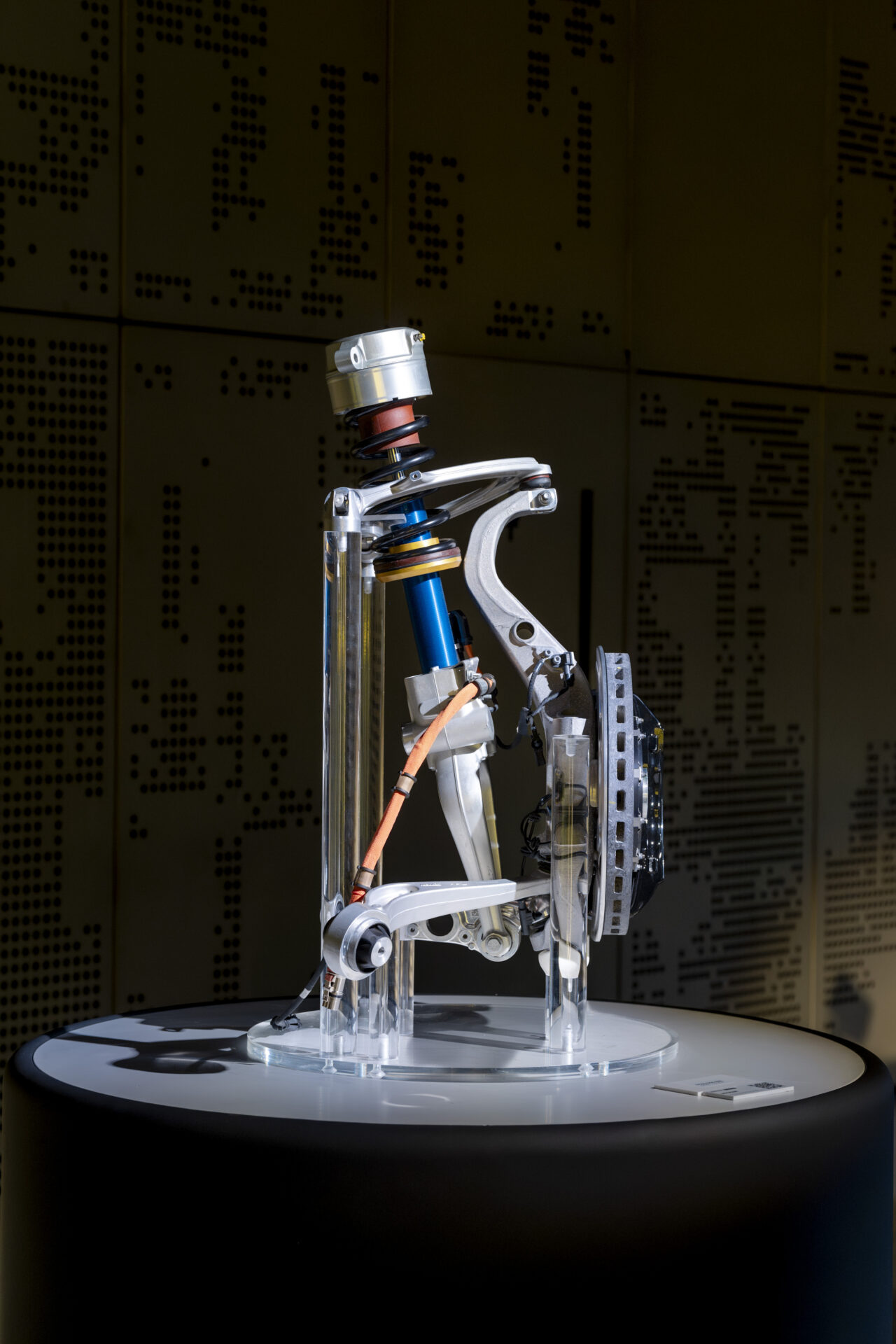
Engineering without a combustion engine
Technically, the Luce is built around four electric motors, one per wheel, combined with active suspension, four-wheel steering and a central control unit that manages traction, regeneration and steering angle at each wheel individually. Ferrari quotes 1,050 cv, 0 to 100 km/h in 2.5 seconds, a top speed of 310 km/h and a range of more than 530 km. The 122 kWh battery is designed and assembled in Maranello and charges at up to 350 kW.
Perhaps the most interesting answer concerns sound, the question every electric sports car has to face. Rather than playing back artificial engine noise, the Luce picks up real vibrations from its electric axles through an accelerometer, then filters and amplifies them only when they serve the driving experience. It is an honest solution to a problem many manufacturers have tried to cover up.
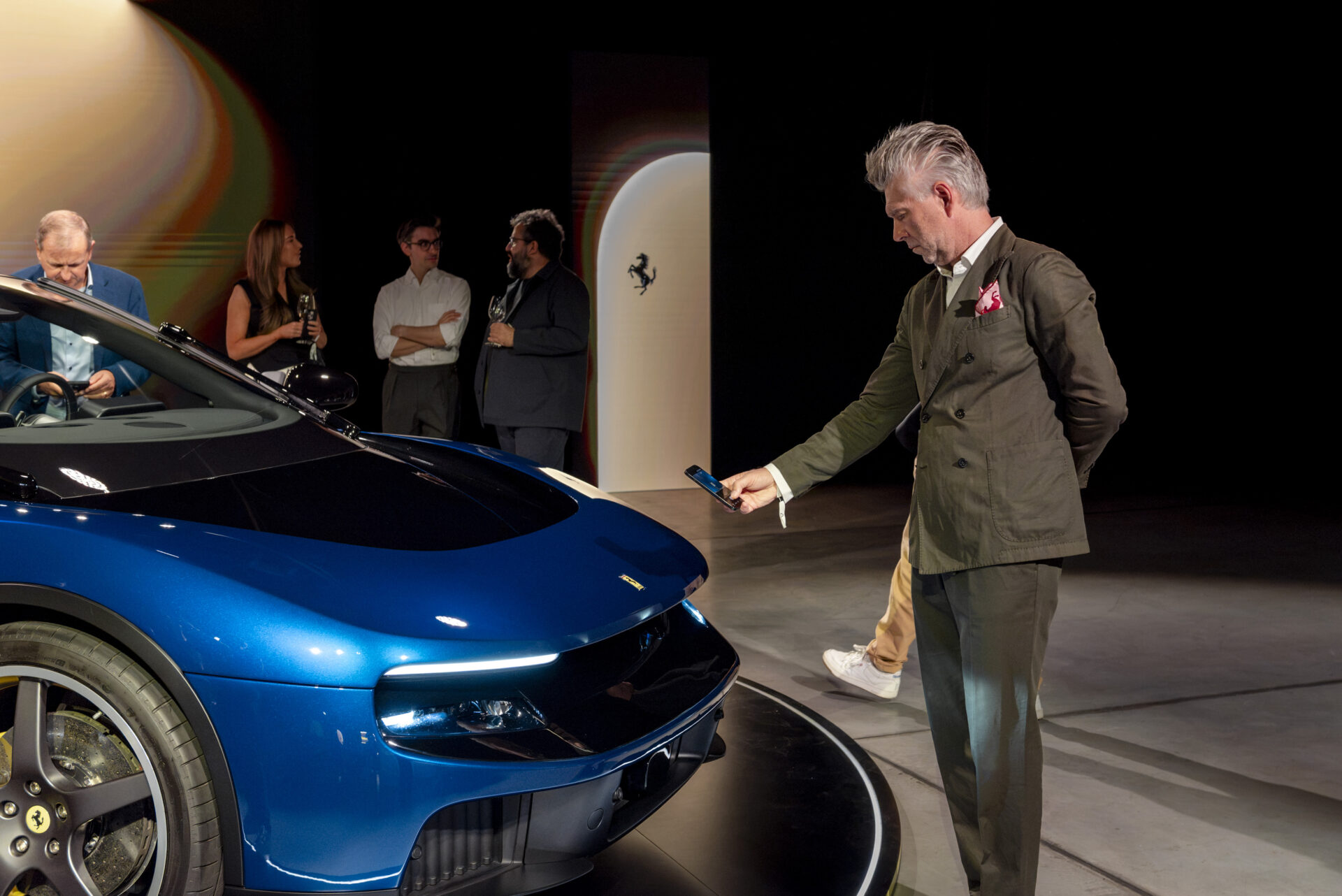
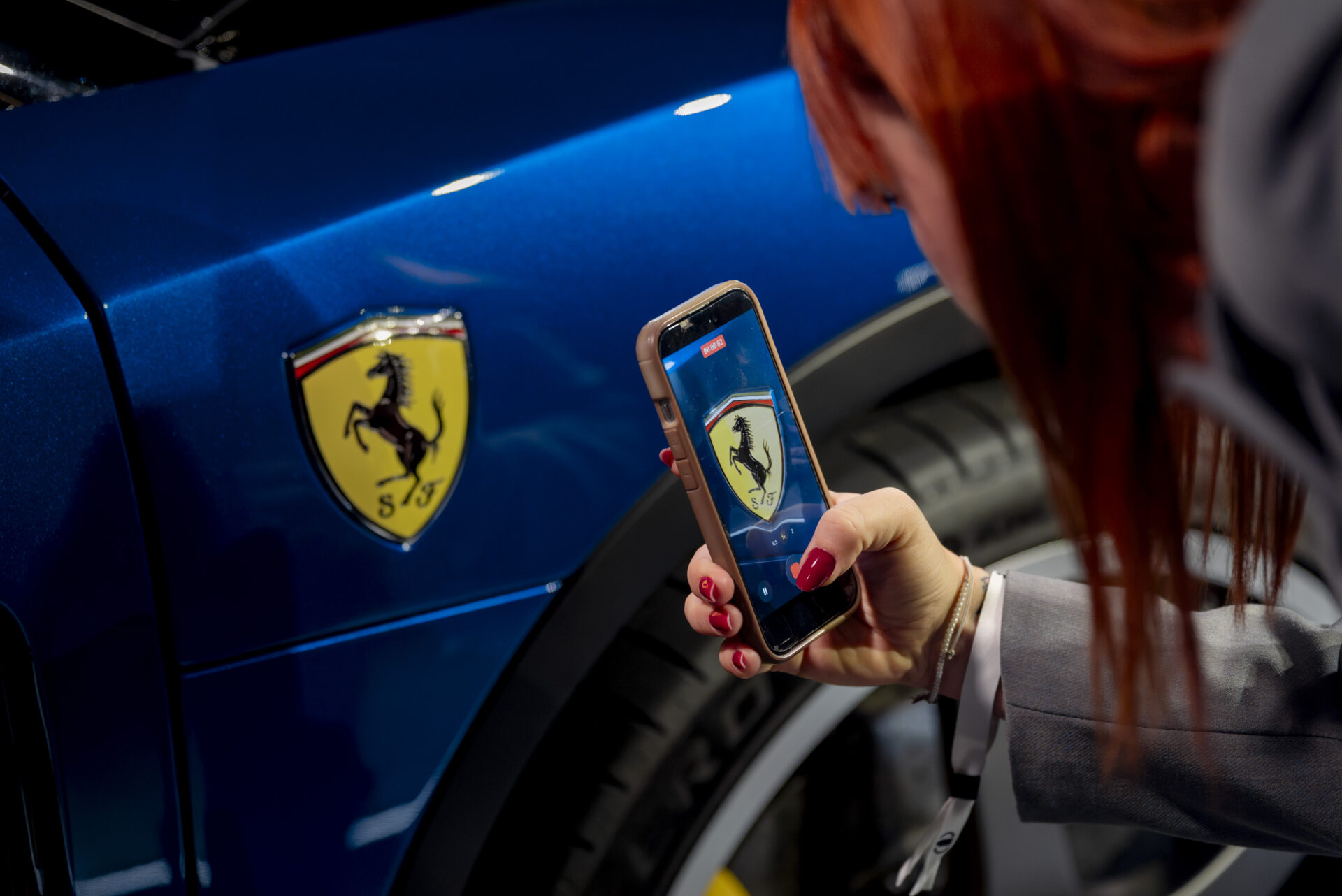
The open question
Whether the concept succeeds will not be decided by specifications. It will be decided by whether this new audience embraces the car, and whether the brand can deliver the emotional experience it is loved for without a combustion engine. What stands out after a day in Maranello is that Ferrari is not answering this question defensively. It answers by creating a new category of its own.
SLEEK visited Maranello at the invitation of Ferrari.
All Image Courtesy of Ferrari.