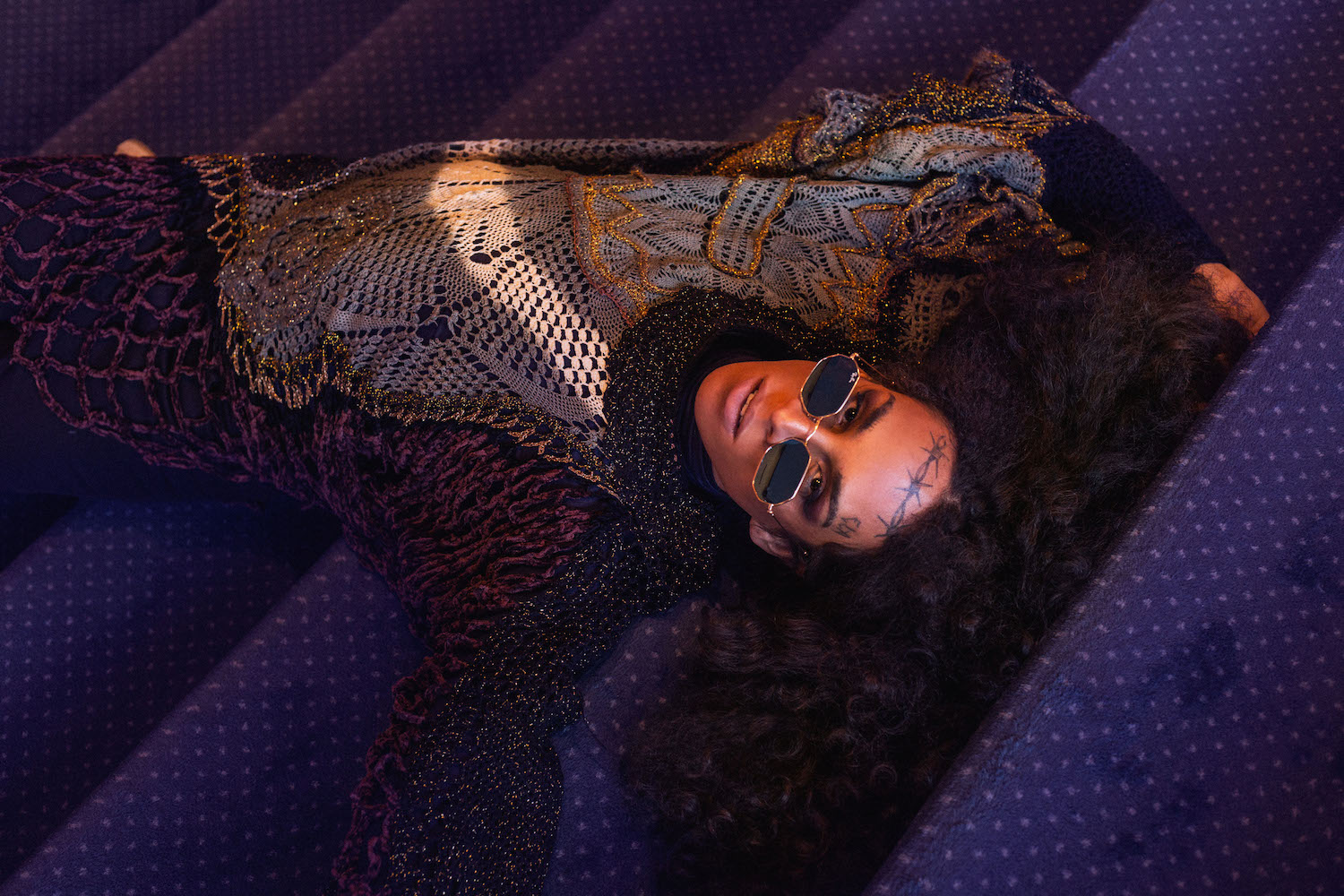
 Queer Brazilian hip-hop innovator Linn da Quebrada only released her crowdfunded debut album “Pajubá” last October, but she’s already the subject of a feature-length documentary. “Tranny Fag (Bixa Travesty)” offers a riveting portrait of an artist only just beginning to understand the true power of her voice, as she teeters on the brink of international recognition. The panel for the Teddy Awards (the Berlinale awards for excellence in queer cinema) clearly agreed, awarding “Tranny Fag”the prize for Best Documentary Film.
Claudia Priscilla, one of the film’s directors, felt compelled to share Linn’s story at this early stage of her career because she “presents the paradigm of transgender identity to Brazil”. Linn’s very existence in her native São Paulo is inherently precarious. According to a UN report, a woman is assaulted every 15 seconds in the city, while the life expectancy for a trans woman in Brazil is roughly half that of a cis person. But the country also boasts a vibrantly creative LGBT underground scene, and São Paulo’s Pride parade is the largest in the world. Linn explores such dichotomies by offering a radical queer spin on Brazilian baile funk: a male-dominated genre generally synonymous with aggressive, sexually explicit lyrics and a derogatory attitude towards women.
 Tranny Fag (Bixa Travesty)”. Image: Nubia Abe
As a snapshot of the battle for trans acceptance, “Tranny Fag” offers genuine cause for optimism, without ever downplaying the enormity of the obstacles that litter the path. In the film’s opening scene, Linn condemns the patriarchal power structures keeping women oppressed, and vows to fight machismo with all the tools at her disposal. I sat down with Linn, Claudia, and co-director Kiko Goifman ahead of the film’s Berlinale world premiere to glean how exactly they foresee this battle being won.

Understand Your Motives
Linn da Quebrada What I fight for, above anything else, is the right to be comfortable in my own skin, and to be accepted for who I am. If I have to fight the patriarchy in order to achieve this, that’s what I’m going to do.
Kiko Goifman Rather than attack the patriarchy directly, it’s about bringing the specificity of trans issues to the forefront. Trans women can’t rely on female solidarity; in fact, they’re often shut out of the feminist movement entirely. Many so-called feminists believe that you can’t call yourself a woman if you’ve ever been in possession of a penis, and that you don’t have a right to participate in their conversations.

Tame the Beast Within
LdQ The battle always starts with myself. I’m guilty of prejudice and internalised sexism, so I need to recognise and wrestle with this myself before I can even begin to challenge others. I think of myself like Jekyll and Hyde. There’s a monster within, or a virus. But from that virus, I can extract the antidote.
Force Yourself Out of Your Comfort Zone
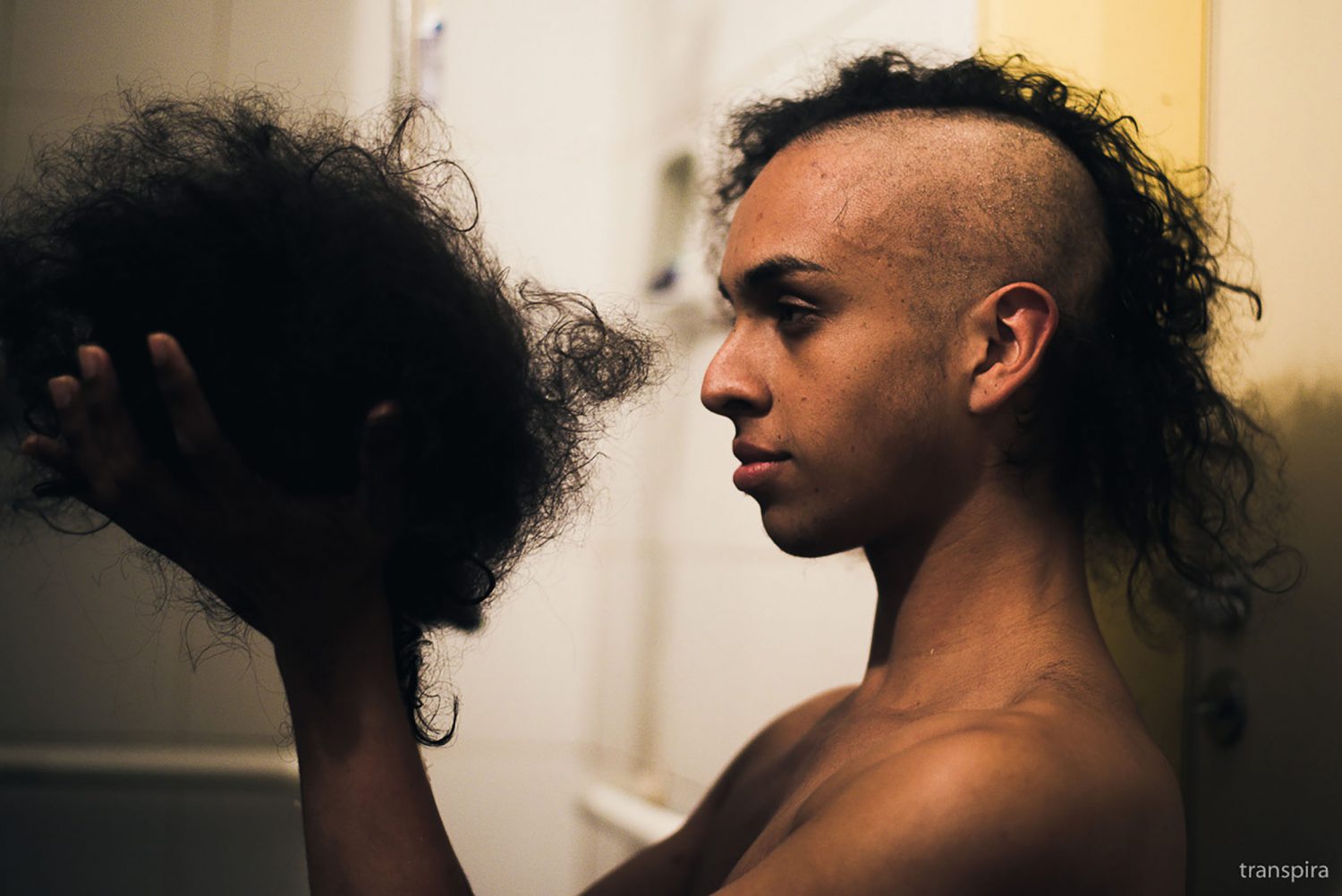
LdQ My body is one of the most powerful tools I have, but using it as a weapon is not something that came naturally to me. It’s incredibly risky in many ways. So I had to start thinking of myself more objectively, as a work of art. It’s essential to push yourself out of your comfort zone. Stay within it, and it’s as if you have a third leg – it keeps you stable, but also static. Sometimes you have to remove that third leg so you can move swiftly, as your true self.
 Tranny Fag (Bixa Travesty)”. Image: Nubia Abe
Find Powerful Allies to Amplify Your Voice
CP We live in a country where more trans people are killed than anywhere else in the world. At the same time, more trans porn is consumed in Brazil than in any other country. Trans people are in such a fragile position. For us as filmmakers, we reached a point where we felt it was irresponsible not to do something about this.
KG Our approach was not that we were making a film about [Linn], but rather that we were providing a platform for her to tell her own story. Creatively, she steered every step of the process, from writing the script to post-production.
Amass an Army
LdQ As a trans person, life begins as a very lonely, very scary journey. But the more you put yourself out there and share your story, the more you connect with others. Shortly before I began making music, I was diagnosed with testicular cancer. It wasn’t necessarily what drove me to sing, but it forced me to think about my body and my identity in a much more focused, less abstract way. And then performing became a way to reach out to other people who had experienced similar things. When I launched the crowdfunding campaign for my album, I received contributions from all over the world. I feel like I have so many people on my side, and we’re stronger together. Masculinity is fragile, so it should be easy to conquer!