
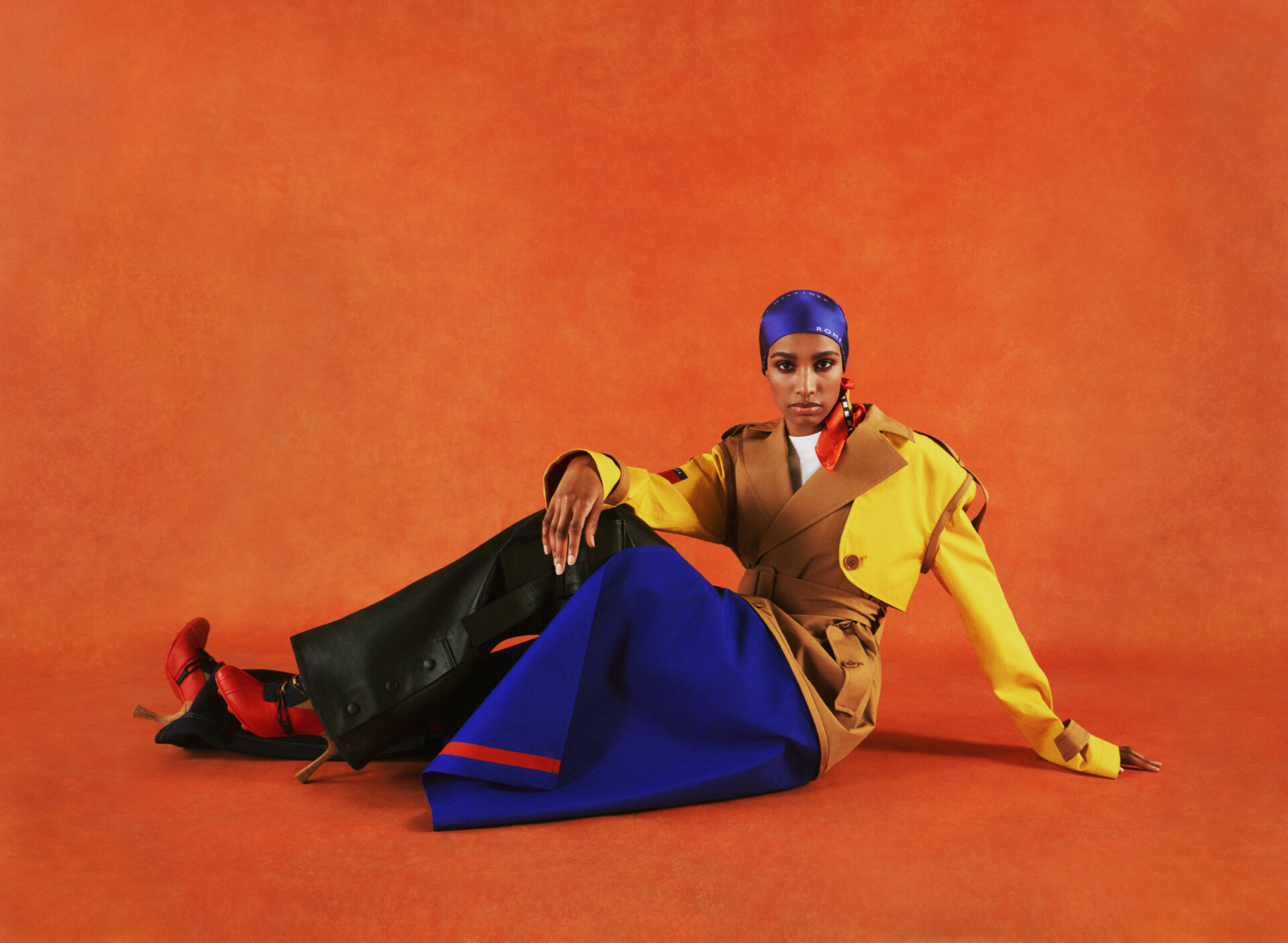
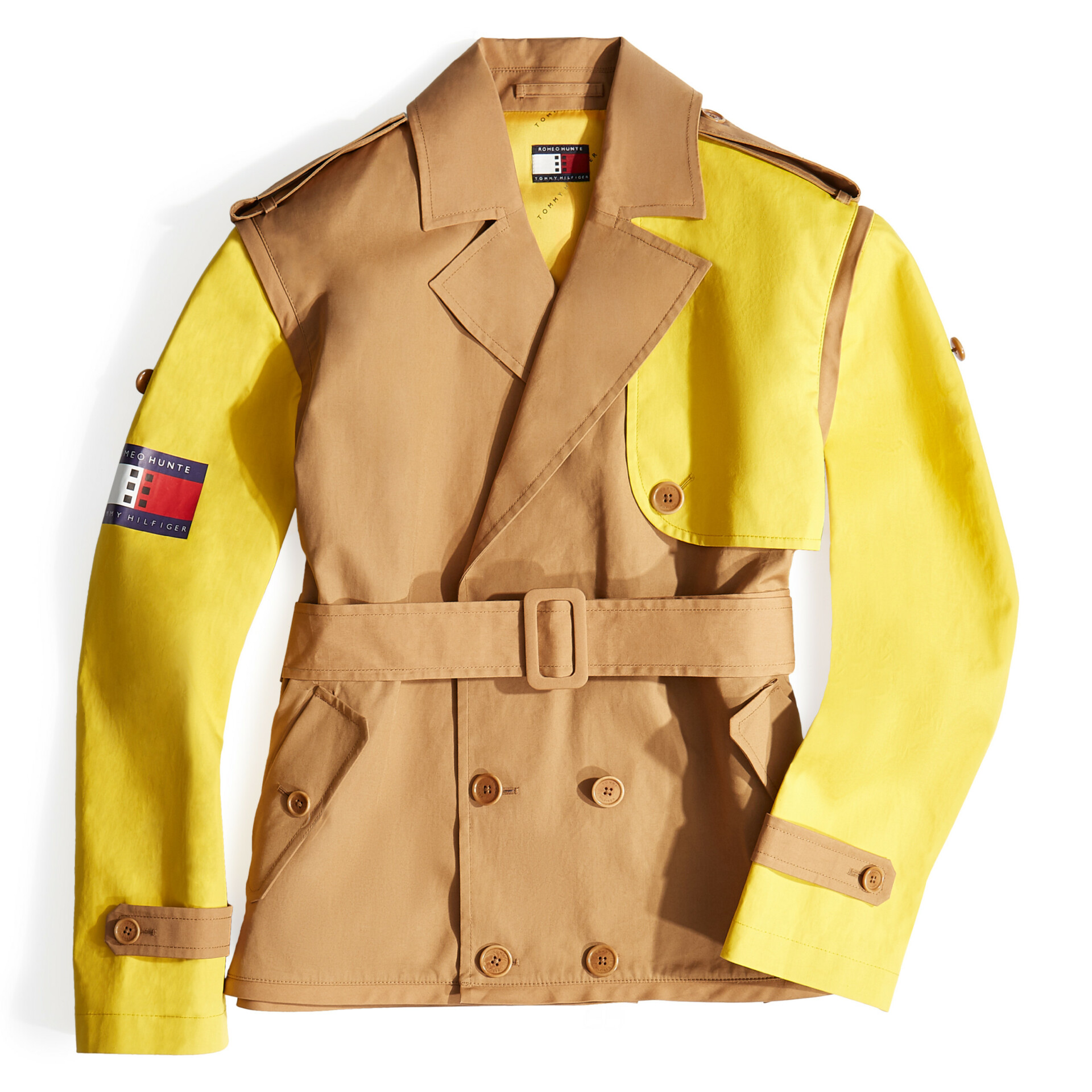
This fall, Romeo Hunte renews the spirit of Tommy Hilfiger with a new capsule that remixes, remakes and reimagines the iconic pieces of the American brand: an eye-popping union of Hunte’s Brooklyn street deconstruction techniques and Hilfiger’s signature bold, Manhattan prep style, with a focus on non-gender specific outerwear.
The collaboration represents a fitting mix of nostalgia and modern renewal: A preppy button-down comes in unexpected, playful proportions, while a kicky, color-blocked trench reflects a focus on diversity and inclusivity. It all builds on Hilfiger’s People’s Place Program, which was born out of the Black Lives Matter movement and has a mission of advancing representation in the fashion industry and beyond. “Together we’ve also really focused on passing the mic to the next generation of BIPOC creatives and thought leaders,” Hilfiger says. “We want to give them a true platform to shine.”
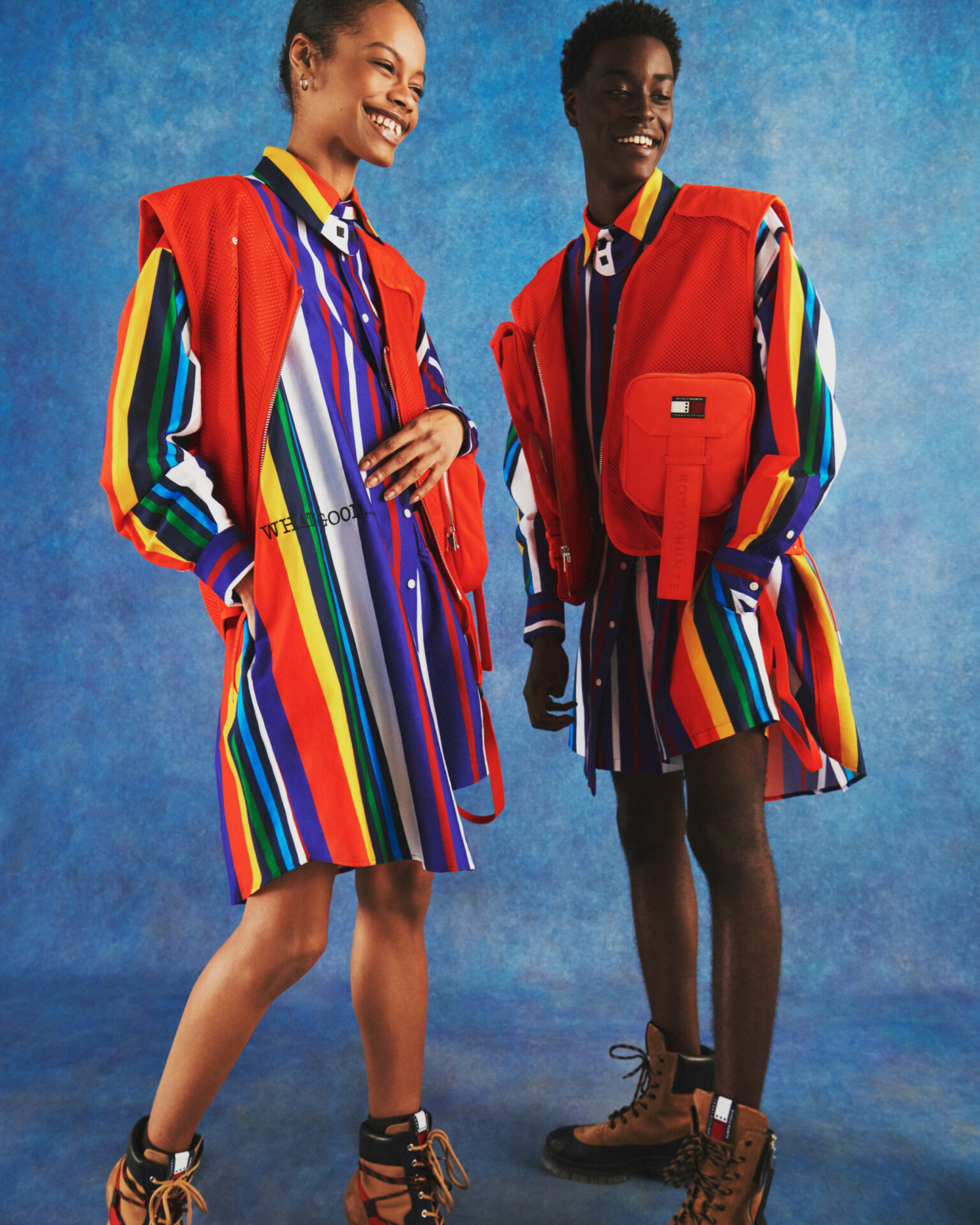
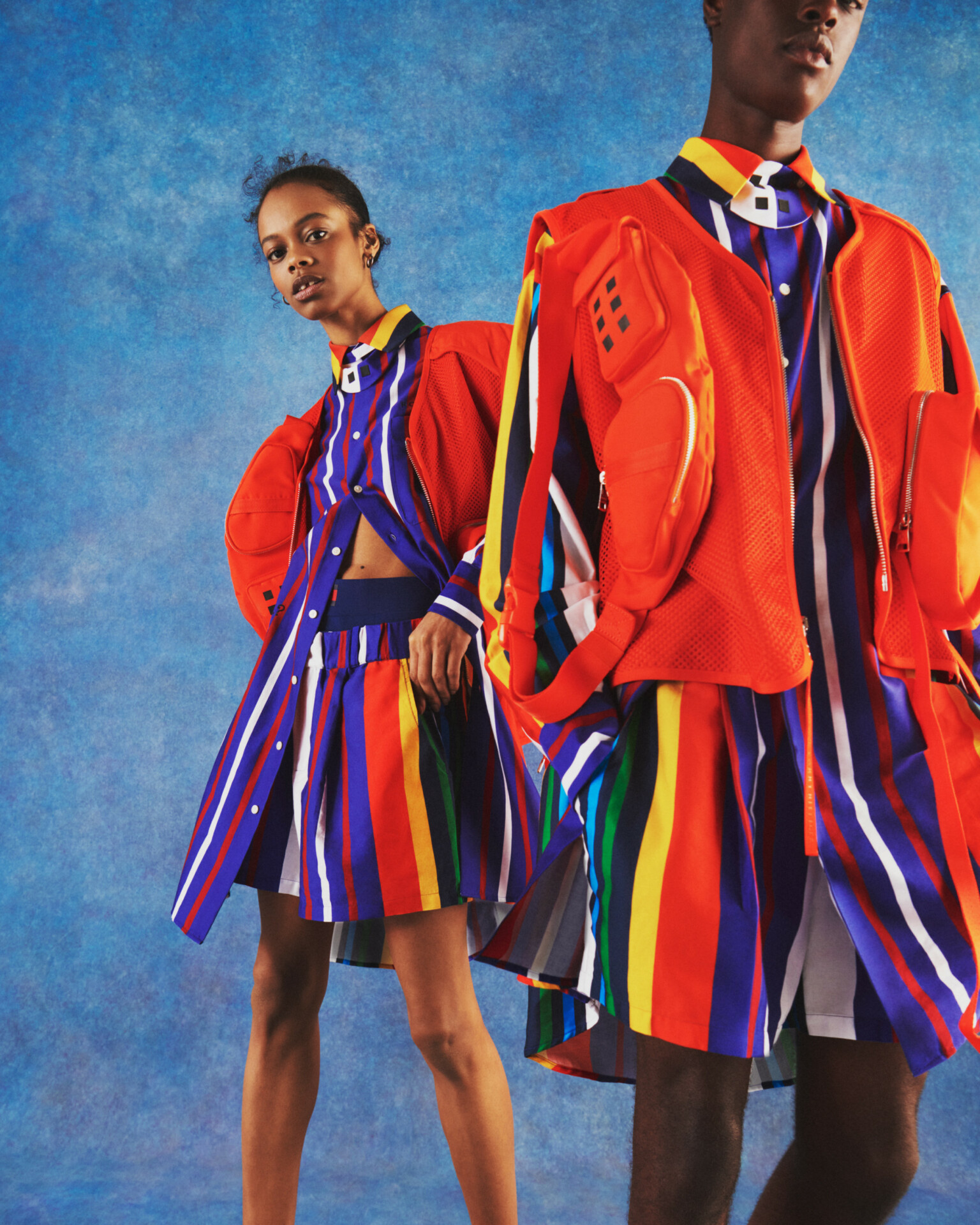
Putting up-and-coming designers at the heart of the creative process has always been important for Hilfiger. His influences are intertwined with the urban streetwear fashion that has developed from American subcultures since the late 1980s, a heritage that Hunte, himself a Brooklynite, honors and draws inspiration from with his own signature style of deconstruction and reconstruction.
"It’s a meeting point of our two worlds" - Tommy Hilfiger
After dressing A-listers including Zendaya and Beyoncé and making headlines in Vogue, Hunte’s collaboration with Hilfiger, which follows a five-year mentorship with the veteran designer, will no doubt continue to establish his reputation among the global fashion elite. “Tommy has been such a supportive mentor to me over the years,” Hunte says. “Reinvention is a fundamental part of my design DNA, so pushing the boundaries of the brand’s archives has been an incredibly creative and meaningful experience.”
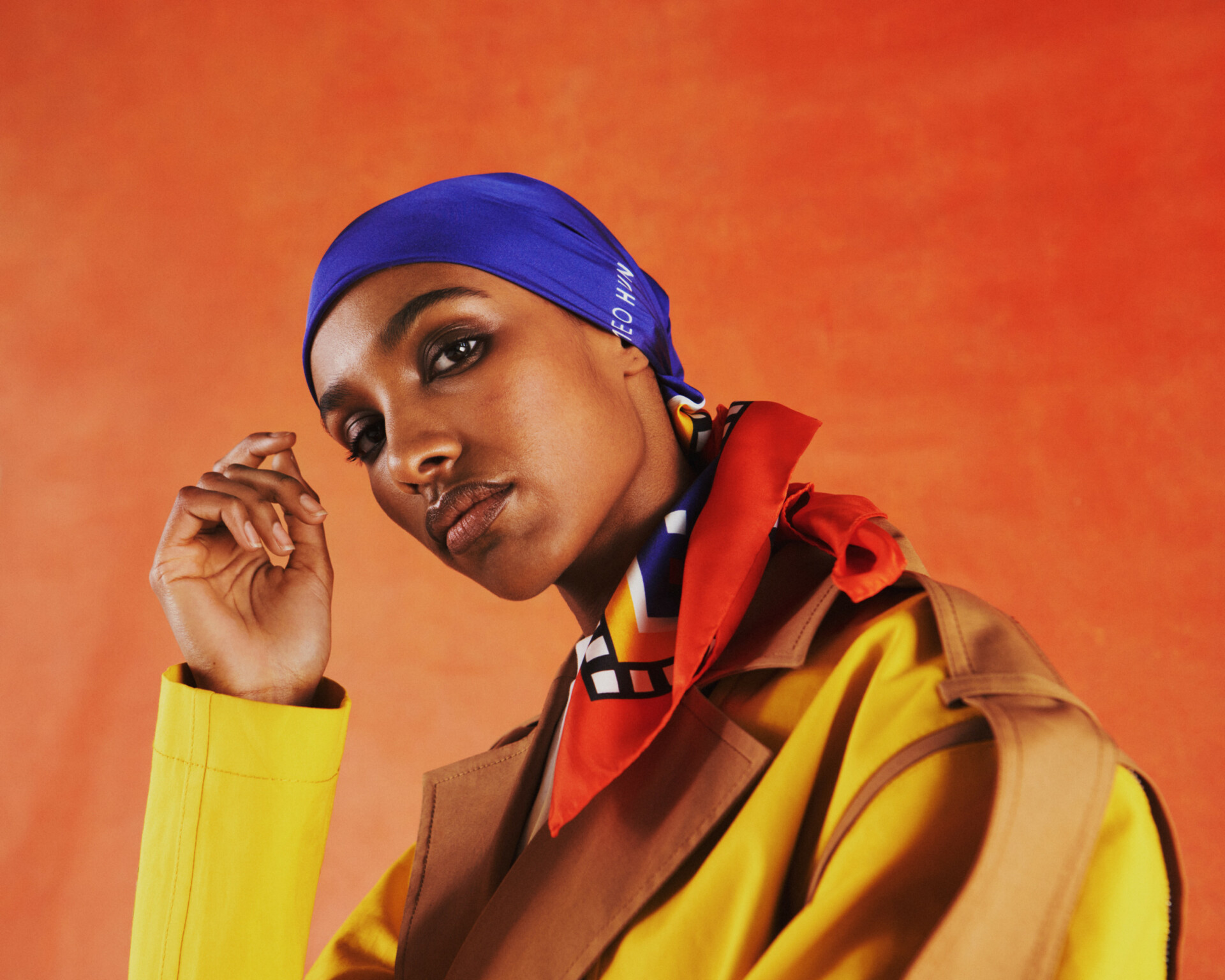
Like the collection pieces themselves, the campaign’s imagery also was inspired by urban style and landscapes: Specifically, murals in London by Annan Affotey and New York by Uzo Njoku.
One of its models, too, isn’t without a story of her own. Also an activist, Abdi Omar never poses without her hijab to help destigmatize the garment in the fashion industry and help elevate its status as a beauty accessory – messages of acceptance and inclusivity that align seamlessly with those of the capsule itself.