 “Encyclopedia Grid (Acropolis)”, 2014. Courtesy of the artist and Foxy Production, New York
It’s a drab Tuesday afternoon in January, and despite being holed up inside her new studio in Brooklyn, Sara Cwynar is in high spirits, talking about her video essay “Soft Film”. “It’s a good place to start,” says the 31-year-old. “I actually consider this piece to be a retrospective of my practice.”
“I started out as a graphic designer. [It] was all about communicating clearly but making something look beautiful” – Sara Cwynar
Debuted last year at Art Basel, and comprised of footage featuring random objects, hands fondling boxes, portraits of strangers, and Cwynar posing, the film addresses her ongoing fascination with the effect of discarded imagery and objects. In doing so, the audience is urged to consider the lives of these items over time, how value can warp, and how the feted becomes foreign. “I feel that it states my creative intentions as an artist,” she reveals. “It contains so much of what I want to talk about. It’s my favourite piece so far.”
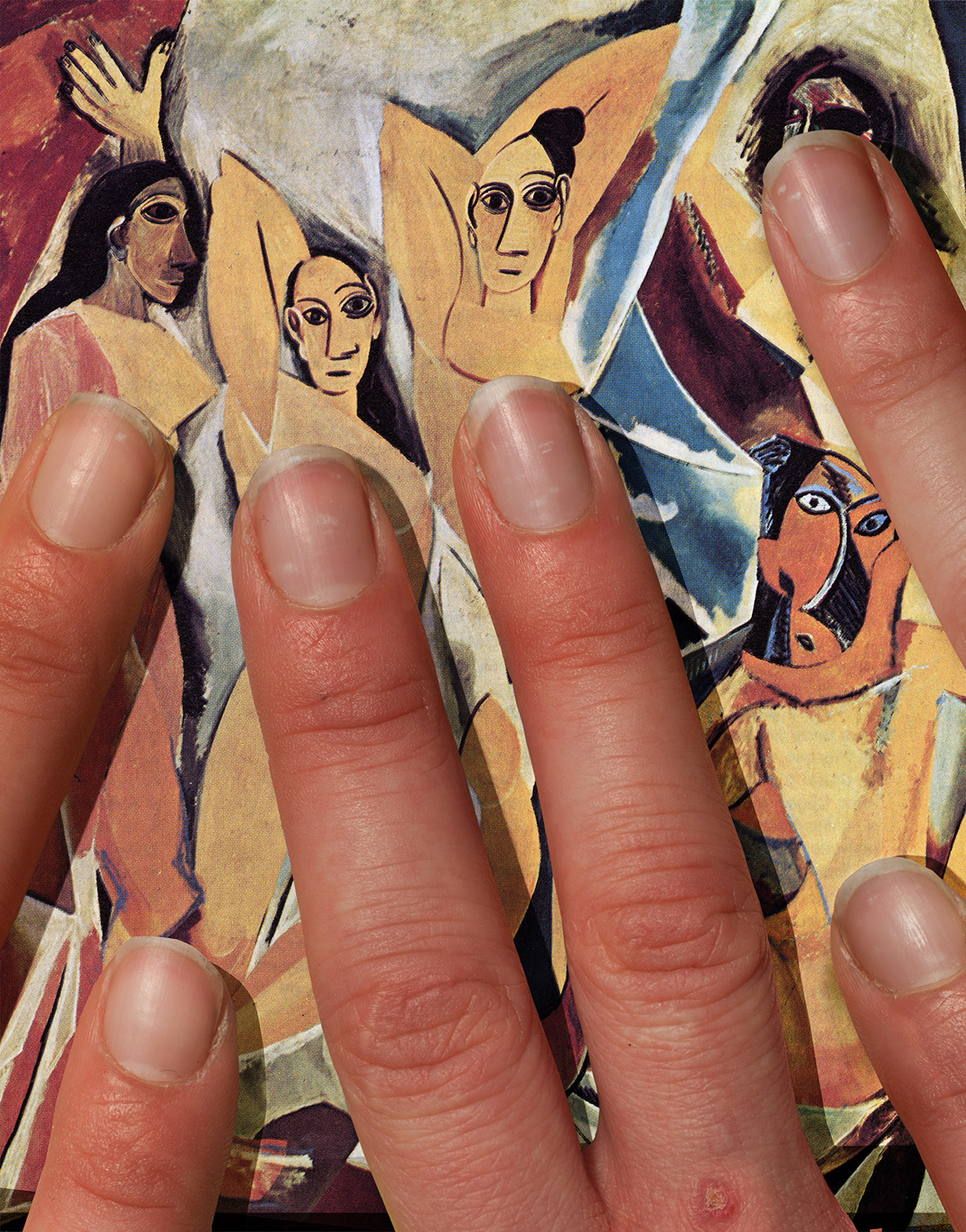 “Women”, 2015. Courtesy of the artist, Zabludowicz Collection and Foxy Production, New York. Photo by Mark Woods
What makes “Soft Film” resonate is its seductive pop aesthetic, which aunts Cwynar’s signature knack for assembling and manipulating text with found imagery – be it antiquated product packaging, magazine advertisements or cuttings from foreign reference books. She attributes this skill to her background in graphic design. “I was a part- time artist for a number of years. I started out as a graphic designer at The New York Times,” she explains. “That was all about communicating clearly but making something look beautiful.”
During that period, Cwynar unveiled her first art project, “Kitsch Encyclopedia” (2013), a beautifully realised tome compiling photos with essays by theorists including Milan Kundera, Roland Barthes and Jean Baudrillard, in addition to her own writing. The result was a compelling formulation of the relationship between kitsch and popular imagery. Turn to entry ‘C’, for example, and you’ll find doctored menu options for Chinese food, while ‘W’ presents a beguiling retro reflection of a woman applying make-up.
“Sometimes people seem to read my work as simply re-hashing of the Fifties, Sixties and Seventies, but I feel that I’ve worked hard to insert markers of the current moment” – Sara Cwynar
The book was fuelled by her interest in revisiting Baudrillard’s definition of kitsch from his classic 1981 text “Simulacra and Simulations”, which described the term as a manifestation of the hyperreal – simulations of the world that have started to matter more than the reality they represent. “I felt this was the foundation for a lot of present discussions about image culture,” she says. “And also how new technologies change our relationship to the world.”
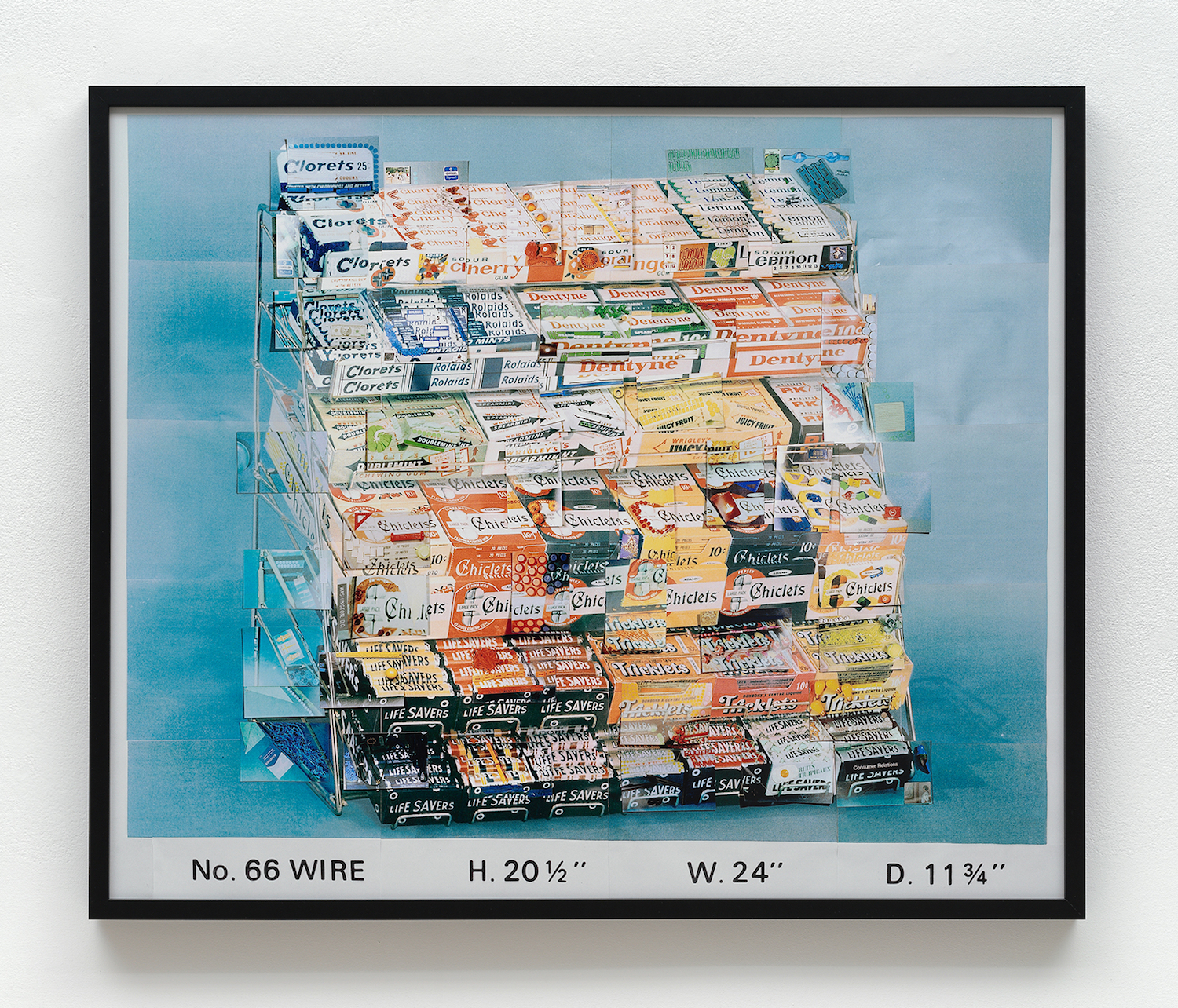 “Display Stand No. 64 CONS H. 8 1/4″ W. 24″ D. 16 1/2””, 2014. Courtesy of the artist and Foxy Production, New York
 “Color Column 1”, 2014. Courtesy of the artist and Foxy Production, New York
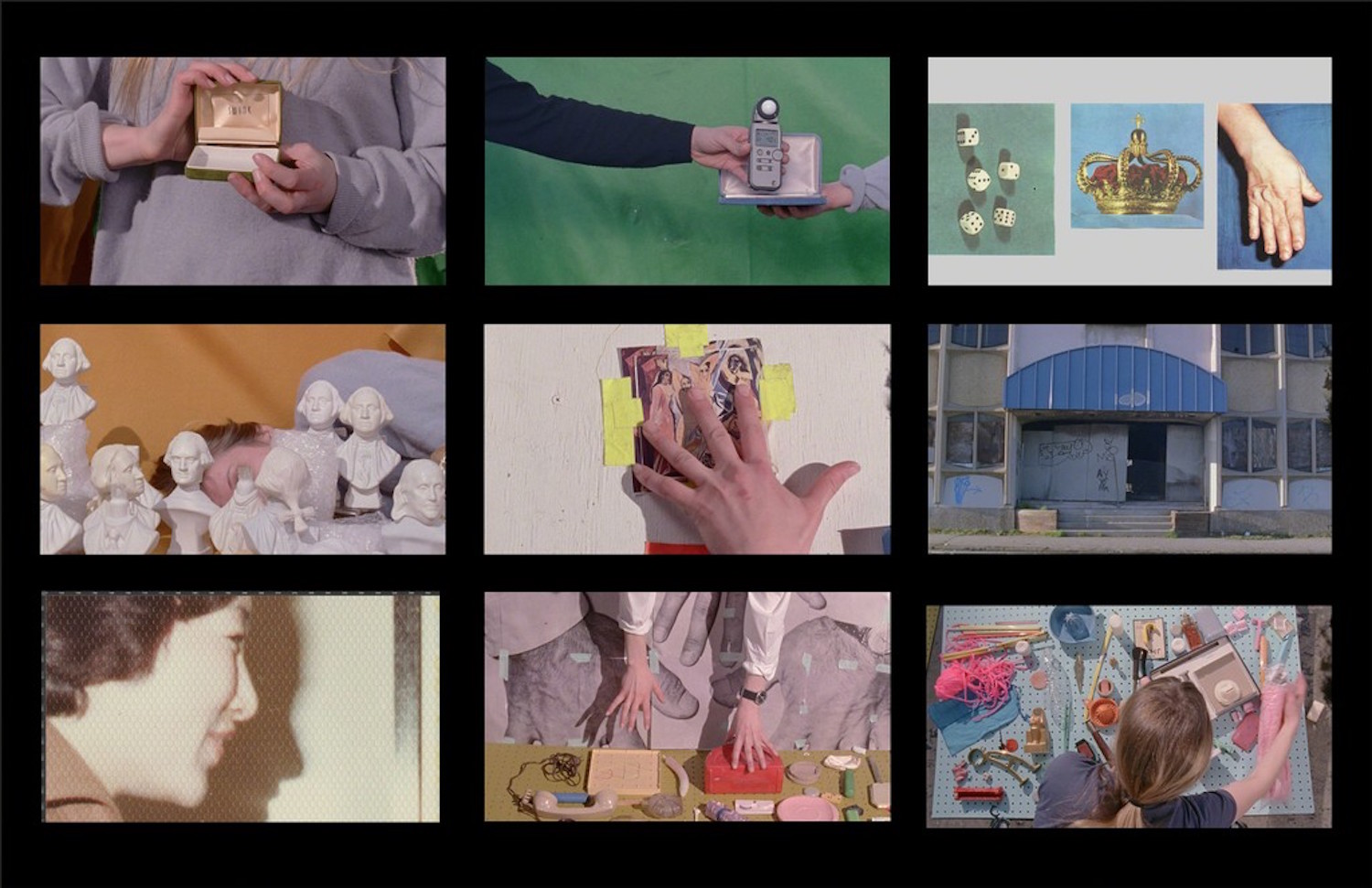 “Soft Film”, 2016. Courtesy of the artist
Once again, postmodern ideals add fuel to the fire – “I’m mostly interested in how that phone is emblematic of promising us something optimistic, but just doesn’t deliver,” she says. I liken the product to the Hoover Dam – another symbol of misplaced hope – which she is due to film from a helicopter using her favourite Linhof Master Technika camera. “I’m also shooting some still life photographs to add into the mix,” she says. “ That polarisation is important to me, theoretically and visually. When something is aesthetically pleasing it develops a logic or reason for being. There’s something very important to being moved by how beautiful a work is. It doesn’t always have to be the case, but it’s so satisfying when it does happen.”