 Nobuyoshi Araki, Voyage Sentimental (1971). Image from cultartes.com
Last week Mexico City authorities took town a series of prints by Nobuyoshi Araki that were hanging at Kurimanzutto Gallery. The display, which was part of a larger exhibition organised by artist Abraham Cruzvillegas showed a selection artworks of mildly explicit nature that raised more than a few eyebrows. Within the selection of photos causing the offense were images of nude women – many of them were in bondage. While some may be disgusted, there are a lot of artists who would still take major influence from Araki, dubbed Japan’s greatest and most controversial living photographer.
In honour of the artist’s legacy, we have compiled a list of the five young Japanese photographers following in the footsteps of the visionary creative.
 Motoyuki Daifu. Image from motoyukidaifu.blogspot.de
Motoyuki Daifu
Aesthetically, it’s obvious that Araki and Daifu’s images don’t necessarily concur. Yet when you take into account the subject matter the commonality begins to become clear. Although Araki might be best known for his intimate collection of photographs, he also meticulously documented the mundane side of life. Daifu’s snapshot style photography is a look into the cluttered mess of his family home, photographing medial items in a comical way.
 Haruto Hoshi. Image from alexcoghe.com
Haruto Hoshi
From the content to the visual, Araki’s influence is extremely apparent when looking at the work of Haruto Hoshi. The Osaka based artist snaps mainly street photography, and like Araki, seems fascinated with photographing the female form.
 Haruhiko Kawaguchi. Images from vice.com
Haruhiko Kawaguchi
Haruhiko “Photographer Hal” Kawaguchi puts couples into vacuum-sealed bags with their most used or valued possessions and quickly takes their photograph. His intention is to display a very strong sense of intimacy. The cramped conditions are a clear nod to the concept of womb. Relationships are of pinnacle importance in Kawaguchi’s work, as it was with Araki’s in his documentation of his late wife, Yoko.
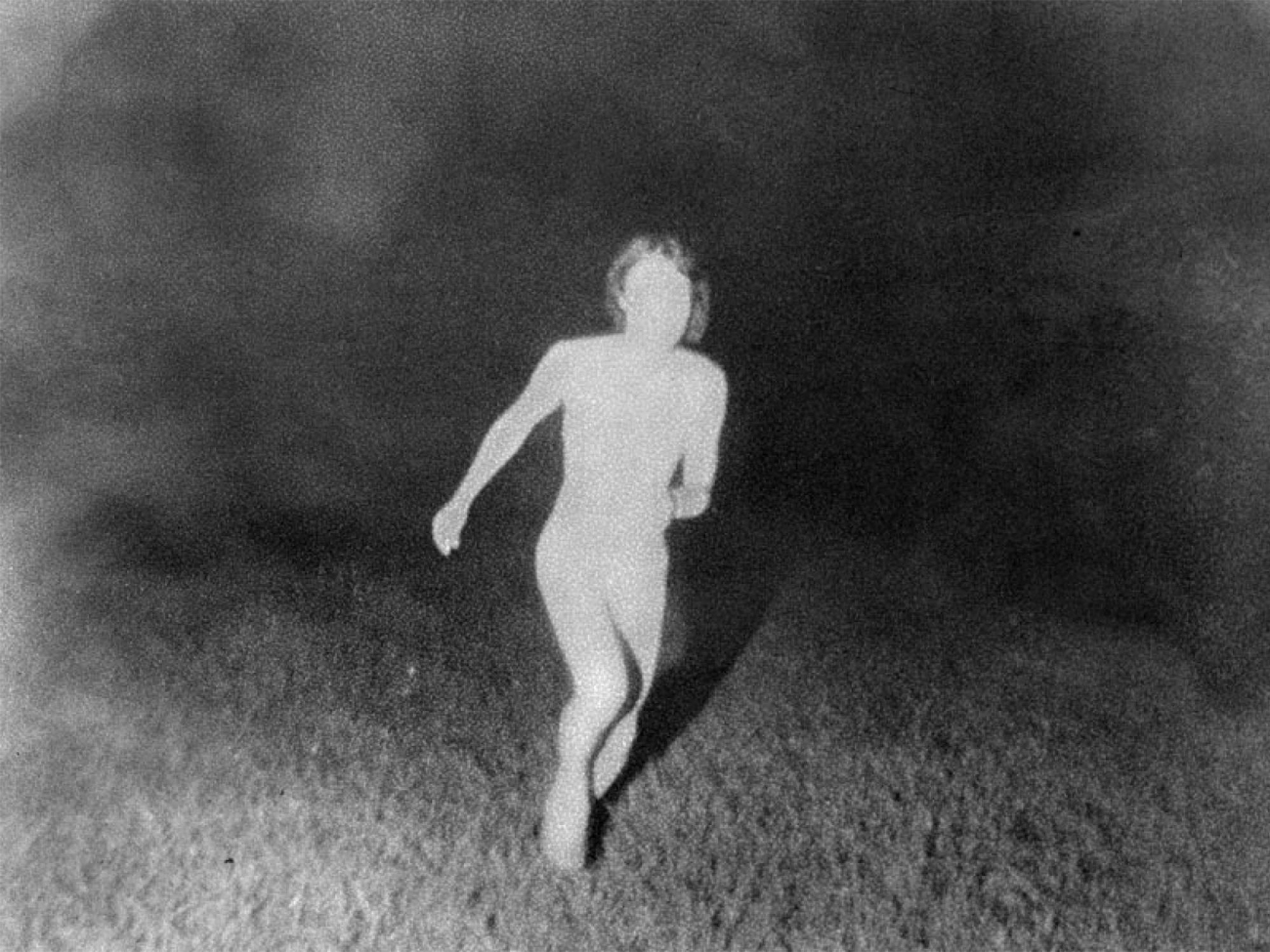 Daisuke Yokota. Image from emptykingdom.com
Daisuke Yokota
Araki has shown us that black and white images made under the correct lighting can bring out intricate details, like shapes and textures. In Yokota’s work, texture is also of great importance. While he uses B&W to do this, he also adds intensity with post-production processes; he applies acid, burns, cuts and marks to the finished print.
 Momo Okabe. Images from vart.cc and casemorekirkeby.com
Momo Okabe
This photographer’s work has actually been acclaimed by Nobuyoshi Araki through a number of prestigious photo competitions. Okabe’s limited edition “Dildo” tells of the difficult story of two lovers as they struggle with gender identity disorder and undergoing surgery. It has been described as “a potent record of sadness, joy and intimacy”, and a body of work which, like Araki’s, exudes pure expression.