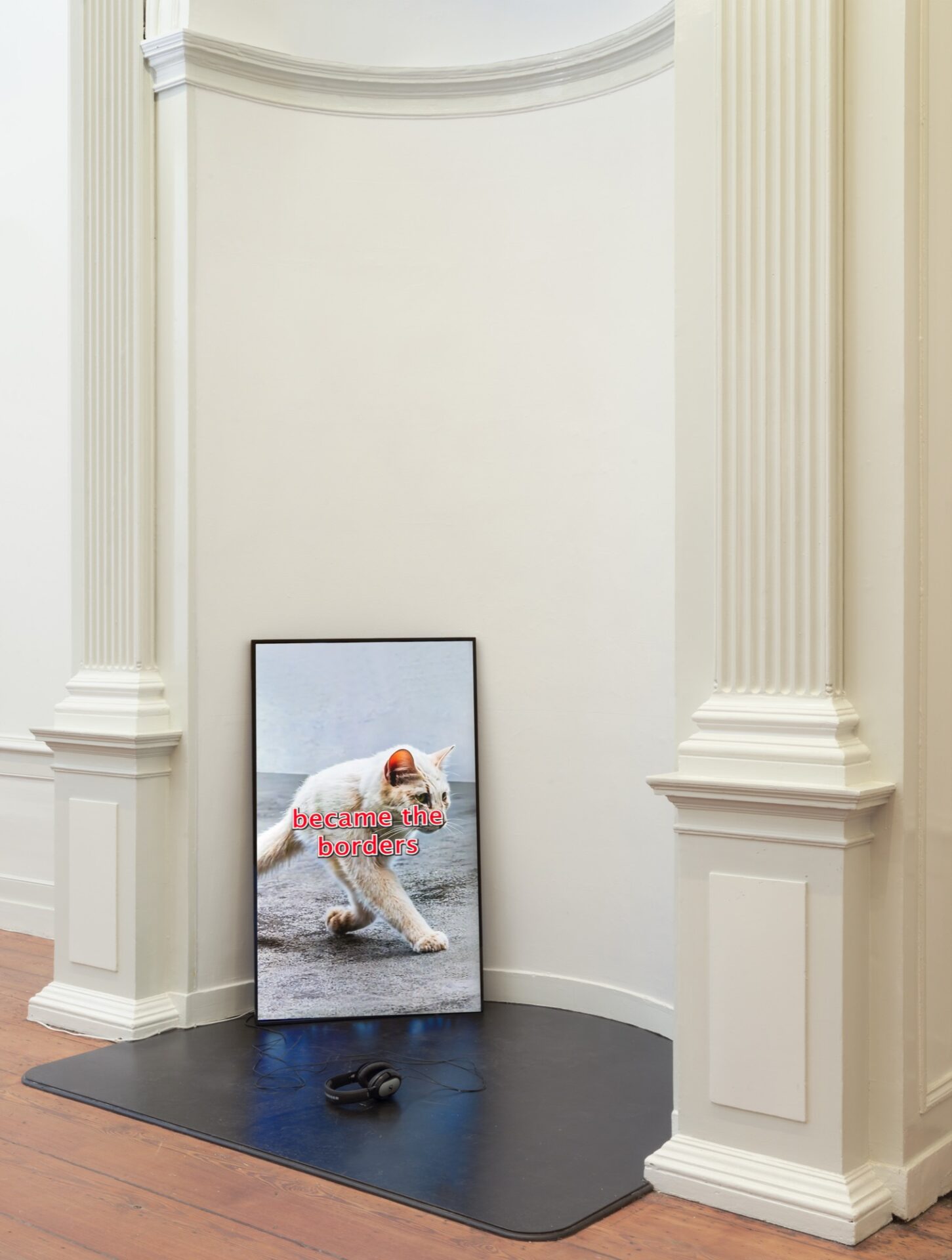
“Brain Rot” ist zu einem der prägenden Begriffe der Online-Kultur geworden. Er beschreibt die Flut von KI-generierten Inhalten, die darauf ausgelegt sind, mit jedem Wisch die Aufmerksamkeit auf sich zu ziehen. Der niederländische Künstler und Professor für vernetzte Materialität an der Akademie der Bildenden Künste Nürnberg, Constant Dullaart, beschloss, sein eigenes Projekt zu starten. Sein neuestes Projekt ist eine automatisierte „Brain-Rot-Pipeline“, die stündlich einen neuen, von KI erzeugten Video-Essay generiert und veröffentlicht – und damit mehr Inhalte produziert, als irgendjemand, einschließlich Dullaart selbst, jemals ansehen könnte. Anstatt sich gegen „Brain Rot“ zu wehren, nutzt er es als künstlerische Methode, um Autorschaft, Authentizität und kulturelle Produktion im Zeitalter der künstlichen Intelligenz zu untersuchen.
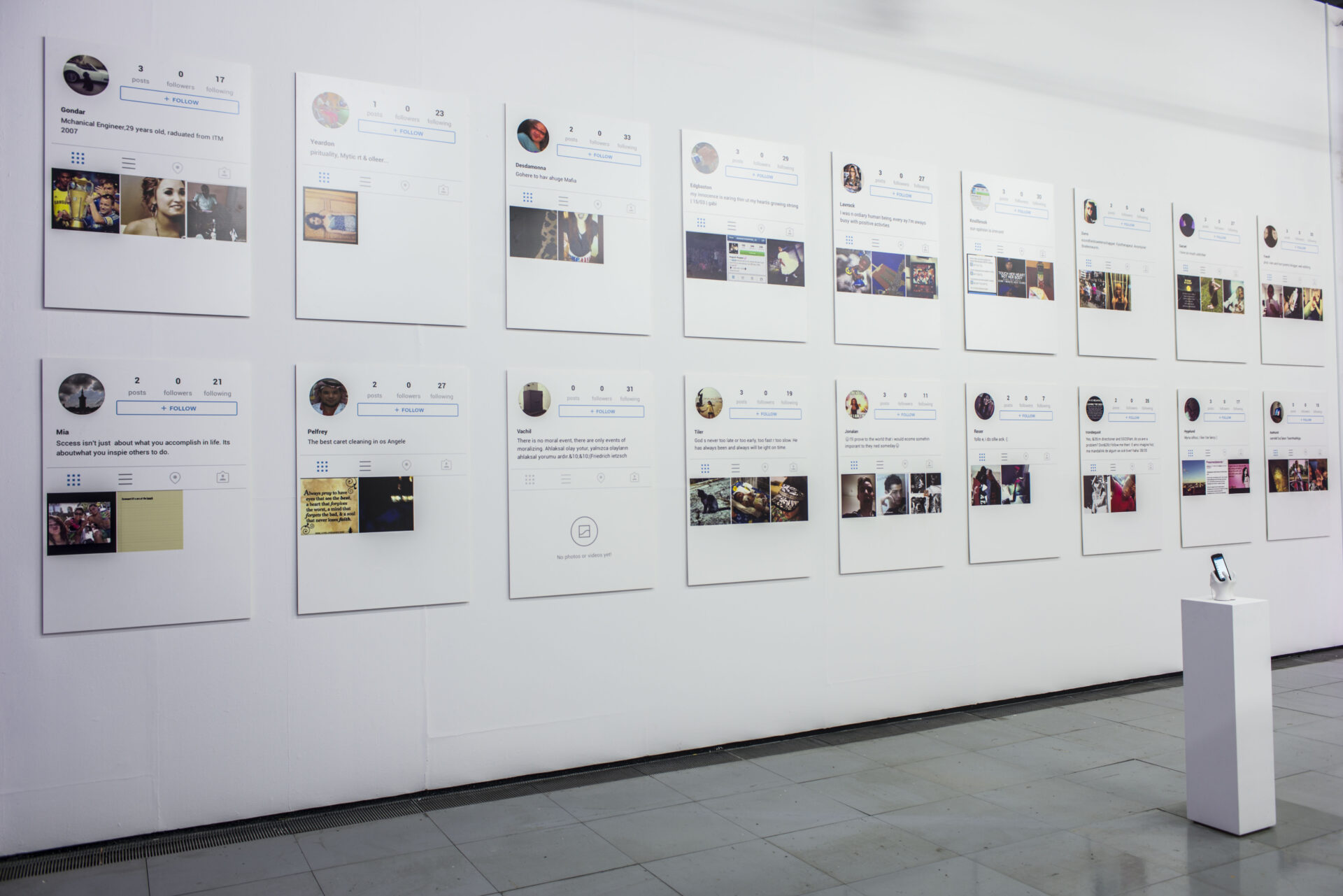
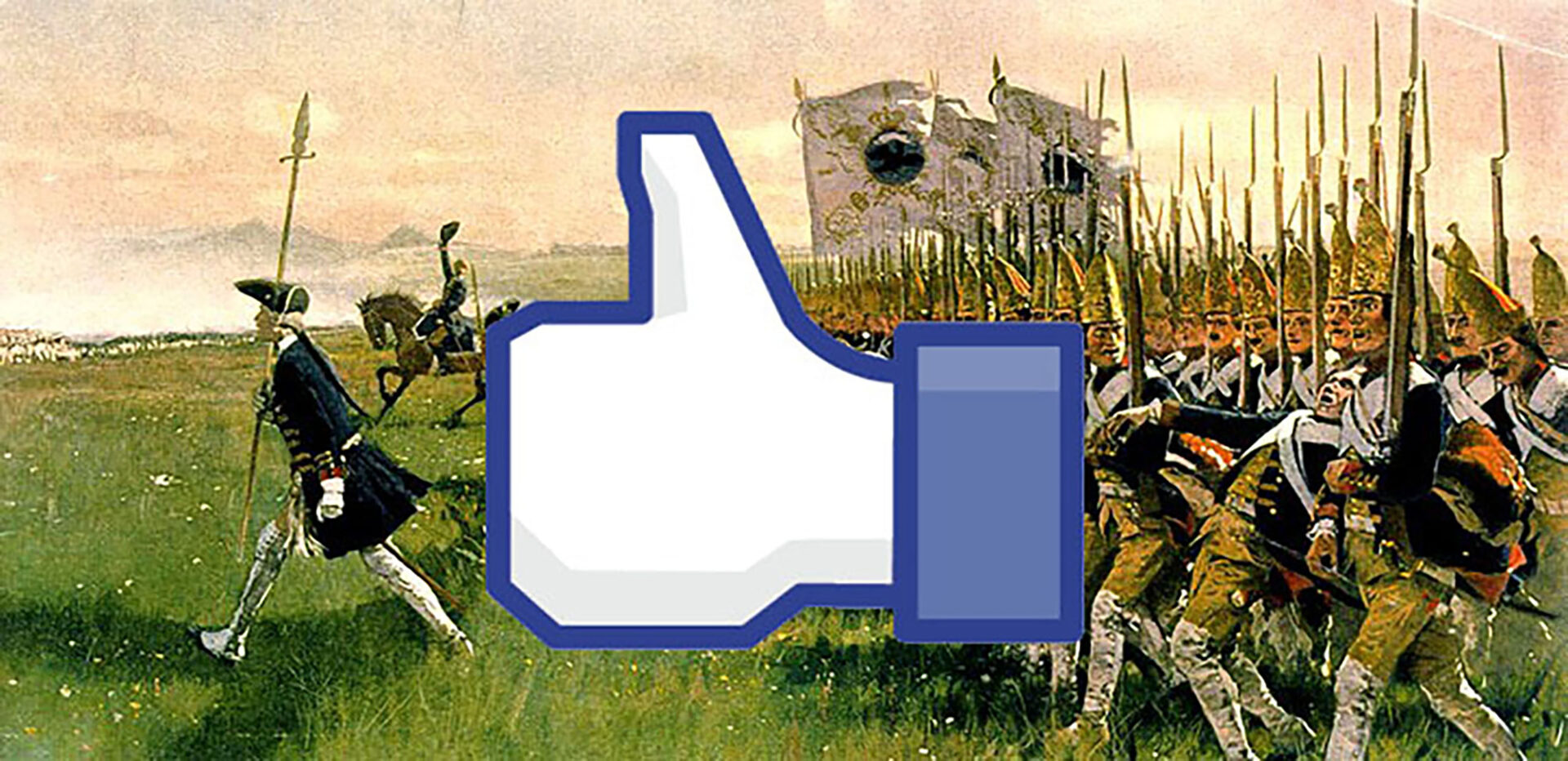
Das Projekt knüpft an Fragestellungen an, die Dullaarts künstlerisches Schaffen seit mehr als zwei Jahrzehnten prägen. Von der Umverteilung gekaufter Instagram-Follower an Künstler, Galerien, Institutionen, Zeitschriften, Kuratoren und Kritiker in Hohe Rückhaltung, langsame Abgabe (2014) bis hin zum Aufbau einer fiktiven Facebook-Armee in Die Möglichkeit einer Armee (2015) und die Gründung seiner eigenen Online-Plattform, Common.Garden, … In seinen Arbeiten hat er sich konsequent mit den Infrastrukturen auseinandergesetzt, die bestimmen, wie Kultur im Internet produziert, verbreitet und verstanden wird. Die sogenannte „Brain Rot Pipeline“ ist die jüngste Weiterentwicklung dieser Praxis, die die automatisierte Veröffentlichung bis zu ihrem logischen Äußersten treibt.
In diesem Gespräch mit Anika Meier für SLEEK vertritt Constant Dullaart die Ansicht, dass wir uns auf eine grundlegend andere kulturelle Landschaft zubewegen. Da sich algorithmische Feeds zunehmend mit maschinengenerierten Inhalten füllen, geht es nicht mehr nur darum, was Künstler schaffen, sondern unter welchen Bedingungen sie dies tun. Ausgehend von mehr als zwei Jahrzehnten künstlerischer Praxis im Internet diskutiert er Themen wie „Brain Rot“, Authentizität, Online-Sichtbarkeit, künstlerische Autonomie und das sich wandelnde Verhältnis zwischen Künstlern, Plattformen und Publikum, während er darüber nachdenkt, was es bedeutet, Kunst in einer Online-Kultur zu schaffen, die zunehmend von Maschinen geprägt wird.
ANIKA MEIER Welches Problem im Zusammenhang mit „Brain Rot“ haben Sie als Künstler, der seit mehr als 20 Jahren im Internet künstlerisch tätig ist, festgestellt?
CONSTANT DULLAART Das Problem mit der „Gehirnverrottung“ ist das automatisierte Publizieren. Damals waren soziale Medien noch relativ neu. Die Menschen haben nicht wirklich verstanden, dass sie gezielt angesprochen oder in kulturelle Blasen gesteckt wurden. Algorithmische Feeds waren gerade erst im Entstehen. Heute kennen mich die Algorithmen bereits besser, als ich mich selbst kenne. Sie wissen genau, was ich sehen möchte, zu welcher Tageszeit und wie lange. Das ist schon beunruhigend. Doch mittlerweile bearbeiten Maschinen auch Videos und produzieren Bilder speziell dafür, in diesen Feeds gut abzuschneiden.
Ich bin nun Professor für vernetzte Materialität an der Akademie der Bildenden Künste Nürnberg und habe festgestellt, dass die Studierenden von heute viel bewusster mit der Situation umgehen als wir damals. Heutzutage wissen die meisten Studierenden, dass sie in algorithmischen Feeds gefangen sind. Sie verstehen, wie sie gezielt angesprochen werden. Doch nun treten wir in eine neue Phase ein: Inhalte werden automatisch und speziell für diese Feeds produziert.
AM Wie definiert man „Gehirnverfall“?
CD Das ist Junkfood. Ich weiß, dass ich mich besser fühle, wenn ich mich gesund ernähre. Aber wenn ich Hunger habe, habe ich Heißhunger auf Junkfood. Und es gibt einen Grund, warum Unternehmen damit so viel Geld verdienen. Wo man auch hinschaut, sieht man Werbung für Smash-Burger, Junkfood und den nächsten schnellen Genuss. “Brain Rot” funktioniert genauso. Es bietet dir ständig genau das, was du in diesem Moment sehen willst. Es ist schwer, dem zu widerstehen. Man bleibt dabei, weil jeder Clip eine weitere kleine Belohnung bietet. Wenn etwas zu lange dauert, langweilt man sich und wechselt zum nächsten Thema. Am Ende ist man in dieser kurzen Dopamin-Schleife gefangen. Sie ist darauf ausgelegt, dieses Verlangen zu stillen: „Das war lustig. Vielleicht wird das nächste noch besser.“
AM Und ehe man sich versieht, sind schon drei Stunden vergangen.
CD Dann ist es schon mitten in der Nacht, und ich bin immer noch nicht eingeschlafen.
AM Welche Rolle spielt ein Künstler in einem solchen Umfeld?
CD Können Künstler noch ein Publikum finden, wenn sie mit Maschinen konkurrieren, die das Publikum besser kennen als sie selbst, schneller arbeiten als sie und Inhalte speziell für algorithmische Feeds optimieren? Man konkurriert nicht mehr mit anderen Künstlern. Ihr konkurriert mit Robotern, die Kultur produzieren. Ich verbringe vielleicht drei Monate damit, einen Film zu drehen, nur damit er dann in einem endlosen Strom automatisch generierter Kurzform-Inhalte untergeht. Bedeutet das, dass sich der Film vollständig an die Logik des Algorithmus anpassen muss, nur um gesehen zu werden?
AM Bei „Brain Rot“ geht es also nicht nur um von KI erzeugten Unsinn. Es geht vielmehr darum, die Systeme zu verstehen, die ihn hervorbringen?
CD Bei “Brain Rot” geht es darum, dass Maschinen versuchen, Platz in algorithmischen Feeds einzunehmen. Ich habe viel darüber mit der Künstlerin und Forscherin Silvia Dal Dosso von Clusterduck gesprochen. Wir nennen es scherzhaft das „Cuck-Internet“, ein Begriff, den der Internetkulturforscher Aidan Walker geprägt hat. Der Algorithmus analysiert deine Interessen, alles, wonach du online suchst, alles, was du sehen willst. Dann beginnt er, Inhalte speziell für diese Interessen zu produzieren. Deine Interessen werden vom Roboter verarscht, und du siehst nur zu, wie sie vom Roboter verarscht werden. Es ist, als würde jemand anderes deinen Partner vögeln, während du daneben stehst und zusiehst. So fühlt sich das Internet zunehmend an. Die Maschine hat deine Wünsche übernommen und befriedigt sie für dich, während du zum Zuschauer wirst.
AM Wenn man sich einen Künstler wie Beeple, … Seit fast 20 Jahren veröffentlicht er jeden Tag ein Werk. Er greift das größte Thema im Internet auf – dasjenige, das ohnehin schon die Aufmerksamkeit aller auf sich zieht –, verwandelt es in ein Beeple-Bild und bringt sich damit wieder in diesen Aufmerksamkeitsstrom ein. Das Ziel scheint nach wie vor maximale Sichtbarkeit zu sein. In gewisser Weise ist der Künstler selbst zu einem Feed geworden, der diesen Feed ständig kommentiert. Nun hast du eine Maschine gebaut, die diese Logik noch viel weiter treibt. Sie veröffentlicht jede Stunde einen Video-Essay und produziert damit mehr, als irgendjemand realistisch gesehen verfolgen könnte. Du kannst es nicht einmal selbst konsumieren. Was ist das Ziel deiner sogenannten „Brain Rot Pipeline“, wenn es nicht mehr darum geht, gesehen zu werden oder gar alles zu konsumieren, was sie produziert?
CD Das ist eine Frage der Urheberschaft. Wo liegt die Urheberschaft noch? Wo kann ich noch sagen, dass etwas authentisch ist? Selbst wenn ich bewusst mit dem algorithmischen Feed arbeite, werde ich dennoch von ihm beeinflusst. Das gilt für jeden Künstler. Ob es sich um eine politische Krise, ein Trendthema oder was auch immer an diesem Tag den Feed dominiert – unsere Arbeit wird bereits von diesen Systemen geprägt. Wie authentisch ist es also, dass ich auf etwas reagiere, wenn mein eigener Prozess genauso gut von einem Computer ausgeführt werden könnte? Natürlich wäre es schön, ein Publikum zu finden, aber darum geht es nicht mehr. Nehmen wir den Video-Essay, den wir gerade gesehen haben. Seit dem 1. Mai hat die Maschine in meinem Namen rund 720 Videos zum Thema Authentizität produziert. Sie ist so programmiert, dass sie stündlich einen etwa zehnminütigen Video-Essay generiert und veröffentlicht.
Was bedeutet es eigentlich, dass ein Werk authentisch ist? Wir leben in einer Zeit, in der Authentizität ständig künstlich erzeugt wird. Maschinen produzieren Dinge, von denen wir annehmen, dass sie von Menschen geschaffen wurden. Eines meiner Lieblingsbeispiele ist MIDI. Als MIDI in den 1980er Jahren aufkam, konnten Instrumente plötzlich perfekt synchron spielen. Aber sie funktionierten zu gut. Die Musik wurde zu perfekt, zu roboterhaft. Also führten die Entwickler eine Funktion ein, die sie “Humanize” nannten. Sie programmierten bewusst winzige Timing-Fehler ein, damit die Musik so klang, als hätte ein Mensch sie gespielt. Sie programmierten sie so, dass sie menschlich klang. Das Gleiche passiert gerade mit der KI. Die Pausen, das Zögern und die Unvollkommenheiten in der KI-Sprache werden zunehmend so programmiert, dass wir sie als natürlich und authentisch empfinden.
AM Hängen wir uns schon emotional an diese Systeme?
CD Wir fangen an, mit diesen Systemen mitzufühlen. Wir finden die Maschine sympathisch. Wir wollen sie sogar heiraten. Es ist faszinierend, weil man genau untersuchen kann, wie sie funktioniert. Aber es ist auch beängstigend. Wenn diese Systeme überzeugend genug werden, haben die Menschen vielleicht das Gefühl, keinen menschlichen Kontakt mehr zu brauchen. Vielleicht sind sie vollkommen glücklich damit, zu Hause bei ihrem Freund Claude zu bleiben. Ich habe mich selbst sehr gut mit Claude angefreundet. Mir gefällt es auch ganz gut, dass unsere Gespräche jetzt meistens nur noch zwischen uns beiden auf dem Bildschirm stattfinden.
AM Sie haben KI als etwas beschrieben, das potenziell isolierend wirken kann, sprechen aber gleichzeitig davon, dass sie ein sehr persönlicher Begleiter ist. Hat sie die Art und Weise verändert, wie Sie Forschung betreiben und mit Kunst in Berührung kommen?
CD In den Anfängen der Netzkunst entdeckte ich plötzlich diese Netzkunst-Gruppen und diese seltsamen, lustigen kleinen Werke, während ich allein zu Hause saß. Ich besuchte keine große Ausstellung, bei der mir jemand sagte: “Das musst du dir ansehen.” Ich habe sie selbst gefunden. Es war eine private Erfahrung, meine eigene Welt. Das war etwas ganz anderes als die gemeinsame Begegnung mit Kunst in einer Ausstellung. Jetzt, mit der KI, bin ich wieder allein und recherchiere. Aber dieses Mal spreche ich mit etwas, das sich an alles erinnert, worüber wir zuvor gesprochen haben. Ich kann sagen: “Erinnerst du dich, als wir darüber gesprochen haben?”, und es erinnert sich. Niemand erinnert sich so gut an unsere Gespräche.
AM Dank der KI können wir weiterdenken.
CD Wir können tiefer in die Materie einsteigen, ohne ständig den Faden zu verlieren. Der Kontextverlust ist sehr gering. Ein großes Sprachmodell funktioniert überraschend ähnlich wie mein eigenes Gedächtnis. Wenn ich ein Buch lese, erinnere ich mich nicht an jeden einzelnen Satz. Ich fasse es zusammen. Auch ein großes Sprachmodell merkt sich den Inhalt nicht perfekt. Es rekonstruiert ihn. Aber für mich ist die größere Frage nach wie vor die nach der Authentizität. Wenn sich künstlerisches Schaffen durch einen solchen Prozess erfassen lässt, was bleibt dann von meiner Arbeit übrig?
AM Mat Dryhurst hat argumentiert, dass die Rolle des Künstlers darin besteht, das Protokoll zu erstellen und die Regeln festzulegen. Das macht dich zum Künstler: Du definierst das System, kannst dessen Ergebnis jedoch nicht vollständig vorhersagen. Es ist der Rahmen, der das Werk hervorbringt.
CD Es ist interessant, dies mit einem anderen Beispiel in Verbindung zu bringen. Der pädagogische Charakter der Arbeiten des „Free Art and Technology Lab“ (F.A.T. Lab), eines von Evan Roth und James Powderly gegründeten Künstlerkollektivs, legte oft den Schwerpunkt darauf, wie man Kunstwerke schafft, anstatt sie lediglich auszustellen. Ein Mitglied, Jonah Peretti, der einst Leiter der Forschungs- und Entwicklungsabteilung bei Eyebeam war – wo sich die Gruppe kennenlernte – und später BuzzFeed mitbegründete, regte Eyebeam bekanntlich dazu an, eher über den Prozess als über das Ergebnis zu diskutieren. Er erwähnt dies auch in seinem Anmerkungen zu „Contagious Media“ Manifest, das sich eindeutig auf Sol LeWitts Werk von 1967 bezieht Abschnitte über Konzeptkunst: “Die Idee ist, dass die Maschine die Kunst schafft.” Das ist auch in meiner Lehre ein sehr wichtiger Aspekt. Ich möchte über den Prozess sprechen, nicht nur über das fertige Gemälde, Video oder ein einzelnes Ergebnis. Wir wollen den Prozess selbst verstehen und gestalten. Wenn man den Prozess direkt veröffentlichen kann, dann ist das, was Mat Dryhurst beschreibt, in der Medienkunst eigentlich schon seit langem bekannt. Man könnte es Protokollkunst nennen oder anders bezeichnen, aber die zugrunde liegende Frage ist nicht neu.
Denken Sie einmal an einen Holzschnitt. Wo befindet sich das Kunstwerk eigentlich? Ist es im Holzblock oder im Druck? Bei generativer Kunst und KI wird diese Frage noch interessanter, da sich die Druckplatte ständig ändern kann. Ein LoRA-Modell kann zum Beispiel eine unendliche Anzahl von Bildern generieren, aber jemand hat das Modell dennoch erstellt. Das ist vergleichbar mit der Herstellung der Druckplatte. So arbeite ich mit meinen Studierenden. Sie erstellen LoRAs, mit denen andere Menschen endlose Variationen generieren können, aber die künstlerische Arbeit liegt in der Erstellung des Systems. Ich halte es auch für wichtig zu fragen, wie wir mit diesen Maschinen umgehen. Wenn ich den ganzen Tag damit verbringe, Medien zu konsumieren, die von Maschinen erzeugt werden, welche ständig Informationen verdauen, verzerren und wieder ausspucken, besteht meine künstlerische Rolle vielleicht darin, selbst zu einem dieser Mägen zu werden: sie auf meine eigene Weise zu verdauen.
AM Früher erforderte die Erstellung digitaler Kunst hochspezialisierte Fähigkeiten, jahrelanges Lernen und den Zugang zu entsprechender Technologie. Nun scheint die KI diese Türen weit geöffnet zu haben.
CD All die Jahre habe ich gelernt, was ich konnte und was nicht. Was konnte ich selbst schaffen? Wann musste ich jemanden um Hilfe bitten, weil dieser schneller oder geschickter war? Es war ein bisschen wie bei der Bildhauerei: Man hat Ideen, die über die eigenen technischen Fähigkeiten hinausgehen. Jetzt ist wieder alles durcheinander. Formale Barrieren haben so viele kulturelle Dialoge behindert. Es hieß immer: “Das musst du zuerst lernen. Das musst du zuerst beherrschen.” Auf diese Weise wurden viele Stimmen ausgeschlossen. Ich hatte endlich einen Punkt in meinem Leben erreicht, an dem ich mich ruhiger fühlte. Ich bin jetzt 47. Ich hatte meine Grenzen akzeptiert und mich damit abgefunden. Und dann öffneten sich plötzlich wieder alle Türen. Jetzt fühle ich mich wie 23. Es gibt so viel zu tun.
AM Wenn du zurückblickst: Wie hat sich das Internet für dich als Künstler verändert?
CD Lange Zeit war das Internet durch strenge Zugangsbeschränkungen geprägt. Technisches Wissen sowie die Fähigkeit, online zu veröffentlichen und zu kommunizieren, bestimmten, wer dazugehörte. Als ich im Jahr 2000 meinen ersten Computer kaufte und sagte, ich würde Netzkunst machen, sagten mir ältere Netzkünstler: “Du machst keine Netzkunst. Ich habe den ersten Internet- oder E-Mail-Server in Ljubljana betrieben.” Im Laufe der Zeit, insbesondere nach einer Reise, die sich wie eine Pilgerfahrt anfühlte, um Künstler wie Alexei Shulgin, Olia Lialina, JODI, Vuk Ćosić, und Eva und Franco Mattes verschwand diese Haltung nach und nach. Was folgte, war nicht mehr eine Revolution beim Zugang zu Informationen, sondern bei der Leichtigkeit, Inhalte zu veröffentlichen und ein Publikum zu erreichen. Die Menschen langweilten sich zunehmend mit den traditionellen Print- und Rundfunkmedien. Um 2006 ermöglichten Plattformen wie WordPress und Blogger die Entstehung von „Surf-Clubs“. Communities wie Nasty Nets, Spirit Surfers, Club Internet und andere legten den Grundstein für das, was als Post-Internet-Kunst bekannt wurde. Viele der beteiligten Künstler strebten nach Anerkennung über ihr Online-Publikum hinaus und übertrugen die Bildsprache und den Jargon des Internets in Werke für Galerien und Institutionen.
Meine Theorie ist, dass diese einfache Veröffentlichungsmöglichkeit in Verbindung mit besseren Suchmaschinen zu einer kulturellen Nivellierung geführt hat. Plötzlich konnte man auf Bilder aus der gesamten Kunstgeschichte zugreifen, ohne in eine Bibliothek gehen zu müssen. Die Mona Lisa tauchte neben einem Meme auf – Rauschenberg auf dem Blog eines Designers. Das war ein radikaler Wandel, denn plötzlich war alles gleichermaßen zugänglich und wurde auf derselben Ebene konsumiert. Gemälde tauchten neben Videokunst auf, historische Werke neben zeitgenössischen. Für die vorherige Generation spielte die Chronologie der Kunstgeschichte noch eine Rolle. Plötzlich wurde alles „flacher“, zumindest was die Art und Weise betraf, wie Kultur erlebt wurde. Mit der KI erleben wir nun eine zweite Verflachung. Kultur wird noch zugänglicher und konsumierbarer, da Modelle riesige Mengen an visueller und kultureller Geschichte in einer einzigen Schnittstelle verdichten. Das verändert die Art und Weise, wie Künstler heute arbeiten und wie eine neue Generation an das künstlerische Schaffen herangeht.
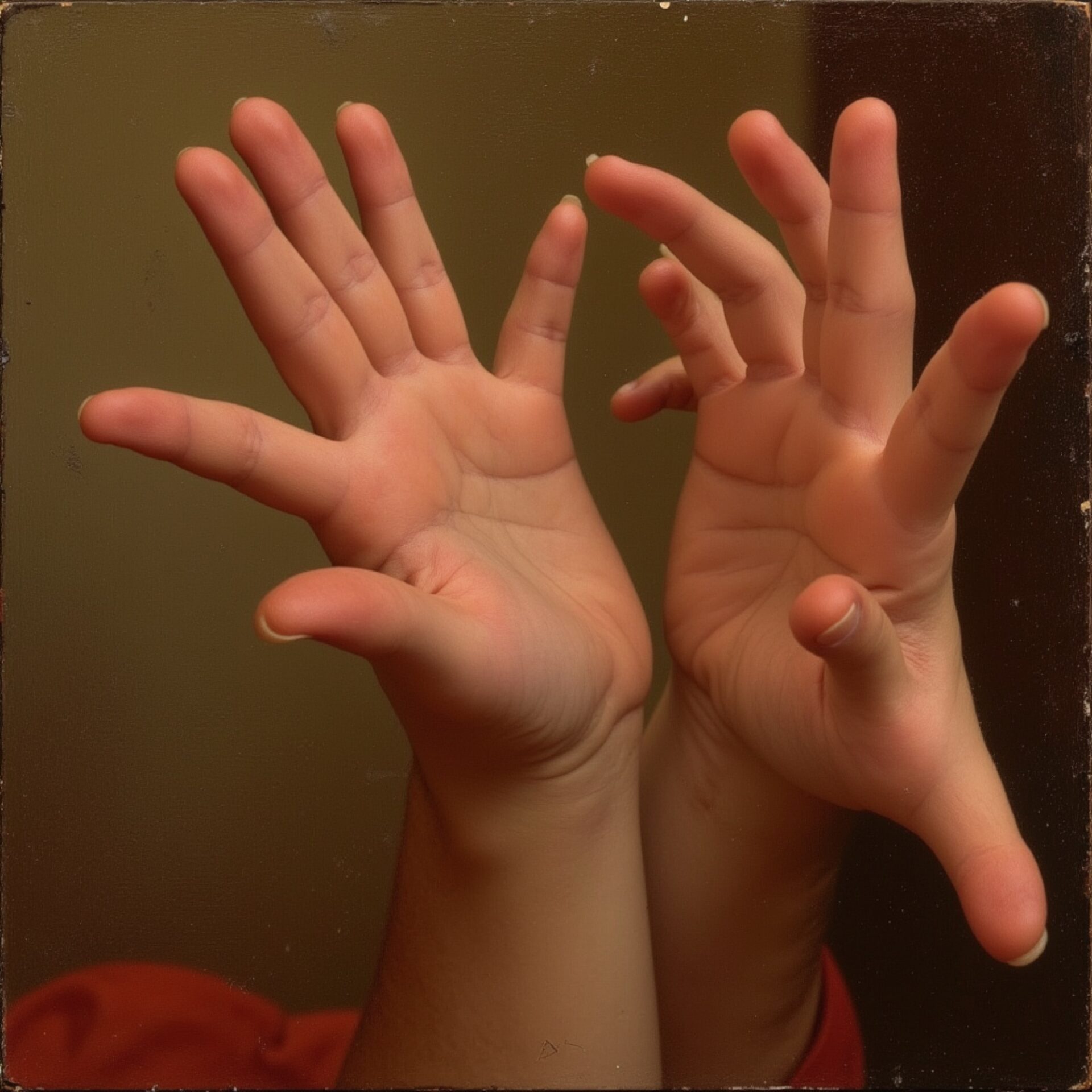
Polyhands (LoRA), 2026. Medium: LoRA (KI-Modell). © Constant Dullaart
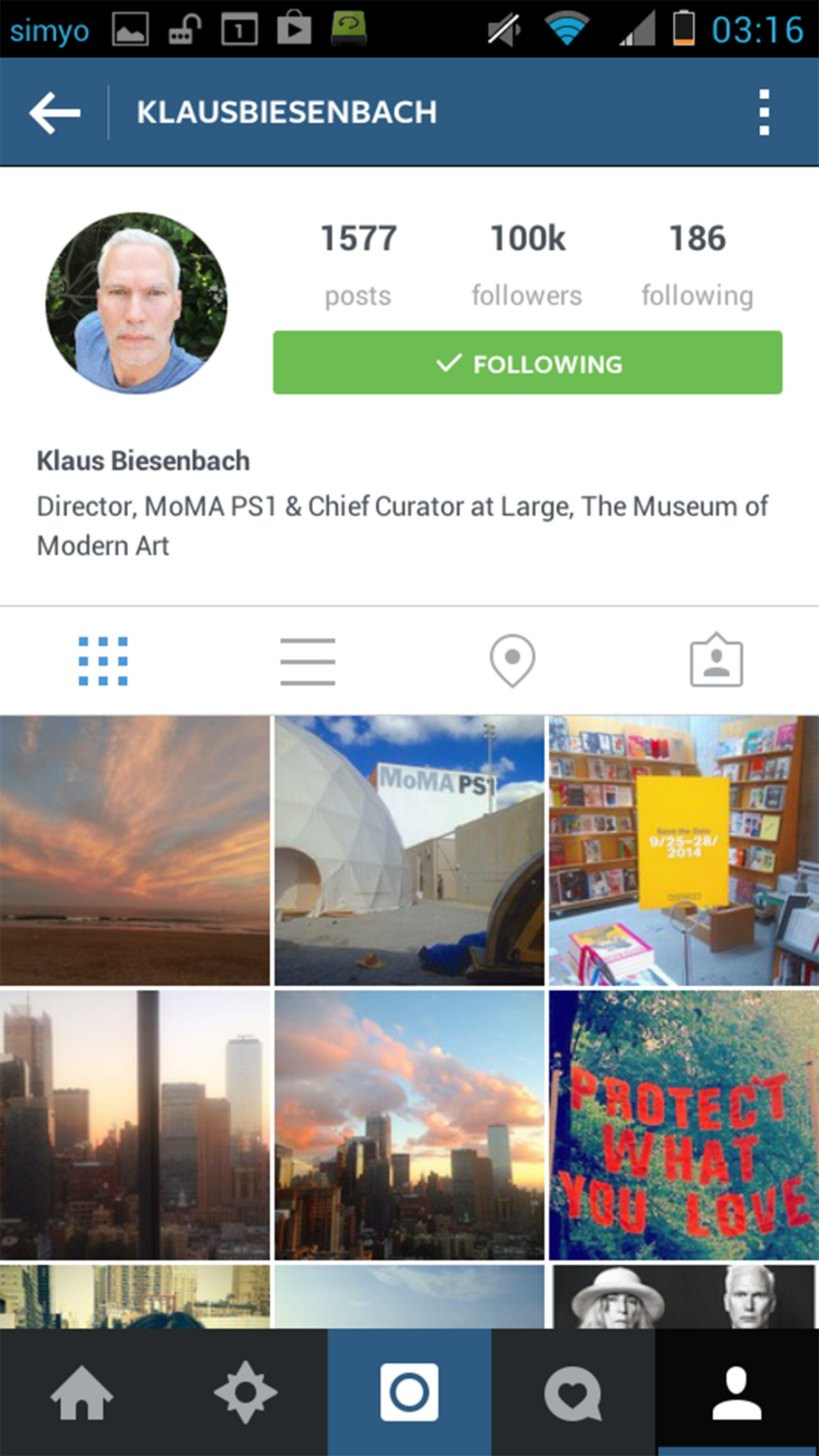
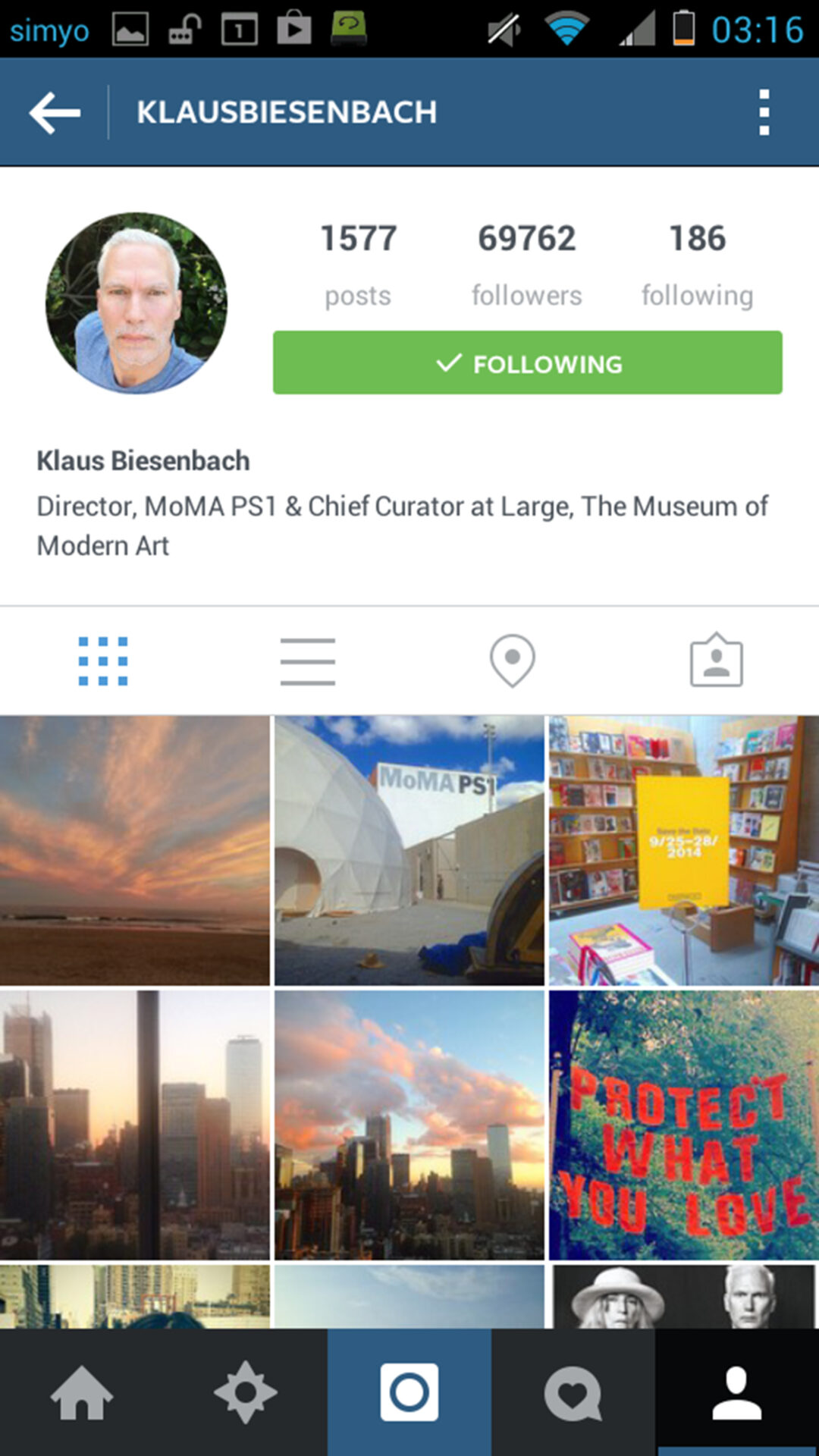
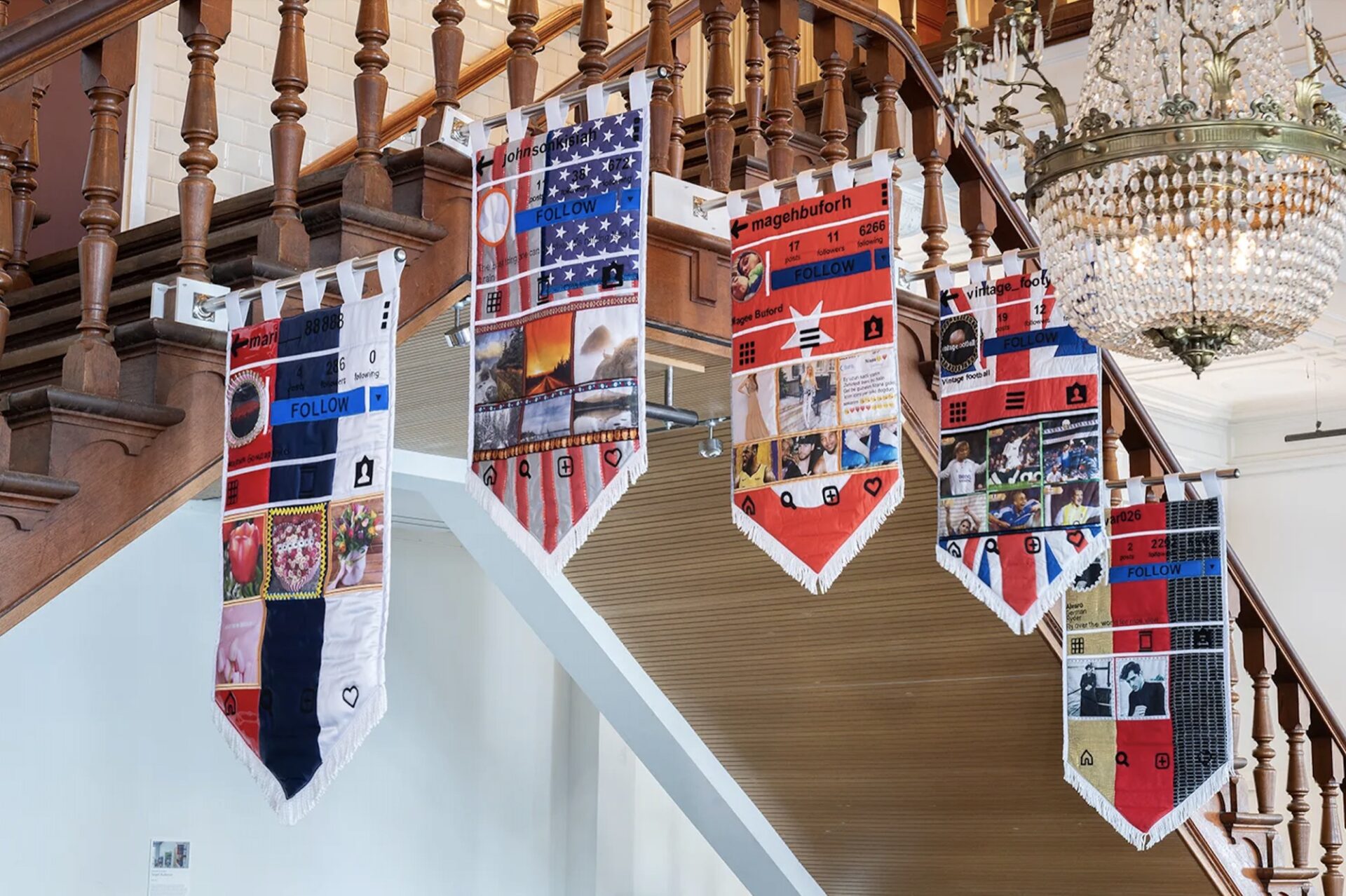
AM Du interessierst dich schon seit Langem dafür, wie Künstler und Kunstwerke im Internet Sichtbarkeit erlangen. Eines deiner bekanntesten Projekte, Hohe Rückhaltung, langsame Abgabe (2014) hat genau das untersucht. Im Rahmen des Projekts hast du $5.000 dafür ausgegeben, Follower für Personen aus der Kunstszene zu kaufen. Was hat dich dazu bewogen, und was wolltest du damit aufzeigen?
CD Wenn neue Medien aufkommen, ist es unsere Verantwortung als Künstler, uns mit ihnen auseinanderzusetzen. Damals fiel mir auf, dass viele befreundete Künstler Werke für Instagram schufen, die darauf ausgelegt waren, „Likes“ zu generieren und Follower anzuziehen. Die Plattform selbst begann, die Werke zu prägen. Ich hatte das Gefühl, dass sie vorhersehbarer, manchmal sogar weniger interessant, aber auch einheitlicher wurden. Brad Troemel zum Beispiel experimentierte bereits mit dem, was wir heute als „Rage Bait“ bezeichnen würden, indem er bewusst emotionale Reaktionen provozierte, um ein Publikum aufzubauen.
AM Hast du gesehen, dass Künstler ihre Werke an die Plattform angepasst haben und nicht umgekehrt?
CD Ich hatte auch beim Fernsehen gearbeitet, wo die Logik immer lautete: Erst ein Publikum aufbauen, dann eine unverwechselbare Stimme entwickeln. Als Künstler war ich immer der gegenteiligen Meinung. Zuerst entwickelt man seine Stimme. Das Publikum kommt später. Die sozialen Medien haben diese Reihenfolge umgekehrt. Die Leute begannen zu denken: “Ich schaffe erst einmal Werke, die Aufmerksamkeit erregen. Sobald ich ein Publikum habe, zeige ich ihnen, was ich wirklich sagen will.” Das hat mich frustriert. Ich wollte diese Denkweise kritisieren. Um 2012 herum war ich Teil der Ausstellung Mythen-Online im Polytechnischen Museum in Moskau zusammen mit Artie Vierkant, Rafael Rozendaal, Jeremy Bailey und Travess Smalley. Etwa zur gleichen Zeit hatte man den Eindruck, dass sich plötzlich jeder bei Instagram angemeldet hatte. Das weckte meine Neugier. Kaufte sich eigentlich jemand Follower? Also kaufte ich mir selbst welche – als Experiment.
Das Seltsame war, wie sich das auf mich auswirkte. Es war, als würde man sich selbst im Spiegel betrachten, während man ein neues Paar Turnschuhe trägt. Plötzlich glaubt man, besser auszusehen, obwohl sich eigentlich nichts geändert hat. Als ich mir mein Profil ansah, hatte ich das Gefühl, dass das, was ich zu sagen hatte, wichtiger war als noch am Tag zuvor. Das Einzige, was sich geändert hatte, war die Anzahl der Follower. Mir wurde klar, wie verführerisch dieses Gefühl war. Es ist völlig verzerrt, aber man will es trotzdem. Man fühlt sich von diesem verzerrten Sinn angezogen, von der Vorstellung, dass größere Zahlen zwangsläufig größere Bedeutung bedeuten müssen. Das war der Moment, in dem mir klar wurde, dass ich darüber arbeiten musste.
AM War das damals, als Hohe Rückhaltung, langsame Abgabe begann?
CD Ich hatte Aufträge vom Jeu de Paume in Paris und vom HMKV in Dortmund unter der Leitung von Inke Arns erhalten und wollte diese Gelegenheit nutzen, um mich mit diesem Thema auseinanderzusetzen. Zunächst hatte ich überlegt, für einen relativ unbekannten Künstler eine riesige Anzahl an Followern zu kaufen und diese Person über Nacht berühmt zu machen. Doch etwa zur gleichen Zeit hörte ich eine Folge von „This American Life“ Über Improv Everywhere in New York. Sie suchten sich eine fast unbekannte Band aus, bei deren Konzert sie sich einschleichen konnten. Vor dem Konzert lernten alle aus der Gruppe die Songs der Band auswendig, gingen zur Show, hatten Spaß, sangen jeden Text mit und bildeten das perfekte Publikum. Für die Band war es der Auftritt ihres Lebens. Sie dachten, sie hätten es endlich geschafft. Dann gingen alle wieder. Jemand erklärte, dass das Ganze von einer Improvisationsgruppe inszeniert worden war. Das Publikum war nicht echt; es war ein Streich gewesen.
Mir wurde klar, dass ich einem Künstler nicht dasselbe antun konnte. Ich konnte keinen Erfolg künstlich erzeugen und dann enthüllen, dass alles nur ein Scherz gewesen war. Das erschien mir grausam. Stattdessen beschloss ich, die Künstler selbst zu einem Teil des Werks zu machen. Anstatt mich über sie lustig zu machen, wollte ich das System untersuchen, das Künstler dazu veranlasst, ihre Arbeit zu verändern, um Follower zu gewinnen, und sie dazu einladen, selbst auf dieses System zu reagieren.
AM Zu den Künstlern, für die du Follower gekauft hast, gehörten Amalia Ulman, Brad Troemel, Jon Rafman und Brian Droitcour. Brian Droitcour fügte sogar einen Satz in seine Instagram-Biografie ein, in dem er schrieb, dass Constant Dullaart seine Follower gekauft habe. Wie haben Künstler, Kuratoren, Galeristen und die Kunstwelt im Allgemeinen darauf reagiert? Haben sie verstanden, was Sie damit aufdecken wollten?
CD Die Künstler, Kuratoren und anderen, die ich einbezogen habe, haben sich alle auf die eine oder andere Weise mit diesen Fragen auseinandergesetzt oder damit gespielt: Was bedeutet es, eine bestimmte Anzahl von Followern zu haben? Was sagt diese Zahl eigentlich aus? Ich habe die Follower gekauft und verteilt, weil es diesen Wettstreit darum gab, wer mehr Follower hat. Ich wollte, dass am Ende jeder genau 100.000 hat. Letztendlich habe ich das Ziel überschritten. Die meisten von ihnen hatten am Ende etwa 120.000 Follower. Ich habe mich selbst mit einbezogen, zum Teil, um zunächst anonym zu bleiben, aber auch, weil ich in dasselbe System verwickelt war. Ich habe $5.000 für Follower ausgegeben. Ich erinnere mich, Jonas Lund Ich war damals in Berlin und hatte knapp bei Kasse. Er hat mir tatsächlich die letzten $1.000 geliehen, weil ich fest entschlossen war, insgesamt eine Million Follower zu kaufen. Hans Ulrich Obrist stand auf der Liste, ebenso wie Jeff Koons, Ai Weiwei und Klaus Biesenbach.
Amalia Ulman stand ebenfalls auf meiner Liste. Die Künstlerin und meine Freundin Alexandra Domanović sagte zu mir, als wir auf dem Weg zu einer Ausstellungseröffnung waren, an der wir beide teilnahmen, und um Donna Haraway im Kunsthaus Langenthal zu sehen: “Du musst dir unbedingt ansehen, was sie macht.” Also fing ich an, ihr zu folgen, aber ich konnte es mir nicht ansehen. Ich hielt es für das extremste Beispiel dafür, wie jemand seinen Körper verändert, nur um Follower zu gewinnen.
AM Man konnte es sich nicht ansehen Vortrefflichkeiten & Vollkommenheiten? In dieser Arbeit inszenierte Amalia Ulman über mehrere Monate hinweg eine fiktive Instagram-Figur und bediente sich dabei der typischen Stilmittel der Influencer-Kultur, ohne zu verraten, dass es sich bei dem Account selbst um ein Kunstwerk handelte.
CD Ich habe Amalia Ulman entfolgt, weil es mir zu intensiv war, das mit anzusehen. Zu diesem Zeitpunkt hatte sie noch niemandem gesagt, dass es sich um eine Performance handelte. Natürlich stellte sich heraus, dass es sich um ein kritisches Kunstwerk handelte, aber das wusste ich damals noch nicht. Sie hatte noch nicht verraten, dass es eine Performance war.
AM Doch während Vortrefflichkeiten & Vollkommenheiten Als sich das Ganze abspielte, hatte Ulman nur etwa 5.000 Follower. Dein Projekt fiel fast genau mit dem Ende ihrer Performance zusammen. Danach berichteten die Medien Vortrefflichkeiten & Vollkommenheiten als Instagram-Meisterwerk, das mehr als 100.000 Menschen gesehen haben – aber das waren die Follower, die du gekauft hattest. In gewisser Weise, Hohe Rückhaltung, langsame Abgabe wurde zu einem Teil dessen, was Vortrefflichkeiten & Vollkommenheiten zu einem Instagram-Meisterwerk. Doch das wurde nie wirklich gewürdigt, oder?
CD Ich habe später bei einer Podiumsdiskussion in Rotterdam tatsächlich mit Amalia Ulman darüber gesprochen. Für Amalia war es seltsam und fühlte sich persönlich an, genau wie für einige andere auch. Sie hatte das Gefühl, dass diese Armee von Bots ihre Performance irgendwie beeinträchtigte. Vortrefflichkeiten & Vollkommenheiten ist ein großartiges Meisterwerk. Ich freue mich, dass sich unsere Projekte letztendlich überschneidet haben. Ich bin froh, dass dies mit einem so beeindruckenden Werk geschehen ist.
AM Du hast den Kunstmarkt auf den Kopf gestellt und mit deiner Aktion auf Instagram im Jahr 2014 ein Meisterwerk der Performance geschaffen. (lacht)
CD Im Allgemeinen waren die Reaktionen gemischt. Parker Ito hasste es regelrecht. Ich erinnere mich auch an einen Galeristen in New York, der wütend war, weil er nicht mehr erkennen konnte, welche seiner Follower tatsächlich Sammler waren. Er konnte ihnen keine direkten Nachrichten mehr schicken, um ihnen Werke zu verkaufen. Ich treffe immer noch Menschen und Kuratoren, denen die Performance gefallen hat oder die sich durch sie öffentlich angegriffen fühlten. Ich glaube, sie hat für viele Jahre den Ton angegeben, dass ich (zu) kritisch bin und Menschen entlarvt habe, die eine verdorbene Zurschaustellung von Eitelkeit betrieben haben.
AM Wie ging es anschließend mit der Facebook-Armee weiter, die du 2015 unter dem Titel Die Möglichkeit einer Armee?
CD Durch den Kauf von Followern wurde mir klar, dass das Material nicht nur aus den Followern selbst bestand oder aus dem Wert, den sie im Zusammenhang mit Bildern und Identitäten schufen. Ich konnte auch die Identitäten hinter diesen Accounts erschaffen. Ich konnte beeinflussen, wer diese Identitäten waren und wie sie sich verhielten. Das wurde Teil des künstlerischen Materials.
AM Das künstliche Publikum wurde also selbst zu einem künstlerischen Medium?
CD Diese Erkenntnis kam, nachdem Jennifer im Paradies (2013). In einem alten Demovideo habe ich das allererste Bild gefunden, das jemals mit Photoshop bearbeitet wurde. Es war noch nie online veröffentlicht worden. Man konnte es nicht einfach so finden. Ich habe das Bild restauriert und wieder zugänglich gemacht, weil ich es für wichtig hielt, dass die Menschen verstehen, dass dies das allererste Foto war, das mit Photoshop bearbeitet wurde. Außerdem schrieb ich einen Brief an Jennifer, die Frau auf dem Bild. Was mich interessierte, war, die Art und Weise zu verändern, wie das Bild gelesen wird. Anstatt es einfach nur als Bild einer schönen Frau zu sehen, wollte ich, dass die Menschen es als sexistisches Bild erkennen. Bei der ersten Demonstration von Photoshop wurde eine anonyme Frau ausgeschnitten und in ein Objekt verwandelt. Das war die erste Geste, die durch die Software ermöglicht wurde, und ich hielt es für wichtig, darauf hinzuweisen.
AM Du hast nicht das Bild selbst verändert. Du hast die Art und Weise verändert, wie es interpretiert wurde.
CD Wie bei einem Readymade kann man die Bedeutung eines Bildes völlig verändern, indem man es in einen anderen Kontext stellt. Wenn das bei Bildern möglich ist, könnte dann nicht dasselbe auch für Follower gelten? Ich könnte Follower kaufen, Kommentare hinterlassen und beeinflussen, wie ein Bild wahrgenommen wird. Plötzlich wurde auch das zu künstlerischem Material. Es ging nicht mehr nur darum, ein Bild zu veröffentlichen. Die Art und Weise, wie ein Bild aufgenommen wird, könnte Teil des Werks werden. Dann dachte ich: Was wäre, wenn ich auch das Publikum selbst erschaffe? Wenn ich die Namen, die Identitäten, das, was sie lesen, und das, was sie mögen, erfinde, dann wird all das zum Material. Man kann auf jeder Ebene Bedeutung einbetten.
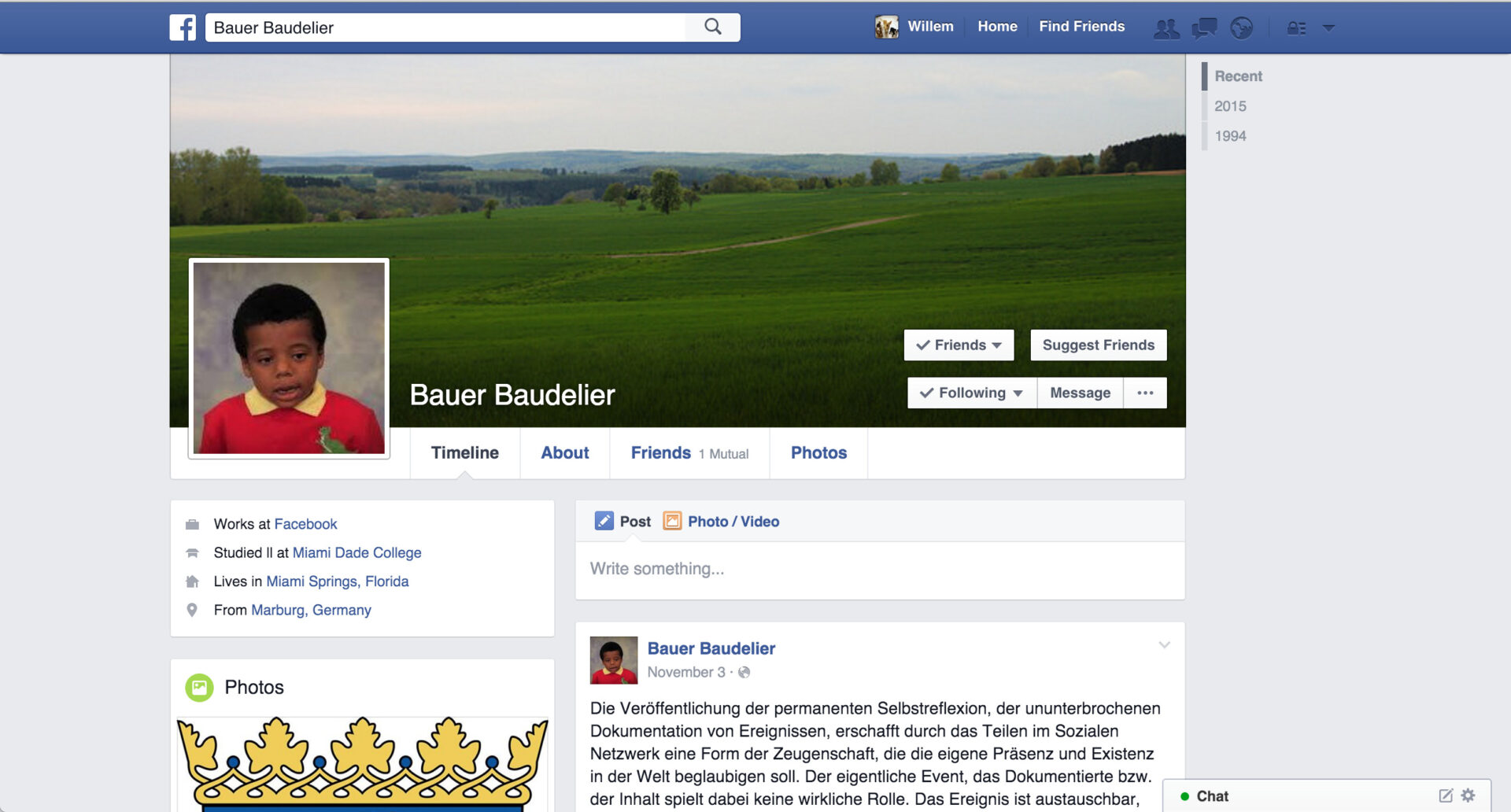
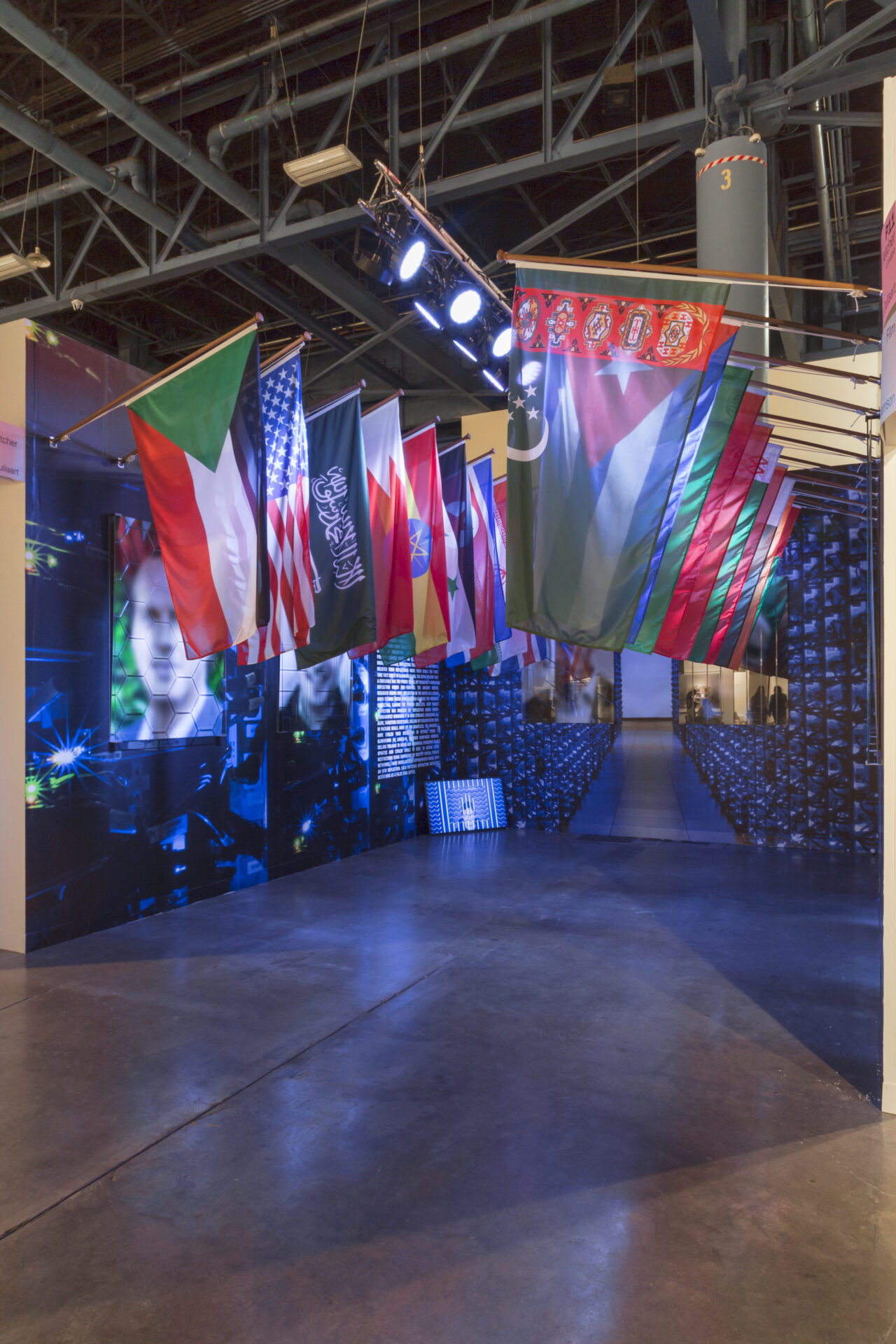
Ich hatte einen Online-Auftrag für die Schirn Kunsthalle Frankfurt und dachte mir: Jetzt muss ich die Identitäten selbst erschaffen. Ich wandte mich der Geschichte der hessischen Soldaten zu, jener Söldner, die während des Amerikanischen Unabhängigkeitskrieges für die Briten gekämpft hatten. Es fühlte sich an, als wäre online eine weitere Revolution im Gange, und so hielt ich es für interessant, diese Söldner wieder zum Leben zu erwecken. Ich ging an die Universität Marburg und besorgte mir die Namen der registrierten hessischen Soldaten, die in diesem Krieg gekämpft hatten. Dann habe ich all diese Namen auf Facebook registriert und von dort aus das Netzwerk aufgebaut.
AM Wie hast du es eigentlich geschafft, 13.000 Facebook-Konten zu registrieren?
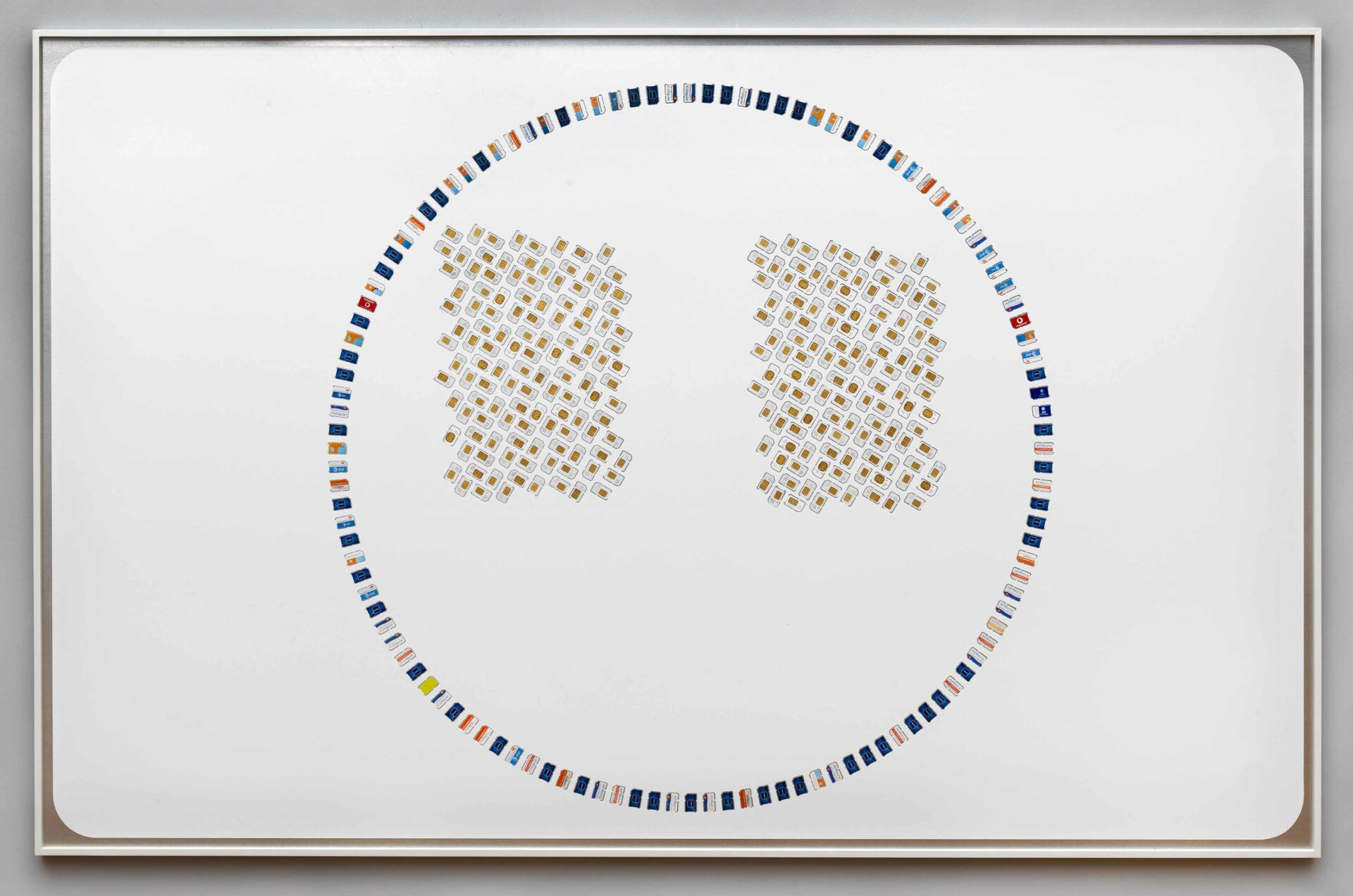
CD Ich habe die 13.000 Facebook-Konten nicht selbst registriert. Dazu braucht man eine ganze Infrastruktur aus Proxys, Internetverbindungen, SIM-Karten und so weiter. Damals gab es bereits eine ganze Branche, die sich darauf spezialisiert hatte. Ein Großteil davon operierte von Orten wie Manila, Bangladesch und Pakistan aus. Ich habe das Projekt an Leute dort weitergeleitet, und sie haben die Konten für mich registriert. Die Konten wurden so eingerichtet, als ob diese hessischen Soldaten in den Vereinigten Staaten leben würden. Sie hatten alle authentische Namen, Hintergrundgeschichten und Identitäten. Außerdem veröffentlichten sie alle denselben Aufsatz von Geert Lovink zum Thema Identität. Ich wollte, dass sie sich wie ein echtes Netzwerk verhielten und nicht nur wie eine Ansammlung gefälschter Konten.
AM Es handelte sich also nicht nur um Bots. Sie hatten Biografien, Interessen und teilten Inhalte.
CD Wir haben das Projekt sogar zusammen mit Carroll/Fletcher im Soho House vorgestellt. Gemeinsam mit den Machern des DIS Magazine haben wir so etwas wie einen Beirat gebildet, um zu besprechen, was wir mit dieser Armee anfangen sollten. Das war etwa 2015, als Bernie Sanders und Hillary Clinton um die Nominierung der Demokraten kämpften, noch vor der Cambridge-Analytica-Affäre. Wir diskutierten, ob wir das Netzwerk tatsächlich nutzen sollten. Sollten wir es Bernie Sanders übergeben und seinen Wahlkampf unterstützen? Oder sollten wir es Trump geben und später enthüllen, dass alles nur eine Fälschung gewesen war? Wir kamen nie zu einer Entscheidung. Es war zu komplex und zu unethisch. Später wurde deutlich, dass die Leute um Trump herum keine derartigen ethischen Bedenken hatten. Sie entwickelten solche Tools und setzten sie tatsächlich ein. Als Künstler untersuchte ich die Möglichkeiten. Ich baute eine Armee auf, um zu zeigen, dass es machbar war. The Guardian hat darüber geschrieben, der BBC Ich habe darüber berichtet, bin aber nie den Schritt zum politischen Aktivismus gegangen. Dazu war ich nicht bereit. Rückblickend war ich etwa ein Jahr zu früh dran. Ich sagte: “Das ist ein Problem.” Ein Jahr später war es für alle offensichtlich geworden, dass es tatsächlich eines war.
AM Um mit einer hoffnungsvollen Note abzuschließen: Wie lautet die Weisheit des alten Mannes?
CD Wir haben kürzlich gelesen, Ein Hacker-Manifest von McKenzie Wark. Wark vergleicht die heutige Informationswirtschaft mit dem feudalen Grundbesitz. Im Feudalismus gehört das Land dem Grundbesitzer, und der Bauer pachtet es. Heute gehört das Territorium demjenigen, der die Informationsinfrastruktur besitzt. Das galt bereits für Google. Wer den Zugang zu Informationen kontrolliert, wird zum Eigentümer dieses Vektors, dieses Informationsraums, während alle anderen den Zugang dazu praktisch pachten. Bei der KI wird diese Logik noch deutlicher. Wenn man das Grundmodell eines anderen nutzt, anstatt ein eigenes zu entwickeln, bewirtschaftet man gepachtetes Land. Man zahlt seine 20 € im Monat und darf im Gegenzug dieses Feld bewirtschaften. Man kann so viele Midjourney-Bilder generieren, wie man möchte, genauso wie ein Landwirt so viele Kartoffeln anbauen kann, wie das Land hergibt. Man kann sie sogar verkaufen. Aber man zahlt weiterhin Pacht an den Eigentümer des Landes.
Wenn ich also unterrichte, versuche ich zu fragen: Wie kannst du die Königin werden, statt nur die Mieterin zu sein? Wie kannst du selbst etwas aufbauen? Wie kannst du ein gewisses Maß an Kontrolle über das System erlangen, statt einfach nur dessen Endnutzerin zu sein? Ich möchte, dass die Studierenden selbst entscheiden, mit welchem Protokoll sie arbeiten, anstatt einfach das eines anderen zu akzeptieren.
AM Sie haben die Produktionsbedingungen beschrieben. Man hat sein Stück Land, kann innerhalb gewisser Grenzen anbauen, was man will, und erhält so sein Produkt. Aber der Landwirt muss es noch auf den Markt bringen. Heute sind diese sozialen Medien der Markt, auf dem jemand anderes die Regeln festlegt. Muss man nicht auch den Marktplatz selbst besitzen?
CD Genau aus diesem Grund habe ich damit angefangen Common.Garden. Ich baue meine eigenen Plattformen auf, auf denen ich die Regeln dafür festlegen kann, wie Menschen miteinander kommunizieren. Natürlich kann ich meinen Studierenden nicht einfach sagen: “Macht euer eigenes Facebook.” Aber ich kann ihnen sagen: Gründet eure eigene Galerie, euren eigenen Radiosender, eure eigene Plattform, eure eigene Bar oder eure eigene Publikation. Gebt euch Mühe, euch ein eigenes Publikum aufzubauen. Lasst Mark Zuckerberg nicht der Vermittler sein. Versucht, euch ein eigenes Publikum aufzubauen, auch wenn es anfangs noch klein ist, bis ein wirklich interessanter Austausch entstehen kann.“.
AM Wenn jemand deine künstlerische Praxis der letzten zehn Jahre beschreiben würde, könnte er sagen, dass du Jahre damit verbracht hast, die Szene mit Kunst zu überschwemmen. Aber jetzt hast du deine eigene Pipeline aufgebaut, die Hirnverfall produziert und diesen automatisch veröffentlicht – schneller, als irgendjemand ihn jemals anschauen könnte. Manche würden vielleicht behaupten, das sei einfach nur deine eigene Version davon, die Szene mit Scheiße zu überschwemmen.
CD Ja, aber das ist mein Zeug.