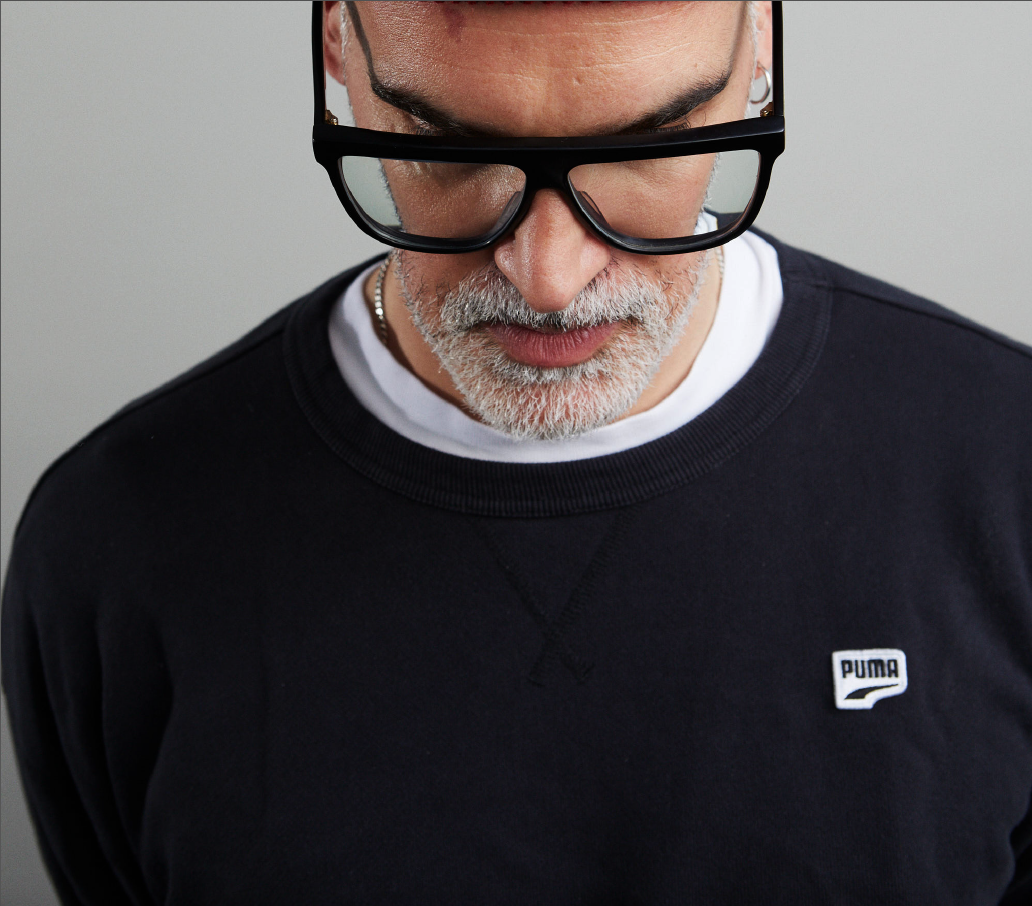
We sat down with Rafa Nespereira, PUMA Group’s Global Product Marketing Manager Sportstyle, to talk about bringing an idea to life, the learning process and the “motion of city life” and much more.
Fashion editorials, Styling coordinator, creative manager, global product marketing manager, “specialist of the trends” … You master the development and marketing of the whole chain, from a to z. How did you get to this point and how do you manage to combine all these roles?”
I think that it has been a natural evolution of my work and the things I enjoy. I have been lucky with the opportunities during my career that have allowed me to be involved in so many roles and projects. I think that it is a matter of skills and how I understand the roles in the industry at the moment. We are working in an environment where you need to have a 360 POV of the whole process to implement the vision that you have for the product.
It is not only briefing a new sneaker based on a trend or a need for the company, but also understanding and interpreting the language and idea that your designer has in mind for the product, make the idea a reality through the development process, adjust it to the brand and the needs of your customer. And, at the end, make it attractive and culturally relevant for the sneaker’s consumer.
You were first trained in political science, business administration and international trade during your higher education before turning to fashion, how did this change take place? How did the creative and artistic aspect of your job come about?
As you said, I am coming from an analytical and theoretical educational background that it was what I did during my first years in my career and there it was when I realized that some part of my profile needed a bit of improvement.
I have always been attracted to fashion and cultural movements and their implications within society, so I decided to focus a bit more into that area with my studies in Florence. After that, I think that it has been still a learning process, more based on professional experience.
In my daily work, I oversee the whole story-telling process of the product, so it is quite natural to visualize what we would like to achieve through visuals or a more artistic point of view, at least for me.
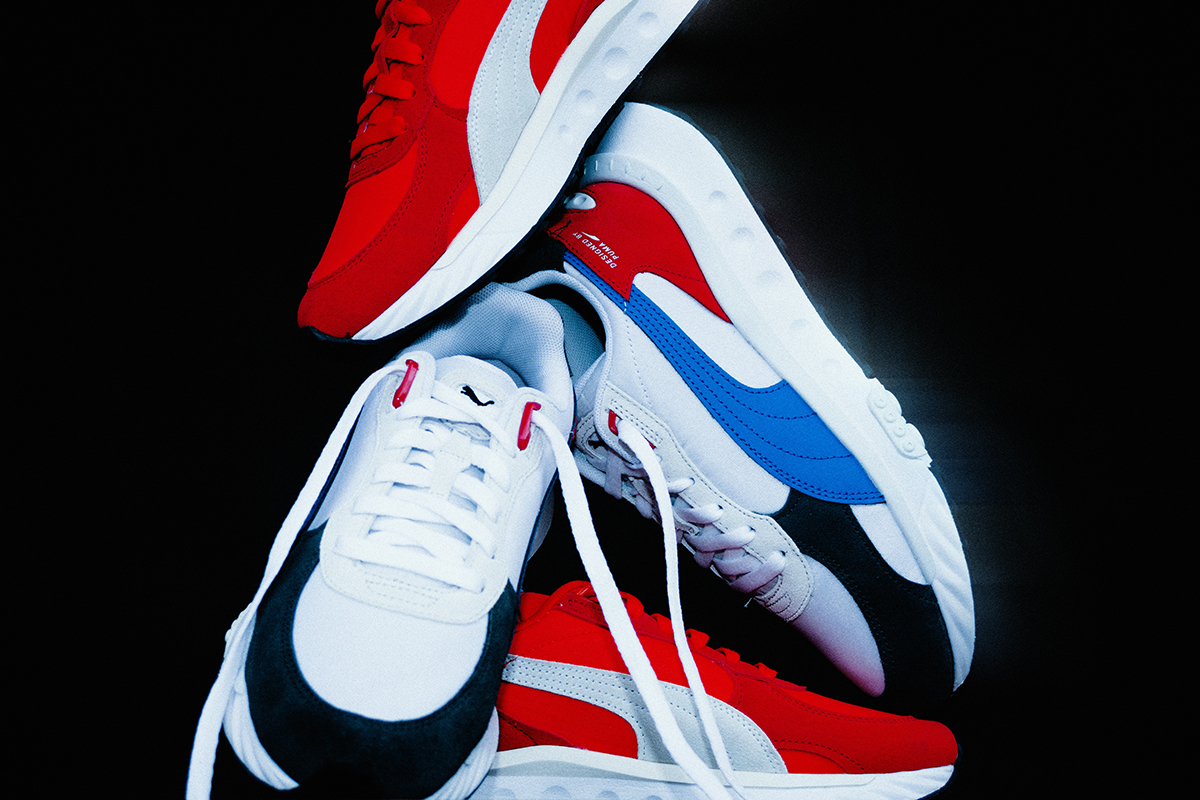
Photography: © by Matias Alonzo
Your campaigns are often based on street lifestyle, urban architecture, industrial colours or “inspired by the movement and motion of city life” in the case of Puma’s Wild Rider, what inspires these collections and campaigns and how do you design them?
There are two separate things to talk about here, the product and the campaign:
– Product is part of a design exercise to make relevant and contemporary a valuable piece of our archive, the RIDER family, with a totally new model inspired by that.
– The Campaign tries to reflect the message embedded in the sneaker through a consumer focus lense.
Both parts converge here under the umbrella “motion of city life”, where we want to portrait the spirit of performance/running associated to those retro sneakers from the 70’s and the 80’s, in a totally new scenario for them as it is the speed of the city.
The design of the campaign is a conglomerate of those ideas where talents like Neymar are included to recreate that idea in our mind.
In general, how do you manage to juggle the creative and commercial parts of your work? Is this an important issue?
I wouldn’t say issue, but it is the issue, yes!
There are always a lot of factors and voices to be considered of course, but the main two aspects here to always hold on to are:
– The values of the brand and what do you want to communicate with them.
– The needs of the sneaker customer.
From there, we just have to be sure to push the brand aesthetics and perception on every single project.
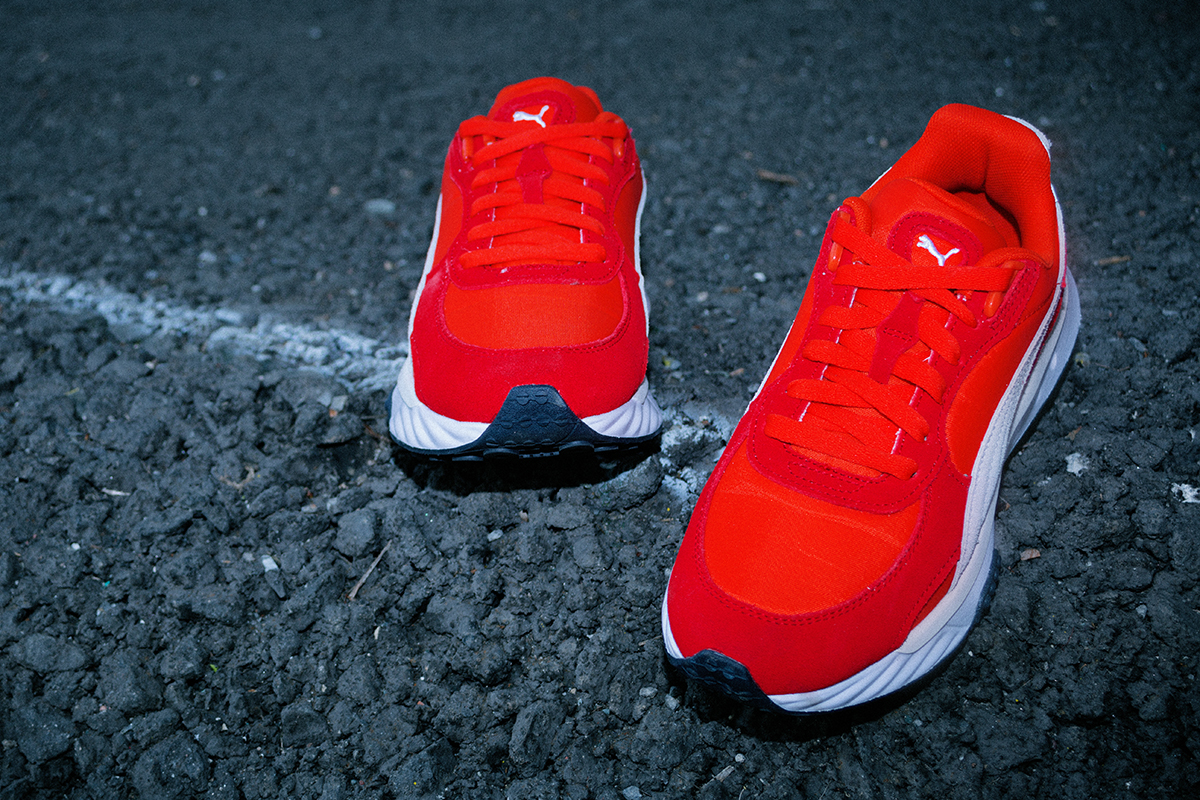
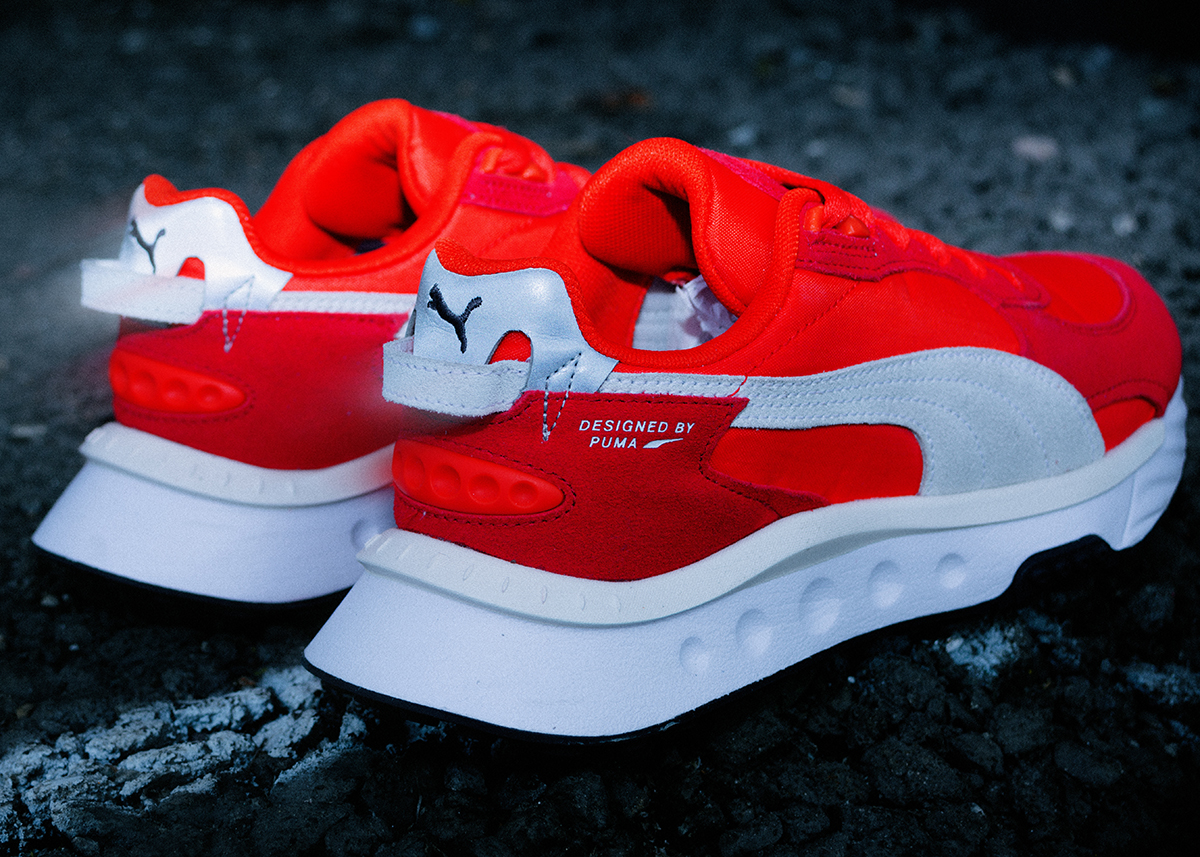
Photography: © by Matias Alonzo
What are your projections for the future marketing of a brand like Puma as well as for sportswear as a whole in the coming months and years? Is there a particular direction you would like to take personally?
Good question! Of course, we cannot say the digital is the future as it is the present. Everything related to that is something to keep focusing from VR to NFT’s, and be prepared for the different innovations that will come in that field.
Also, inclusivity and sustainability are the centered part of the mindset of a society that want to see and heard how you represent them, and you take care of their values, and of course, that is a key point for PUMA.
In a more personal way, I love to see how relevant and curated the non-digital part of the marketing side is again, and how relevant and influential are the new wave of independent brands and creatives that are shaping the actual industry
What are the main qualities you need to have or work on to manage a job like yours? What advice would you give to someone who wants to start out?
First, I would say trust yourself but also the others. If you have a clear idea in your mind, stand for it, being flexible to incorporate other opinions or perspectives that can make your vision even better. You will never achieve things alone.
Then, I would say: Being culturally aware of things that are happening is also quite important, as you cannot leave a mark if you are not aware of the needs or problems that you have to face. Everything is a learning process, so the more you know and see the better, as you will have unlimited tools and resources to use.
And, last but not least, be as open to newness and things as you can be. The less preconceptions and judgements that you have, the better. It will help to tackle issues that are not part of your environment with respect and empathy.
- The PUMA Rider pack is available to purchase HIER
- For SLEEK, photographer Matias Alfonzo lensed Liza and Luca wearing PUMA’s Wild Rider. All Fashion Story is available HIER !